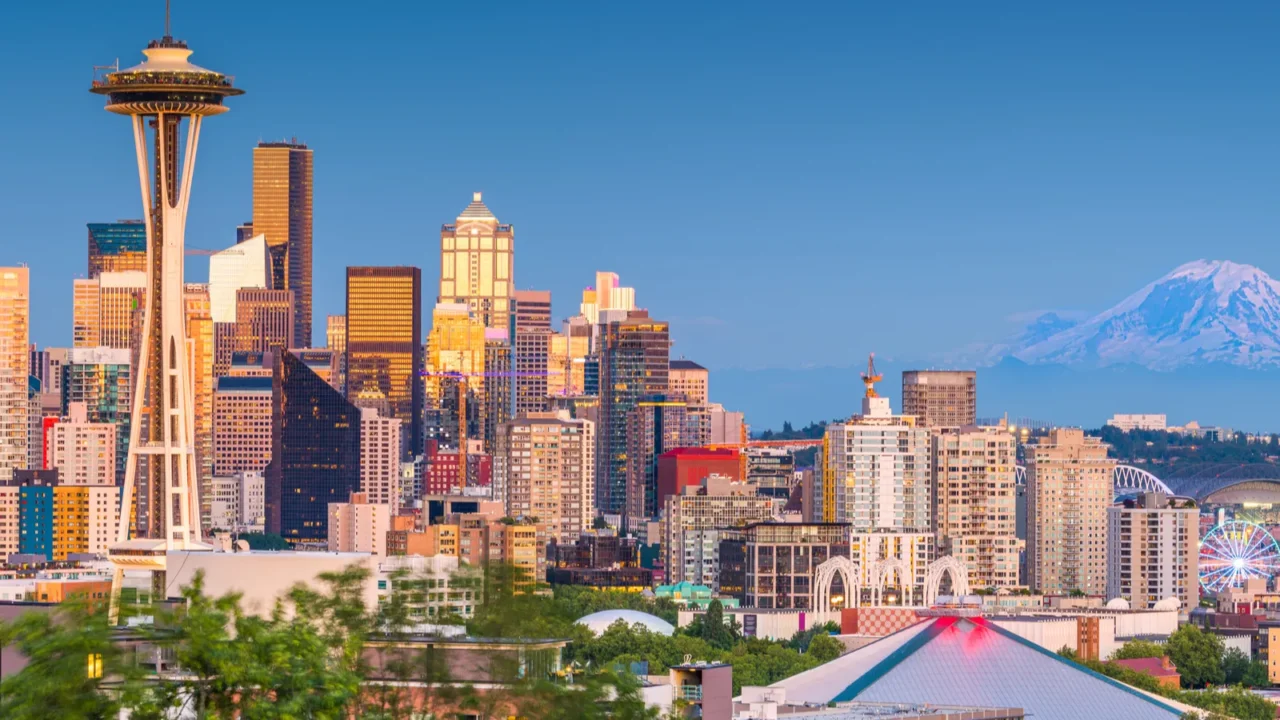
Seattle first-timer trap list
Seattle looks simple on a map, but your day disappears in lines, hills, and “why is it taking so long” moments. First-time trips often waste energy on the wrong stuff, not the fun stuff. This slideshow is your shortcut to a smoother 2026 visit.
I’m not here to tell you to skip Seattle classics. I’m here to help you do them smarter, with fewer detours and less waiting. Let’s start with the biggest time-waster most visitors regret by noon.
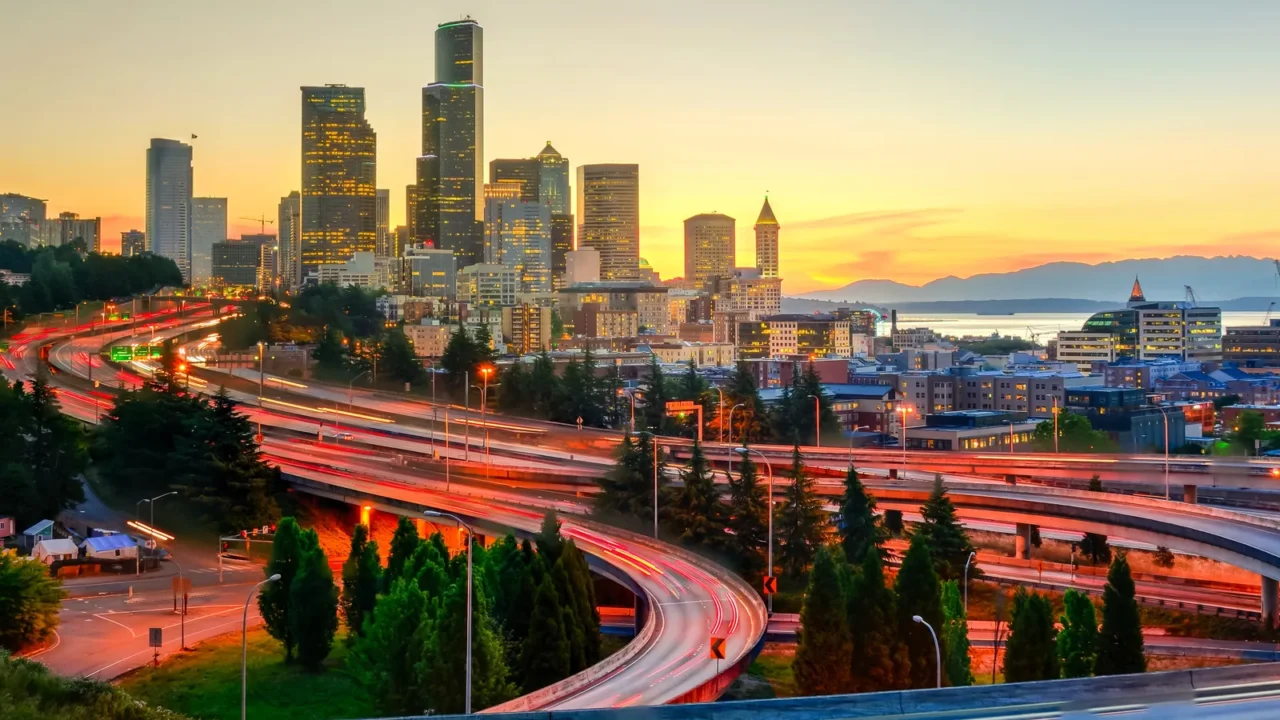
Driving downtown like it is LA
The downtown core is compact, but driving can feel like crawling. You lose time circling for parking, then you pay a premium to store your car. After that, you still walk anyway.
If your hotel is downtown, try a “park it once” plan. Walk, use transit, and save the car for a day trip like Snoqualmie Falls or a ferry run. You’ll save time and money by parking once and exploring on foot or transit.
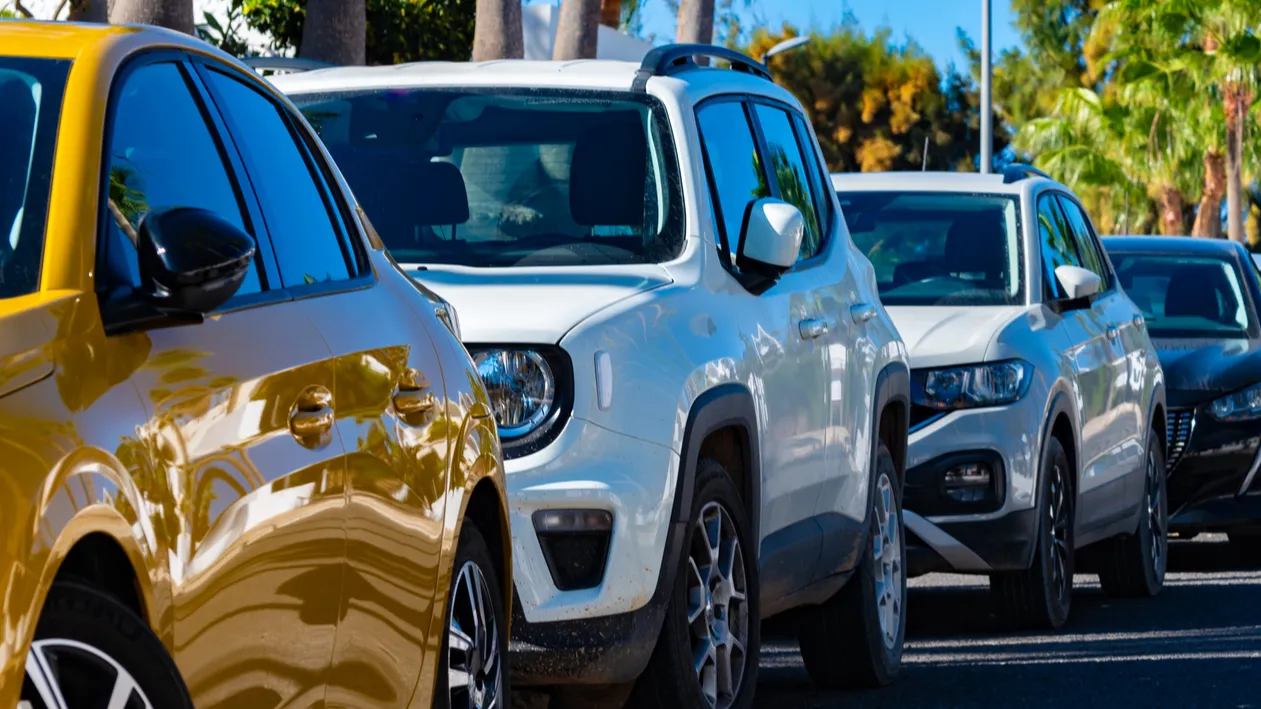
Underestimating parking pain
Seattle parking can be pricey, and garages fill up faster than visitors expect. The worst move is arriving with no backup plan, especially around Pike Place Market. A quick stop turns into a 30-minute hunt.
If you must drive, decide your garage before you go. Build in extra time and use a single parking spot as your base. Then explore on foot instead of hopping back in the car.
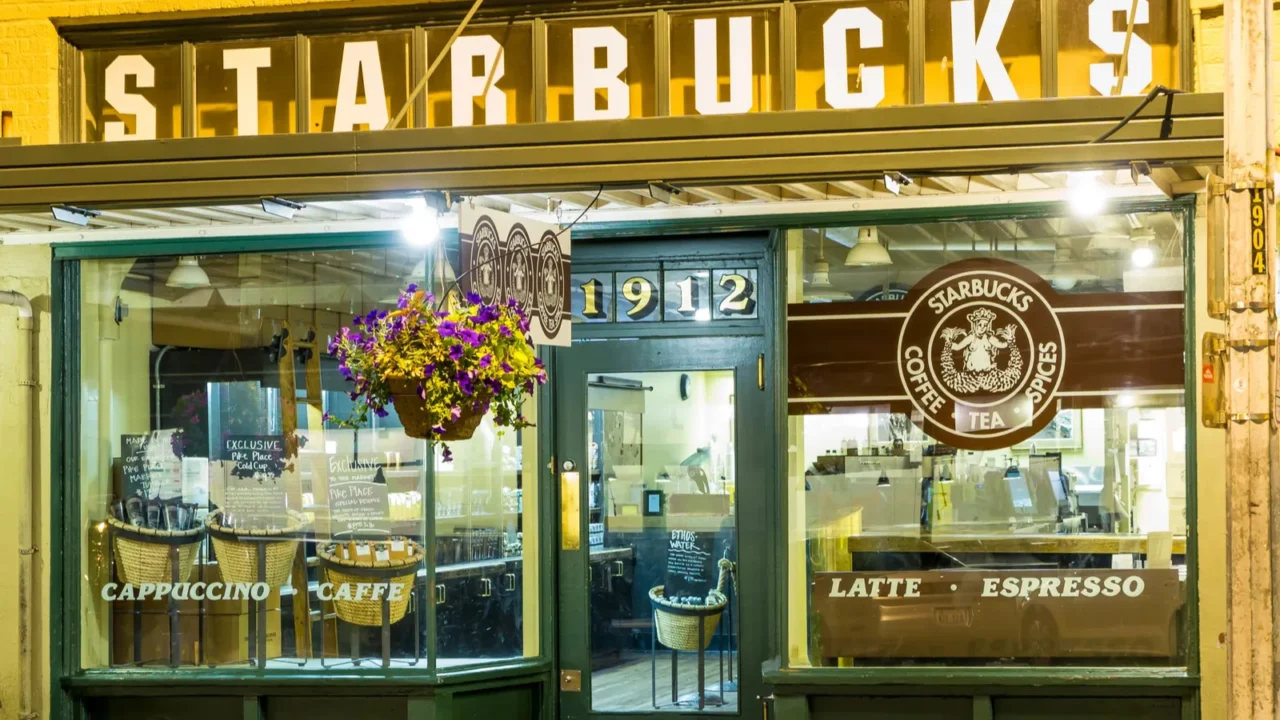
Waiting in the wrong Starbucks line
That long Starbucks line at Pike Place is famous, but it is not always worth your morning. Many visitors think they are seeing the “first ever” store exactly as it was. The reality is more complicated, and your time is real.
Seattle’s coffee culture is bigger than one selfie. If you want a fun fact, Starbucks opened March 30, 1971, near Pike Place Market, and the “original” location is often described as having moved from an earlier nearby address.
Packing an umbrella, not layers
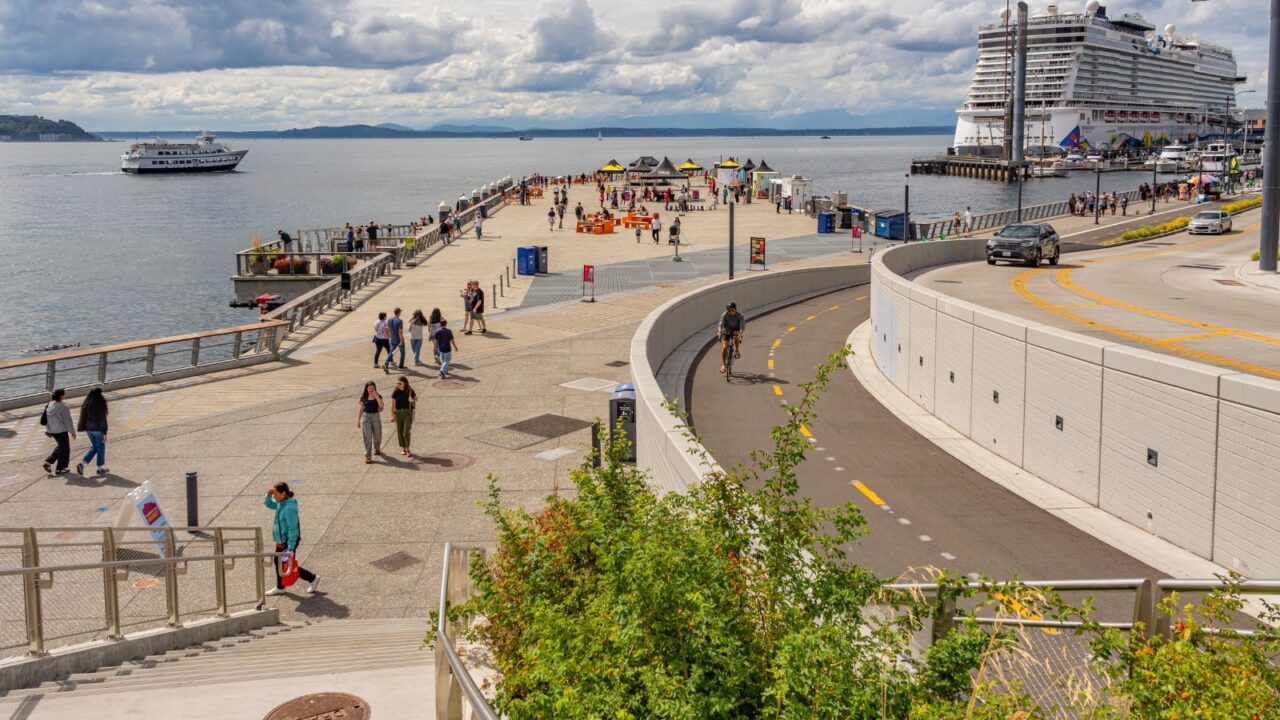
Seattle rain is often light drizzle, not a movie-style downpour. Tourists carry umbrellas that flip in the wind, then get annoyed all day. Locals usually look relaxed because they dress for the mood swings.
Bring a waterproof jacket with a hood and wear layers you can peel off. Temperatures can shift fast between morning, afternoon, and water views. You will feel more comfortable and move faster.
Hitting Pike Place at peak crush
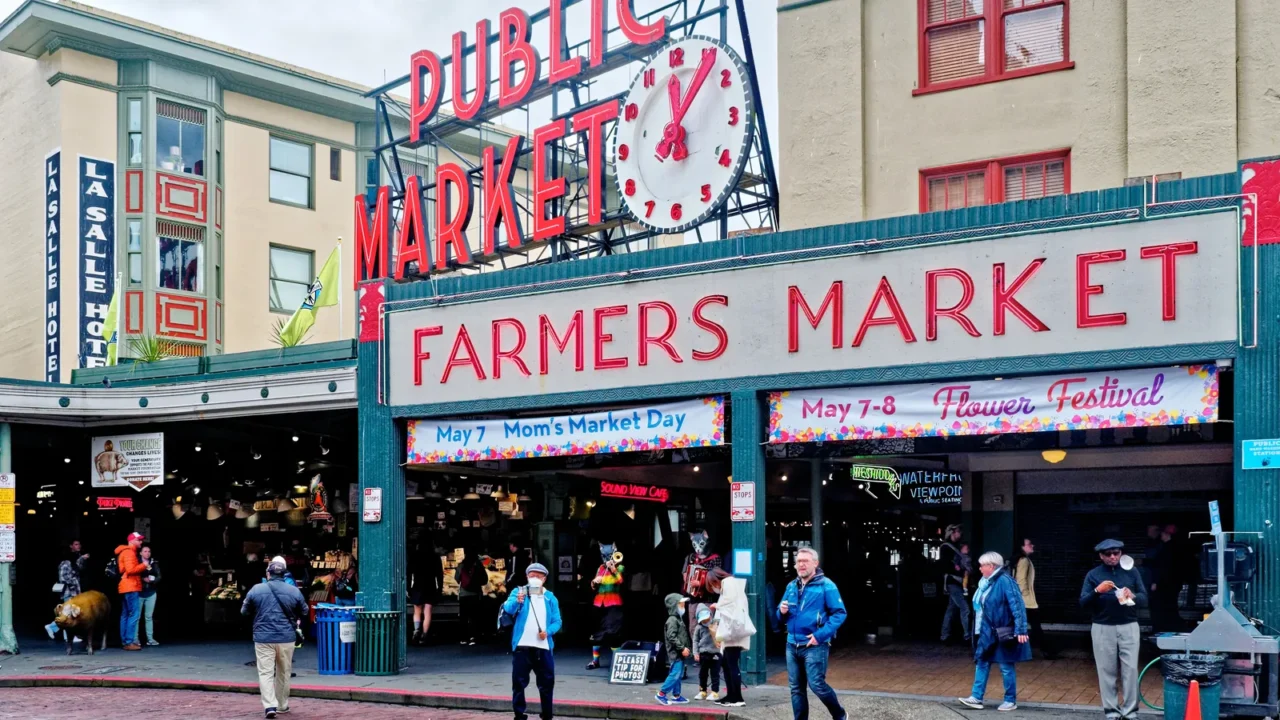
Pike Place Market is iconic, but it can turn into shoulder-to-shoulder traffic. If you show up at the busiest time, browsing feels like a slow shuffle. That is when people get tired and quit early.
Go earlier and you will actually see the stalls. Pike Place Market recommends visiting before noon to avoid peak crowds; weekdays and early mornings are usually less busy than late mornings and afternoons.
Only sleeping downtown
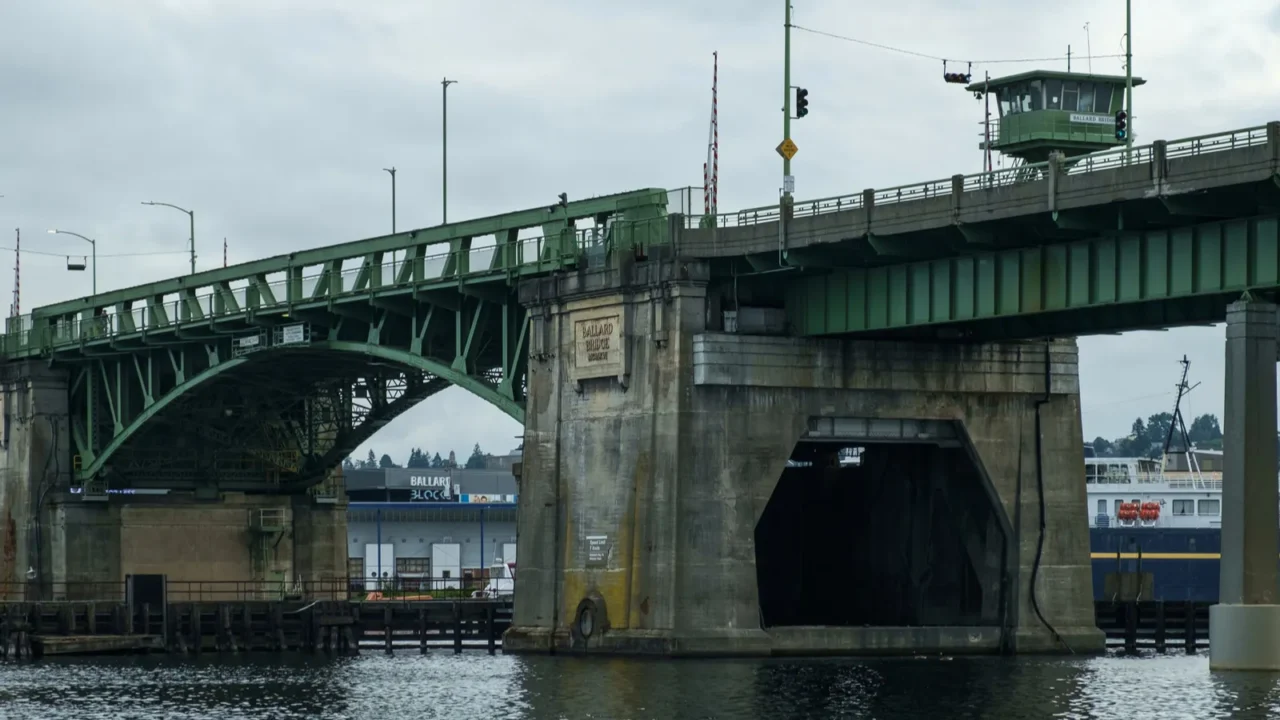
Downtown is convenient, but it is not the whole Seattle vibe. First-timers often miss how neighborhood-driven the city feels. You get better food, energy, and more local scenes outside the core.
Consider areas like Ballard, Fremont, or Capitol Hill for a more “Seattle after work” feel. You can still visit downtown, but you will not feel trapped in one zone. It also helps you spread out crowds across your trip.
Booking Space Needle on fog duty
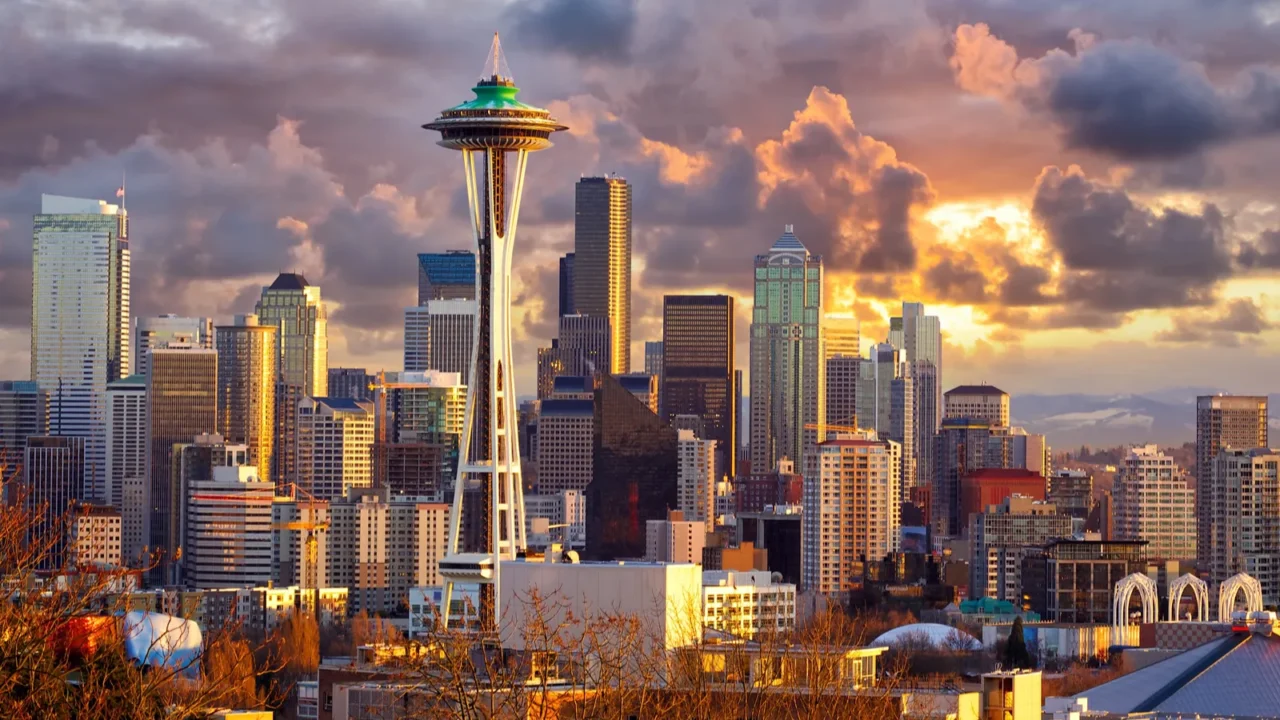
Seattle views are incredible on a clear day, and totally blocked on a cloudy one. Visitors sometimes lock in the Space Needle early, then stare into gray haze. That can feel like paying for a photo you did not get.
Use the weather forecast as a planning tool, book views for clear windows or for night views when city lights matter. You will feel like you actually got the “wow” you came for.
Pretending Seattle is flat
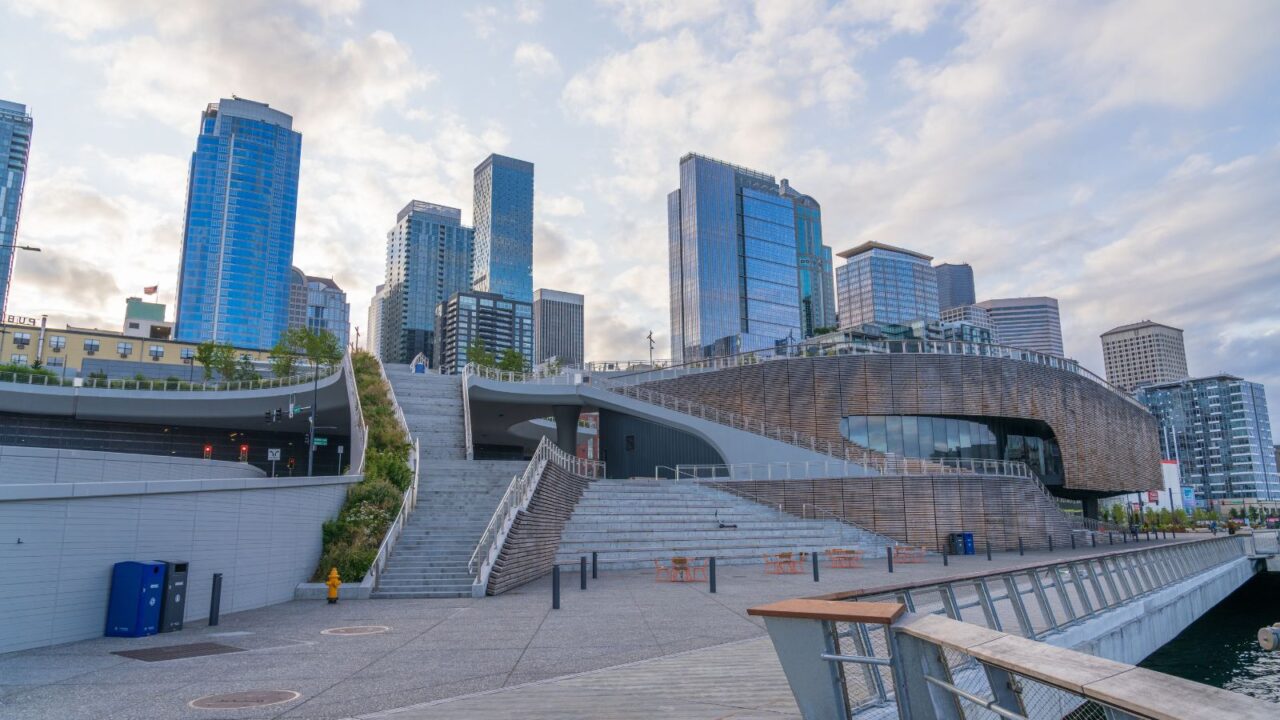
Seattle is walkable, but the hills can surprise you fast. Tourists plan like it is a gentle grid, then burn out climbing steep streets. That is when you start skipping stops you would have loved.
Plan routes with elevation in mind. Break up uphill walks with transit hops, or switch your order so the climb happens once, not five times. Your day will feel longer and less exhausting.
Trying five neighborhoods in one day
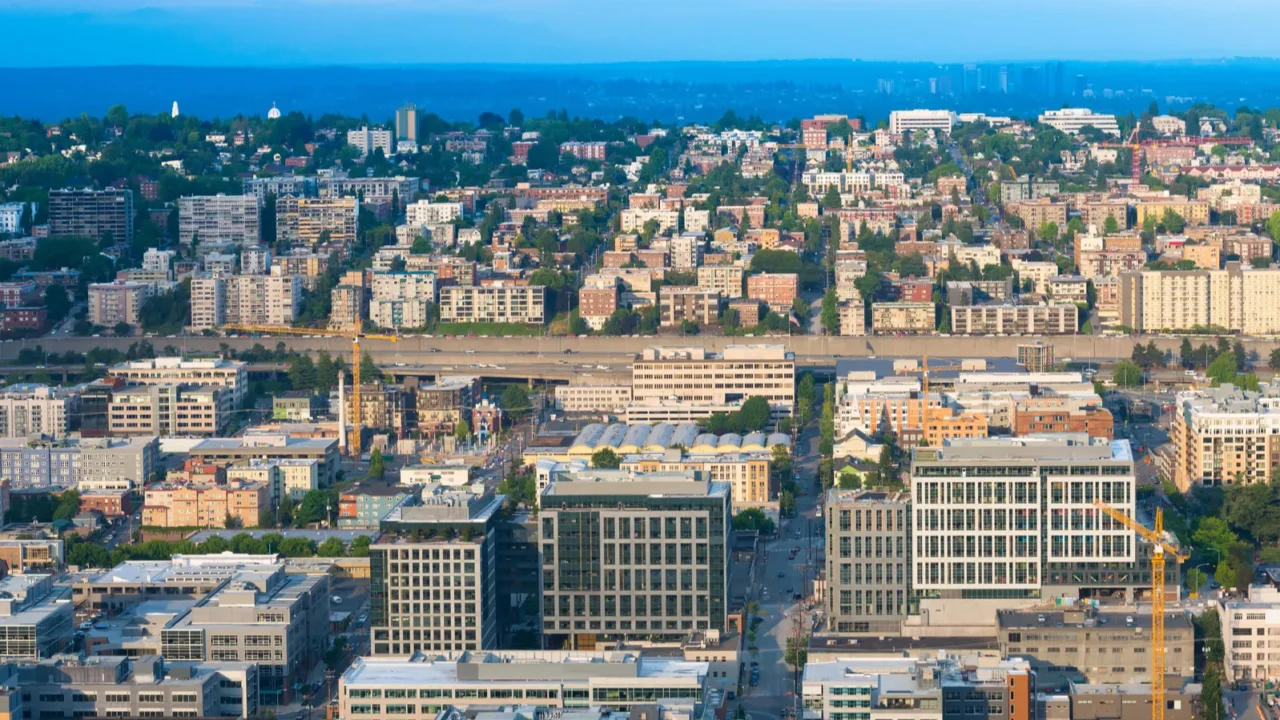
Seattle is split by water, bridges, and bottlenecks. A plan that looks efficient on Google Maps can turn into long travel gaps. Suddenly, you spent more time moving than exploring.
Pick two or three adjacent areas per day and go deeper. You will find better shops, better views, and better meals when you are not sprinting. This is the easiest way to reduce “travel day fatigue.”
Skipping the underground story
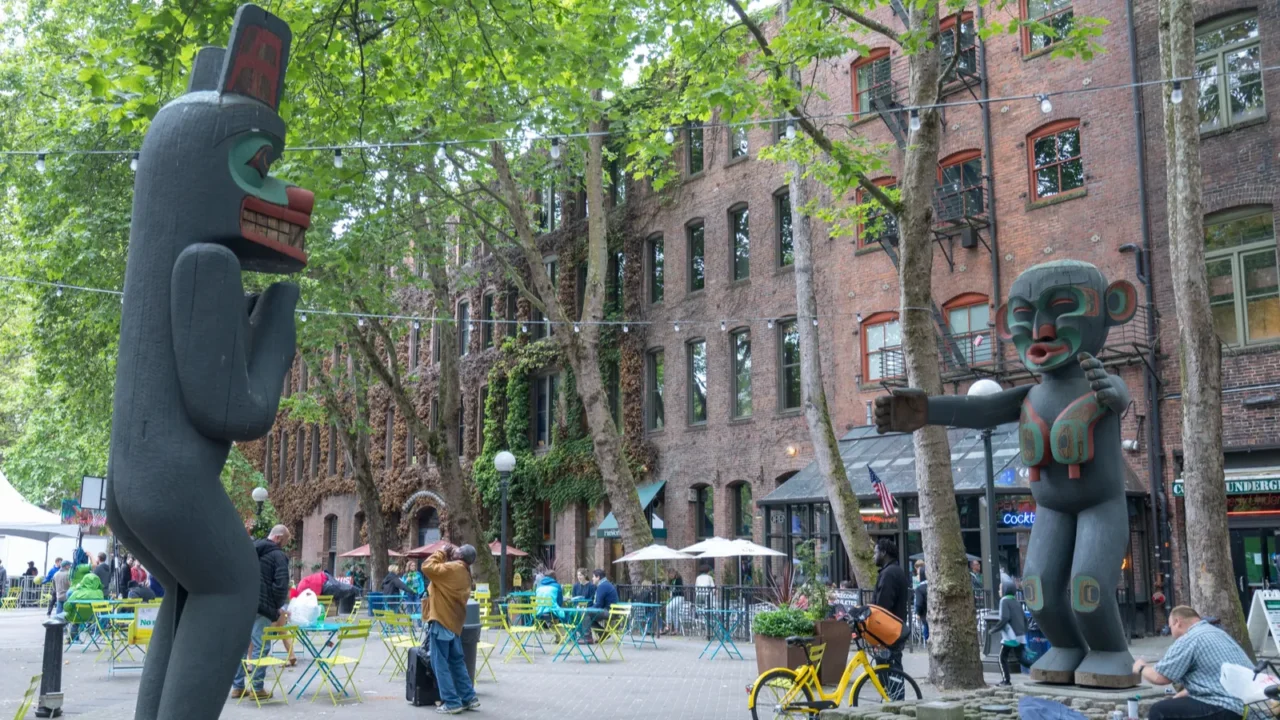
A lot of visitors stay above ground and miss one of Seattle’s most unusual historical experiences. Pioneer Square has tours that walk you through a hidden layer of the city’s past. It is a great break when you need to rest your feet.
It also helps you understand why Seattle looks the way it does today. If you like history, this is a high-reward hour that feels different from the usual museum loop. Schedule it mid-trip when you want a change of pace.
Getting shocked by sales tax
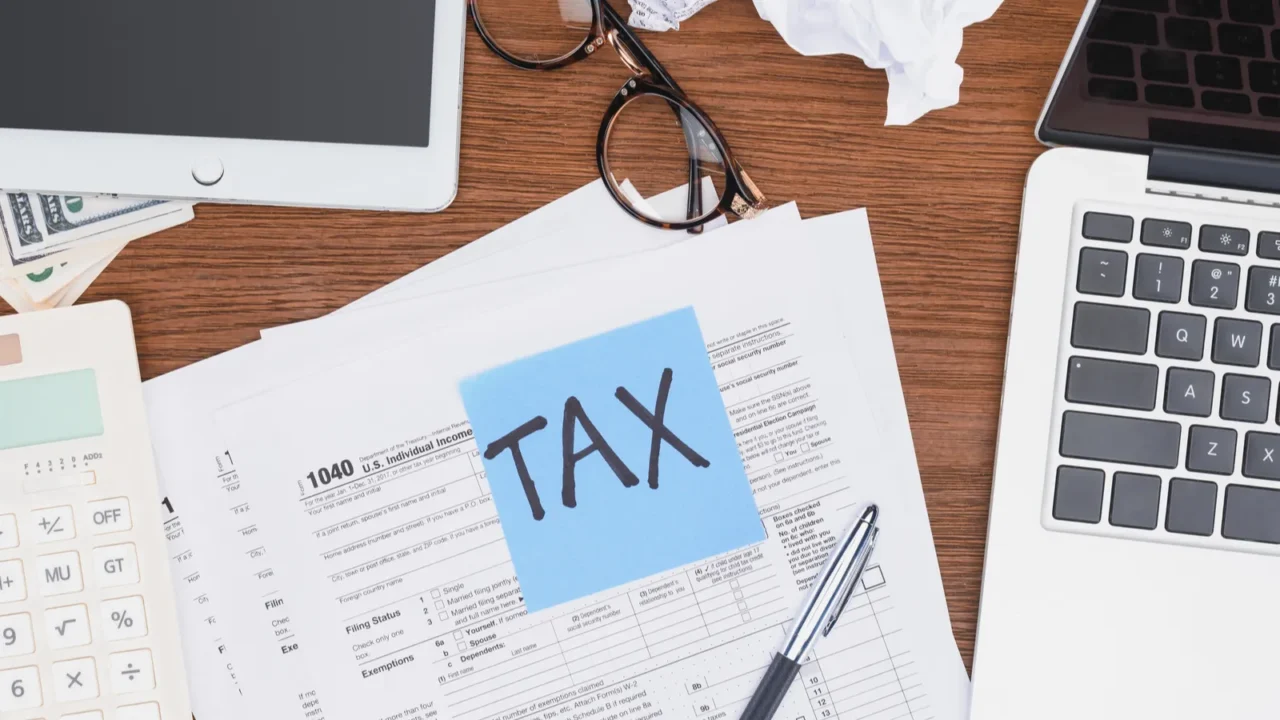
Seattle pricing can surprise visitors because most shelf tags and menu prices do not include sales tax. So a “$50” souvenir haul can ring up closer to $55.28 once Seattle’s tax is added. That jump is why first-timers feel like everything got “randomly more expensive.”
Budget for it from day one by mentally adding 10%–12% to taxable purchases like meals, museum gift shops, and last-minute essentials. Seattle’s combined sales tax is 10.55% effective January 1, 2026 (up from 10.35%).
Can a single new nonstop flight change a city’s tourism story overnight? Check out how new airline routes are boosting tourism in Seattle, Missouri, and beyond.
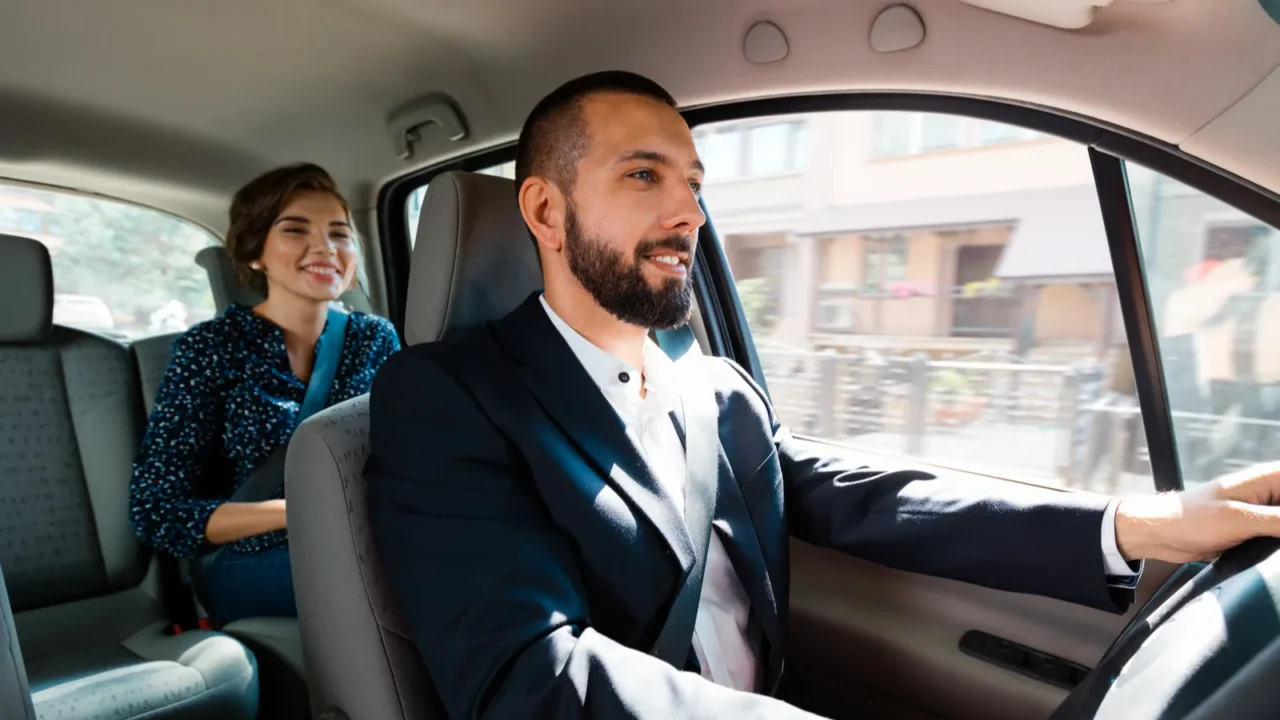
Overspending on rideshares everywhere
Rideshares add up fast in Seattle, especially when demand spikes. Tourists often pay premium prices for trips that transit covers easily. That money is usually better spent on seafood, museums, or a ferry ride.
Use the Link light rail as your backbone and rideshares as a last-mile tool. Sound Transit says Link takes about 38 minutes between Sea-Tac Airport and downtown Seattle.
Could Portland’s updated taxi and Uber/Lyft rules change the smartest way tourists get around the city in 2026? Check out Portland’s rideshare rules are changing how tourists move.
If you had to pick one mistake to avoid first, which would it be, and why? Share your thoughts and your view in the comments.
This slideshow was made with AI assistance and human editing.
Don’t forget to follow us for more exclusive content right here on MSN.
Read More From This Brand:
