
A new way to fly
Airlines are rolling out subscription-style plans that let travelers fly more flexibly for a flat annual fee. These are not just frequent flyer perks, they’re full-blown airline memberships that change what “flying often” means. It could redefine how people travel for work or fun.
This trend is especially strong among low-cost European carriers. Instead of buying individual tickets every time, members pay once and then book trips. Let’s dive into who gains from this, and who might not.

Wizz Air’s unlimited flights
Wizz Air launched an “All You Can Fly” pass for €499 per year, offering access to its European network. But each flight still requires a €9.99 booking fee, and seats are only guaranteed when they’re available.
Subscribers can only book up to 72 hours in advance, which limits flexibility for some travelers. Wizz Air says this pass is capped; the initial run sold out quickly.
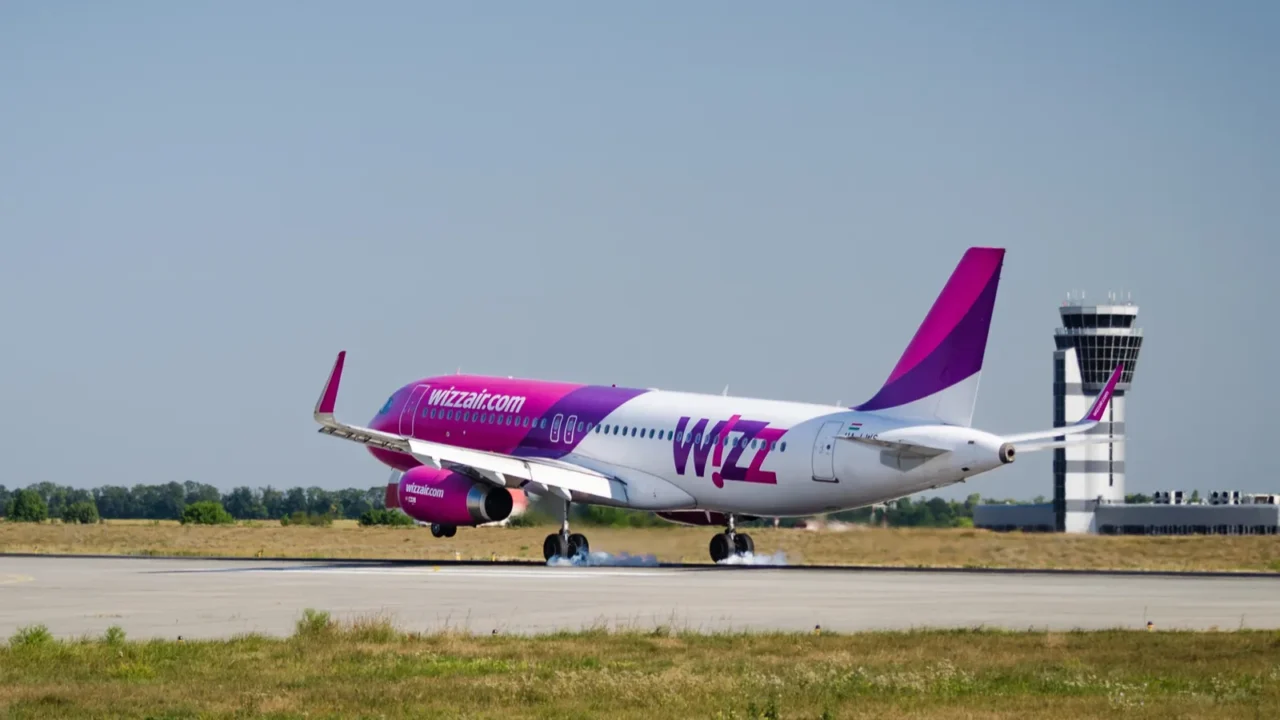
Wizz Air’s expansion plans
Wizz Air plans to expand its subscription offering in the near future, potentially increasing capacity from 10,000 to 60,000 passes. The higher price after the introductory offer will be around €599 annually.
Despite the name “unlimited,” Wizz warns that bookings are subject to seat availability and other conditions. That means even subscribers might not always get their desired flights, especially during busy times.
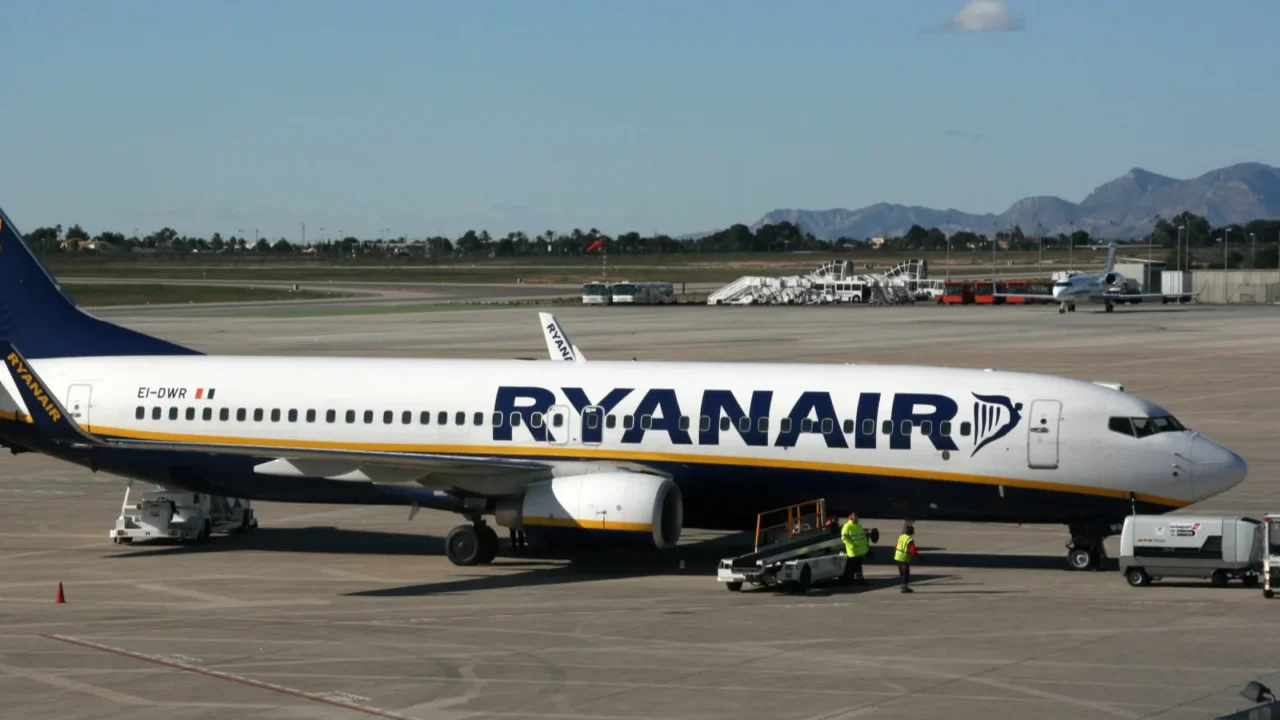
Ryanair’s membership tier
Ryanair’s subscription offering is called Prime, and it costs £79 per year. Rather than unlimited flights, this membership focuses on perks: reserved seating, travel insurance, and access to exclusive monthly sales.
Prime is capped at 250,000 members, so it’s not unlimited in volume either. Frequent flyers on Ryanair can use Prime to save on otherwise cheap but fee-heavy ticketing. For the airline, this is clearly a play to build loyalty.

Who gets the biggest win
Frequent travelers gain the most from these subscriptions, especially those flying on short, budget routes regularly. If someone flies many times in a year, the cost per flight drops significantly with a pass. That makes subscription flying especially appealing for frequent flyers.
Digital nomads, travel bloggers, or economy travelers who plan may find this incredibly useful. The fixed cost simplifies budgeting and offers more flexibility with last-minute airfare. For them, the subscription feels like a travel hack.

Where it doesn’t work as well
For travelers who fly just occasionally, these subscriptions may not be worth the cost. If someone only takes a few flights a year, the fixed fee plus booking costs might exceed what they’d spend otherwise. That makes these plans risky for casual or infrequent flyers.
People who travel with luggage or need seat selection could pay extra every time, which eats into the savings. The additional fees mean that even as a subscriber, the “all-in” price isn’t always low. That complexity narrows the benefit for many potential users.

Capacity and availability trade-offs
One core tension is seat availability; subscribers rely on a limited inventory. With only some seats allocated for pass holders, availability can be constrained, especially on popular routes. That risks frustrating subscribers if they can’t book what they want.
Wizz Air’s subscription specifically warns that seats depend on “several factors,” including overall passenger load and internal capacity. Thus, the “unlimited” promise comes with practical restrictions. For many, it’s not quite plug-and-play.

Environmental questions arise
Some environmental critics argue that flat-rate flight plans like this could encourage more flying rather than less. Because the marginal cost per trip drops, subscribers may take advantage of the pass by flying more often.
On the flip side, airlines suggest that subscriptions boost seat occupancy, which could improve efficiency.

Financial risk for airlines
Airlines are banking on consistent cash flow from these subscriptions, but heavy users pose a risk. If too many people fly frequently under the pass, the costs per seat could outweigh what the airline charges. That’s a real gamble for low-cost carriers.
On the other hand, under-use is also a risk; if pass holders don’t fly much, the airline benefits from the upfront payment. Striking a balance is key, and how these companies price and limit the passes will determine long-term success.
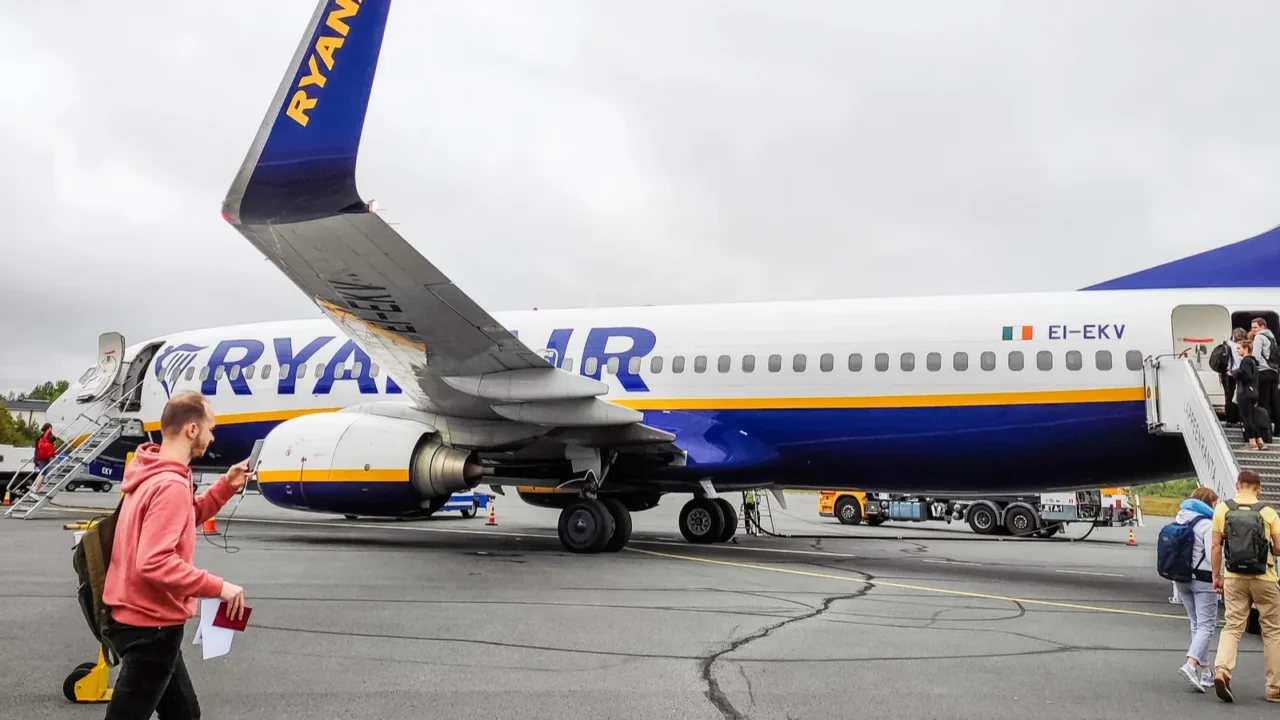
All eyes on competition
Wizz Air’s “All You Can Fly” has already drawn public criticism, including from Ryanair, whose CEO called it a “marketing stunt.” The debate shows that subscription flying is not just a travel innovation, but a major competitive battleground.
As airlines roll out different subscription models, travelers may have to compare between unlimited plans, perk packages, and hybrid options. The fight for loyalty and flexibility is getting real, and the winners will define what flying looks like next.

Is this the future of flying?
If done right, subscription plans could reshape how people view air travel, more like a service than a one-off purchase. Travelers might start asking, ‘How many flights can I take?’ instead of, ‘How much does each flight cost?’ That changes the business model entirely.
But it’s risky, airlines need to manage capacity, avoid overuse, and ensure the economics make sense. For frequent flyers who can fully use the pass, it’s potentially transformative. For others, it may just be a gimmick.

Advice for potential subscribers
Before signing up, travelers should do the math: how many flights do they realistically take per year, and under what conditions? Checking the terms is vital—booking windows, baggage policies, and hidden fees can significantly impact the value. And with new flight routes opening in 2025 that will transform your travel map, it’s even more important to see whether a subscription aligns with the destinations you actually plan to visit. Subscriptions only make sense when used heavily and with flexibility.
Another smart move is testing it for a year; if someone flies enough to break even or gain value, renewal could make sense. But if usage falls short, cancellation may be the smarter flight strategy. Being strategic matters here.

A new kind of travel loyalty
Subscription-style flying is pushing airlines to find new business models and build deeper loyalty with frequent travelers. For some, it’s a path to flying more without the stress of ticket-by-ticket budgeting. For others, it’s a leap into a model that may or may not pay off.
As this idea spreads, the big question is whether subscription flying becomes mainstream or stays niche. What do travel fans think? Is subscription flying a smart move, or just a fancy gimmick? Drop thoughts in the comments.
Read More From This Brand:
- Hidden outdoor gems in the U.S. where nature meets adventure
- Filming locations from ‘The Rings of Power’ that double as hidden nature escapes
- Amazing attractions around the globe that tourism has sadly ruined
Don’t forget to follow us for more exclusive content right here on MSN.
If you liked this story, you’ll LOVE our FREE emails. Join today and be the first to get stories like this one.
This slideshow was made with AI assistance and human editing.
