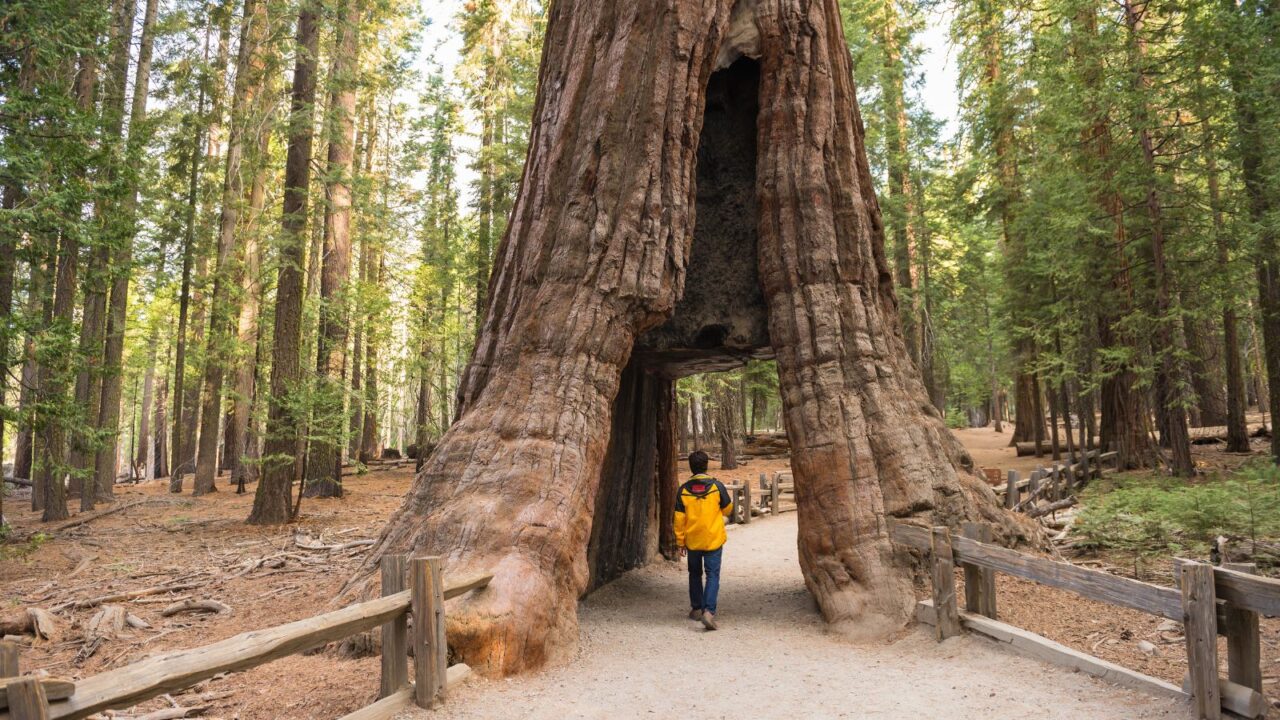
Yosemite’s new visitor fee takes effect
Starting January 1, 2026, Yosemite National Park will add a $100 fee for nonresident visitors. This fee is on top of the regular entrance price, aimed at international travelers and non-U.S. residents. Many travelers may need to plan ahead and budget for this extra cost.
The extra charge helps fund the park’s upkeep, maintenance, and improvements. It’s part of a wider plan to make sure Yosemite and other popular parks stay in great shape for everyone to enjoy. This ensures trails, campgrounds, and facilities remain safe and well-maintained for visitors.

Who pays the extra fee
Only visitors who are not U.S. citizens or permanent residents will pay the $100 surcharge. Visitors may be asked to show a passport or government-issued ID upon entry to verify eligibility for any applicable discounts. U.S. visitors can continue enjoying the park without worrying about this extra cost.
Free entrance days that used to welcome all visitors now only apply to U.S. residents. Nonresidents must pay the additional fee no matter when they visit. This change makes planning international trips slightly more important for families and groups.
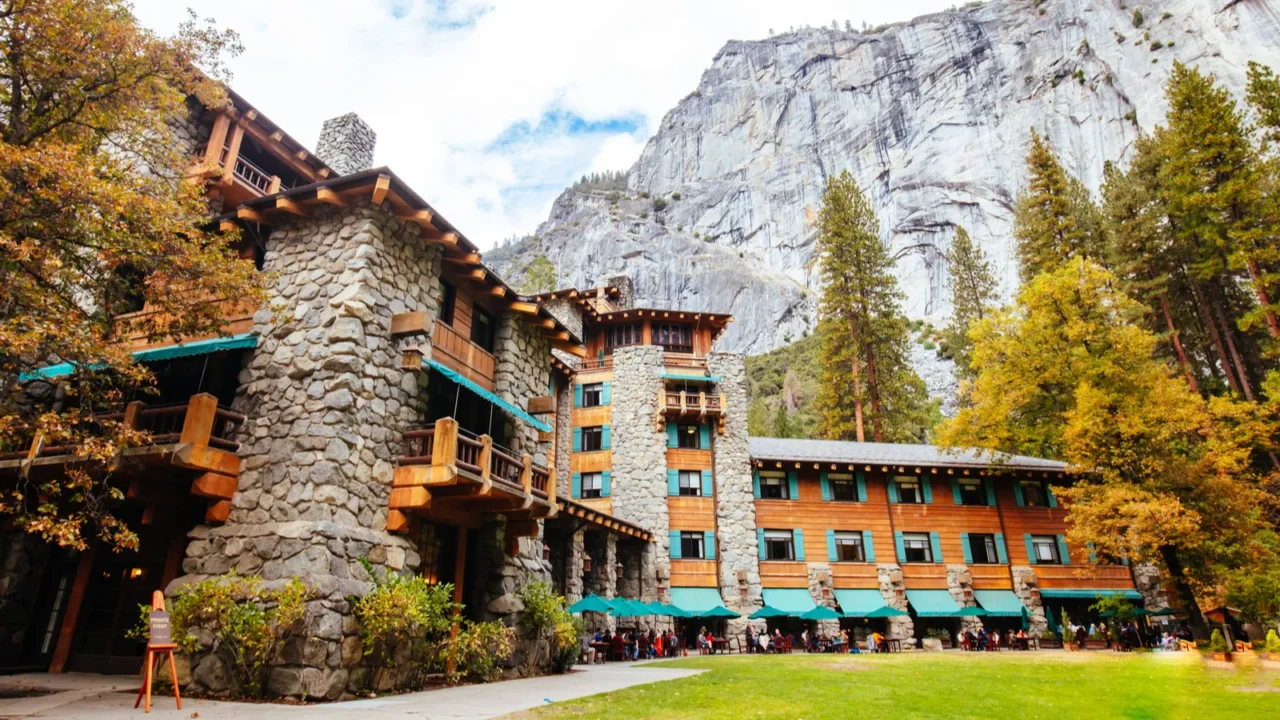
Introducing the nonresident annual pass
Non-U.S. visitors can get an America the Beautiful annual pass for $250. That’s more than three times the $80 price for U.S. residents. For those visiting multiple parks, the pass can still be a cost-effective option.
The pass still gives access to all participating national parks. It’s a way for international travelers to plan multiple visits while supporting park maintenance. This also helps spread visitor spending across the park system responsibly.
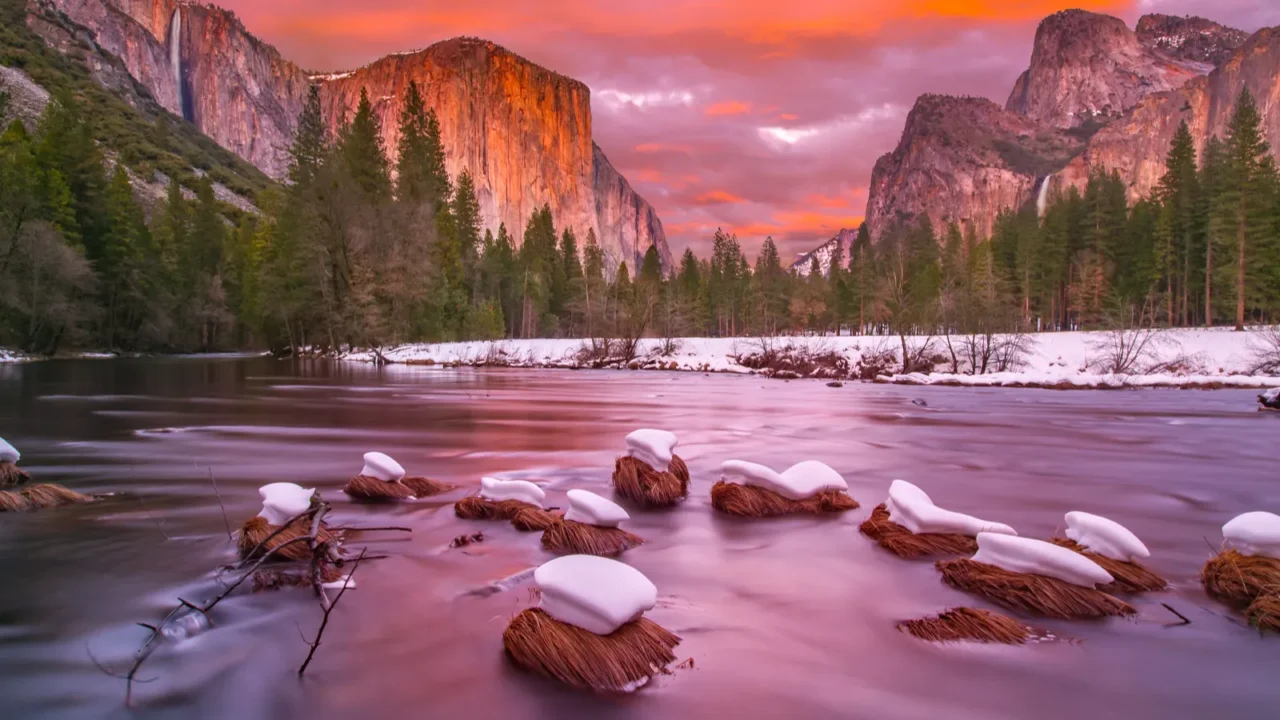
Funding urgent repairs
The National Park Service has a $22 billion backlog for repairs and maintenance. Roads, bridges, trails, and visitor facilities need attention across the country. Without extra funding, some areas could deteriorate, making visits less safe or enjoyable.
Higher fees from nonresidents are expected to bring in around $528 million per year. That money helps keep Yosemite and other parks safe and enjoyable for everyone. These funds are crucial for maintaining park beauty and visitor experiences.
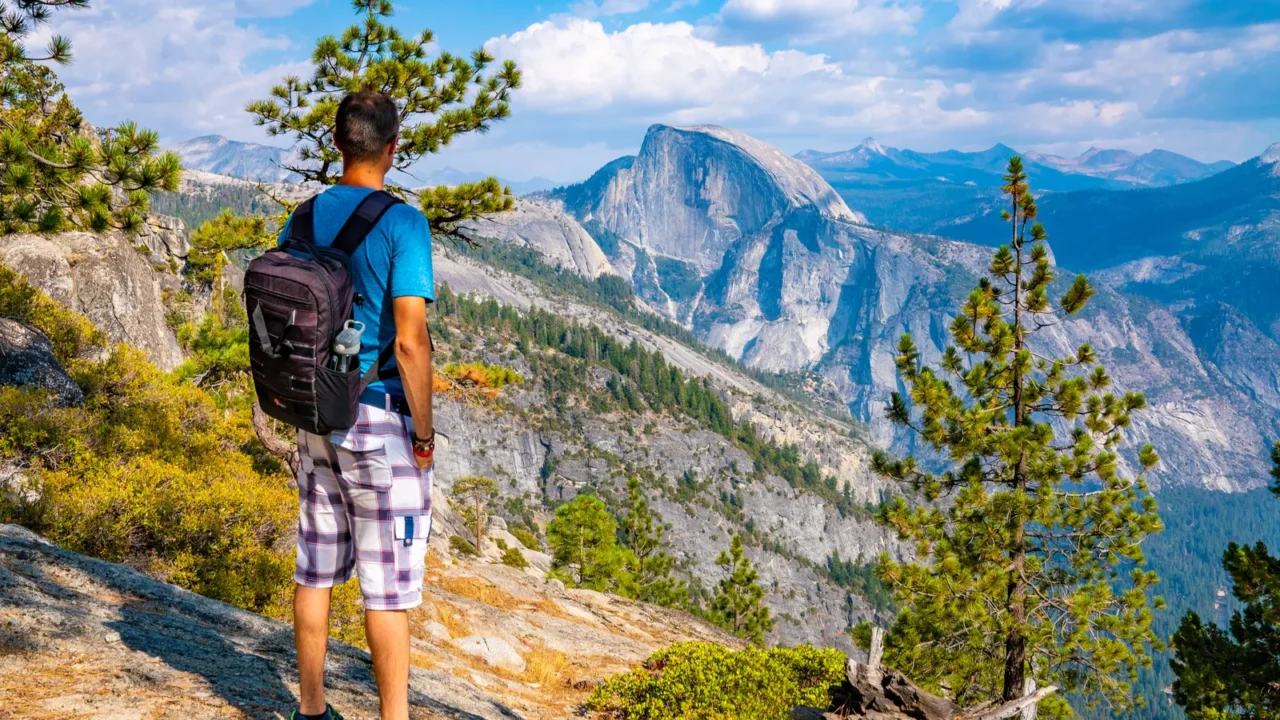
Why the focus on nonresidents
The “American First” framework is designed to keep parks affordable for U.S. citizens. Nonresidents are asked to contribute more to cover the growing costs of upkeep. This approach aims to balance fair access with the park’s financial needs.
Officials say the extra $100 is a small fraction of typical travel costs for international visitors. Airfare, hotels, and transportation usually outweigh the park fee. It’s a relatively minor addition compared with the overall cost of a vacation.
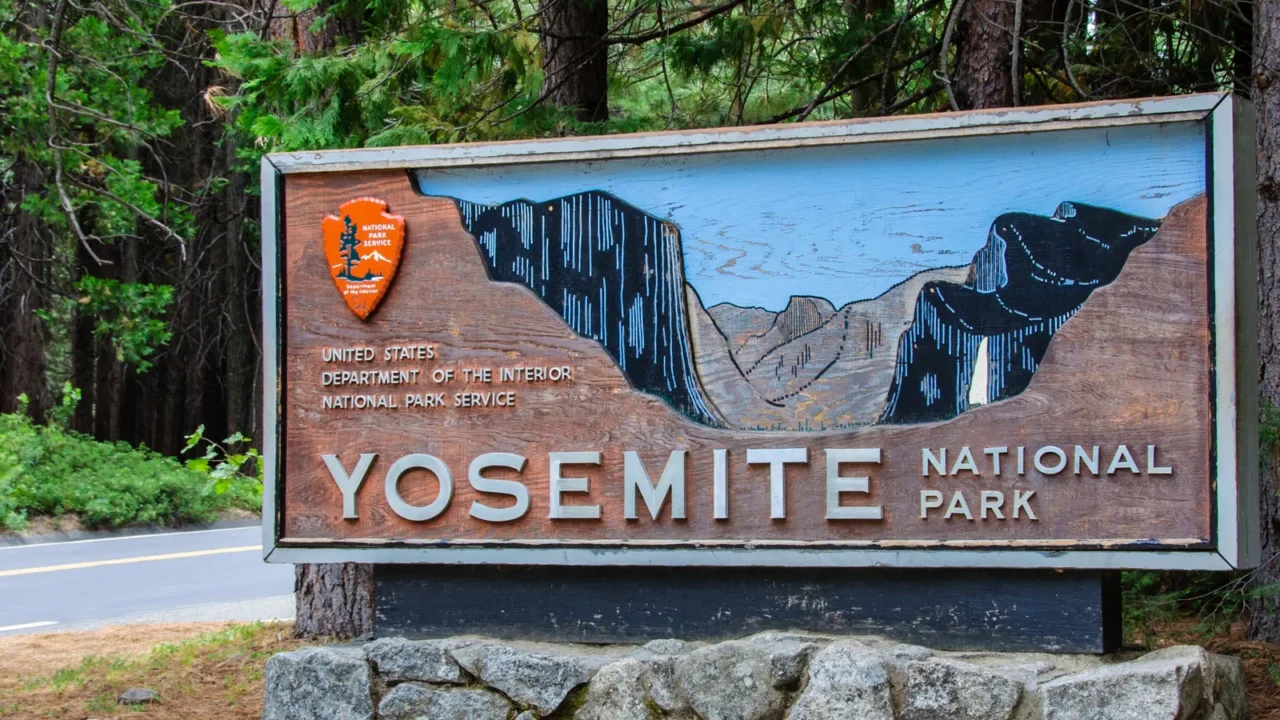
Yosemite’s popularity keeps rising
Millions of people visit Yosemite each year, even with pandemic disruptions. Hiking, camping, and sightseeing continue to draw travelers from around the world. The park’s scenic beauty and iconic landmarks keep people coming back year after year.
This growing crowd puts a strain on trails, facilities, and park staff. Extra funding ensures the park can handle high visitor numbers responsibly. It also helps preserve the wilderness for future generations.
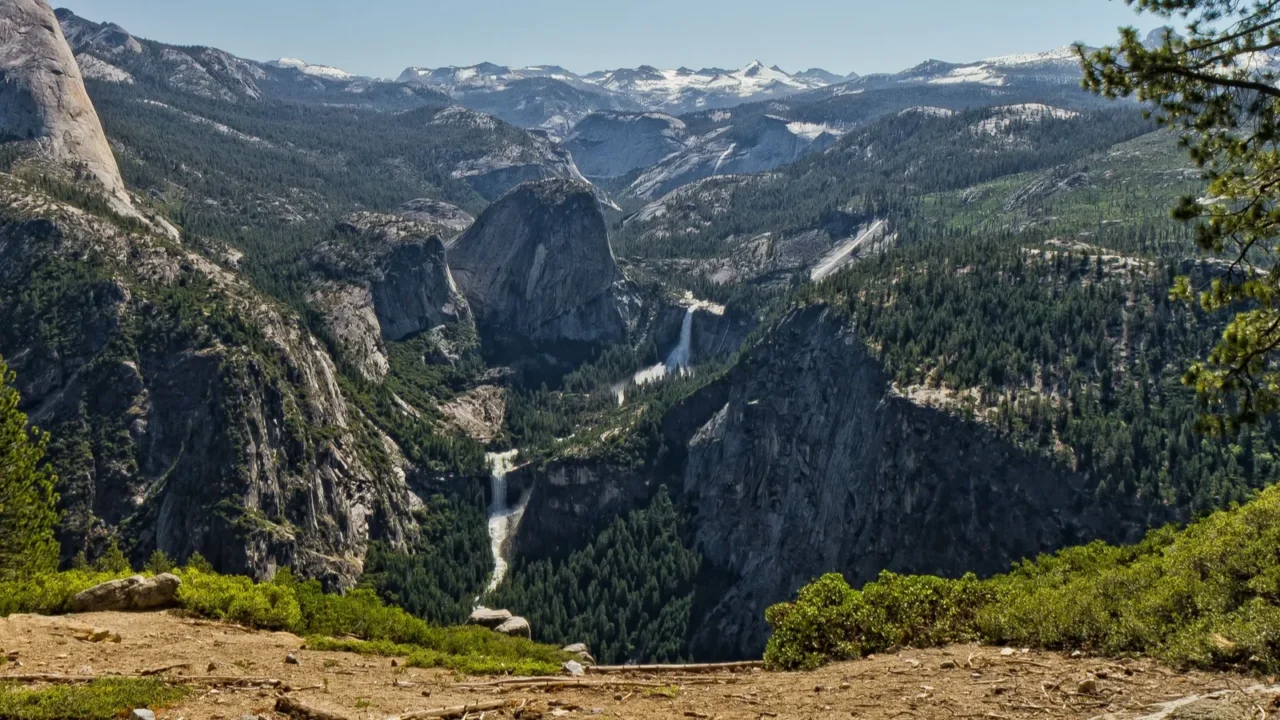
Reservation changes for smoother visits
Yosemite is updating its reservation system to manage crowds better. Visitors may need timed entry passes during peak seasons. Planning ahead can help avoid long waits and ensure a smoother experience.
These changes help protect natural areas and ensure everyone has a safe, enjoyable visit. Planning ahead has never been more important. Early reservations can make all the difference in a busy season.
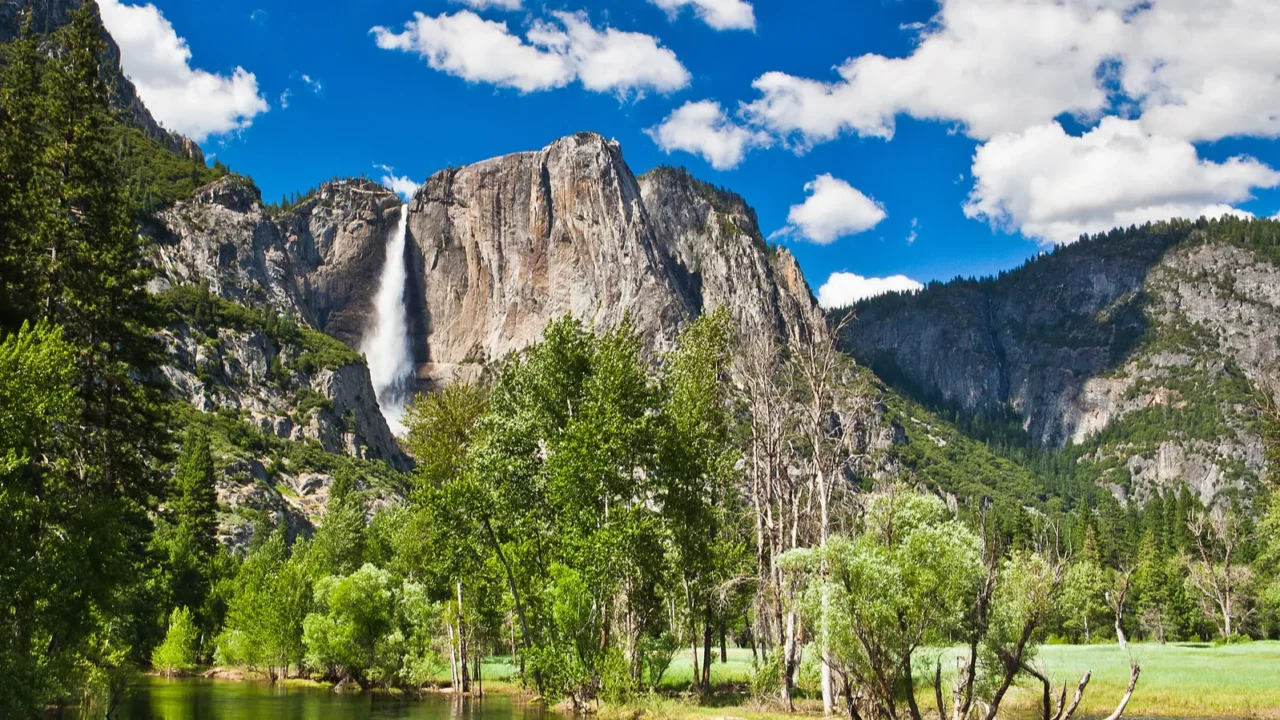
Supporting conservation efforts
Revenue from the new fee goes directly to maintenance and conservation projects. Trails, bridges, and historic landmarks all benefit from these funds. Nonresident contributions help maintain Yosemite’s natural beauty and protect fragile ecosystems.
By paying a little extra, nonresident visitors help protect Yosemite’s forests, rivers, and wildlife. Every dollar counts toward keeping the park pristine. This support is vital for animals and plants that rely on undisturbed habitats.

What counts as proof of residency
To qualify for U.S. discounts, visitors must provide a ZIP code online and a government-issued ID on arrival. A passport is required for nonresidents. Clear documentation helps staff verify eligibility quickly and fairly.
This ensures the fee system is fair and clear. Park staff can quickly verify who is eligible for discounted or free passes. Visitors should have their documents ready to avoid delays at entry points.
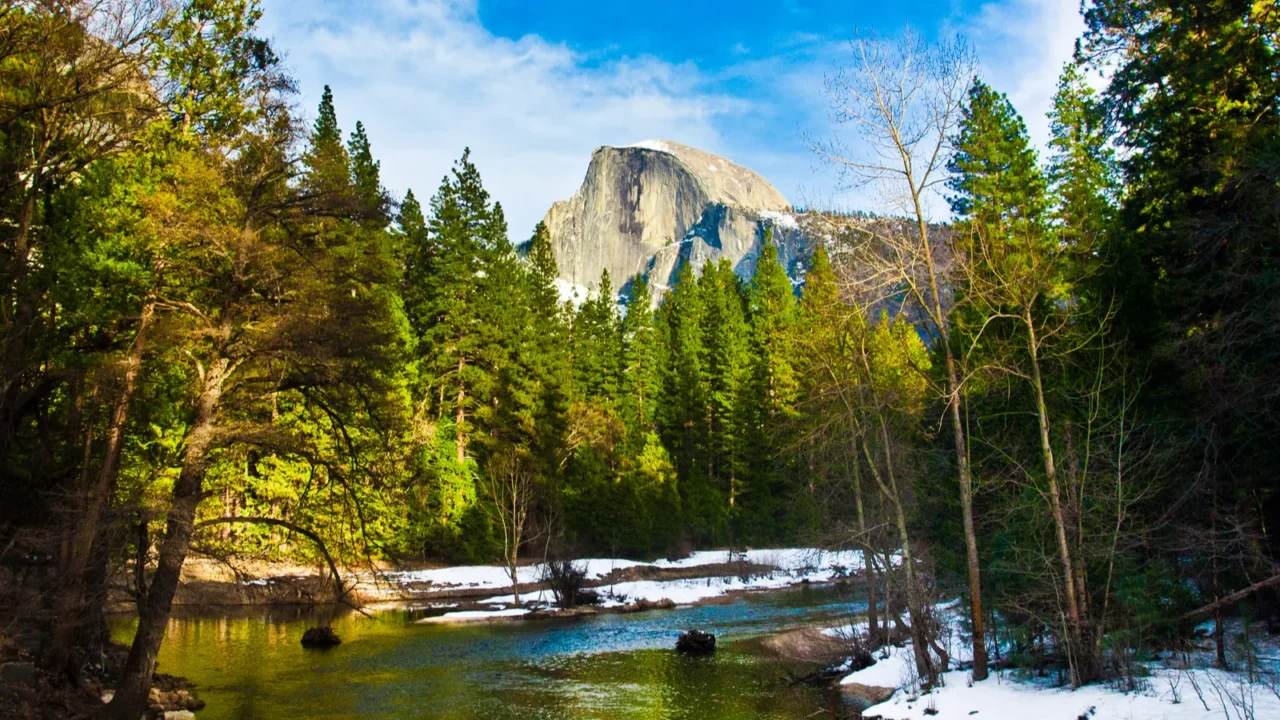
Free days are now for locals only
Previously, anyone could visit for free on certain holidays or events. Starting in 2026, those free entrance days are limited to U.S. citizens and permanent residents. This may surprise travelers who used to enjoy free access on special occasions.
Nonresidents must pay the extra $100 surcharge even on free days. This new rule aims to prioritize affordable access for locals. It also encourages nonresidents to plan trips carefully around peak times.
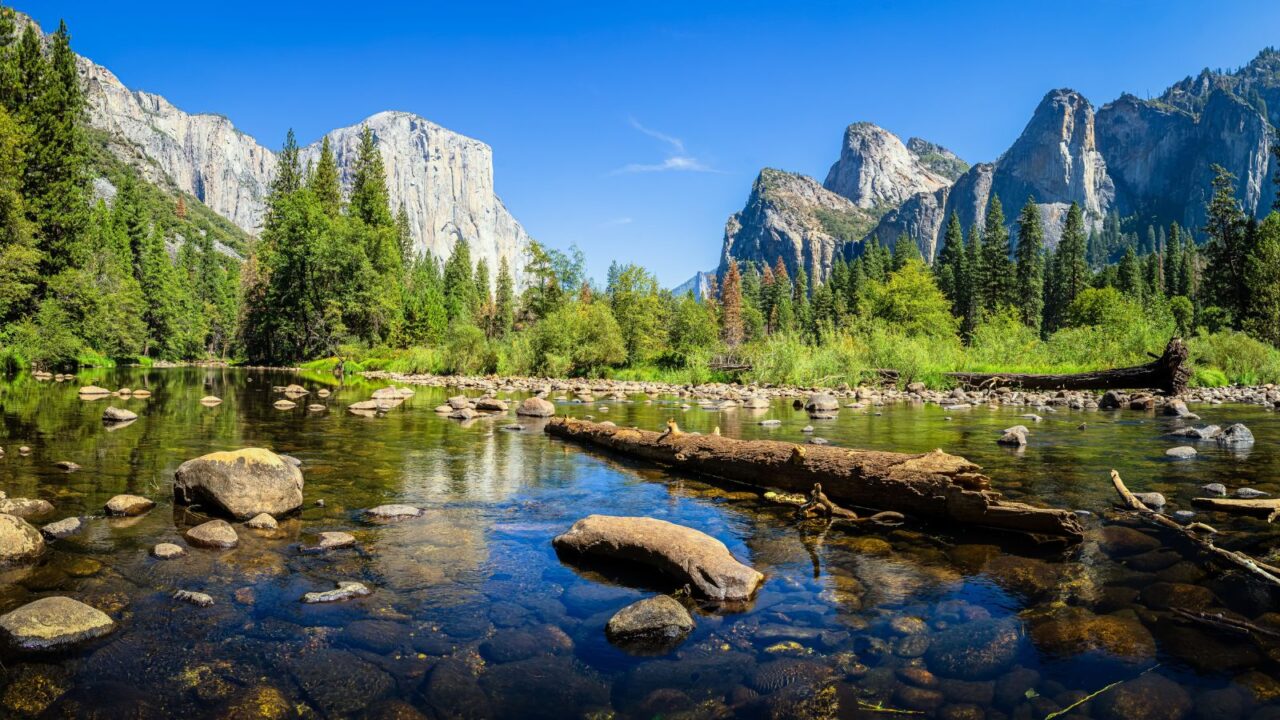
How it affects international travel plans
Non-U.S. visitors may need to adjust their travel budget for Yosemite. Adding $100 per person can change overall trip costs. Families and groups might feel the impact more, making planning essential.
However, combining the nonresident annual pass with multiple visits could make it worth it. Travelers who love national parks can still plan an unforgettable adventure. With careful planning, visiting Yosemite remains a bucket-list experience.
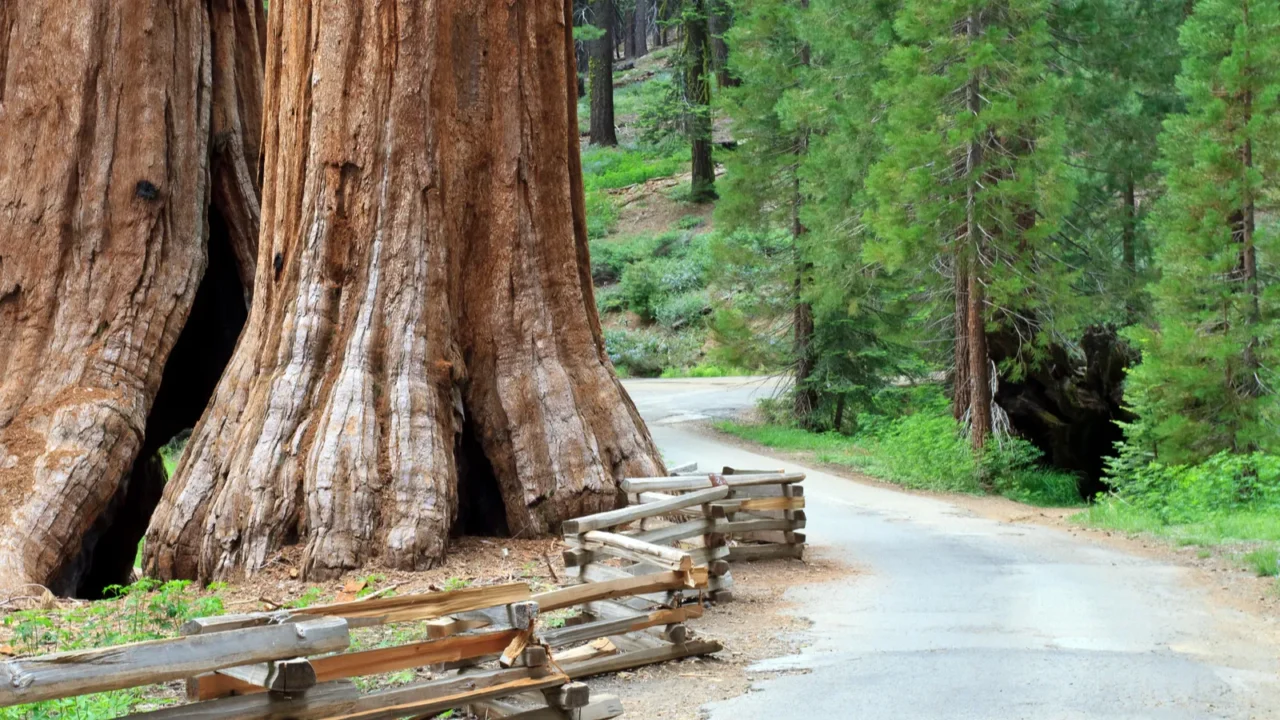
Maintaining a world-class park
Yosemite is a national treasure with iconic landmarks like Half Dome and Yosemite Falls. Preserving these sites requires ongoing investment and care. Regular maintenance keeps trails safe and landmarks accessible for everyone.
Nonresident fees help fund infrastructure upgrades, trail maintenance, and visitor facilities. This keeps the park accessible and beautiful for generations to come. Protecting these spaces ensures that nature remains inspiring and untouched.
Despite the odds, Yosemite and other U.S. national parks are preparing for record visitors this year.
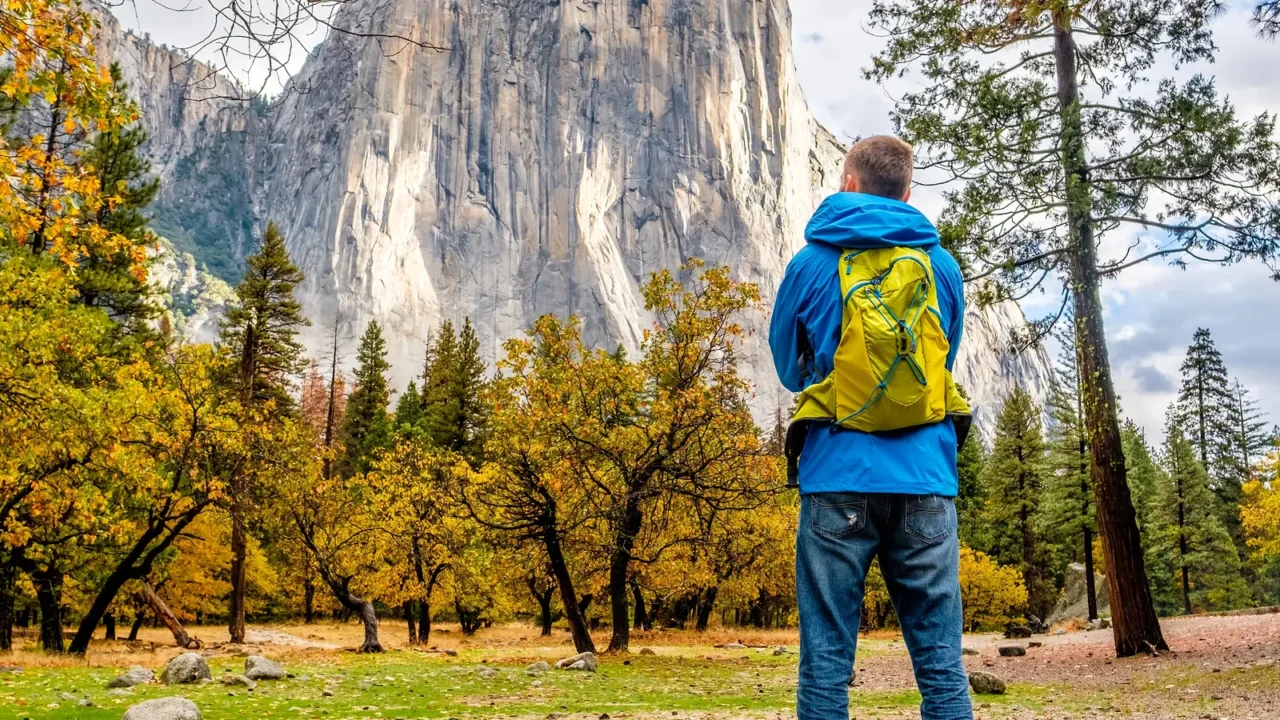
Balancing access and conservation
Park officials are working to balance visitor numbers with environmental protection. Crowded trails and fragile habitats need careful management. These measures help preserve Yosemite’s unique landscapes for all visitors.
Higher fees for nonresidents are part of this effort. The goal is to keep Yosemite welcoming without sacrificing its natural beauty. Responsible tourism ensures everyone can enjoy the park safely and sustainably. In other news, experts are saying Trump’s policies are driving a drop in international travel to USA.
Did you find this post helpful? Share your thoughts in the comments and don’t forget to follow for more content like this.
Read More From This Brand:
- The World’s most breathtaking flower festivals (and when to go)
- Untouched destinations where wild nature still thrives
- Why celebrities flock to Italy’s Amalfi Coast after tourist season
Don’t forget to follow us for more exclusive content right here on MSN.
If you liked this story, you’ll LOVE our FREE emails. Join today and be the first to get stories like this one.
This slideshow was made with AI assistance and human editing.
