A bold new idea
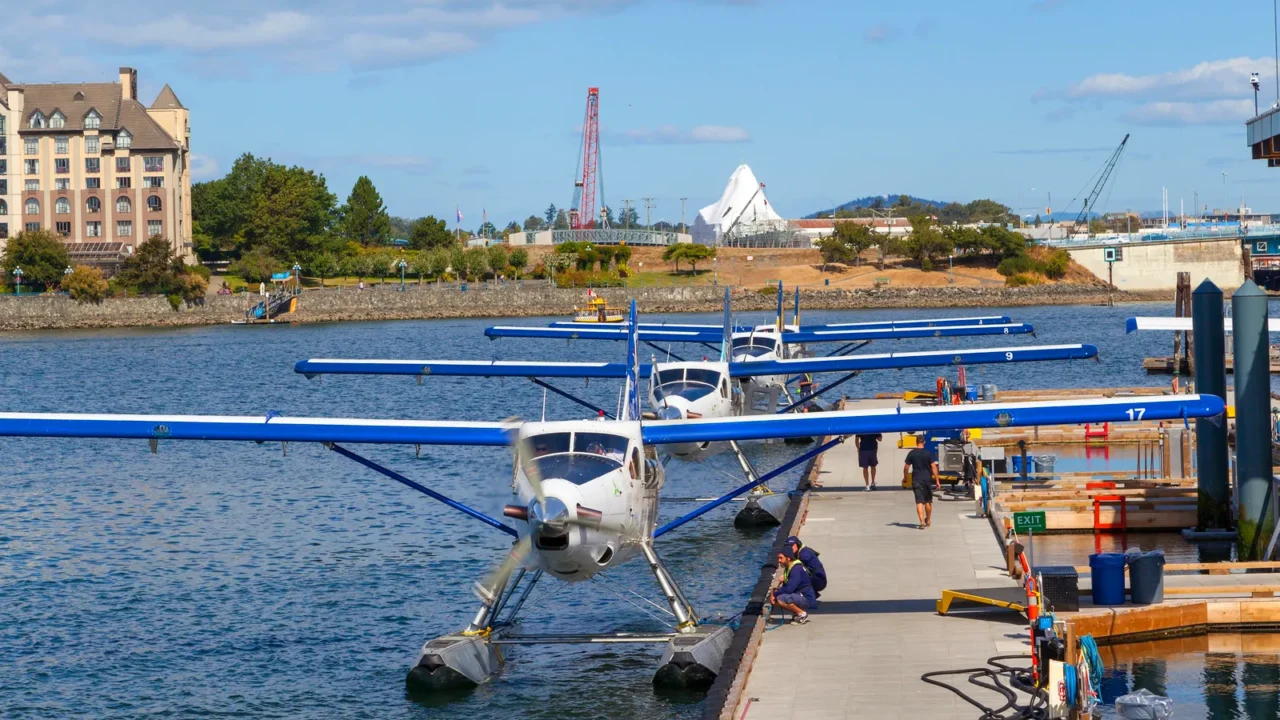
Floating airports are starting to enter real-world testing in several island nations. Travelers are beginning to see aviation move into open water in a way that feels almost futuristic. This fresh direction is creating a lot of curiosity in global travel circles.
The concept is simple but ambitious because it turns the sea into a functional aviation space. Visitors may soon arrive at platforms that rest gently on the ocean rather than traditional land bases. It is an exciting shift unfolding right now, so let us dive in.
Why islands need this
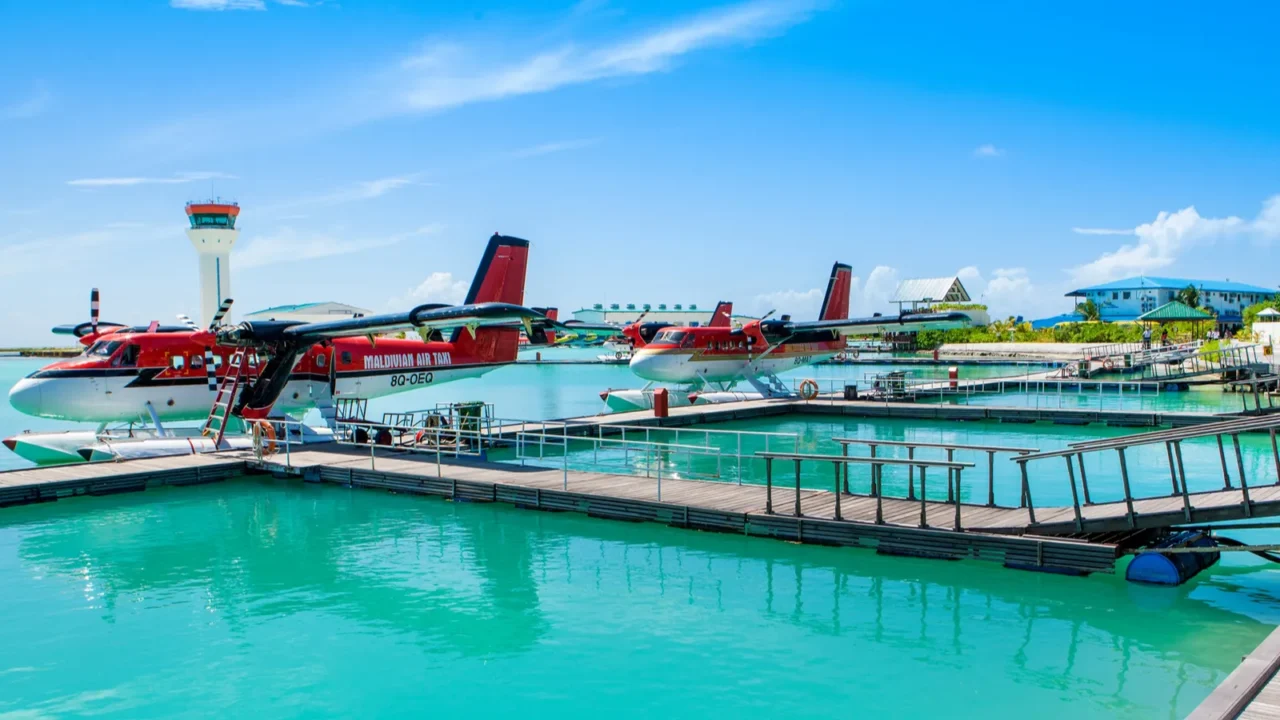
Many island nations struggle with limited land, which makes traditional airports harder to expand. Growing populations and rising travel demand increase that pressure every year. Floating platforms offer a possible solution that reduces strain on valuable coastal land.
The idea helps islands protect natural areas while still improving their aviation access. Holidaymakers can reach destinations without adding heavy construction to fragile shorelines. It is a practical win for both travel and conservation.
Climate challenges rise
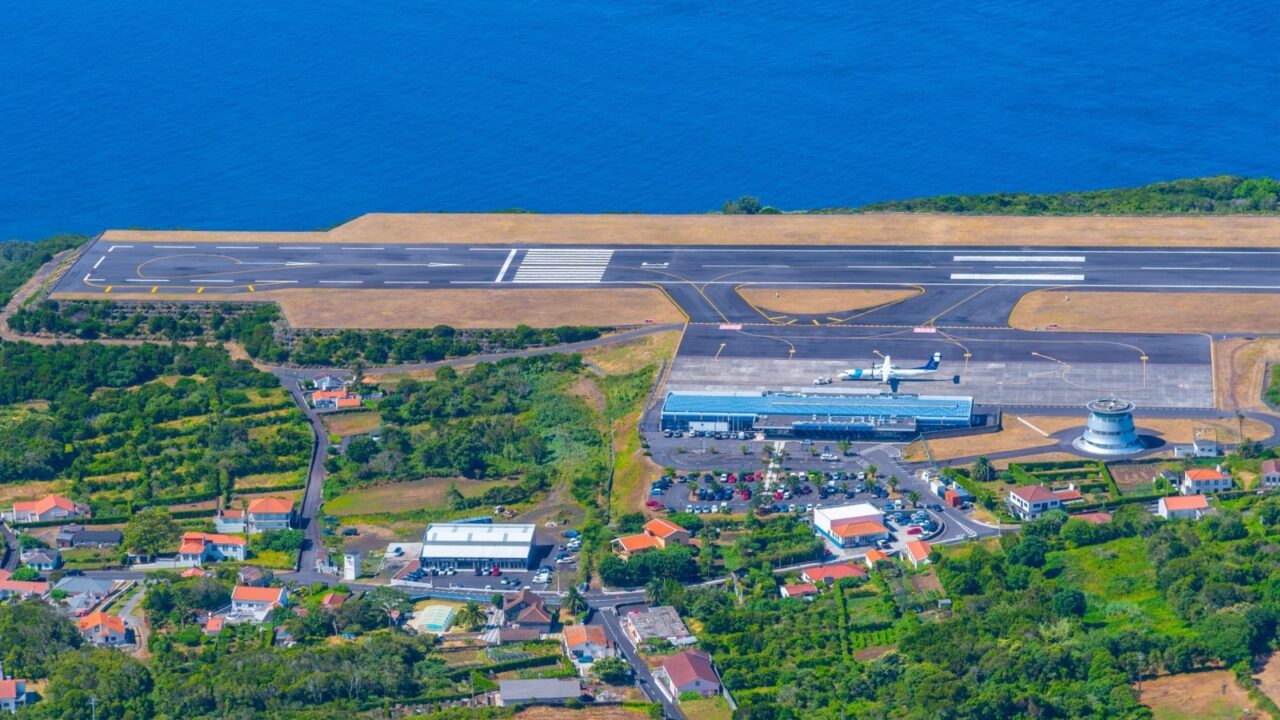
Sea levels are increasing, and that places many coastal runways at higher risk. Water intrusion can threaten airport operations and long-term stability. Engineers are looking for options that hold up better against changing conditions.
Floating platforms move with the water, which helps them remain usable during higher tides. This makes them an appealing choice for nations with vulnerable coastlines. Travelers gain access without placing airports directly in harm’s way.
Maldives leads early efforts
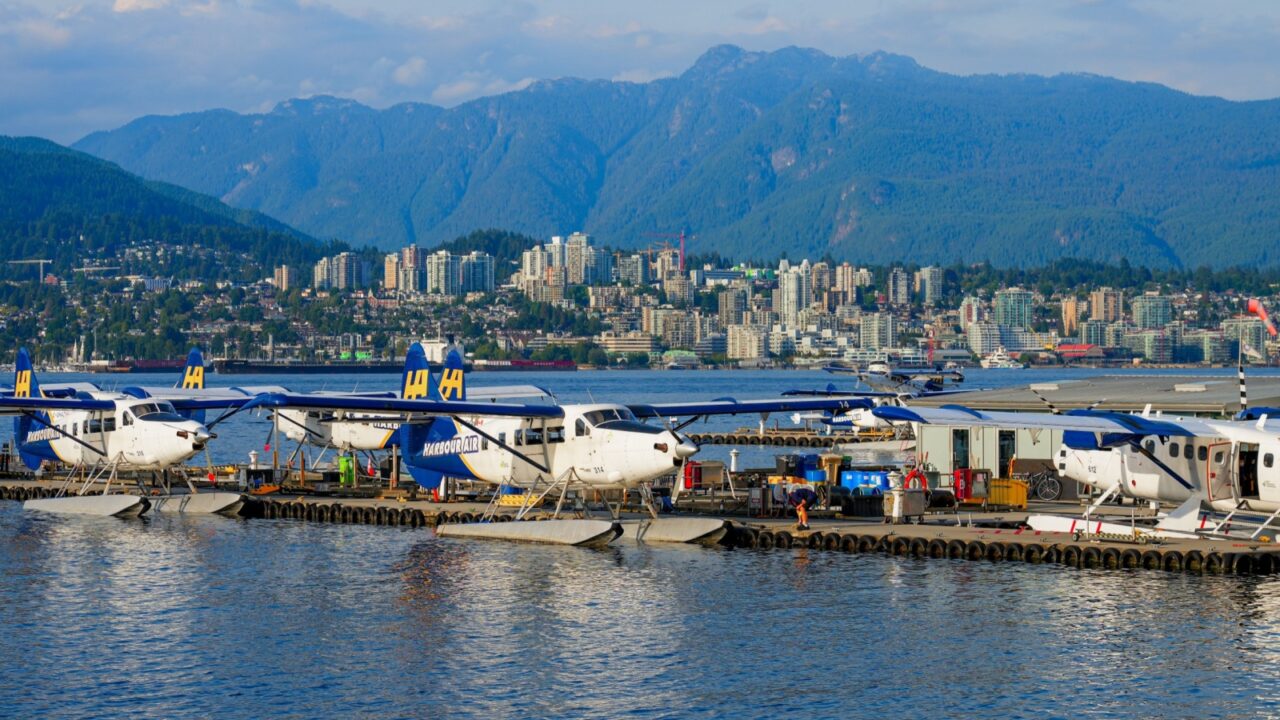
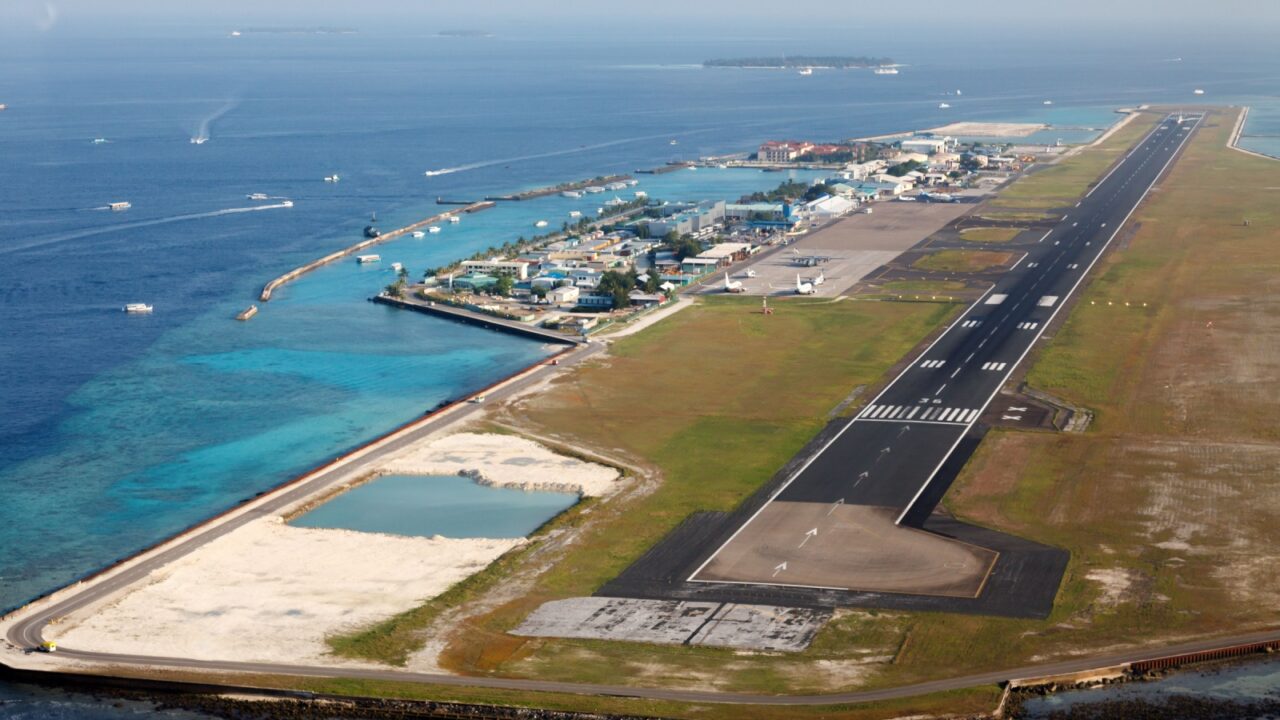
The Maldives has already announced a major plan for a floating terminal airport in Thinadhoo. Officials signed an agreement worth hundreds of millions of dollars to get the project underway. The goal is to finish the development within the next few years.
This airport is expected to support both domestic and international travel routes. It reflects a serious investment in new aviation ideas for island communities. Visitors may one day see this platform become a central hub for future travel.
How these platforms work
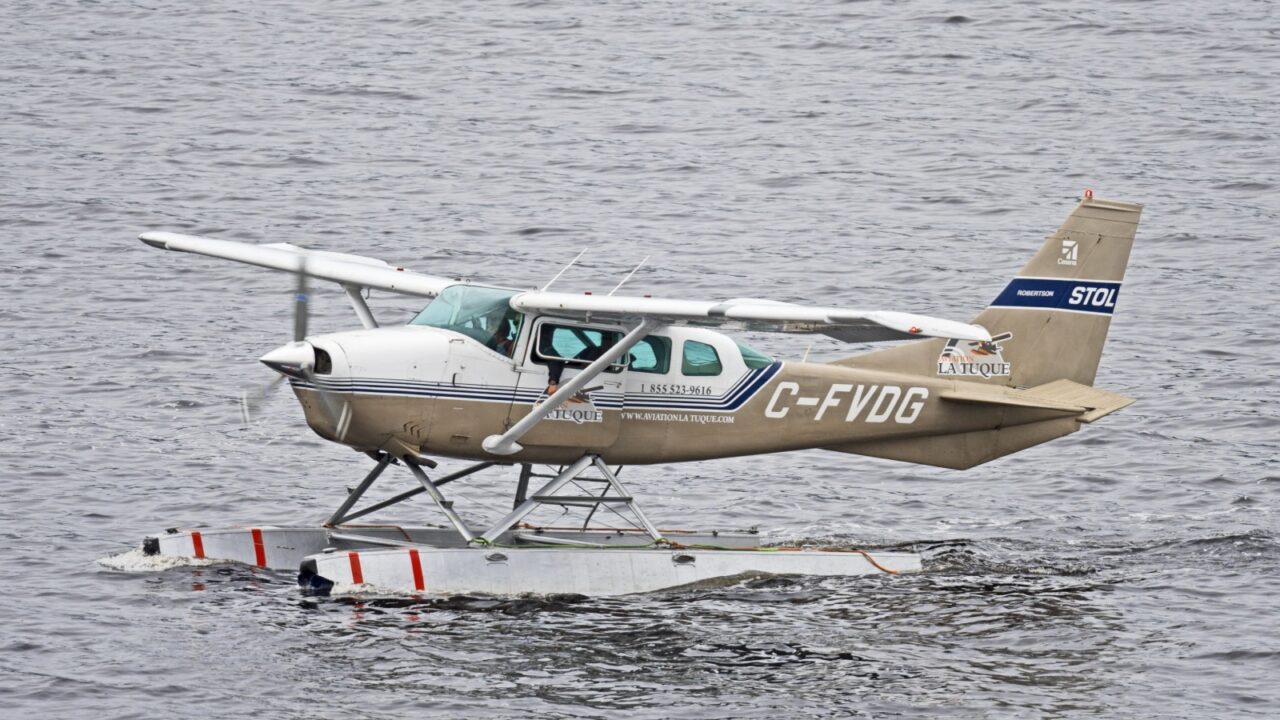
Many modern floating airport designs rely on large buoyant structures known as pneumatically stabilized platforms. These platforms stay steady by using air-filled chambers that help control motion on the water. Engineers see them as a workable base for long runways.
The technology keeps the surface relatively level in changing wave conditions. This matters for aircraft that need a predictable landing zone. Travelers benefit from stable operations even when the sea is active.
New travel tech appears
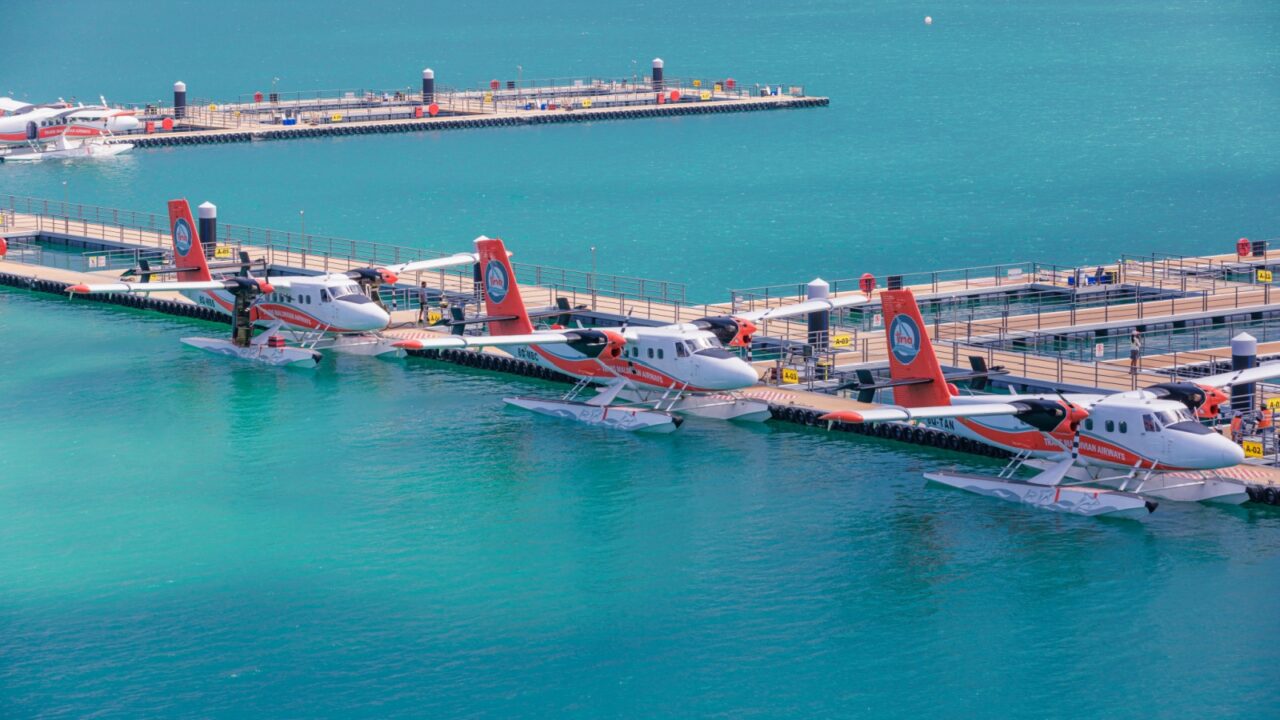
Floating airports are not the only development on the horizon. Several companies are creating floating vertiports designed for electric vertical aircraft. That brings a new dimension to water-based aviation.
Vertiports give small aircraft flexible takeoff and landing spaces over open water. They can serve remote islands, coastal towns, and scenic resort areas. This blends air travel with marine accessibility in a fresh way.
A real floating vertiport
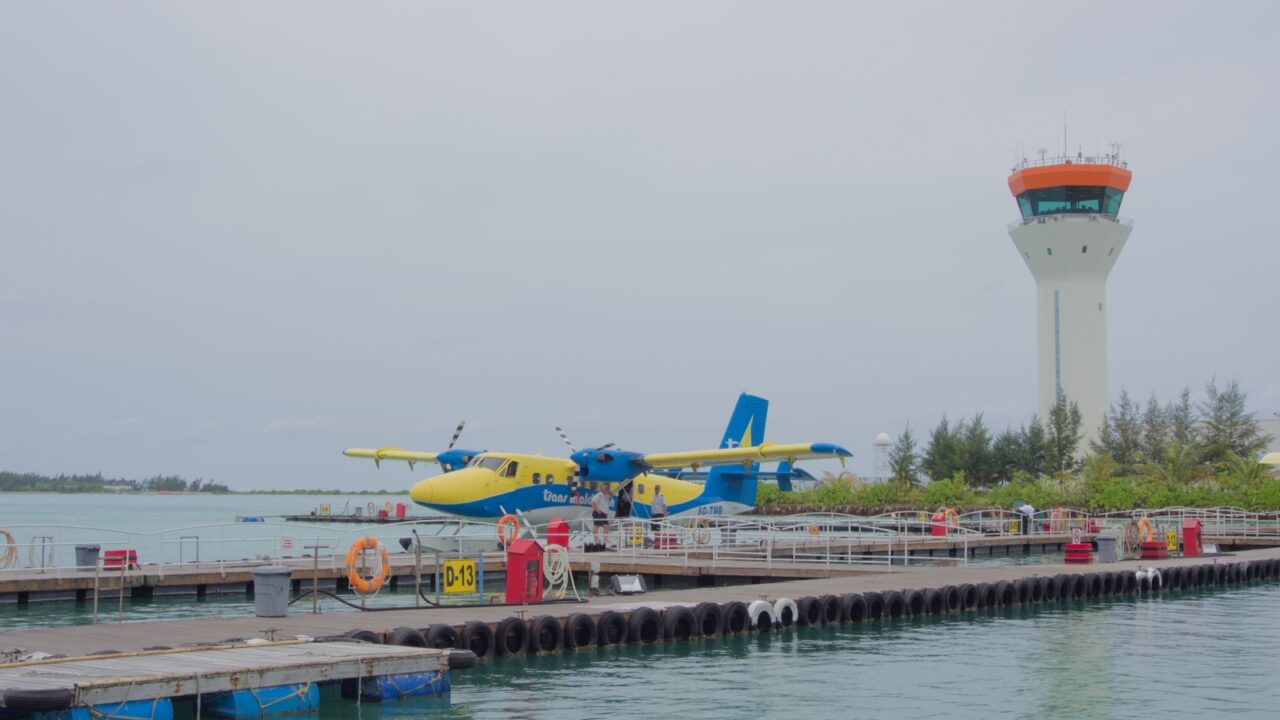
AutoFlight recently unveiled a floating vertiport that runs on clean solar energy. It is designed to sit on lakes, rivers, or coastal waters without needing land-based support. The company sees it as a scalable option for many regions.
This platform supports electric aircraft and offers charging facilities built directly into the deck. It serves as a command point for flights across short routes. Visitors could one day move between islands through quiet electric travel over water.
What the vertiport can do
The platform manages passenger flights, cargo missions, and emergency services. It keeps operations simple by integrating charging, monitoring, and aircraft handling in one space. This makes short-distance travel smoother for many regions.
Tourism sectors benefit from streamlined access to natural attractions. Remote workers and island communities gain a faster connection to larger hubs. Travelers receive a blend of mobility and convenience rarely seen before.
Proof through demonstration
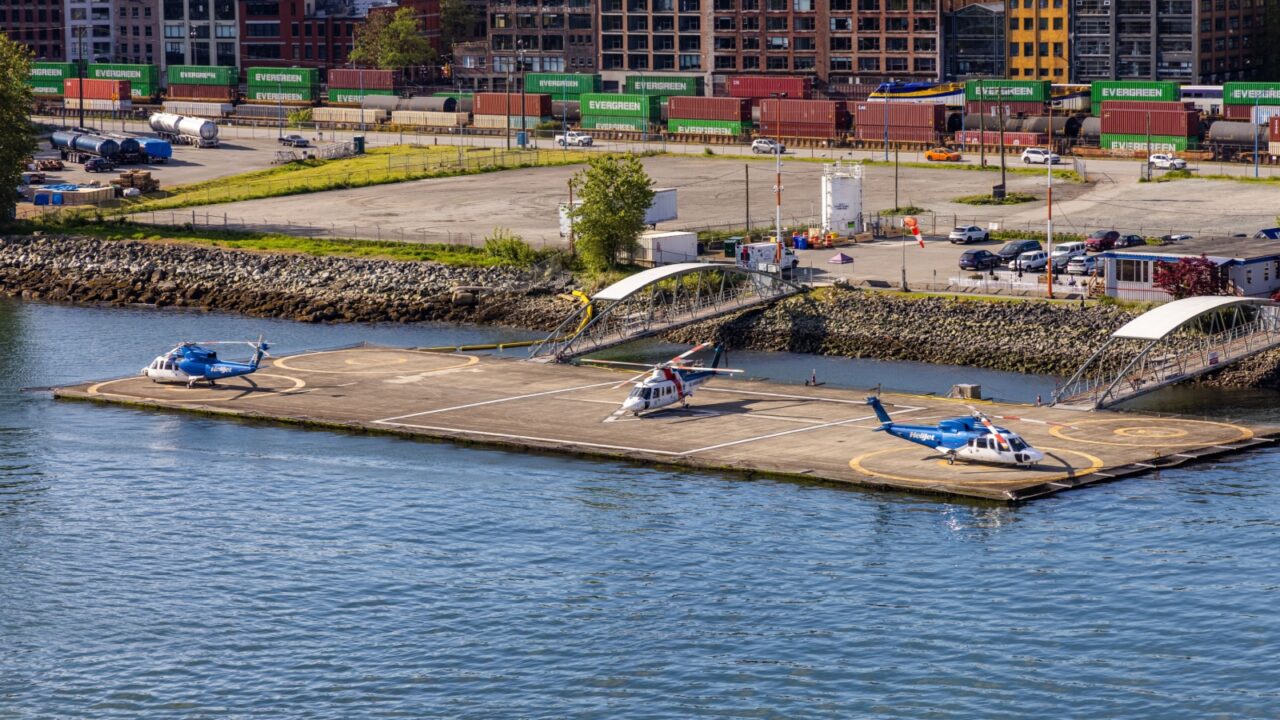
A live demonstration took place on Dianshan Lake in China, where an electric aircraft lifted off from the floating platform. It showed that these ideas are not just a distant theory. Engineers successfully coordinated a real-world test.
The event confirmed that water-based aviation infrastructure can support operational aircraft. Every part of the system worked in a natural outdoor environment. This marked a strong moment for the future of floating travel tech.
Benefits for island nations
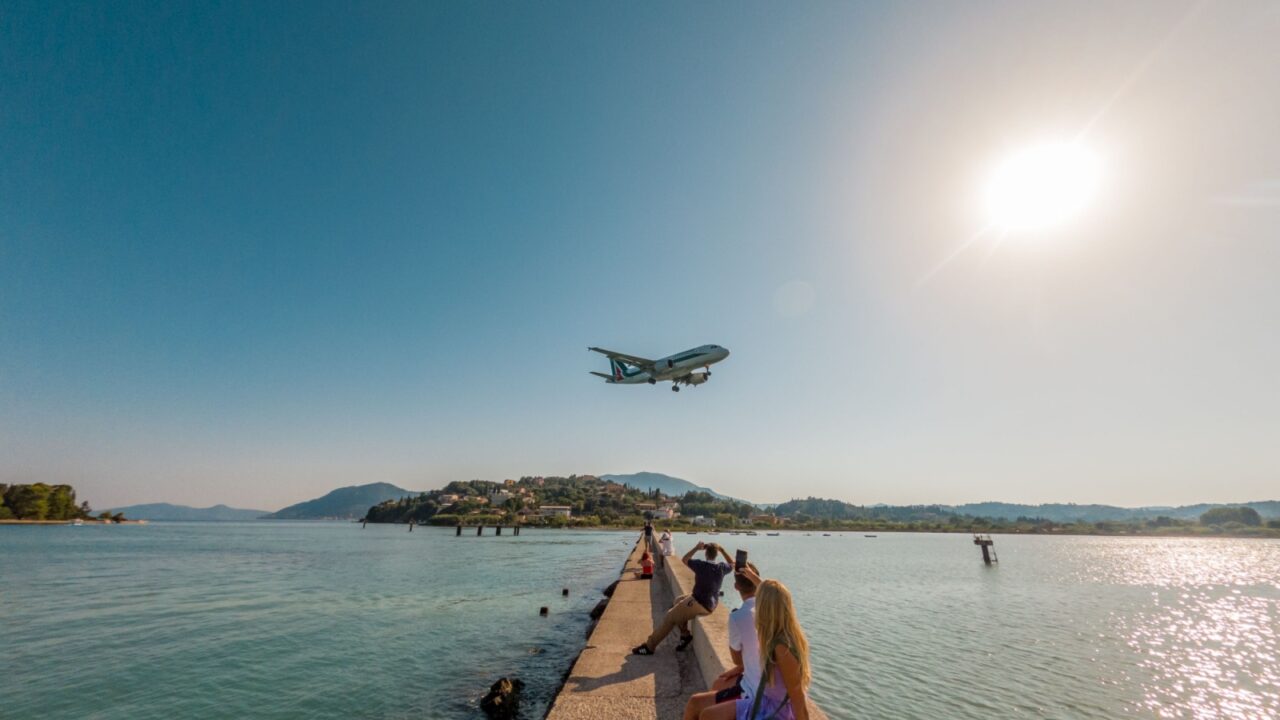
Islands with many scattered communities stand to gain new travel connections. Floating platforms help bridge distances without building heavy structures on delicate land. This opens smoother paths between tourism zones and residential areas.
Travelers discover more ways to reach smaller islands that once felt isolated. Local economies gain access to new visitors and new services. It creates a balanced blend of access and environmental respect.
Challenges stay important
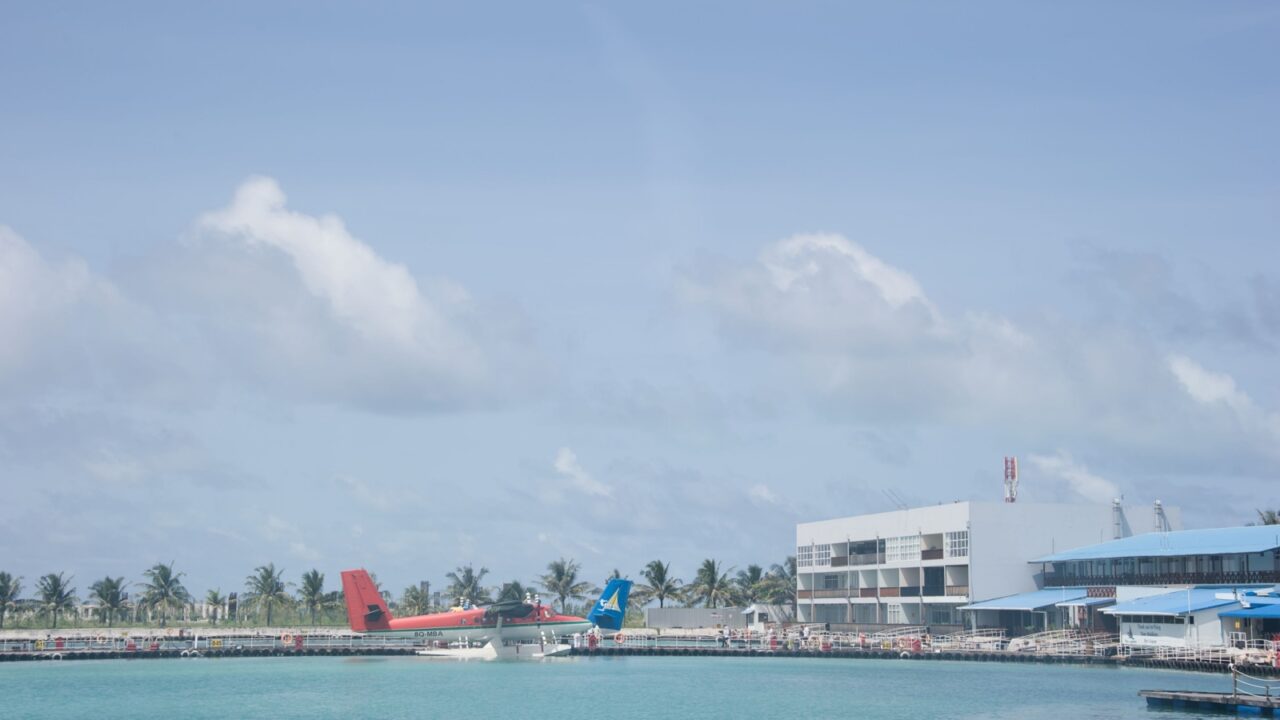
Floating airports still face strong engineering and regulatory questions. Designers must consider storm conditions and long-term maintenance plans. These factors increase the cost and timeline of development.
Environmental concerns also affect marine ecosystems that sit close to proposed aviation sites. Each project has to protect sensitive habitats while maintaining safe and dependable operations for travelers. The 2025 shutdown revealed deep staffing issues within air traffic control, and it shows that new aviation systems need strong workforce support along with careful planning.
A new travel horizon
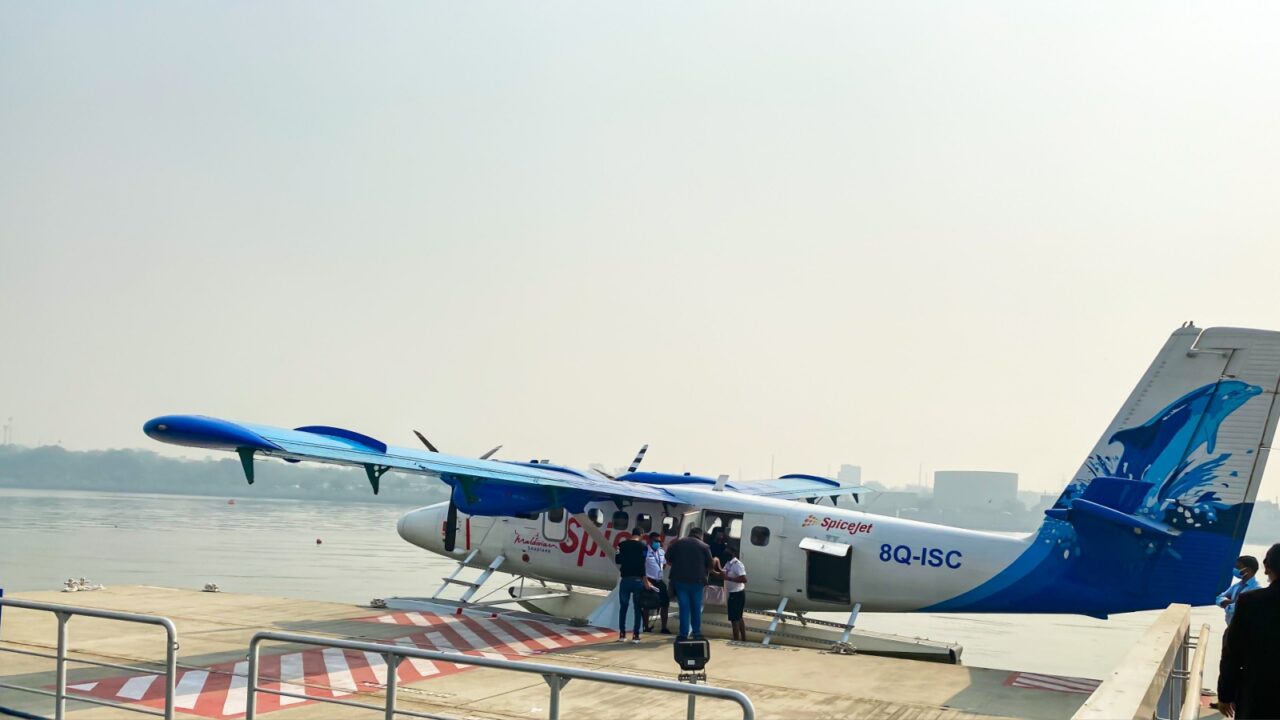
Floating aviation sites may guide the next era of travel for island nations. Visitors could soon land on smooth water-based platforms that feel almost like futuristic gateways. This changing landscape reshapes the way journeys begin and end.
More trials will reveal how far these ideas can grow. Islands look toward a future that blends innovation with natural beauty. Which island nation would feel most magical with its own floating airport waiting offshore?
This slideshow was made with AI assistance and human editing.
Don’t forget to follow us for more exclusive content right here on MSN.
Read More From This Brand:
