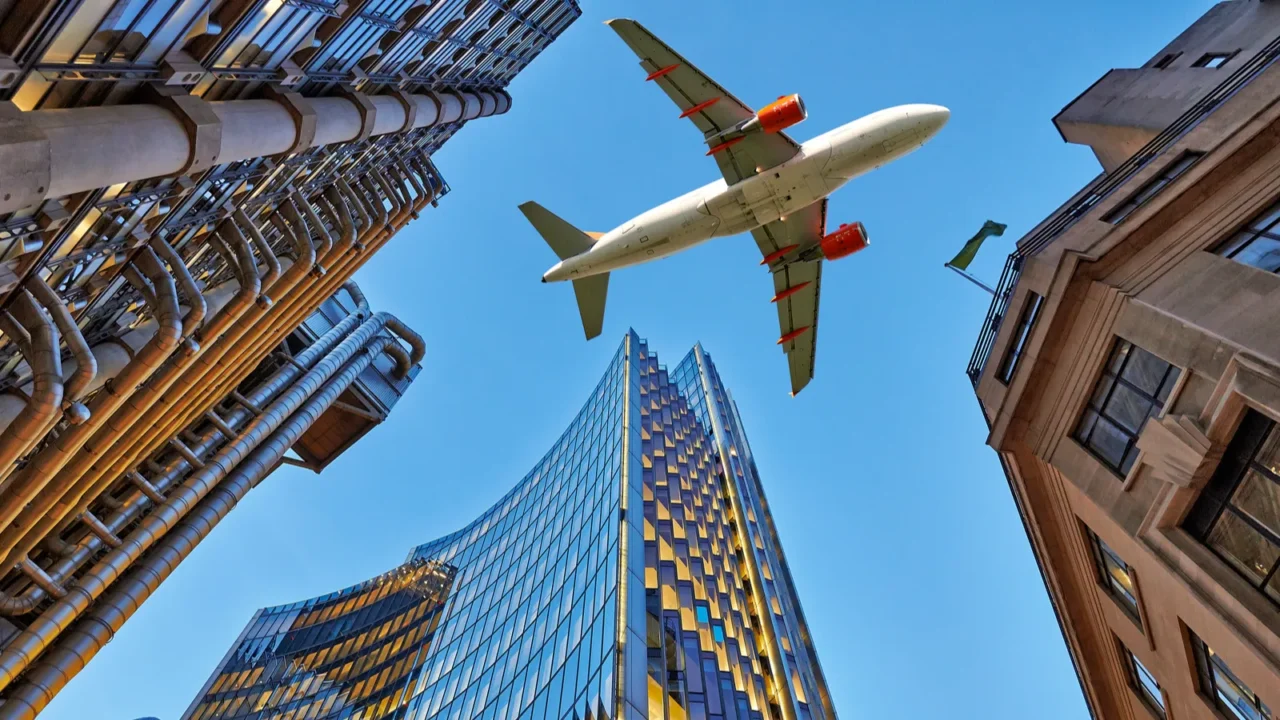
Above the clouds
Air travel continues to evolve into a remarkably safe way to travel across continents, yet passengers often overlook the considerable work that takes place behind the scenes. The reality is that aviation safety depends on constant monitoring, transparent reporting, and technology designed to reduce human error.
This slideshow examines the airlines that consistently perform exceptionally well in global safety evaluations and those that fall behind. By comparing recent data and long-standing records, we help travelers choose flights with greater clarity and confidence.
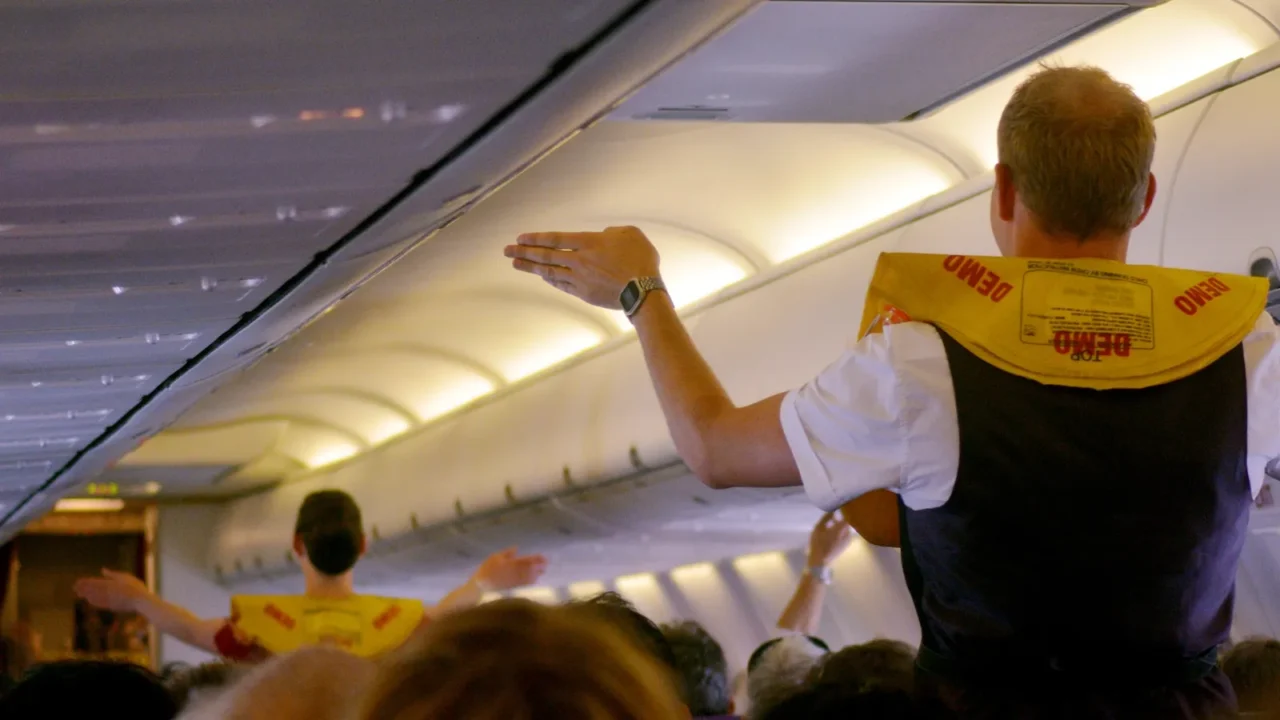
Why safety matters
When people fly, they are not simply buying a ticket. They are placing their trust in the airline’s training standards, maintenance routines, and ability to respond to emergencies. Good safety practices make an enormous difference long before a plane leaves the gate.
Strong safety records often reflect leadership that invests in crew development and continuous aircraft checks. Those choices build a culture that protects passengers and delivers a more dependable travel experience in the long run.
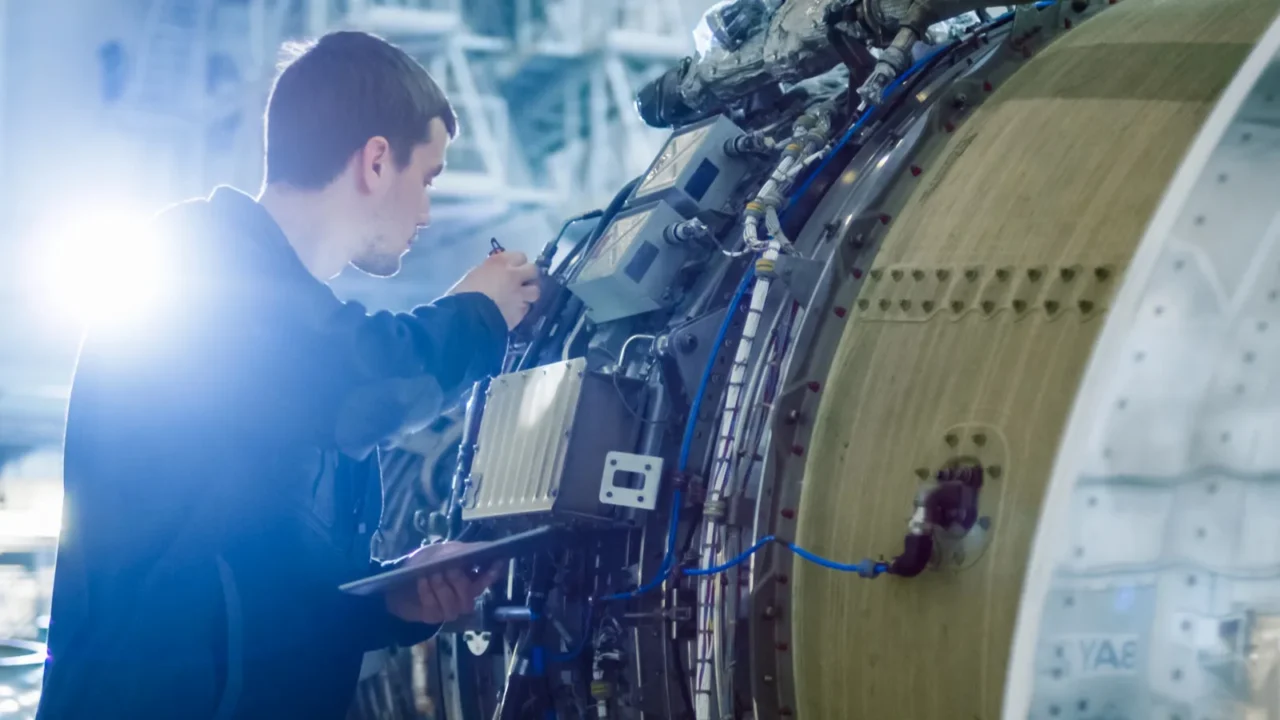
Safety checks behind the scenes
Most passengers never see the inspections that take place daily. Aircraft undergo multiple layers of review that include system tests, structural evaluations, and detailed maintenance logs. Pilots and crew also follow strict training programs to prepare for any unexpected situation in flight.
Airlines that excel in safety usually open their operations to outside auditors and follow international standards closely. That extra transparency helps reduce risk, prevent incidents, and strengthen overall trust among travelers around the world.
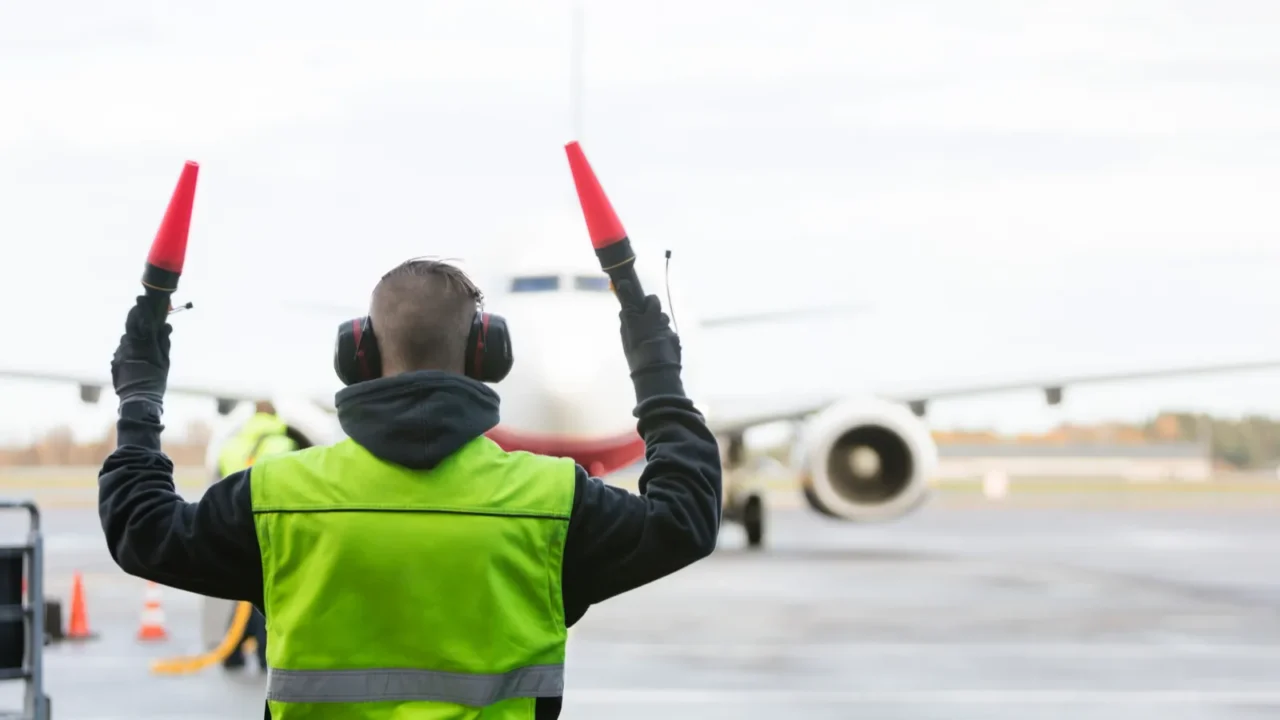
Leaders in safety
Some airlines consistently rise above others because they invest in new aircraft, adopt advanced safety technology, and train crews with remarkable attention to detail. Those decisions result in stronger reliability and fewer incidents over many years.
The next few slides highlight the carriers that have earned global respect for maintaining exceptional safety records. These airlines show that experienced leadership, disciplined procedures, and modern fleets can work together to create a safer travel experience.
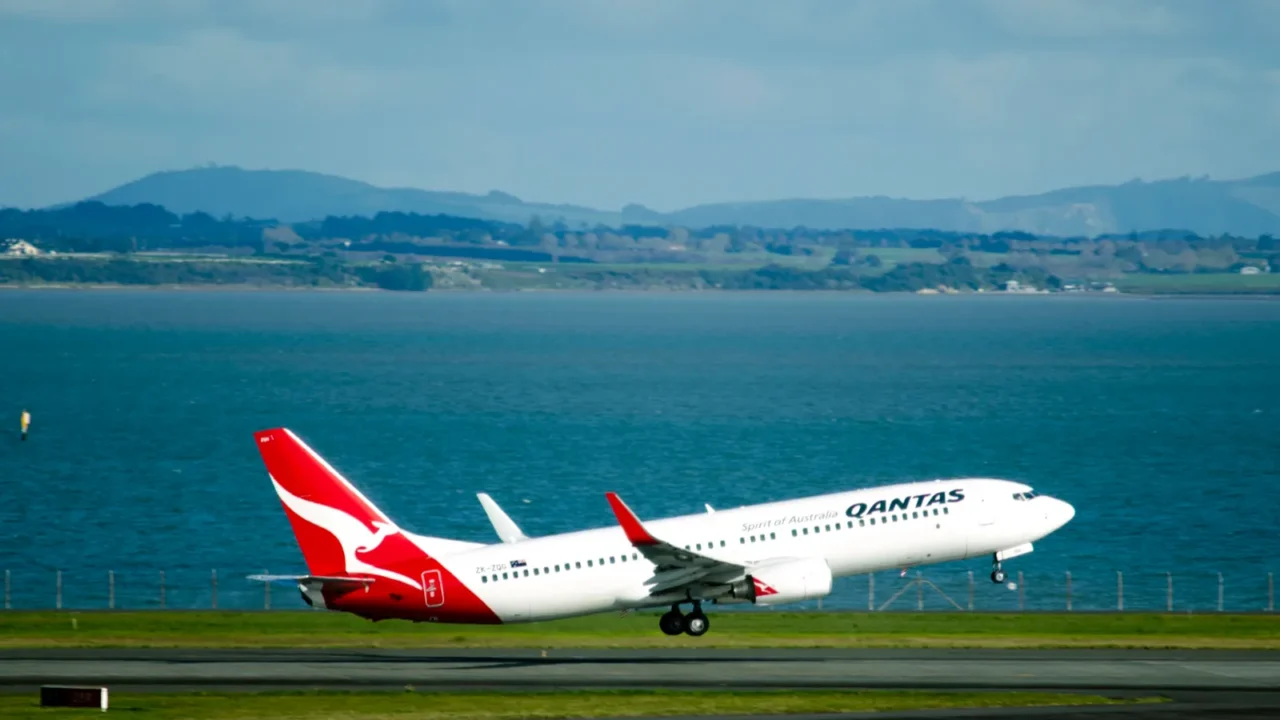
Qantas
Qantas is often recognized as one of the safest airlines worldwide. The airline’s strong record comes from strict maintenance programs, continuous pilot training, and a fleet that incorporates advanced safety features. Decades of safe long distance operations have strengthened its reputation even further.
Travelers often appreciate how seriously the airline takes transparency and operational discipline. Its leadership remains committed to improving standards each year, which has helped the airline maintain one of the most trustworthy safety histories in commercial aviation.
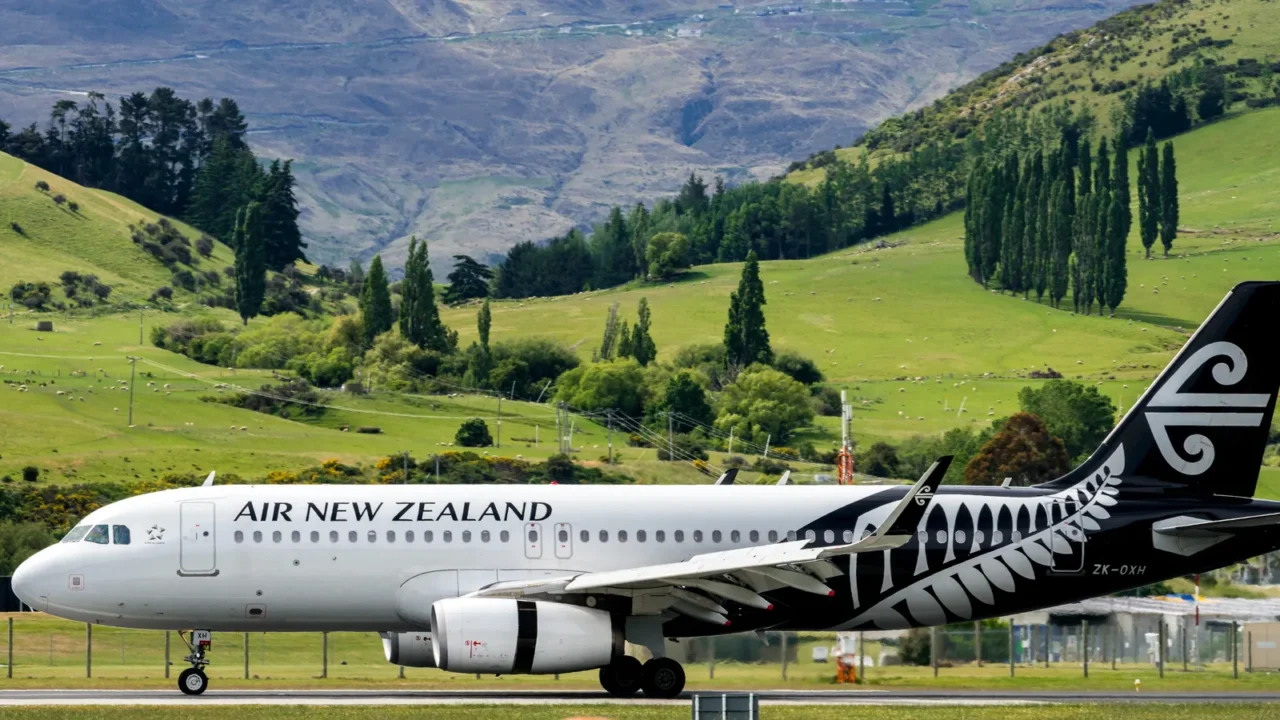
Air New Zealand
Air New Zealand has built an impressive safety culture supported by disciplined training and a modern fleet. It follows global aviation standards closely and maintains comprehensive inspections that help reduce risk during long haul operations. These practices have kept their safety record consistently strong.
Passengers often note that the crews are attentive and well prepared. Combined with its commitment to innovation and accountability, the airline remains a preferred option for travelers who want a calm and confident flying experience.
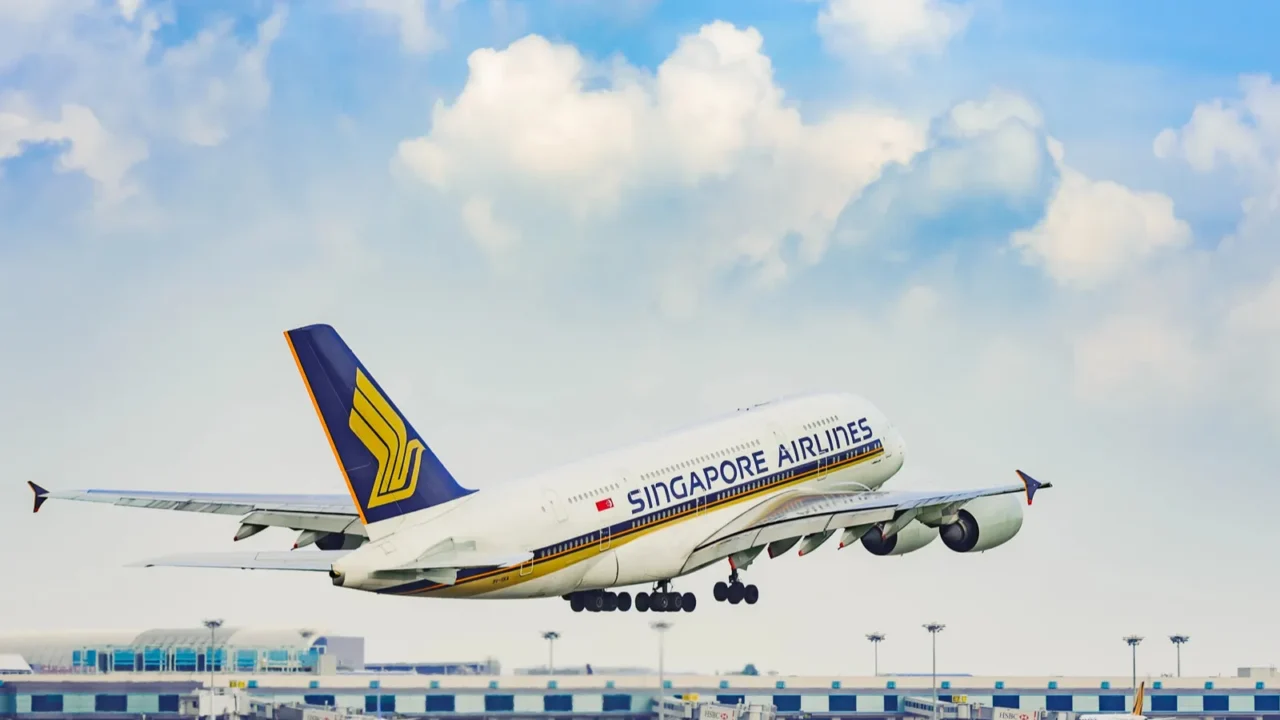
Singapore Airlines
Singapore Airlines blends comfort with a strict approach to operational safety. Its crews train continuously, and the airline invests heavily in new aircraft and maintenance systems that follow international guidelines. This detailed approach has produced an impressive record with very few major incidents over many years.
Frequent travelers appreciate how thoroughly the airline plans every stage of the journey. That reliability, along with its consistent professionalism, has helped secure its position as one of the safest carriers in Asia and beyond.
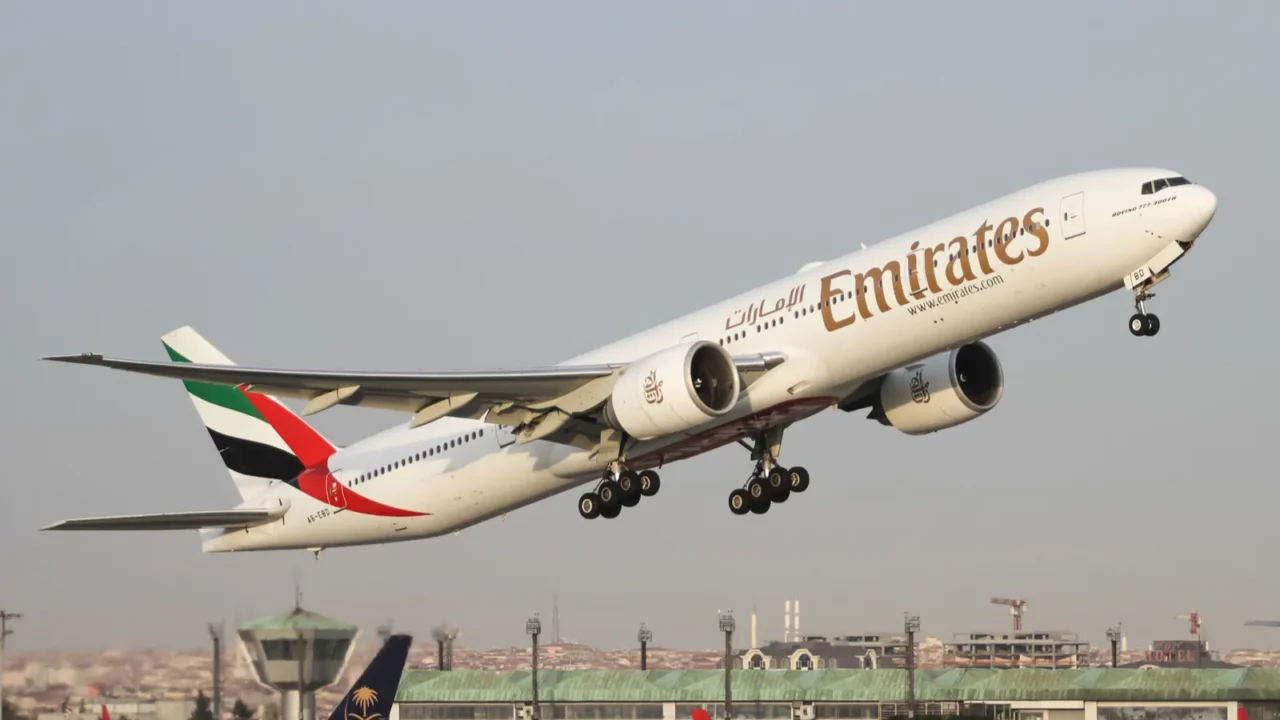
Emirates
Emirates operates one of the youngest fleets in the world, which contributes significantly to its strong safety performance. The airline invests in advanced technology and training programs that help minimize risk during long haul flights. Its maintenance operations meet global aviation standards and receive regular oversight.
Passengers often trust the airline for its reliability and clear safety communication. With modern aircraft and a commitment to high performance, Emirates continues to achieve strong rankings in international safety evaluations.
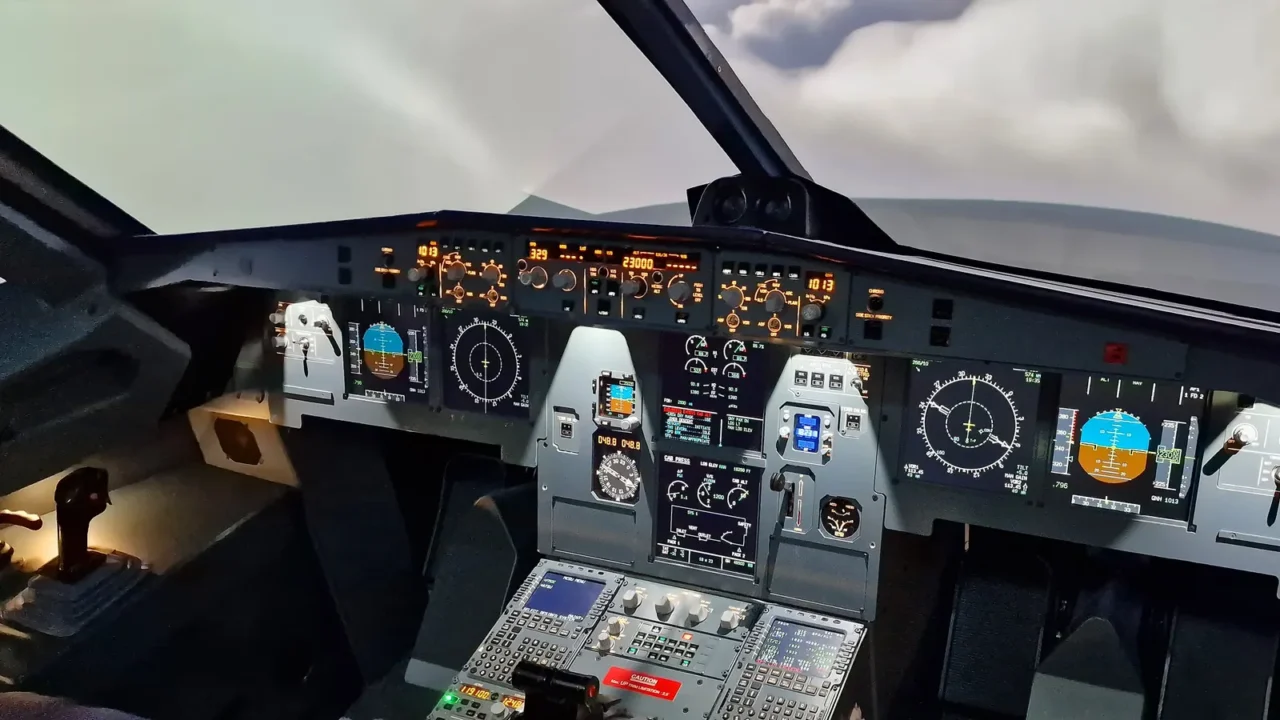
What makes them safe
The safest airlines usually have common habits. They buy newer aircraft, refresh crew training frequently, and maintain detailed review systems for every flight. They also present transparent records to independent evaluators, which helps identify issues before they affect passengers.
These practices create a foundation of reliability that travelers can count on. While no flight is entirely risk-free, choosing an airline with these traits often leads to a smoother and more secure experience.
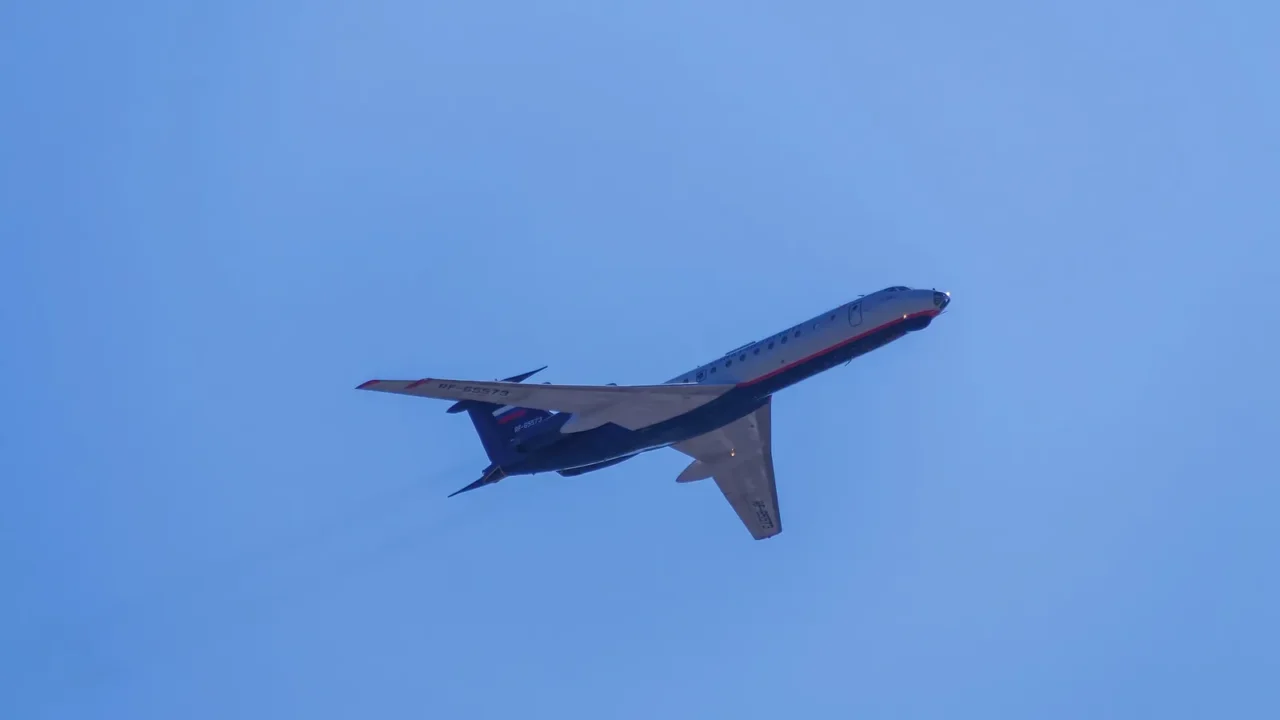
Airlines with troubled past
Some airlines struggle to maintain clean safety records because of aging aircraft, inconsistent maintenance practices, or limited regulatory oversight. These challenges often reveal deeper problems within the organization, including delays in repairs and minimal investment in training.
Although some carriers work to improve their performance, past incidents and recurring issues still influence traveler confidence. Understanding these patterns allows passengers to make more informed choices before booking tickets with airlines that have uneven safety histories.

Airlines with weak safety records
Airlines with weaker safety records tend to operate older fleets, experience mechanical issues more often, or show gaps in flight crew preparation. These problems occasionally lead to serious incidents that attract international attention and raise concerns among aviation experts.
While improvement is always possible, travelers should pay attention to updated audits, recent passenger reports, and the overall trend of an airline’s performance. Taking these steps helps reduce risk when flying with carriers that have inconsistent or questionable safety outcomes.
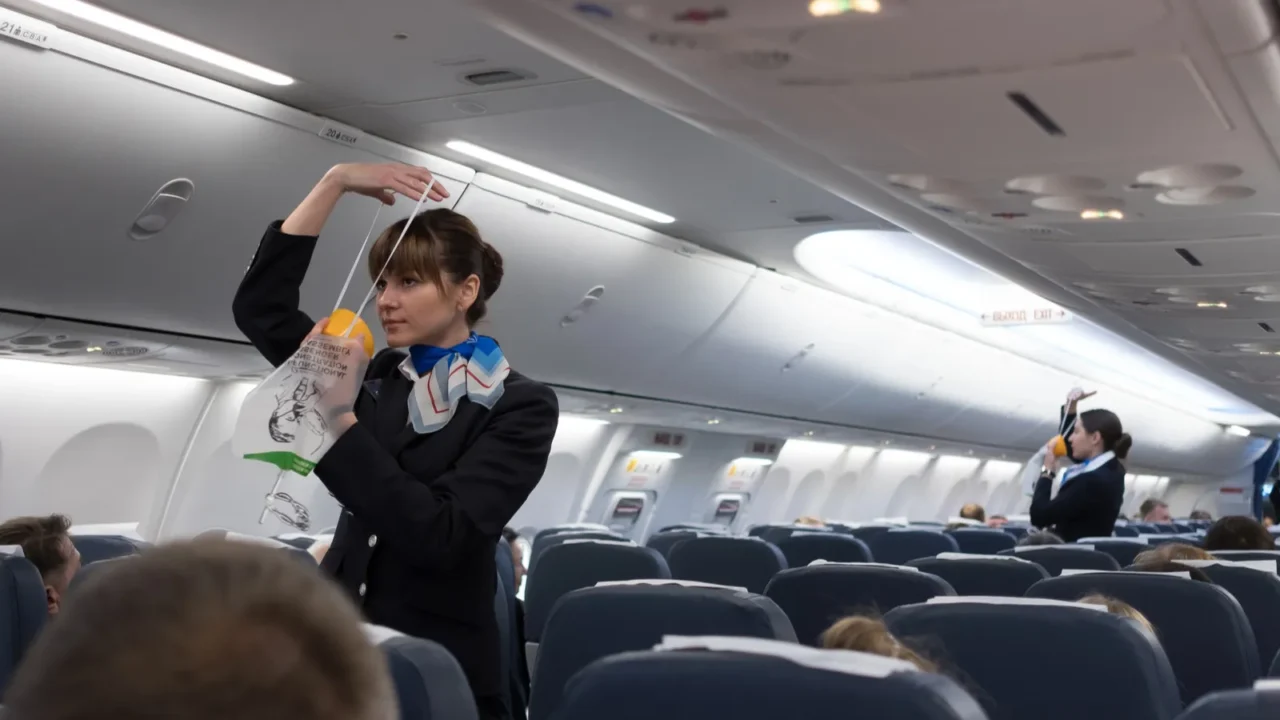
How travelers can stay safe
Travelers can strengthen their safety decisions by reviewing airline ratings, checking the age of aircraft, and comparing reports from global aviation watchdogs. Selecting an airline that prioritizes modern equipment and rigorous crew training naturally reduces risk. Even small steps like reading recent operational updates can make a meaningful difference.
Many travelers also compare flight prices with seasonal patterns to find better deals. Explore the best times to book flights and turn every search into a win.

Choosing for peace
A smooth travel experience begins with choosing an airline that demonstrates consistent responsibility and care. When passengers trust the crews, the aircraft, and the overall safety practices, the journey becomes far more enjoyable. Understanding the strengths and weaknesses of different airlines can help travelers feel more grounded in their decisions.
Changes within the industry still affect daily operations, especially in the United States. Stay informed about how staffing shortages may shape your next trip and choose your carrier with confidence.
What matters most when choosing an airline—safety, price, or the story behind the brand you trust? Let us know in the comments.
This slideshow was made with AI assistance and human editing.
Don’t forget to follow us for more exclusive content right here on MSN.
Read More From This Brand:
