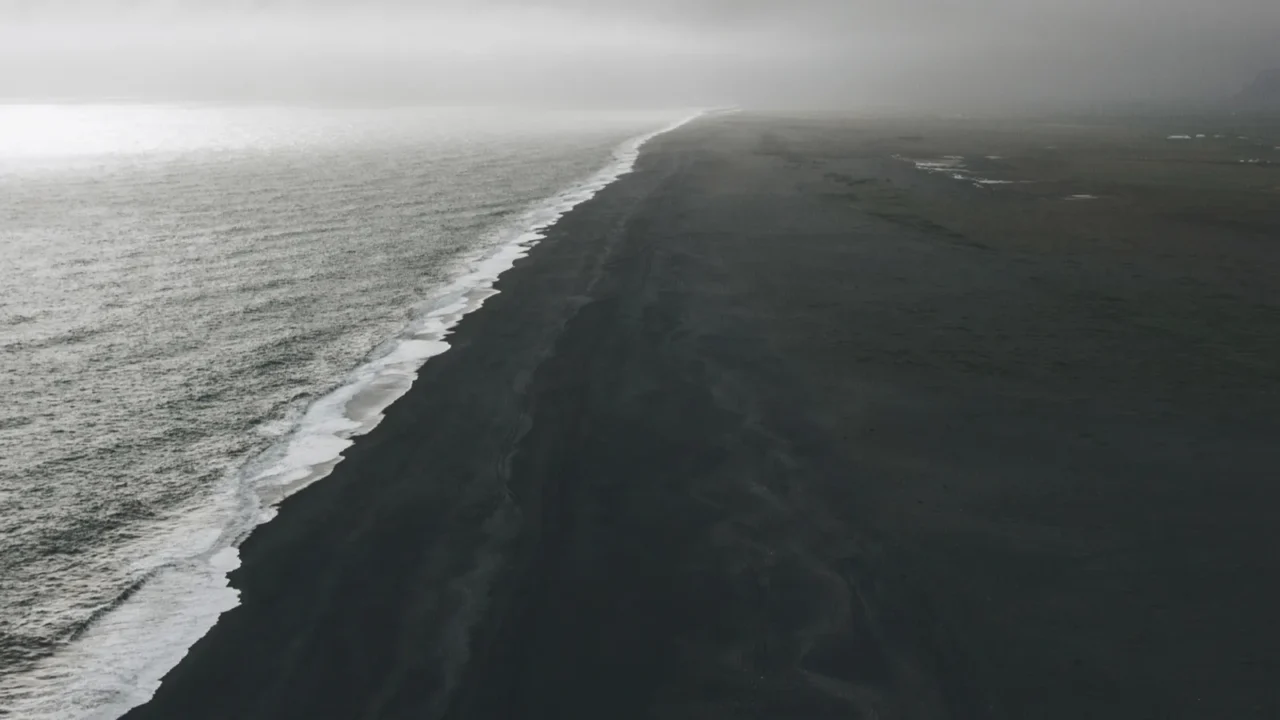
Uncover the mystery
Visiting a black sand beach in Hawaii feels like stepping into a volcanic storybook where fire meets ocean in dramatic ways. Travelers often notice how different these beaches look compared to the usual golden shores found elsewhere. It creates instant curiosity about how lava transformed into sand, so let’s dive in!
What makes these beaches special is not just their color but the volcanic history carried in every grain beneath travelers’ feet. The heat, movement, and chemistry of molten rock are preserved here through nature’s own process. Each shoreline shows how Hawaii was shaped by fire and still shares that story today.
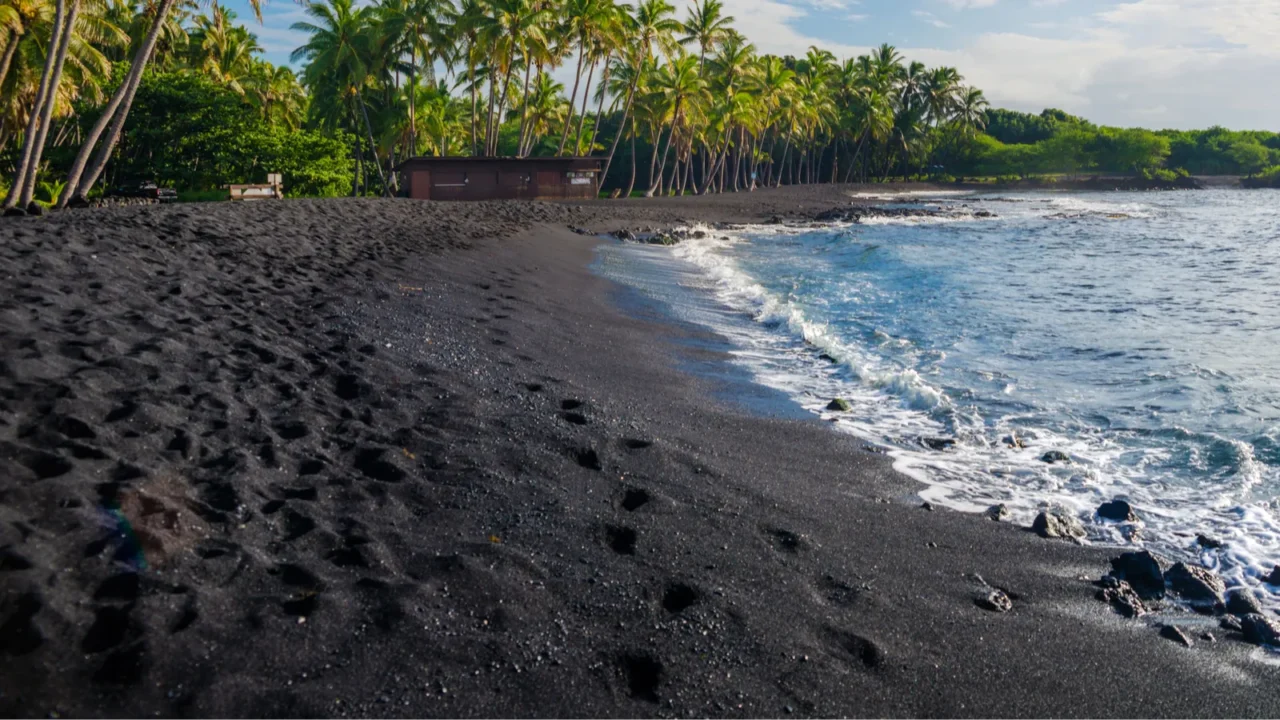
Where black sand forms
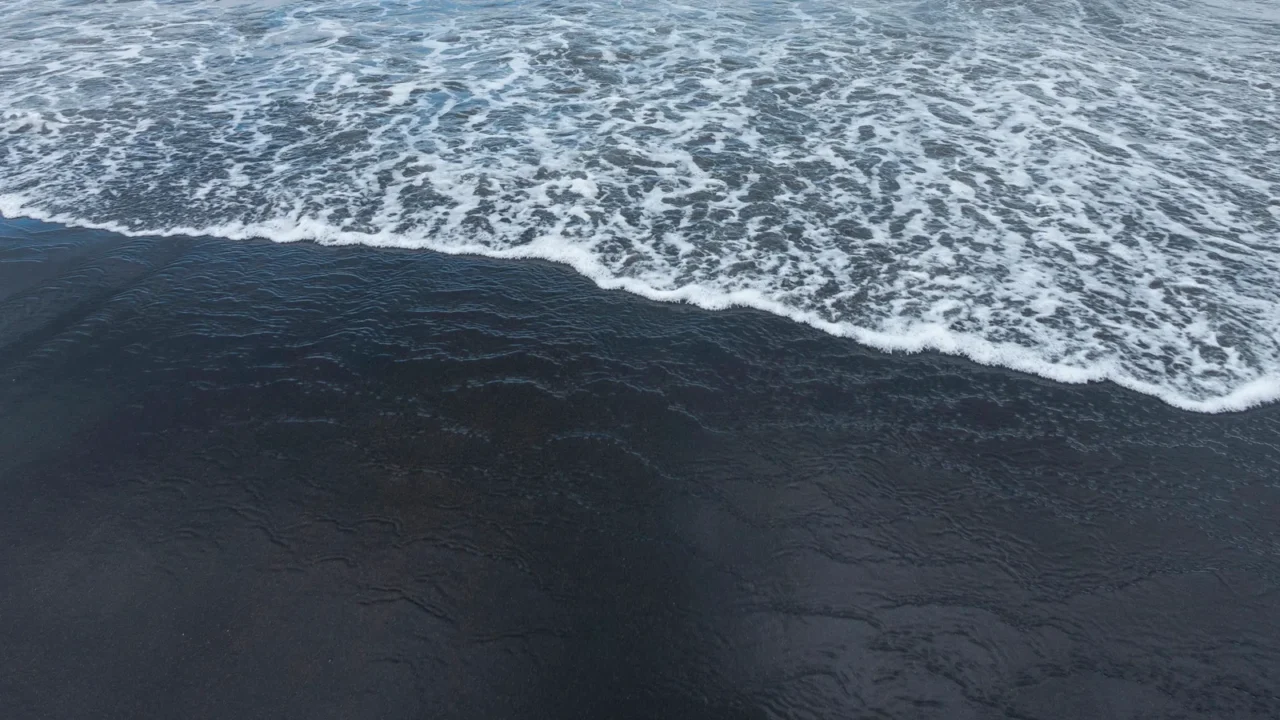
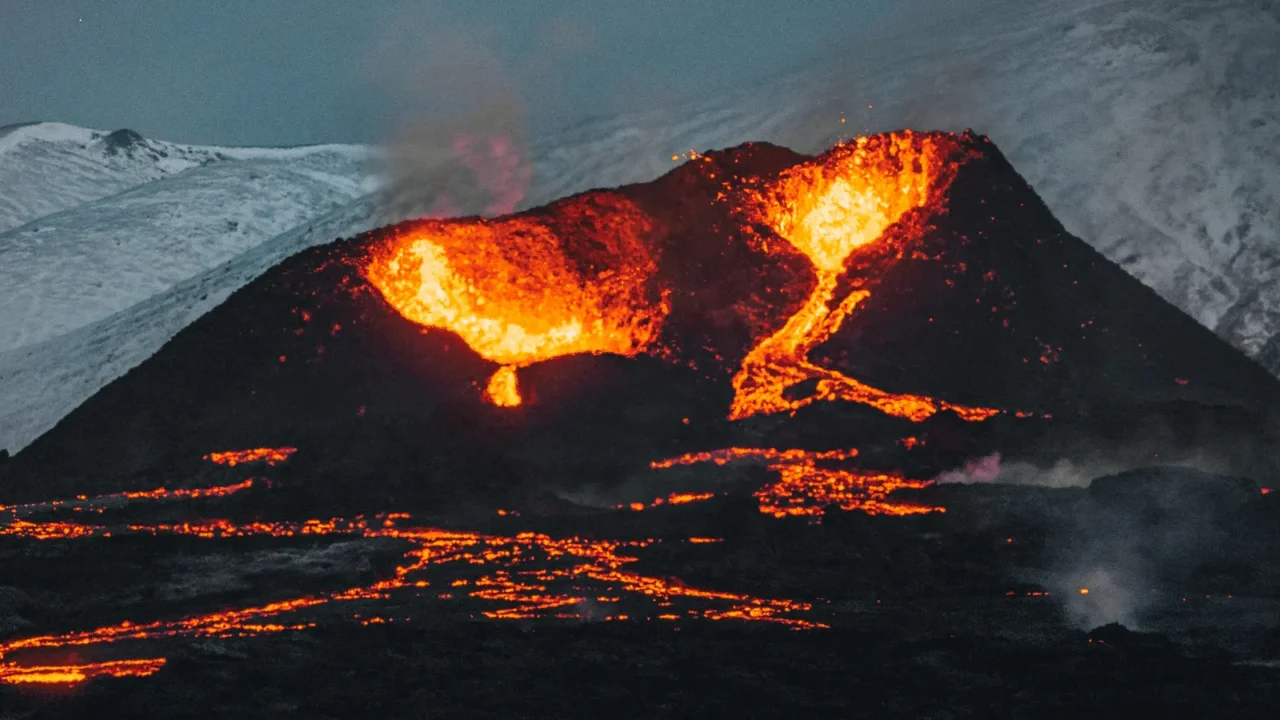
Black sand in Hawaii begins as fresh lava that cools so quickly in the ocean that it shatters into tiny dark fragments. These pieces are made from volcanic glass and basalt that break apart under the force of steam and waves. Over time, those fragments become the smooth black grains travelers walk on today.
The deep color comes from basalt, which is rich in iron and magnesium—elements that give it a naturally dark appearance and greater density compared to typical beach sand. That composition gives the sand its heavy, dark appearance compared to typical beach sand. The process continues anywhere active lava meets the ocean and creates new stretches of coastline.
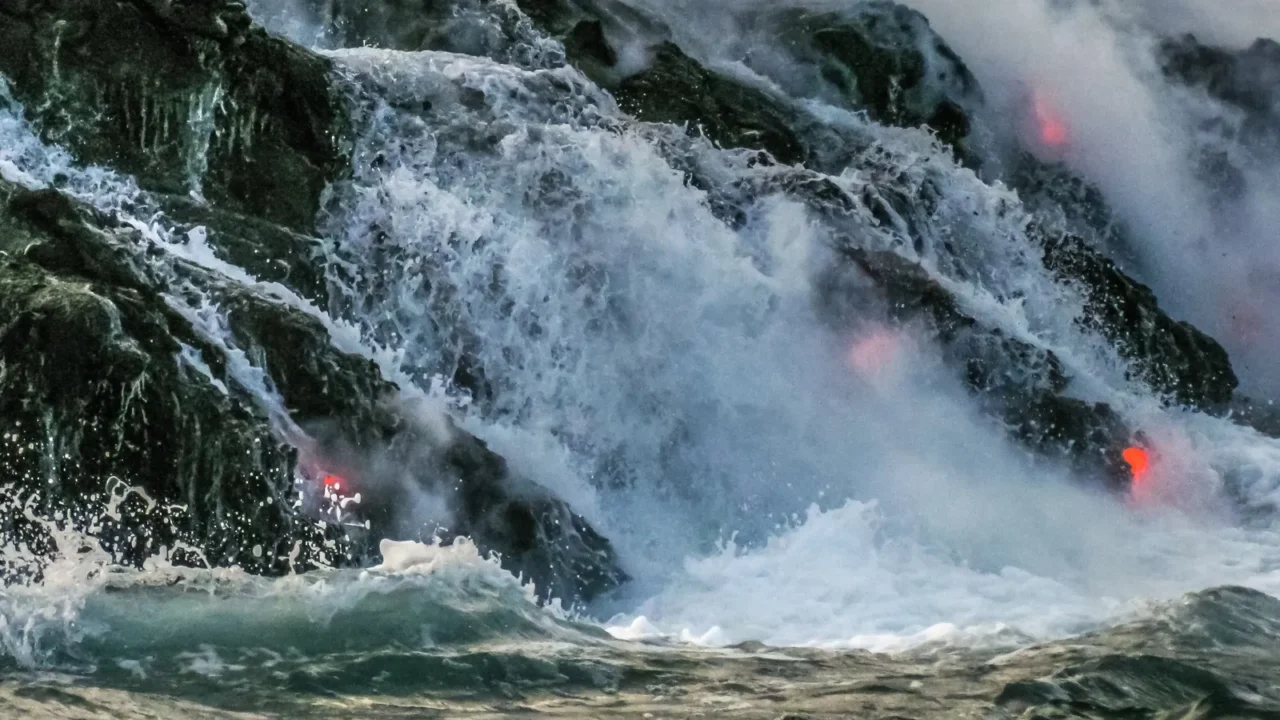
Lava meeting water effects
When hot lava touches cold ocean water, the reaction is explosive enough to break the rock into small pieces. This moment creates steam bursts that fracture the lava into fragments carried by strong waves. Over time, the water grinds these pieces into sand shaped by nonstop motion.
The ocean then spreads these grains along the shoreline and builds beaches that look dramatically different from others in Hawaii. Some areas form coarse sand while others develop silky smooth grains depending on the lava flow. Each beach becomes a record of how quickly lava cooled and how long erosion has worked on it.
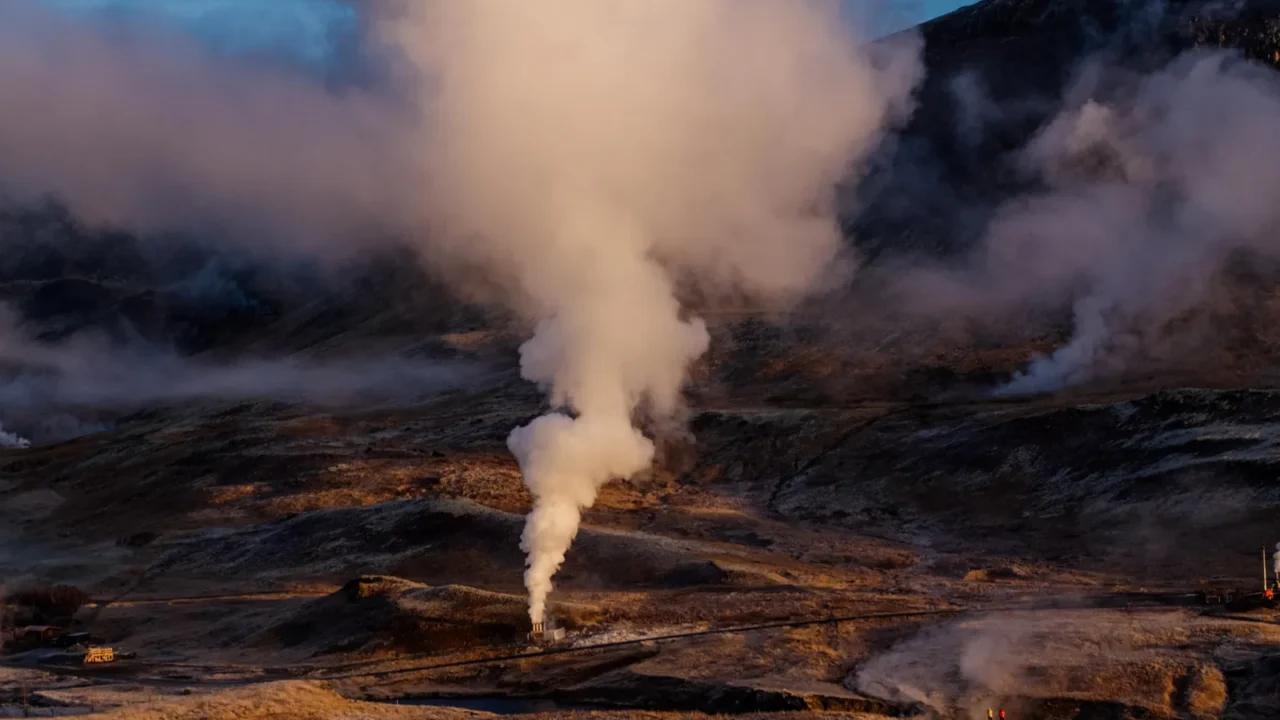
Why Hawaii has it
Hawaii sits on an active volcanic hotspot that constantly builds new land and reshapes coastlines. The youngest islands, especially the Big Island, still receive fresh lava flows that produce new black sand over time. Islands without active lava entering the sea do not form these beaches naturally.
This ongoing volcanic activity explains why black sand beaches are found mostly on the Big Island. Without continuous lava input, the sand would eventually wash away and fade into lighter colors. These beaches exist because Hawaii is still growing and changing with every eruption.

Punaluʻu beach highlights
Punaluʻu on the Big Island is one of the most famous black sand beaches and draws travelers from all over. Its deep black shoreline stands out beautifully against bright blue waves and tall coconut palms. The sand formed from lava that cooled fast and shattered as it entered the ocean.
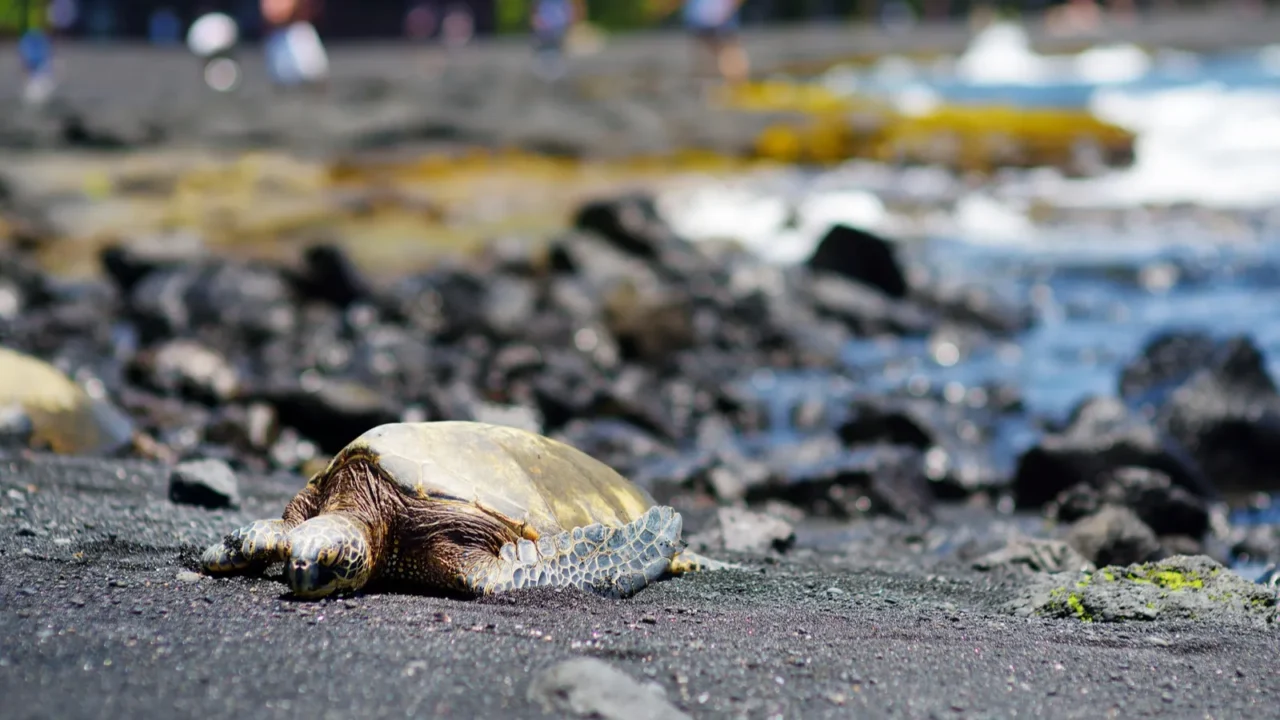
This beach is also known for Hawaiian green sea turtles that rest on the warm black sand throughout the day. Travelers often find them basking peacefully and adding to the beauty of the scene. Strong currents make swimming tricky, but the views and wildlife experiences are unforgettable.

Waianapanapa beauty revealed
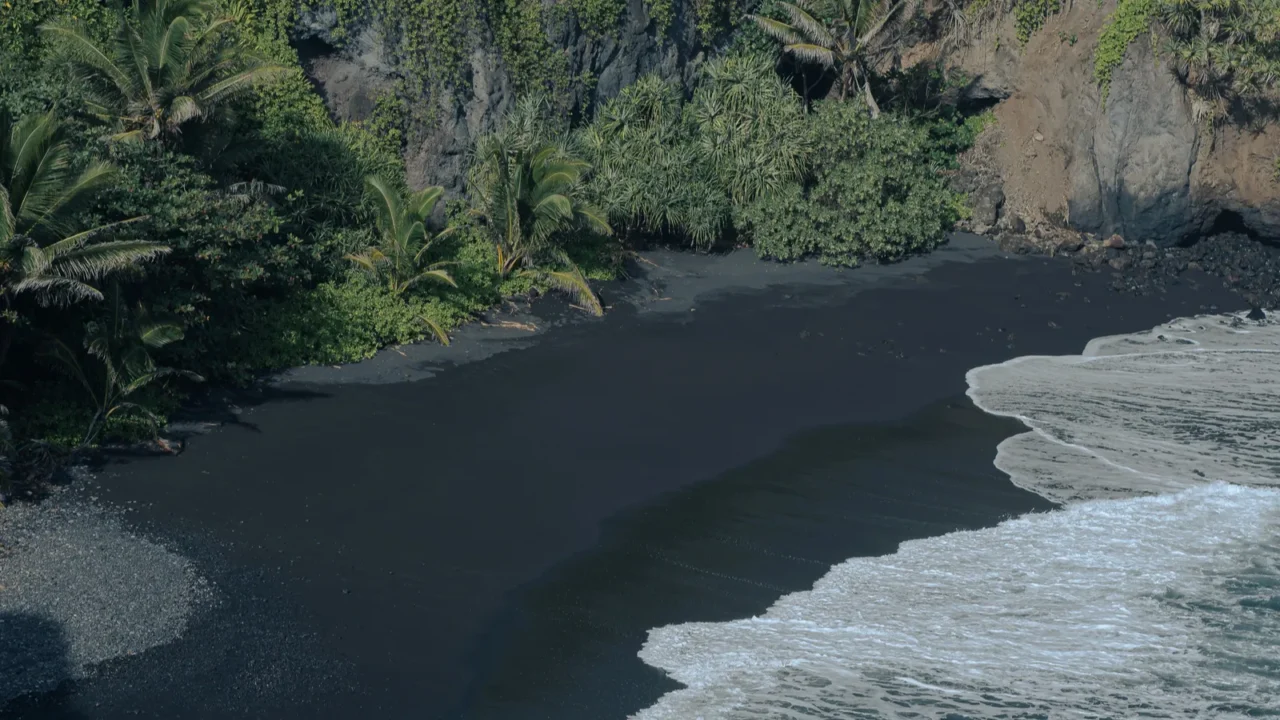
Waianapanapa State Park on Maui features a dramatic black sand beach along the scenic Hana Highway. Lush green cliffs and dark sand create a bold contrast that feels almost unreal in photos and in person. The coastline here was formed through ancient lava flows that shaped the land long before travelers arrived.
The park offers sea caves, coastal trails, and lava tubes that enrich the experience beyond a typical beach visit. Every viewpoint reveals another angle of Hawaii’s volcanic story cut into the cliffs. It’s a place where nature’s sharp contrasts make each moment feel like a discovery.
Pololū valley serenity
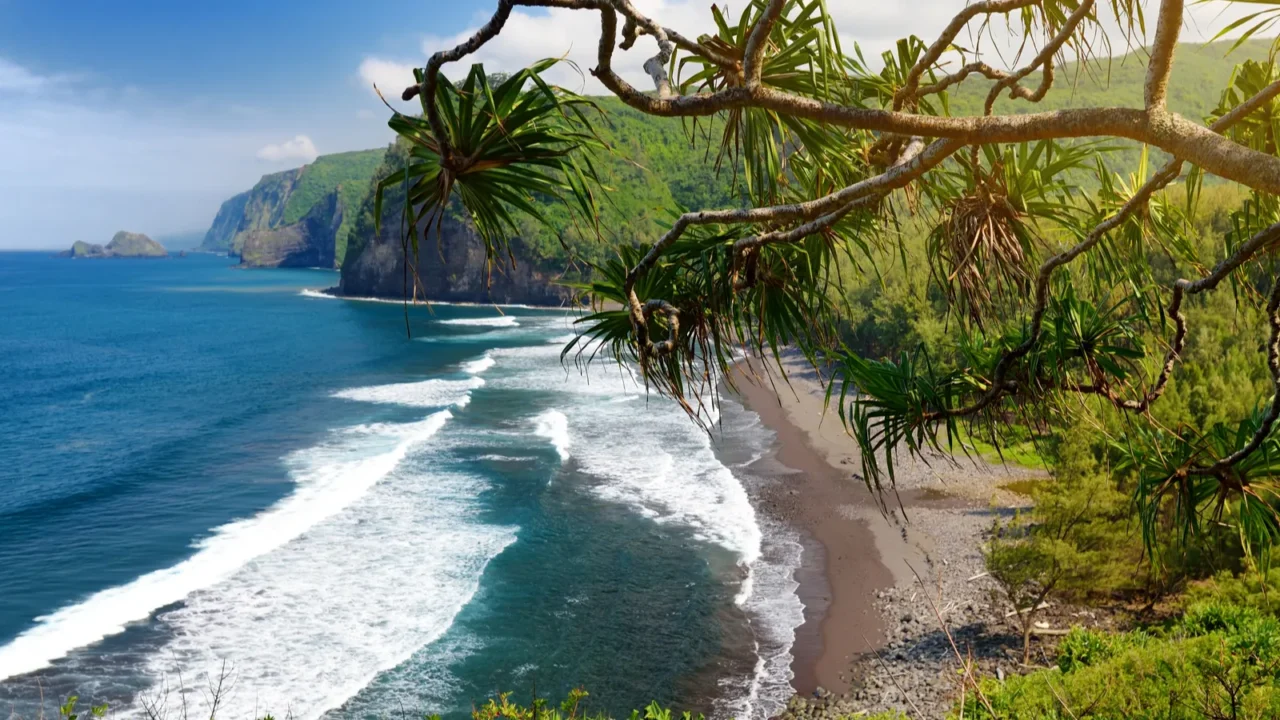
Pololū Valley on the Big Island offers a quiet black sand beach nestled below dramatic emerald cliffs. The sand here formed long ago from older lava flows that weathered over centuries. Even though it is not newly formed, it still carries the volcanic character of the island.
Travelers hike down a steep trail to reach this peaceful shoreline framed by towering landscapes. The sand is a mix of older volcanic fragments that have softened with time. This setting blends rugged geology with lush vegetation and makes the valley feel timeless.

Oneuli beach character
Oneuli Beach in Maui sits just south of Makena and is known for its dark volcanic sand made from eroded lava rock. It often surprises travelers because it lies so close to more typical golden beaches. The shoreline carries shiny black grains that give the entire area a dramatic look.
This beach is a favorite for snorkeling when the waters are calm because the slope enters the ocean gradually. The volcanic base creates a strong contrast against the surrounding landscape and makes photos stand out naturally. It offers a quieter experience for travelers who enjoy unique coastal settings.
Fragility of black sand
Black sand beaches are beautiful but temporary because they depend on active lava flows to replenish their grains. Once the lava stops entering the ocean, waves slowly carry the sand away over time. Without new volcanic material, the shoreline can change shape or eventually disappear.
Removing sand from these beaches is illegal under Hawaii state law and can damage their natural balance. Even small disturbances accelerate erosion and disrupt fragile ecosystems. Respecting these places helps preserve their rare beauty for future travelers.
Warmth and sea turtles
Black sand absorbs heat quickly, creating a warm resting place for Hawaiian green sea turtles throughout the day. Travelers often see these turtles lying comfortably on the shore as they soak in the heat. It becomes a peaceful moment that combines wildlife encounters with volcanic scenery.
These beaches support a sensitive ecosystem, so keeping a distance from resting turtles is important for their safety. Observing respectfully allows wildlife to thrive without disturbance. It helps travelers appreciate the balance between volcanic environments and the species that depend on them.
Tips for visiting safely
Some black sand beaches have strong currents, so travelers often choose them more for sightseeing than swimming. Checking conditions beforehand helps ensure a safe and relaxed visit. The sand heats up quickly, so mornings are usually the most comfortable time to explore.
Staying on marked paths protects delicate coastal plants and reduces erosion caused by foot traffic. Carrying out all trash helps preserve these beaches that already face natural changes over time. Simple care keeps these rare volcanic shorelines beautiful for every future visitor.

Pololū valley shoreline
Pololū Valley on the Big Island offers a quiet black sand beach nestled below dramatic emerald cliffs, while Indonesia’s Pink Beach, named the world’s most beautiful by travel experts, shows how rare coastal landscapes can become global icons. The sand here formed long ago from older lava flows that weathered over centuries. Even though it is not newly formed, it still carries the volcanic character of the island.
Travelers hike down a steep trail to reach this peaceful shoreline framed by towering landscapes. The sand is a mix of older volcanic fragments that have softened with time. This setting blends rugged geology with lush vegetation and makes the valley feel timeless.
Reflect on the journey
Hawaii’s black sand beaches tell a powerful story of molten lava, crashing waves, and landscapes shaped by constant change. Travelers who stand on these shores feel the connection between past eruptions and present beauty. Each beach shows how nature creates wonders through heat, pressure, and time.
From resting sea turtles to shimmering dark grains, these places reveal Hawaii’s volcanic heart in unforgettable ways. Which of these volcanic beaches sparks the most curiosity or excitement for a future trip? Share thoughts and experiences in the comments.
This slideshow was made with AI assistance and human editing.
Don’t forget to follow us for more exclusive content right here on MSN.
Read More From This Brand:
