
Rivers become marketplaces
Thailand’s floating markets feel less like tourist spots and more like living river towns. Boats glide past each other carrying food, goods, and daily necessities in a steady rhythm. Visitors quickly realize these markets function like cities built on water.
These markets grew from a time when canals served as the main transportation routes. Trade, daily life, and social exchange all happened directly on the water. That history still shapes how these markets operate today. Let’s dive in!
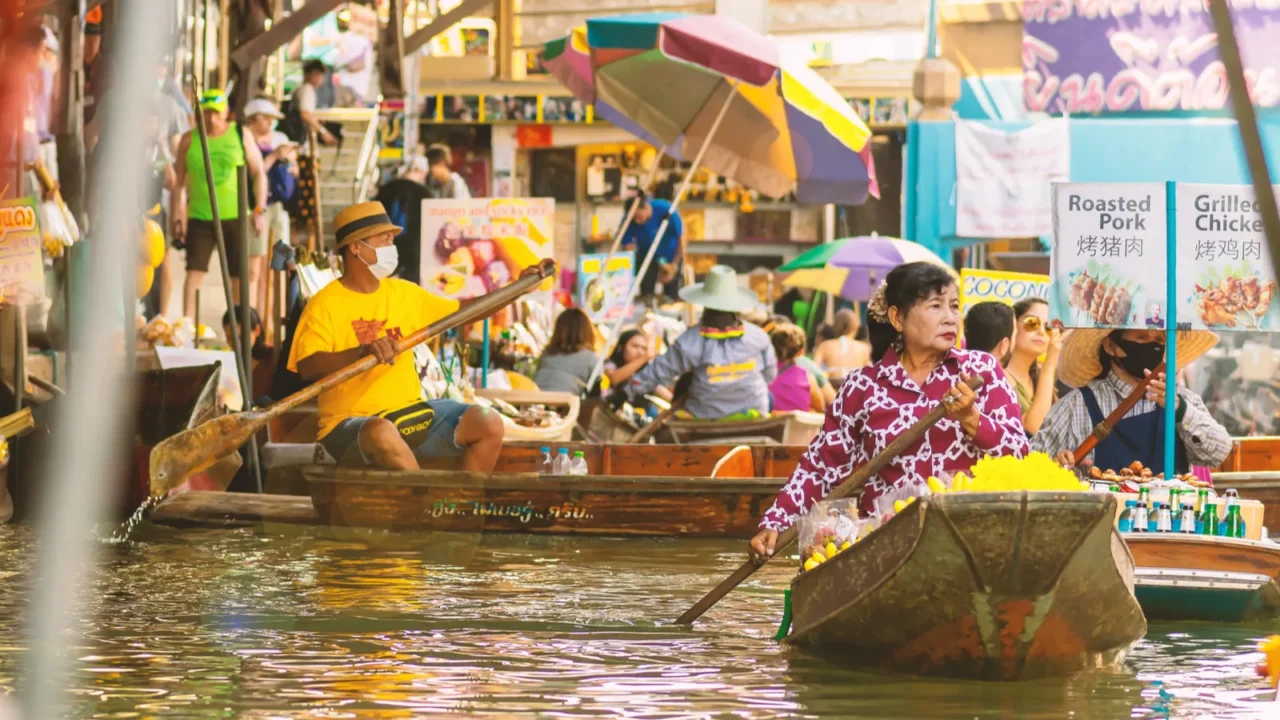
Waterways shaped daily life
Central Thailand was once crisscrossed with canals connecting farms, villages, and temples. Boats were the easiest way to move people and products across regions. Markets naturally formed where waterways met.
Floating markets became hubs for trade, much like town squares on land. Sellers and buyers met without needing roads or buildings. The river itself became the street.
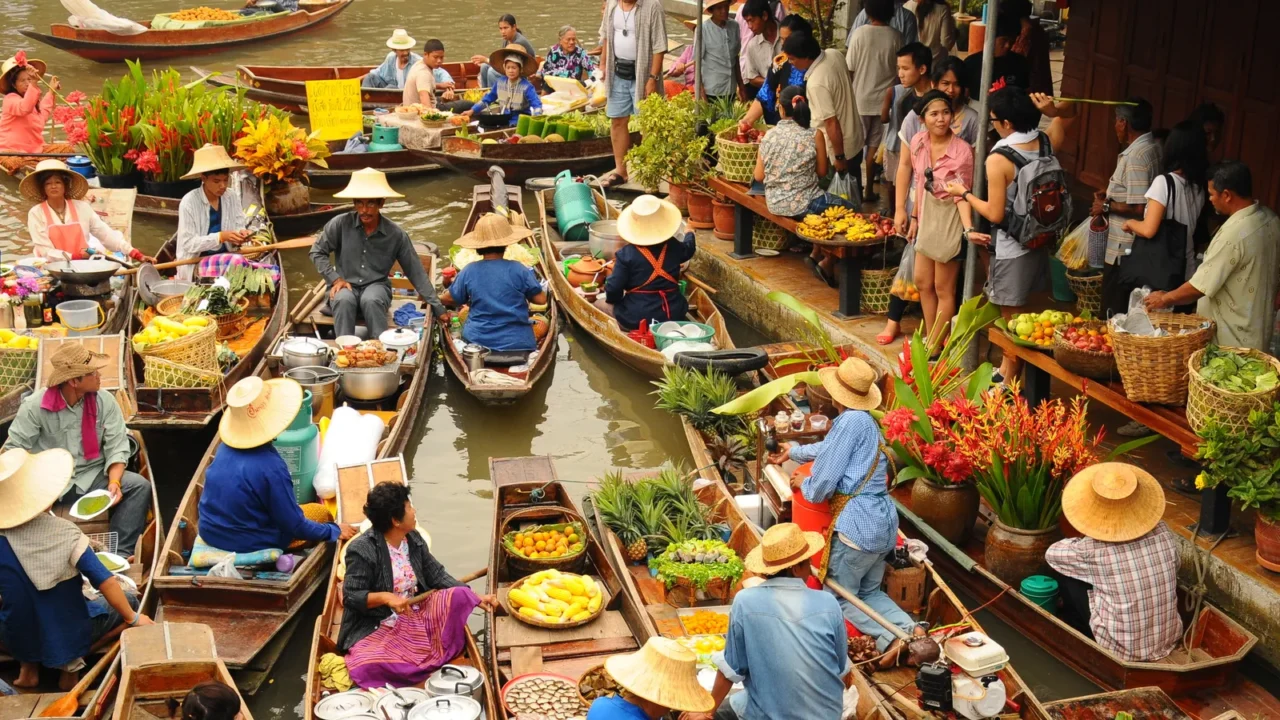
Boats replace city streets
In floating markets, boats function as shops, delivery carts, and taxis at once. Vendors paddle slowly while calling out prices and offering samples. Transactions happen boat to boat without stopping traffic.
This system keeps everything moving smoothly despite narrow canals. It mirrors how street markets operate in cities but adapts to water flow. The result feels organized yet lively.
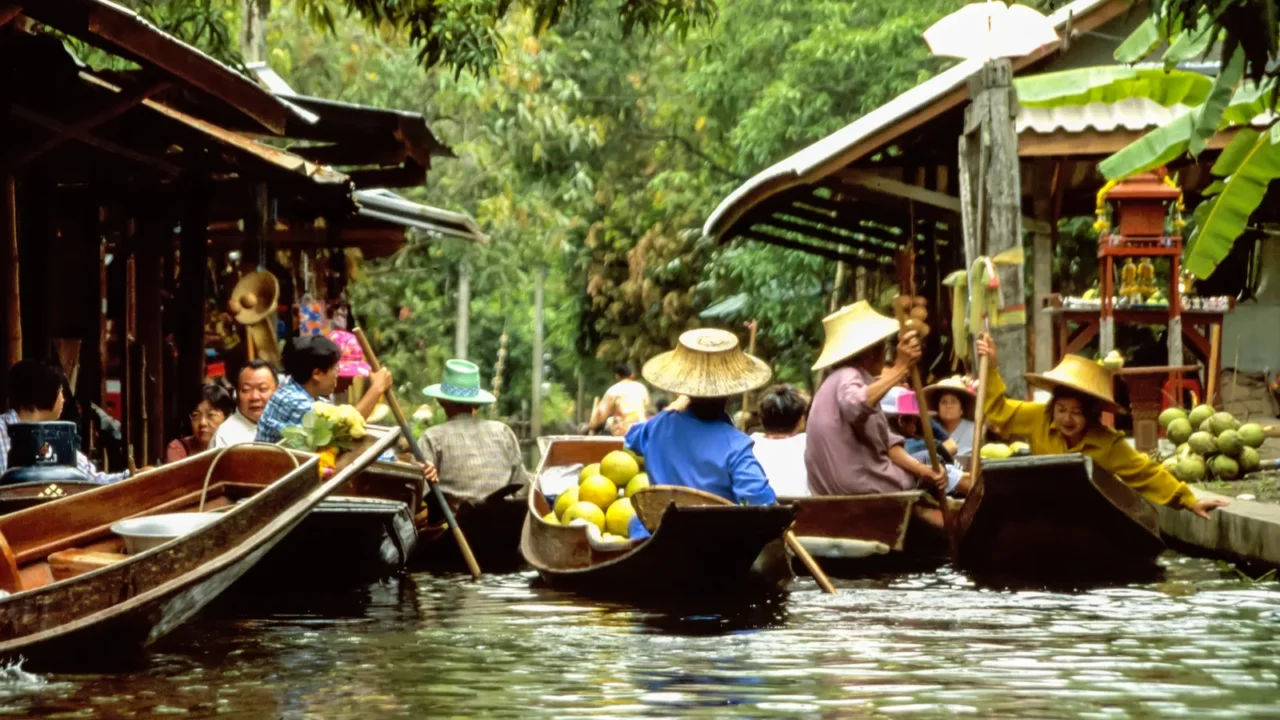
Damnoen Saduak leads fame
Damnoen Saduak is Thailand’s most internationally known floating market. Its long canals stay active with vendors selling fruit meals and souvenirs. The market shows how river commerce still thrives today.
Though popular with travelers, it still reflects traditional trading patterns. Early mornings are busiest when locals and vendors arrive together. Activity flows like a working neighborhood.

Amphawa feels residential
Amphawa Floating Market feels more like a riverside neighborhood than a standalone attraction. Homes, temples, and shops line the canal edges. Food boats gather each evening, creating a shared dining space.
The market supports local families who sell recipes passed down through generations. Visitors often notice neighbors greeting each other across boats. It feels more like daily life than a performance.
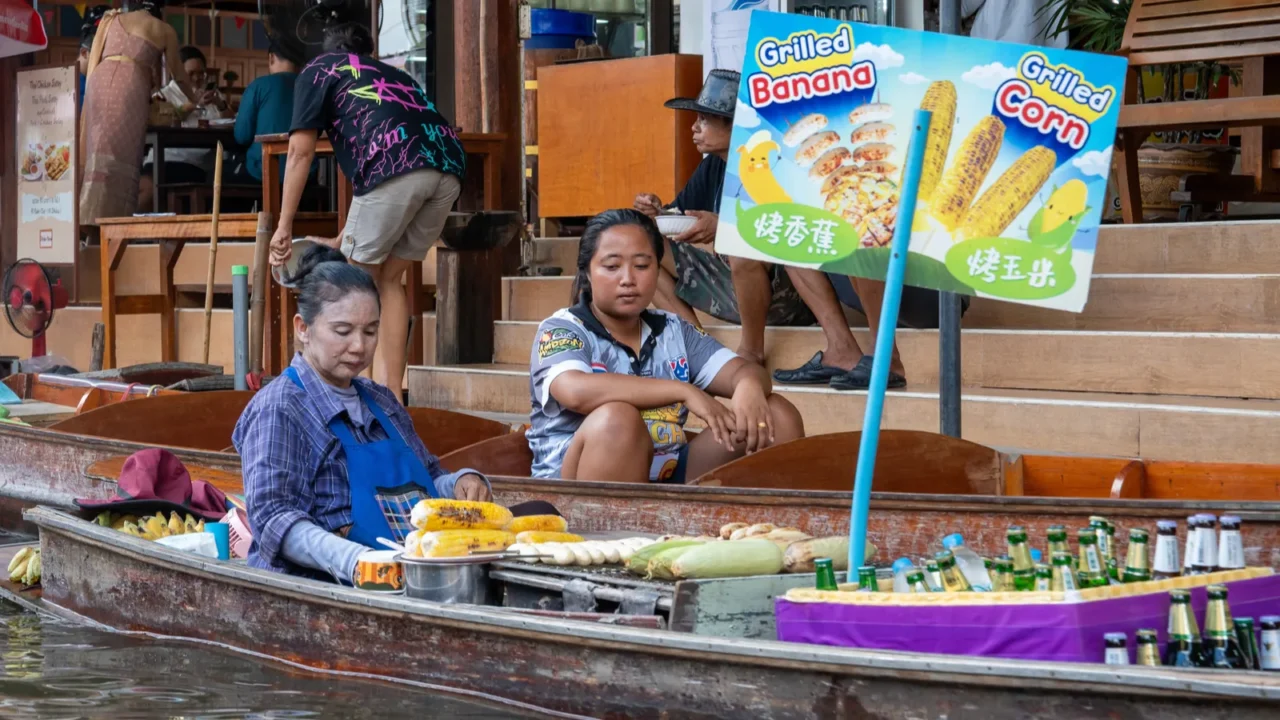
Food drives river economy
Fresh meals are the heart of floating market activity. Vendors cook directly on boats using small grills and stoves. Orders are prepared and served within arm’s reach.
This setup keeps food affordable and fast-moving. It also turns the canal into a shared kitchen. Smells, sounds, and movement blend into one experience.

Trade follows water flow
Boat movement depends on the current direction and the canal width. Vendors adjust routes to avoid congestion just like city traffic patterns. Experience guides how smoothly the market runs.
This unspoken system prevents chaos despite tight spaces. Everyone understands when to move slowly or pull aside. The river acts as both road and rulebook.
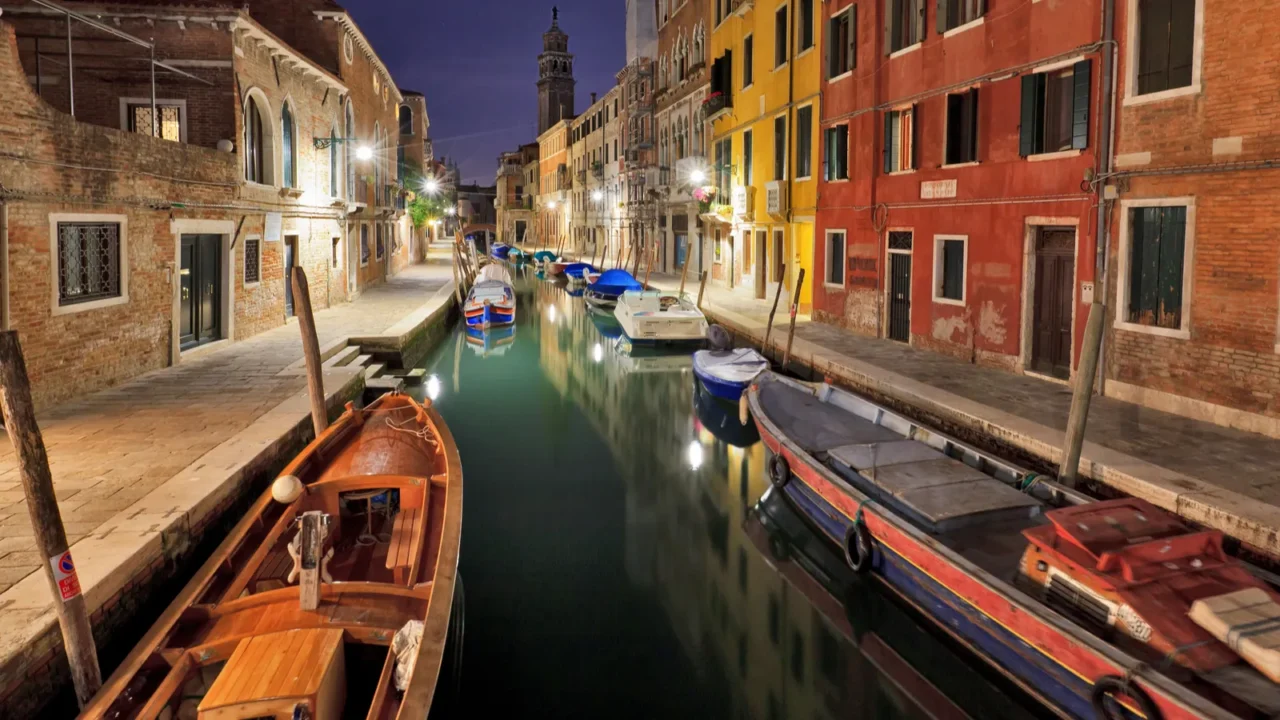
Floating homes support markets
Many vendors live near or directly beside canals. Homes connect easily to water, making transport simple. Goods can move from the kitchen to the boat within minutes.
This closeness keeps costs low and the community strong. Markets depend on nearby residents just like city neighborhoods do. The river ties everything together.

Markets change by time
Floating markets operate on specific schedules tied to tides and temperature. Early mornings and evenings see the most activity. Midday heat slows movement naturally.
This rhythm mirrors how cities peak during commute hours. Vendors plan days around water conditions and demand. Time shapes the market as much as space.
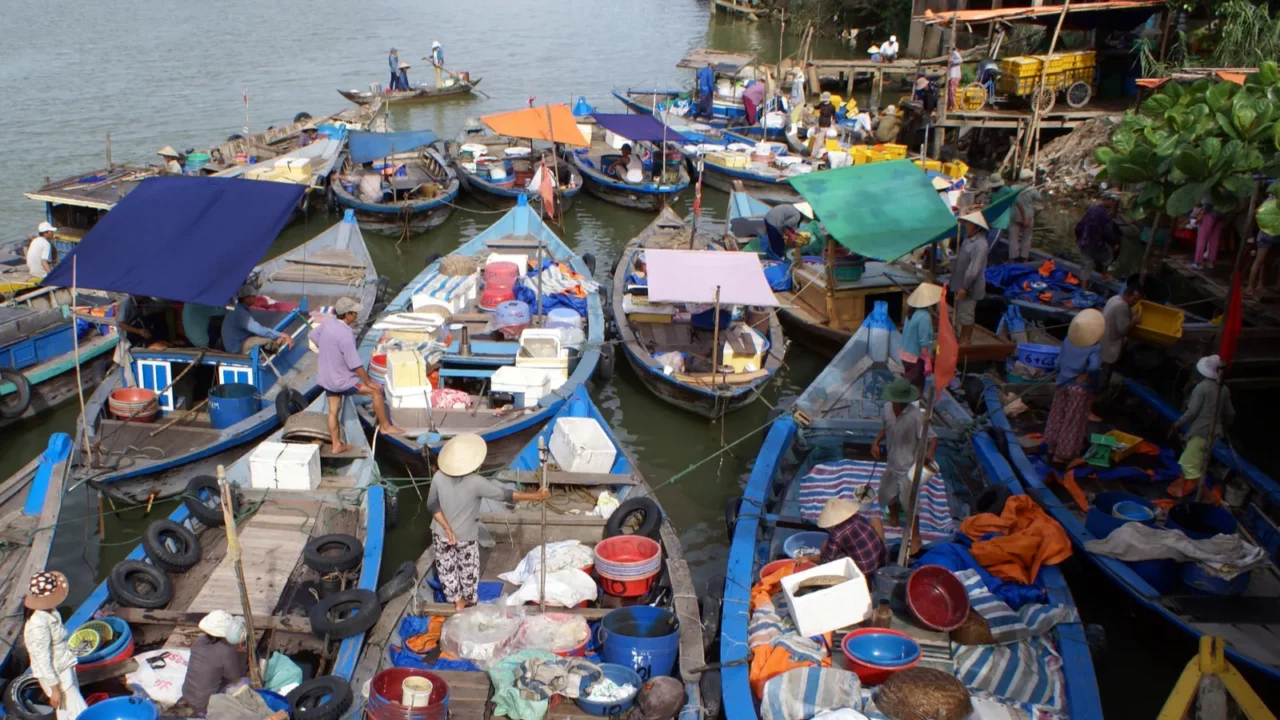
Tourism meets tradition
Some floating markets now welcome large numbers of visitors. Tourism adds income but also changes pacing and offerings. Many markets balance both carefully.
Despite changes, the core system remains river-based trade. Boats still sell daily essentials alongside souvenirs. Tradition adapts rather than disappears.
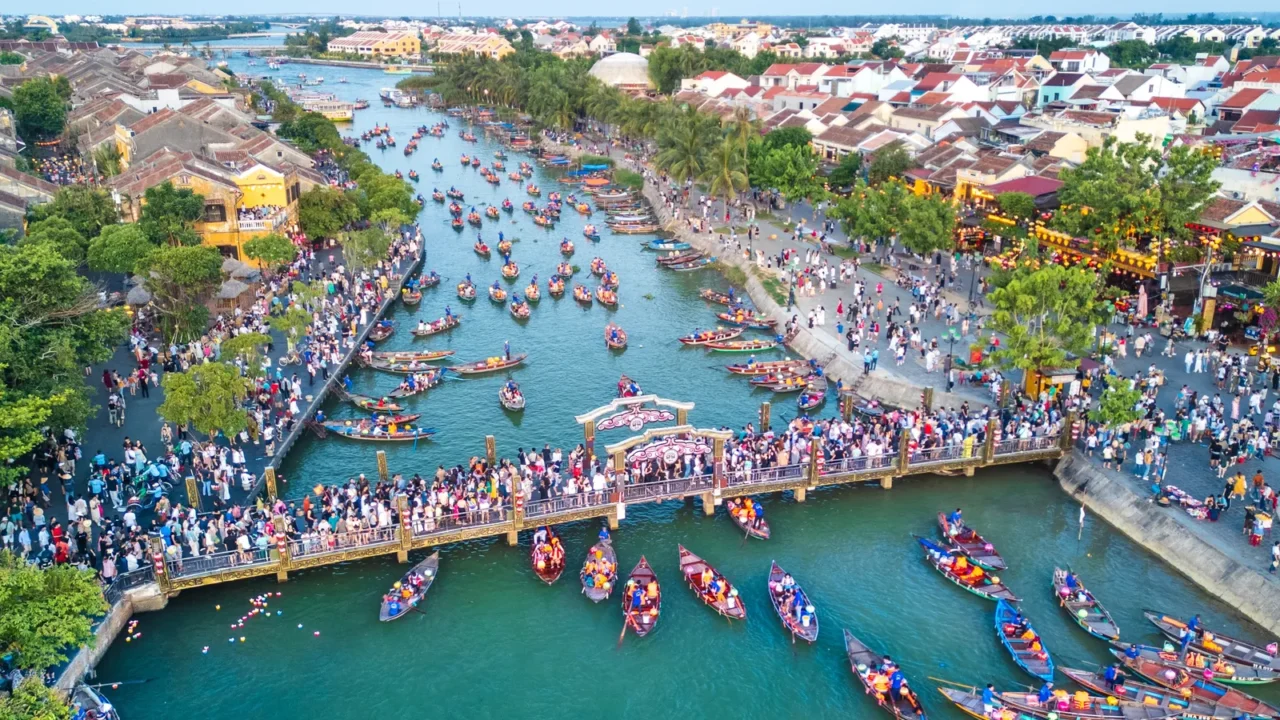
Culture flows with water
Floating markets reflect Thai values of community sharing and adaptability. Bargaining feels friendly rather than aggressive. Conversations flow as easily as boats.
These interactions turn shopping into a social exchange. The river creates closeness even among strangers. Culture stays central to commerce.
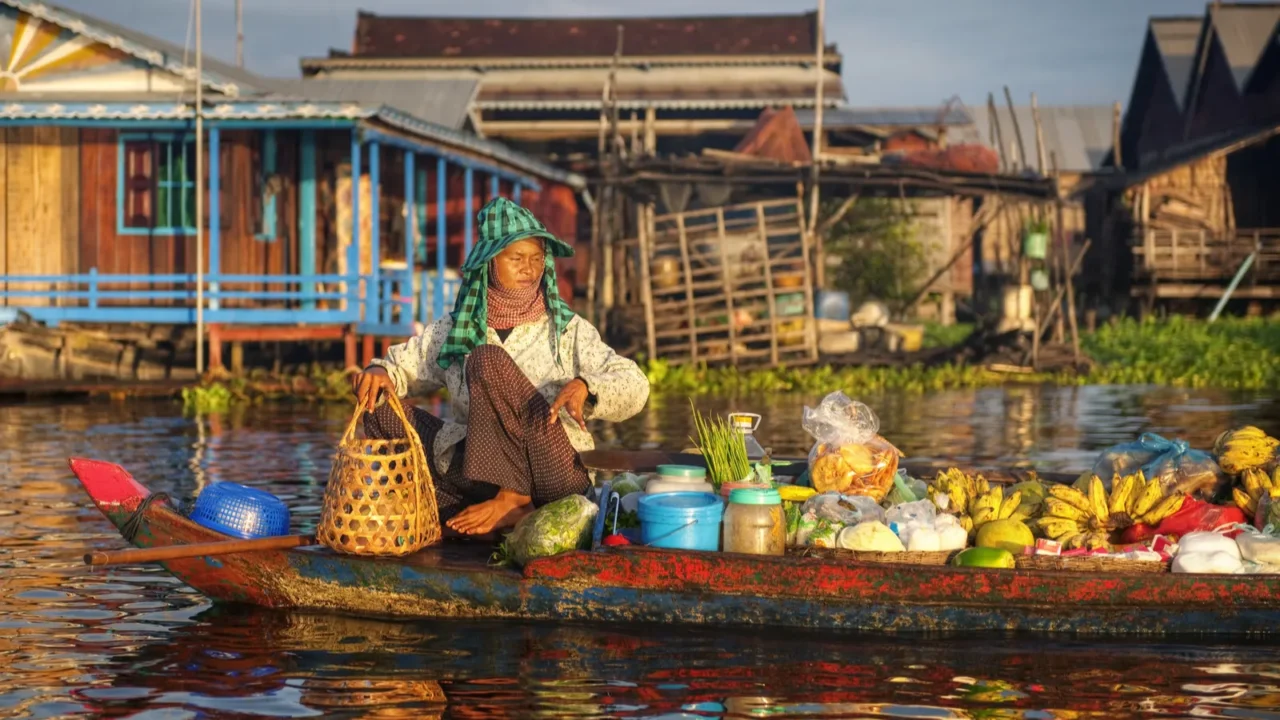
River cities still function
Floating markets continue serving real economic roles today. They supply food, jobs, and identity to canal communities. The river remains essential infrastructure.
This living relationship with waterways also draws global attention, inviting visitors to step into the real Jurassic World through Thailand’s most epic filming sites, places where natural landscapes and water-based life coexist, reinforcing Thailand’s unique blend of everyday livelihood and cinematic appeal.
Would you explore them
Thailand’s floating markets show how cities can exist beyond roads and buildings. Life, commerce, and culture move together on water. The experience feels both historic and alive.
What do you think about markets that function like river cities instead of streets? Would exploring one feel more like travel or daily life? Share your thoughts in the comments below.
This slideshow was made with AI assistance and human editing.
Don’t forget to follow us for more exclusive content right here on MSN.
Read More From This Brand:
