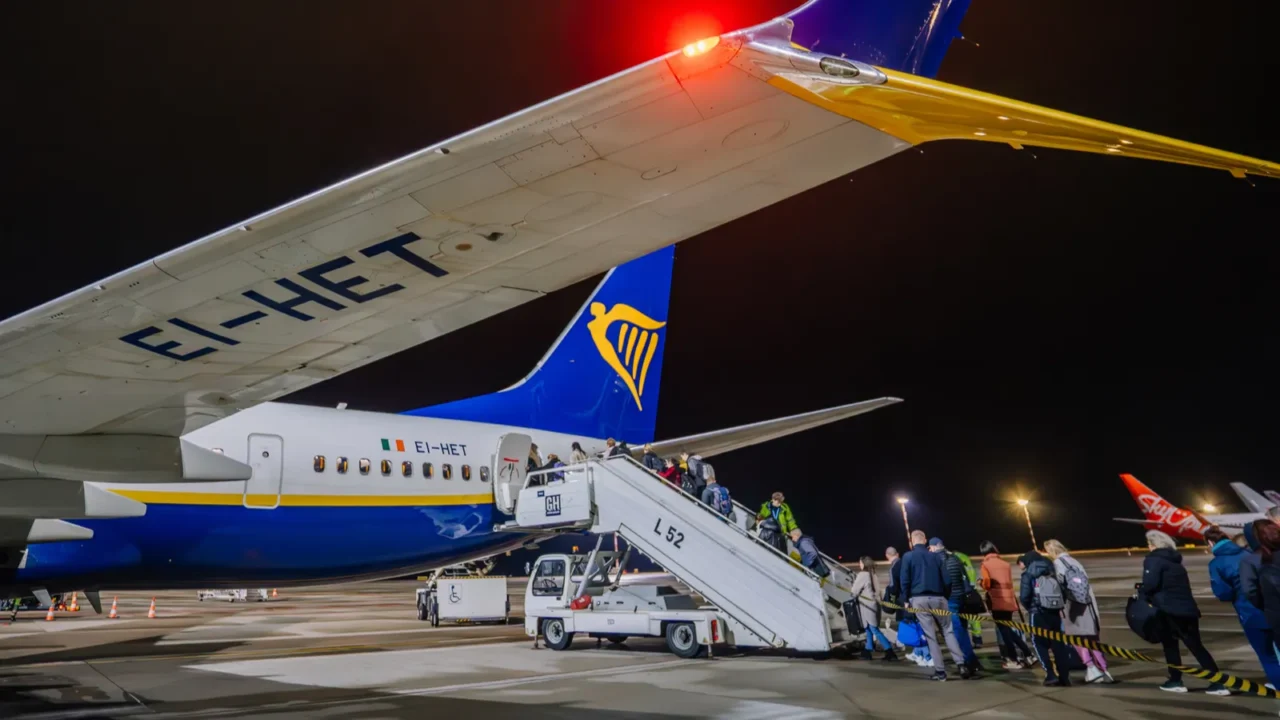
Red eye revival
Ultra-cheap red-eye flights are appearing more frequently as budget carriers maximize overnight schedules to offer ultra-low promotional fares. For travelers focused on a bargain or wanting to wake up at their destination ready to go, these flights can look irresistible.
Airlines run planes at night because airports are quieter and crews can be scheduled for late rotations. That helps carriers cut per-seat costs and offer discounted tickets.
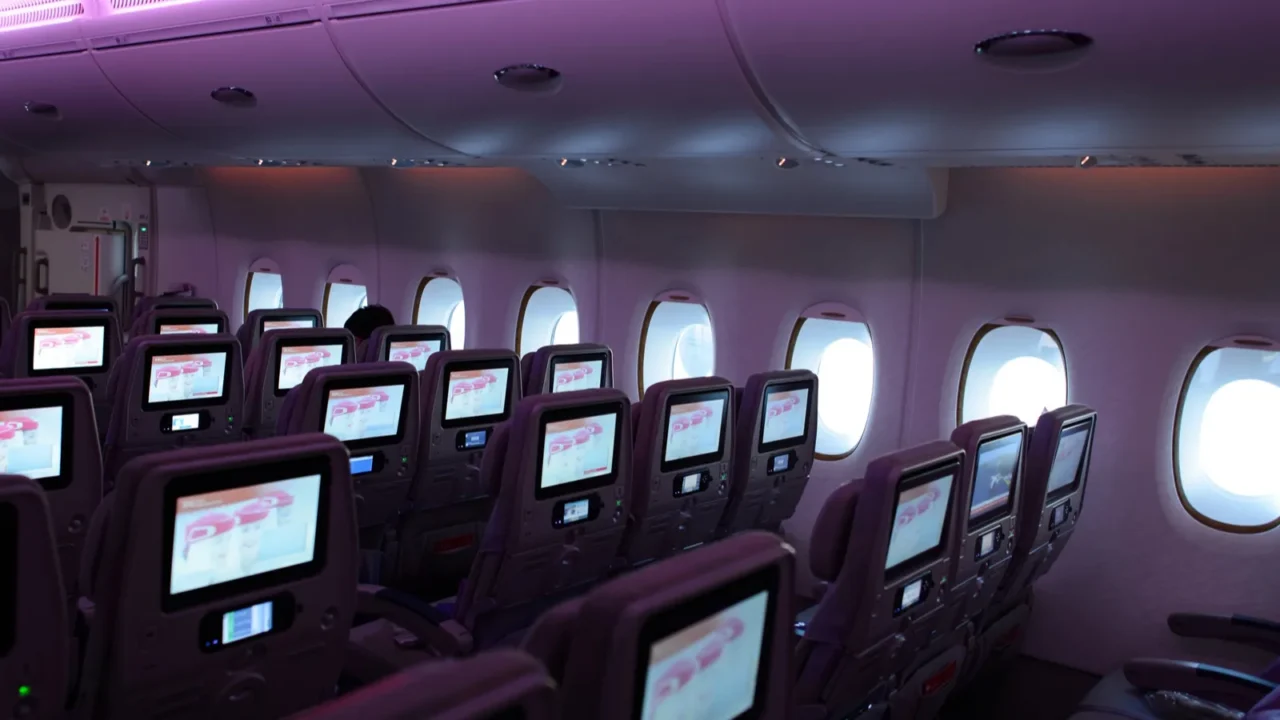
Night flight defined
A red-eye flight departs late and arrives the next morning, so you can save a night in a hotel and start your day at the destination. For airlines, this schedule boosts aircraft use and helps move traffic off-peak hours.
Not all overnight trips are the same. Short red-eye hops rarely allow full restorative sleep, while long-haul overnights may let you rest more if the seat and cabin support it.

Why airlines push them
Running planes overnight is an efficiency play. It raises aircraft utilization and can avoid daytime slot congestion at busy airports, which lowers some operating friction for carriers. When airlines use these windows, they can price tickets aggressively to fill otherwise idle hours.
That same efficiency model depends on tight turnarounds and lean onboard service. The trade-off for travelers can be less comfort and a higher sensitivity to delays during late-night operations.

Price versus time
An ultra-cheap overnight fare can save you both ticket cash and the cost of one night in a hotel, making it tempting for a short getaway or a tight business run. The headline price often looks clean until you count the extras that many budget carriers charge.
Always add baggage costs, seat choices, and ground transfers when you do the math. That final landed price is the real figure to compare before clicking purchase.

LA to JFK example
A classic case is flying red eye from Los Angeles to New York to arrive early and claim a full day. If the seat lacks recline, getting meaningful sleep may be difficult, leaving you more tired than if you had chosen a daytime flight with better comfort.
Treat these concrete examples as experiments. For many travelers, the answer to whether it’s worth it changes with trip length, personal sleep needs, and how critical alertness is on arrival.
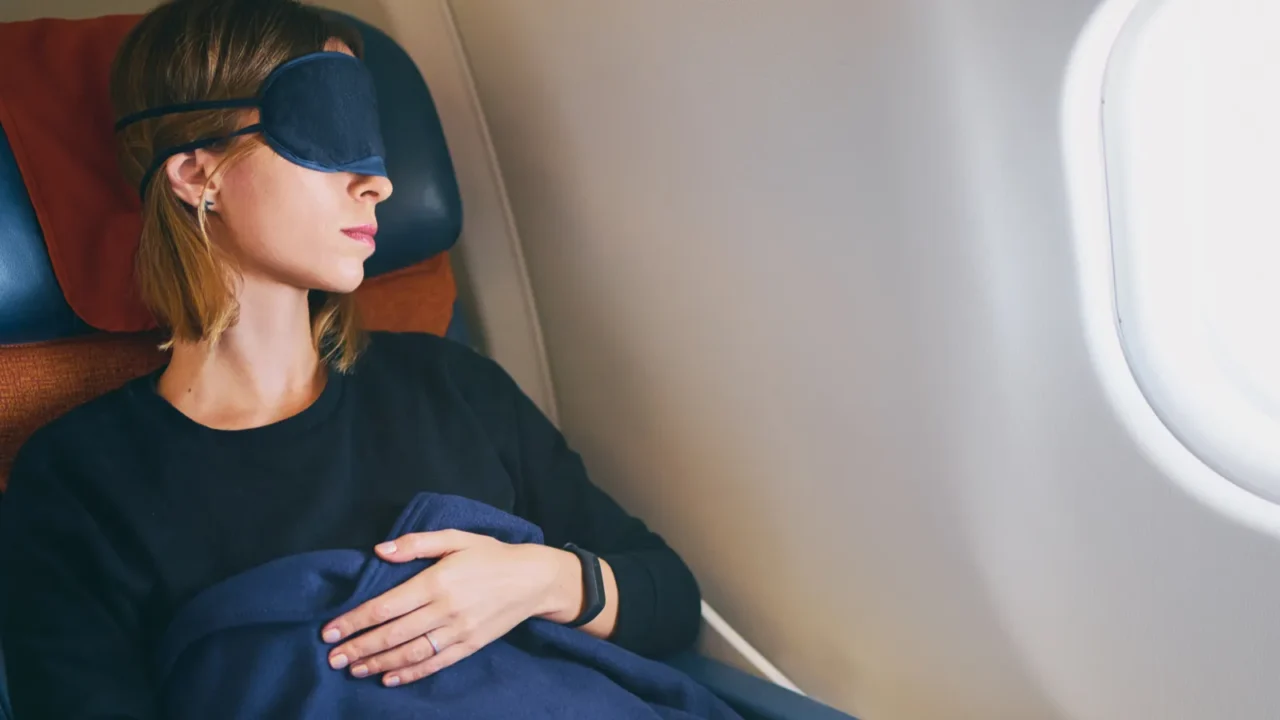
What science says
Scientific studies show that overnight flights can cause acute sleep loss and circadian misalignment, which may impair alertness, memory, and mood for several days. The size of the effect depends on how long you can actually sleep on the plane and whether you cross time zones.
If your job or safety relies on sharp thinking after arrival, factor in recovery sleep. For some people, the cost of impaired performance outweighs a cheap ticket.

Safety and fatigue
Night operations concentrate activity in a window where human performance naturally dips. Studies and industry reviews have found certain error rates tick up in the wee hours, though regulation mandates crew rest and typically multiple pilots on longer sectors.
That protective framework reduces risk, but it does not eliminate the tiredness that can affect reliability and service. If late-night operations make you anxious, consider daytime connections or carriers with stronger on-time records.
When they are worth it
A red-eye pays when you truly convert saved travel time into meaningful hours on the ground or when skipping a hotel night is a real saving. They also work if you can sleep on planes or if the itinerary is very short and the next day is flexible.
If a small upgrade gives you a chance to sleep, the value equation often flips. Comfort and performance sometimes trump the cheapest headline fare.
Hidden fees to watch
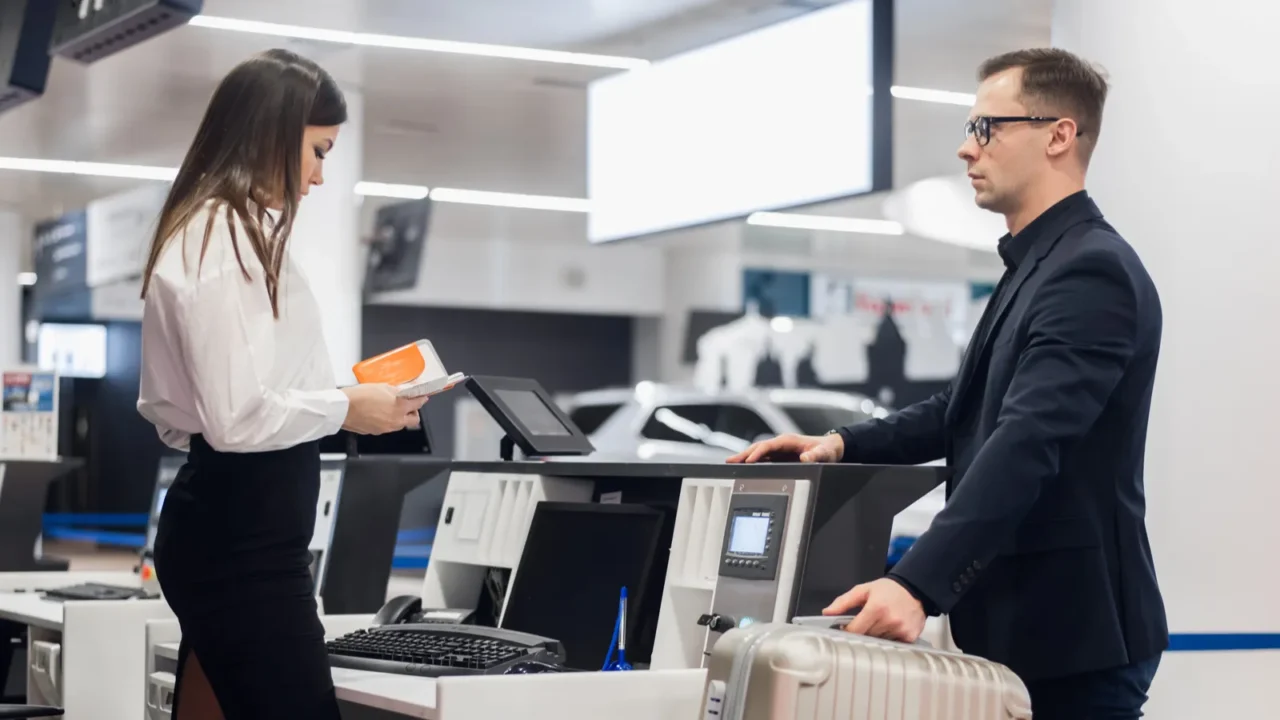
Ultra-cheap fares often hide aggressive à la carte pricing. Low base fares may exclude what used to be standard, like carry-on allowances or seat selection, and they add fees for checked bags, priority boarding, and other extras.
Always review the fare rules and add every expected charge before you buy. When airlines charge for what used to be included, the final price can easily be twice the advertised cost.
Comfort essentials kit
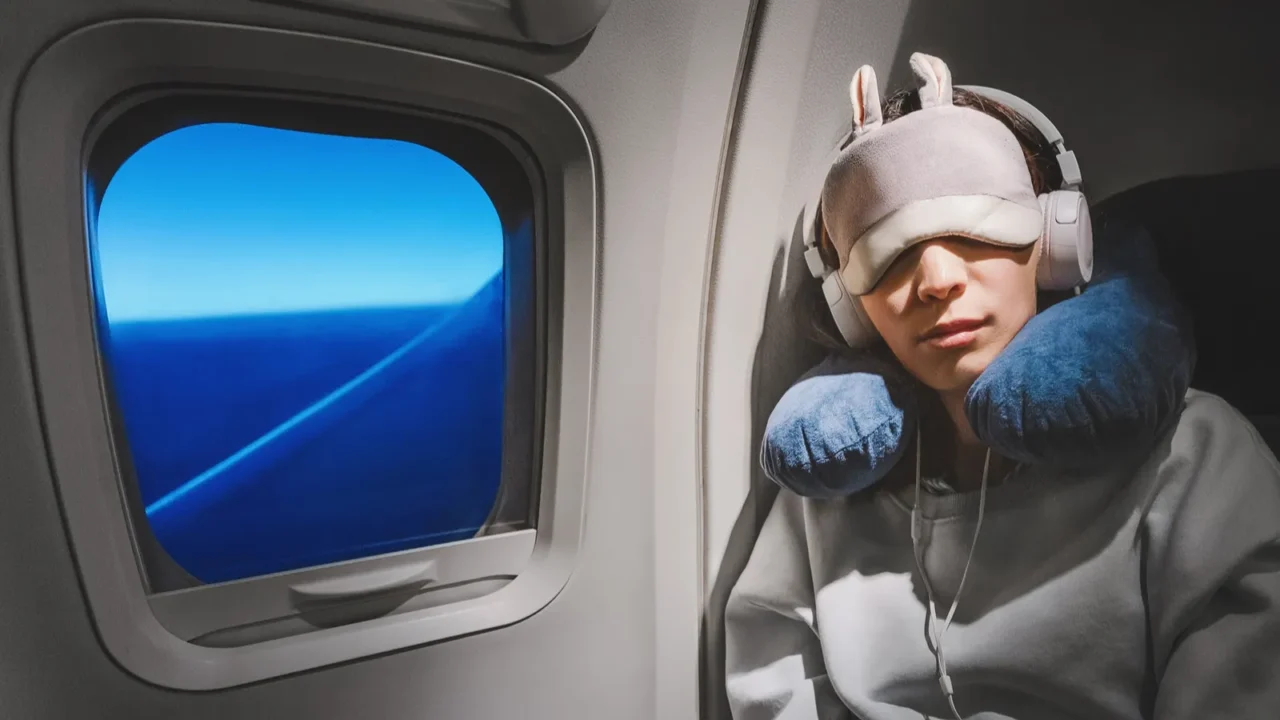
Pack a tiny survival kit for overnight flights: a supportive travel pillow, eye mask, headphones, and a light scarf or blanket. Noise-cancelling headphones and a compact pillow salvage more sleep than trying to rest unsupported in a narrow seat.
Plan food and hydration. Budget carriers may offer little service at odd hours, and late caffeine can wreck sleep attempts. Bring water, healthy snacks, and eat lightly before trying to sleep.

Booking smart strategies
Search flexible dates and use price alerts to catch real value rather than flashing marketing sales. Compare landed cost across carriers and check arrival times to avoid long, late-night transfers or high taxi fares.
If the price gap is small, consider opting for a slightly better cabin or a daytime alternative. Loyalty perks or credit cards can convert a cheap ticket into real value through free bags, seat upgrades, and lounge access. Also, read cancellation rules.

Survival checklist
Flight attendants pack with purpose for overnight routes, keeping essentials close and outfits flexible to handle long hours in the air. Smart packing reduces stress, saves time, and helps travelers stay comfortable during late-night flights and early arrivals.
Packing hacks flight attendants swear by can change how you experience a red-eye flight. Would packing smarter help you arrive feeling less exhausted?
Final verdict
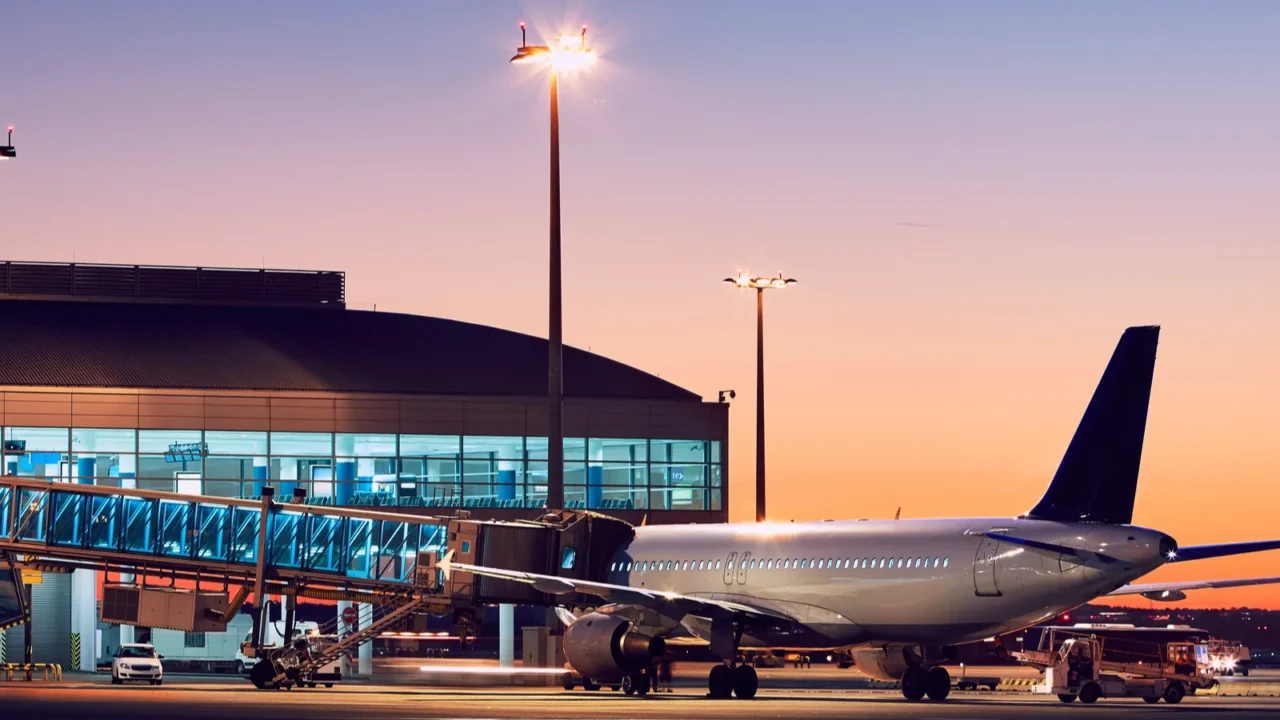
Red-eye flights are cheaper, but delays after midnight feel longer when options are limited, and fatigue sets in. Fewer staff and services can turn minor disruptions into major inconveniences for unprepared travelers.
Flight delays are the hidden cost of overnight travel. If your red eye stalls at 2 a.m., would you be ready?
This slideshow was made with AI assistance and human editing.
Don’t forget to follow us for more exclusive content right here on MSN.
Read More From This Brand:
