
That turbulence might not be weather
If you’ve ever felt a flight suddenly change altitude or route with no clear explanation, the cause might not be clouds or wind. Scientists say activity from the sun is becoming a bigger factor in what happens at 35,000 feet.
NASA warns that we’re entering a period of stronger solar storms, and airlines are paying close attention. These events don’t make planes unsafe to fly, but they can quietly affect how smooth, fast, or direct your trip ends up being.
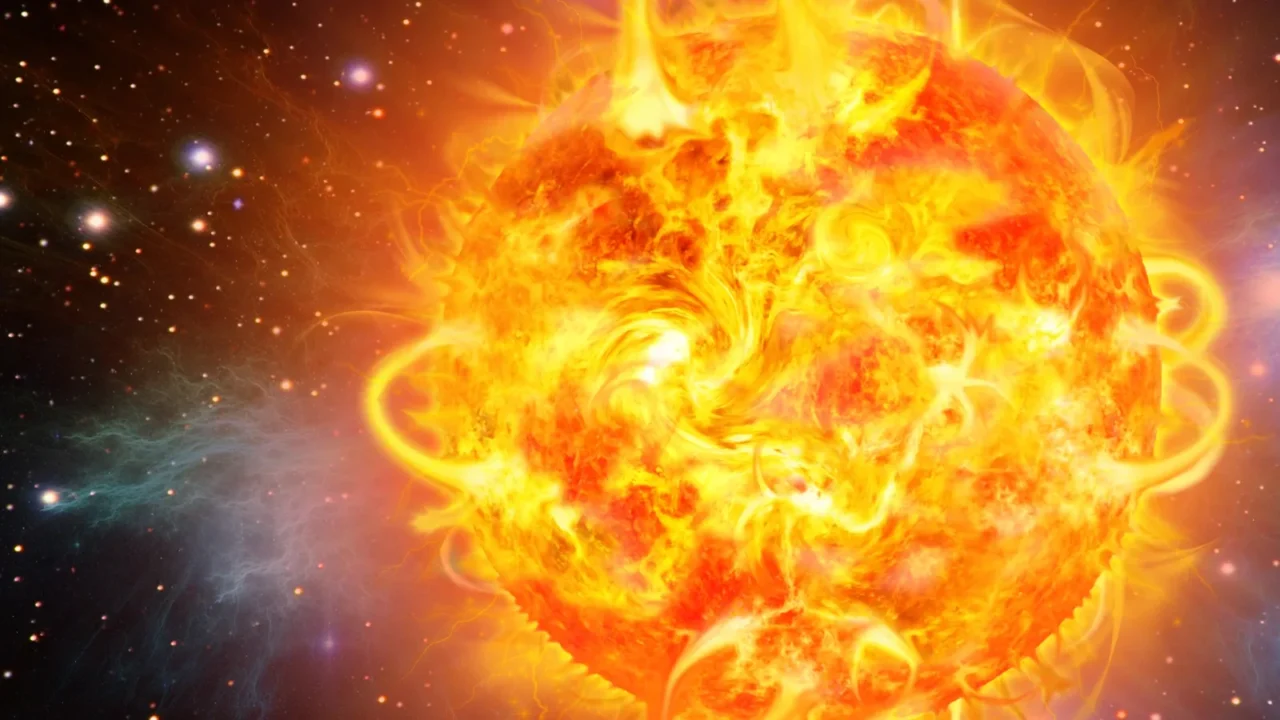
The sun is entering a busy phase
The sun goes through cycles of calm and chaos, and right now, it’s ramping up. Solar Cycle 25 is approaching its peak, which means more flares and bursts of charged particles reaching Earth.
Right now, we’re approaching the peak of Solar Cycle 25. That means more frequent solar storms, which can ripple through Earth’s atmosphere and affect systems planes rely on during long or high-altitude flights.
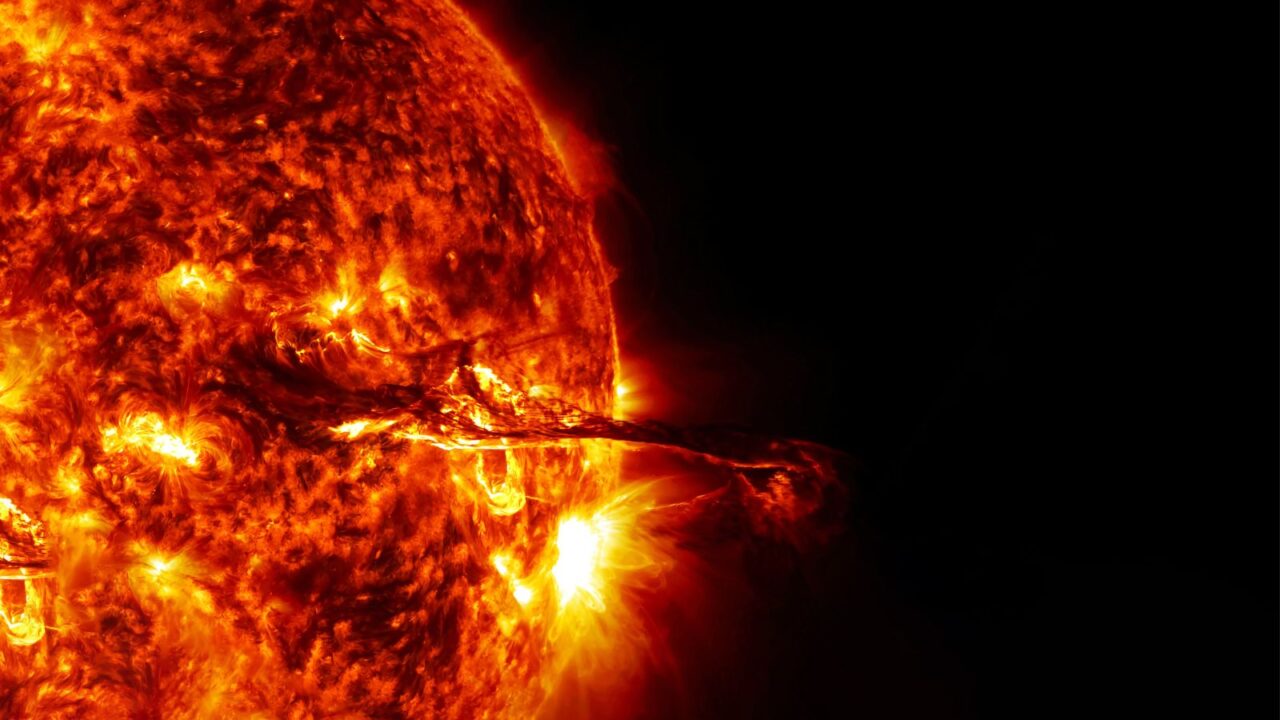
What a solar storm really is
A solar storm happens when the sun releases energy and particles toward Earth. When those particles hit our atmosphere, they can disturb magnetic fields and radio signals.
On the ground, that might cause auroras or brief signal issues. In the air, where planes rely heavily on electronics and navigation systems, those disturbances can matter a lot more.
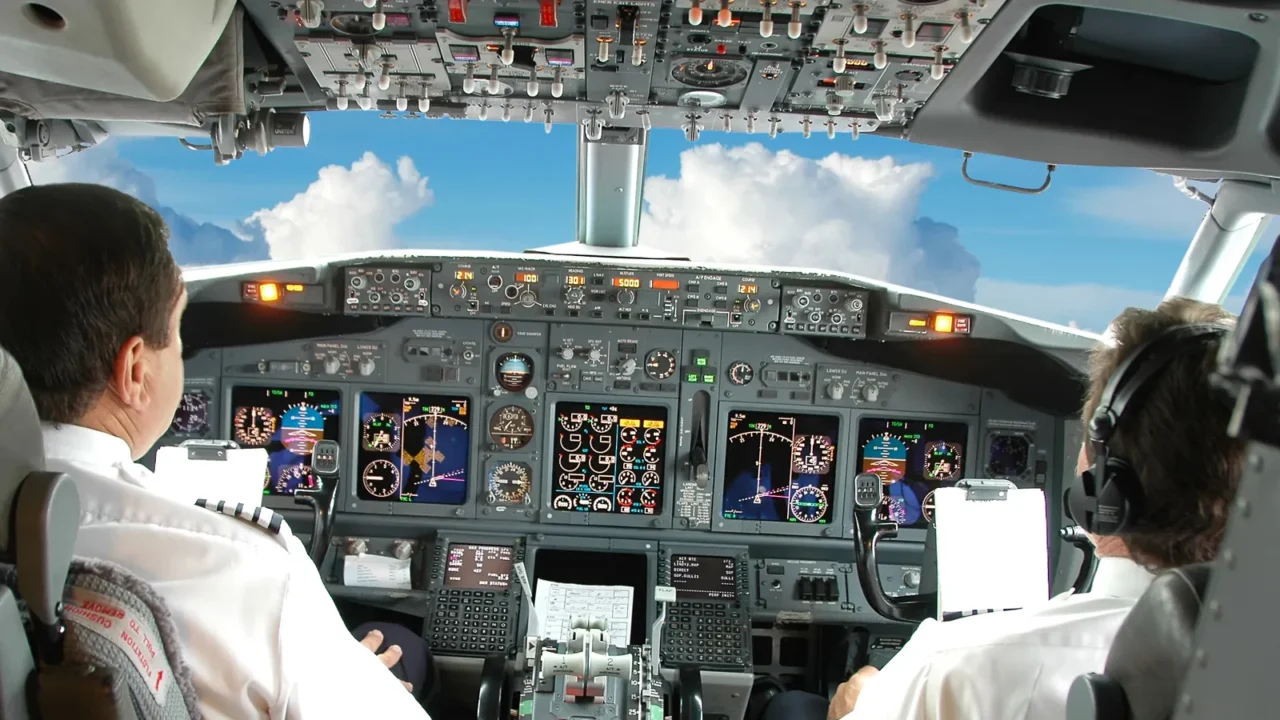
Why aircraft systems are more affected than passengers
At cruising altitude, airplanes sit above much of Earth’s natural radiation shielding. That means crews and onboard systems are more exposed during strong solar events.
Most passengers won’t notice anything beyond a longer flight time. Behind the scenes, though, pilots and dispatch teams may be adjusting routes or altitudes to stay well within safety limits.
Radiation levels can briefly spike
During rare but intense solar flares, radiation levels in the upper atmosphere can increase. NASA notes this is usually still within safe limits for passengers.
Airlines take extra care for sensitive groups, like pregnant crew members, and may lower flight altitude when needed. These precautions are routine and designed to keep exposure extremely low.
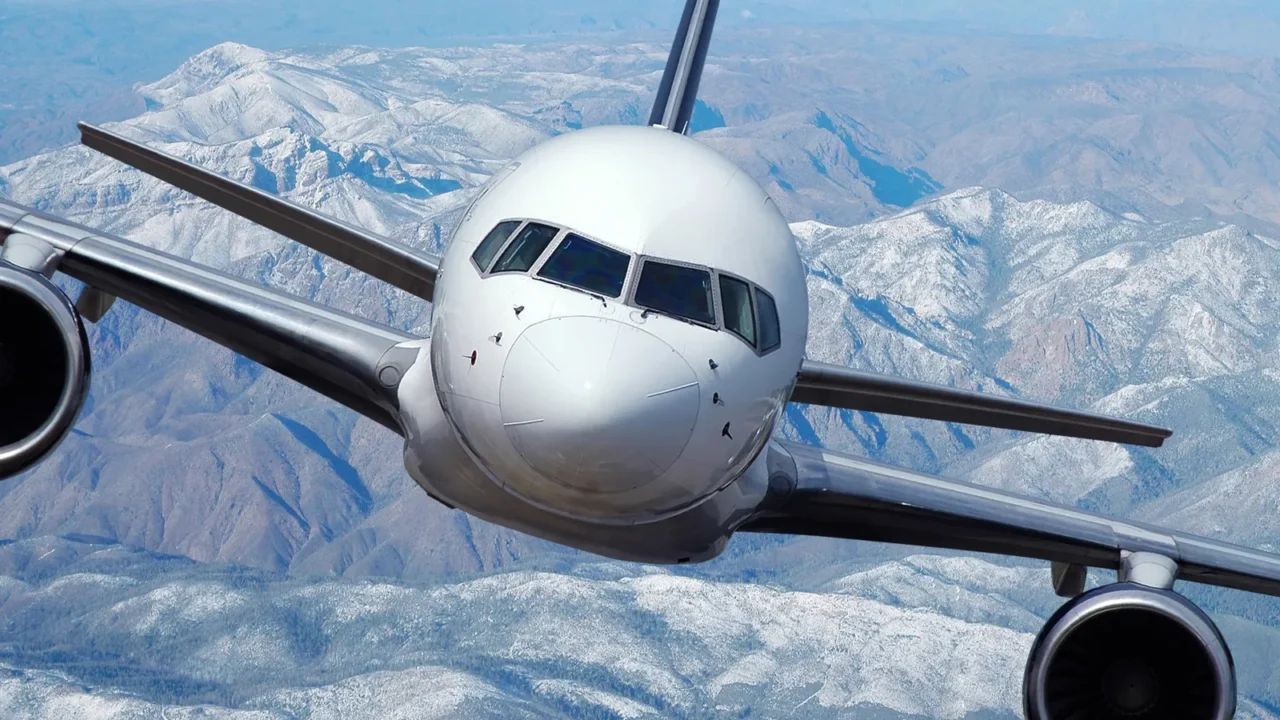
Electronics are the real concern
Modern aircraft depend on complex electronics for navigation, communication, and automation. Solar storms can interfere with those systems, even if only temporarily.
That interference might trigger warnings, faulty readings, or brief signal loss. Planes are built with backups, but crews may choose to reroute or land early just to be cautious.
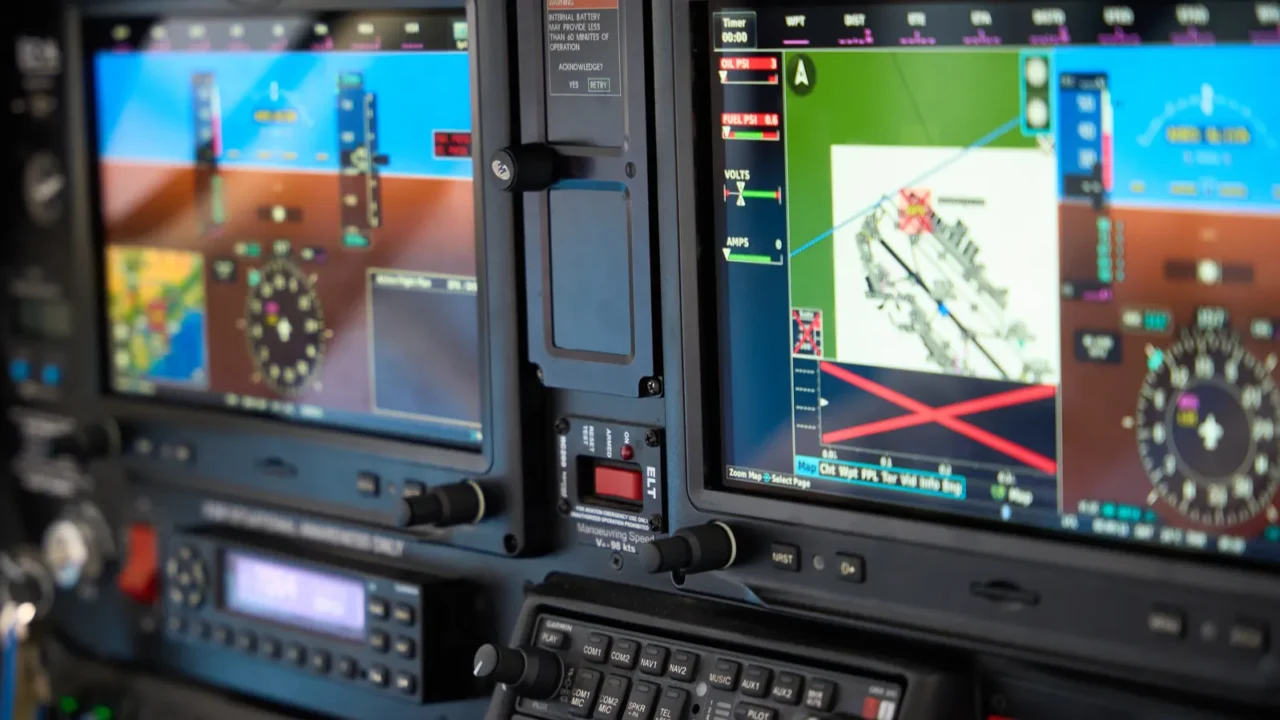
GPS doesn’t always behave
Solar activity can disrupt GPS signals, especially near the poles. That’s a bigger issue for flights between the U.S. and Europe or Asia that pass over northern routes.
When GPS becomes unreliable, pilots switch to alternative navigation methods. It’s safe, but it can add miles, fuel use, and time to your journey.
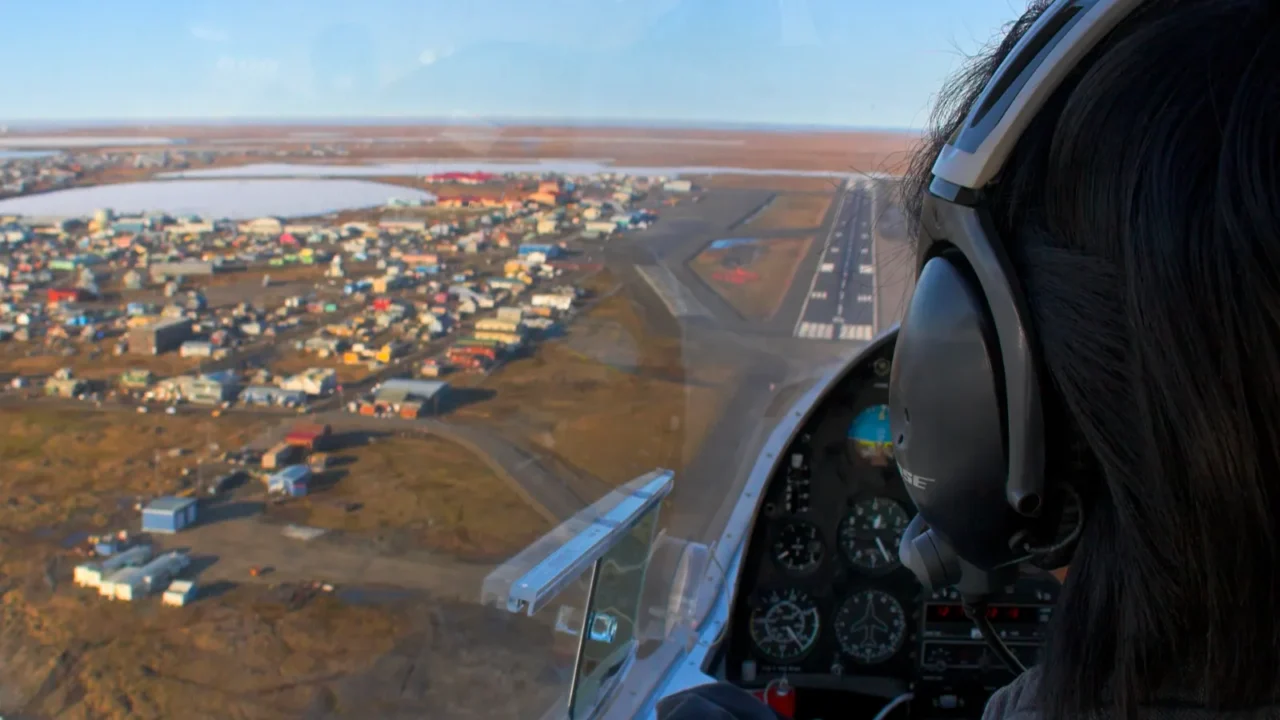
Polar flights are most affected
Flights over Alaska, northern Canada, and the Arctic are more exposed to space weather. Airlines often reroute these flights during strong solar storms.
Those detours can add 30 to 60 minutes to long-haul trips. If you’ve ever wondered why your nonstop suddenly wasn’t so direct, solar activity might be the reason.
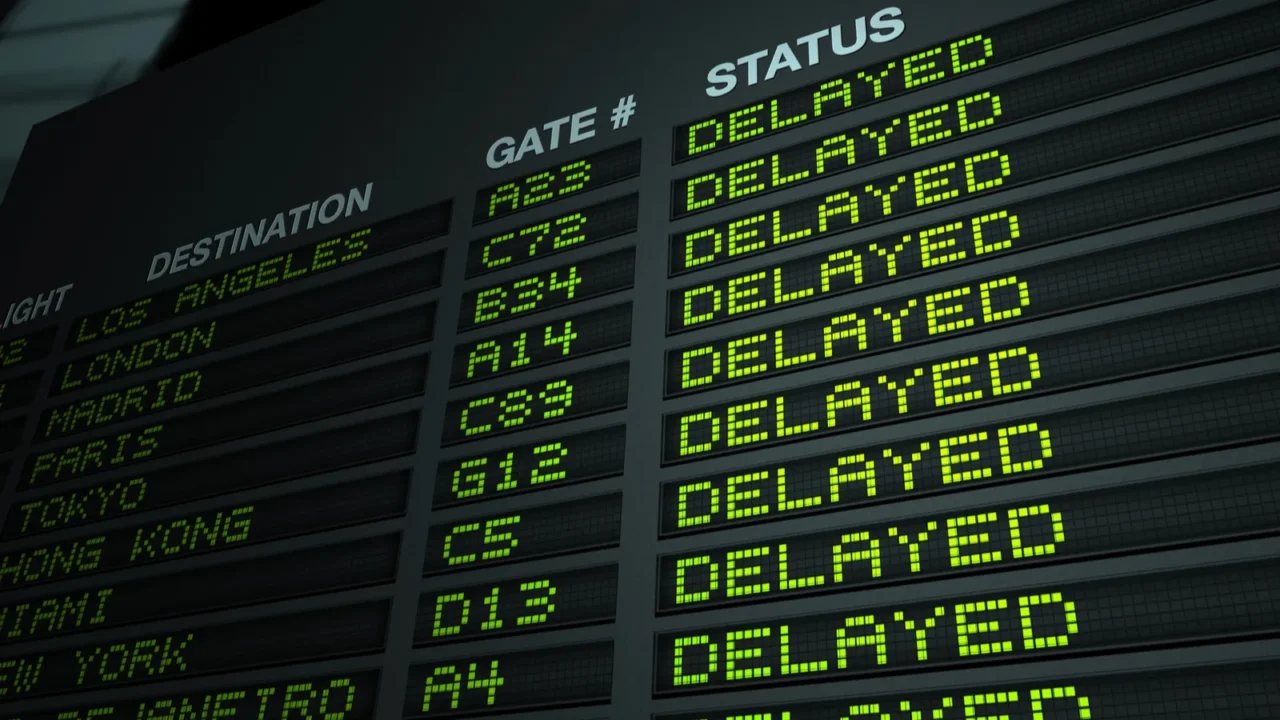
Delays have a solar connection
Large studies show a link between solar storms and increased flight delays. The effects aren’t dramatic, but they are measurable across millions of flights, especially on long-haul and polar routes where systems are more exposed.
It’s one reason airlines build extra buffer time into schedules. Space weather is now just another variable, like wind or congestion, that planners quietly factor in when mapping routes and setting arrival windows.
Past data raised eyebrows
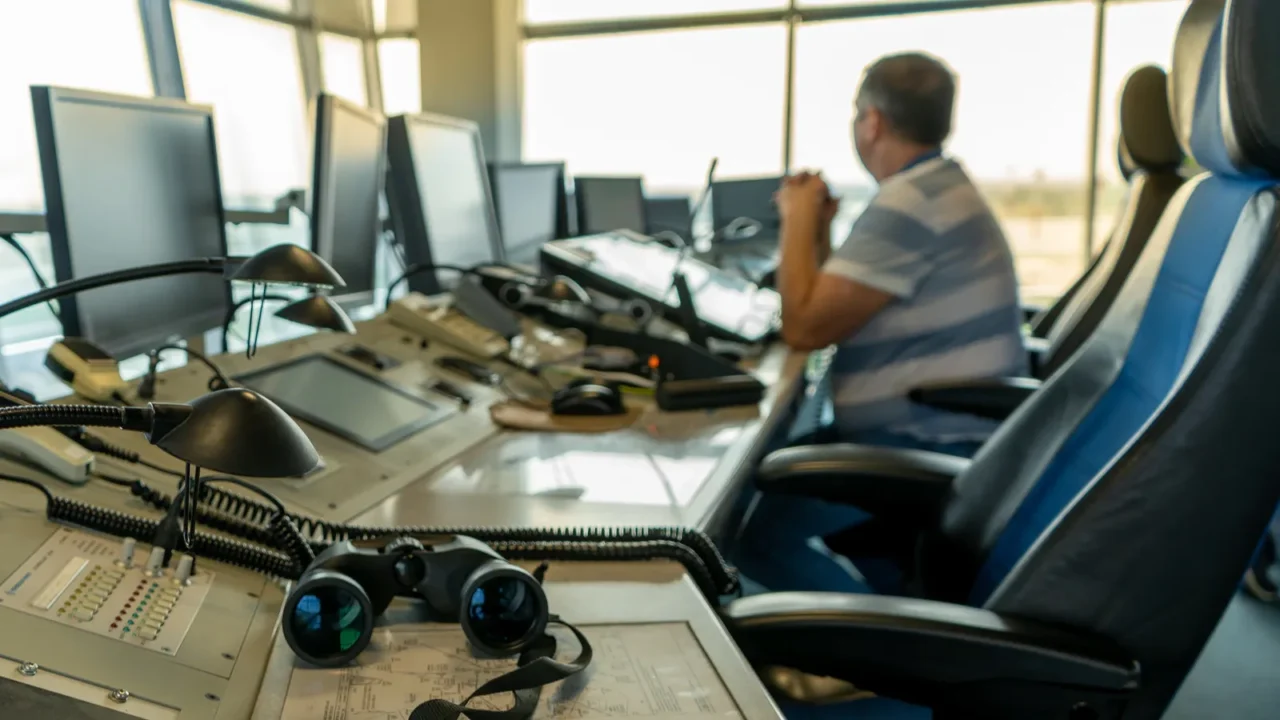
Researchers studying decades of aviation records noticed operational disruptions and anomalies that appeared more frequently during periods of heightened solar activity. The strongest links appeared during specific seasons and magnetic conditions, when Earth’s protective field is temporarily less stable.
This doesn’t mean solar storms cause crashes. Instead, they add stress to systems and decision-making, increasing workload for crews and controllers, which is why awareness and preparation matter so much.
Airlines already plan for this
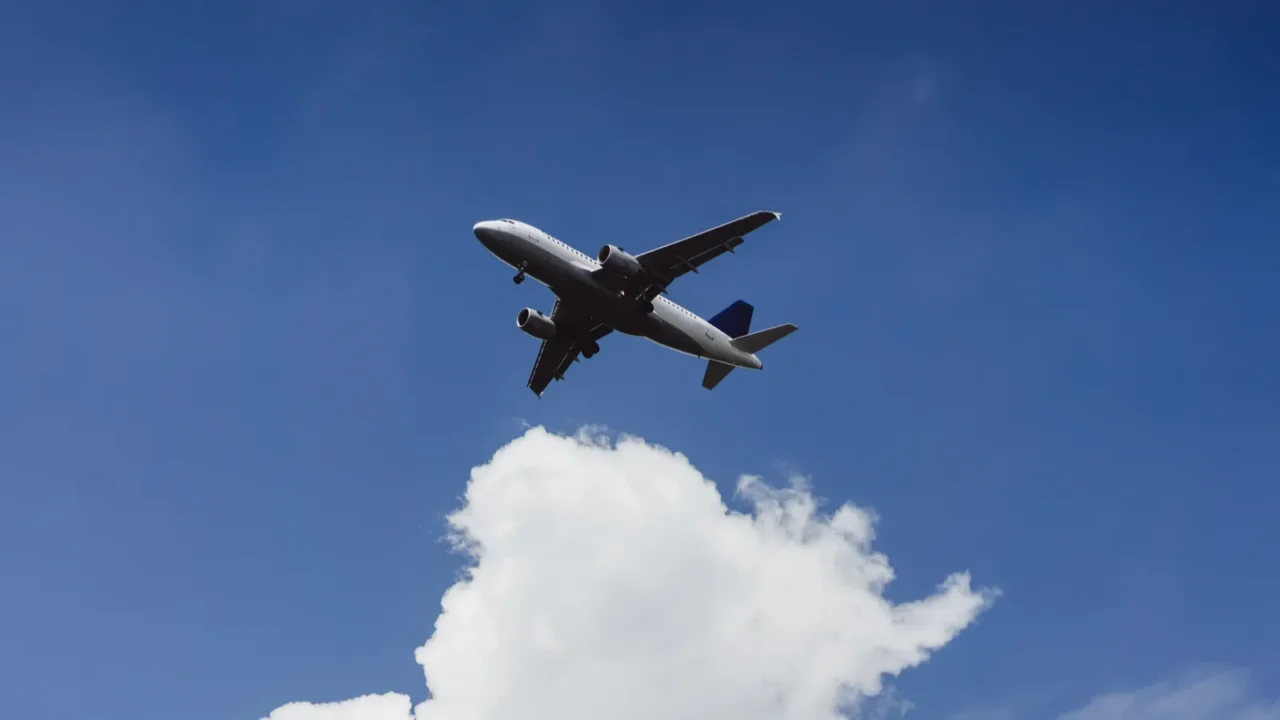
Airlines don’t wait for problems to happen. They receive alerts from NASA, NOAA, and aviation authorities when solar activity increases, sometimes days in advance.
With that information, they can adjust routes, change altitudes, or delay departures slightly. Most passengers never realize these decisions were influenced by the sun, quietly keeping flights smoother and safer behind the scenes.
Why some planes made headlines
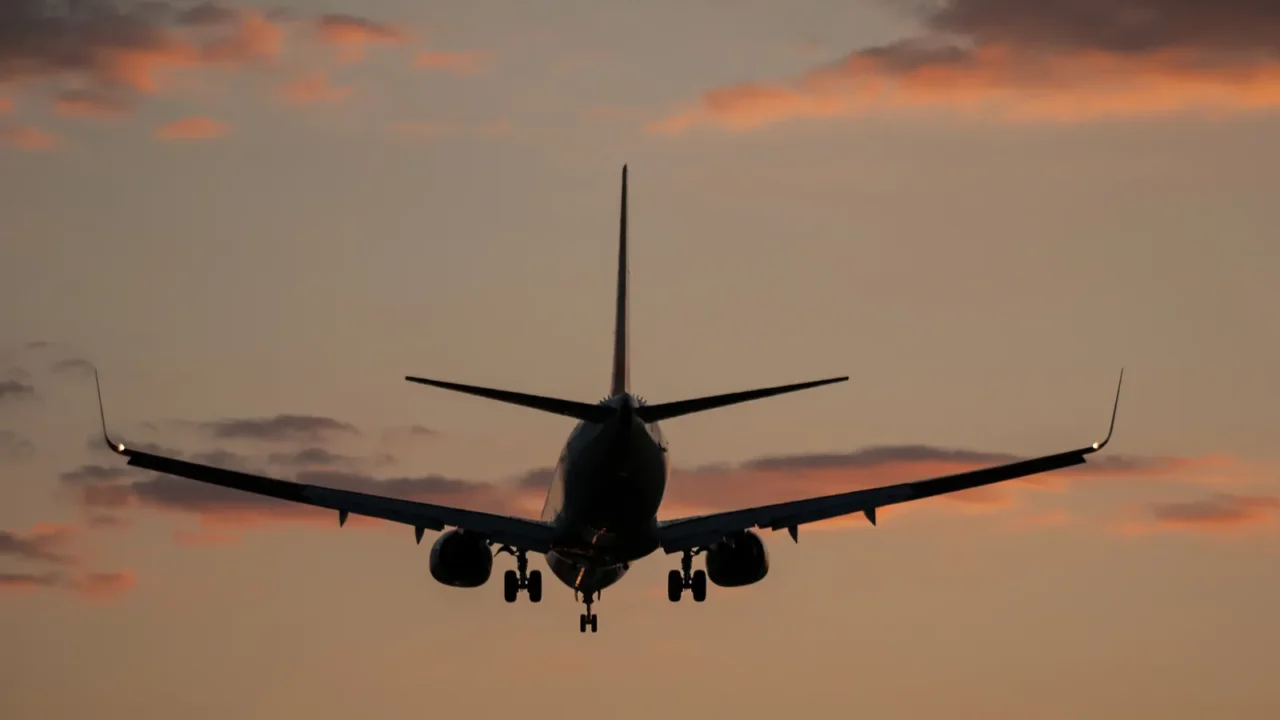
Recent reports about certain aircraft models being grounded or updated caught public attention. In many cases, the issue involved software reacting poorly to radiation-related glitches. Experts noted these were rare edge-case scenarios flagged through routine safety monitoring, not in-flight emergencies.
These situations led to fixes, not failures. They also pushed manufacturers and airlines to strengthen systems ahead of even stronger solar activity. The updates reflect a preventive approach, ensuring aircraft remain resilient as space-weather awareness becomes part of modern aviation planning.
Better forecasts are coming
NASA is investing in new missions and AI tools to predict solar storms earlier. The goal is to give airlines more warning time, sometimes hours or days in advance.
Better forecasting means fewer surprises in the air. It also helps airlines keep schedules steady while maintaining safety margins.
Solar storms aren’t something travelers need to fear, but they are something airlines respect. A slightly longer flight or unexpected route change is often a sign of caution, not trouble.
This slideshow was made with AI assistance and human editing.
Don’t forget to follow us for more exclusive content right here on MSN.
Read More From This Brand:
