
Which countries are really the smartest
Everyone has an opinion on what makes a country “smart,” but the answer isn’t as simple as test scores or headlines. Some places excel because of world-class universities, while others stand out for how they support learning over a lifetime.
This slideshow looks at countries that consistently rise to the top when education, research, and long-term thinking are measured together. You might recognize some names, but a few may surprise you—and the reasons behind their rankings are even more interesting.

Switzerland
Switzerland tops the list thanks to a rare mix of strong education, research funding, and long-term academic stability. For a country with a small population, its global influence in science and innovation is impressive. This balance allows ideas to grow steadily rather than chasing short-term results.
Universities here work closely with industry, which helps ideas move from classrooms to real-world use. That balance between theory and application is a big reason Switzerland scores so high. It also makes education feel directly connected to everyday life.

United Kingdom
The U.K. ranks near the top largely because of its historic universities and research culture. Schools like Oxford and Cambridge still shape global thinking in science, medicine, and economics. Their influence stretches far beyond national borders.
What stands out is how deeply education is woven into national identity. Even today, the U.K. continues to attract students and researchers from around the world. This steady flow of talent keeps ideas moving forward.

United States
The U.S. earns its spot with unmatched research output and academic reach. American universities dominate global rankings and lead in Nobel Prize nominations. This scale gives the country a major advantage.
At the same time, education access varies widely by state. Even with those gaps, the country’s innovation ecosystem keeps the U.S. firmly in the top three. Breakthroughs often come from collaboration across regions.
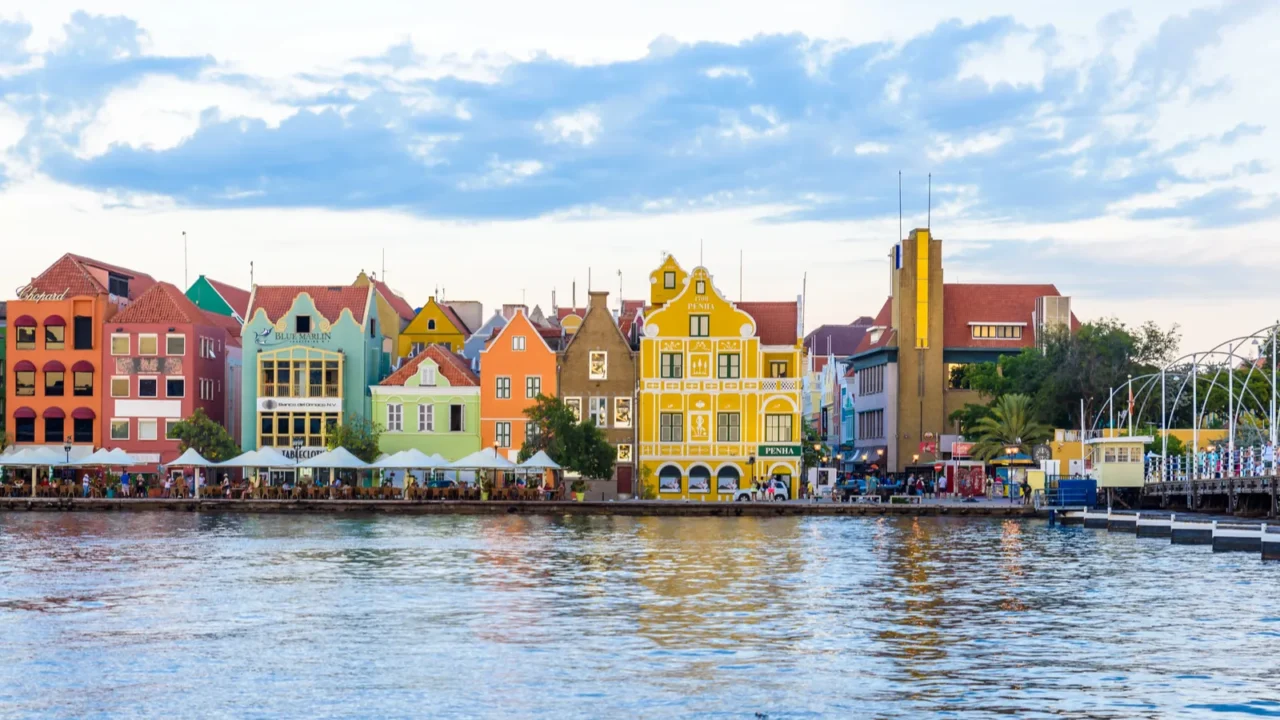
Netherlands
The Netherlands stands out for efficiency and consistency in education. Students here benefit from strong public schooling and widespread bilingual instruction. Learning is often practical rather than theoretical.
It’s also one of the few countries on the list with an average IQ above 100. That, paired with practical learning models, helps the Netherlands punch above its size. Results tend to be steady rather than extreme.

Belgium
Belgium’s ranking reflects its strong universities and multilingual education system. Many students grow up fluent in multiple languages, which supports cognitive flexibility. This early exposure shapes long-term learning skills.
Research institutions in Belgium collaborate closely with European partners. That cross-border academic culture boosts both innovation and long-term learning outcomes. It also keeps research globally relevant.
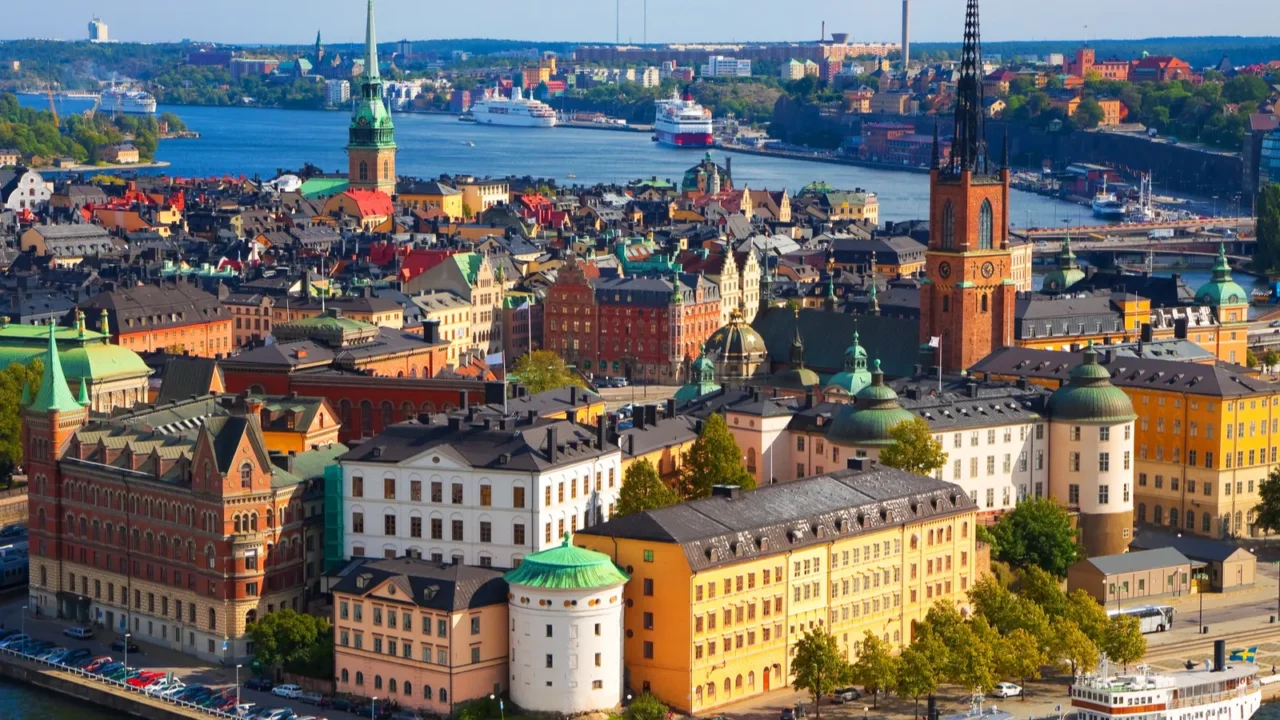
Sweden
Sweden’s education system emphasizes critical thinking over memorization. Students are encouraged to question ideas and solve problems creatively. This mindset starts early in school.
The country also invests heavily in research and development. That focus helps Sweden consistently produce innovation despite a relatively small population. Technology and sustainability play major roles here.
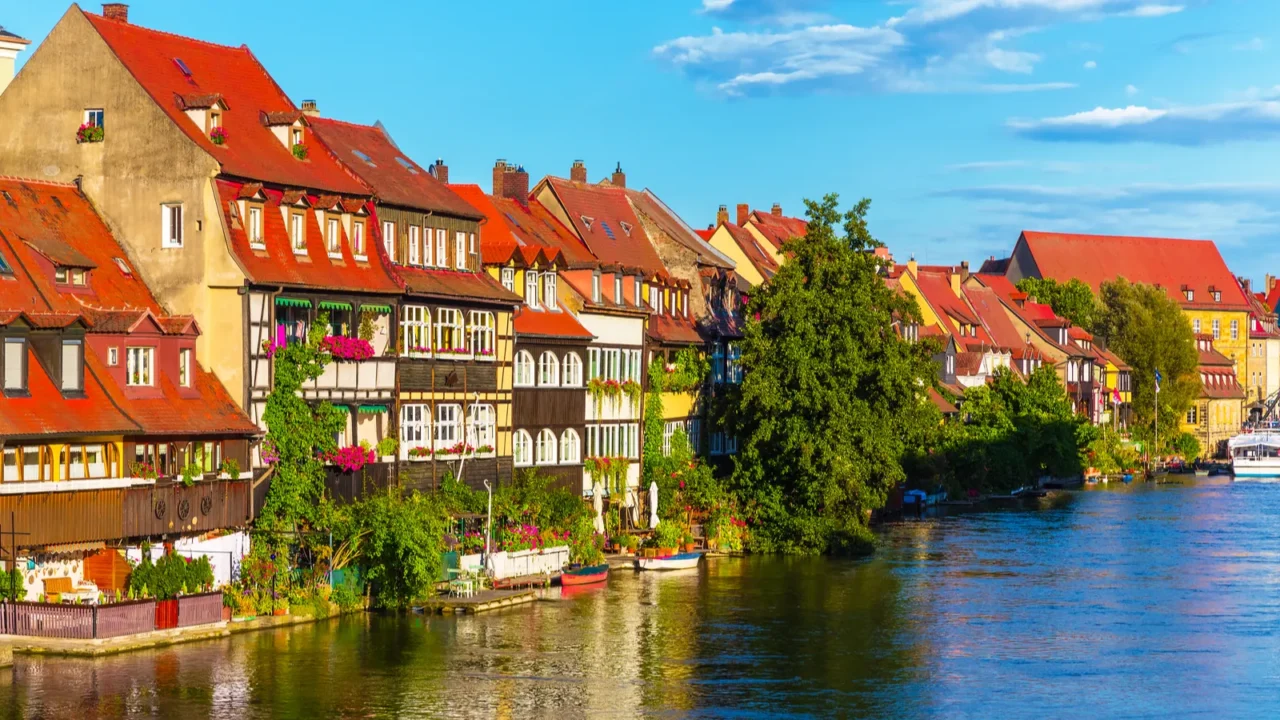
Germany
Germany scores high in intelligence metrics thanks to its scientific legacy and research institutions. Its Nobel history alone places it among global leaders. Many breakthroughs trace back to German labs.
What lowers its ranking slightly is lower university degree completion. Germany’s strong vocational system doesn’t fully align with how this study weighted education. Practical skills matter more here than degrees.
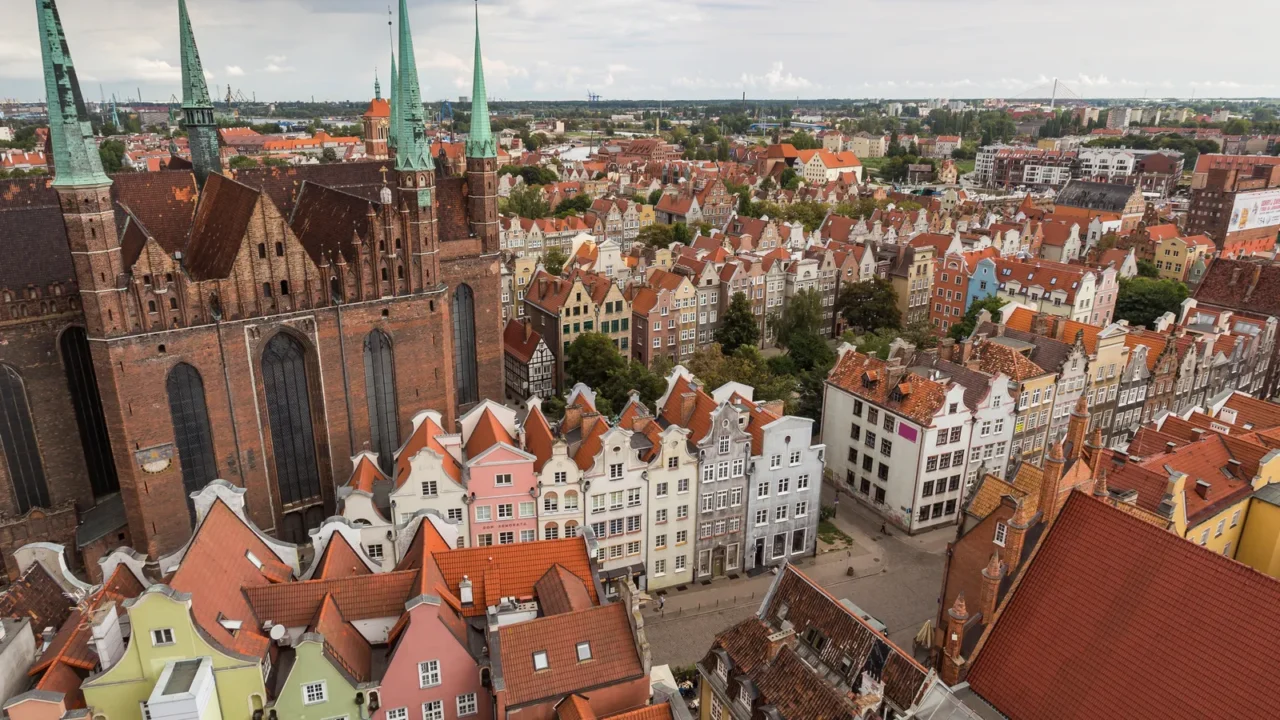
Poland
Poland’s rise reflects steady improvements in education over recent decades. Strong math and science performance helps boost its overall standing. Younger generations are driving this shift.
The country has invested heavily in higher education reforms. That progress is now showing up in global rankings like this one. Growth here feels long-term rather than sudden.

Denmark
Denmark values learning that connects directly to real life. Education here focuses on collaboration, problem-solving, and practical skills. Classrooms often mirror real-world situations.
This approach supports strong outcomes without high-pressure testing. It’s one reason Denmark remains competitive among top-ranked countries. Students tend to report lower stress levels.

Finland
Finland is famous for its student-first education model. Shorter school days and highly trained teachers are key parts of the system. Trust plays a central role in classrooms.
Despite fewer exams, Finnish students perform exceptionally well. Finland’s education outcomes are impressive, though its average IQ ranks below top East Asian countries like Japan and Singapore. Results come from consistency, not pressure.

How the rankings were measured
Researchers pulled together data from multiple trusted sources to get a fuller picture of national intelligence. Instead of focusing on one strength, the system compares how countries perform across education, research, and cognitive benchmarks.
Nobel Prize wins played a major role because they reflect long-term research impact. Countries with deep academic histories naturally scored higher in this area. Education levels also mattered, especially how many adults hold bachelor’s and master’s degrees.
Europe leads the way with the most ranked countries. If you’re planning a visit, here are some affordable, budget-friendly European cities to explore in 2025.

Countries ranked by average IQ
If countries were ranked purely by average IQ, the top names would look a little different. Japan consistently ranks among the highest in global IQ estimates, often scoring above 105 in comparative studies. Close behind are Taiwan at 106.47 and Singapore at 105.89, showing just how tight the competition is at the highest level.
Other places also stand out in this top tier. Hong Kong, China, and South Korea regularly rank just below the top three, thanks to strong academic performance and rigorous education systems. These rankings highlight raw cognitive averages, not opportunity or access, which is why they tell a very different story from broader intelligence rankings.
Which country’s ranking surprised you the most? Share your thoughts in the comments.
This slideshow was made with AI assistance and human editing.
Don’t forget to follow us for more exclusive content right here on MSN.
Read More From This Brand:
