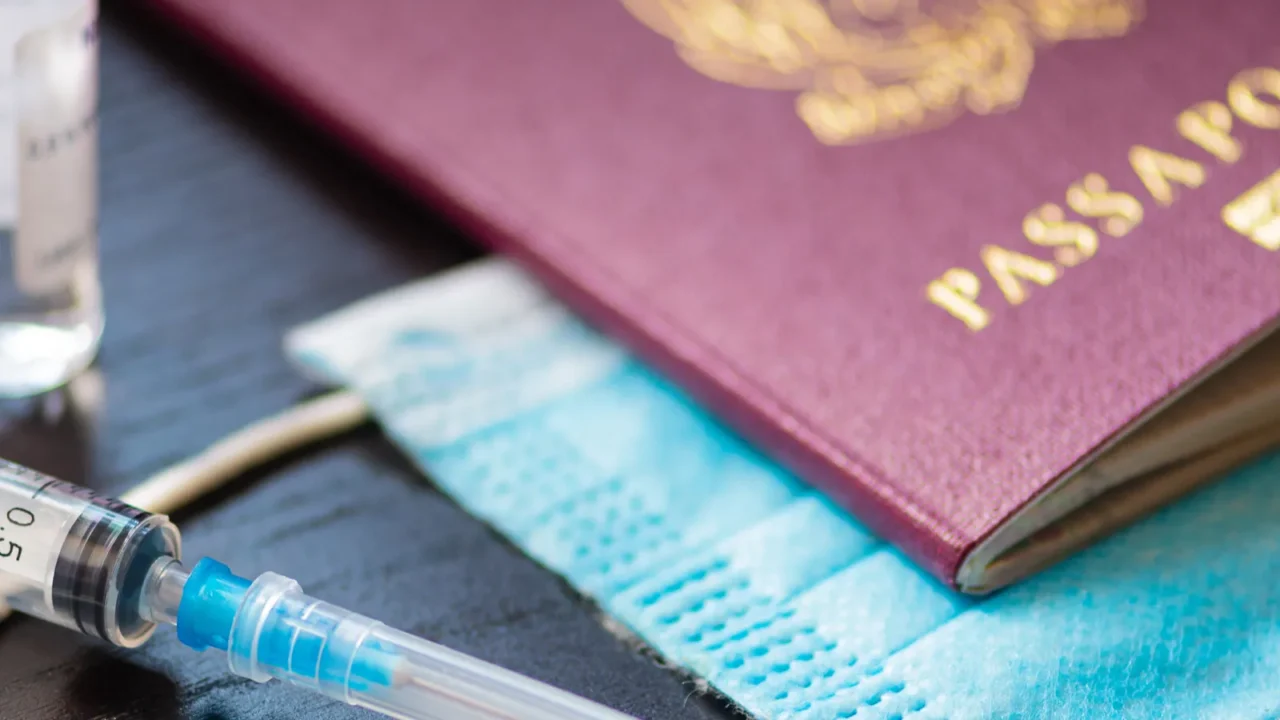
When travel turns uncertain
Travel promises freedom, discovery, and perspective-shifting moments, but even the most dream-worthy trip can change in seconds. Natural disasters, political unrest, and sudden emergencies do not send invitations. They arrive without warning, often when you are far from familiar systems and support.
This guide exists for that moment. It is not about fear. It is about clarity. Knowing what to do when a disaster hits can protect your life, your documents, and your ability to get home safely without panic.
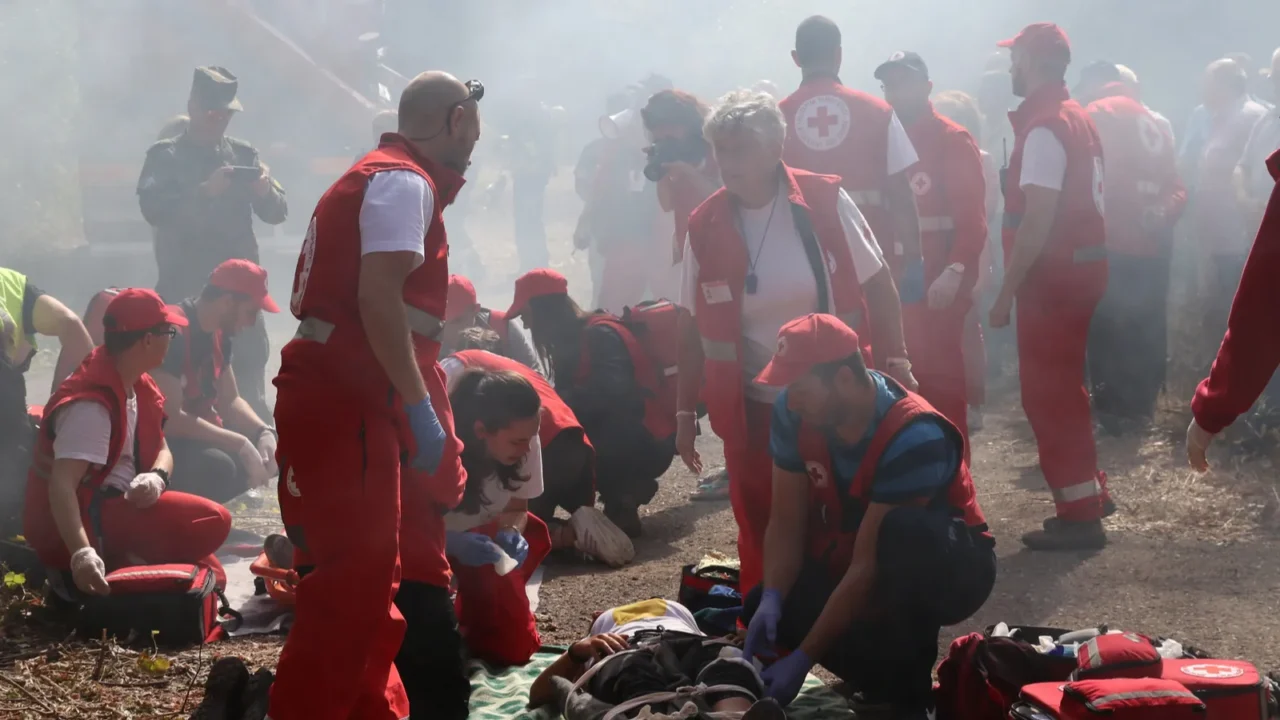
Tokyo during earthquakes
Japan experiences thousands of earthquakes annually. While Tokyo is designed to withstand them, travelers often freeze when tremors begin. If shaking starts, get low, cover your head, and move away from windows. Avoid elevators immediately after the quake stops.
Follow local instructions closely. Japan’s emergency alerts are reliable, and public shelters are well marked. Convenience stores often stay open and stock essentials. Staying calm and observing how locals respond is one of the safest choices you can make.
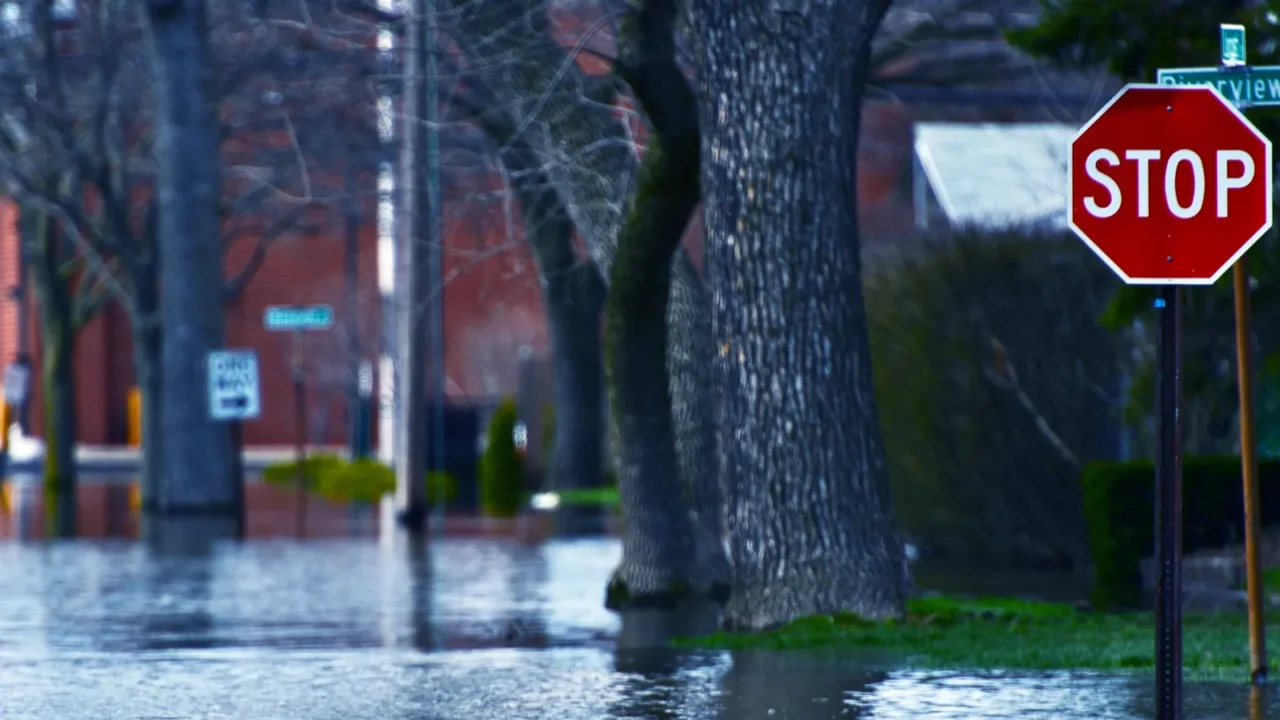
Hurricanes in New Orleans
New Orleans sits below sea level, making hurricanes a serious threat during peak season. If a storm warning is issued, do not assume it will pass quickly. Listen to local authorities and evacuate early if advised. Waiting too long can trap travelers without transport.
Book flexible accommodations near evacuation routes and keep emergency cash on hand. Airports often close before landfall. If evacuation is not possible, stay indoors, away from windows, and monitor official city updates continuously.
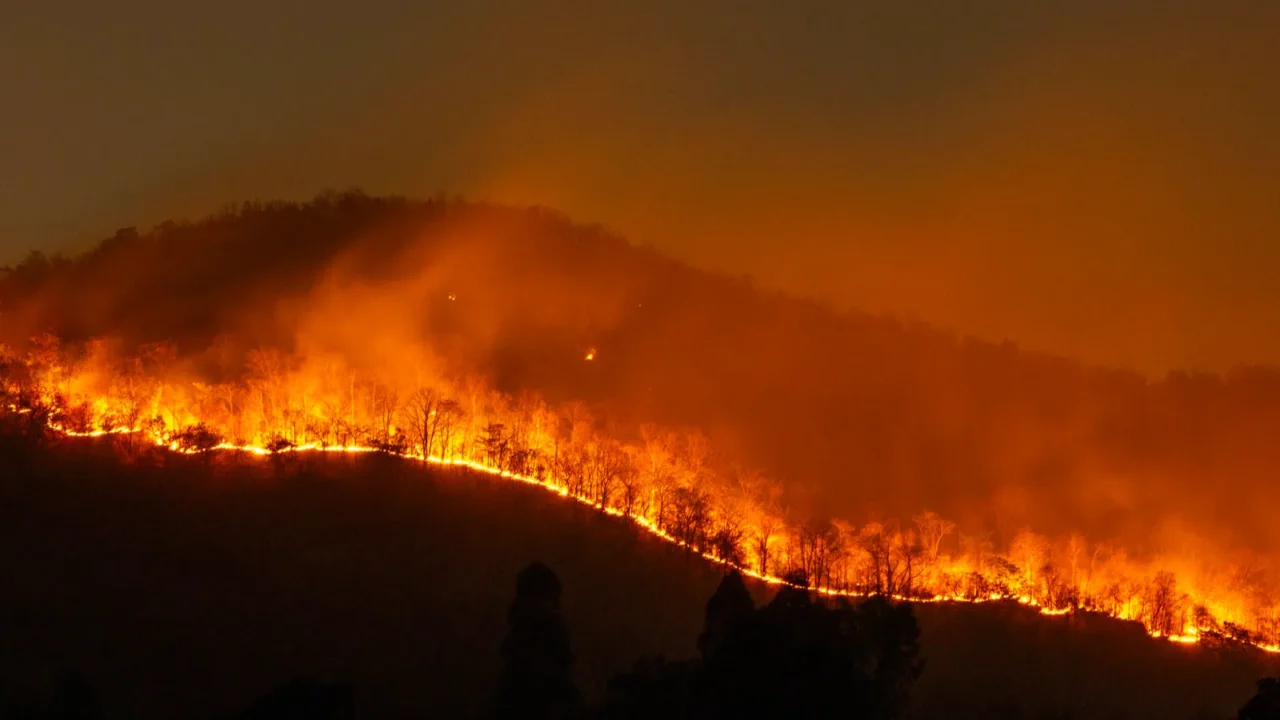
Wildfires near Los Angeles
Wildfires in Southern California can spread rapidly, especially during dry and windy Santa Ana conditions. If smoke thickens or evacuation alerts appear on your phone, leave immediately. Do not try to photograph or drive toward the fire. Roads can close without notice.
Wear a mask or cover your mouth if the smoke is heavy. Avoid hills and canyons where fire travels faster. Local news stations provide real-time evacuation maps that are more accurate than social media posts during emergencies.
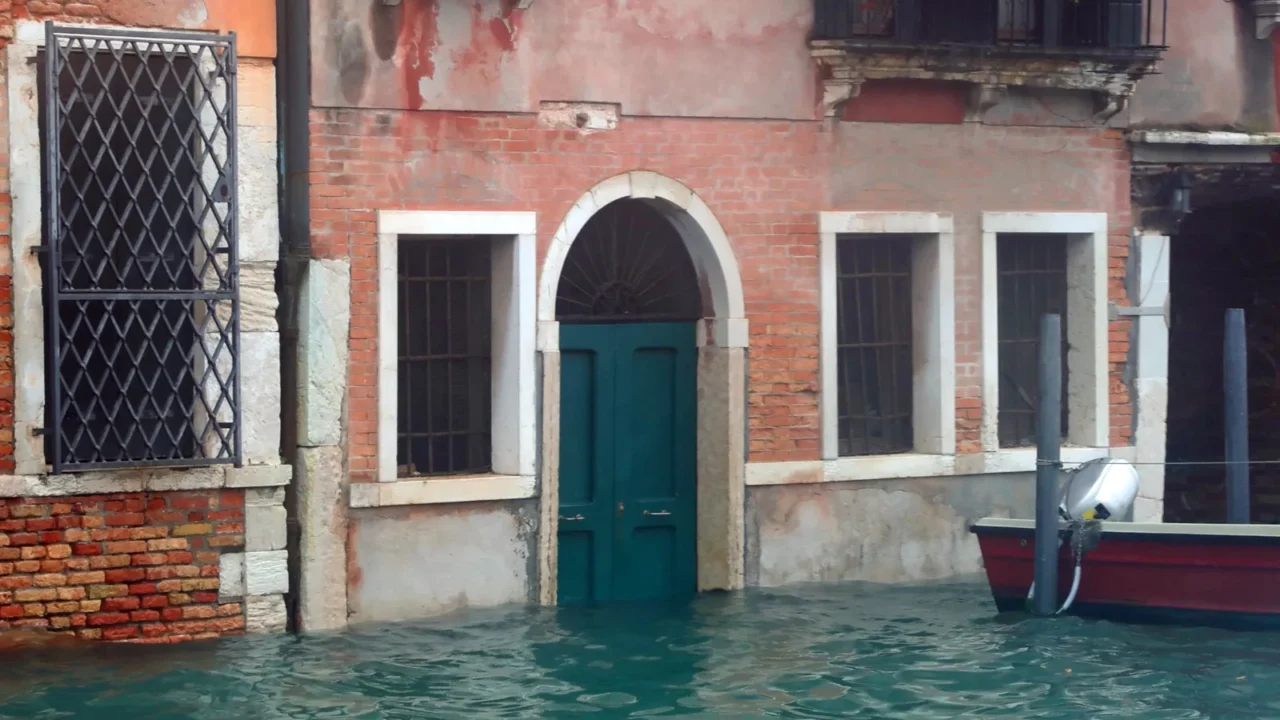
Flooding in Venice
Venice frequently experiences acqua alta, or ‘high water,’ flooding—especially between October and January. When sirens sound, expect rising water levels within hours. Move valuables to higher ground and avoid walking through flooded streets without waterproof footwear.
Stick to raised walkways and avoid boats during strong tides. Pharmacies and local shops often sell protective gear during flood alerts. Hotels usually provide guidance, so check with staff before attempting to move through submerged areas.
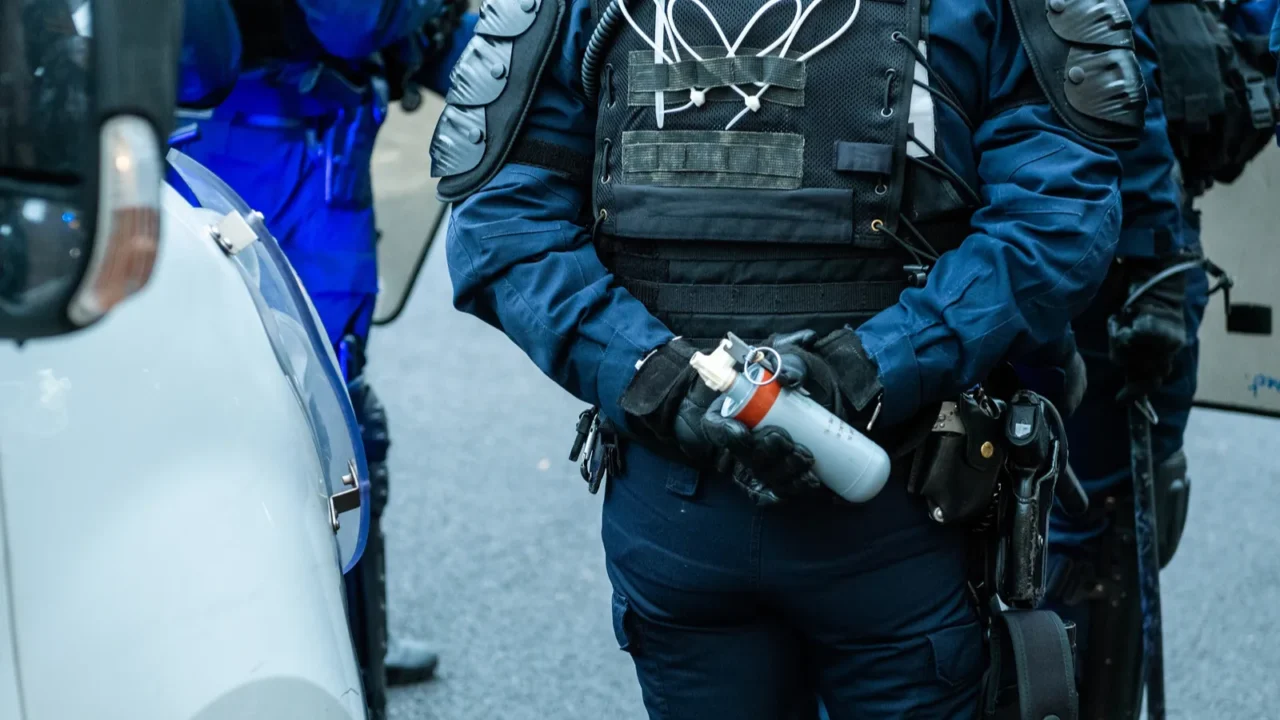
Political unrest in Paris
Paris protests can escalate quickly, especially around government buildings and major squares. If demonstrations begin nearby, leave the area immediately, even if the crowd appears calm. Police may use crowd control measures without warning.
Stay informed through official embassy alerts and local news. Avoid public transport stations near protest zones. Keeping a low profile and adjusting plans early helps prevent being caught in sudden shutdowns or restricted movement areas.
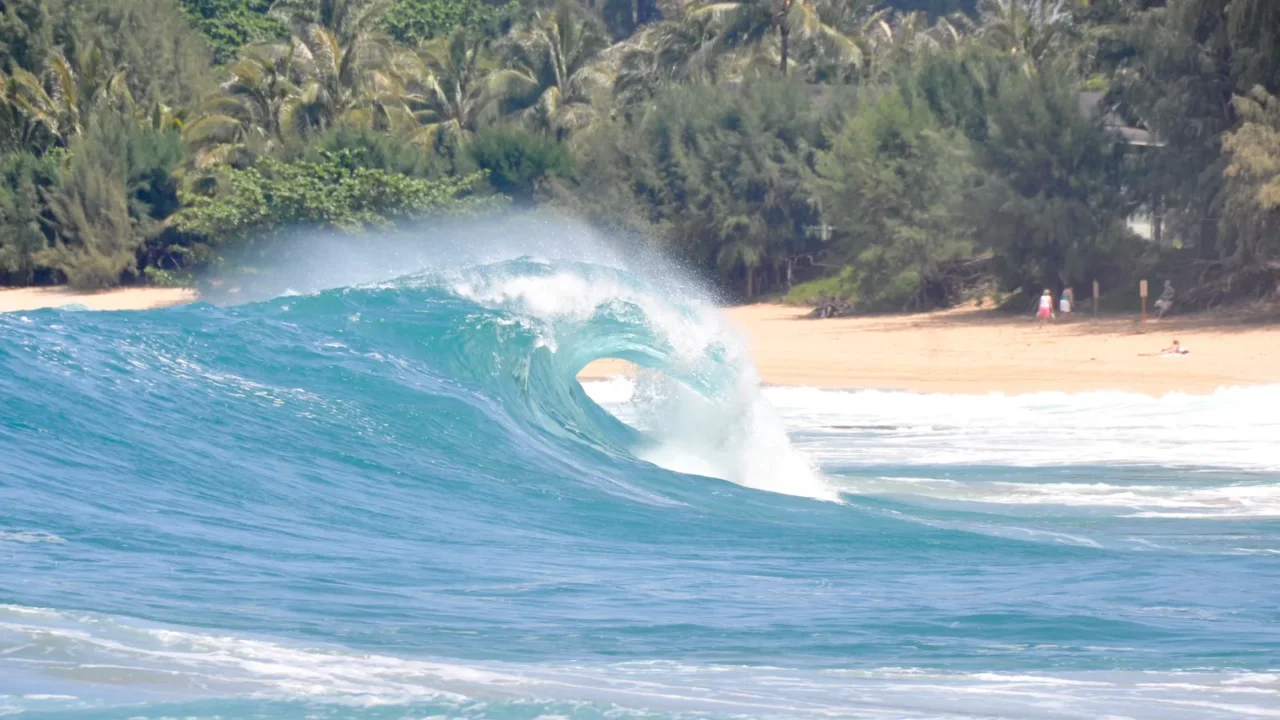
Tsunami risks in Hawaii
Hawaii’s tsunami warning system is highly advanced, but travelers must act fast. If sirens sound or alerts arrive, move inland or to higher ground immediately. Do not wait to confirm the wave visually. Tsunamis travel faster than expected.
Hotels near the coast often have evacuation routes posted. Follow them precisely. Stay away from beaches until authorities declare it safe. Even small waves can carry debris powerful enough to cause serious harm.
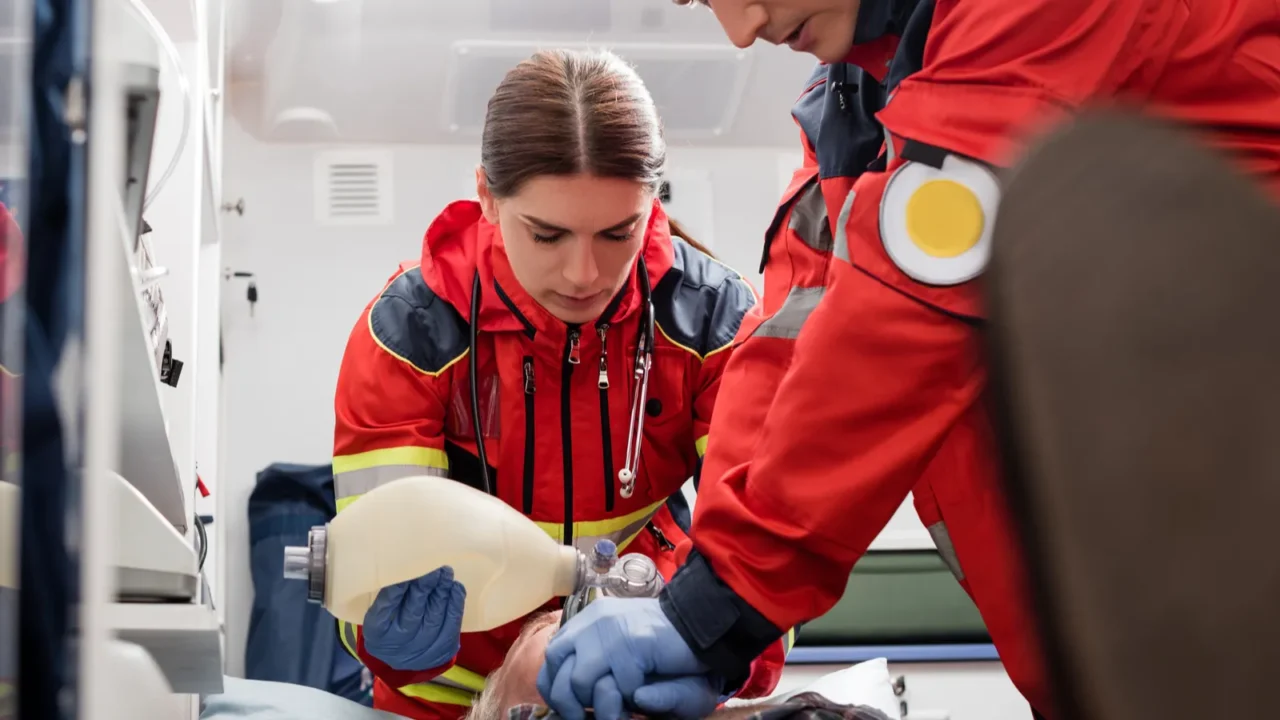
Medical emergencies abroad
A medical emergency abroad can feel overwhelming, especially with language barriers. Always know the local emergency number before you arrive. Carry a card listing allergies, conditions, and medications in both English and the local language.
Contact your travel insurance provider immediately. They can guide you to accredited hospitals and help coordinate care. Embassies do not pay medical bills, but they can assist with communication and emergency logistics if needed.
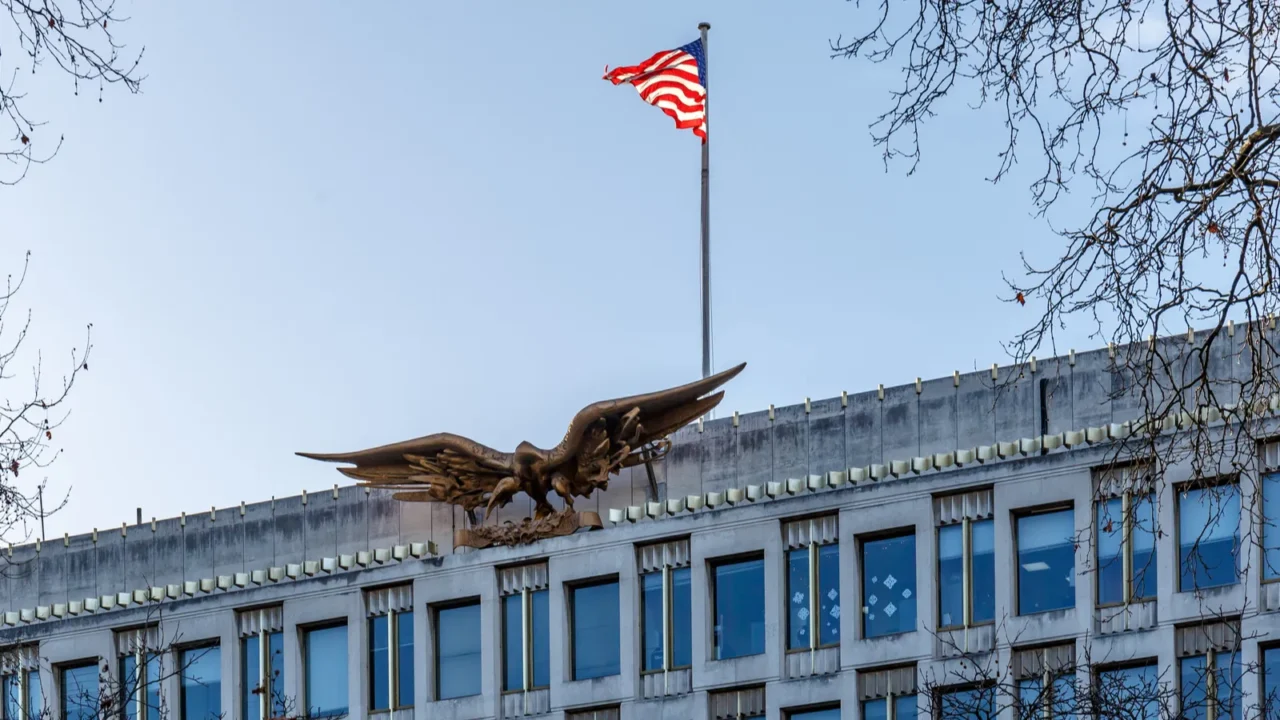
Losing documents overseas
Losing your passport during a disaster compounds stress, but solutions exist. First, file a police report if possible. Then contact your nearest embassy or consulate immediately to begin replacement procedures.
Keep digital copies of documents stored securely online before traveling. Temporary passports can often be issued within days. Staying organized and calm speeds the process and prevents further complications with hotels, flights, or border authorities.
Staying connected safely
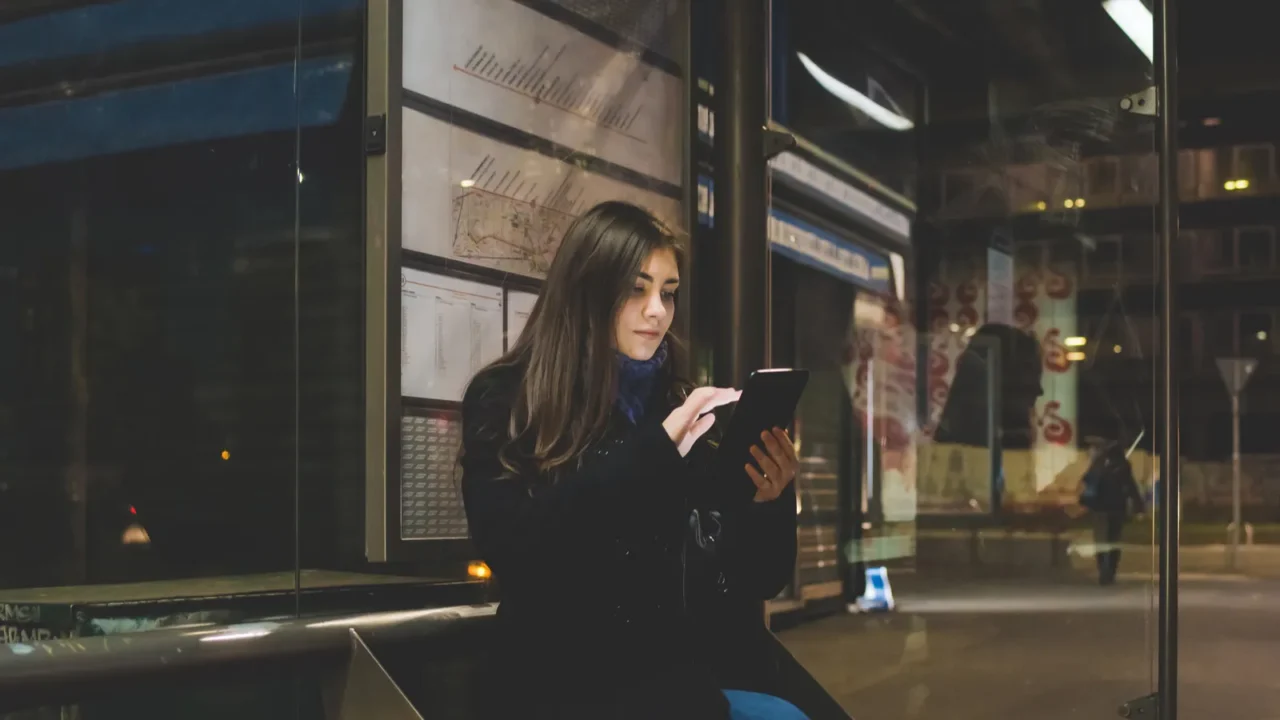
During disasters, communication becomes critical. Save emergency contacts offline and keep your phone battery charged. Portable power banks are essential. Avoid spreading unverified information, as rumors escalate panic and confusion.
Use official sources such as government alerts, embassy messages, and trusted local news outlets. Messaging apps often work better than calls during network congestion. Clear communication helps you make safer decisions faster.
When airports shut down
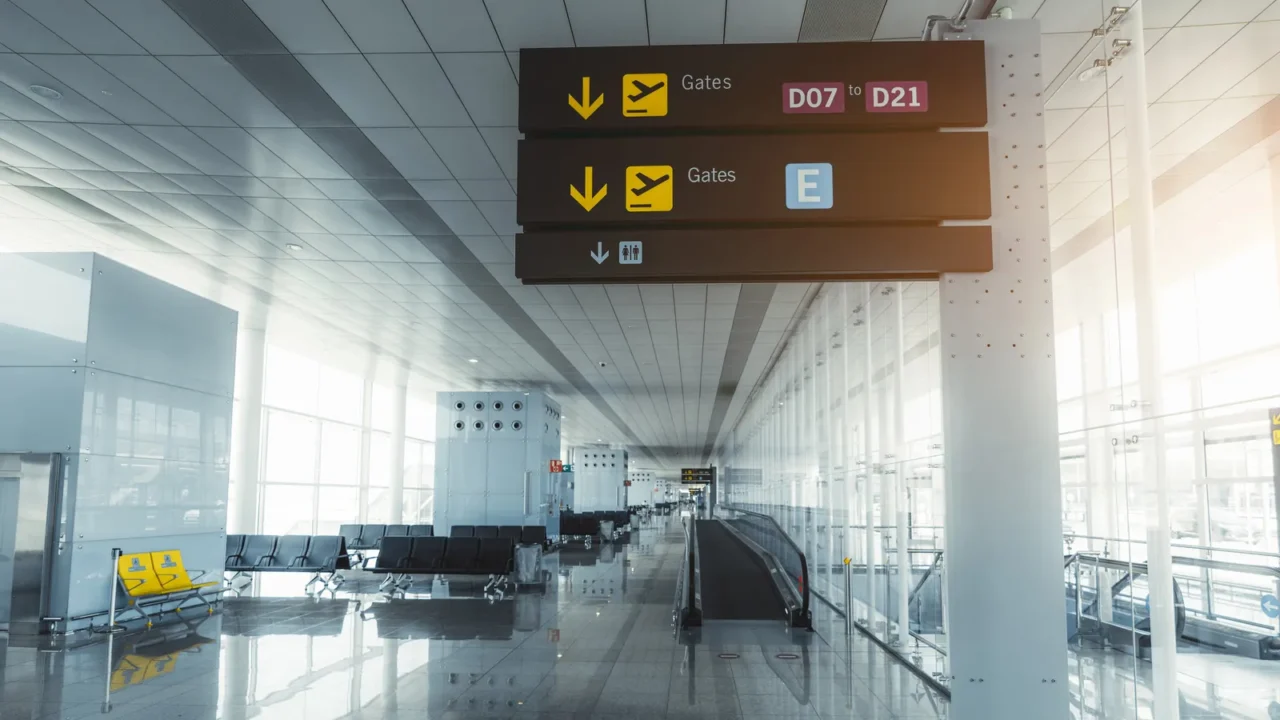
Airport closures during disasters can strand travelers for days. If flights are canceled, contact your airline immediately and document all communication. Many carriers rebook or provide accommodations during declared emergencies.
Consider alternate transportation, such as trains or buses, if safe. Avoid sleeping in unsecured terminals when possible. Travel insurance can reimburse unexpected costs, but only if you keep receipts and proof of disruption from official sources.
Trusting local knowledge
Locals have lived through disasters before. Hotel staff, shop owners, and residents often know evacuation routes, safe shelters, and realistic timelines better than online forums. Listening to them can save time and prevent risky decisions.
Avoid assuming foreign systems work like home. Respect local protocols even if they feel unfamiliar. Adaptability is one of the most valuable safety tools a traveler can carry during uncertain situations, because the most meaningful travel experiences that make you feel like a local often come from trusting the people who live there every day and know how to navigate uncertainty with calm and confidence.

Leaving changed but safe
A disaster during travel reshapes how you see the world. It strips away comfort and highlights resilience, community, and preparedness. Surviving it safely becomes part of your story, not something that defines your fear.
Travel always carries risk, but informed travelers navigate challenges with confidence. Preparation does not reduce adventure. It protects it, and as holiday travel places you farther from home and closer to the unexpected, a little preparation can turn potential chaos into control, helping you protect your plans, your safety, and the memories you traveled so far to create.
If a disaster struck while you were traveling tomorrow, would you know exactly what to do or where to go?
This slideshow was made with AI assistance and human editing.
Don’t forget to follow us for more exclusive content right here on MSN.
Read More From This Brand:
