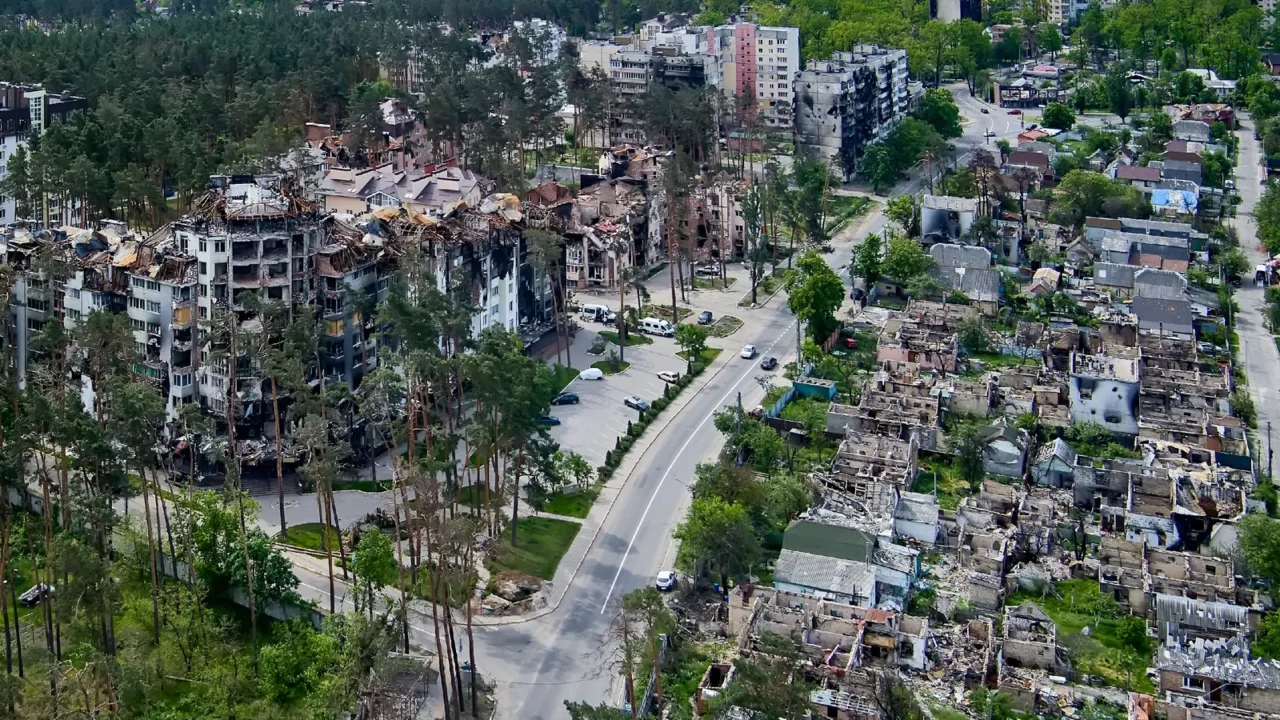
Resilient cities rising
Cities around the world have demonstrated resilience by rebuilding after major disasters such as hurricanes, tsunamis, and earthquakes. In many cases, communities adapted and transformed rather than simply restoring what was lost, showing the influence of local spirit, innovative planning, and shared determination in shaping stronger places.
These recovery stories offer valuable lessons for travelers, planners, and observers, while also reminding us that recovery speeds differ widely and are not always faster than expert expectations.
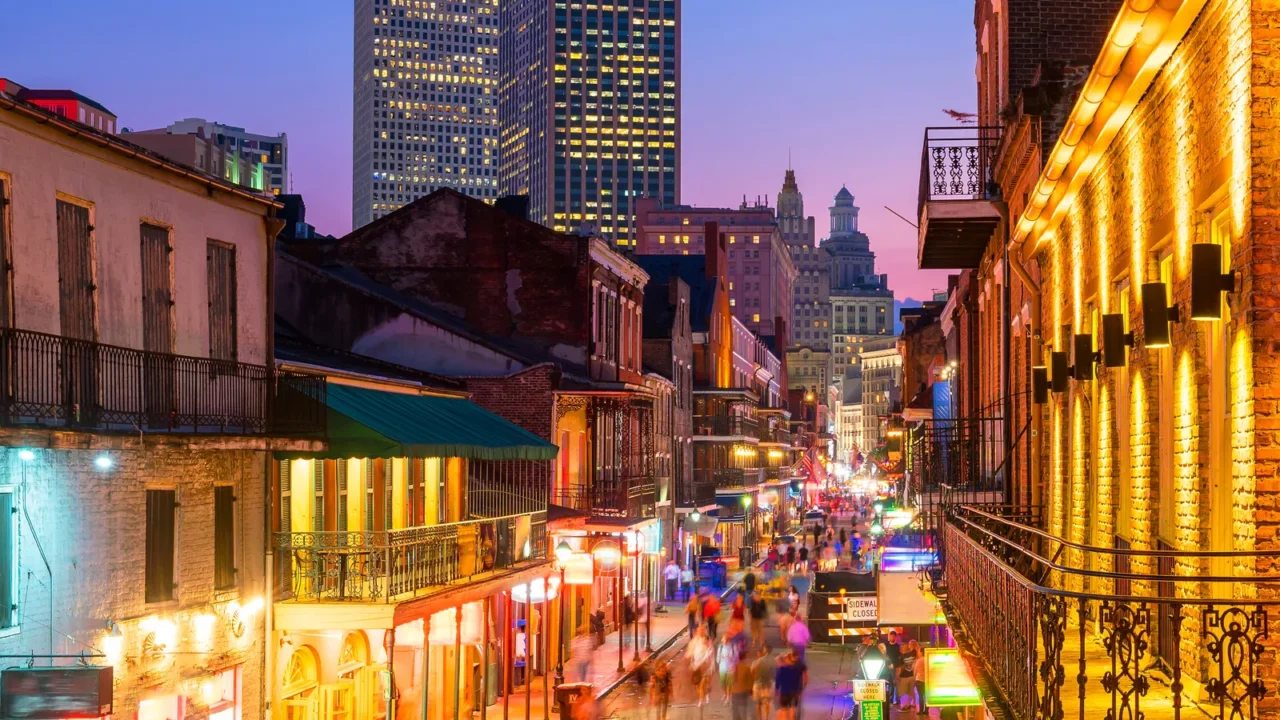
New Orleans reclaims rhythm
When Hurricane Katrina struck in 2005, New Orleans faced catastrophic flooding, population displacement, and economic loss. Entire neighborhoods were damaged, and the city’s future felt uncertain for years.
Over time, music venues reopened, tourism returned, and rebuilt infrastructure supported long-term growth. While recovery was uneven, cultural identity played a powerful role in restoring confidence, commerce, and global appeal.
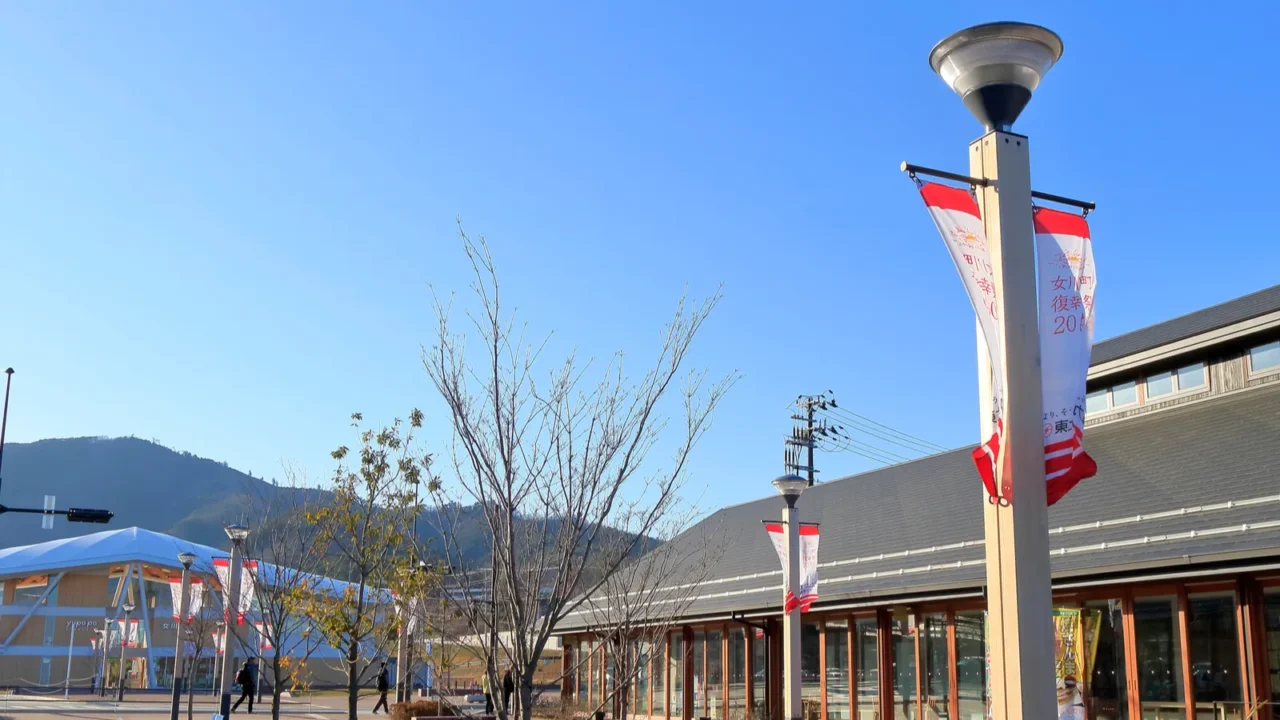
Onagawa’s coastal renewal
Onagawa, a coastal town in Japan’s Miyagi Prefecture, was devastated by the 2011 earthquake and tsunami that destroyed much of the town. The disaster reshaped both the landscape and daily life for residents.
Instead of abandoning the area, locals rebuilt with intention. Elevated structures, community-centered design, and a revived waterfront helped restore economic activity and community connection.
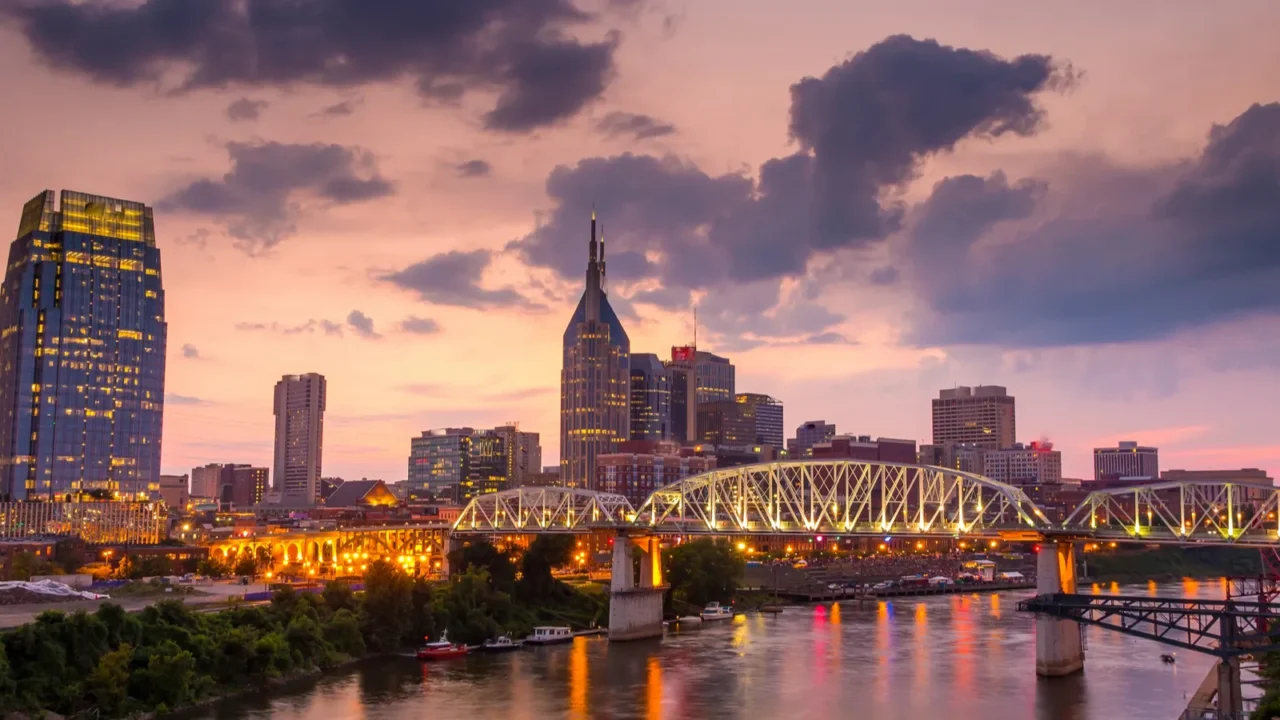
Nashville after the flood
Severe flooding in 2010 submerged large areas of Nashville, damaging homes, businesses, and music venues central to the city’s identity. The event disrupted daily life and creative livelihoods.
Recovery was driven by local collaboration, benefit events, and reinvestment in cultural spaces. Over time, rebuilt neighborhoods and restored venues helped Nashville regain momentum and stability.
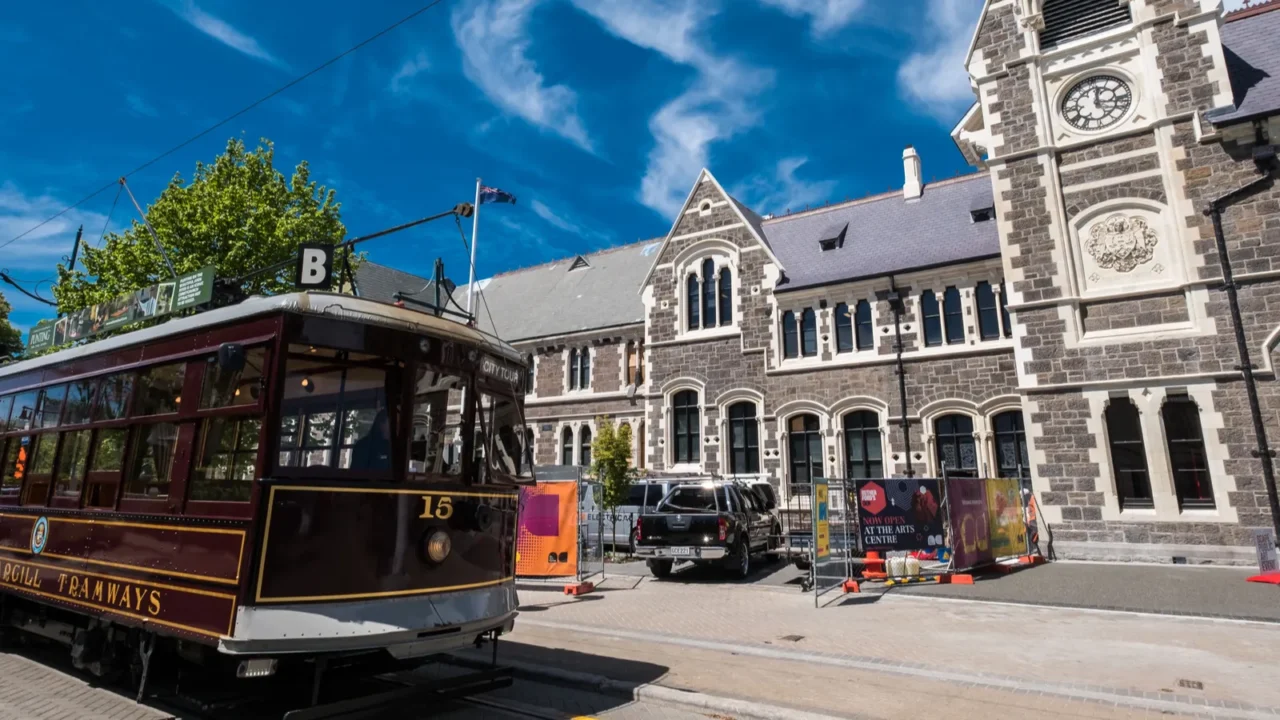
Christchurch rising again
Christchurch, New Zealand, endured a series of powerful earthquakes between 2010 and 2011 that caused widespread infrastructure damage and emotional strain. Entire districts were lost, requiring years of careful rebuilding.
Despite these challenges, the city redefined itself through vibrant arts initiatives, modern architecture, and renewed business growth that continues to shape its evolving identity.
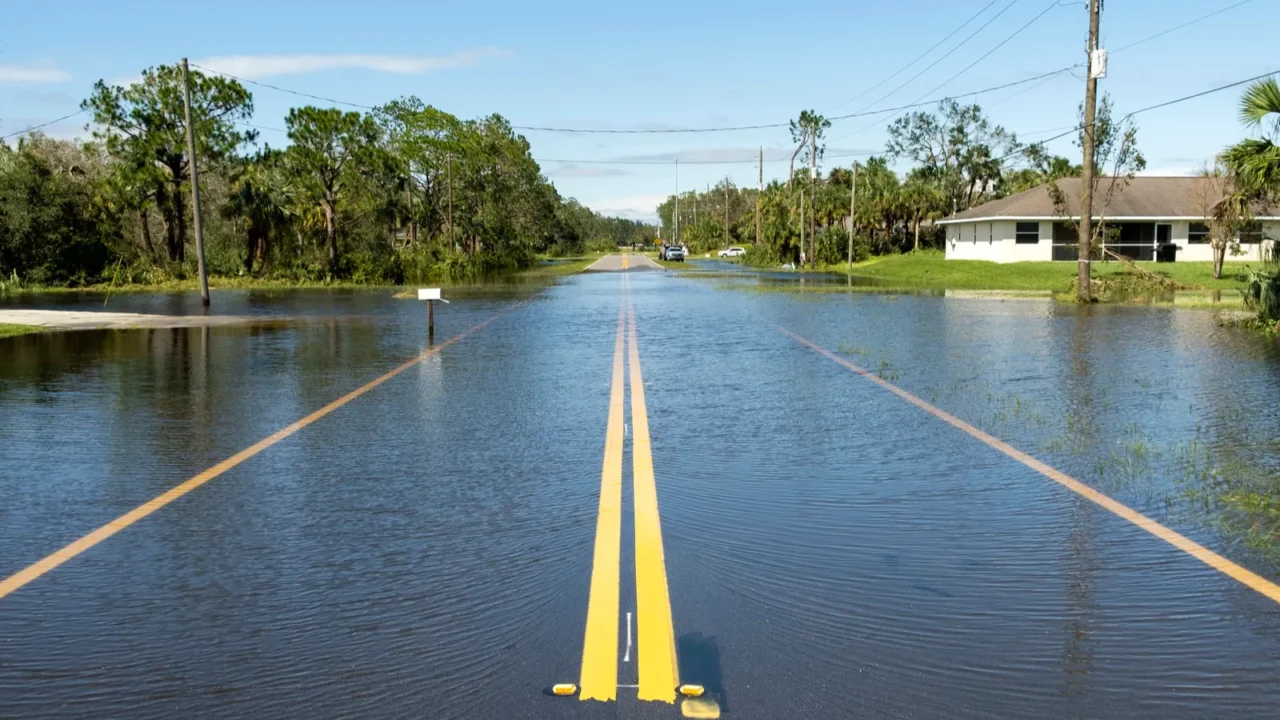
Maiduguri rebuilds daily life
Maiduguri, Nigeria, experienced severe flooding that damaged neighborhoods, markets, and transportation routes. The disaster added pressure to an already vulnerable region.
Recovery focused on restoring everyday routines. Markets reopened, roads were repaired, and trade resumed with support from local authorities and aid groups, reflecting community resilience.
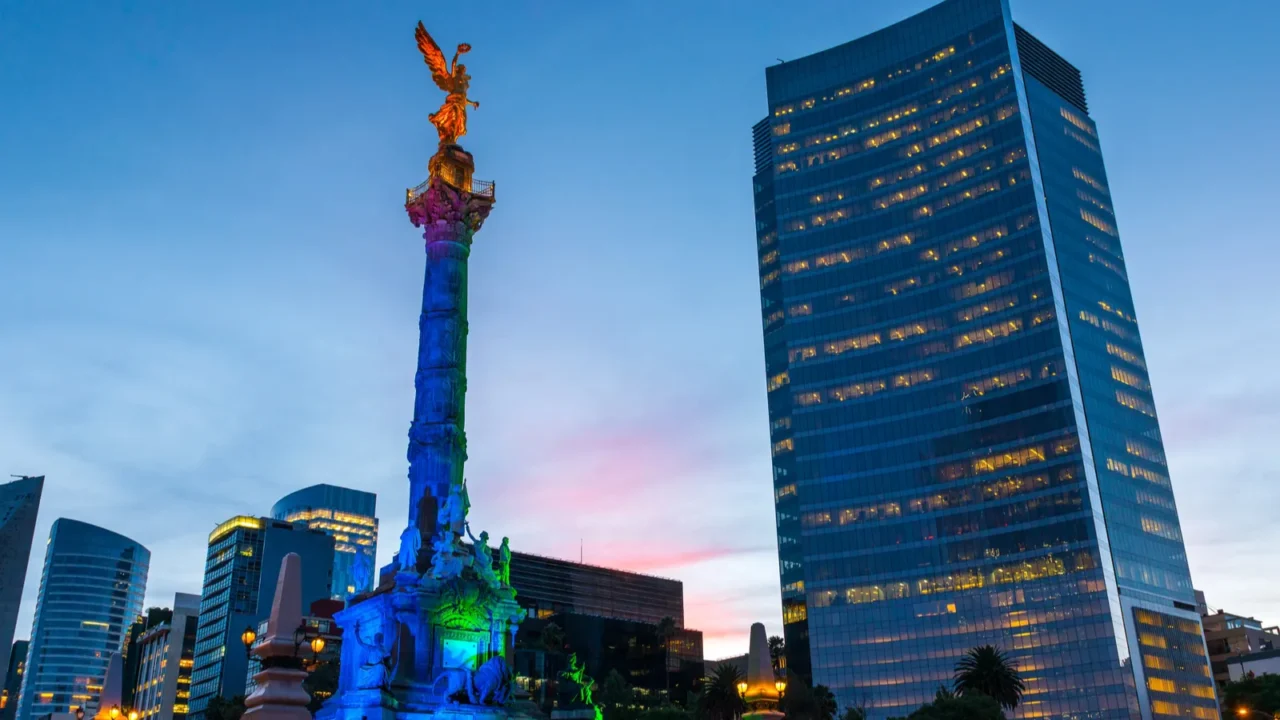
Mexico City shakes forward
Major earthquakes in 2017 once again tested Mexico City’s preparedness and response systems. Buildings were damaged, and public safety concerns spread quickly.
Swift emergency response, inspections, and phased rebuilding allowed cultural landmarks and public spaces to reopen, supporting a steady return to daily urban life.
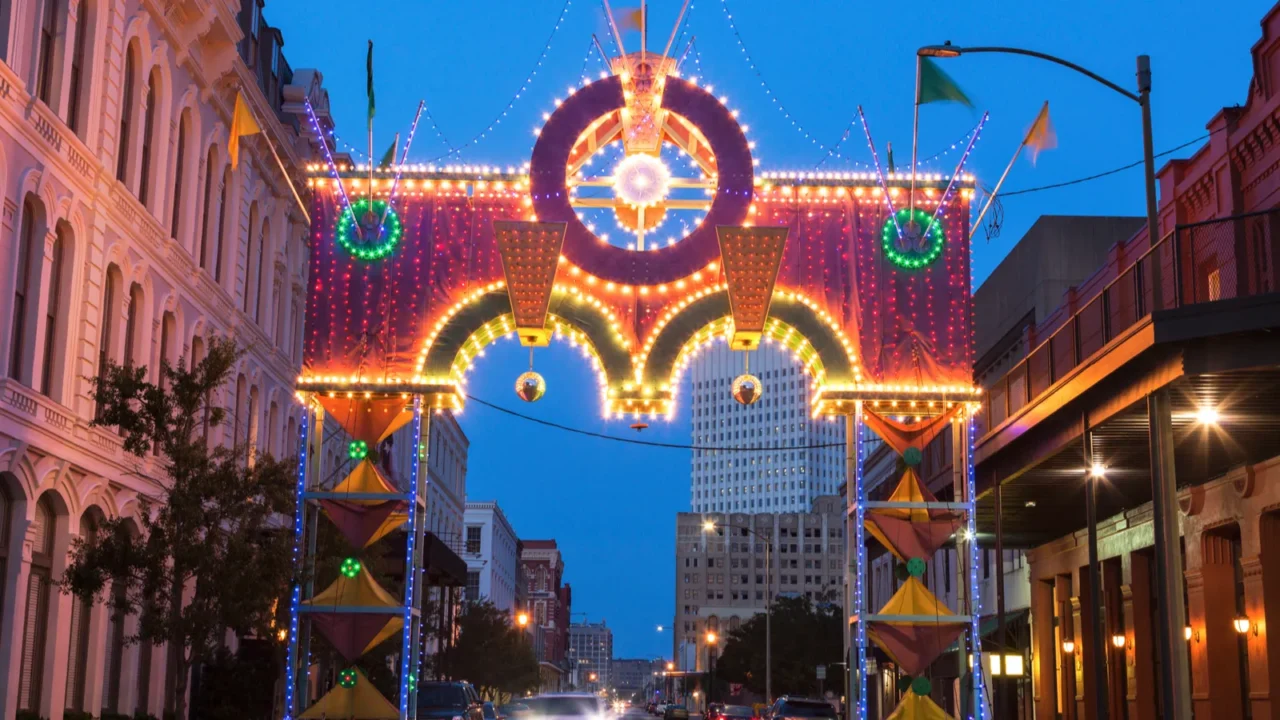
Galveston’s storm-tested spirit
Galveston, Texas, has faced repeated hurricanes that threatened infrastructure and tourism-driven livelihoods. Each storm challenged the city’s ability to recover.
By prioritizing repairs to historic areas and public spaces, Galveston restored visitor confidence while maintaining its coastal character and economic foundation.
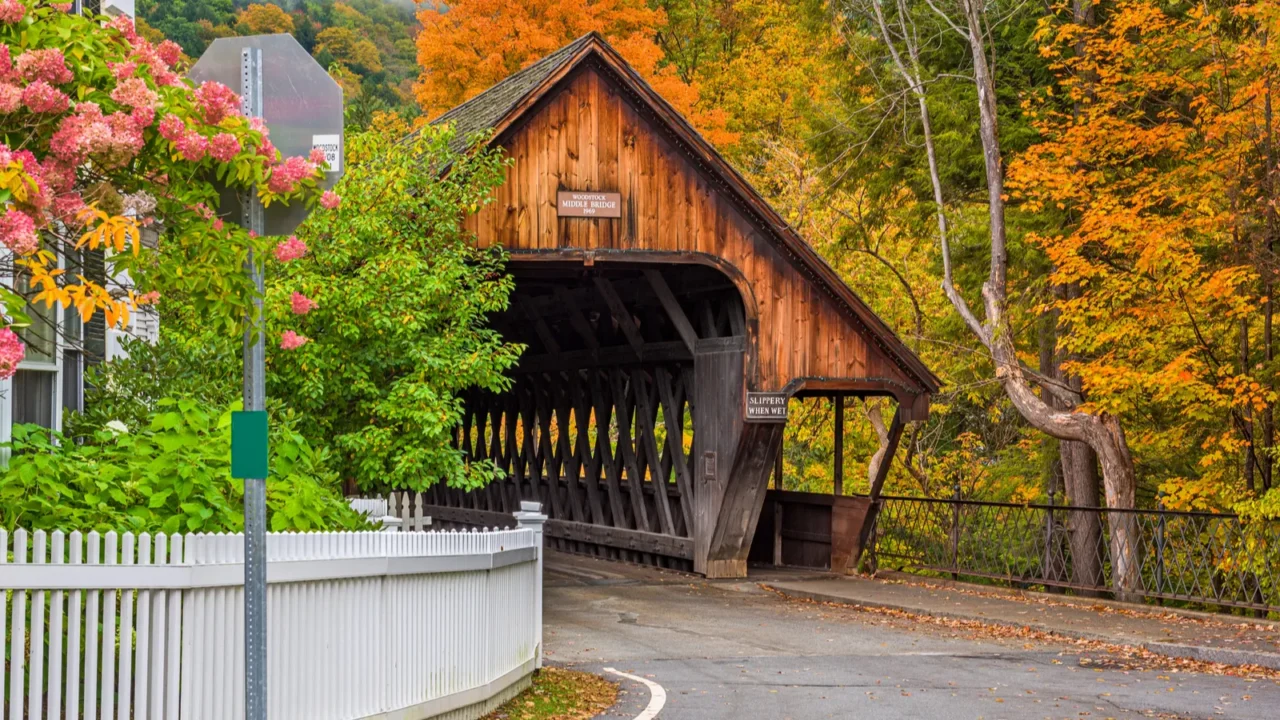
Vermont’s flood adaption
Flooding across parts of Vermont caused serious damage to small towns and transportation networks. Rebuilding required long-term thinking rather than short-term fixes.
Communities invested in redesigned infrastructure and improved water management, restoring town centers while reducing future vulnerability.
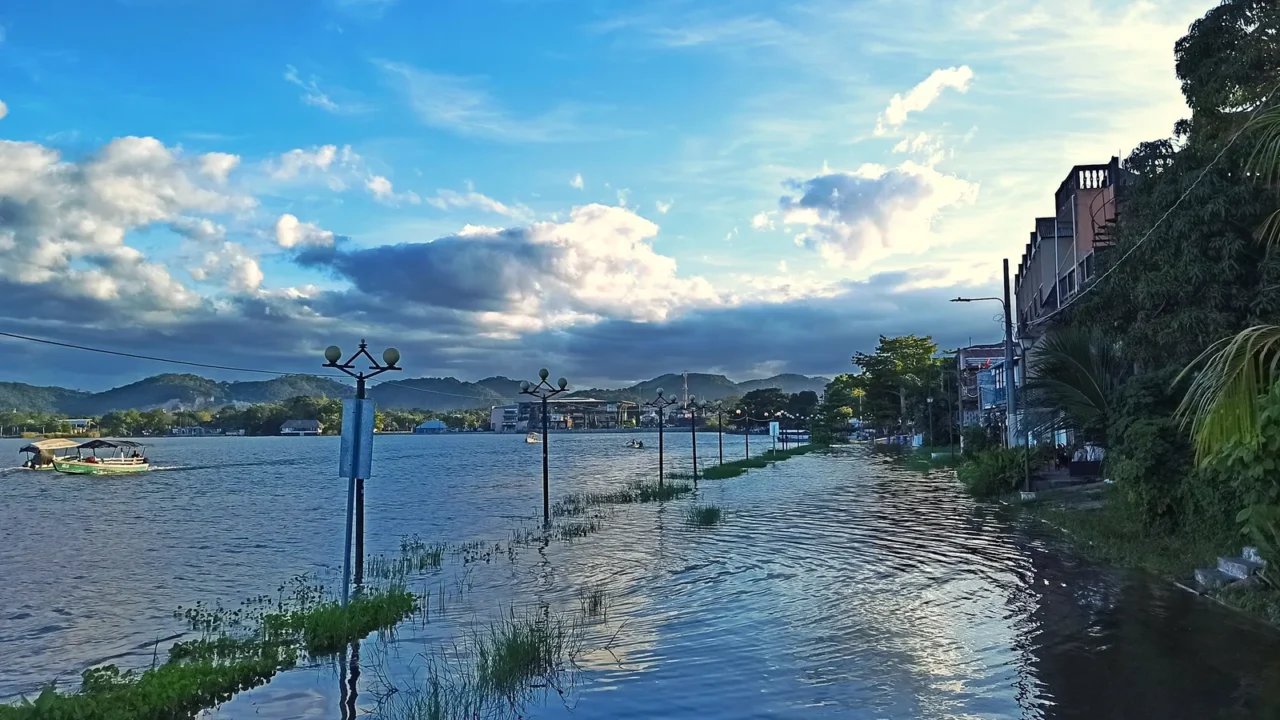
Lessons from resilience
Across these cities, recovery often depends on strong community involvement, thoughtful planning, and adaptive rebuilding strategies. Outcomes vary based on resources and governance.
Rather than simple restoration, many places focused on building future capacity, offering layered stories of renewal visible in evolving urban landscapes.
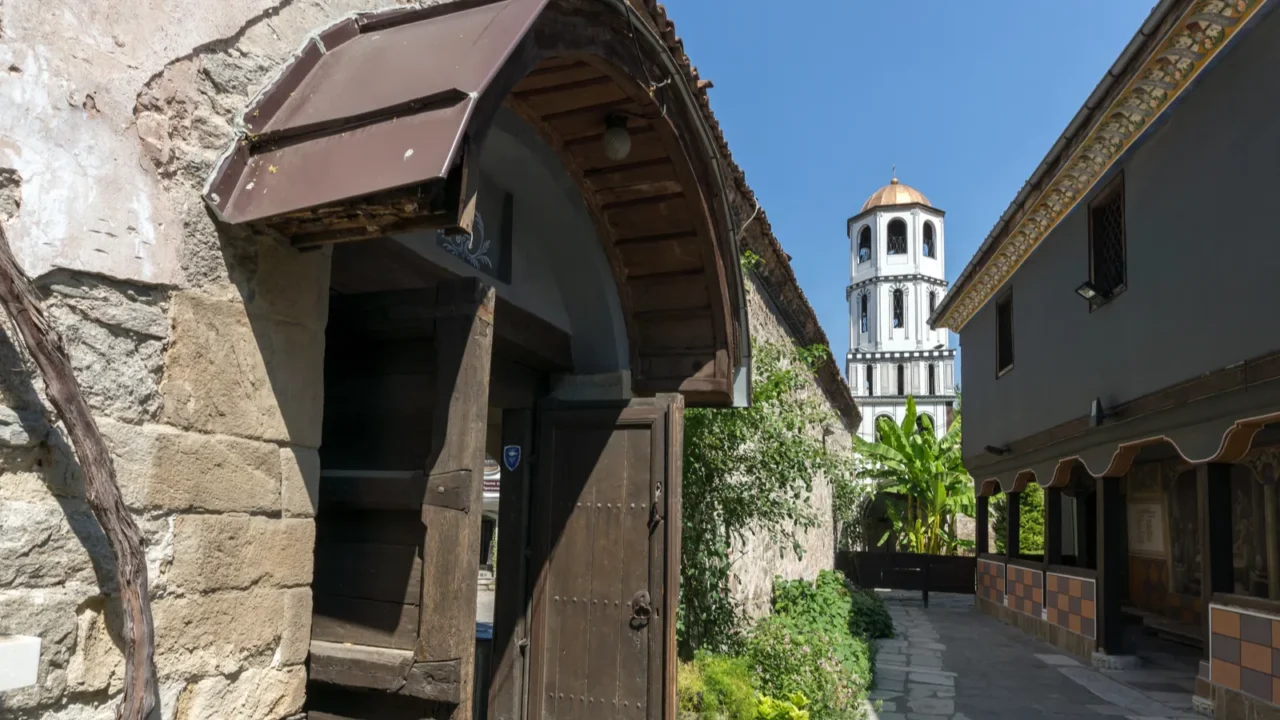
Culture shapes rebuilding
Culture frequently anchors recovery by preserving identity during periods of change. Music, art, and public gatherings helped reconnect communities in cities like New Orleans and Christchurch.
These cultural elements support economic restoration and local pride, offering emotional continuity beyond physical reconstruction.
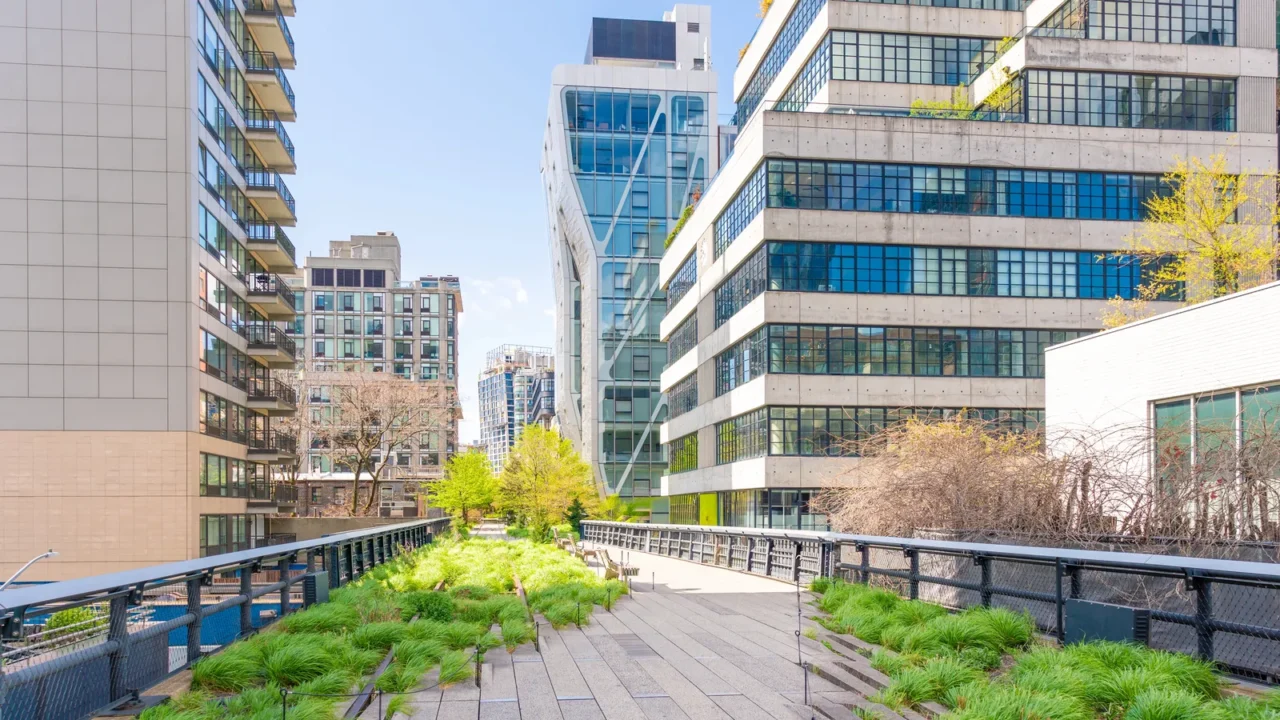
Cities planning ahead
Many recovering cities have adopted forward-focused approaches to reduce future disaster risks through infrastructure upgrades and revised urban planning.
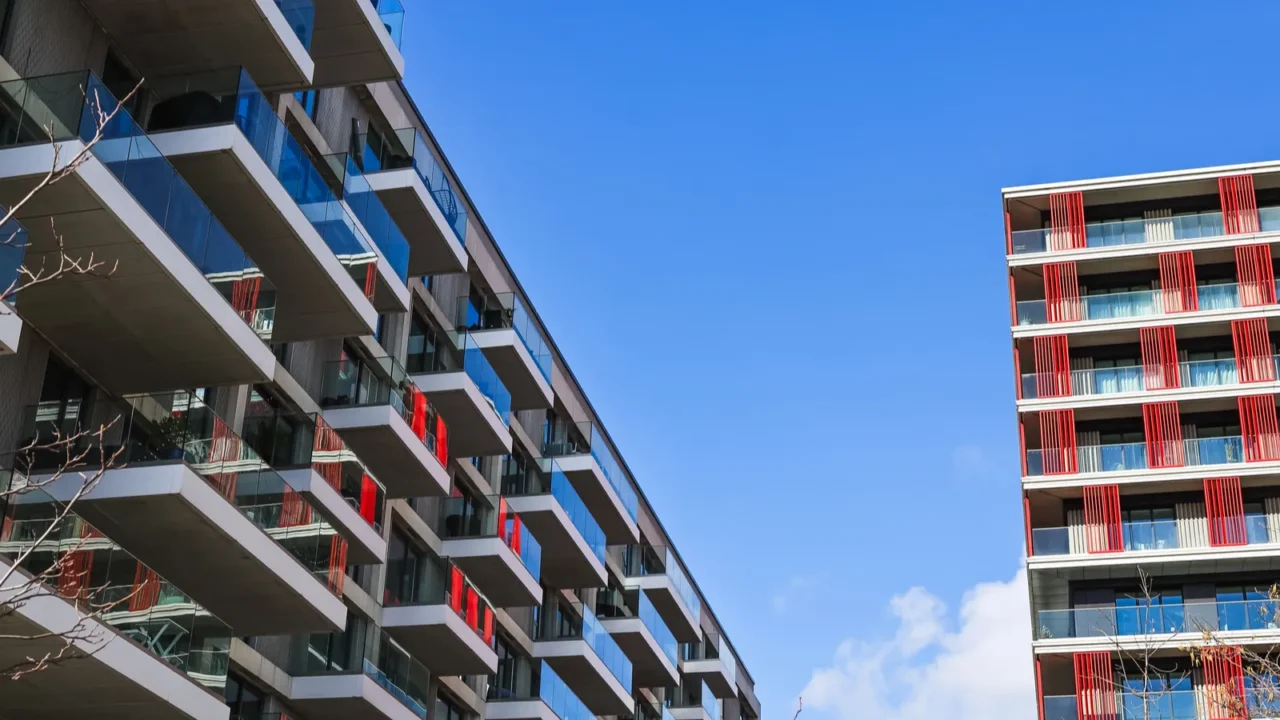
As resilience reshapes these environments, their growing stability and thoughtful design are also beginning to attract cities where the ultra-wealthy choose to live, seeking long term security, infrastructure, and quality of life in places built to endure.
Inspiration in every street
Together, these cities show how recovery and transformation can coexist. From reopened markets in Maiduguri to revived music spaces in Nashville, renewal reflects local character.
For travelers, post‑disaster tourism offers meaningful experiences where visits support local economies, reveal renewed cultural energy, and show how recovery quietly transforms places worth exploring.
Which city’s recovery story surprised you the most, and would witnessing resilience firsthand influence where you choose to travel next?
This slideshow was made with AI assistance and human editing.
Don’t forget to follow us for more exclusive content right here on MSN.
Read More From This Brand:
