
Where work meets wanderlust
Remote work has officially gone global, and Google’s latest search rankings show exactly where people want to live and work next. Based on search trends for 2026, Google ranked these destinations as the most popular digital nomad spots worldwide. The list reflects real curiosity, long-term planning, and growing interest from remote workers.
For Americans, this ranking matters because it highlights places that balance visas, affordability, internet access, and lifestyle. These aren’t just dreamy locations; they’re cities people are actively researching as their next temporary home. If you’ve ever imagined working somewhere new, Google’s list offers a clear starting point.
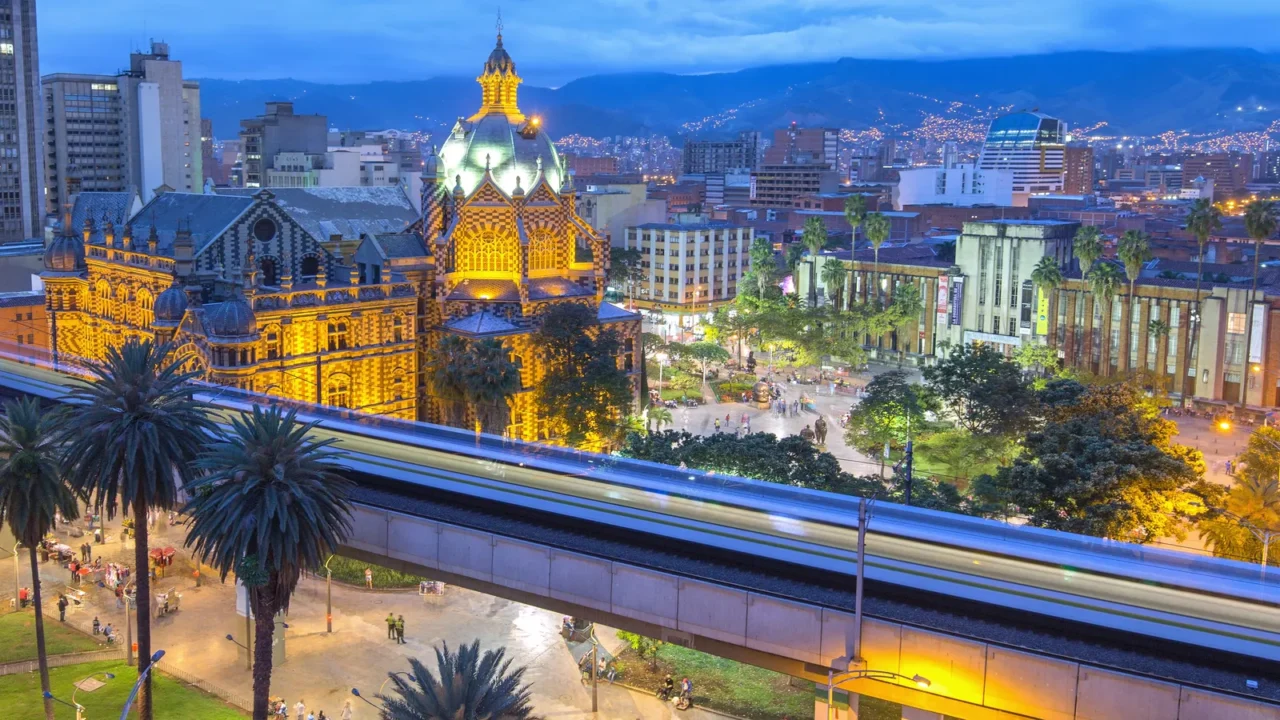
Colombia takes the global crown
Colombia tops Google’s list thanks to a rare mix of flexibility and value. Its digital nomad visa lets remote workers stay up to two years without jumping through endless hoops. That longer timeline gives people space to settle in, not just pass through.
Cities like Medellín and Bogotá offer modern apartments at prices many Americans haven’t seen in years. Add rich culture, strong café scenes, and vibrant neighborhoods, and it’s easy to see why searches are surging heading into 2026.
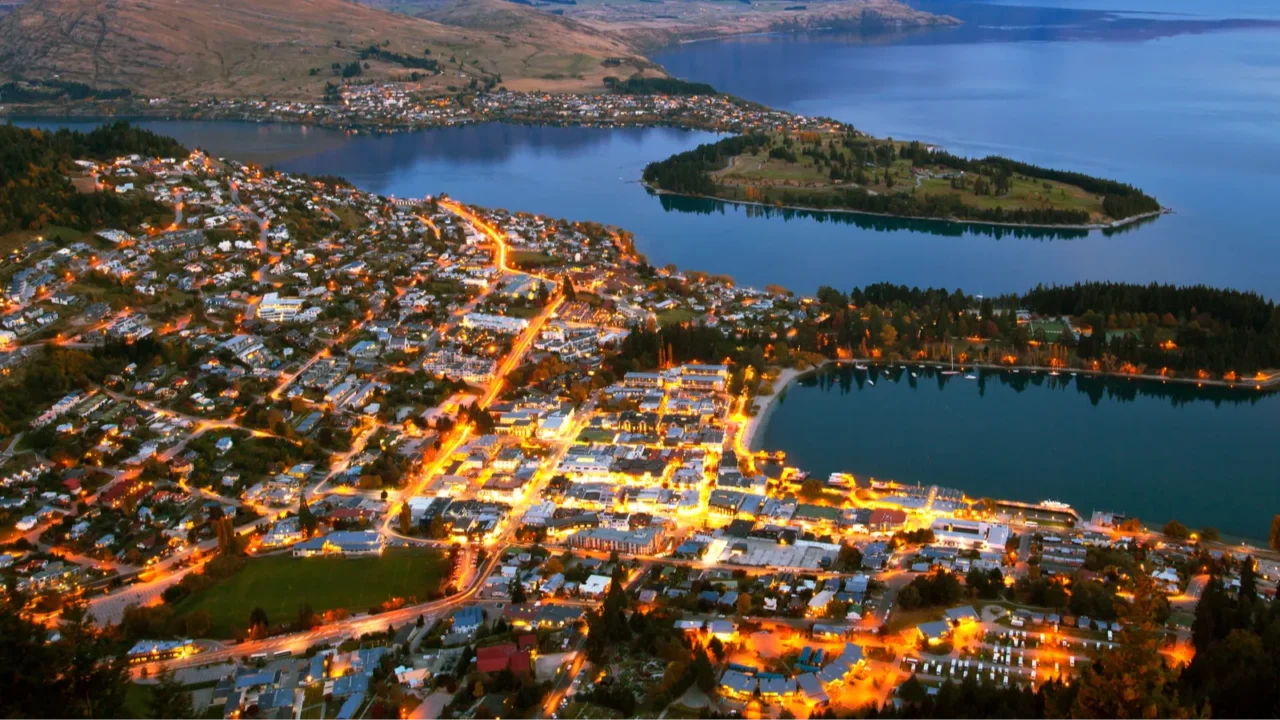
New Zealand’s long-stay appeal
New Zealand is climbing fast thanks to relaxed visa rules for remote workers. The country offers stability, safety, and stunning landscapes, which makes it especially attractive to Americans seeking balance. It’s less about nightlife and more about quality of life.
Reliable internet and low crime add peace of mind. Many nomads base themselves in Wellington or Auckland, working weekdays and exploring coastlines or national parks on weekends. It’s ideal for those who want calm without isolation.
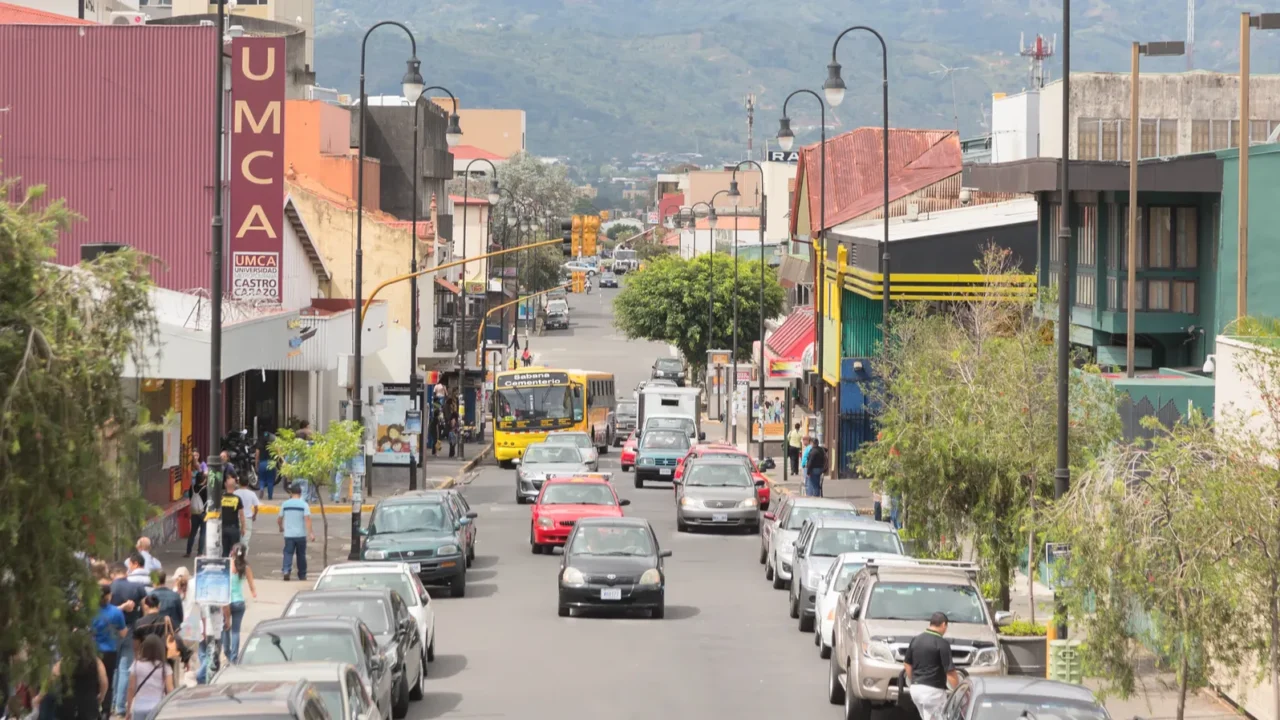
Costa Rica’s pura vida workflow
Costa Rica continues to shine for people craving nature alongside their workday. Its digital nomad visa is straightforward, and the lifestyle is famously relaxed. That slower pace helps many remote workers avoid burnout.
From beach towns to mountain cities, Wi-Fi is strong enough to keep deadlines on track. After work, there’s surfing, hiking, or simply stepping outside into warm air. It’s productivity with a side of sunshine.
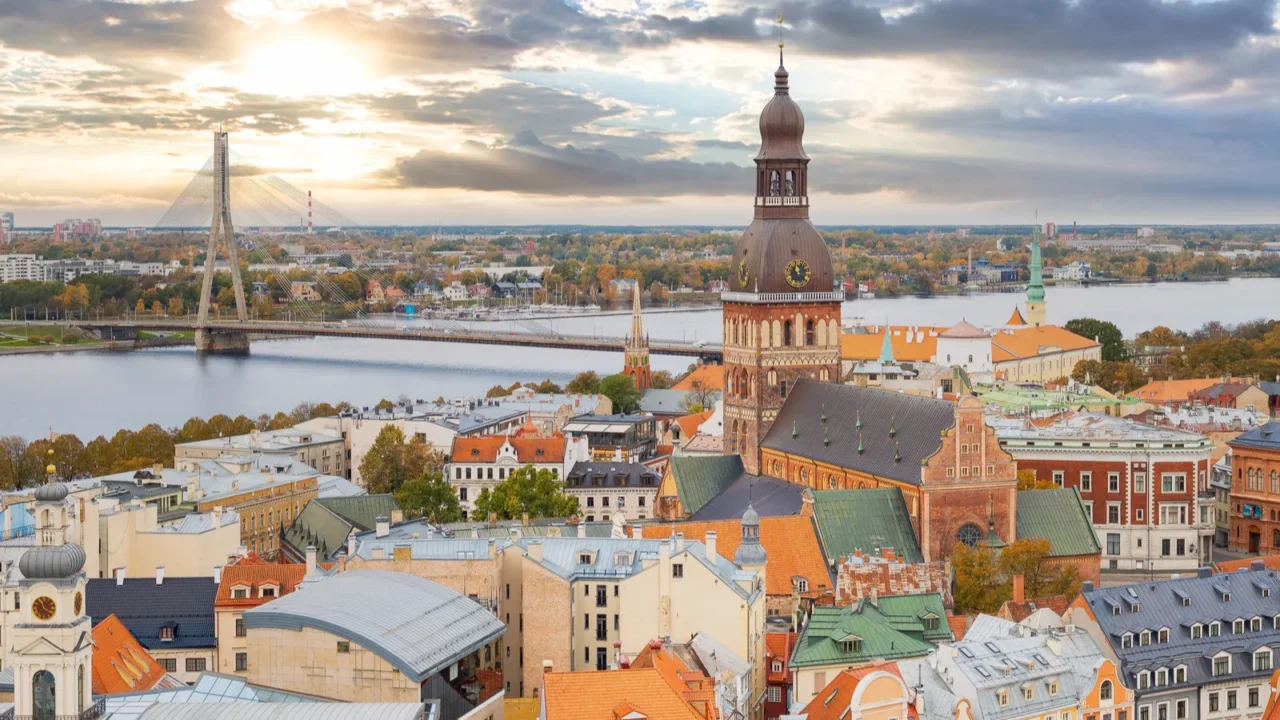
Latvia’s quiet rise in Europe
Latvia might surprise some readers, but it’s gaining attention quickly. Riga offers some of Europe’s fastest internet and lower living costs than many Western capitals. That combo is rare within the EU.
For Americans, Latvia feels both accessible and different. English is widely spoken, public transport is reliable, and the city stays lively year-round. It’s a smart pick for nomads who want Europe without the usual price tag.
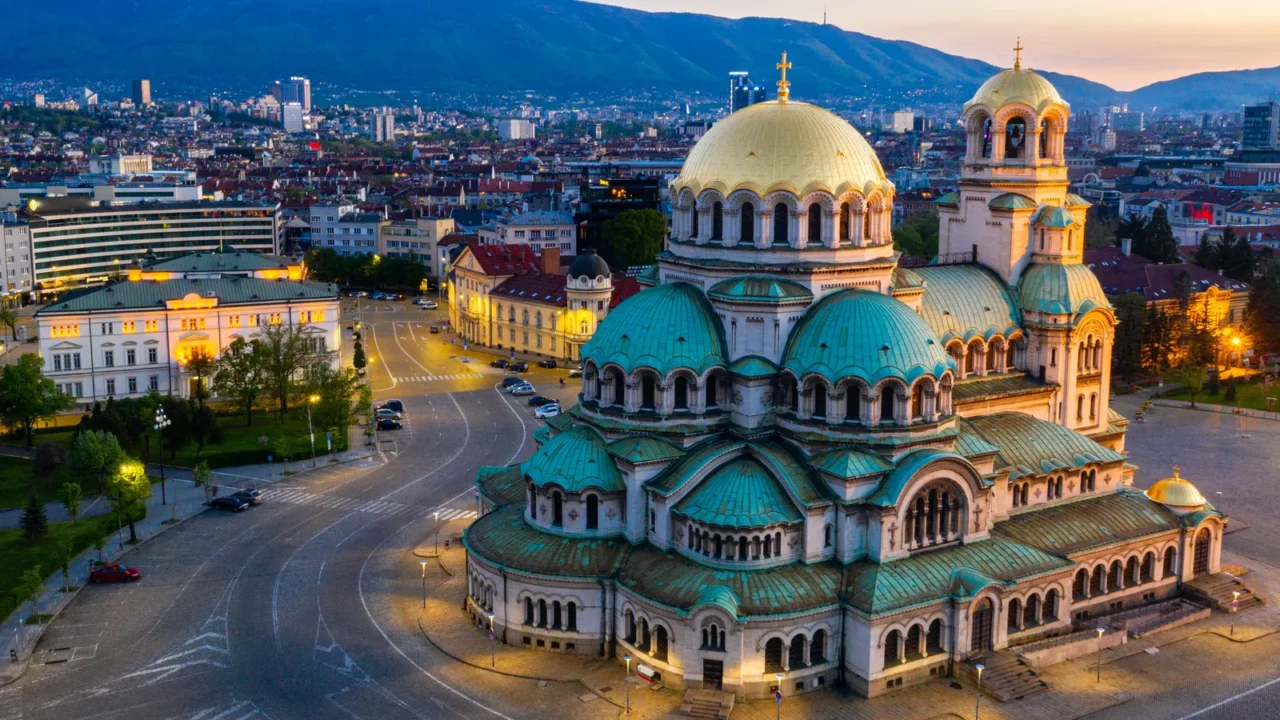
Bulgaria’s budget-friendly Europe
Bulgaria stands out for affordability and simplicity. Cities like Sofia and Plovdiv offer low rents, strong Wi-Fi, and a welcoming pace of life. The flat tax system also attracts long-term remote workers.
You get European charm without constant crowds. Cafés double as workspaces, history fills the streets, and travel around the region is easy. It’s practical, comfortable, and increasingly popular with Americans working abroad.
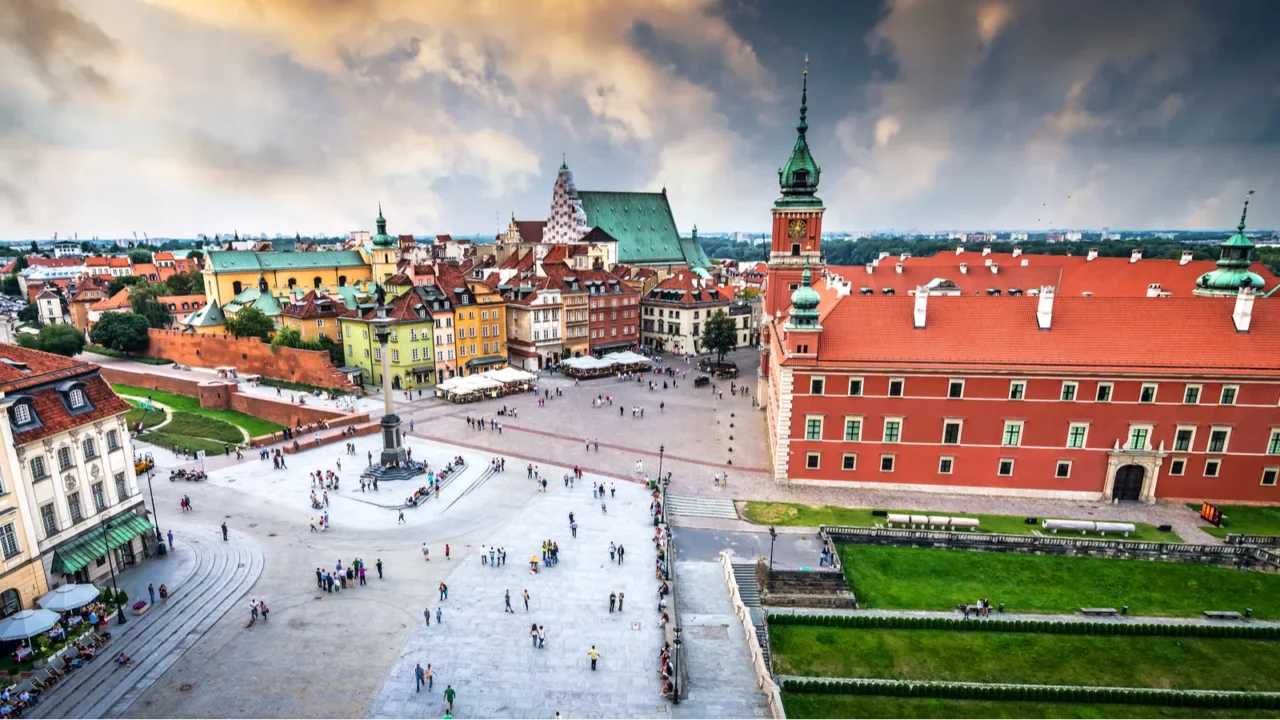
Poland’s creative energy hubs
Poland is drawing remote workers with its vibrant cities and reliable infrastructure. Warsaw and Kraków offer coworking spaces, tech communities, and fast internet at reasonable prices. It feels modern without feeling rushed.
There’s also a strong cultural pull. From historic squares to affordable dining, daily life feels full. For Americans who want a creative buzz and solid work setup, Poland checks a lot of boxes.
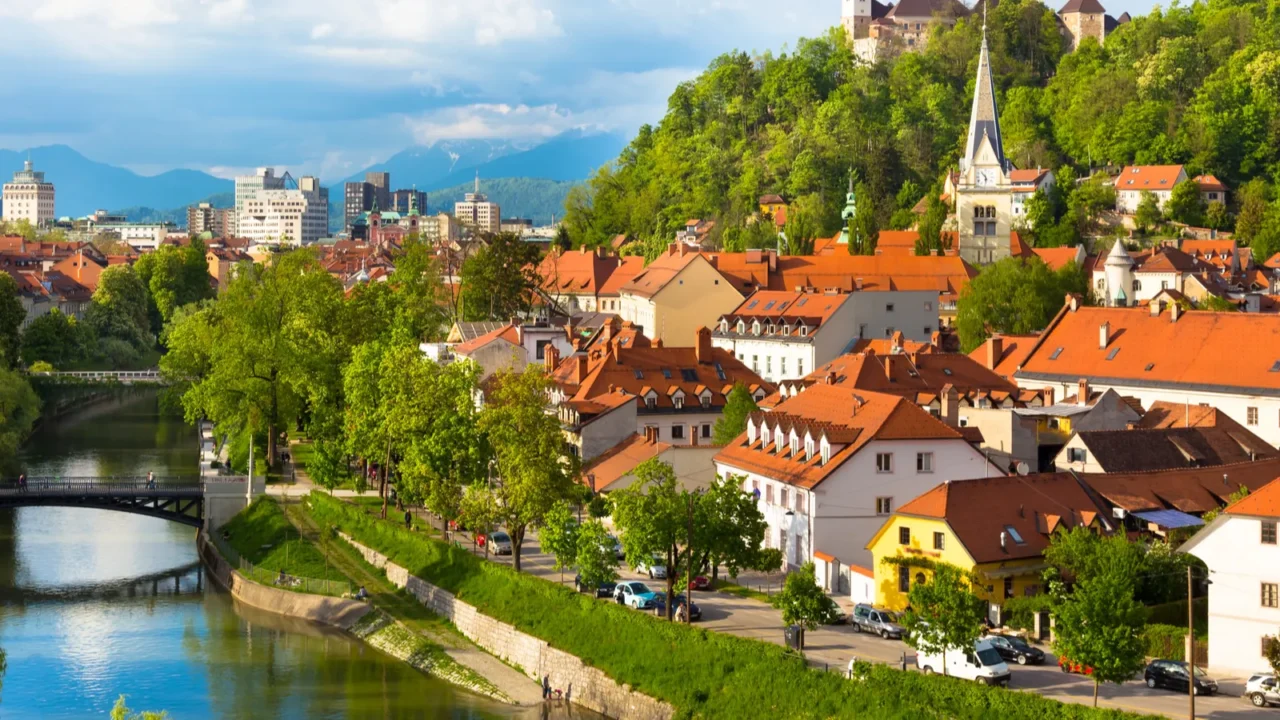
Slovenia’s green and grounded vibe
Slovenia offers something rare, nature and connectivity in equal measure. Ljubljana is compact, clean, and easy to navigate, making everyday life simple. Internet speeds rank among the best in Europe.
Weekends feel special here. Lakes, mountains, and forests are just a short drive away. For remote workers who value calm surroundings without sacrificing productivity, Slovenia feels refreshingly balanced.
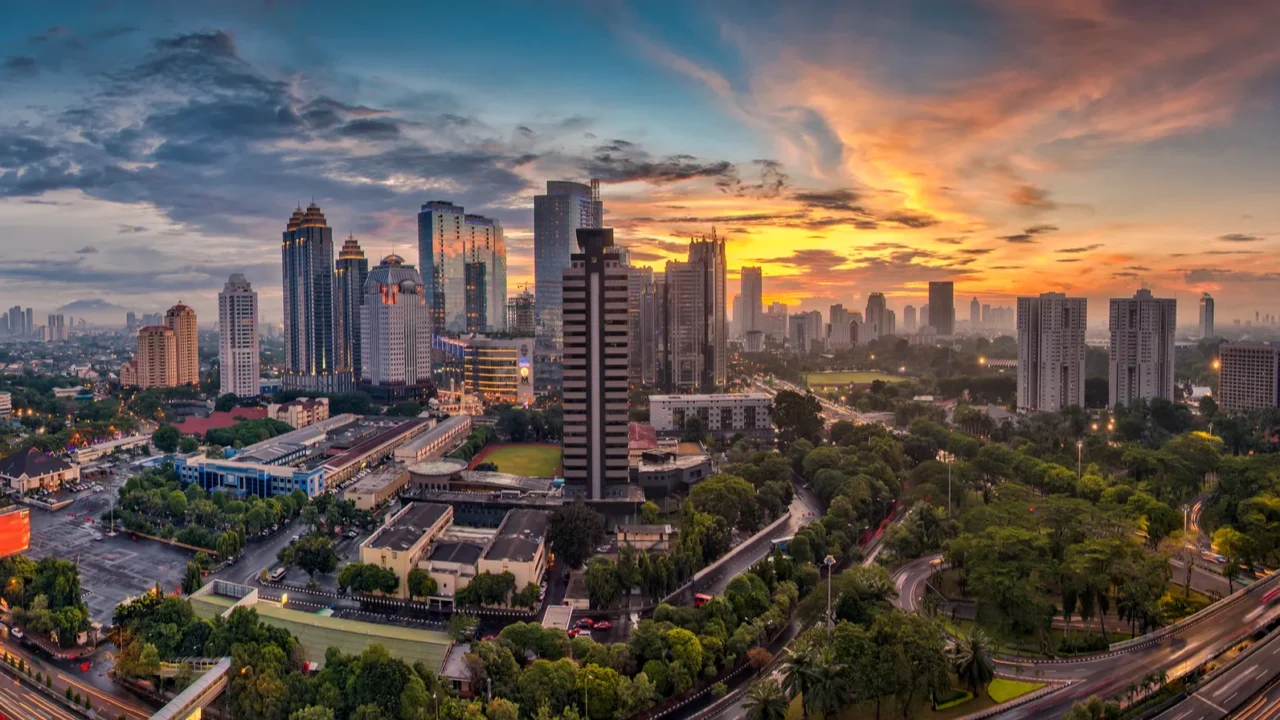
Indonesia beyond the postcard
Indonesia remains a favorite, especially for those drawn to Southeast Asia. Bali continues to evolve with coworking hubs and long-stay visa options. It’s no longer just a vacation stop.
Living costs stay manageable, and the social scene helps newcomers settle quickly. Mornings might start with video calls, afternoons with café work, and evenings with ocean sunsets. It’s familiar, yet still exciting.
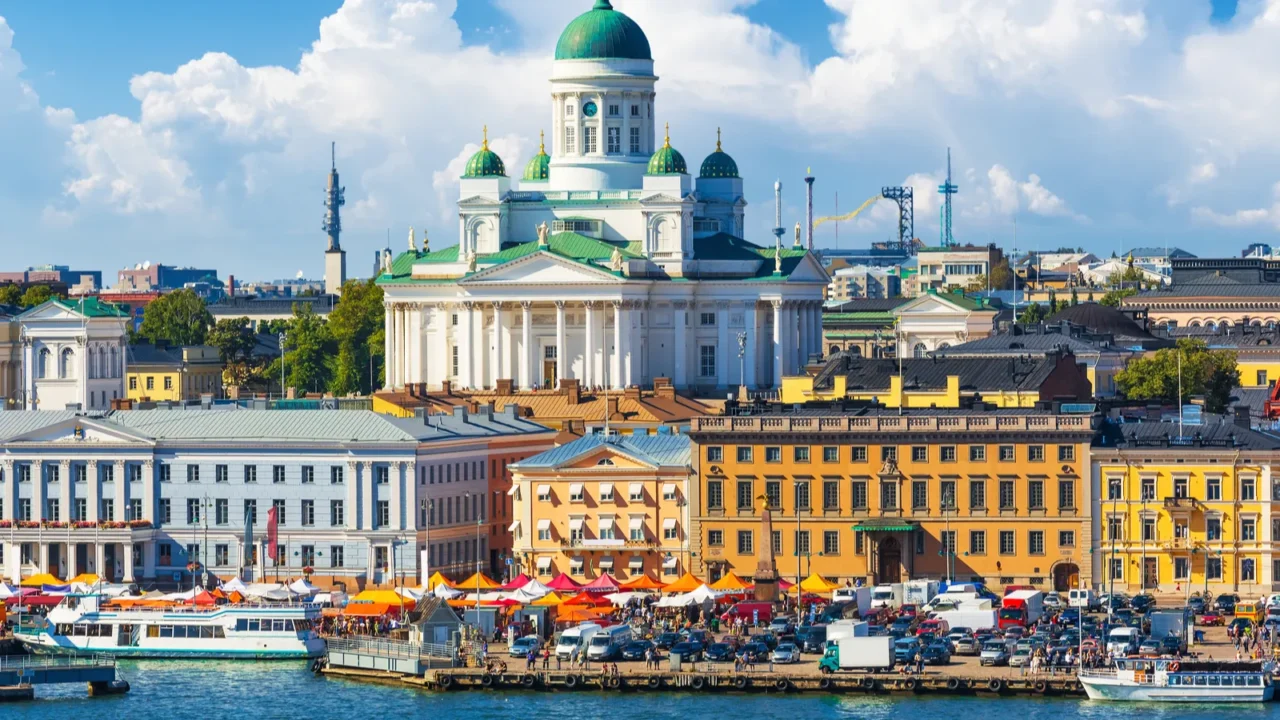
Finland’s focus on wellbeing
Finland attracts nomads who prioritize balance and structure. Internet speeds are among the fastest globally, and daily life runs smoothly. It’s a place where systems simply work.
While costs are higher, many say the trade-off is worth it. Clean cities, quiet work environments, and easy access to nature help remote workers stay focused and refreshed throughout the year.
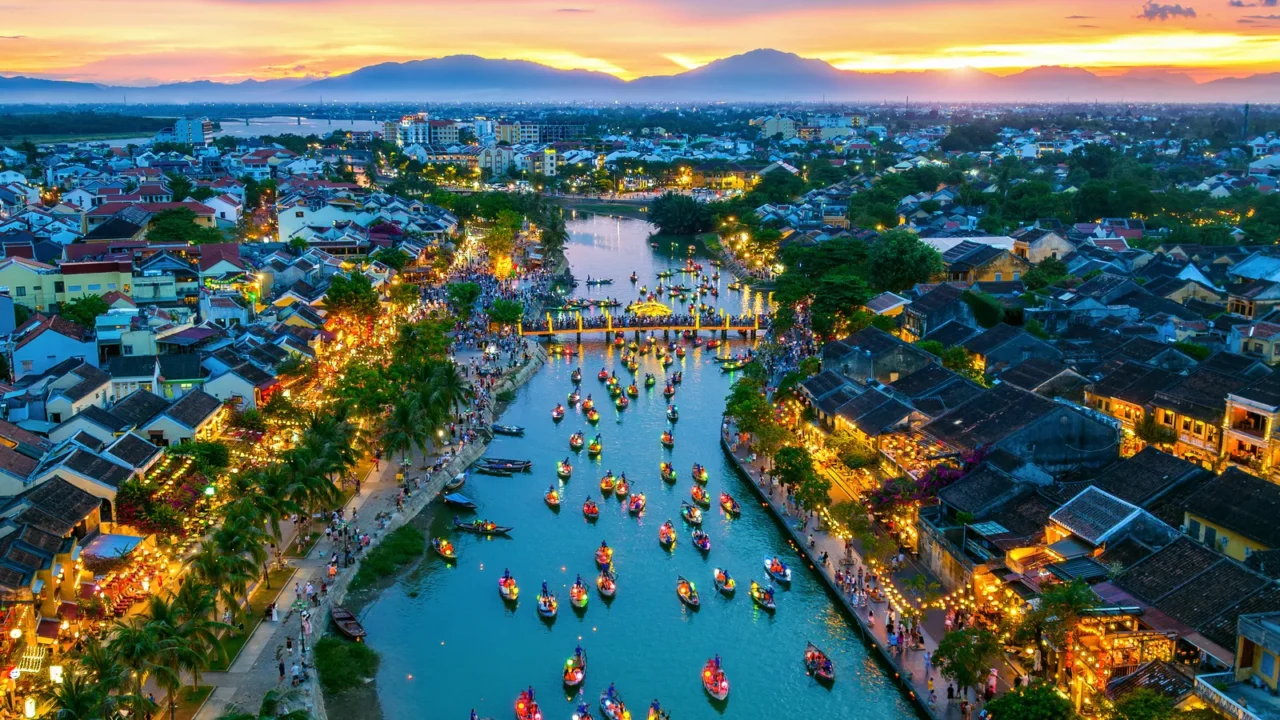
Vietnam’s fast-moving favorite
Vietnam continues to grow in popularity thanks to affordability and energy. Cities like Da Nang and Ho Chi Minh City offer strong Wi-Fi, modern apartments, and lively street life. It’s dynamic without being overwhelming.
Food is a major perk. Affordable meals, coffee culture, and walkable neighborhoods make daily routines enjoyable. For Americans seeking value and momentum, Vietnam delivers both.
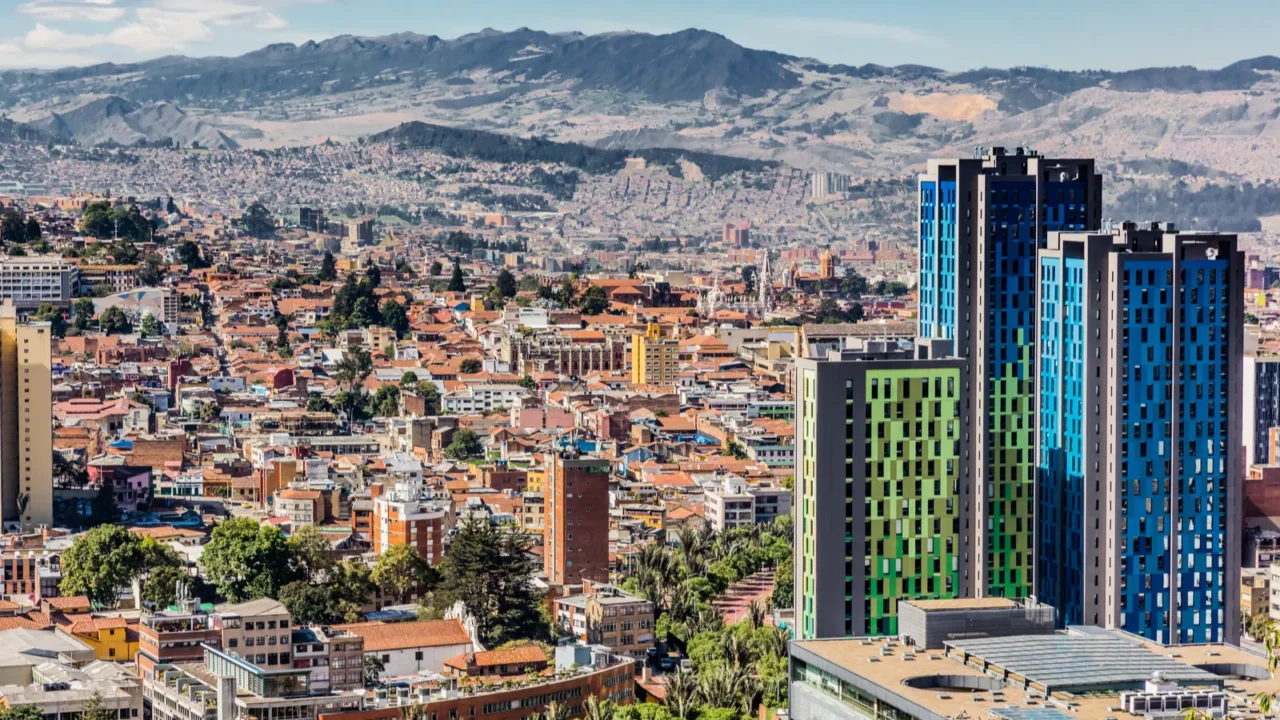
Bogotá blends hustle and history
Colombia ranked number one on Google’s list of top digital nomad destinations, and Bogotá is the city leading the way.
Bogotá offers big-city energy without big-city prices. You’ll find modern apartments, fast internet, and a growing remote-work community spread across walkable neighborhoods. The city feels familiar yet exciting, especially for first-time nomads.
Beyond work, Bogotá delivers culture in layers. Museums, food markets, and historic streets fill weekends quickly. Explore the next wave of spiritual towns becoming micro-wellness capitals, where remote work blends seamlessly with slower living and mindful routines.
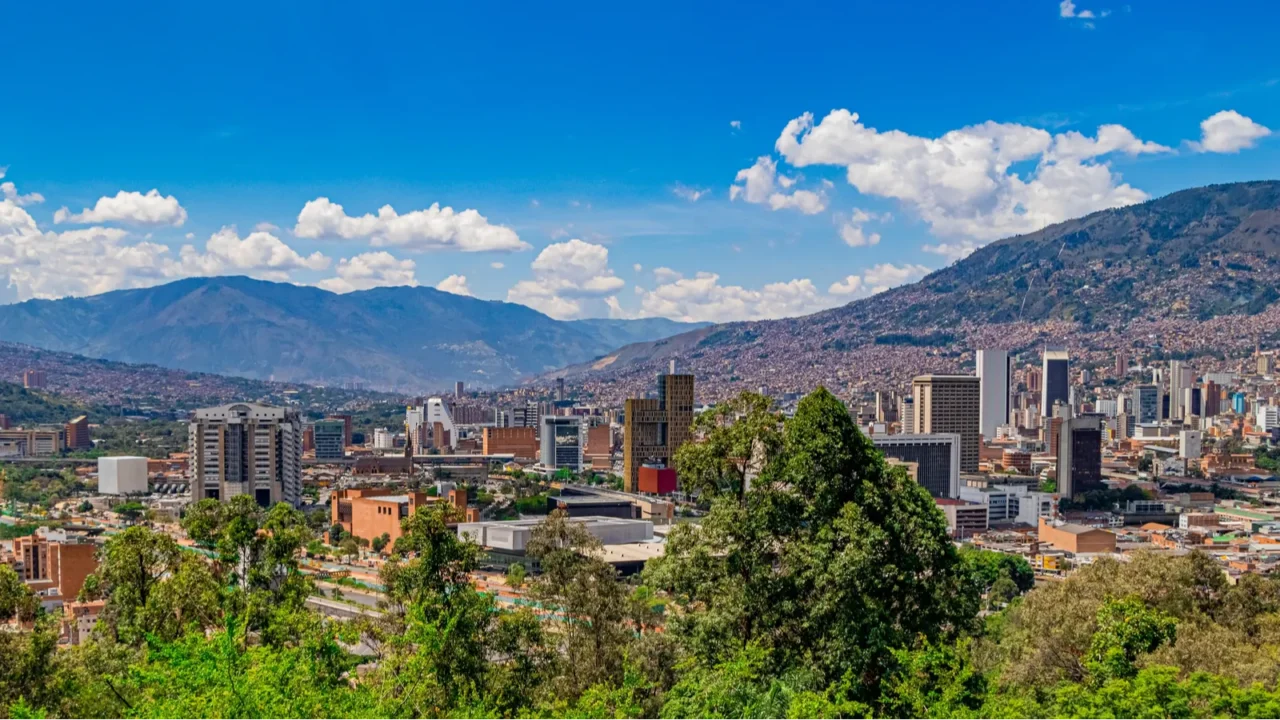
Medellín’s comeback story
The second most popular city in Colombia for remote workers is Medellín. Once misunderstood, Medellín has rewritten its story completely. Today, it’s one of Latin America’s most connected cities, with coworking spaces, green public transit, and a year-round springlike climate. The city feels built for daily routines, not just sightseeing.
Remote workers love how easy it is to balance focus and fun here. Mornings start with mountain views, afternoons with café Wi-Fi, and evenings with local food that doesn’t break the budget. It’s productive living without burnout.
Safety matters—even when working remotely. Explore which major U.S. cities rank among the safest in a new study.
If you found these insights helpful, make sure to like and drop a comment to share your thoughts on these shifting trends.
This slideshow was made with AI assistance and human editing.
Don’t forget to follow us for more exclusive content right here on MSN.
Read More From This Brand:
