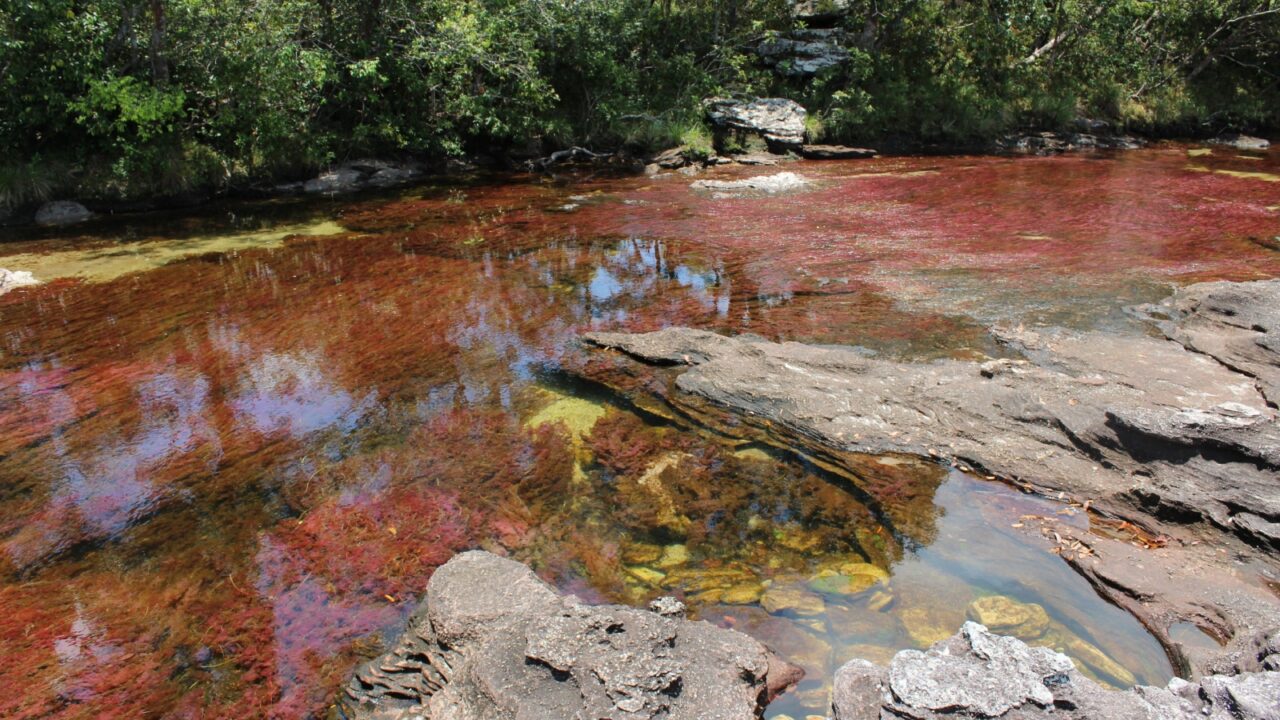
A river like paint
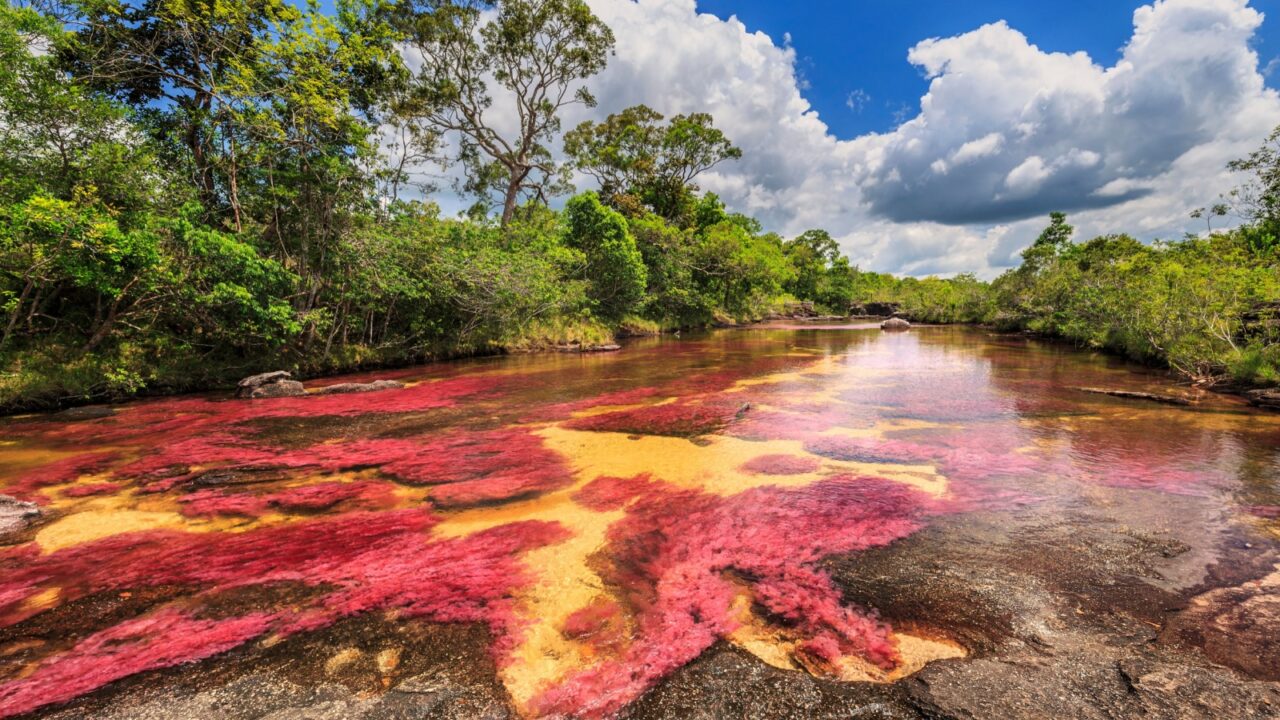
Deep in Colombia, there’s a river that looks like spilled paint across stone. For a few weeks each year, it shifts into shades of red, yellow, green, blue, and black. The sight feels unreal, yet completely natural.
This color explosion doesn’t last long. Timing, light, and water levels must align perfectly. Let’s take a closer look!
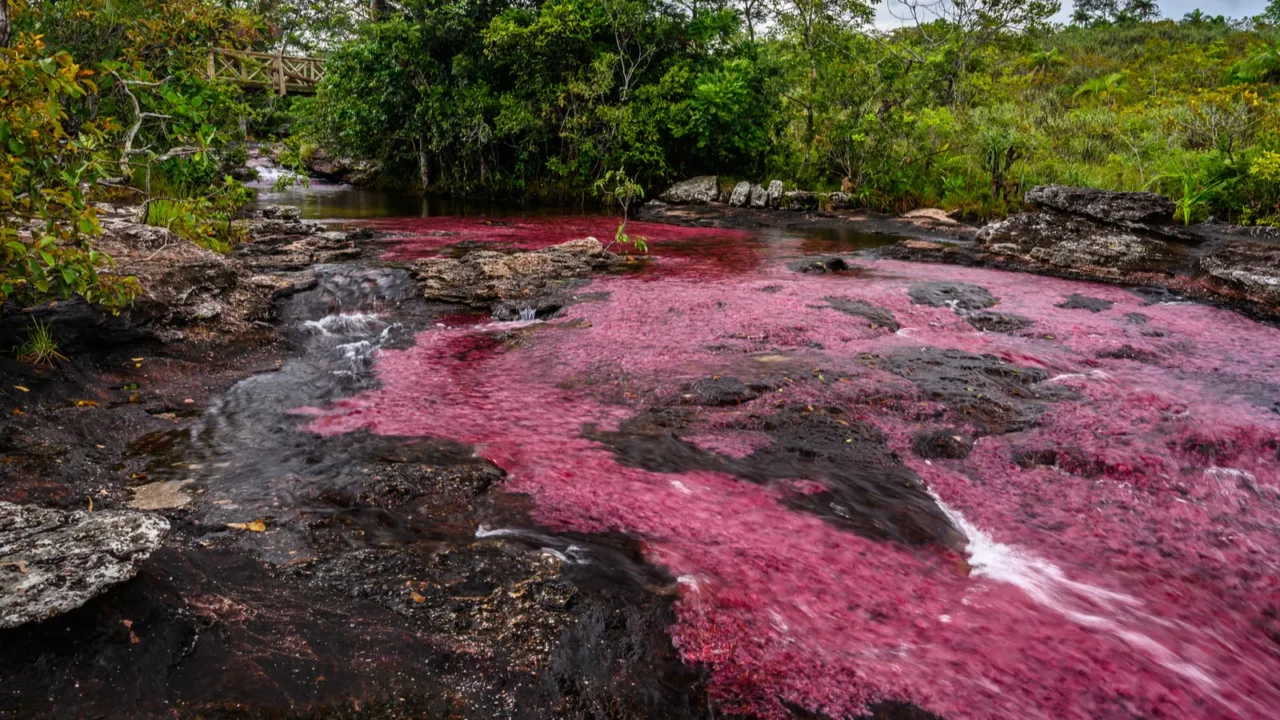
Where it flows
This river is the Caño Cristales, located in the Serrania de la Macarena National Park. The region sits where the Andes, Amazon, and Orinoco meet. That unique location shapes everything around it.
The park is remote and protected. Dense jungle and rocky plateaus surround the river. Getting there already feels like an adventure.
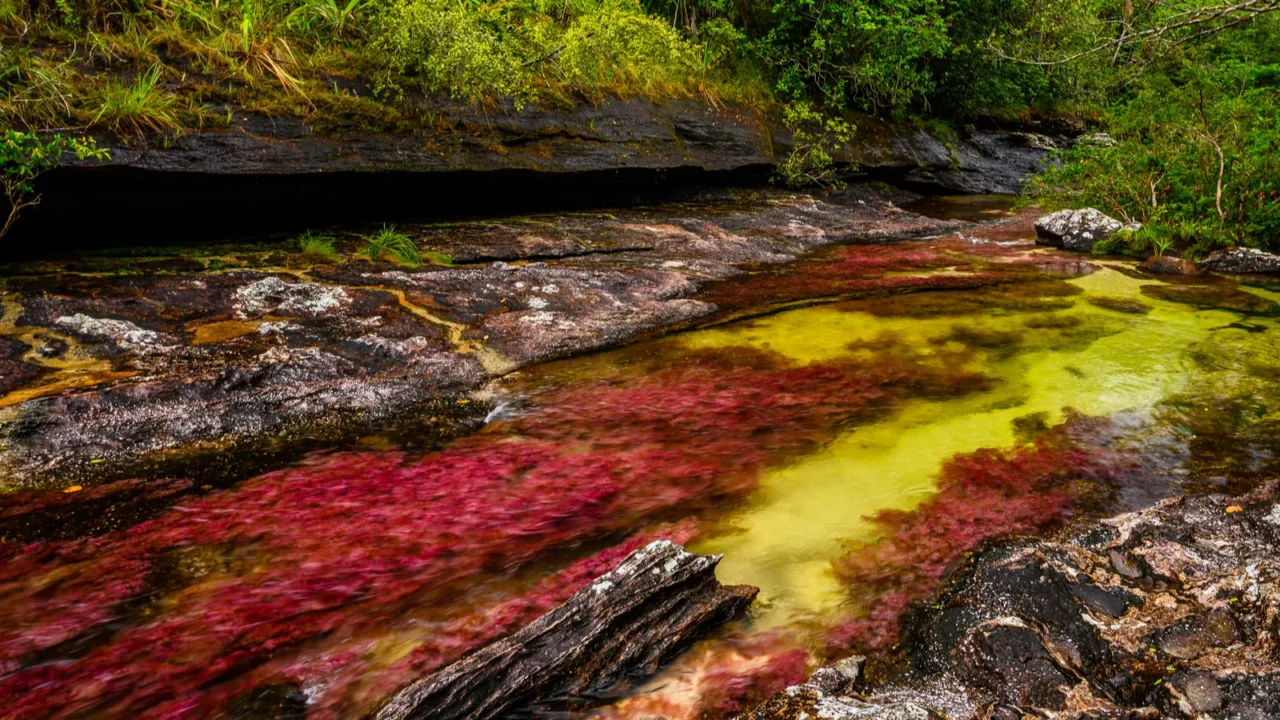
The color source
The colors don’t come from minerals or pollution. They come from an aquatic plant called Macarenia clavigera. This plant grows only in this river system.
When conditions are right, the plant turns vivid red. Sunlight, water depth, and temperature control the shades. Other tones appear as light reflects off rocks and algae.
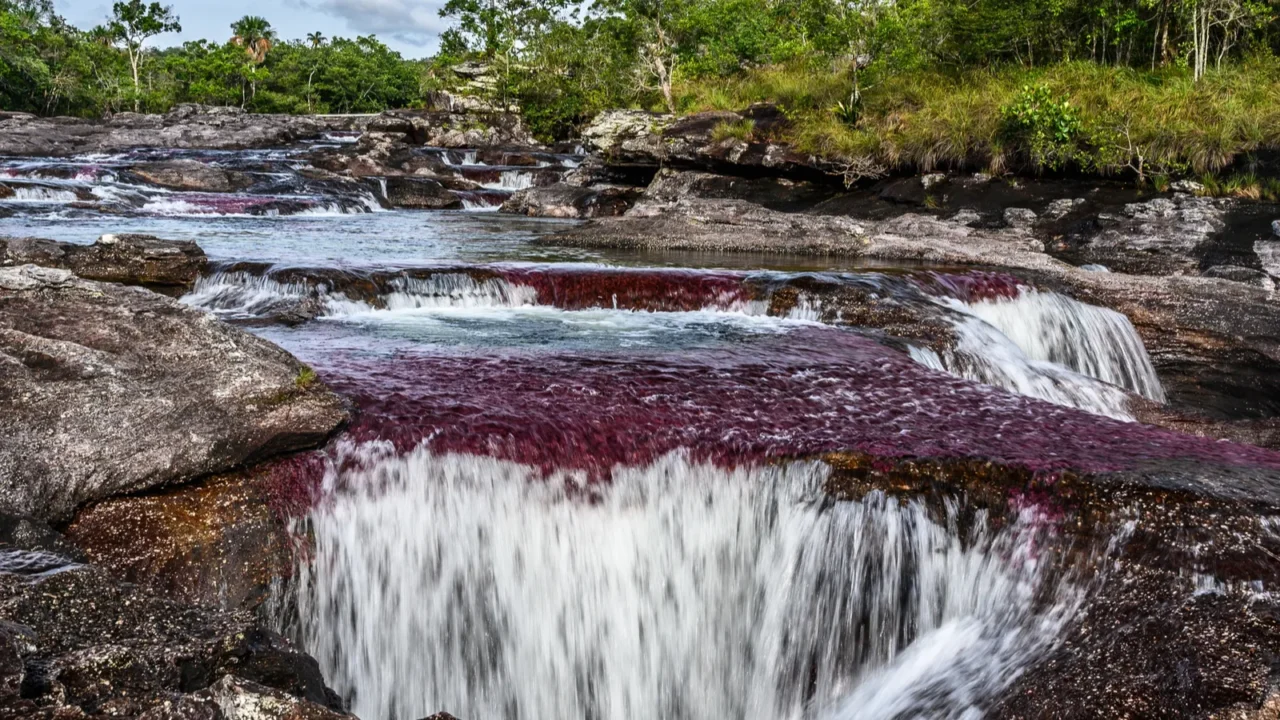
A short blooming window
The river only blooms between late June and November. Too much rain washes the plants away. Too little water dries them out.
This narrow window makes every visit feel rare. Travelers plan carefully around seasons. Missing the timing means missing the colors.
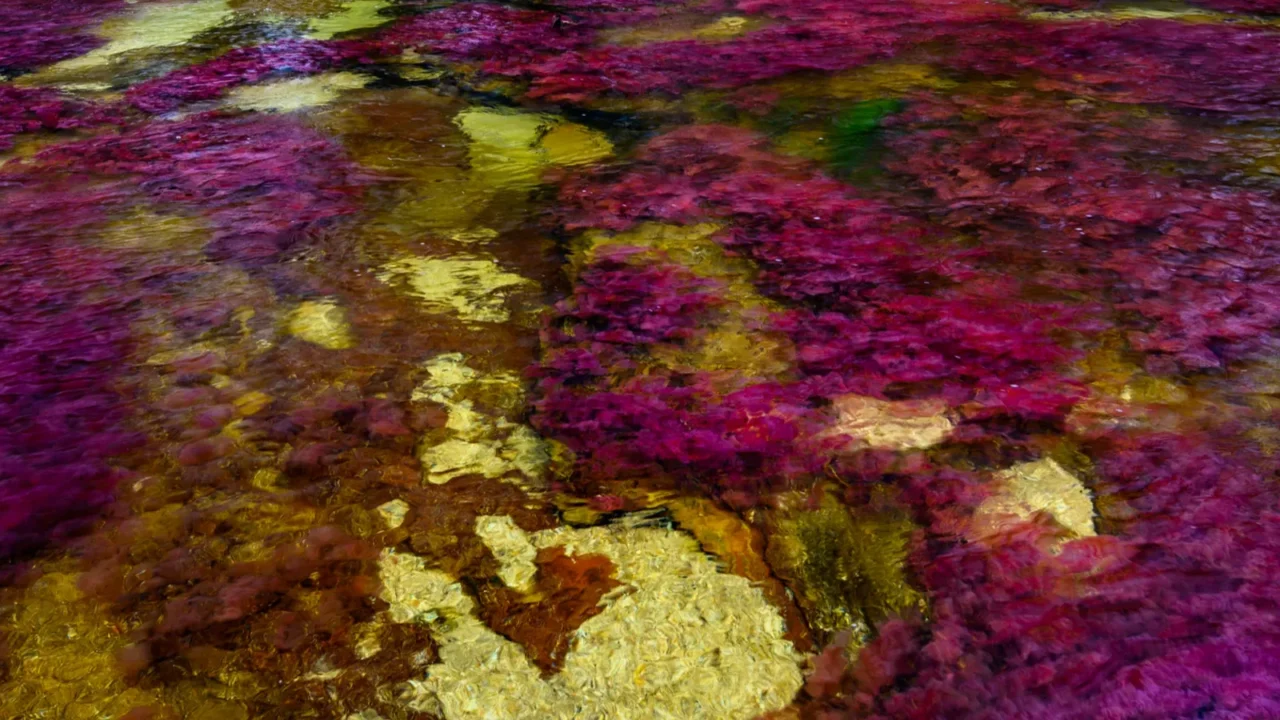
Five colors explained
Red comes from the blooming aquatic plants. Yellow appears where sand and sunlight meet. Green forms from moss and shallow vegetation.
Blue reflects the sky and clear water. Black comes from dark rock formations below. Together, they create a constantly shifting palette.
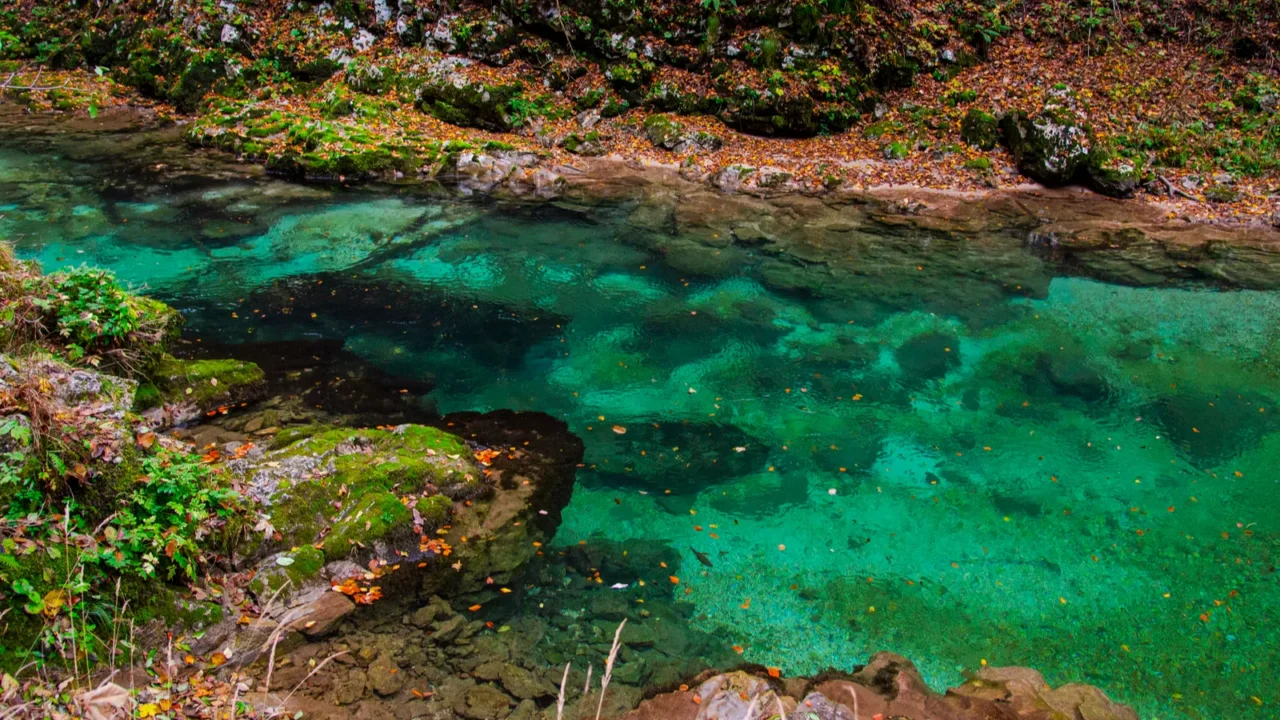
Clear water matters
Caño Cristales is known for exceptionally clear water. There’s almost no sediment flowing through it. That clarity allows colors to appear bright and crisp.
The rocky riverbed filters impurities naturally. This purity supports delicate plant life. It also makes every color more intense.
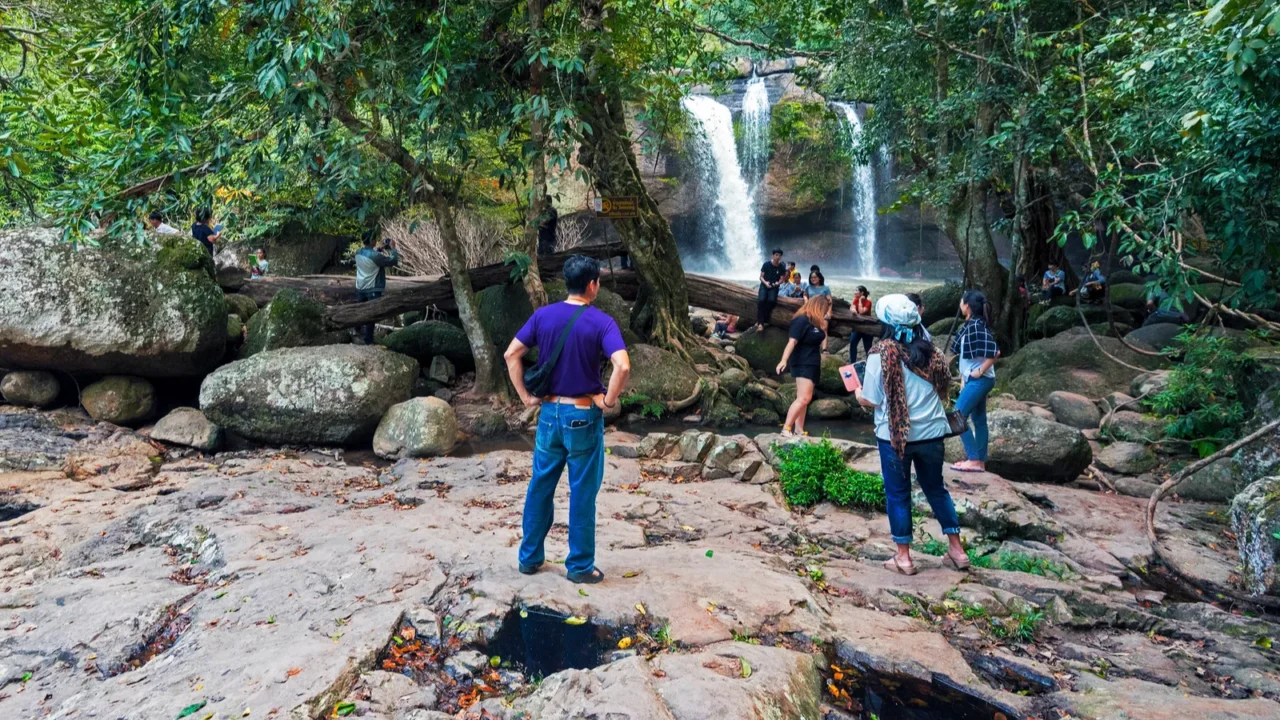
Walking the river
Travelers hike alongside the river on guided routes. Wooden paths and rock crossings reduce environmental impact. Every step is carefully planned.
Pools form naturally between rock shelves. These calm sections invite quiet observation. Movement through the area feels respectful and slow.
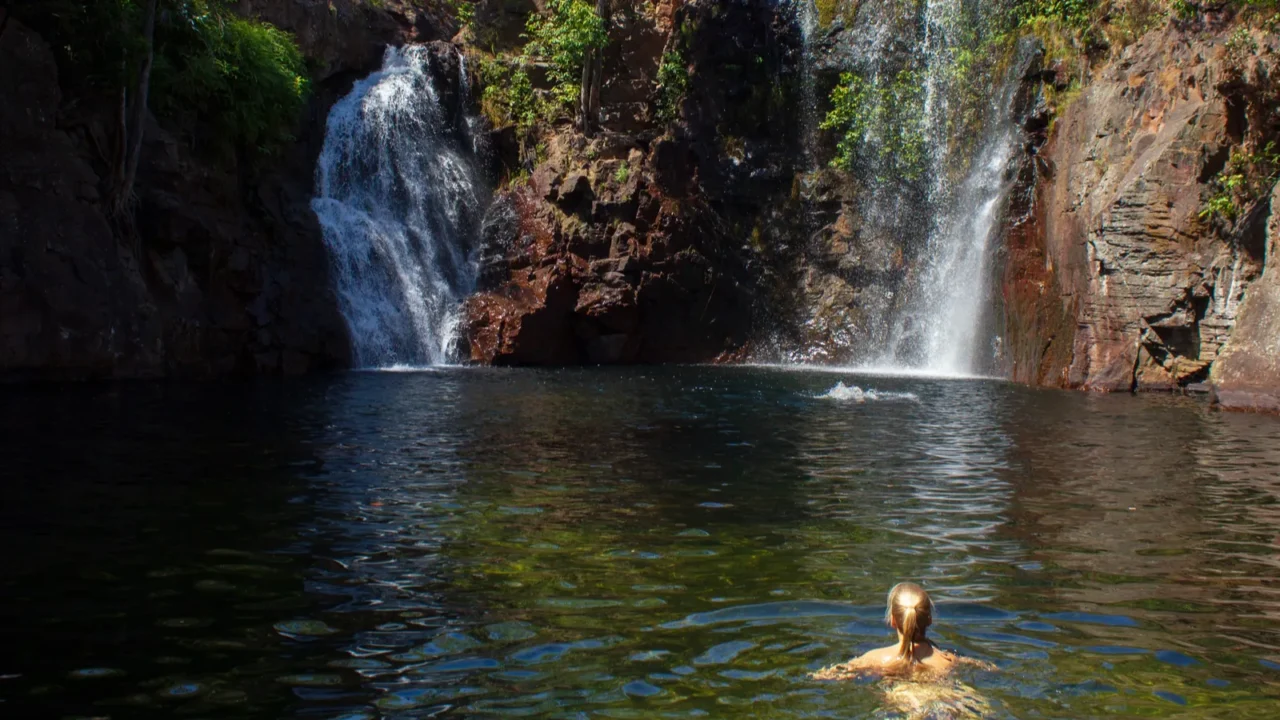
Protected and controlled
Visitor numbers are limited each season. Swimming is allowed only in designated areas. Sunscreen and chemicals are strictly prohibited.
These rules protect the fragile ecosystem. Local guides enforce conservation measures. Responsible access keeps the river alive.
Not always colorful
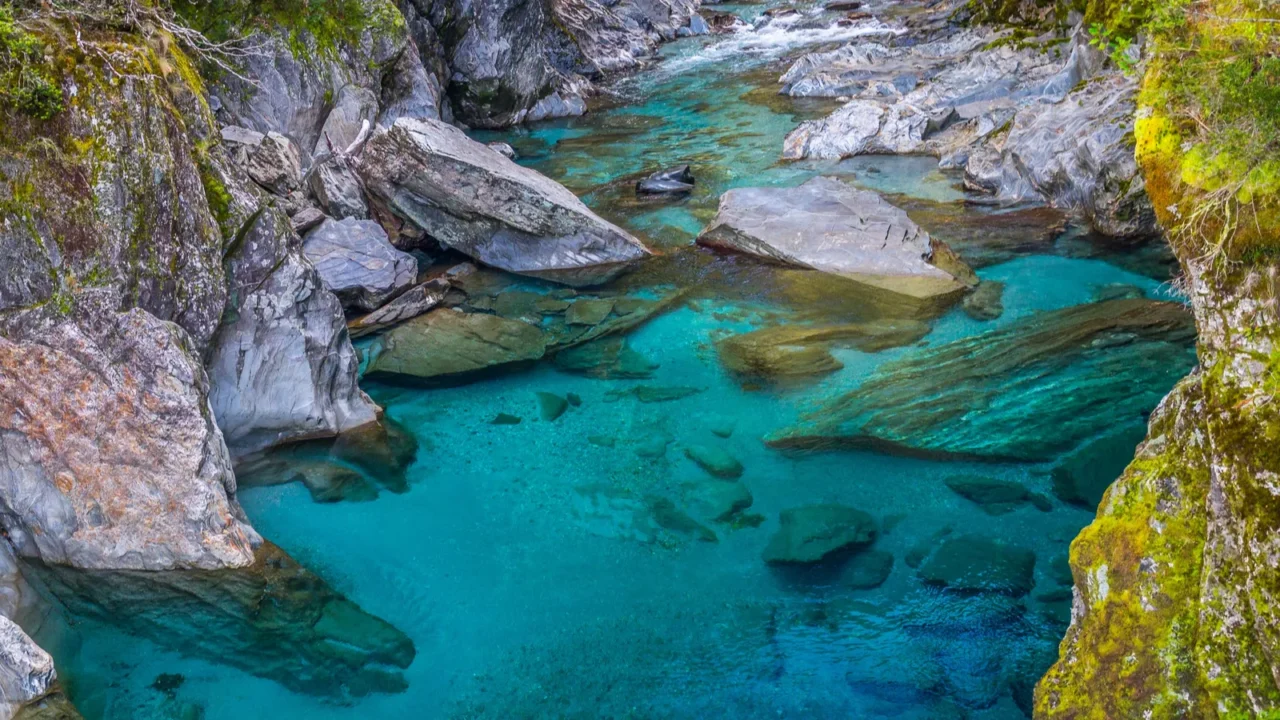
Outside blooming season, the river looks completely different. Clear water flows over gray stone. The dramatic colors vanish entirely.
This contrast surprises many travelers. It highlights how rare the phenomenon truly is. Nature controls the show, not schedules.

Wildlife nearby thrives
The surrounding park supports rich biodiversity. Birds, monkeys, reptiles, and insects live nearby. The river plays a role in the larger ecosystem.
This isn’t an isolated attraction. It’s part of a living landscape. Travelers often notice more than just the colors.
A symbol of recovery
For years, the region was difficult to access. Improved safety reopened it to travelers, much like how Thailand’s floating markets, which operate like river cities, have evolved into organized cultural destinations. Tourism now supports local communities.
Guides, lodges, and conservation programs benefit directly. The river has become a symbol of renewal. Nature and people move forward together.
Nature’s rare performance
Caño Cristales proves nature doesn’t need exaggeration. Its beauty depends on timing, balance, and care. That makes it unforgettable.
The most powerful places appear briefly and leave lasting impressions. A river that blooms with color reminds travelers to slow down and pay attention. Which natural phenomenon has amazed you the most on your travels? Share your thoughts below.
This slideshow was made with AI assistance and human editing.
Don’t forget to follow us for more exclusive content right here on MSN.
Read More From This Brand:
