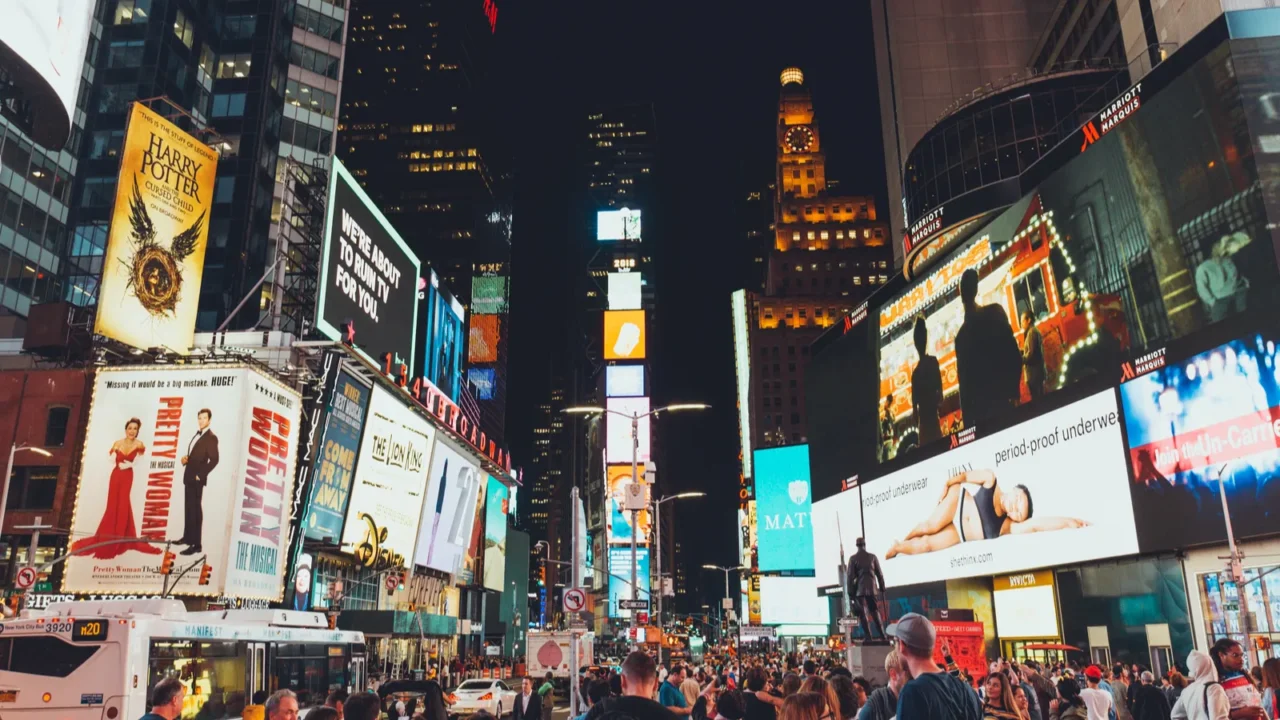
Overtourism’s big moment
Cities once celebrated for their beauty are now wrestling with too many visitors and not enough room for locals. Overtourism has transformed streets, squares, and historic neighborhoods into overcrowded zones that strain infrastructure and disrupt local life. This global shift is prompting governments to rethink how tourism should work in the 21st century.
Across Europe and Asia, city leaders are rolling out rules to manage visitor numbers, limit disruptive behaviors, and preserve cultural heritage. These changes reflect a growing understanding that sustainable travel benefits residents and visitors alike. The result is a travel landscape that demands more respect for people and places around the world.
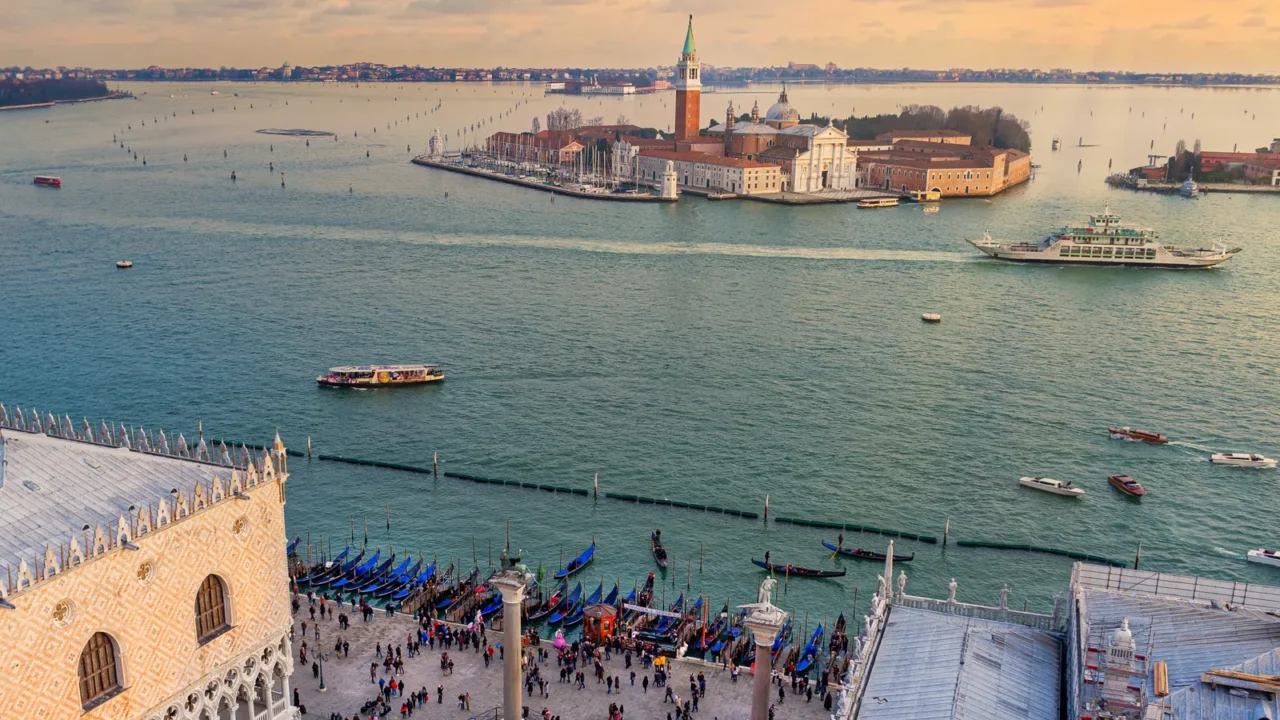
Venice’s visitor price tag
Venice, Italy’s iconic canal city, has become the poster child for overtourism. The city introduced a day visitor fee to reduce strain on its historic center, charging between €5 and €10 on peak days. This approach encourages travelers to plan and stay longer rather than crowding narrow streets for a few hours.
Officials have also banned large tourist groups and imposed fines for poor behavior, aiming to protect fragile buildings and improve residents’ daily lives. For Venice, the goal is clear: keep its cultural magic alive without sacrificing livability.
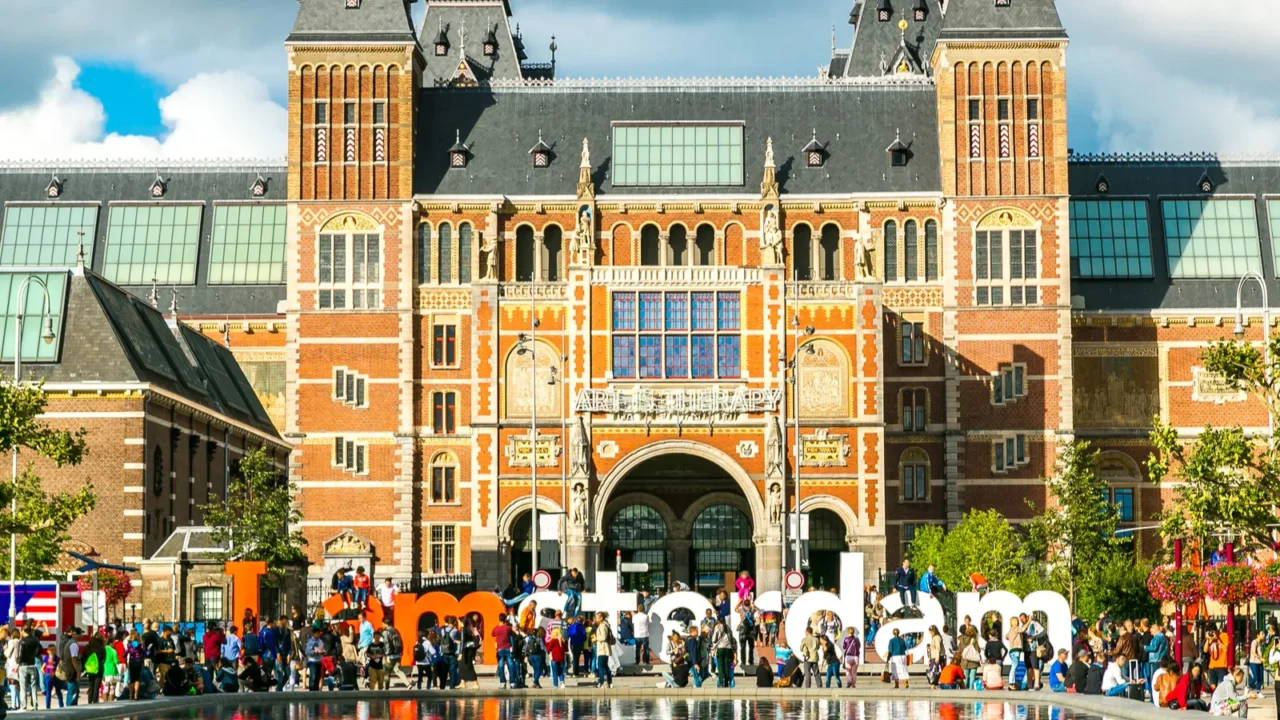
Amsterdam’s tourism reset
Amsterdam in the Netherlands is taking bold steps to manage visitor impact. The city has capped annual overnight stays at 20 million and banned new hotel construction in its center to prevent overdevelopment. Amsterdam also restricts river cruises and discourages party‑centered tourism with targeted campaigns.
Public spaces, once dominated by souvenir shops and crowded canals, are now being reimagined to strike a balance between resident needs and visitor enjoyment. This strategy reflects a growing consensus that tourism should enrich cities without overwhelming them.
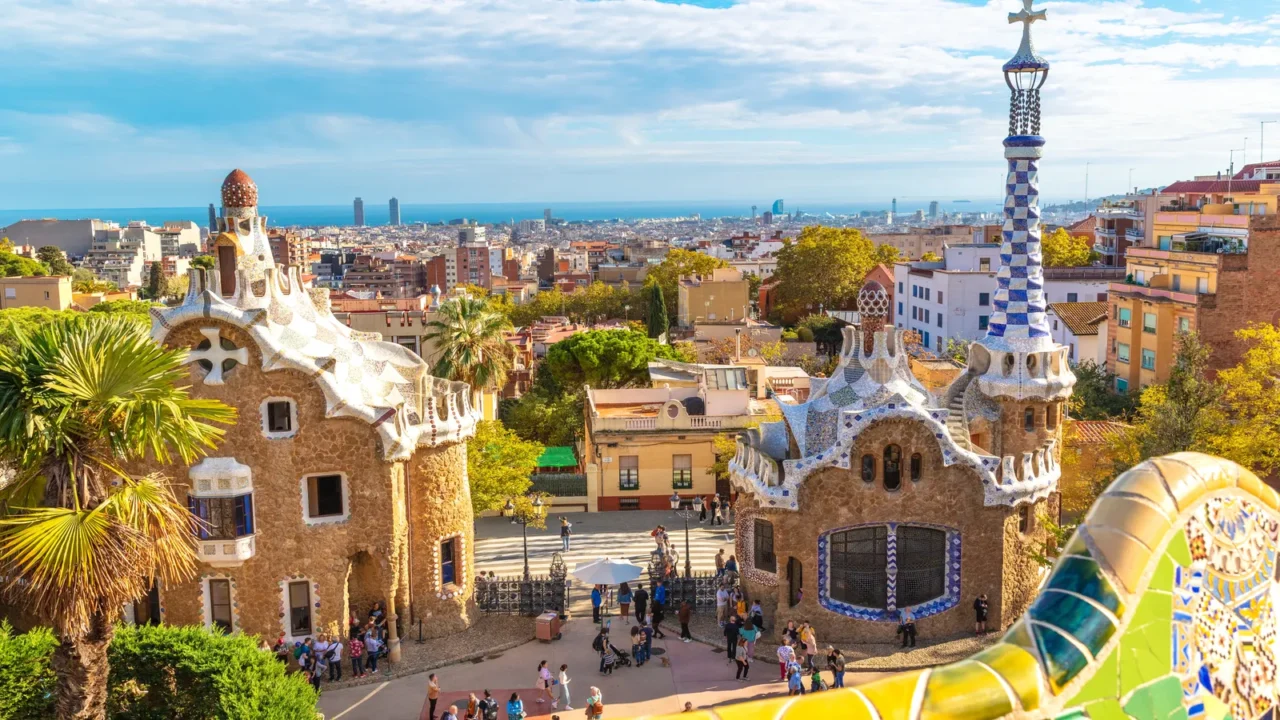
Barcelona’s strategic changes
Barcelona, Spain’s vibrant Catalan capital, has faced fierce backlash from locals as millions crowd its streets each year. The city increased its hotel tourist tax and plans to ban new short‑term rental licenses in historic districts to ease housing pressure and traffic bottlenecks.
A new pedestrian plaza at La Sagrada Familia aims to reduce congestion by giving visitors space to spread out, which makes the area more pleasant for residents and tourists alike. Barcelona’s approach shows that managing numbers and redesigning public spaces can coexist as a smart tourism policy.
Dubrovnik’s historic balance
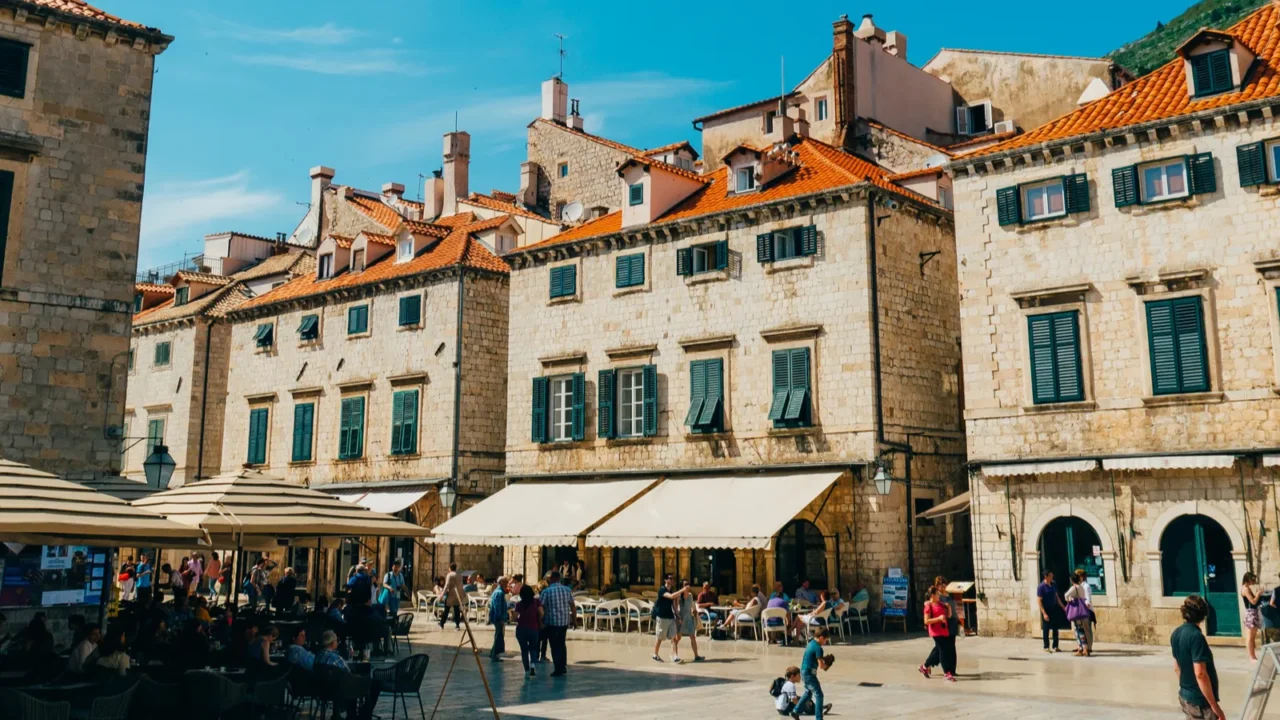
Dubrovnik, Croatia, is famous for its ancient city walls and Game of Thrones fame, but its charm once made it Europe’s most overcrowded destination. Now, the city officials limit vehicle access near the Old Town and have reduced the number of taxis and souvenir stands to ease overcrowding.
Promoting shoulder‑season travel has also helped spread visitation throughout the year, giving residents and visitors better experiences while preserving this treasured UNESCO Heritage site.
Kyoto’s quieting measures
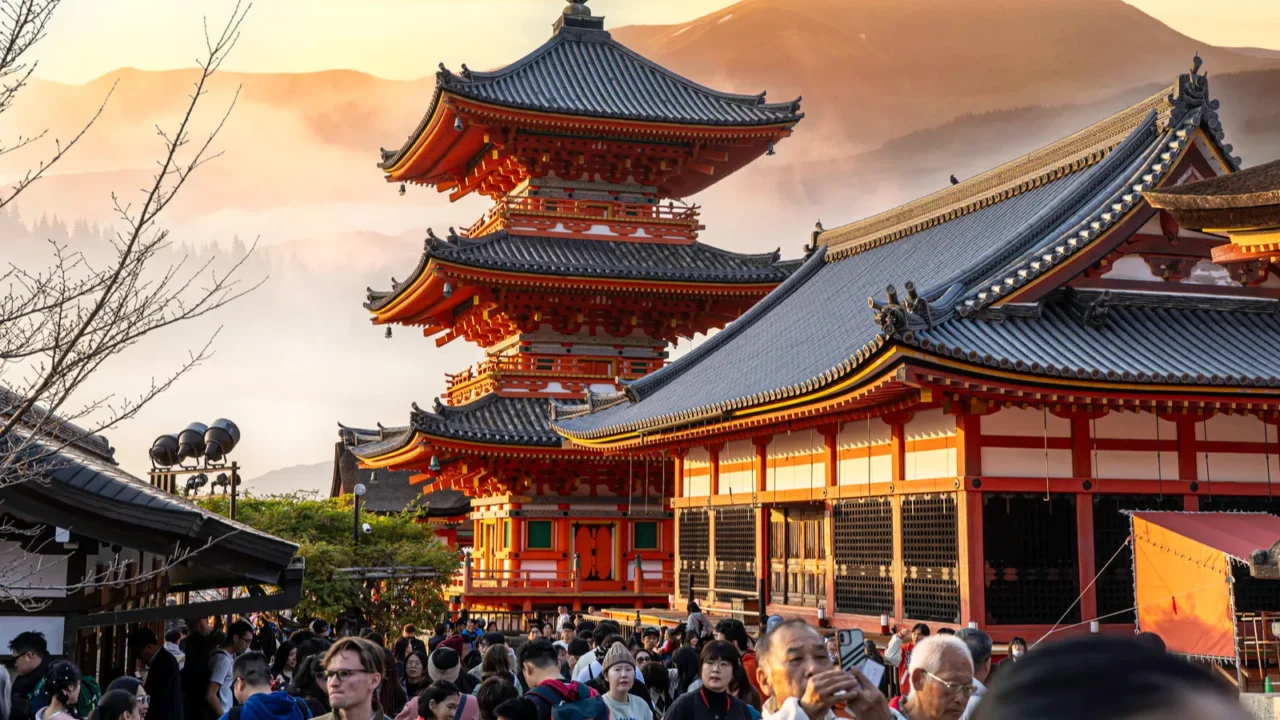
Kyoto, Japan, blends traditional culture with ancient temples, yet it became so popular that city officials moved to manage its flow. Leaders are raising accommodation taxes significantly and regulating access to narrow historic alleys that can’t sustain huge crowds.
These steps aim to slow down legendary foot traffic at must‑see spots like Gion and protect delicate neighborhoods while encouraging deeper engagement with Japan’s artistic heritage.
Cannes slows cruise crowds
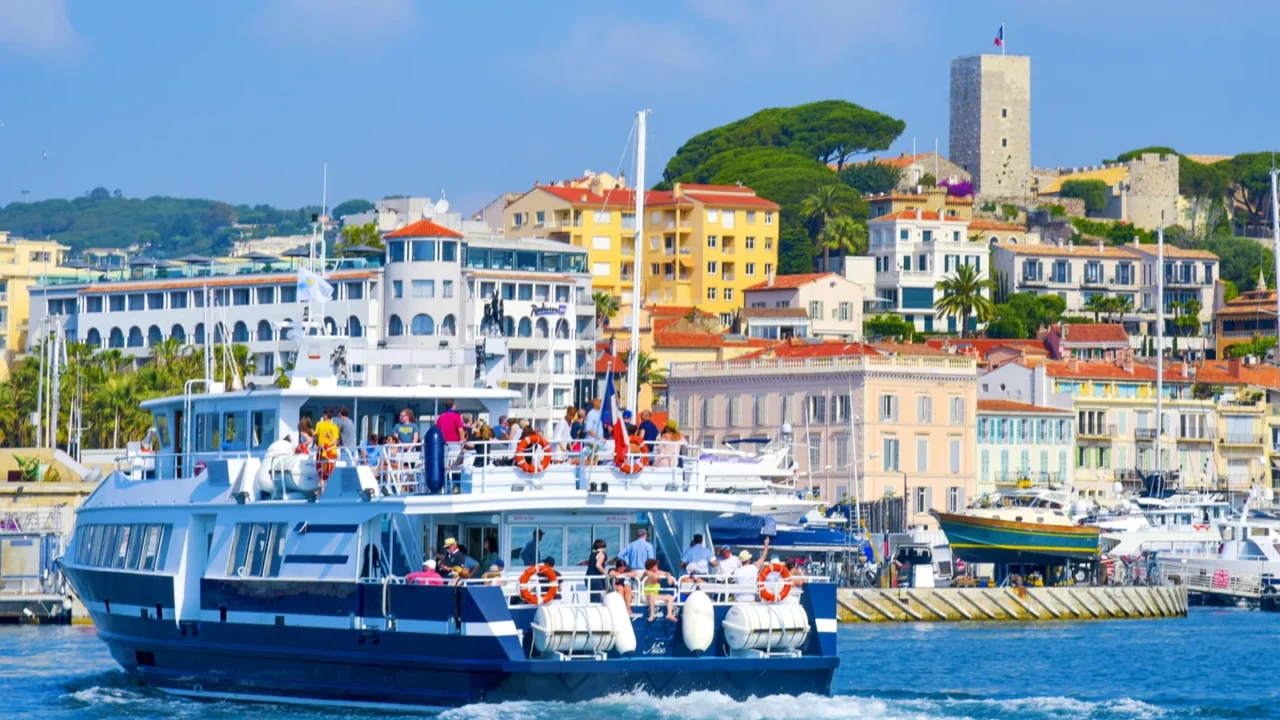
Cannes, perched on the French Riviera and world famous for its film festival, will cap cruise passengers daily and phase out ultra‑large ships by 2030. This limits day trippers who can overwhelm beachside promenades and historic streets.
By anchoring larger vessels offshore and transferring visitors with smaller boats, Cannes keeps its coastal charm intact while preserving marine environments and the quality of life for locals.
Portugal’s behavior rules
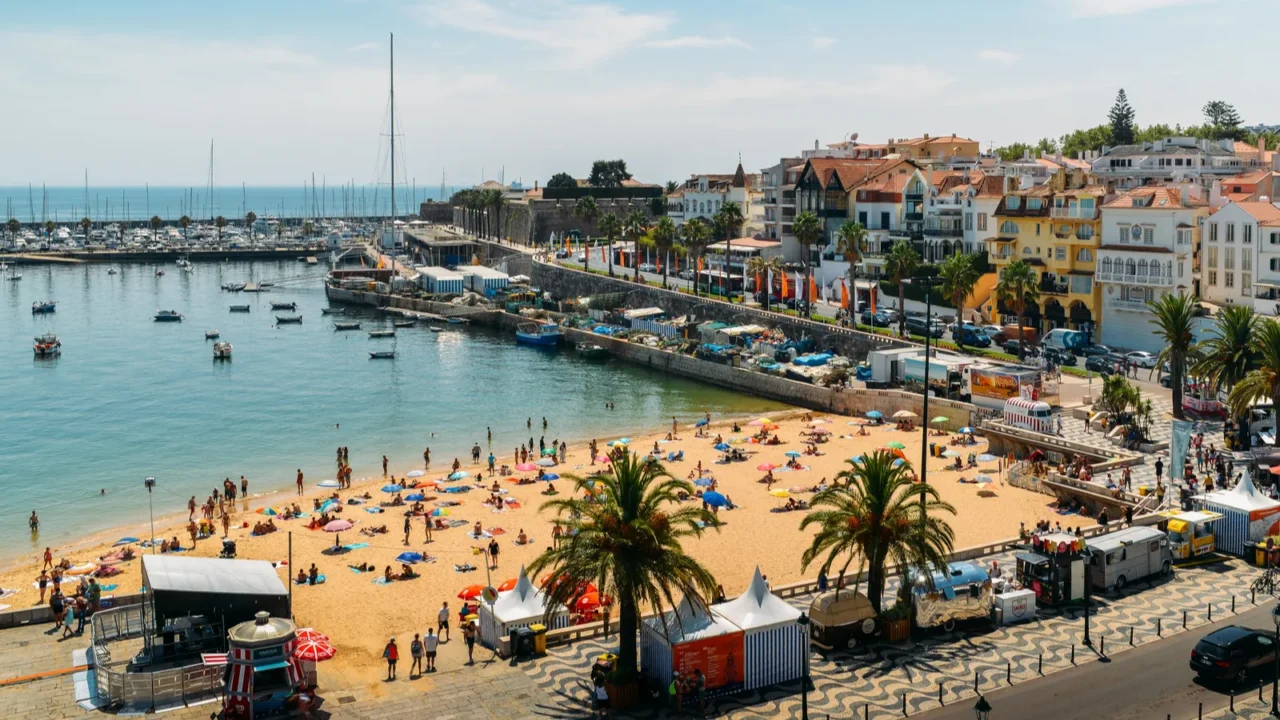
In Portugal, coastal towns like Albufeira have introduced fines for public conduct, including wearing swimwear in town or drinking alcohol in public at night. Noise restrictions and shortened bar hours help restore peace for residents and improve visitor experiences.
These measures show how cities can shape respectful tourism cultures rather than just counting visitors, influencing traveler behavior in ways that protect people and places.
Why cities are acting
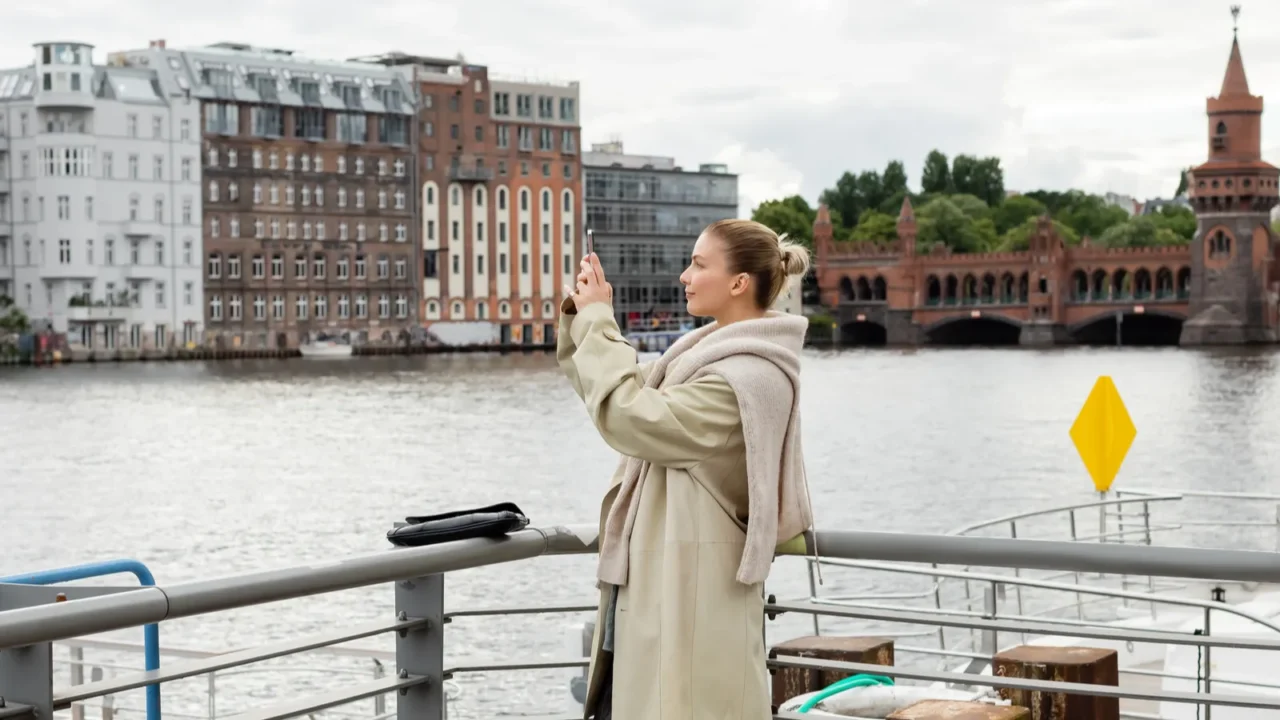
Tourism brings essential economic benefits, yet unregulated growth can push locals out of neighborhoods, strain services, and erode cultural heritage. Cities now view sustainable visitor management as key to long‑term prosperity.
The aim is not to block tourism but to share its benefits equitably while protecting everyday life, historic structures, and local identity. This shift marks a new era in global travel policy.
The resident perspective
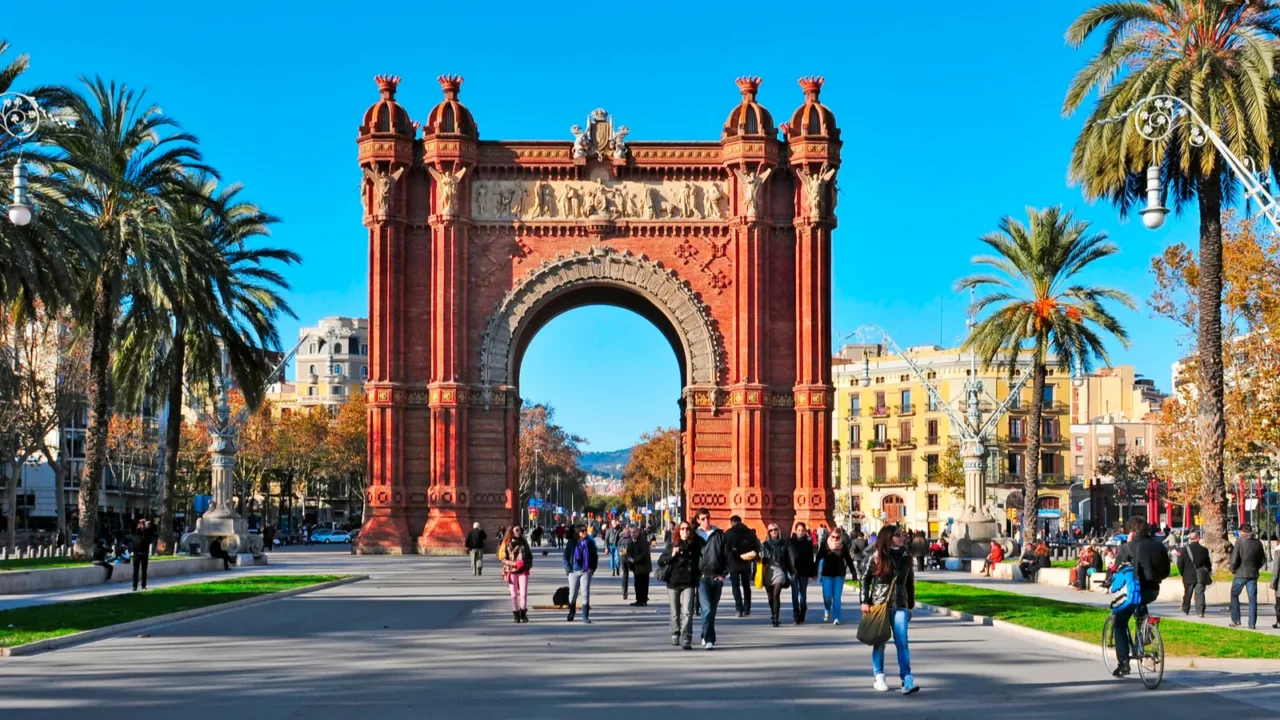
From Amsterdam to Barcelona and beyond, resident voices are shaping tourism policy. People tired of noise, overcrowding, and rising rents are demanding limits on short‑term rentals and tourist services that displace locals.
Community groups are pushing for tourism that respects neighborhoods, supports local businesses, and protects cultural heritage rather than turning cities into theme parks.
Peak season solutions
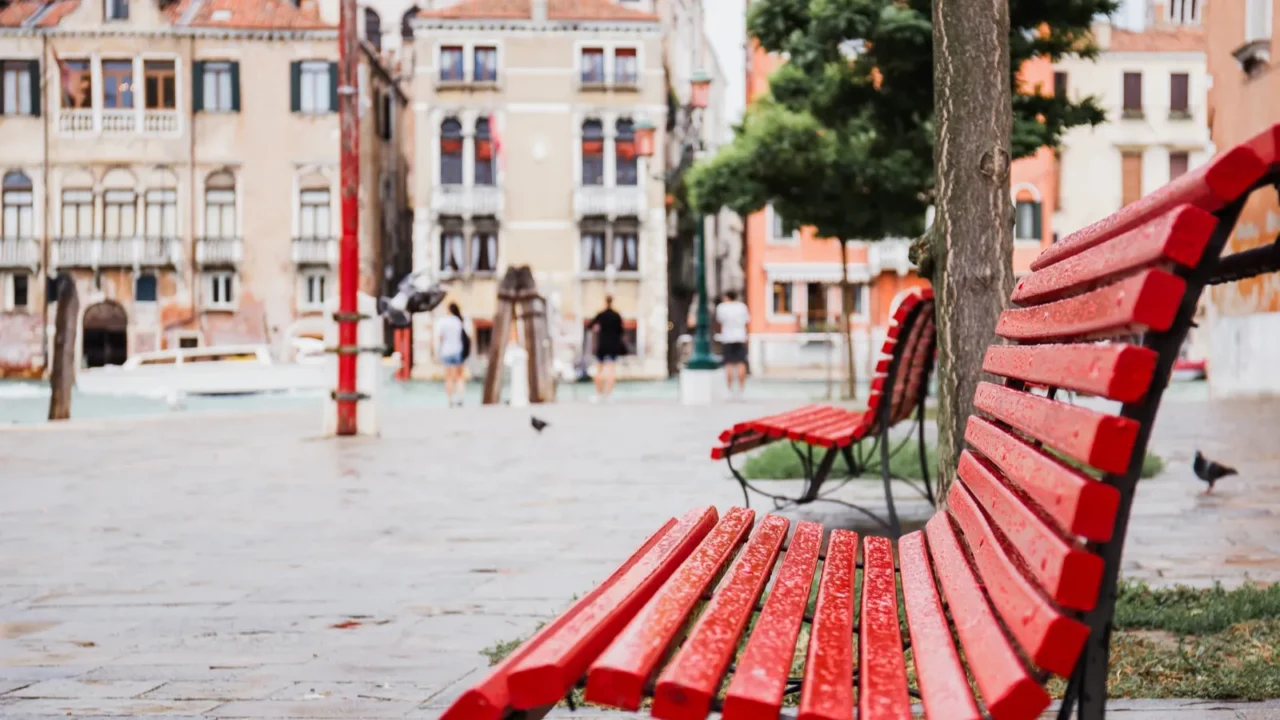
Cities such as Venice now manage peak season crowds with entry fees and caps on group sizes, encouraging travelers to visit off‑peak and for longer stays. These strategies reduce congestion and spread tourism benefits more evenly throughout the year.
By shaping demand and encouraging thoughtful planning, destinations can preserve their core attractions without sacrificing resident wellbeing.
Economic and cultural impact
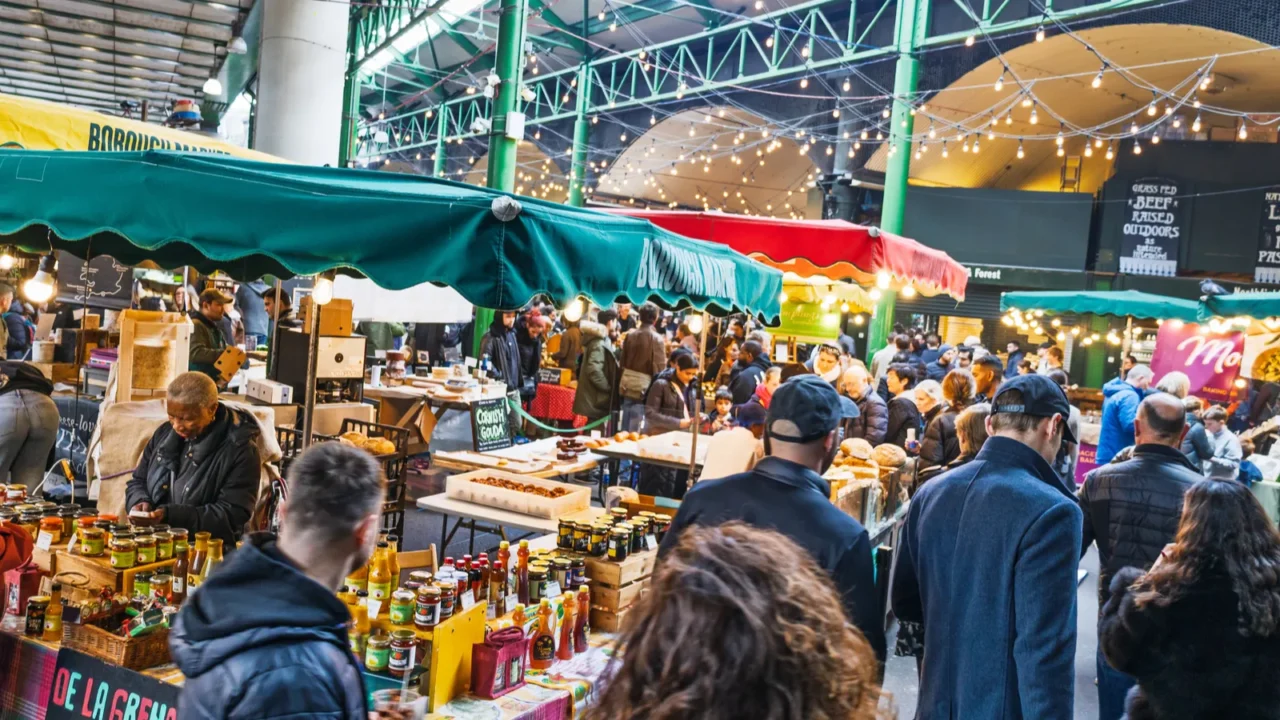
Cutting back on overtourism doesn’t mean killing travel dollars. Instead, cities are prioritizing higher quality over sheer numbers, attracting visitors who value culture, history, and community.
This shift supports local economies more sustainably and safeguards cultural treasures for future generations of travelers and residents alike, while opening space for experiences like micronation tourism, where smaller places thrive by offering meaning rather than mass appeal.
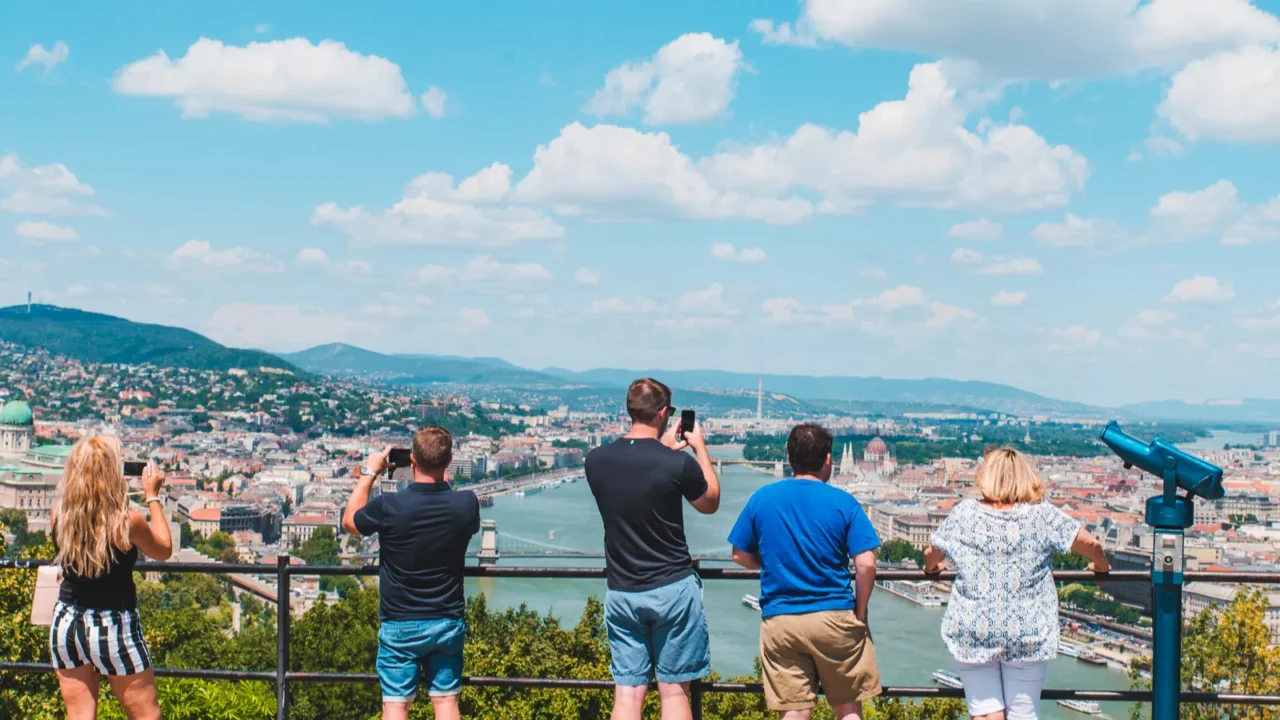
Rethinking travel values
As cities around the world reinvent how tourism works, travelers are learning that responsible travel enriches both visitor experiences and local life. These policies encourage curiosity, respect, and connection over crowds and chaos.
The future of travel lies in balance, where people explore with intention and destinations thrive without being overwhelmed, a shift closely tied to the rise of culinary tourism, where food becomes a deeper, more sustainable way to understand place.
As cities draw new boundaries around tourism, will travelers keep following the crowd, or redefine what a meaningful journey looks like in a world asking for more care and intention?
This slideshow was made with AI assistance and human editing.
Don’t forget to follow us for more exclusive content right here on MSN.
Read More From This Brand:
