
Travel routes are shifting
Global travel isn’t just about passports and planes anymore. Behind the scenes, geopolitical changes are quietly reshaping how people move across the world. Borders, airspace, and safety concerns now factor into where holidaymakers plan trips, and it’s changing familiar travel rhythms. Let’s dive in!
These shifts aren’t always obvious on the surface. They come from diplomacy, conflict, and strategic moves by nations. Travelers feel them most when routes change or destinations lose their shine.

Airspace restrictions reroute journeys
Flights often take for granted a clear path through the skies. But when tensions rise between countries, airspace closures can change that overnight. That forces airlines to reroute, adding time and cost to popular connections between regions like North America and East Asia.
Routes that once flew over Russia now avoid that corridor, lengthening travel and increasing fuel costs. Airlines adjust schedules and planes daily to keep services reliable. What felt normal before becomes part of the planning narrative.

Canada shifts away from the U.S.
Canada’s tourism patterns are changing because of geopolitical strains with the United States. In 2026, many Canadian visitors are turning away from the U.S. and looking to Mexico, the Caribbean, and domestic destinations instead.
Political and economic tensions have nudged travelers to rethink familiar routes. Resorts in Mexico and Caribbean islands gain from this shift. Travel dynamics can change fast when diplomacy does.
Caribbean tourism feels pressure
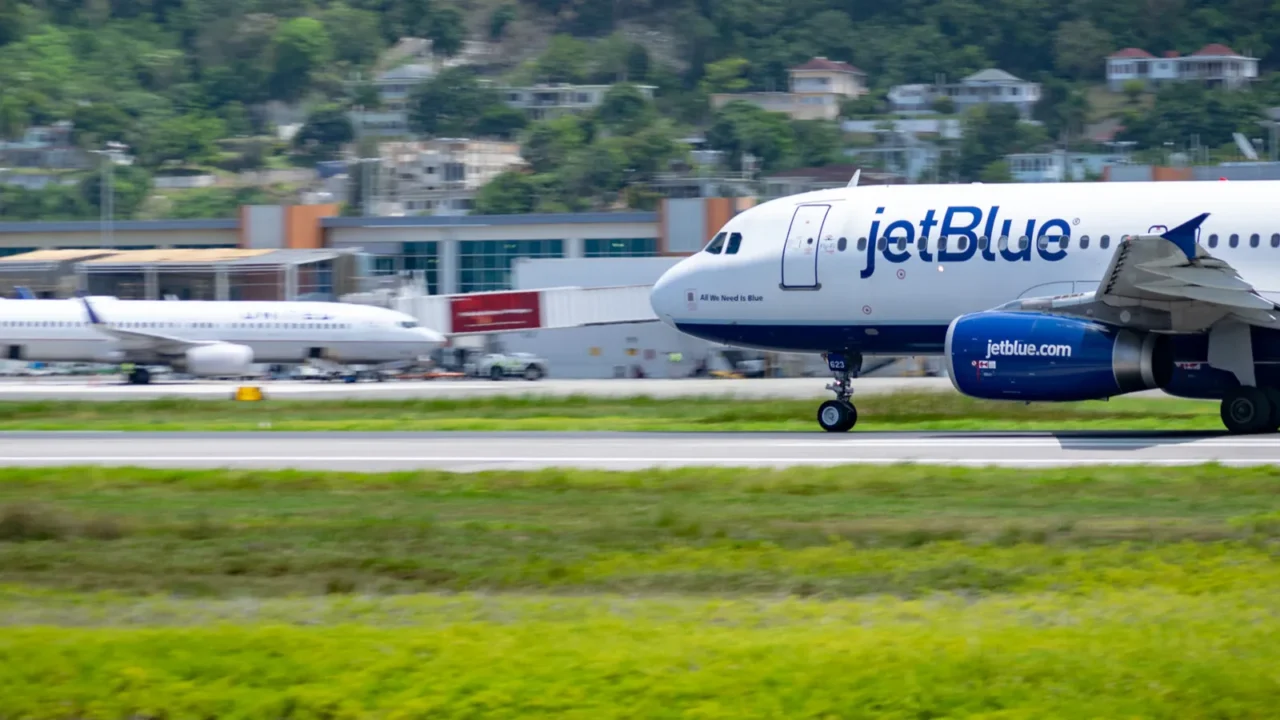
The ongoing U.S.–Venezuela situation has ripple effects across Caribbean travel. From Jamaica to Barbados and the Bahamas, flight plans and cruise links feel uncertain.
Some visitors delay plans until airspace and advisories stabilize. Local economies tied to tourism watch closely as schedules shift. Even leisure routes are not immune to political currents.

Asia-Pacific routes face tension
Tensions around China, Japan, Thailand, and Cambodia have led to advisories that affect travel planning. Drivers include diplomatic disagreements and border sensitivities that influence where visitors choose to go.
Flights, visas, and itineraries become part of travel updates rather than fixed plans. What once was seamless now requires checking advisories and conditions. The region remains desirable, but unpredictability adds a new layer of planning.
Middle East opens new doors
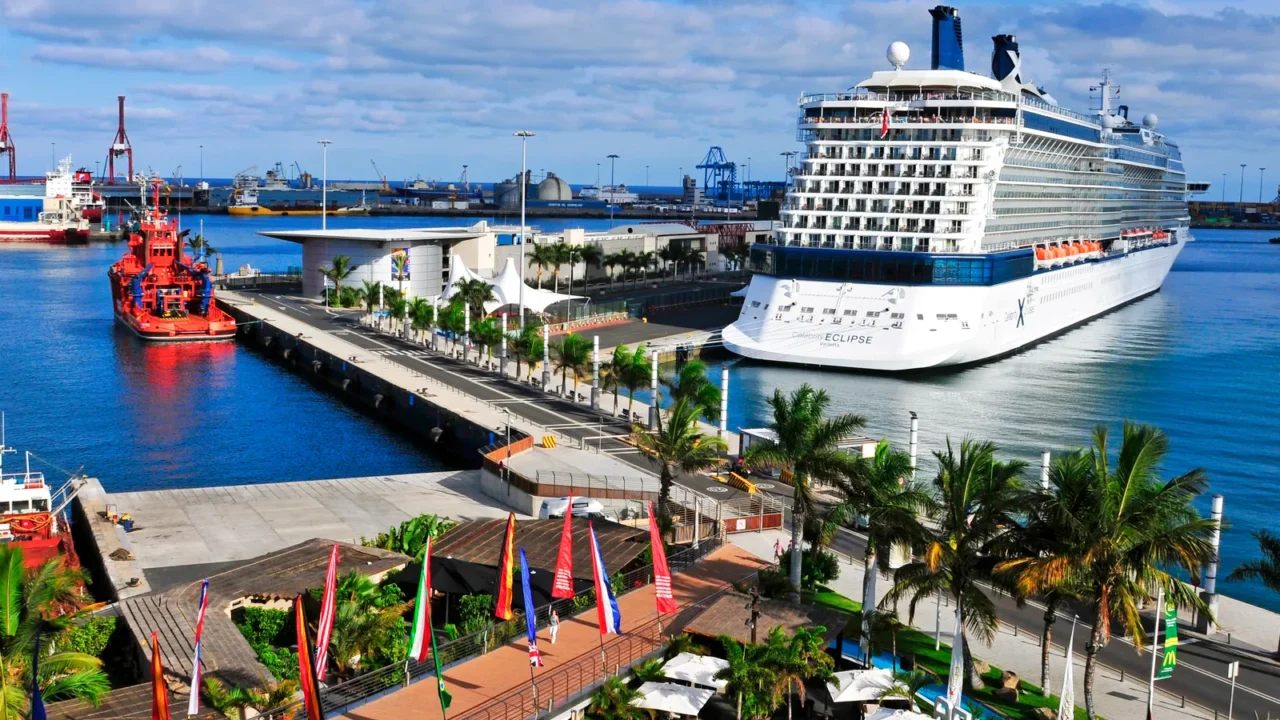
Meanwhile, other regions embrace change and expand connections. The Middle East’s tourism growth continues despite regional shifts, with Saudi Arabia and the UAE drawing new interest.
Religious tourism to Mecca and modern luxury travel both grow side by side. New airports and cruise ports encourage arrivals from Europe and Asia. Geopolitics here reshapes routes into opportunities, not barriers.
Visa diplomacy reshapes access
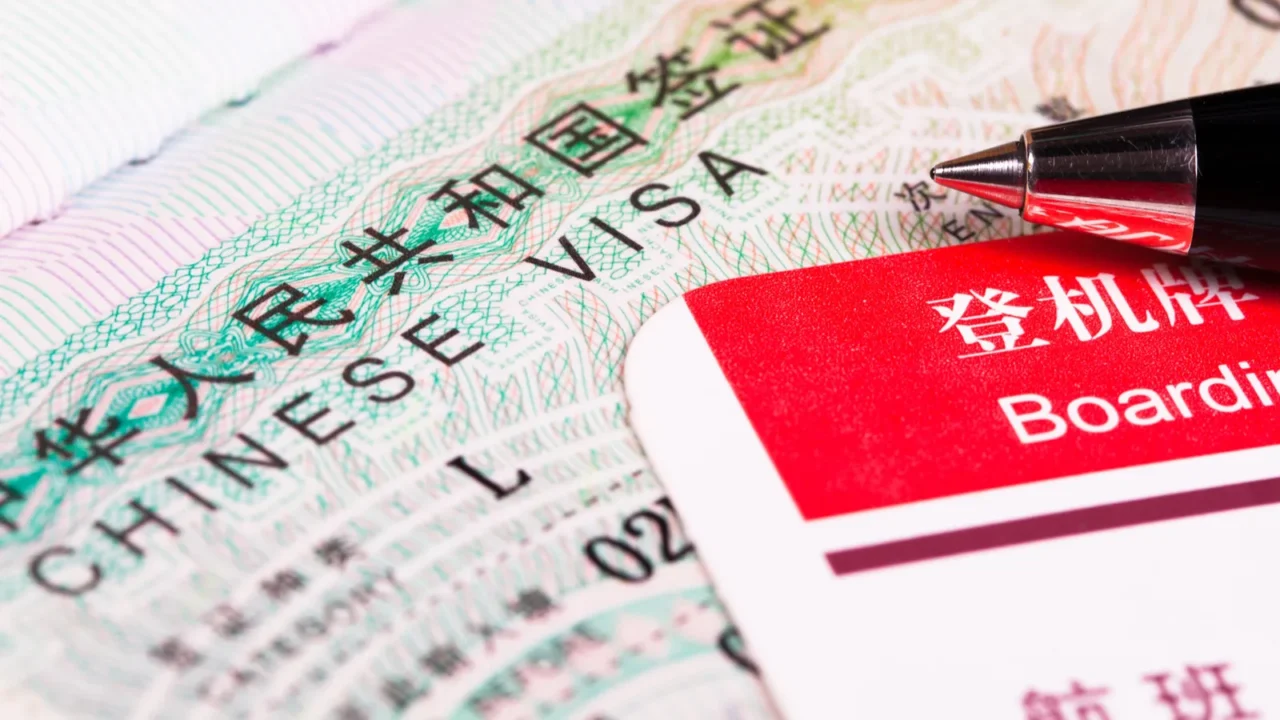
Nations increasingly use visa policy to influence travel patterns. Some countries relax requirements to attract visitors as part of economic or strategic ties. China’s expanding visa waiver programs with European nations and others are a prime example.
That move opens new corridors for tourism that weren’t as accessible before. Ease of entry encourages fresh itineraries and longer stays. Travel patterns reflect political choice as much as wanderlust.
Cruise itineraries diversify fast
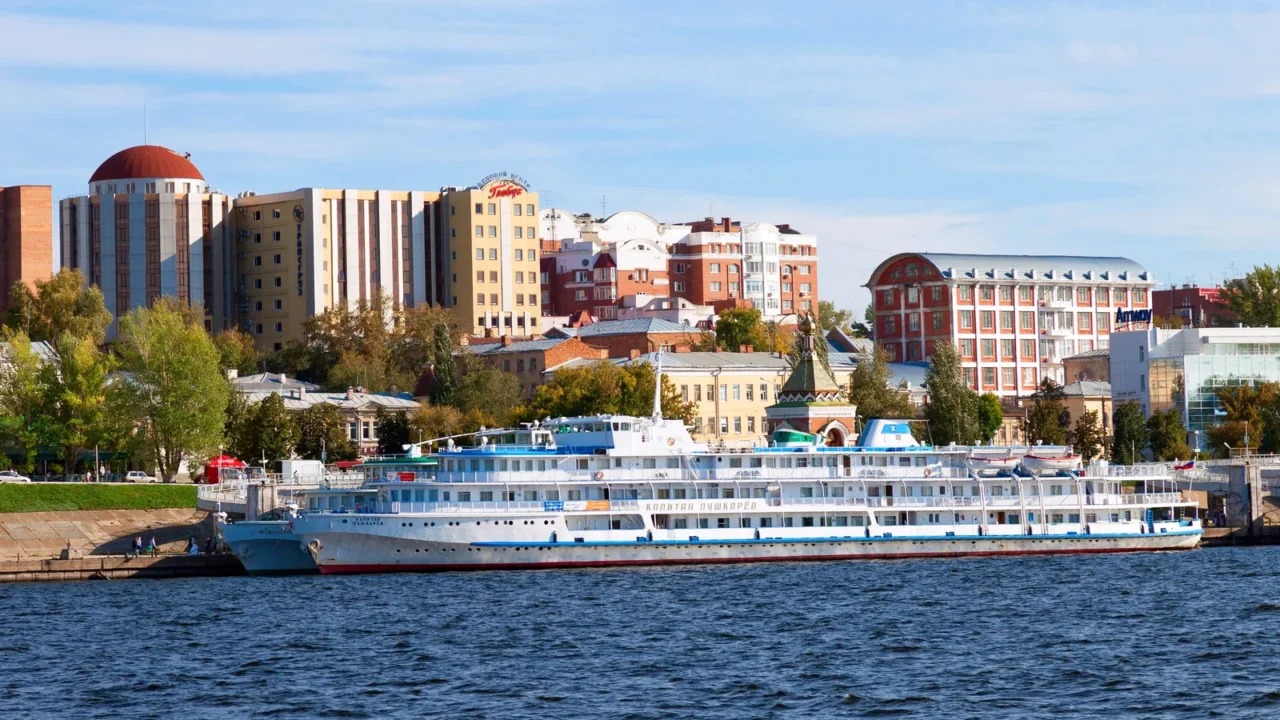
Cruise tourism is also responding to geopolitical strategy and investment. Russia’s Pacific cruise projects and new lines in India and Saudi Arabia illustrate how nations use marine routes to draw international visitors.
Voyages from Vladivostok to Kamchatka and expanded offers across Asia and the Middle East deepen travel options. Cruise operators reshape global itineraries based on regional priorities. The ocean becomes another stage for travel evolution.
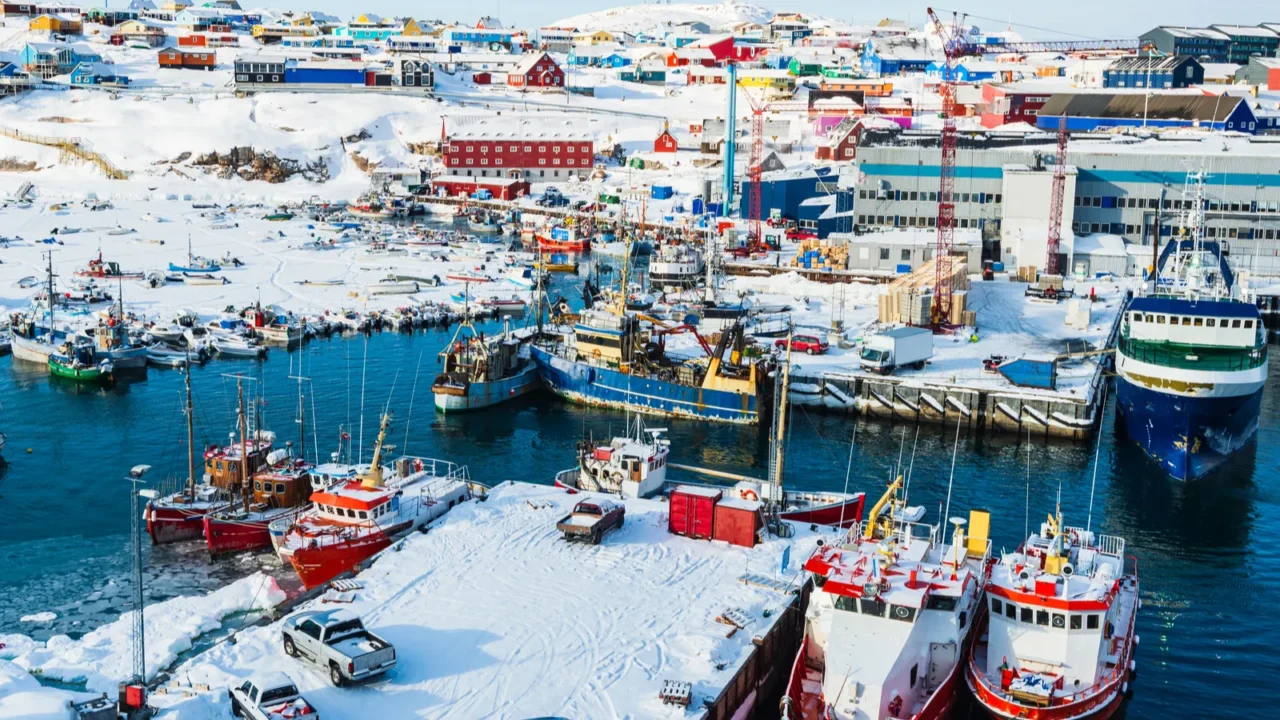
Remote destinations rise up
Places once off the mainstream radar gain attention as other regions fluctuate. Arctic and remote zones like Greenland appear in geopolitical discussions, elevating their tourism potential beyond natural beauty.
Travel to these zones moves from fringe to frontier. Strategic interest in resources and access also brings infrastructure and flight attention. The quiet rise of places like Ilulissat and Nuuk reflects more than icy charm.

Safety shapes travel planning
Travel advisories are now tools that significantly shape how routes evolve. Countries under advisement see declines in bookings, while safer neighboring nations gain interest. Nations like Mexico and Costa Rica benefit as alternatives to more volatile areas.
Travel confidence becomes a currency as much as price or timing. Routes become less about choice and more about stability. Travelers adjust plans with advisories in real time.
Business travel adapts quickly
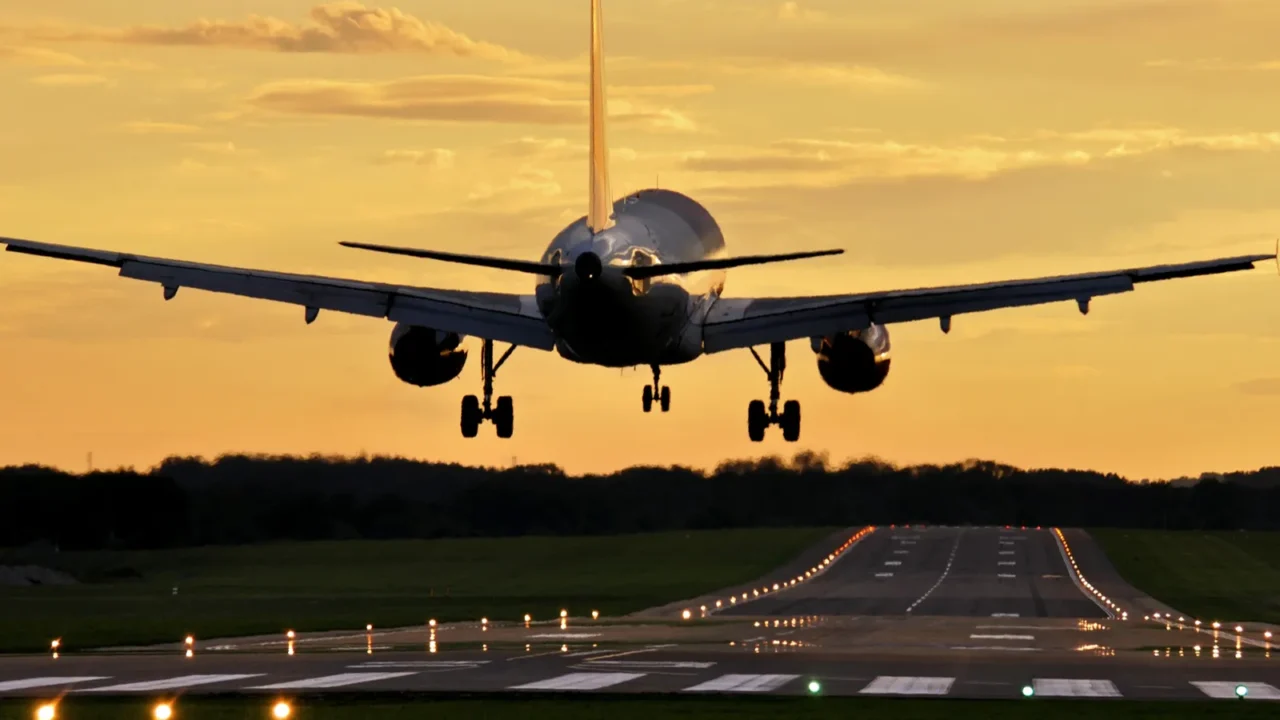
Business travel reflects geopolitical influence even faster than leisure travel. Companies reroute executives away from sensitive regions toward stable hubs, which is also driving the new airline routes everyone’s booking this season as carriers respond to shifting demand. Partnerships and meetings shift often based on trade winds and diplomatic ties.
Airline and hotel alliances change itineraries to match demand. These changes show how non-leisure travel influences broader travel routes. Stability becomes a strategic travel partner.
What it feels like moving forward
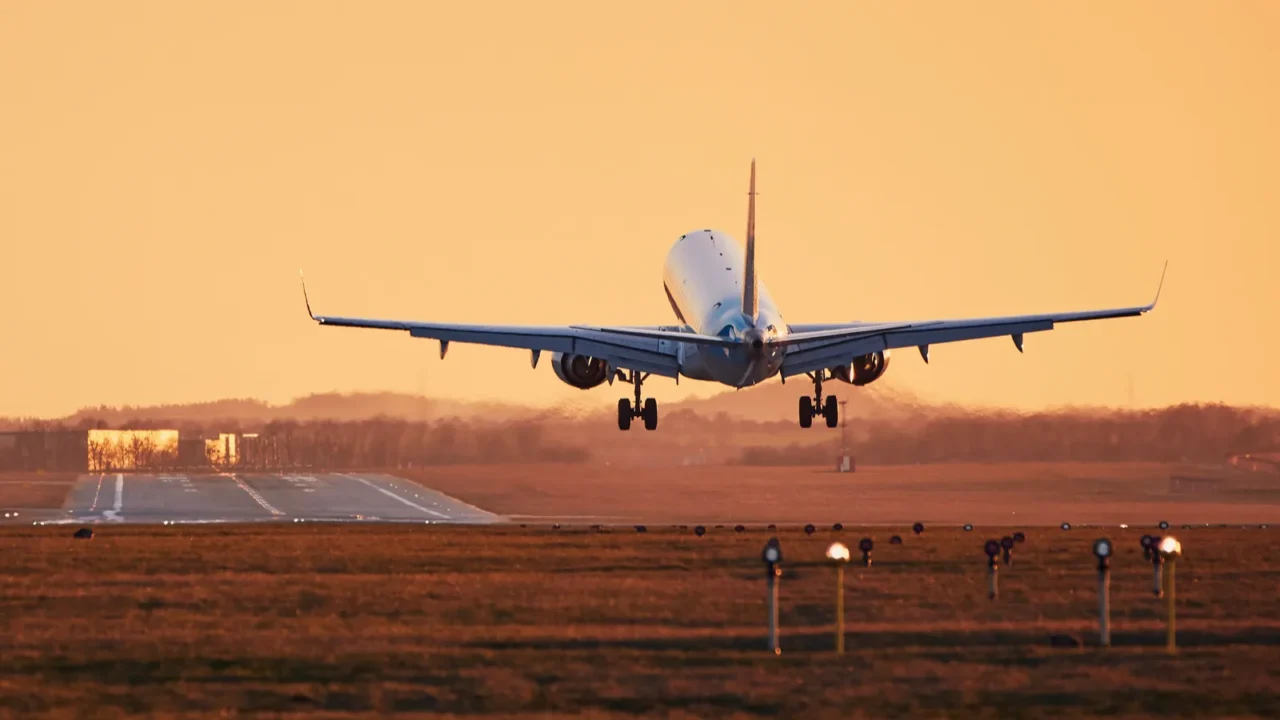
Geopolitical shifts don’t always make headlines, but they change how destinations connect. Air routes that once seemed permanent may shift within months. Visa policies, borders, and advisories quietly guide travelers around the world.
Seasoned travelers notice alternatives first. New routes rise while old ones recede. The world becomes a travel map in motion.
This slideshow was made with AI assistance and human editing.
Don’t forget to follow us for more exclusive content right here on MSN.
Read More From This Brand:
