
When speed really matters
Long flights don’t always feel finished when the plane lands, because immigration lines can stretch longer than the journey itself. Some airports have quietly mastered the art of fast arrivals through smart design and digital systems. These places turn first impressions into smooth landings that travelers remember fondly.
Fast immigration isn’t about luck; it’s about planning and technology working together. Airports across Asia, Europe, and the Middle East consistently lead these rankings. Let’s dive in!
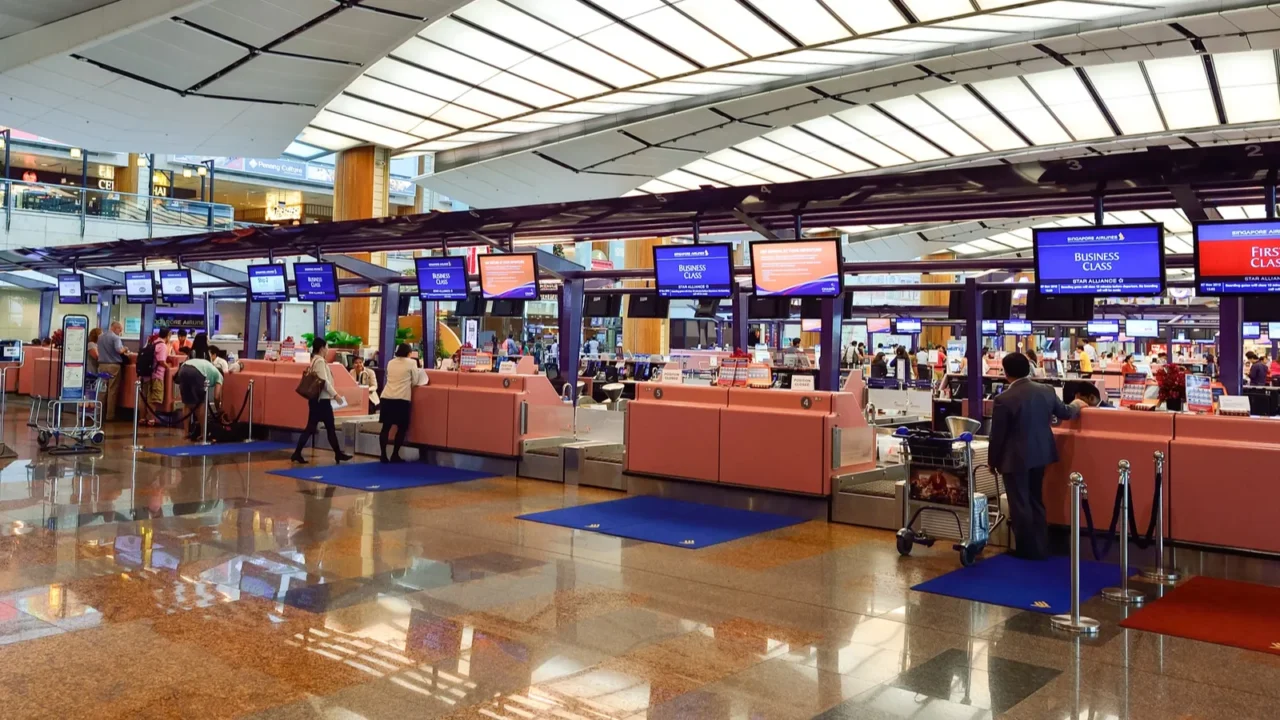
Singapore sets the pace
Singapore Changi Airport regularly tops global lists for immigration efficiency and passenger flow. Automated lanes, biometric screening, and disciplined queue management keep arrivals moving quickly. Many visitors report clearing immigration in under fifteen minutes during normal hours.
The airport integrates customs checks seamlessly after passport control. Officers focus on risk-based screening rather than blanket checks for everyone. That balance keeps security strong without slowing the experience.

Seoul keeps arrivals smooth
Seoul Incheon International Airport is known for calm terminals and predictable wait times. Advanced e-gates handle a large share of passport control for eligible travelers. Clear signage reduces confusion even during peak international arrivals.
Customs processes here are streamlined through electronic declaration systems. Travelers often complete paperwork digitally before reaching the counter. That preparation dramatically cuts down the time spent standing still.
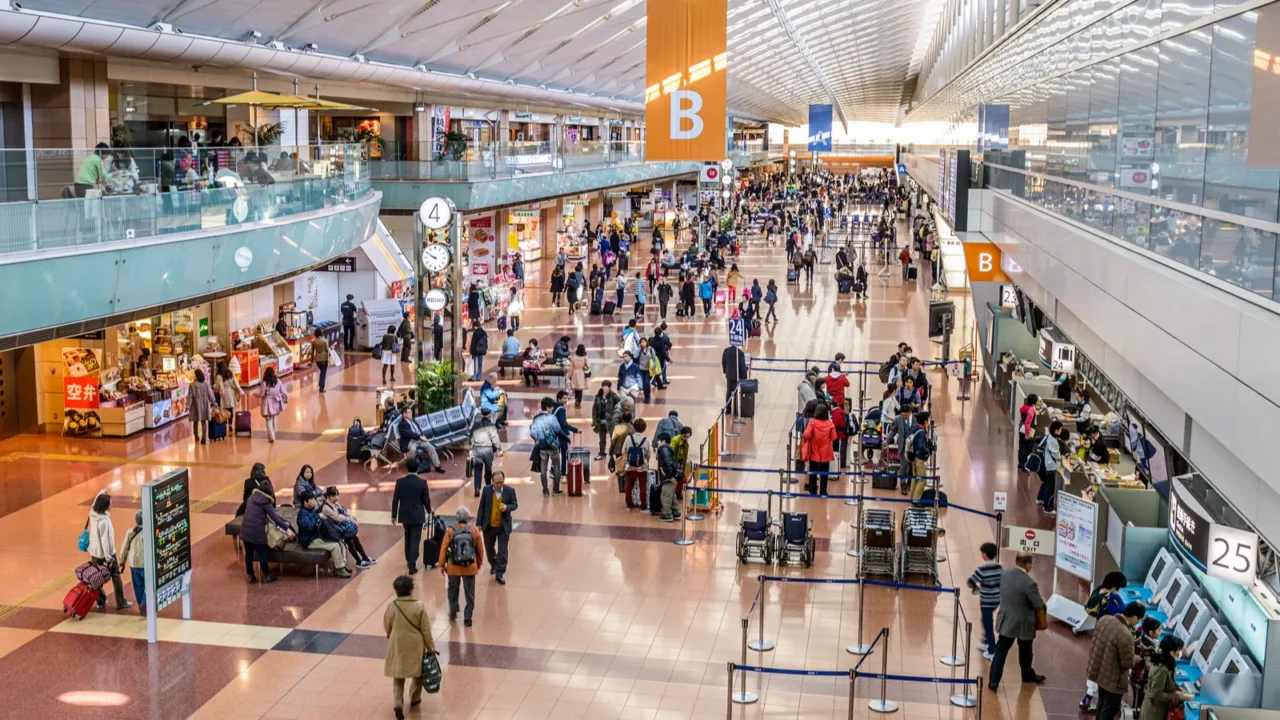
Tokyo’s quiet efficiency
Tokyo Haneda Airport consistently ranks higher than its larger counterpart for faster entry. Compact terminal layouts reduce long walks after landing. Immigration officers work in well-staffed waves that match flight arrival patterns.
Japan’s expanded use of automated clearance has improved processing times. Even first-time visitors notice the orderly flow. The experience feels calm rather than rushed.
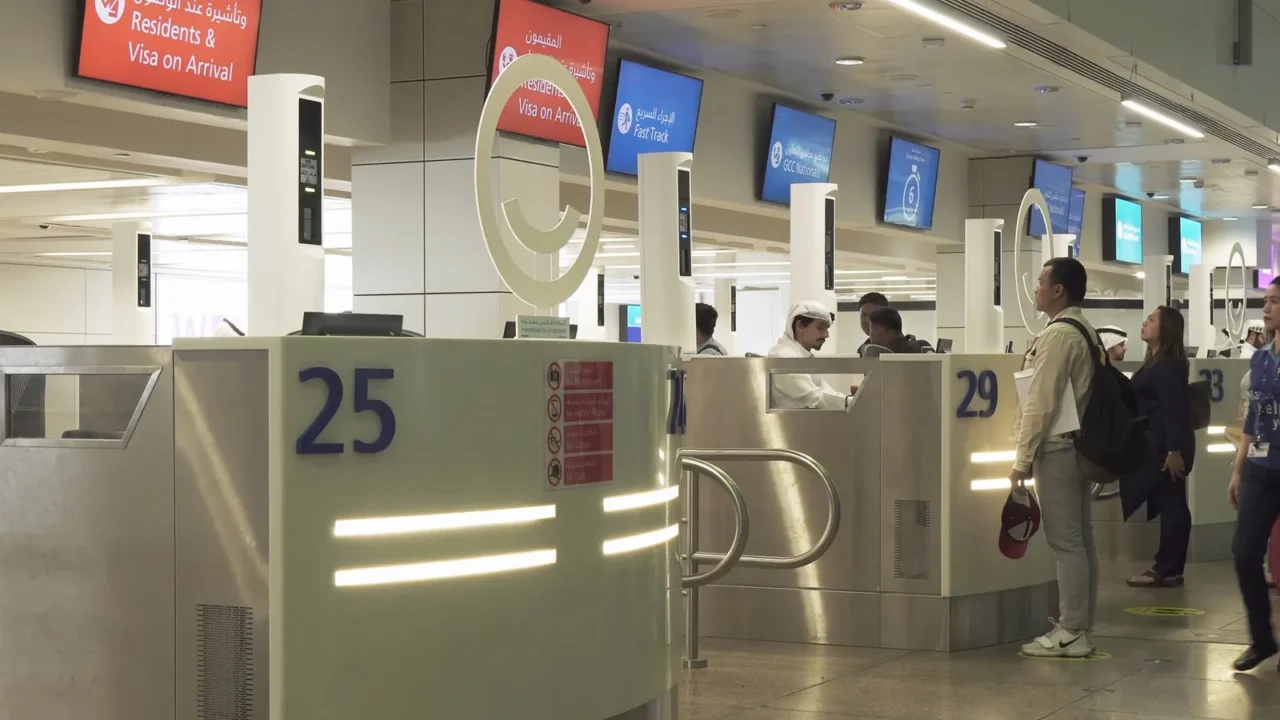
Dubai moves massive volumes
Dubai International Airport processes enormous international traffic while maintaining reasonable clearance times. Smart gates allow registered passengers to skip traditional passport desks. That technology handles millions of arrivals each year.
Customs uses selective screening rather than full inspections for everyone. The result feels efficient despite the airport’s size. Speed here comes from scale paired with automation.
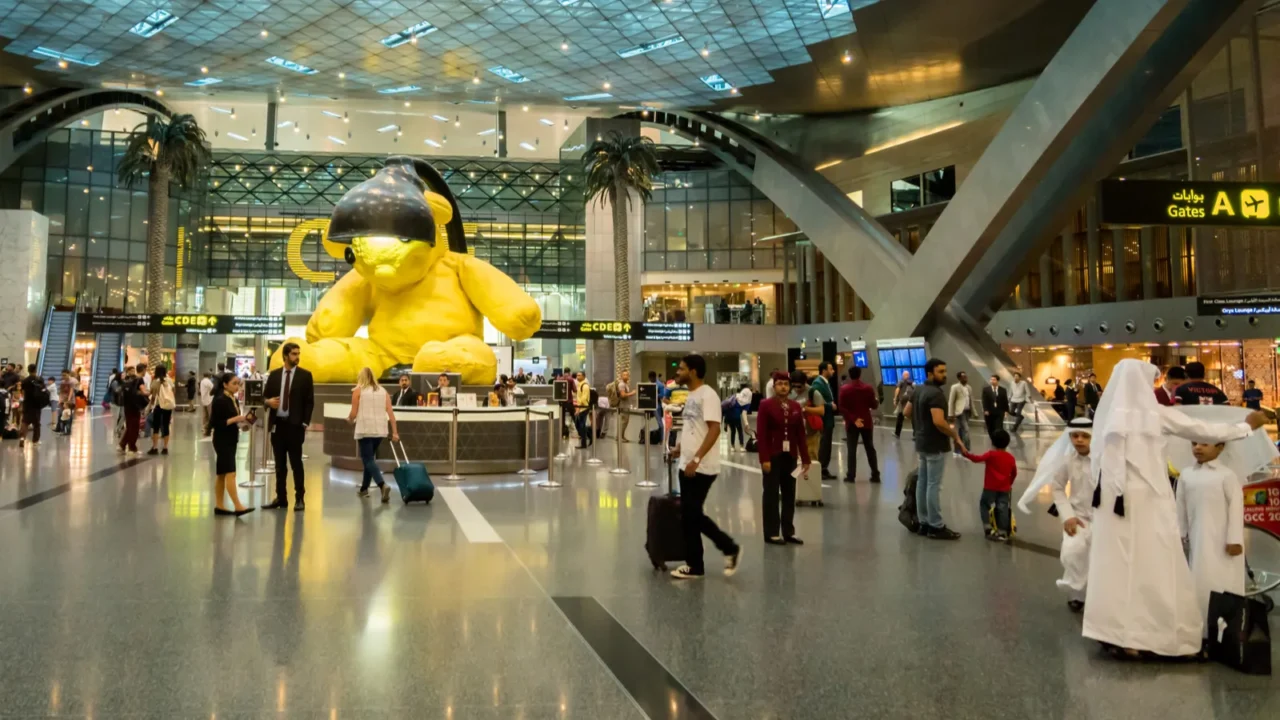
Doha’s fast growing favorite
Hamad International Airport in Doha has gained praise for immigration efficiency in recent years. Spacious halls prevent crowding even when multiple wide-body flights land together. Facial recognition gates further reduce manual checks.
Customs areas are designed for flow rather than bottlenecks. Officers focus on intelligence-led screening models. Visitors often describe arrivals as surprisingly quick.
Zurich’s precision approach
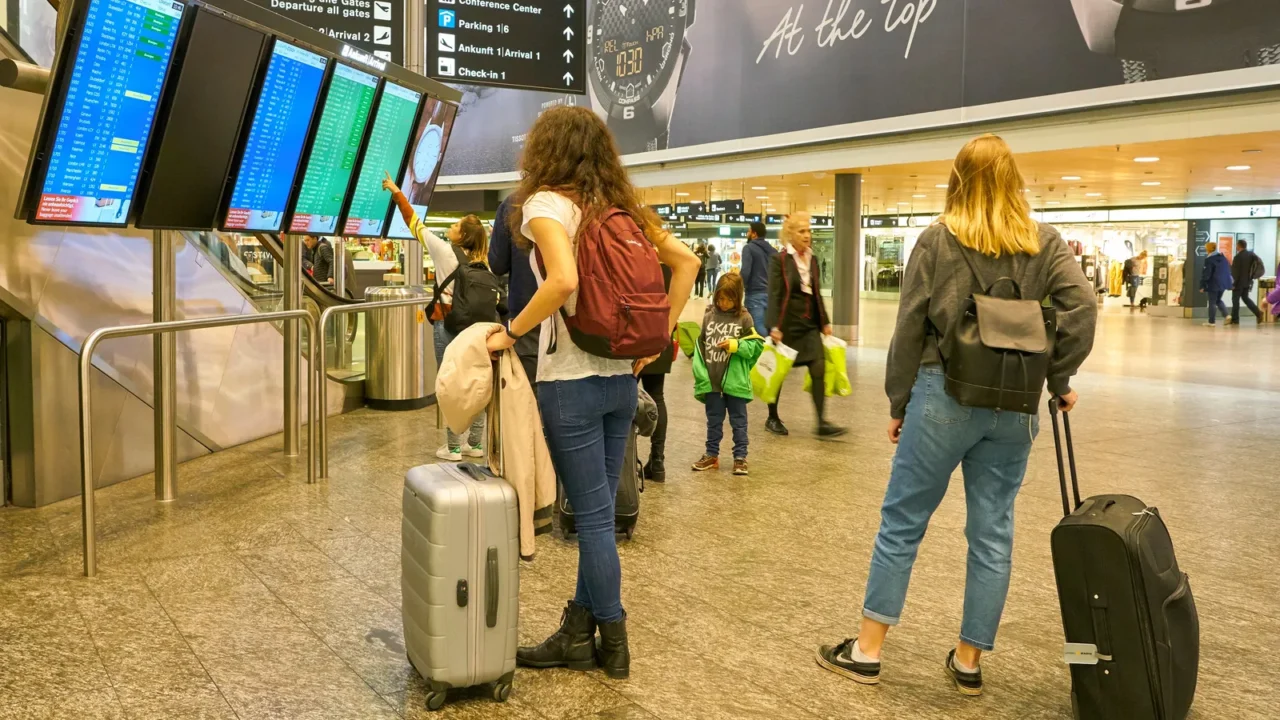
Zurich Airport proves that smaller hubs can outperform giants. Switzerland’s reputation for punctuality extends directly into immigration halls. Staffing levels closely match real-time passenger volumes.
EU travelers benefit from fast Schengen processing. Non-Schengen arrivals still experience organized and calm queues. The airport prioritizes predictability over flashy systems.

Helsinki surprises visitors
Helsinki Airport often catches travelers off guard with its efficiency. Compact terminals mean less walking and faster transitions to passport control. Automated gates serve both EU and many non-EU travelers.
Customs clearance here is notably low stress. Declarations are minimal for most arrivals. The experience reflects Finland’s emphasis on practical design.
Amsterdam embraces automation
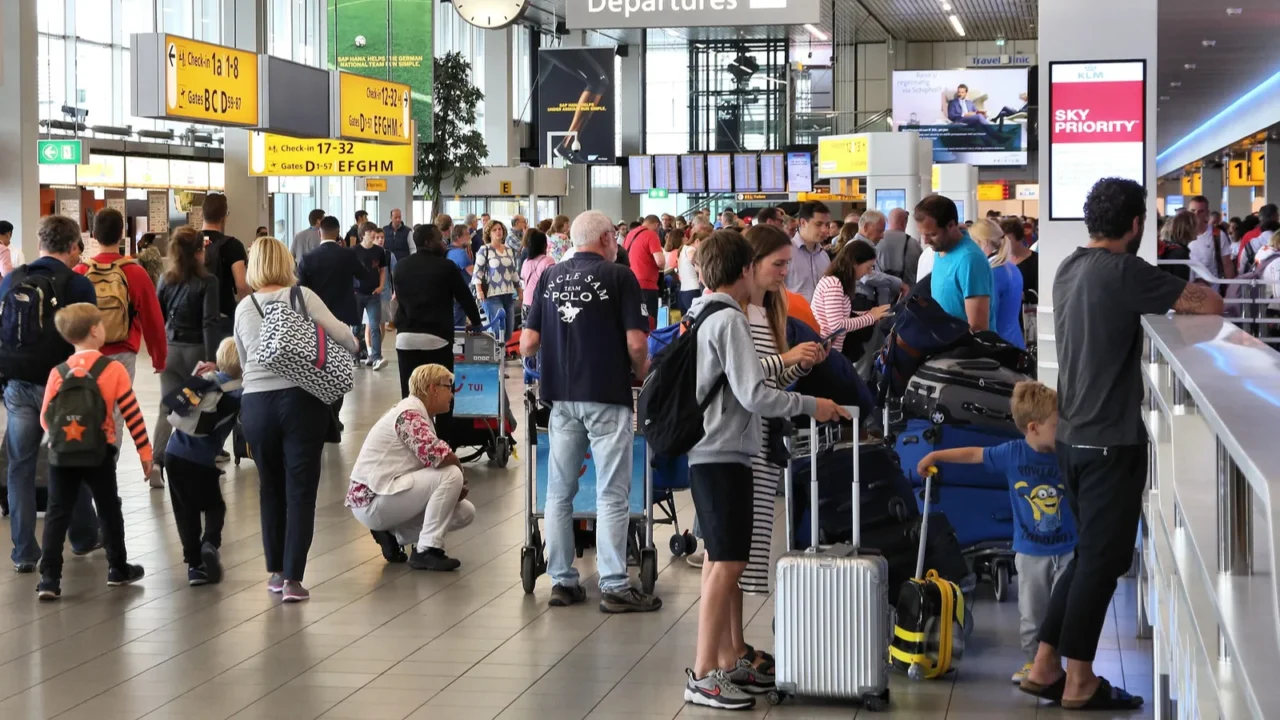
Amsterdam Schiphol Airport leans heavily on self-service border control. E gates handle large passenger volumes efficiently during peak hours. Clear instructions help visitors move confidently through the process.
Customs officers focus on targeted checks. Most travelers pass through with minimal interaction. The system prioritizes speed while maintaining strong oversight.
Vancouver’s smart balance
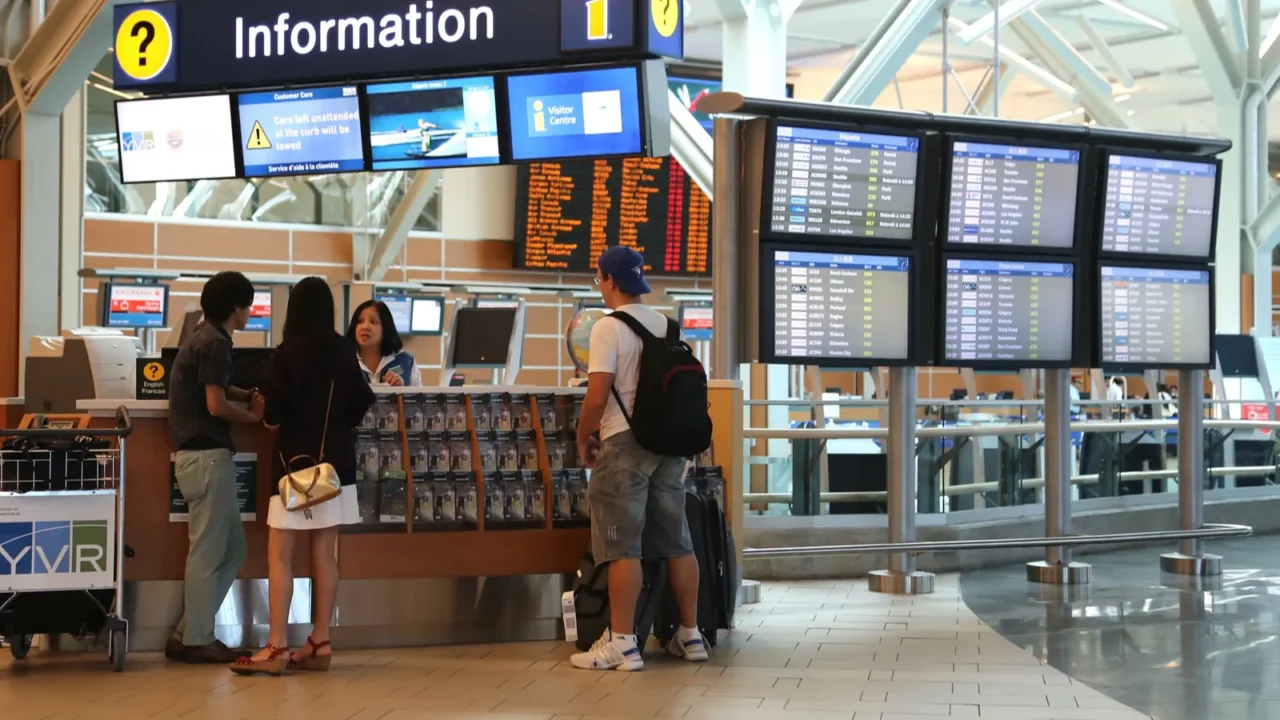
Vancouver International Airport ranks highly for North American arrivals. Mobile passport control and kiosk-based systems reduce wait times. The airport consistently invests in passenger flow technology.
Customs declarations are handled digitally before reaching officers. That preparation cuts congestion significantly. Arrivals feel more predictable than at many US hubs.

Atlanta handles scale well
Atlanta’s airport processes huge volumes while remaining surprisingly efficient. Automated passport kiosks help manage international arrivals. Staffing flexibility plays a major role in keeping lines moving.
Customs operations adjust quickly to flight delays and surges. That responsiveness prevents extreme backups. Speed here comes from experience managing scale.

What actually makes speed
Fast immigration depends on more than technology alone. Terminal layout, staffing models, and pre-arrival data all play major roles. Airports that align these elements consistently outperform others.
Travelers benefit when airports invest long-term rather than reactively. Predictable processes reduce stress for everyone involved and create more time to explore terminals comfortably. Efficiency has become part of the travel experience itself, as how modern airports are redesigning spaces to drive passengers into stores becomes central to airport planning.
Where first impressions shine
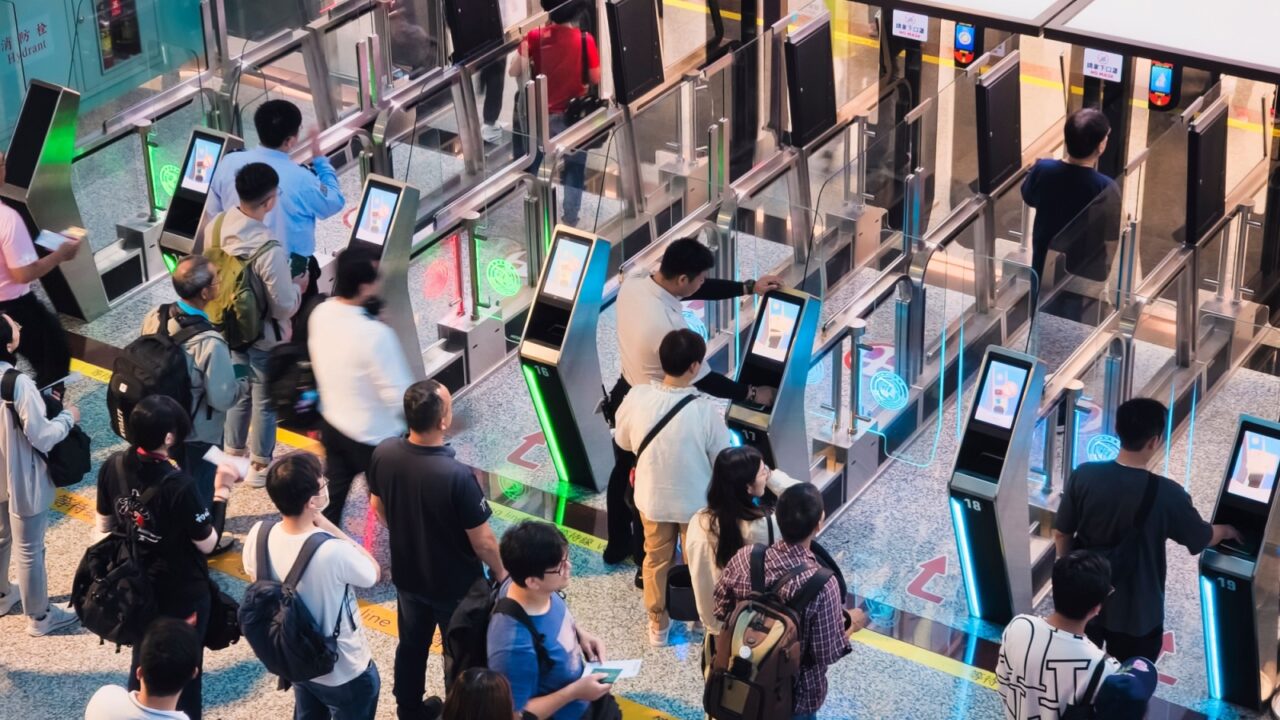
The best airports prove that arrivals don’t have to feel exhausting. Speed, clarity, and calm shape how destinations are remembered. Immigration efficiency is now a competitive advantage.
Some airports turn landing into a smooth welcome rather than a test of patience. These systems reflect how seriously destinations value visitors’ time. Which airport arrival felt surprisingly fast and stress free? Share below!
This slideshow was made with AI assistance and human editing.
Don’t forget to follow us for more exclusive content right here on MSN.
Read More From This Brand:
