Quiet places return
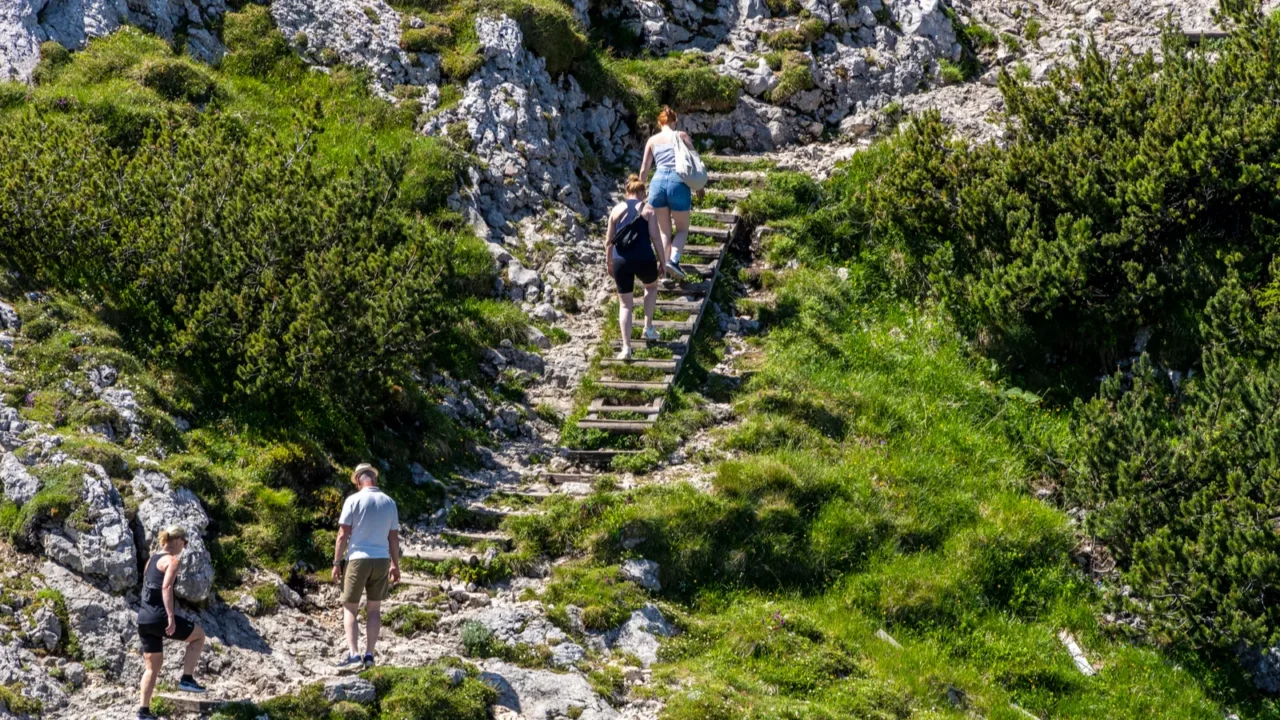
Some of the world’s most remote regions are slowly reopening after years of conservation work. These areas were intentionally closed or restricted to repair ecosystems and protect fragile wildlife. Now, careful reopening plans signal a new chapter for travelers seeking meaningful, low-impact experiences.
Governments are balancing access with long-term preservation goals. Tourism is returning, but under stricter rules and clearer limits. The focus is on quality visits rather than high volumes.
Conservation comes first
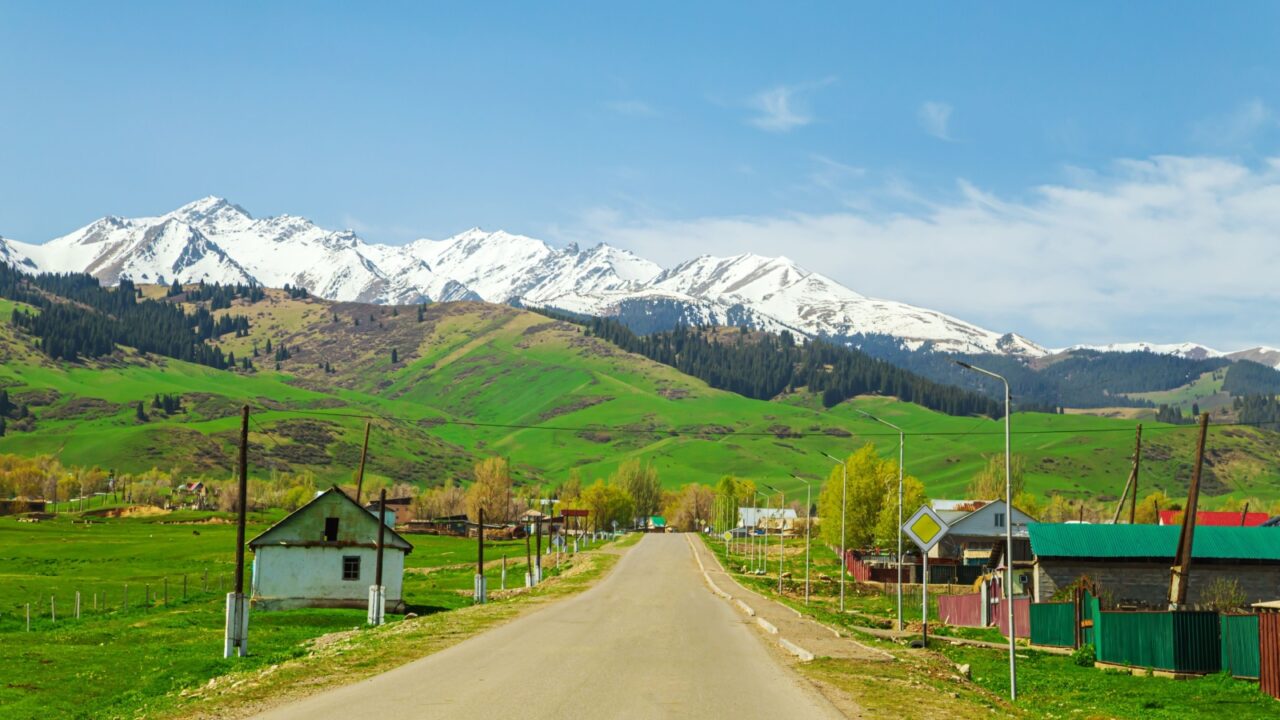
Before reopening, many regions invested heavily in habitat restoration and environmental monitoring. Trails were rebuilt, wildlife populations were studied, and visitor capacity was reassessed. These steps helped ensure tourism wouldn’t undo years of protection work.
Officials now rely on data rather than demand alone. Entry limits and permits remain common. Conservation success shapes every reopening decision.
Peru’s remote trails reopen
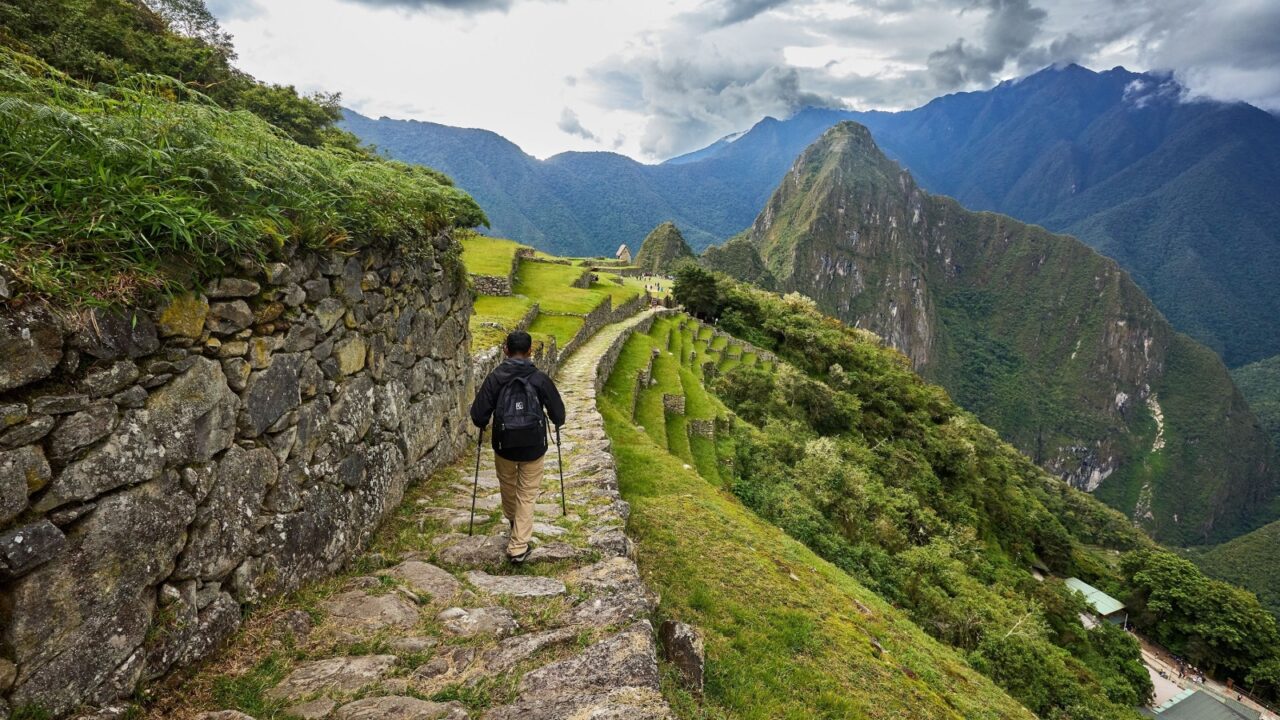
Peru reopened lesser-known Inca trails after years of controlled access and restoration. Routes near Choquequirao and remote Sacred Valley paths now welcome limited trekking groups. These trails reduce pressure on the main Machu Picchu circuit.
Local guides and communities benefit directly. Visitor numbers remain low but meaningful. The experience feels quieter and more intentional.
Rwanda’s forest recovery
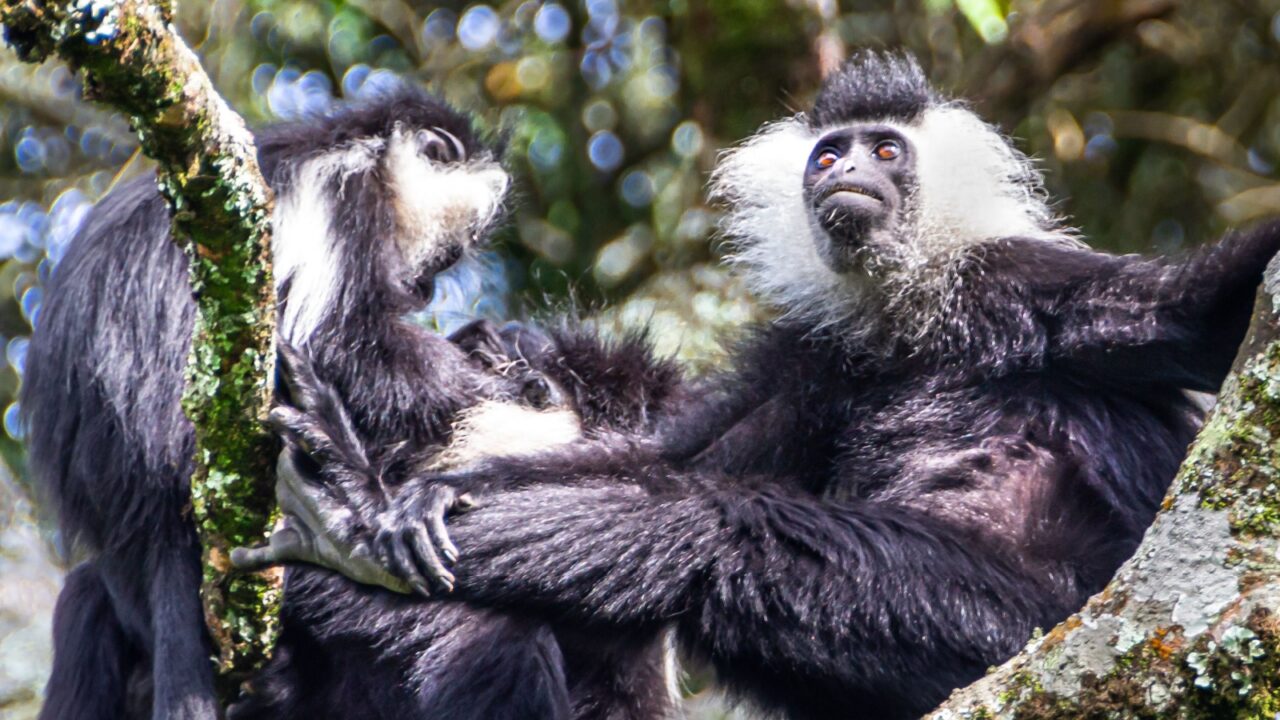
Rwanda reopened parts of Nyungwe Forest National Park after major conservation investments. Canopy walks and guided hikes return with strict group limits. Gorilla and chimpanzee habitats remain closely monitored.
Tourism revenue supports conservation and local jobs. Wildlife protection remains the priority. Visits feel exclusive and responsibly managed.
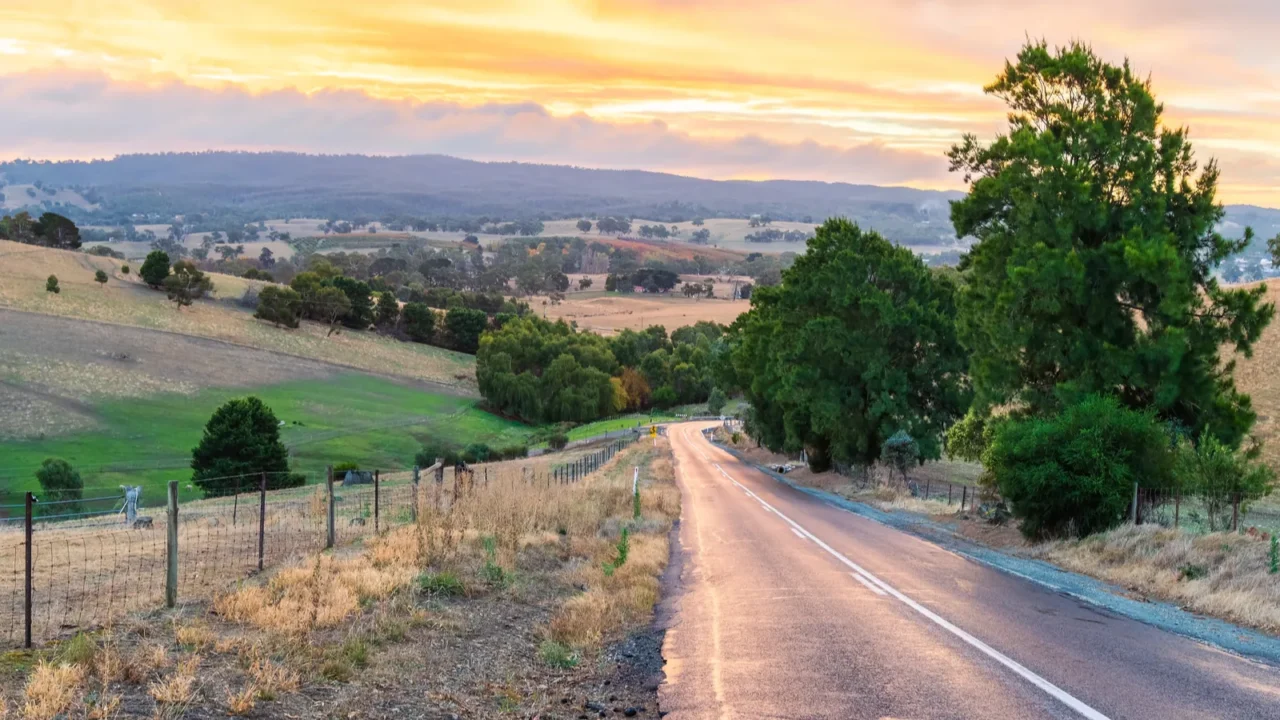
Australia protects the outback
Select protected areas in South Australia and the Northern Territory, including national parks and conservation reserves, reopened to tourism after extensive land restoration efforts. Indigenous-led conservation programs shaped access rules. Visitors now explore with permits and guided experiences.
Sacred sites receive stronger protection. Cultural education becomes part of the journey. Tourism now supports preservation rather than causing disruption.
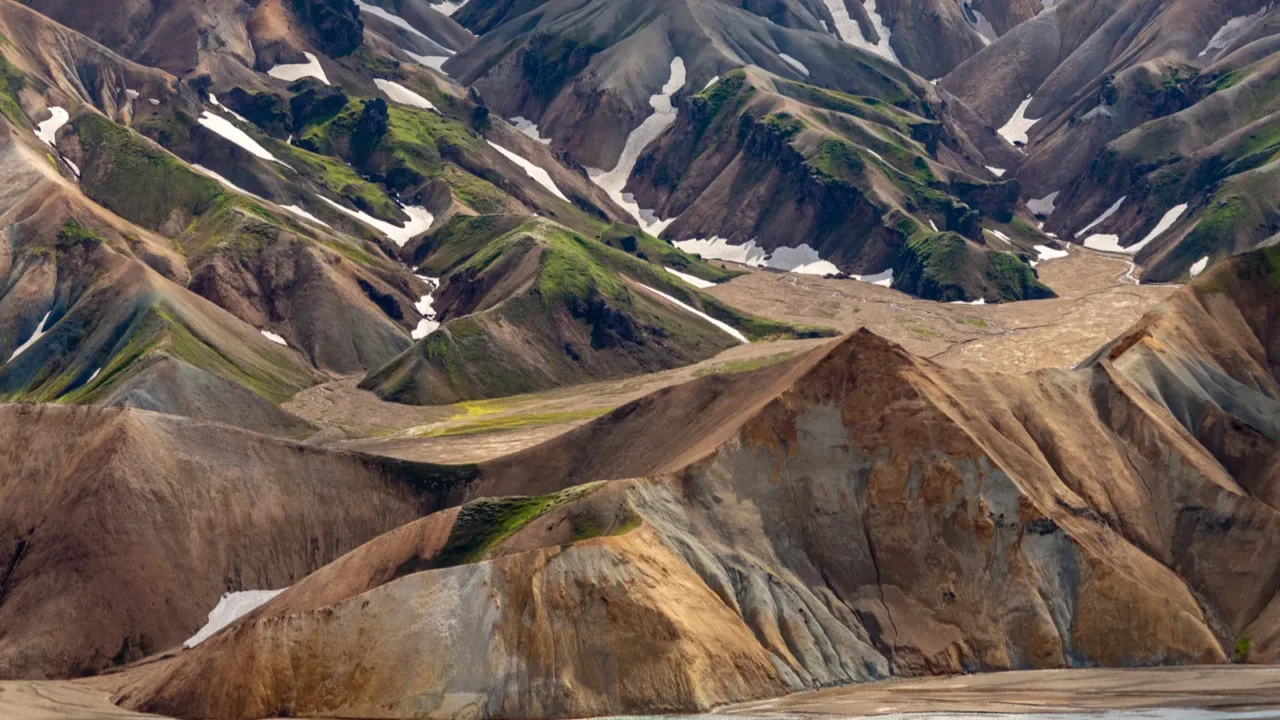
Iceland limits fragile zones
Iceland reopened highland regions after repairing erosion and damaged trails. Areas like Landmannalaugar now operate under seasonal access rules. Visitor caps protect volcanic landscapes and moss fields.
Infrastructure upgrades guide foot traffic safely. Rangers actively monitor conditions. Nature sets the pace for tourism.
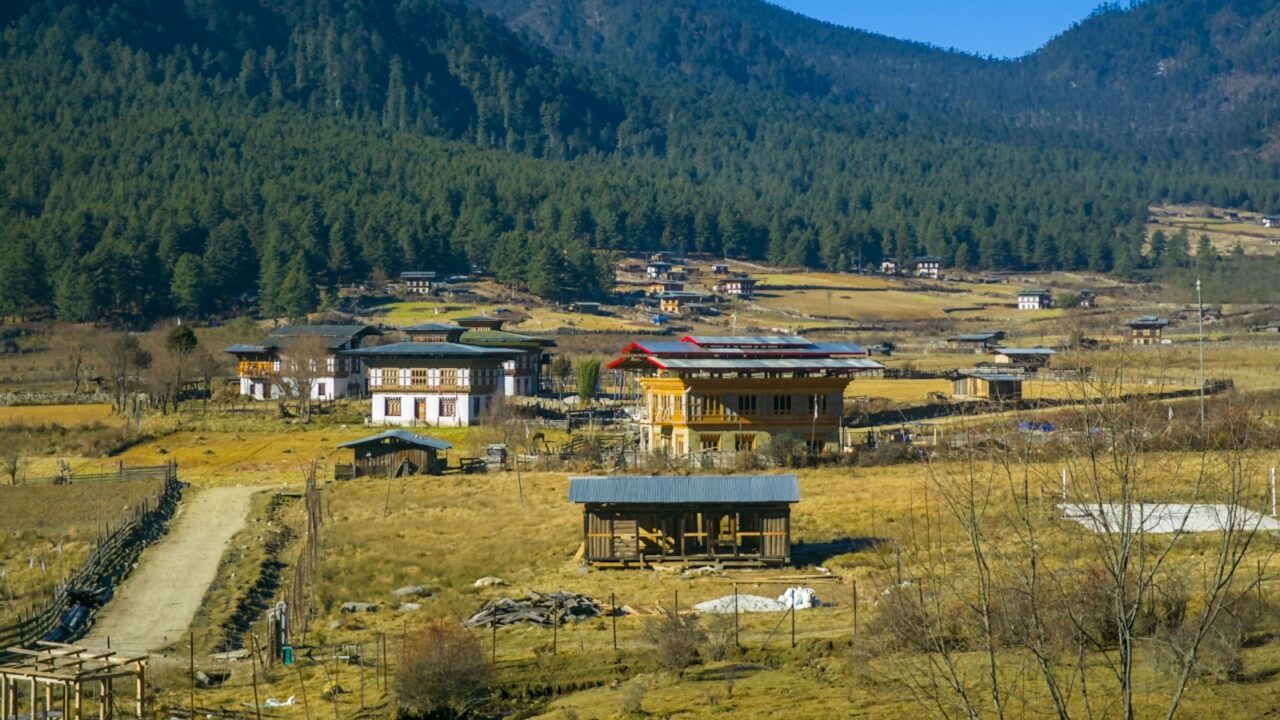
Bhutan stays selective
Bhutan reopened remote valleys with its high-value tourism approach intact. Daily visitor fees fund conservation and cultural preservation. Access focuses on low-impact, longer stays.
Remote monasteries and villages benefit economically. Crowds remain rare. The model prioritizes sustainability over scale.
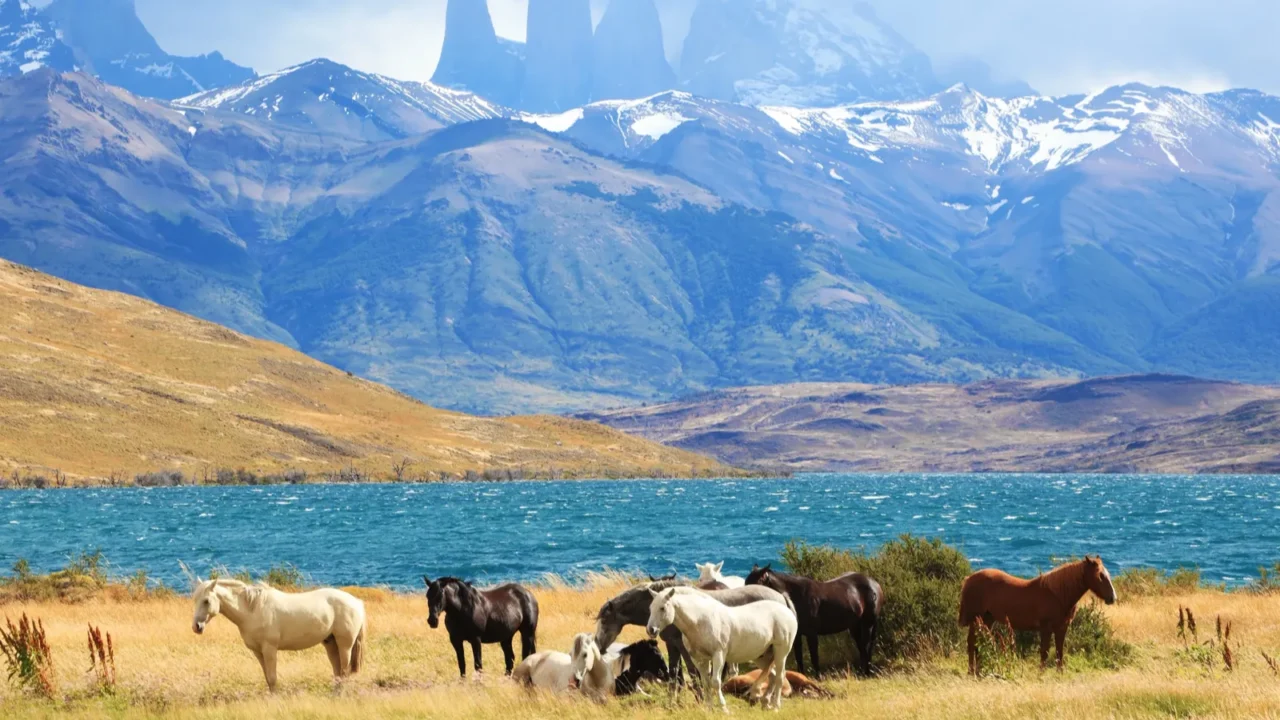
Chile safeguards Patagonia
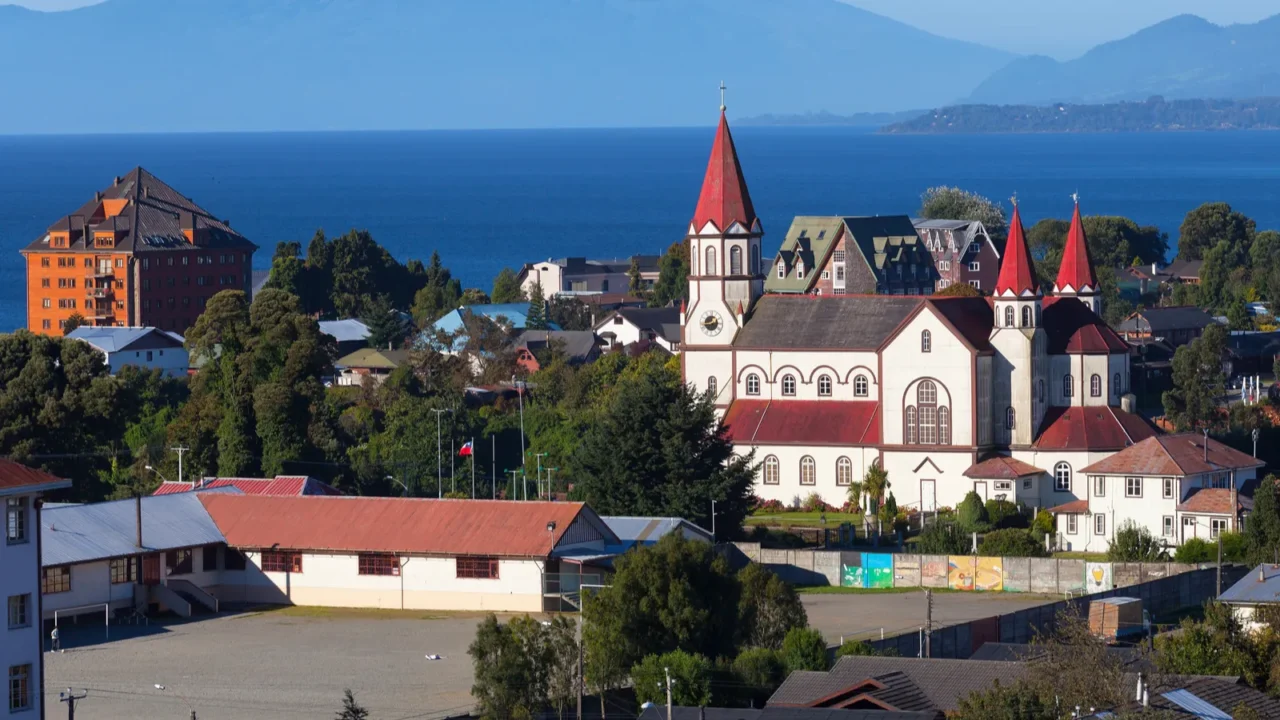
Chile reopened protected sections of Patagonia after conservation partnerships restored trails. Torres del Paine enforces strict campsite reservations. Independent access remains controlled.
Wildlife corridors stay protected. Visitors experience raw landscapes without overcrowding. Planning becomes essential.
Fewer visitors, deeper impact
Reopened regions aim for fewer but more engaged travelers. Longer stays replace rushed sightseeing. Education and respect shape each visit.
Economic benefits spread locally. Environmental pressure stays low. Tourism becomes a partnership with nature.
Rules feel stricter now
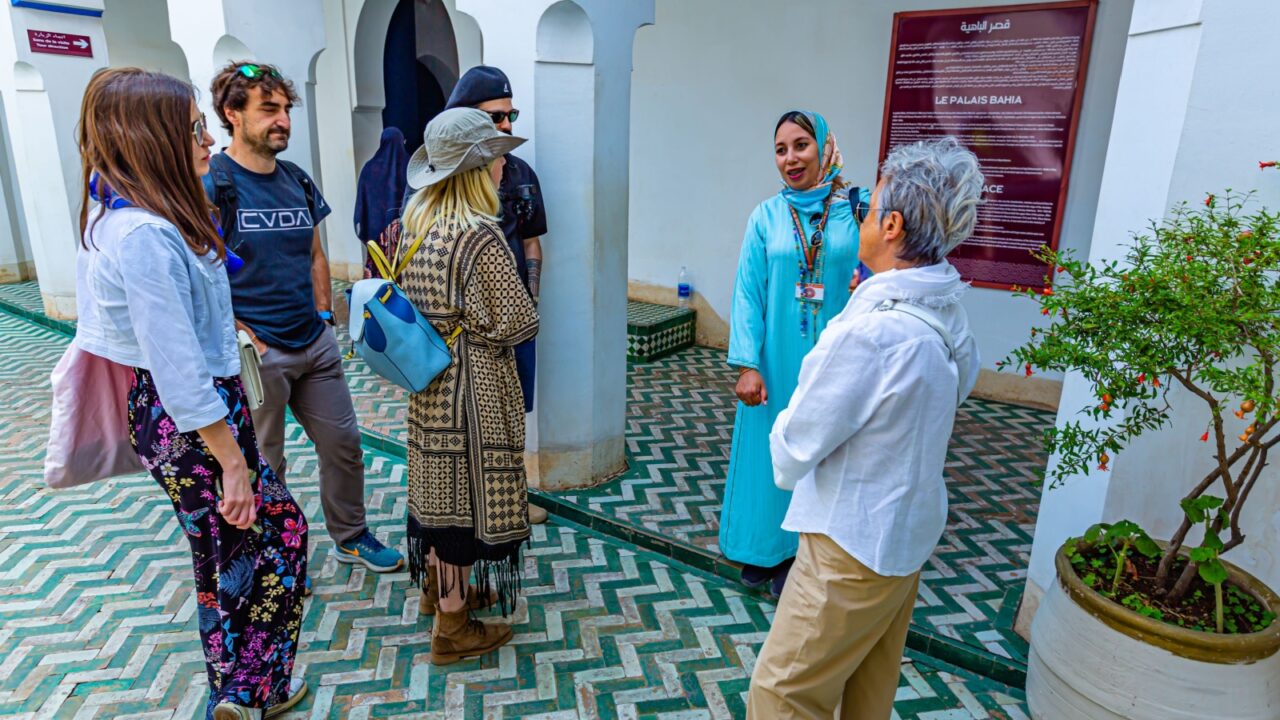
Permits, guides, and time limits are common across reopened regions. These rules protect ecosystems and improve safety. Visitors adjust expectations accordingly.
Spontaneous travel becomes less common. Responsible planning feels rewarding. Structure supports preservation.
Local communities gain
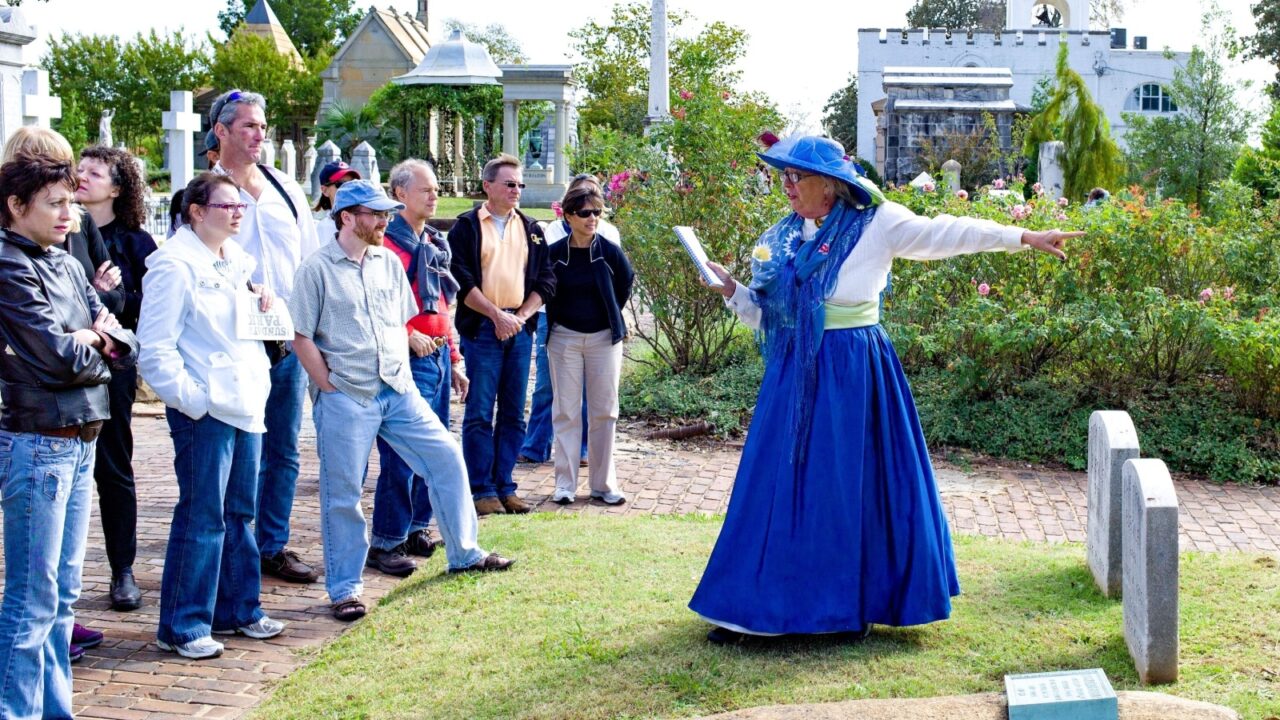
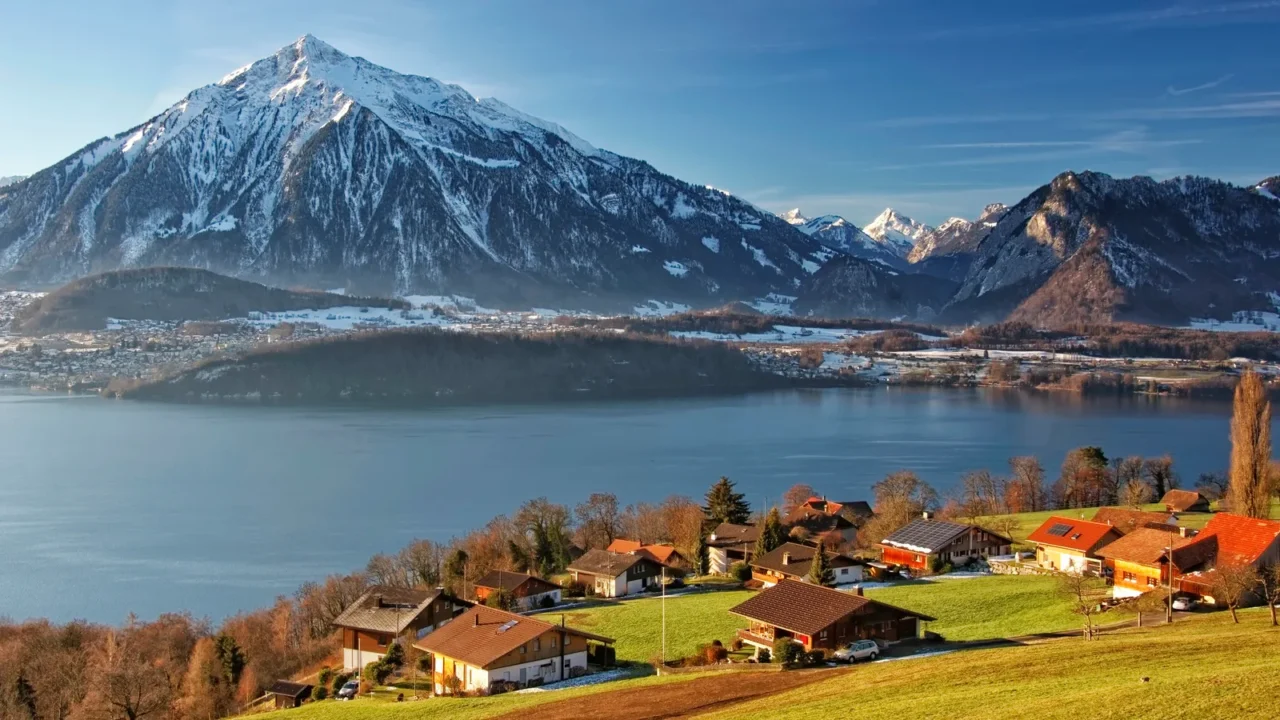
Reopening plans prioritize community involvement, with local guides, lodges, and cooperatives leading experiences. This approach extends to hidden Nordic escapes in remote Scandinavian cabins many travelers have never heard of, where locals manage access carefully. Revenue supports education and conservation while protecting fragile landscapes.
Ownership builds pride and accountability. Tourism feels more personal. Communities become stewards of access.
Nature sets boundaries
Countries reopening remote regions show that tourism can return without repeating old mistakes. Conservation remains non-negotiable while access becomes more thoughtful. These places invite curiosity paired with care.
The most powerful journeys often happen where limits protect beauty. Which remote destination feels worth waiting for and planning for? Share your thoughts below.
This slideshow was made with AI assistance and human editing.
Don’t forget to follow us for more exclusive content right here on MSN.
Read More From This Brand:
