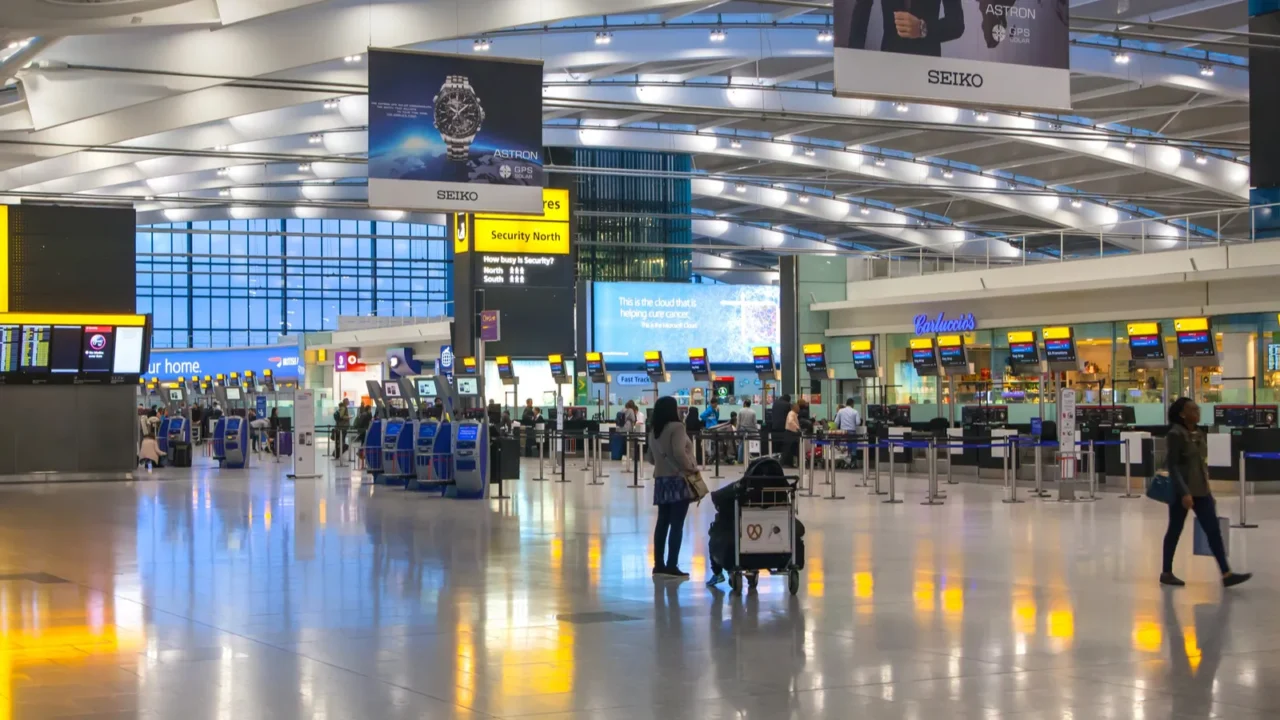
The new airport reality
Airports around the world are quietly changing the way travel feels, and timing has become part of the journey itself. Travelers are now being encouraged to arrive much earlier than they once did, not because of fear, but because of how modern travel works today. From technology checks to evolving security needs, the airport experience now starts long before boarding is announced.
What once felt optional is now essential for a smoother departure. Arriving early has shifted from advice to expectation, reshaping how travelers plan their trips from the very beginning.
Security takes longer
Security procedures have grown more layered as global travel continues to rebound and expand. Airports are handling higher passenger volumes while also adapting to new screening technologies and safety protocols. Each extra layer adds time, and together, these steps lead to substantial delays during peak hours.
Random checks, advanced scanners, and manual bag inspections are more common than before. Arriving earlier gives travelers breathing room and reduces the stress that comes with unexpected security delays.
Bigger crowds everywhere
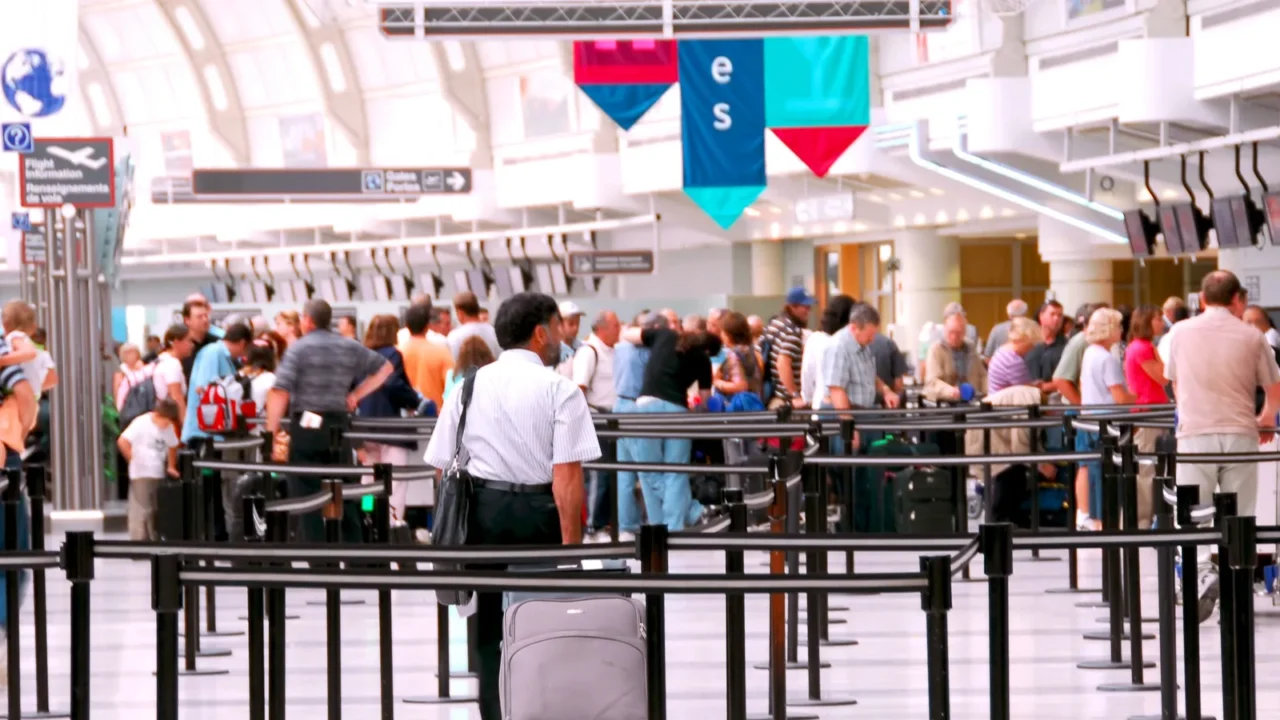
Airports are seeing record numbers of passengers as travel demand surges across continents. Popular hubs now experience near constant crowds, even outside traditional peak seasons. This makes lines longer and terminal movement slower than many travelers expect.
More travelers also mean more families, tour groups, and first-time flyers navigating unfamiliar spaces. Extra arrival time helps travelers move at a comfortable pace without feeling rushed or overwhelmed.
Staffing shortages persist
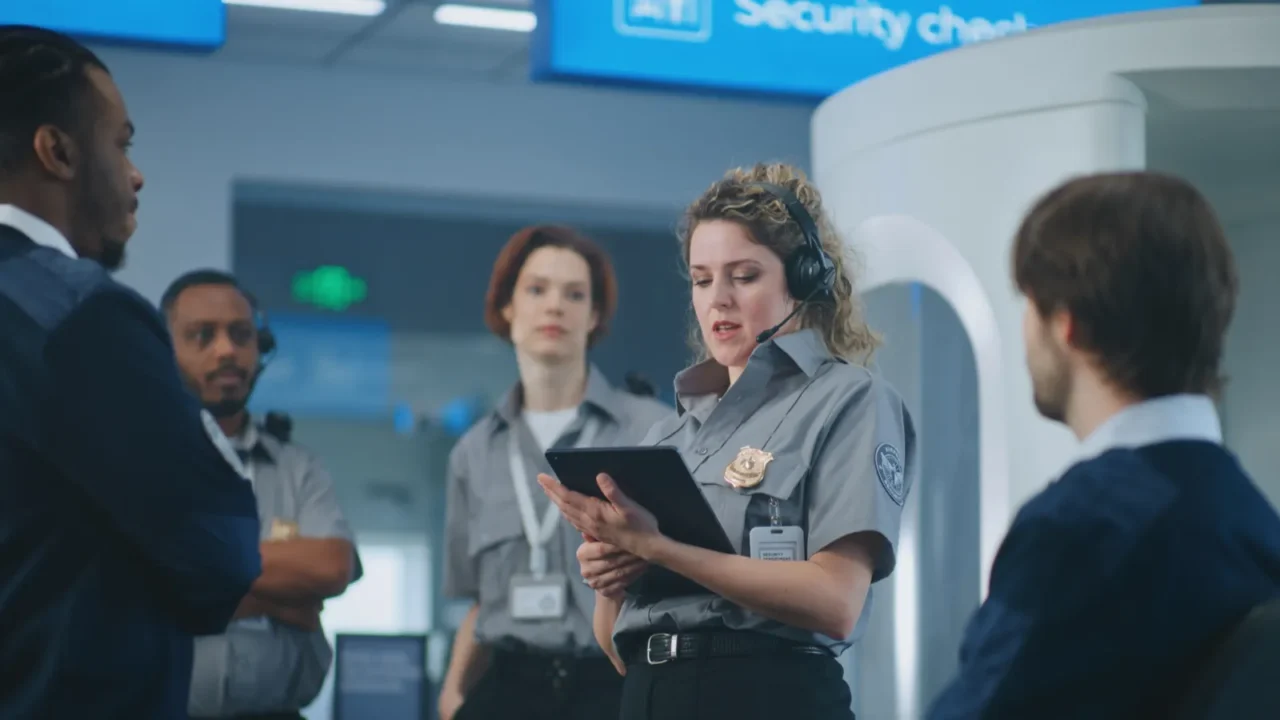
Despite rising travel demand, many airports are still rebuilding their workforce. Security officers, ground staff, and airline employees remain in short supply in several regions. Fewer staff members handling more travelers naturally leads to longer processing times.
Check-in counters may open later or move more slowly, while security lanes can back up quickly. Arriving earlier allows travelers to adjust to staffing delays without risking missed flights.
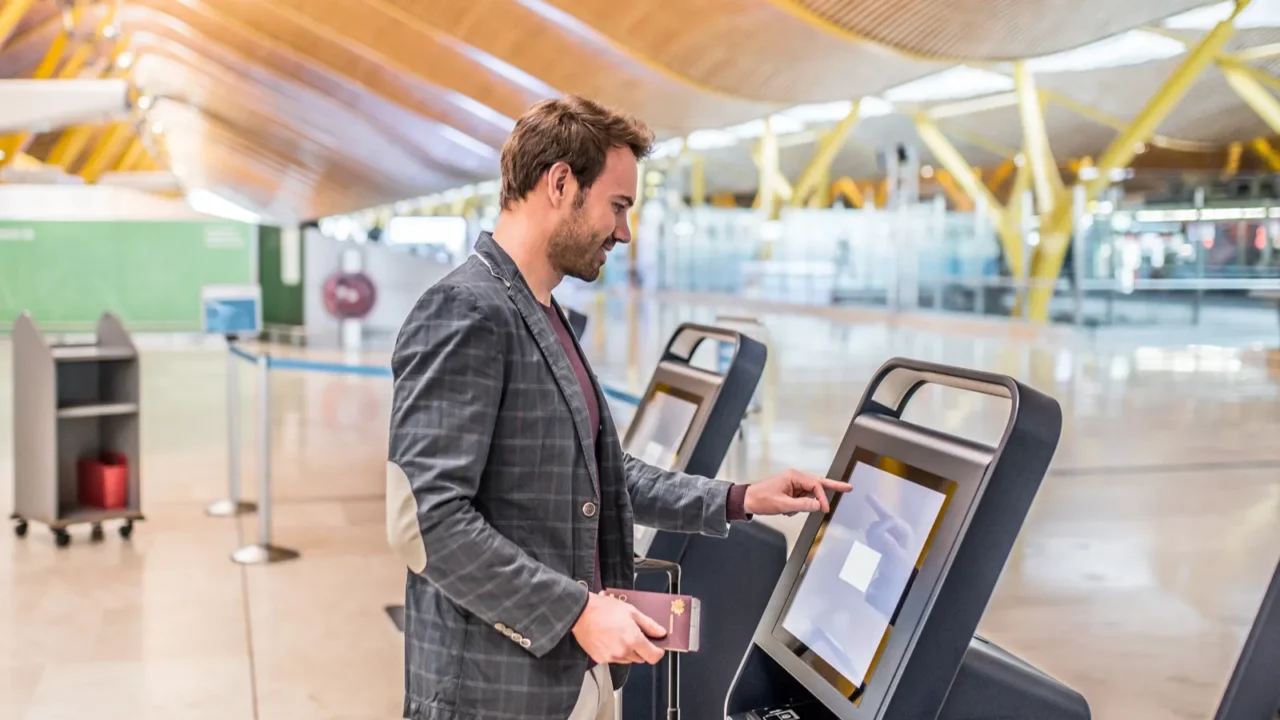
Technology slows things down
Self-service kiosks and digital boarding passes were designed to speed up travel, but they do not always work smoothly. Outages, app glitches, or unfamiliar interfaces can quickly cause delays at check-in counters.
Many travelers still need assistance for seat changes, baggage issues, or document verification. Extra time ensures technology hiccups do not derail the entire journey before it even begins.
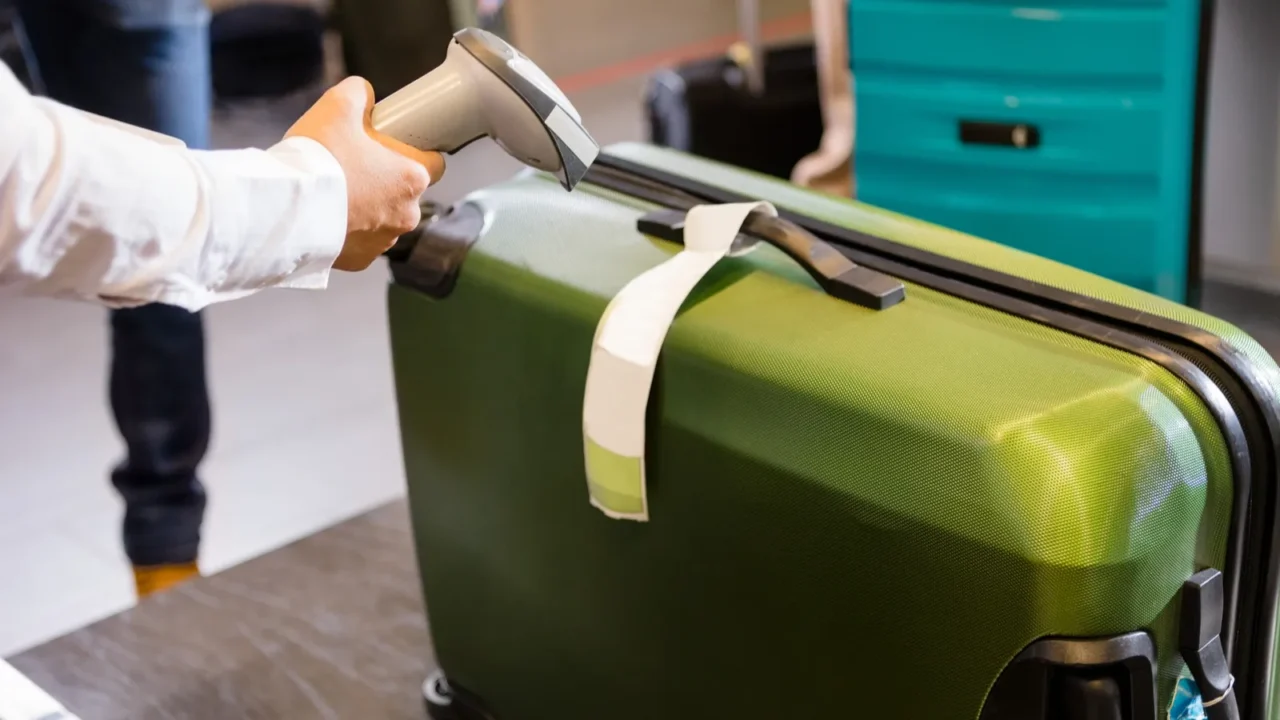
Baggage rules are stricter
Airlines have tightened baggage policies, especially for carry-on items and weight limits. Travelers often find themselves repacking at the airport or paying additional fees, both of which take time. These situations can cause sudden delays at check-in counters.
Security teams also conduct more detailed bag screenings. Arriving earlier gives travelers space to handle baggage surprises calmly rather than under the pressure of a closing gate.
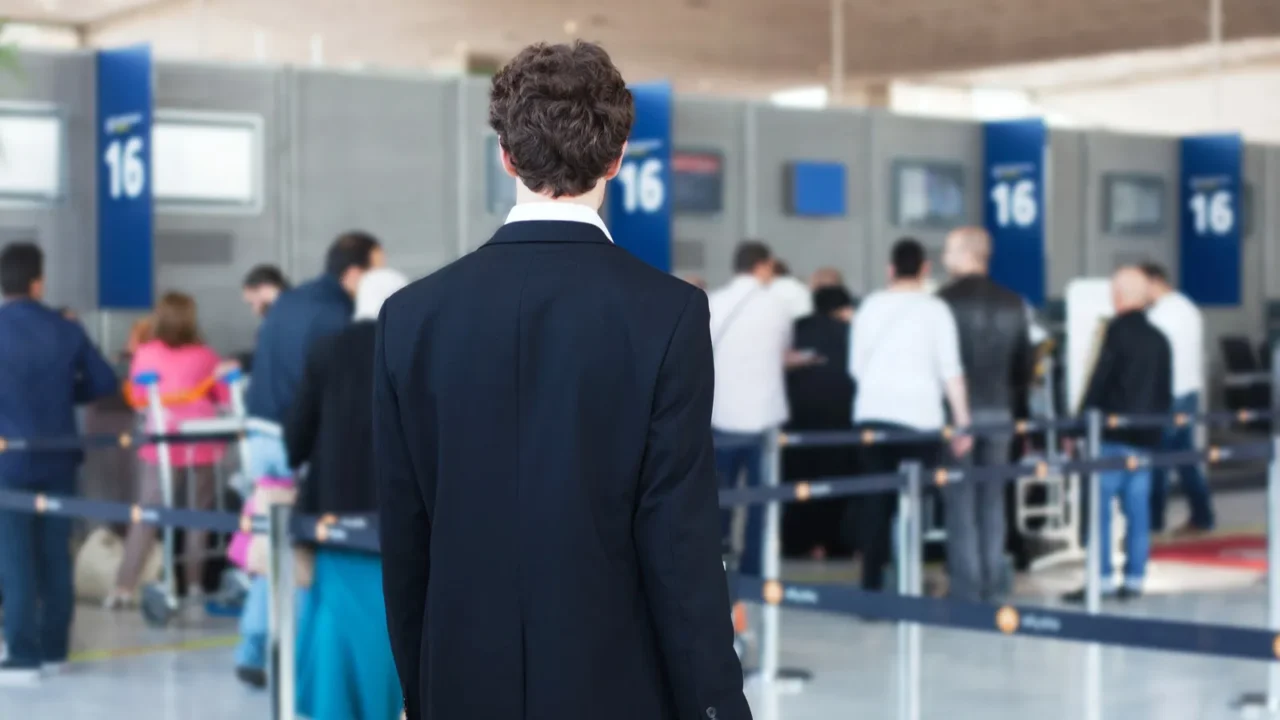
International checks increase
For international flights, document verification has become more detailed and time-consuming. Passports, visas, and health-related requirements are checked more carefully, especially for long-haul destinations. Even small discrepancies can lead to extended questioning.
Airlines are held responsible for passenger documentation, so staff take extra time to verify everything. Early arrival allows these checks to happen without anxiety or last-minute complications.
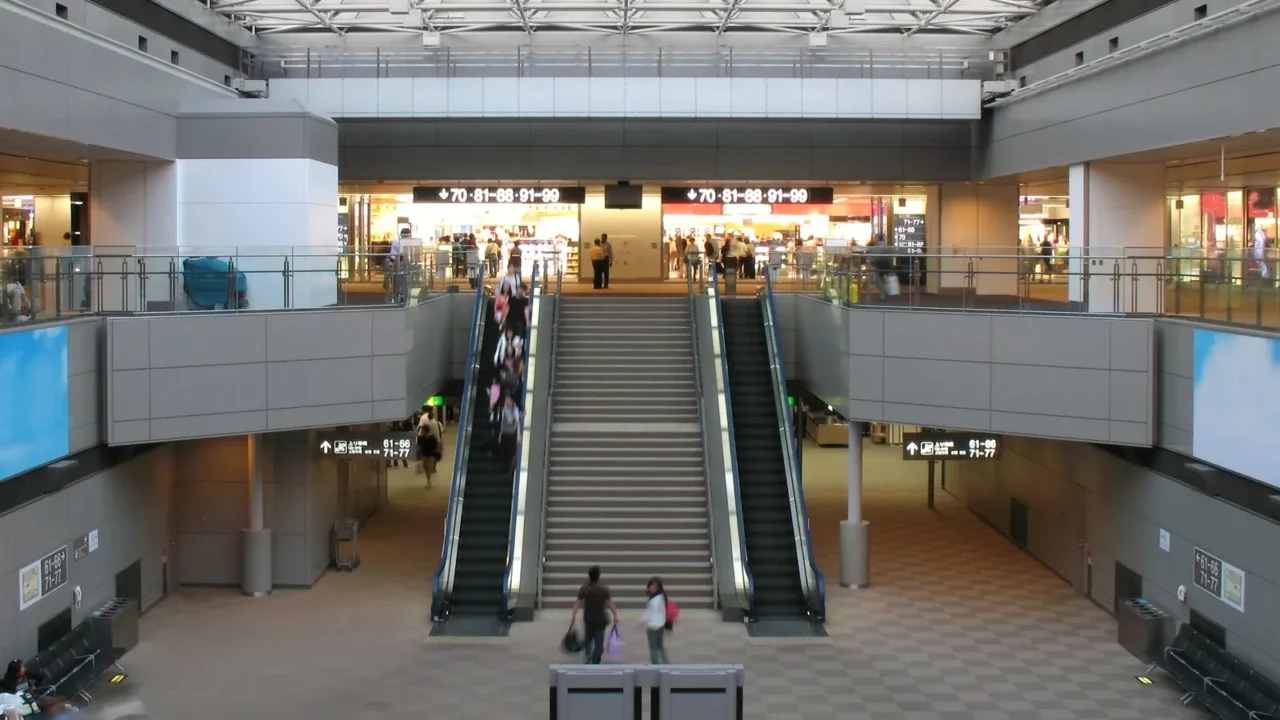
Airport layouts are expanding
Modern airports are larger than ever, with terminals that stretch across vast distances. Walking from check-in to the departure gate can take far longer than travelers anticipate, especially at major international hubs.
Shuttle trains, security zones, and passport control areas add layers of movement. Arriving early accounts for these distances and helps travelers navigate expansive terminals without rushing through unfamiliar spaces.
Peak hours have shifted
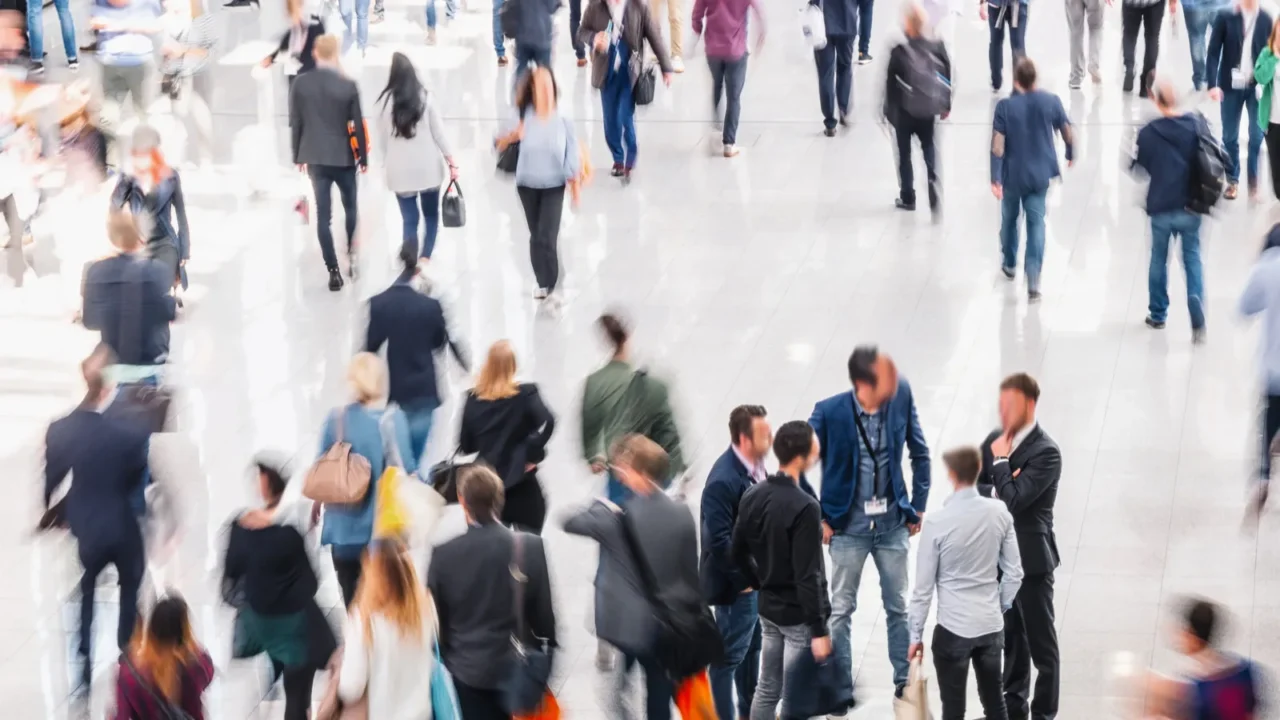
Traditional peak travel times no longer apply consistently. Early mornings, late nights, and even midday hours can feel just as crowded as holidays. Flexible work schedules and global connections have spread demand across the clock.
Travelers who assume quieter hours may be surprised by long lines. Arriving early provides a buffer against unpredictable crowd patterns that now define modern airport traffic.
Airline boarding changes
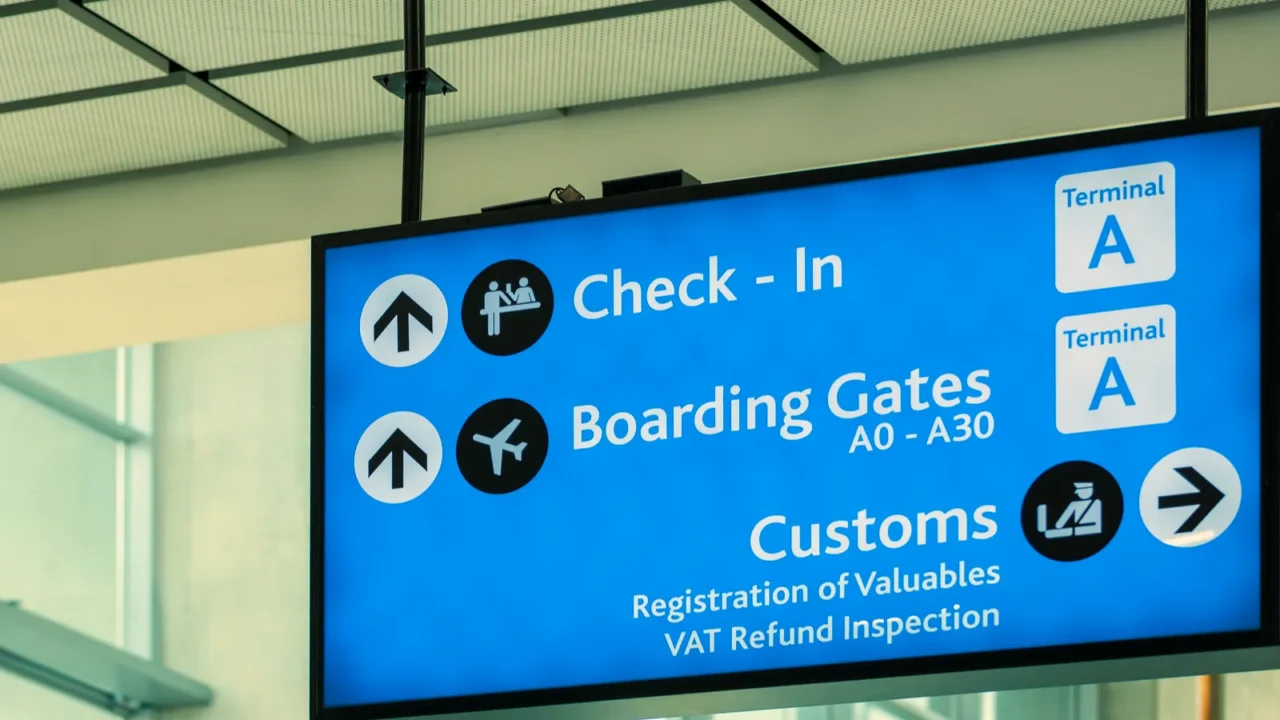
Boarding procedures have also evolved, with airlines enforcing stricter group boarding and earlier gate closures. Missing a boarding call now often means missing the flight entirely, with little room for flexibility.
Airlines aim to depart on time to manage tight schedules. Arriving early ensures travelers reach the gate before boarding begins, reducing the risk of costly rebooking or travel disruptions.
Stress impacts travel quality
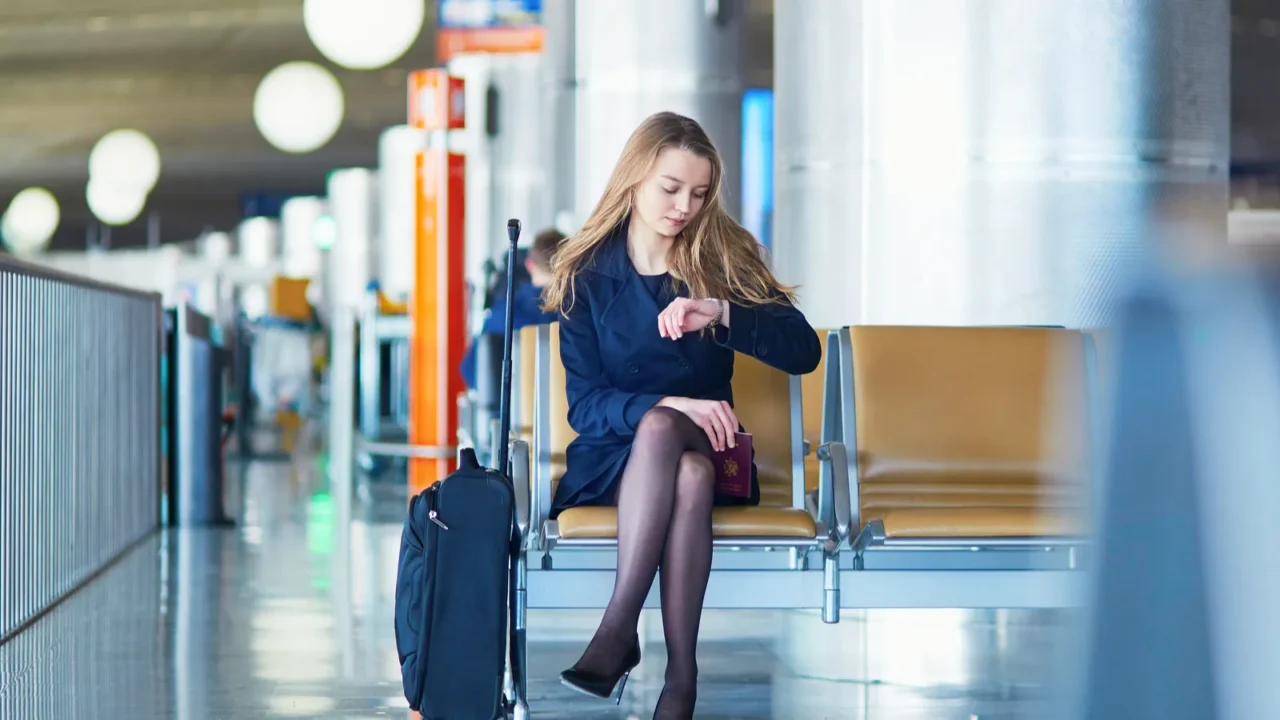
Rushing through an airport sets a stressful tone for the entire journey. Anxiety affects decision-making, mood, and even physical comfort during flights. Airports now encourage early arrival to promote a calmer, more controlled experience.
With extra time, travelers can hydrate, eat, and settle mentally before boarding. This small shift transforms travel from a frantic race into a more balanced and enjoyable start.
Airports encourage buffer time
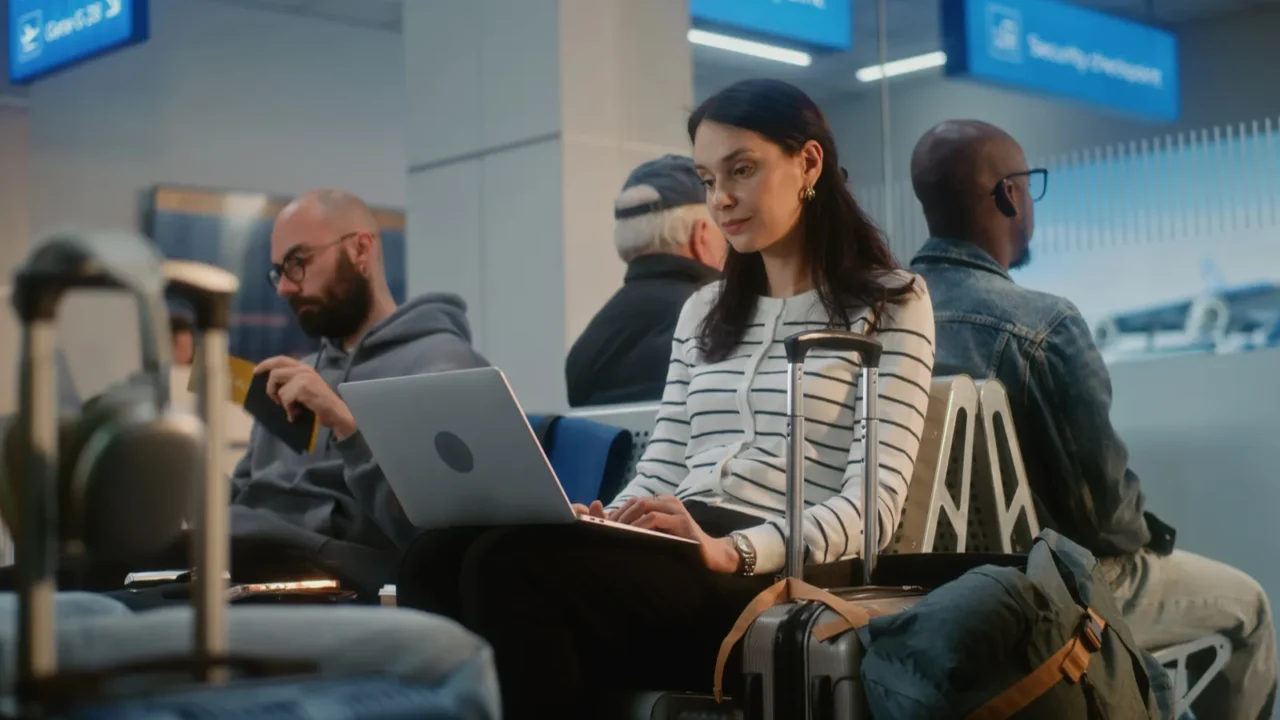
Airports and airlines now openly advise longer arrival windows, especially for international departures. These recommendations are based on data from passenger flow patterns and delay trends observed across major hubs.
Building buffer time into travel plans reduces missed flights and operational strain. Early arrival is no longer about caution but about adapting to how global travel truly functions today. Plan and enjoy a stress-free airport experience that lets your journey start smoothly.

Early arrival is freedom
Arriving early at the airport is not about waiting longer but about gaining control over the journey. It allows travelers to respond to delays, enjoy airport amenities, and move through each step with confidence.
In a world where travel is more complex and connected than ever, time has become the most valuable travel companion. Early arrival turns uncertainty into ease and transforms departures into smoother experiences. Make the most of your time, especially for domestic flights, and set the tone for a seamless journey from start to finish.
How early do you usually arrive at the airport, and has it ever made your trip easier? Share your experience in the comments.
This slideshow was made with AI assistance and human editing.
Don’t forget to follow us for more exclusive content right here on MSN.
Read More From This Brand:
