
Cars aren’t essential anymore
For years, renting a car felt like a travel necessity in many destinations. That assumption is quietly fading as cities upgrade transit systems built for both locals and visitors. Today, a single transit pass often replaces keys, maps, and parking stress.
From Europe to Asia, tourists are moving freely without rental cars. Trains, metros, and buses now reach places once considered inconvenient. This shift is changing how trips are planned, so let’s dive in!
Why transit took over
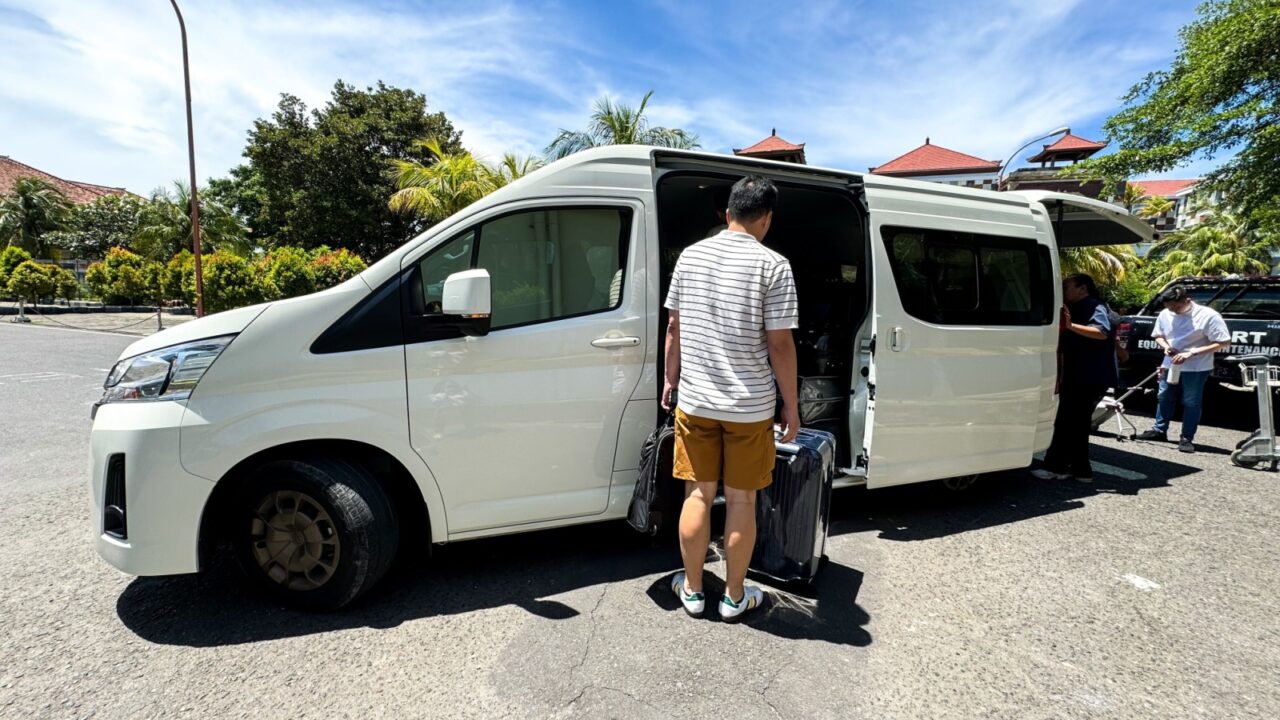
Traffic congestion and rising fuel costs pushed cities to rethink mobility. Tourists added pressure to roads never designed for heavy car use. For many cities, expanding public transit became the most practical solution to reduce road pressure and accommodate growing tourist numbers.
Modern systems are cleaner, faster, and easier to understand. Passes bundle transport with attractions. Convenience now beats car ownership on holiday.
Switzerland leads the way
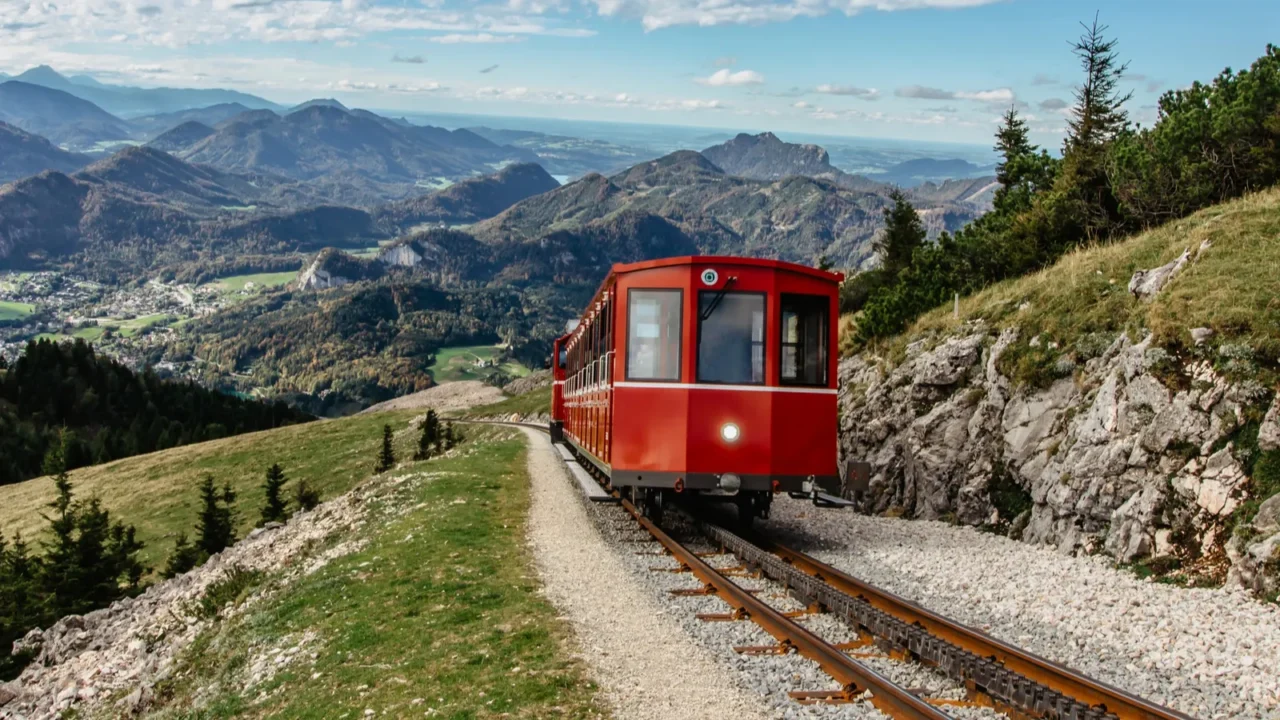
Switzerland’s Travel Pass allows unlimited use of trains, buses, and boats. Tourists reach alpine villages without driving mountain roads. Scenic rail routes replace stressful navigation.
The system connects cities and countryside seamlessly. Travelers move confidently without cars. Switzerland proves transit can be the attraction itself.
Japan’s rail first culture
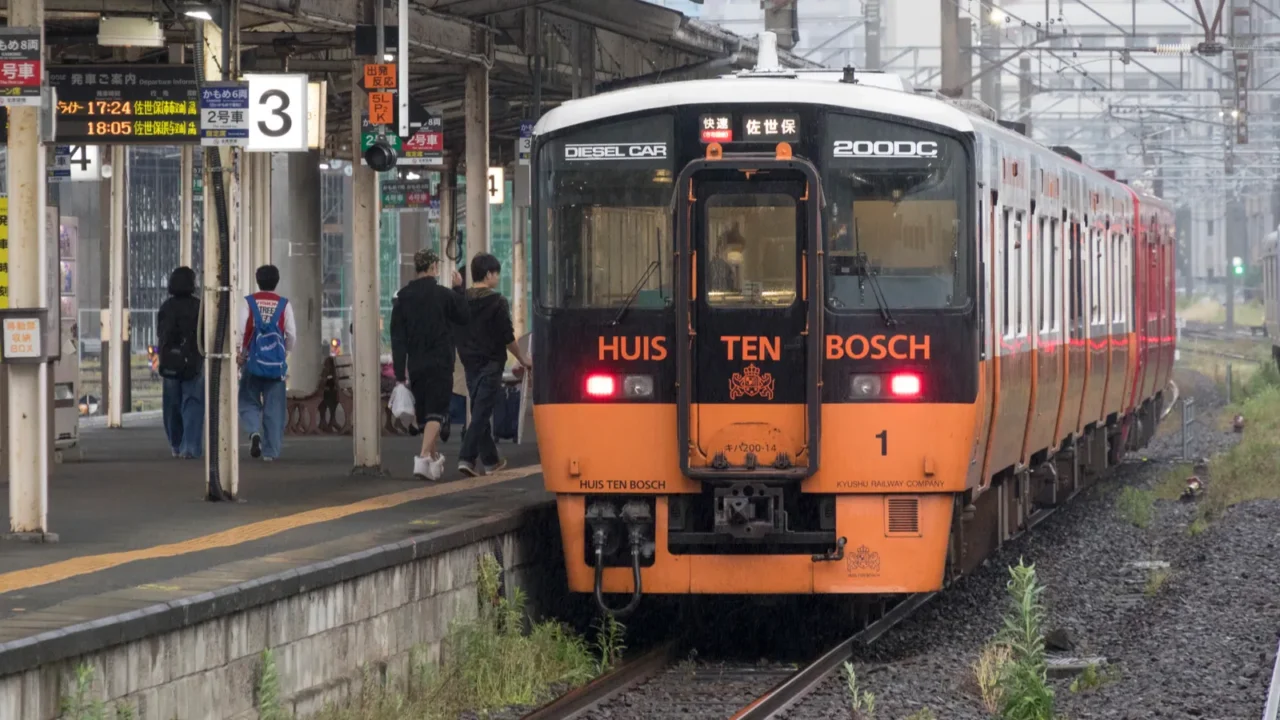
Japan’s rail passes cover bullet trains, metros, and regional lines. Visitors travel between cities and rural towns effortlessly. Car rentals feel unnecessary in most regions.
Clear signage and punctual schedules build trust. Passes simplify budgeting and planning. Japan shows how transit defines travel freedom.
Paris embraces pass travel
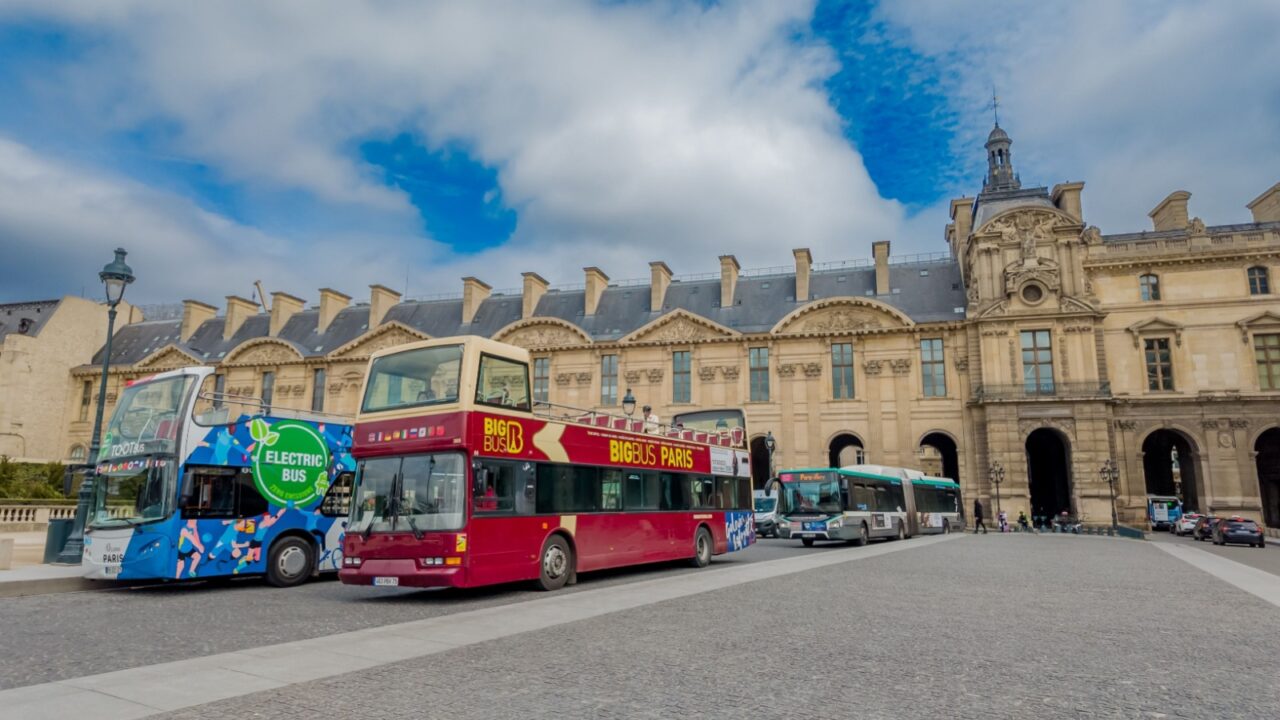
Paris offers multi-day transit passes covering metro, buses, and trams. Major landmarks sit within walking distance of stations. Rental cars add little value here.
Visitors navigate the city like locals. Traffic stress disappears from the itinerary. Paris feels more immersive without driving.
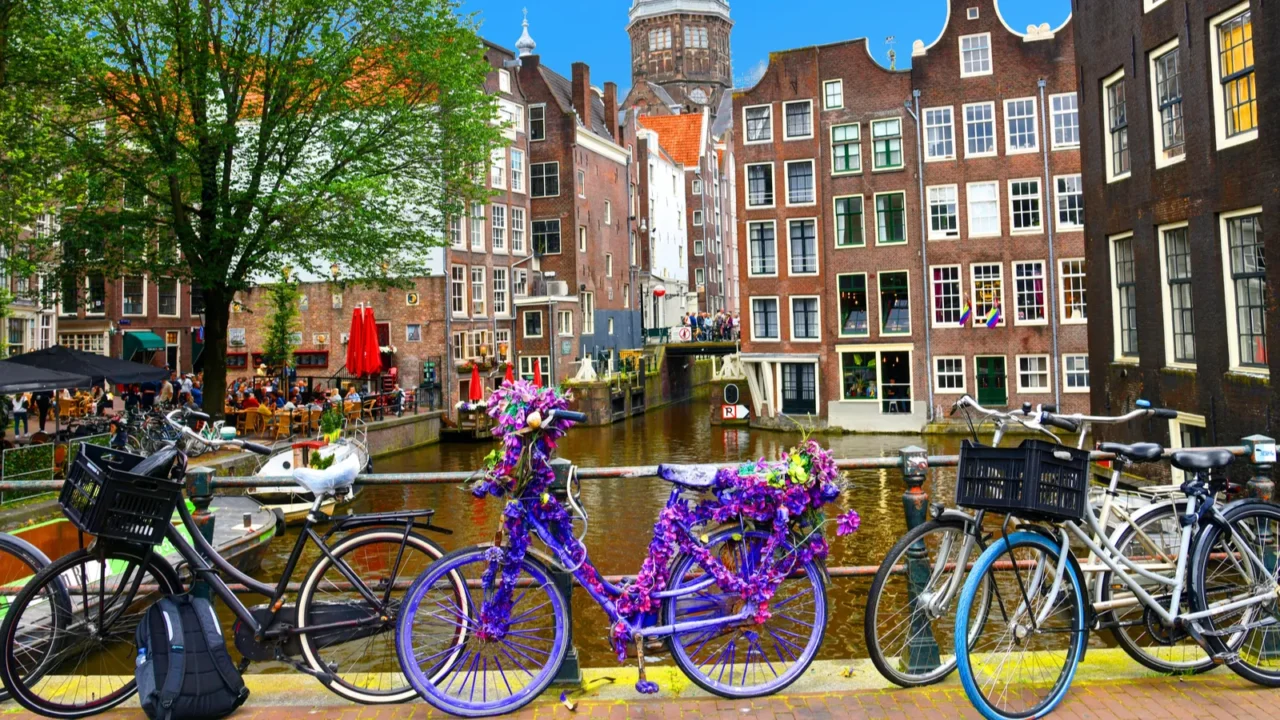
Amsterdam moves car free
Amsterdam discourages car use in central areas. Public transit passes cover trams, ferries, and buses across the city. Bicycles and ferries further enhance mobility, offering scenic and sustainable ways to explore.
Tourists reach neighborhoods easily without parking hassles. Movement feels natural and efficient. Amsterdam makes car-free travel intuitive.
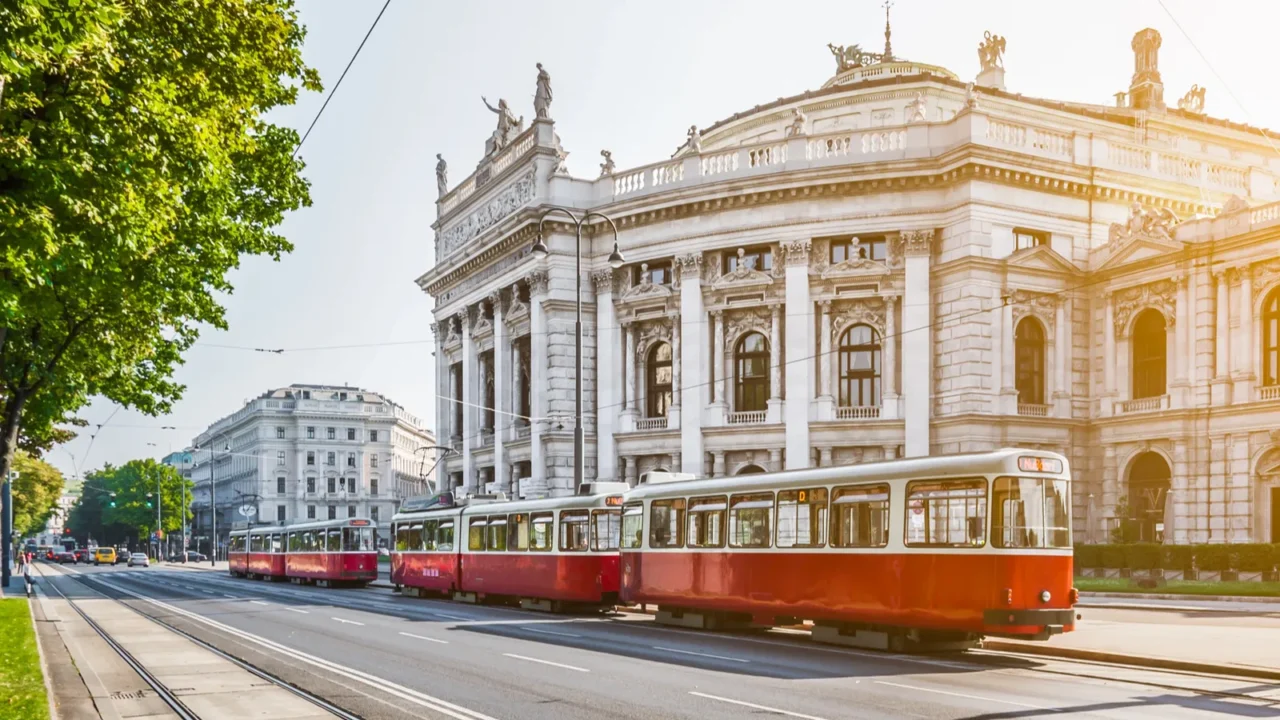
Vienna’s compact efficiency
Vienna’s transit pass provides unlimited metro and tram access. The city’s layout supports short rides and walkable routes. Cars rarely save time.
Cultural sites align neatly along transit lines. Visitors can explore comfortably at any hour. Vienna feels calm and accessible.
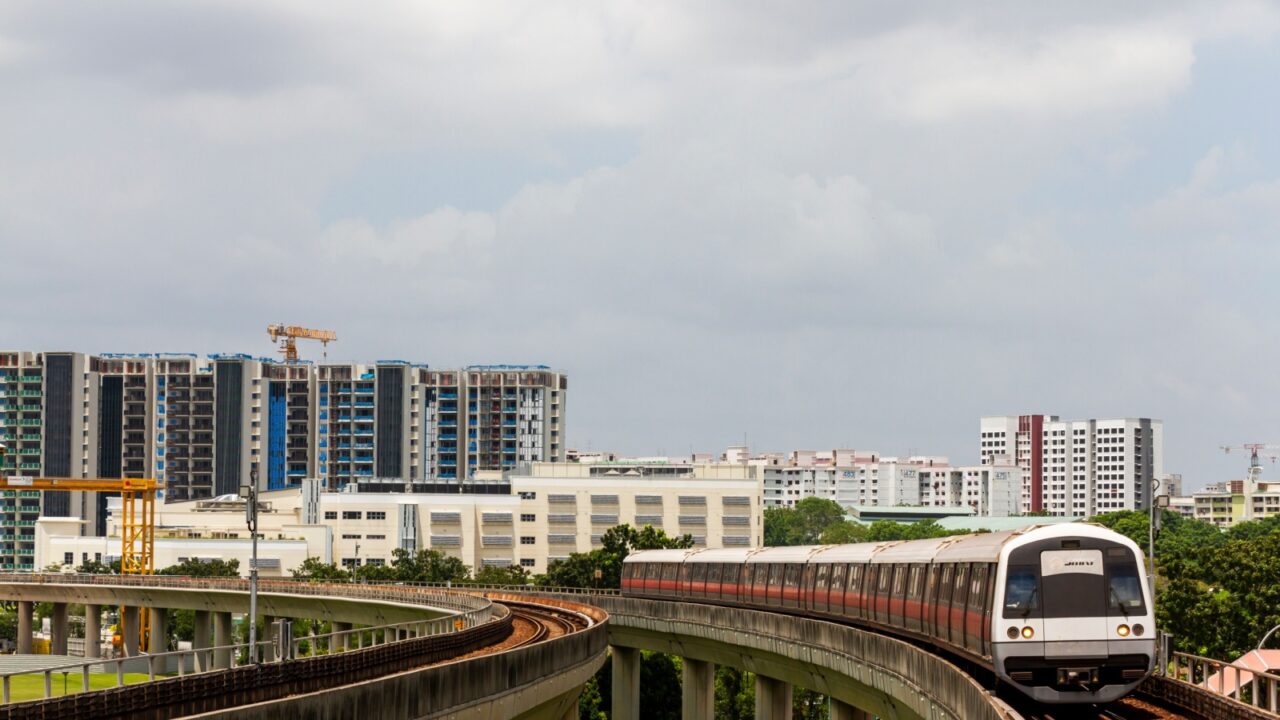
Singapore skips car rentals
Singapore’s MRT network reaches nearly every attraction. Transit passes integrate buses and trains seamlessly. Car rentals offer little advantage here.
Wayfinding is clear and multilingual. Travel feels fast and predictable. Singapore proves transit replaces driving entirely.
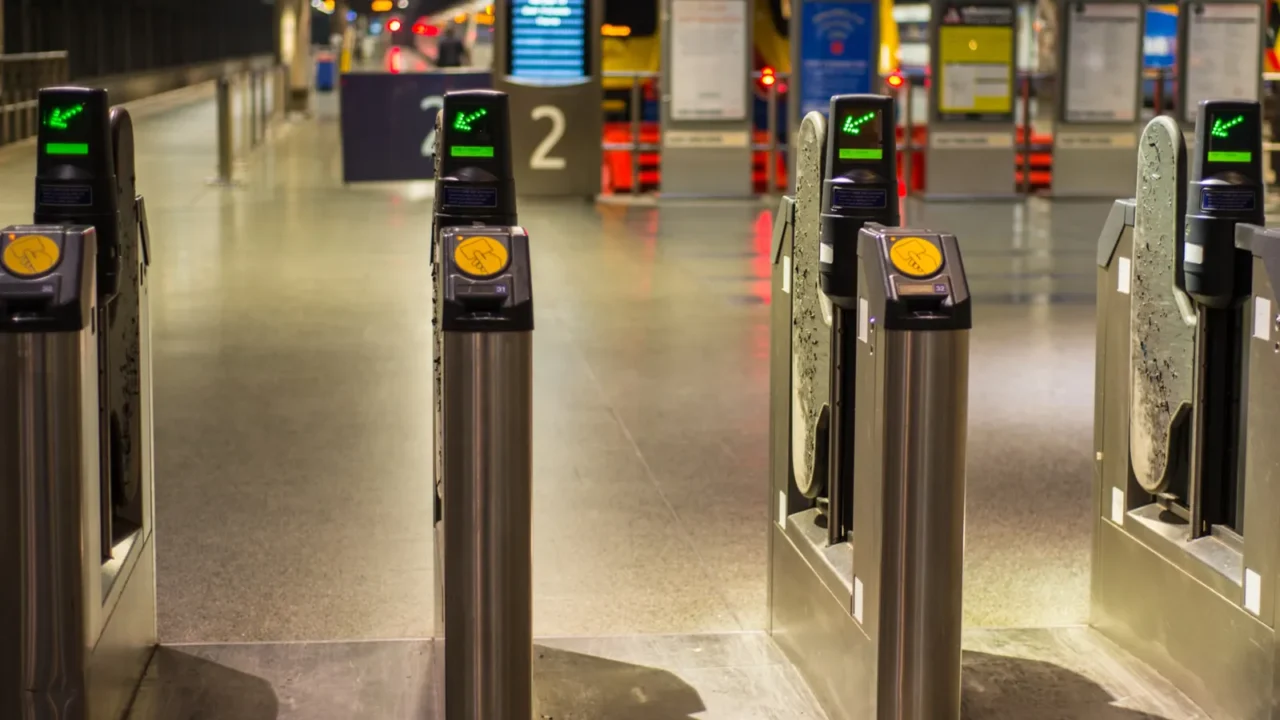
London’s contactless model
London uses contactless payment instead of traditional passes. Visitors tap cards across the Underground and buses. No car is needed in central zones.
Congestion charges discourage driving. Transit handles volume efficiently. London runs on rails, not rentals.
Seoul’s smart transit
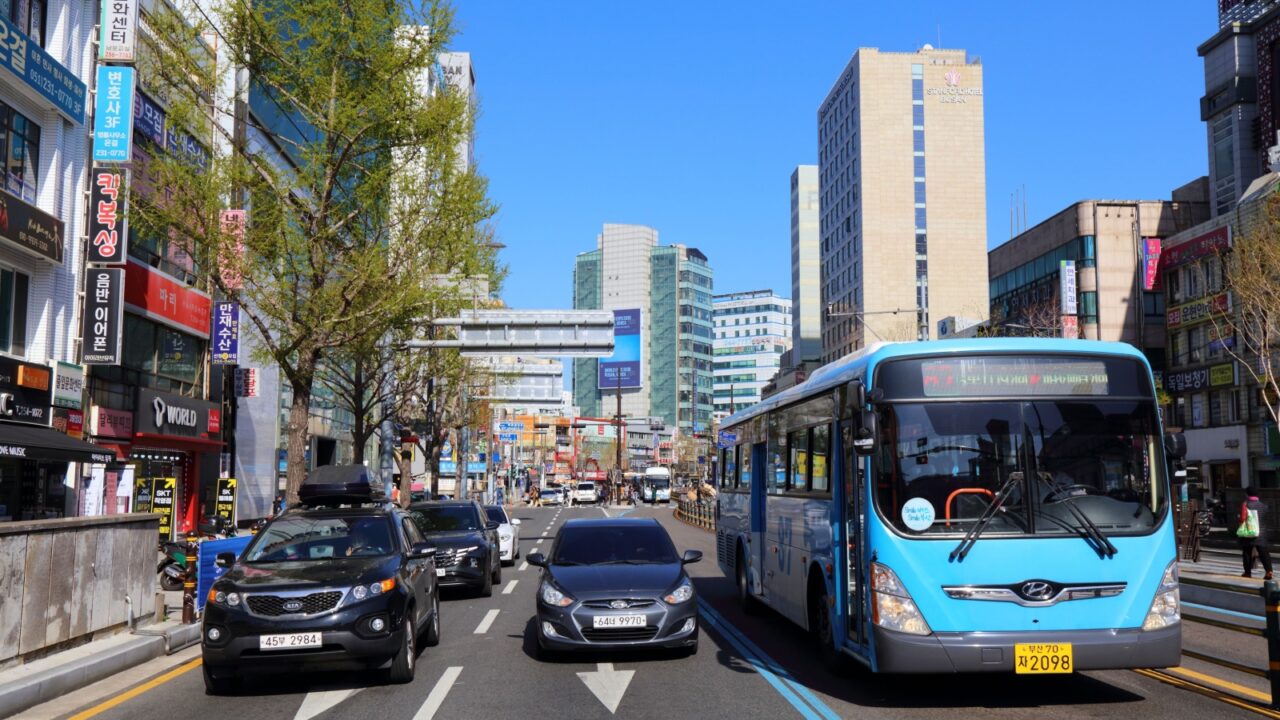
Seoul’s T-money system links the metro, buses, and taxis. Tourists navigate complex districts without driving. Transfers feel seamless.
Urban sprawl stays manageable through transit. Cars often slow down movement rather than enhancing it, especially in Seoul’s densely packed districts.
Savings add up fast
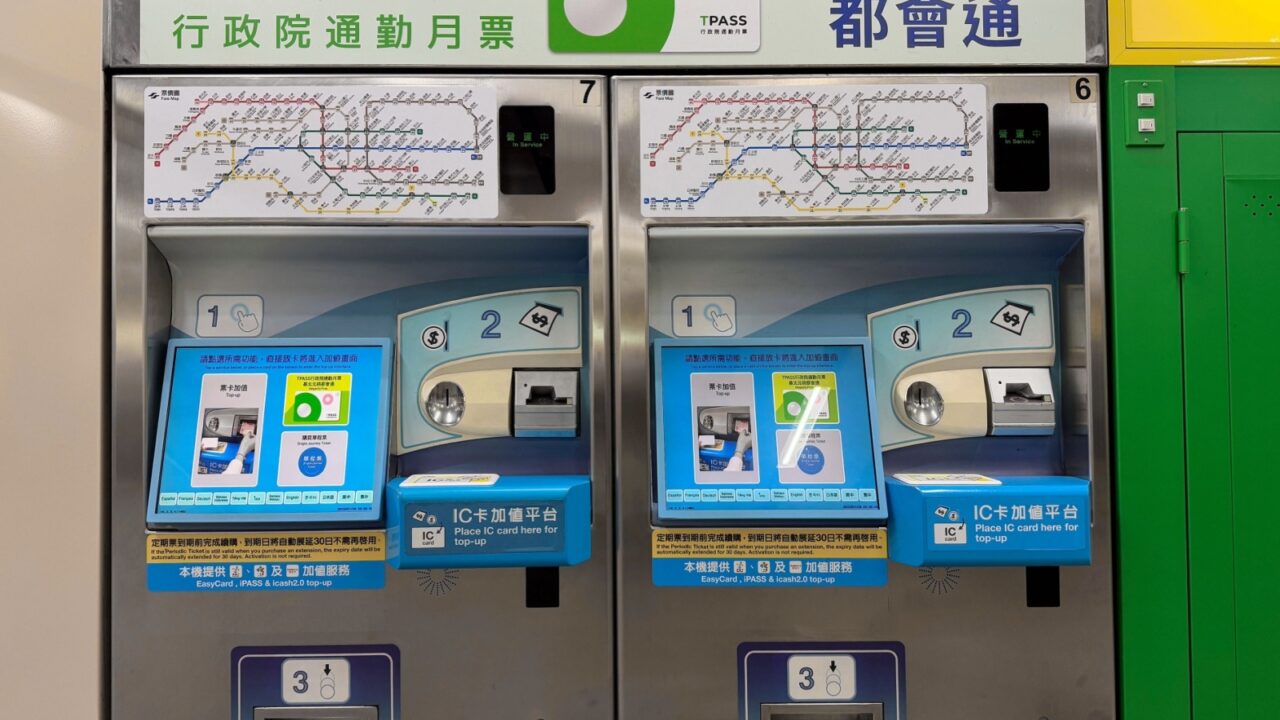
Transit passes cost far less than rentals and fuel. Insurance, parking, and tolls disappear from budgets. Travel becomes significantly more budget-friendly.
Money shifts toward experiences instead. Cafes, museums, and local tours benefit. Transit supports smarter spending.
Environmental wins matter
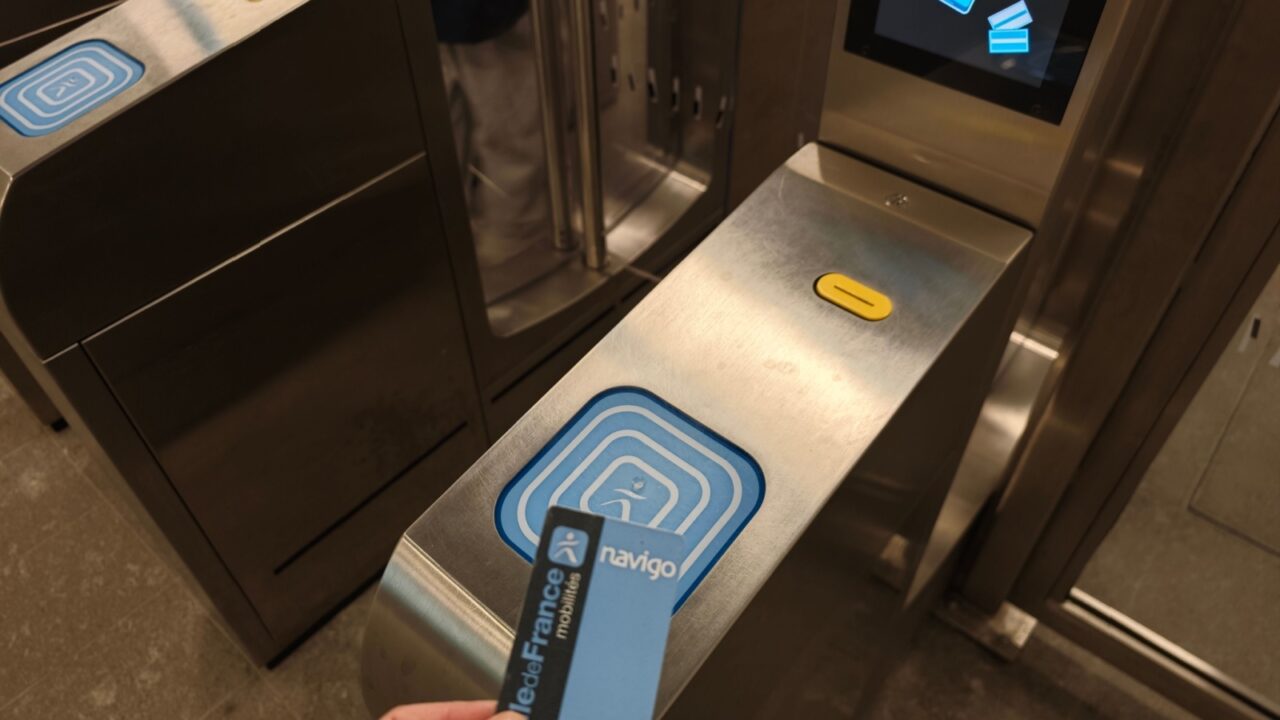
Reduced car use lowers emissions in tourist zones and protects air quality around historic streets. Transit aligns closely with long-term sustainability goals across major destinations. These environmental shifts connect with how extreme weather is changing travel insurance requirements and risk planning.
Travelers feel better about movement choices. Cities stay livable year-round. Responsible mobility becomes standard.
Movement defines the trip
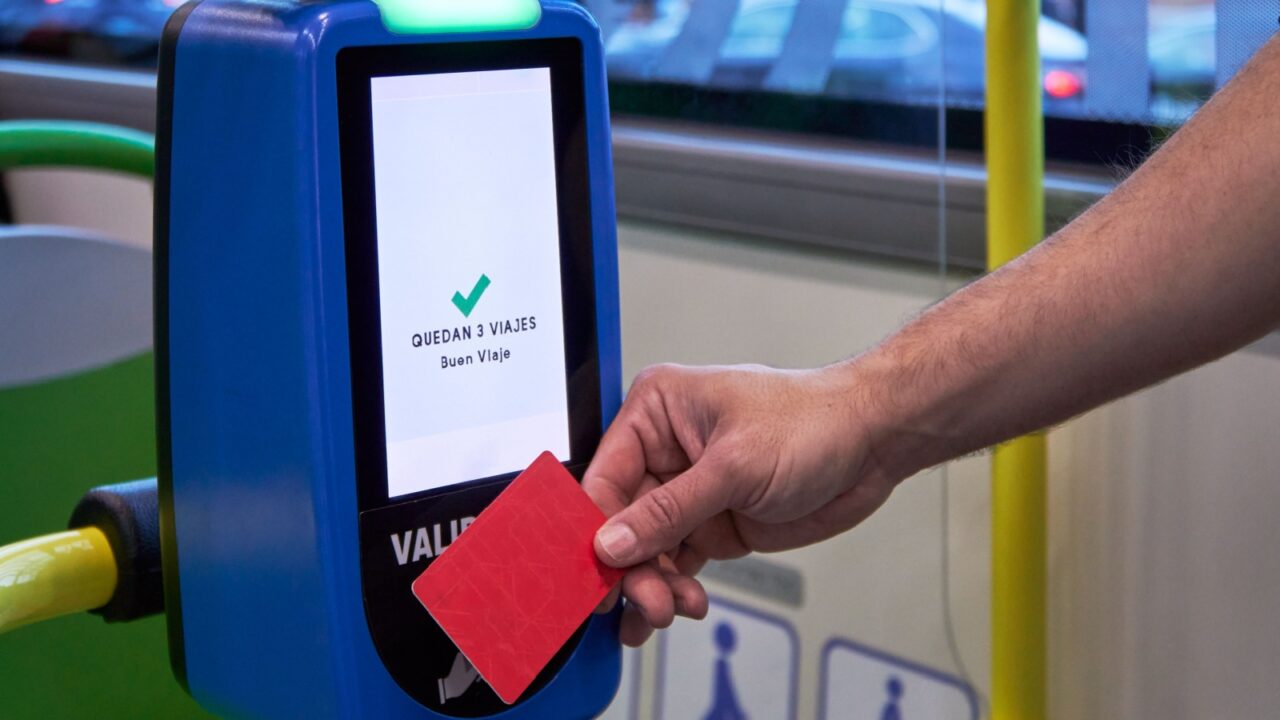
Public transit passes are redefining how destinations are explored. Freedom now comes from access, not engines. Cars no longer lead the experience.
The best trips feel smooth and connected. Public transit showcases the best of each destination by removing the delays and stress of traffic congestion. Which city felt easiest to explore without a rental car? Share your thoughts below!
This slideshow was made with AI assistance and human editing.
Don’t forget to follow us for more exclusive content right here on MSN.
Read More From This Brand:
