
Japan feels big until you map it
Japan can feel like a lot when it’s your first trip. One minute you want neon city nights, and the next you want quiet temples and mountain views. The good news is Japan is set up for travelers who like clear, easy routes. If you pick a smart “starter path,” the trip stops feeling overwhelming fast.
Most first-timers do best with a mix of Tokyo, Kyoto, and Osaka. You get modern Japan, classic Japan, and the food capital, all in one swing. Then you add one or two side trips based on what you love most. Think hot springs, Mt. Fuji views, or a day with Nara’s deer.
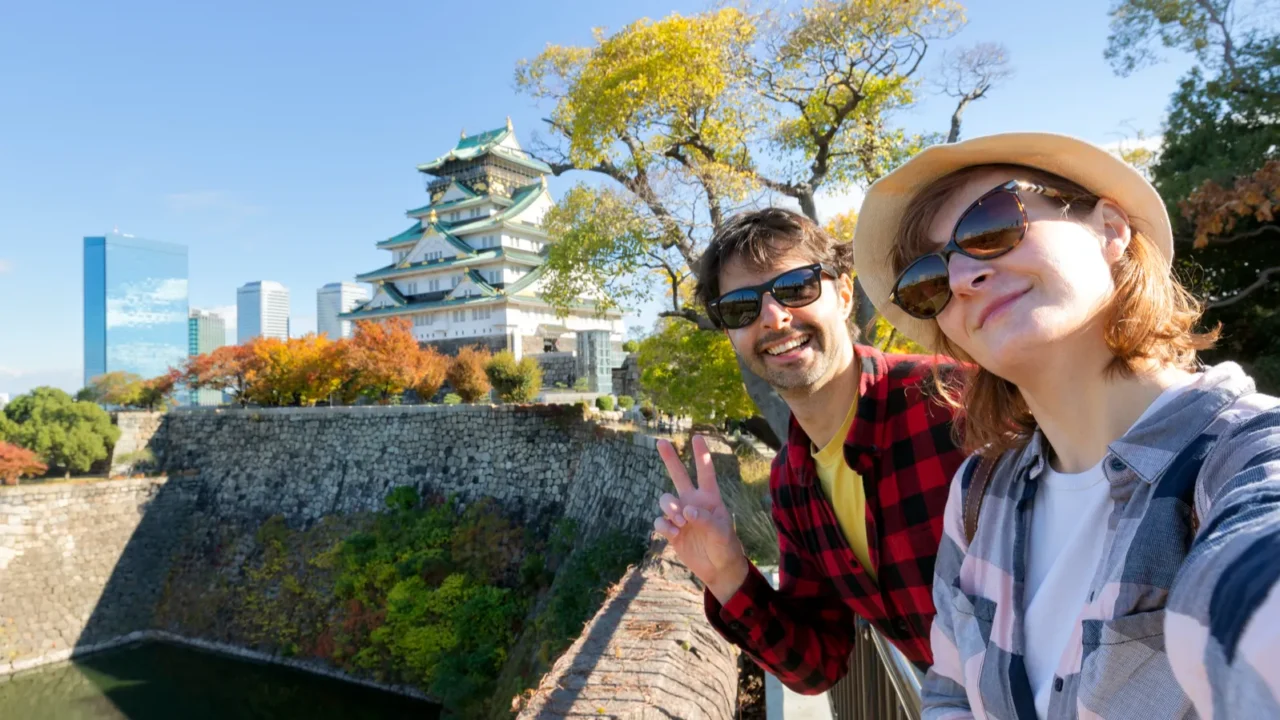
The golden route that saves your sanity
If you only copy one plan, copy the Golden Route. It usually means Tokyo, Kyoto, and Osaka, plus a Mt. Fuji or Hakone day trip. The best part is how connected it all is by train. You can move cities without renting a car or wasting a day.
Plan to stay a few nights in each “base” city instead of hotel-hopping daily. Tokyo is your launchpad for neighborhoods and day trips. Kyoto is for temples, old streets, and early mornings. Osaka is for street food, nightlife, and a theme park day, if you want it.
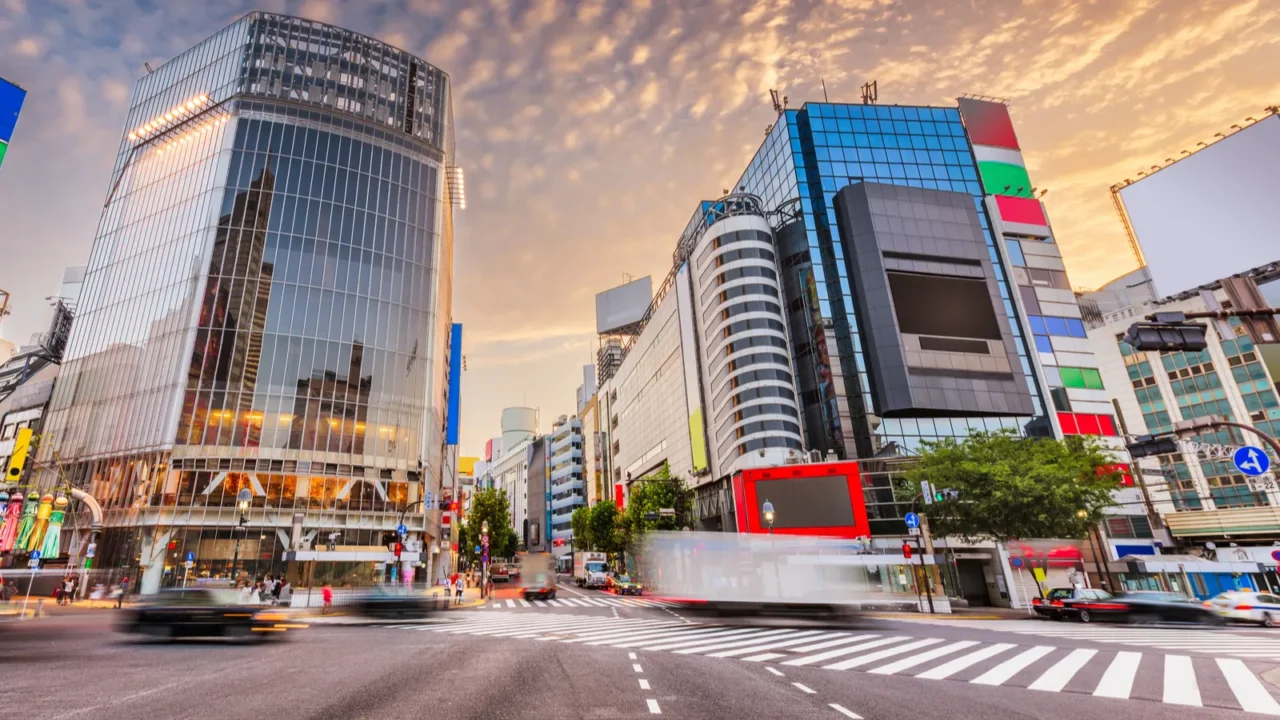
Tokyo’s Shibuya hit different in 2026
Shibuya is the kind of place that makes you feel like you stepped into a movie. You can watch the famous crossing, then disappear into side streets packed with shops and snack stops. If you want the “wow” view, aim for Shibuya Sky. It’s a high observation spot where the city looks endless.
One practical tip: Shibuya Sky tickets are often time-based, and sales can be limited to a short window ahead. If you have a specific sunset slot in mind, plan it early. Keep your hands free because some areas restrict loose items for safety. It’s one of those Tokyo moments you remember later.
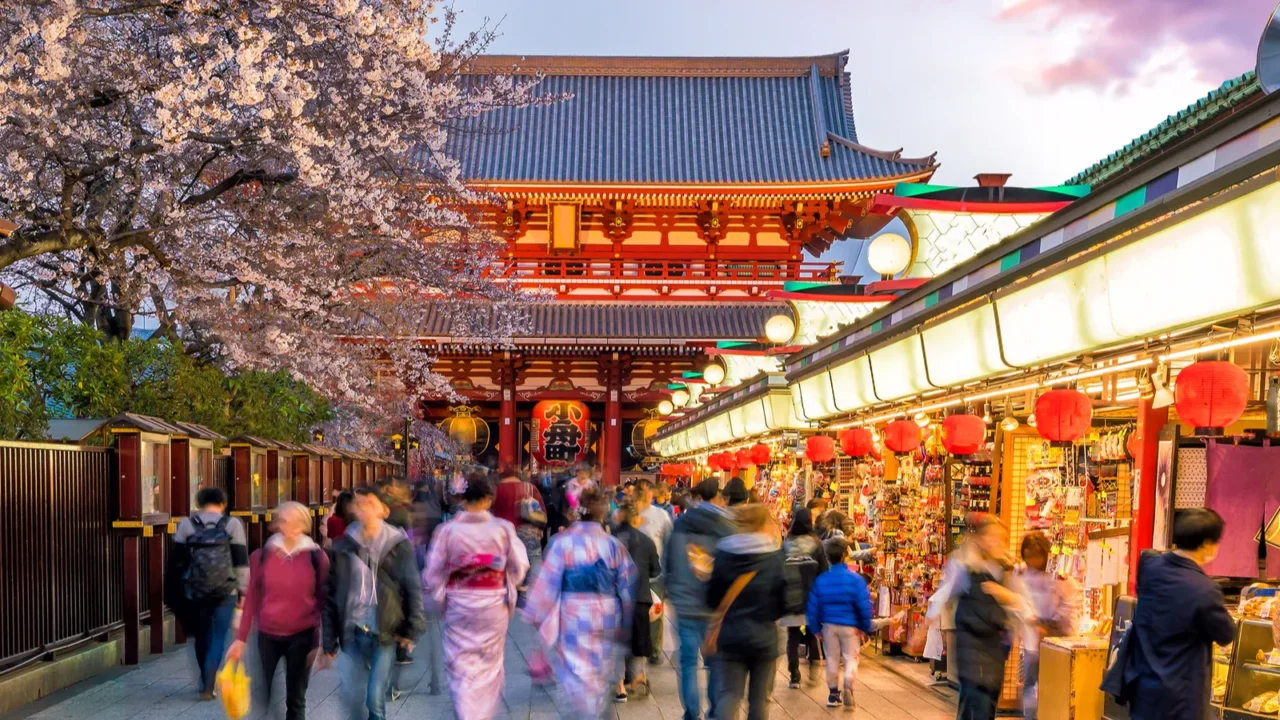
Asakusa is Tokyo’s old-soul neighborhood
If Tokyo has a “then and now” contrast, Asakusa is the “then.” Senso-ji is a classic stop, and it still feels like a real place of worship, not a staged set. The walk up includes gates, lanterns, and a busy shopping street where you can grab small souvenirs. It’s easy to do in a few hours without rushing.
Senso-ji is widely described as Tokyo’s oldest temple, and it draws huge crowds each year. Go early if you want calmer photos and fewer shoulder bumps. If you arrive later, lean into the energy and focus on the food stalls and tiny shops. It’s a great “first temple” because it’s exciting, not intimidating.
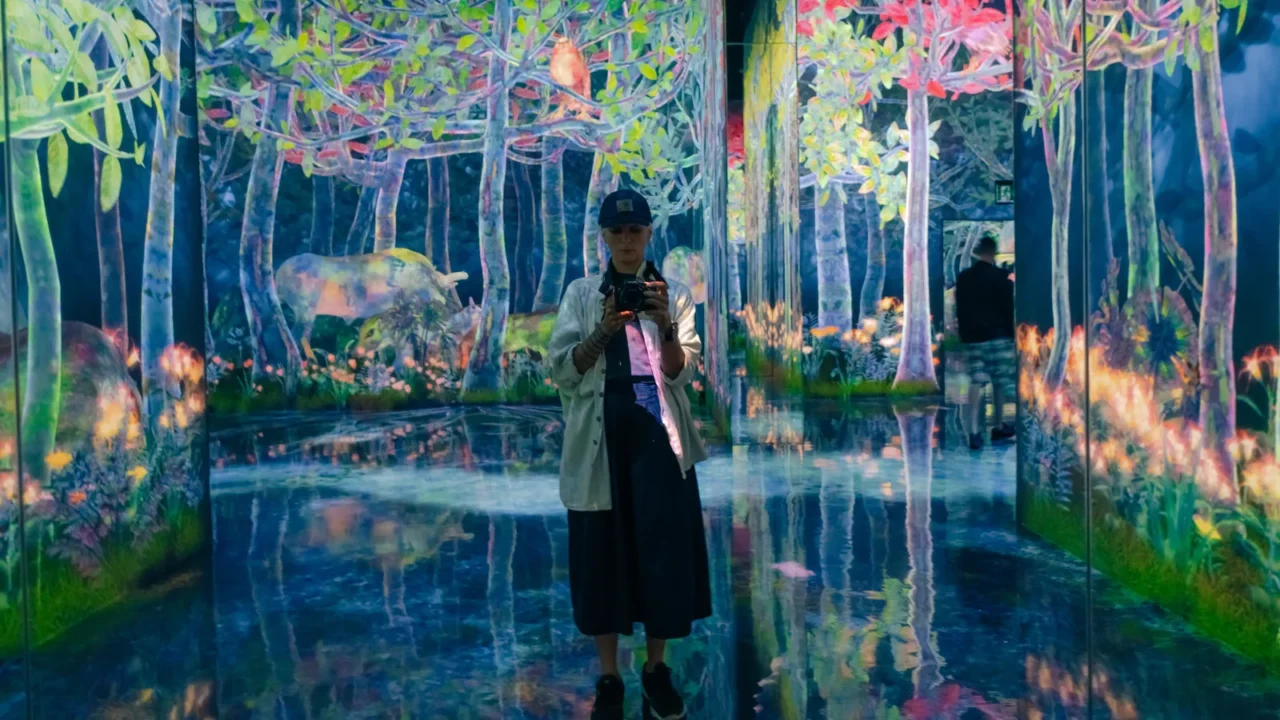
teamLab is the modern Tokyo “must”
If you want something that feels truly different, put a teamLab museum on your Tokyo list. These spaces are built around digital art that moves, reacts, and wraps around you. It’s not the kind of museum where you walk quietly and read plaques. It’s more like stepping inside a living screen.
Two popular options are teamLab Planets and teamLab Borderless. teamLab Borderless reopened in Tokyo’s Azabudai Hills in 2024 and is designed to be explored without a fixed route, so it feels like you discover things by wandering. Tickets can sell out, so don’t leave it to the last minute. If your group has different tastes, this is the easiest “everyone agrees” activity.
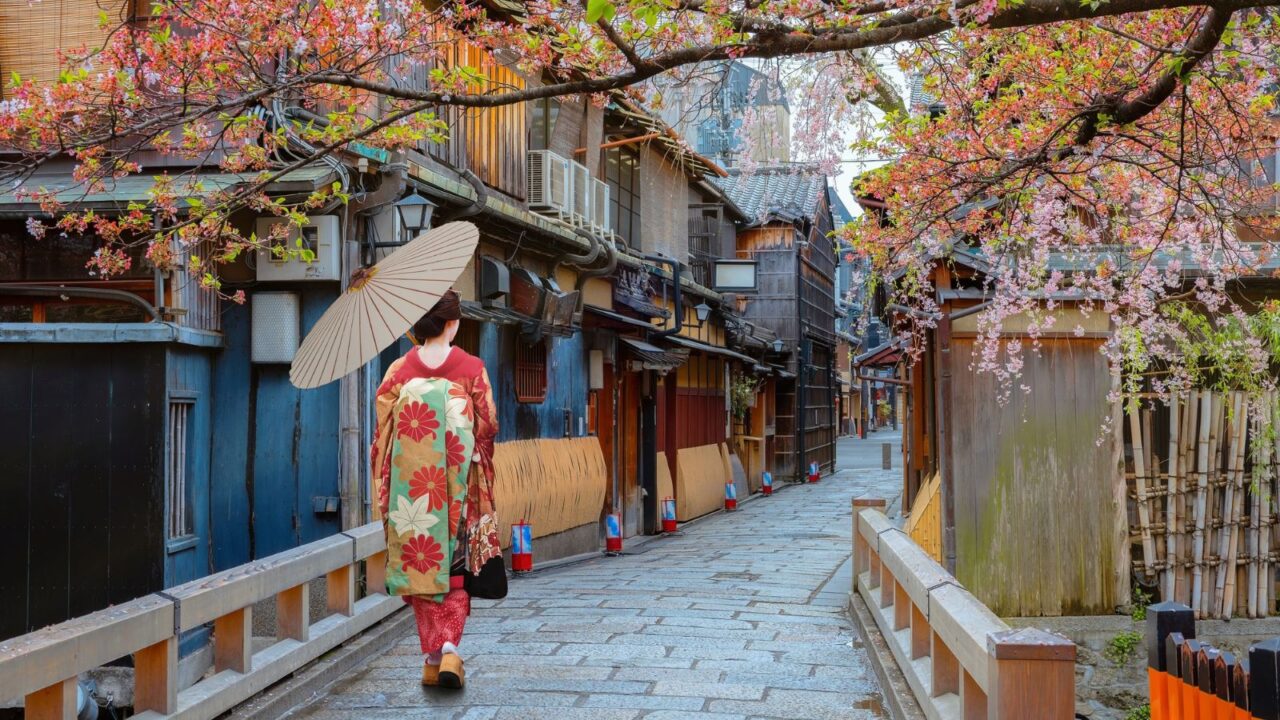
Kyoto’s Gion is beautiful but has rules
Gion is one of Kyoto’s most photographed areas, and that’s exactly why it needs care. You’ll see traditional streets, teahouse culture, and a calmer pace than Tokyo. But the neighborhood has dealt with rude behavior from tourists. That’s why some narrow private streets have restricted access.
In recent years, Kyoto has warned visitors not to enter certain private alleys, and signage has been used to reinforce that. The main takeaway is simple: stay on public paths, be quiet, and do not chase photos of performers. If you treat Gion like a neighborhood instead of a set, it becomes more enjoyable for everyone.
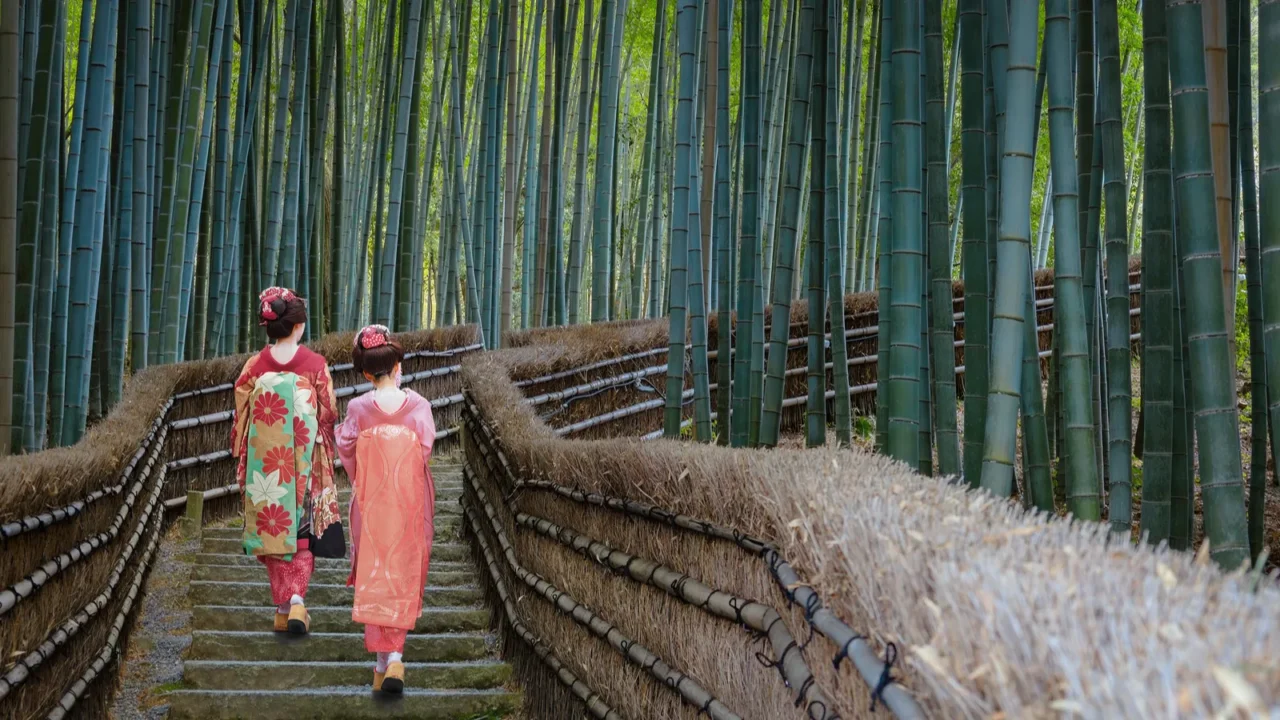
Arashiyama is worth it if you time it right
Arashiyama’s bamboo grove is famous for a reason. The walk is short, but it feels immersive when the light hits the bamboo just right. If you go at peak time, it can feel crowded and rushed. If you go early, it can feel almost peaceful.
A good strategy is to arrive in the morning and build your Arashiyama time around one main goal. Some people pair the grove with nearby temples and a riverside stroll. Others come for photos and then leave before the midday crush. The grove is easy to fit into a Kyoto day without sacrificing your whole schedule.
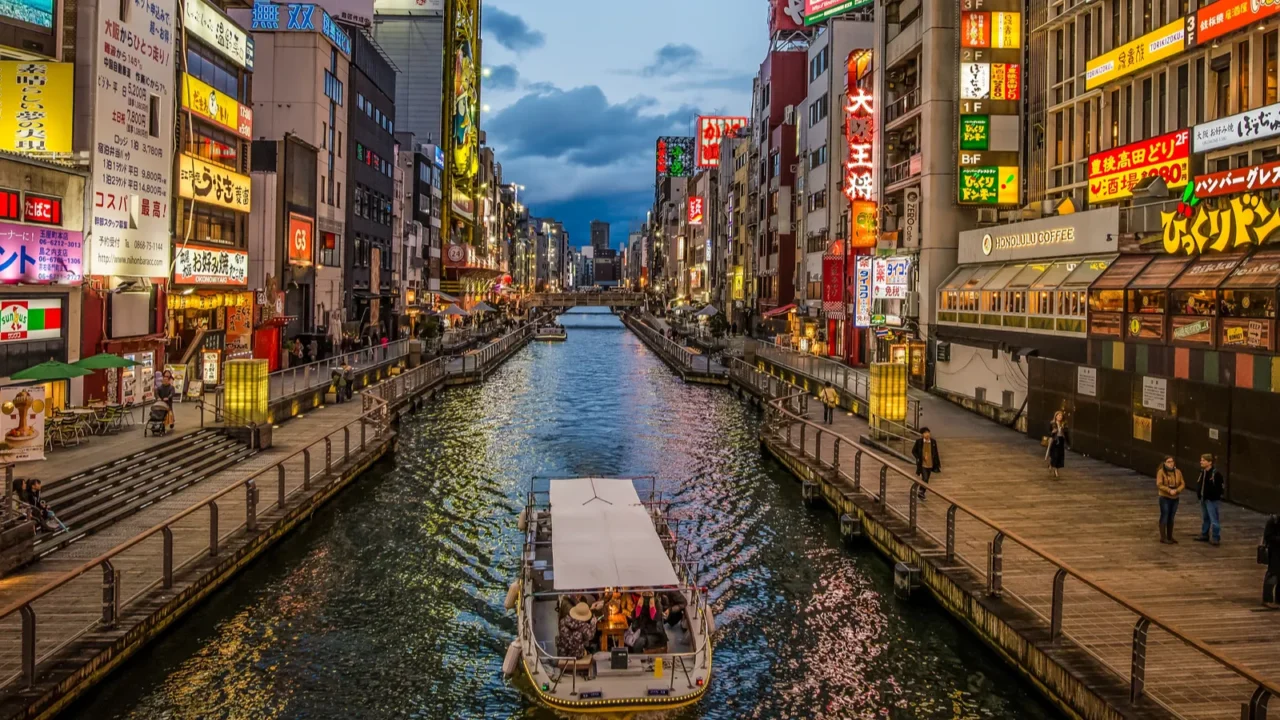
Osaka’s Dotonbori is your food playground
Osaka is the place where you stop counting calories and just eat. Dotonbori is the loudest, brightest example of that energy. The neon signs are part of the fun, especially at night. It feels like the city is cheering you on to try one more snack.
This is the right spot to try classic Osaka street foods like takoyaki and okonomiyaki. Even if you do not know what you like yet, you can “sample your way” into a favorite. Walk the canal area, take your photo with the famous signs, and keep moving to avoid getting stuck in one crowded patch.
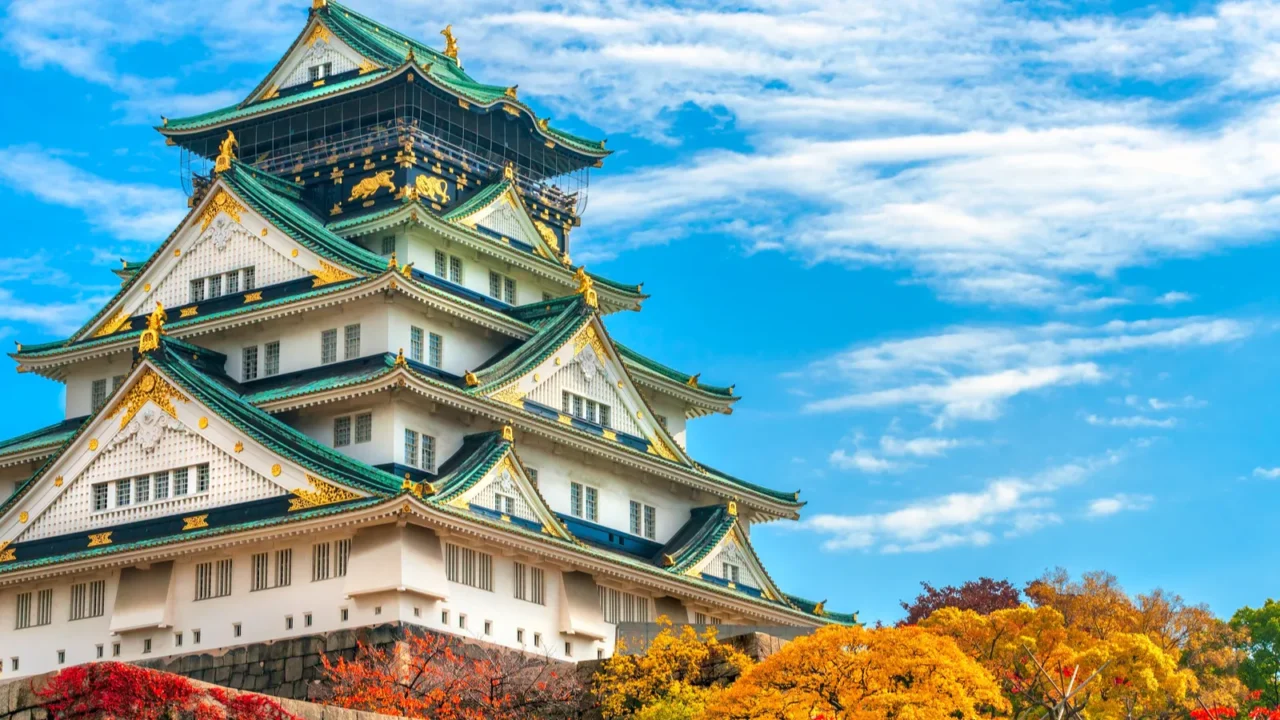
Osaka Castle is an easy history win
If you want a big landmark that’s simple to visit, Osaka Castle fits the bill. The park around it is part of the experience, so don’t just rush inside and leave. Even a quick outside loop gives you great views and a sense of scale. It’s one of those places where the photos come out well without trying too hard.
Osaka’s tourism guides describe the main keep as the symbol of the city. If you go inside, plan for stairs, exhibits, and an observation area. If your group is mixed on museums, split the difference by spending more time in the park. It’s also a nice “reset stop” after the sensory overload of Dotonbori.
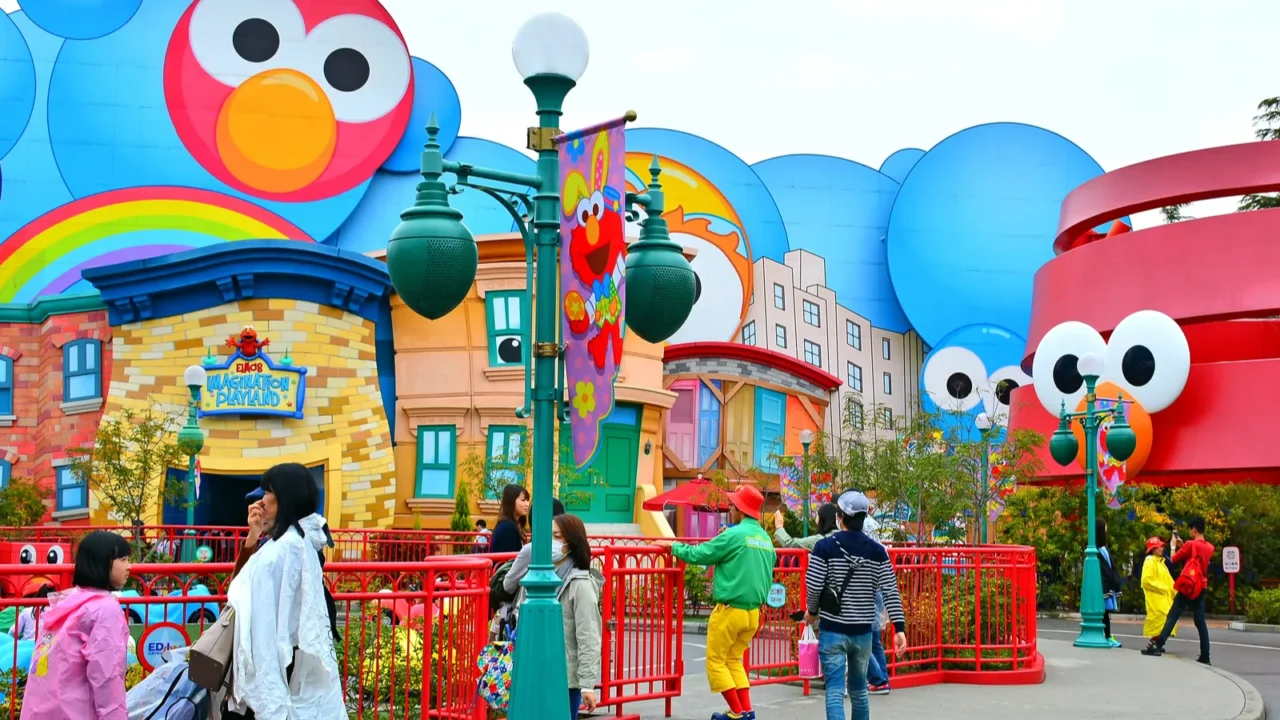
Universal Studios Japan is a full-day plan
If you love theme parks, Universal Studios Japan can be a highlight of your whole trip. For many first-timers, the big draw is Super Nintendo World. It’s designed to feel like you walked into a game world, with interactive elements and themed food. It’s also one of the places where planning helps a lot.
Download the official park app before you go, because it can help you navigate and use area features. Expect crowds, especially on weekends and holidays. If you can, go on a weekday and arrive early. Make this a full-day commitment so you are not stressed about “doing it all.”
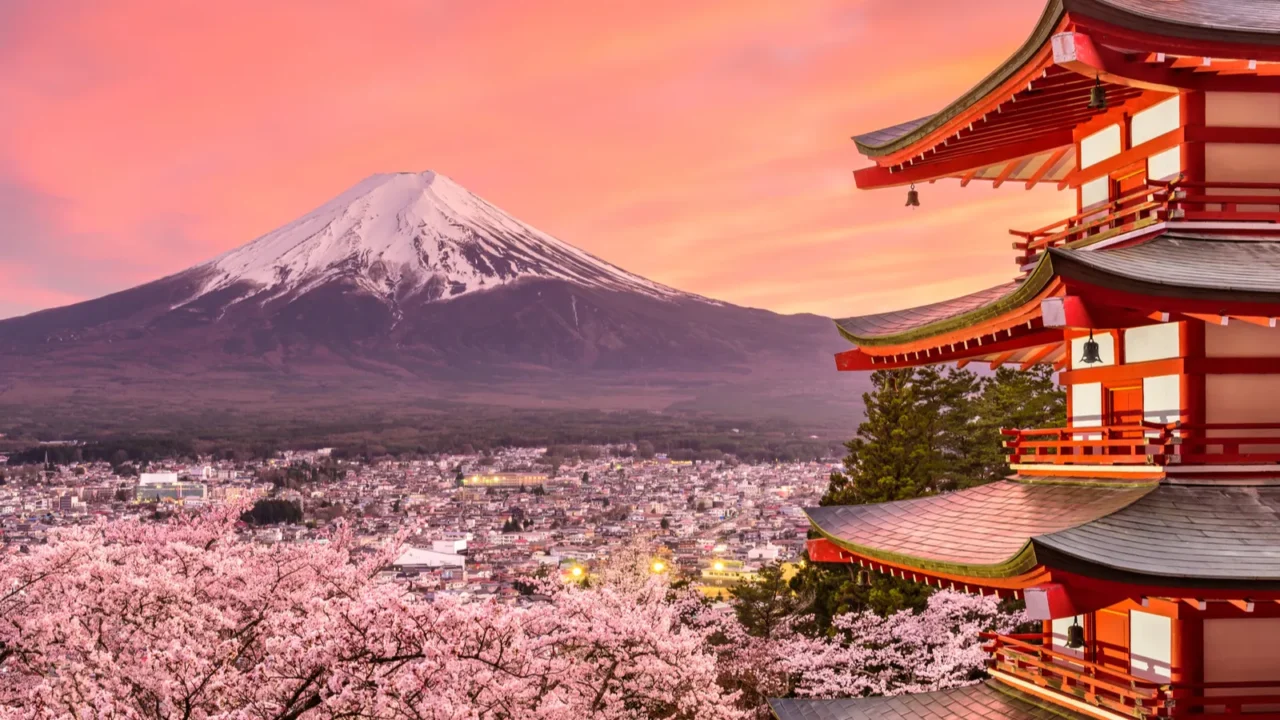
Mt. Fuji views are about weather luck
Mt. Fuji is iconic, but it does not show up on command. The best plan is to build in flexibility and treat a Fuji day as a “bonus win” if skies are clear. Many first-timers try Lake Kawaguchiko for views because it’s a classic vantage point. When the mountain is out, it feels unreal.
Local tourism info highlights spots around the lake that are set up for scenery and seasonal flowers. If you’re chasing photos, be respectful and follow signs, because some areas have struggled with crowd behavior. Bring a light jacket since it can feel cooler near the water. If Fuji is hiding in clouds, you still get a great day outside the city.
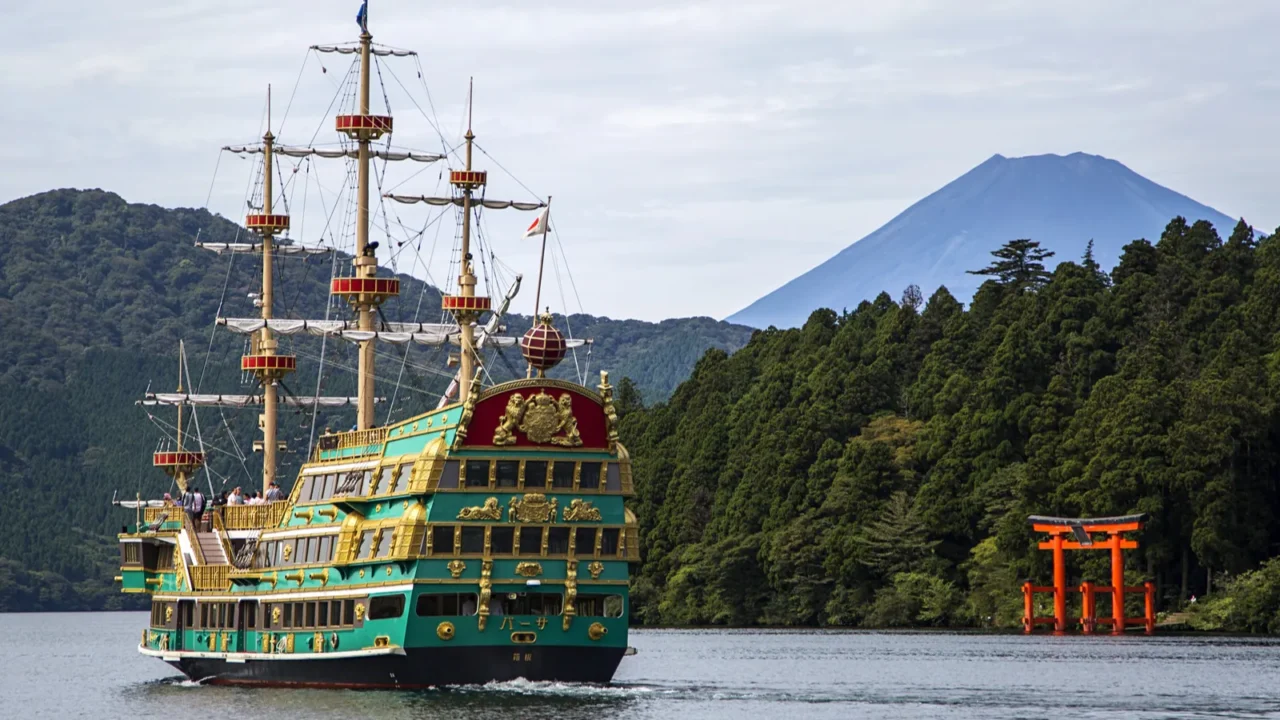
Hakone is the “spa day” side of Japan
Hakone is where you go to slow down. People come for hot springs, mountain air, and classic views around Lake Ashi. Even if you don’t do an onsen, the transport loop itself is fun. It feels like a mini adventure with changing scenery the whole time.
Two signature experiences are the ropeway and the lake cruise. The ropeway is known for views over volcanic terrain near Owakudani. The sightseeing cruise is short enough to fit into a busy day but still feels special. If you want one relaxing day on a fast trip, Hakone is the easiest choice.
Ready for more Japan inspiration? Don’t miss 20 irresistible reasons Japan tops every traveler’s list.
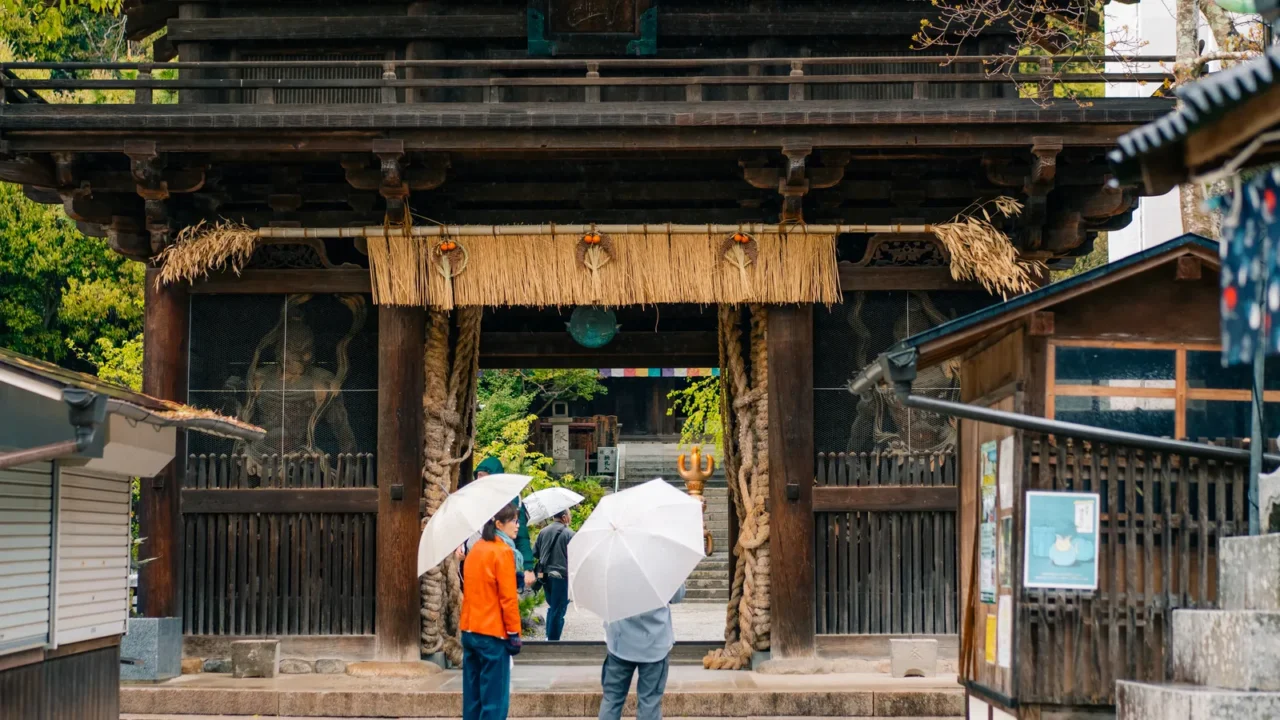
Add one side trip and travel smarter
Once you do Tokyo, Kyoto, and Osaka, add one “extra” based on your personality. Nara is perfect if you want deer and big temple history, especially Todai-ji’s famous Great Buddha hall. Kamakura is great if you want a coastal day near Tokyo and an outdoor Buddha statue. Kanazawa works if you love gardens and preserved districts, and Shirakawa-go is the “storybook village” option.
For getting around, the Shinkansen makes the Golden Route simple, and online reservation tools exist for major lines. For city transport, many travelers use an IC card, including tourist options like Welcome Suica in Tokyo. Book popular tickets and hotels early, especially for peak spring and fall.
Next, explore how Shōgun and Japan’s castles are sparking a new samurai travel wave.
What part of Japan would you be most excited to see first? Share your thoughts and your view in the comments.
This slideshow was made with AI assistance and human editing.
Don’t forget to follow us for more exclusive content right here on MSN.
Read More From This Brand:
