Australia is big, wild, and worth it
If you have ever looked at Australia on a map, you already know the problem. It is far, the flights are long, and jet lag can feel like a personal attack. But once you land, the scenery starts showing off fast. Australia has reefs, deserts, rainforests, and coastlines that do not look real.
For first-timers, the fun part is that “must-see” does not mean one kind of trip. You can snorkel with neon fish one week and walk through red-rock country the next. You can do city comforts in Sydney or Melbourne, then disappear into nature by car or small plane. This slideshow is your shortcut to the natural wonders people still talk about years later.
The Great Barrier Reef wow factor
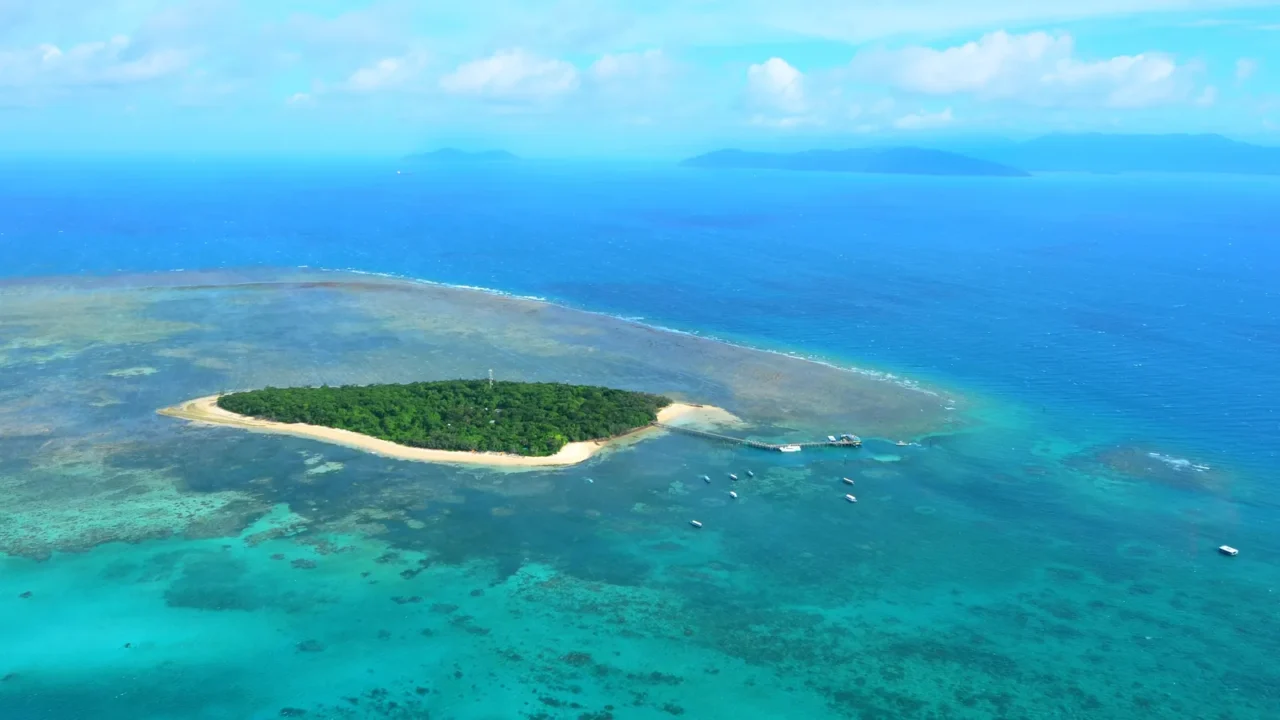
The Great Barrier Reef is the headline for a reason. It is the world’s largest coral reef system, and it stretches across a huge part of Queensland’s coast. You do not have to be an expert swimmer to enjoy it either. Many trips are built for beginners, with calm-water snorkeling spots and guides in the water.
If you want the best “first time” payoff, pick one reef day and one island day. A reef day involves exploring vibrant coral gardens and marine life often only seen in documentaries. An island day is about beach time, short hikes, and that bright aqua water in every photo. It is the kind of place that makes you understand why people plan an entire vacation around one splash.
Uluru feels powerful in person
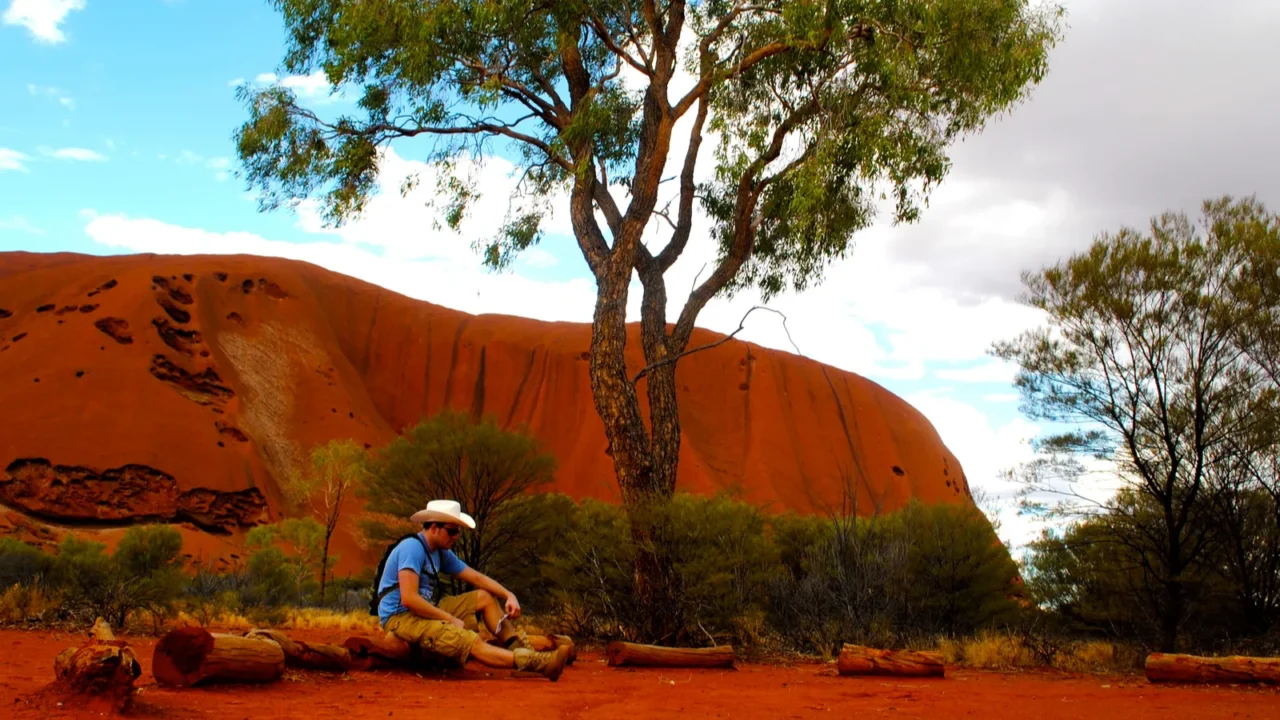
Uluru is one of those places that resonates more deeply when you see it in person. The sandstone monolith rises dramatically from the surrounding landscape, and the light changes its color throughout the day. Uluru and the nearby Kata Tjuṯa domes are part of a UNESCO World Heritage site, and the cultural significance is a huge part of the experience.
For many travelers, sunrise or sunset is the moment they remember most. The air feels still, the colors get intense, and the scale is hard to explain until you see it. This is also a place where listening matters, not just sightseeing. Many tours focus on learning about Country and the local Anangu connection to the land. That context makes the visit feel more meaningful than a quick photo stop.
Daintree where rainforest meets reef
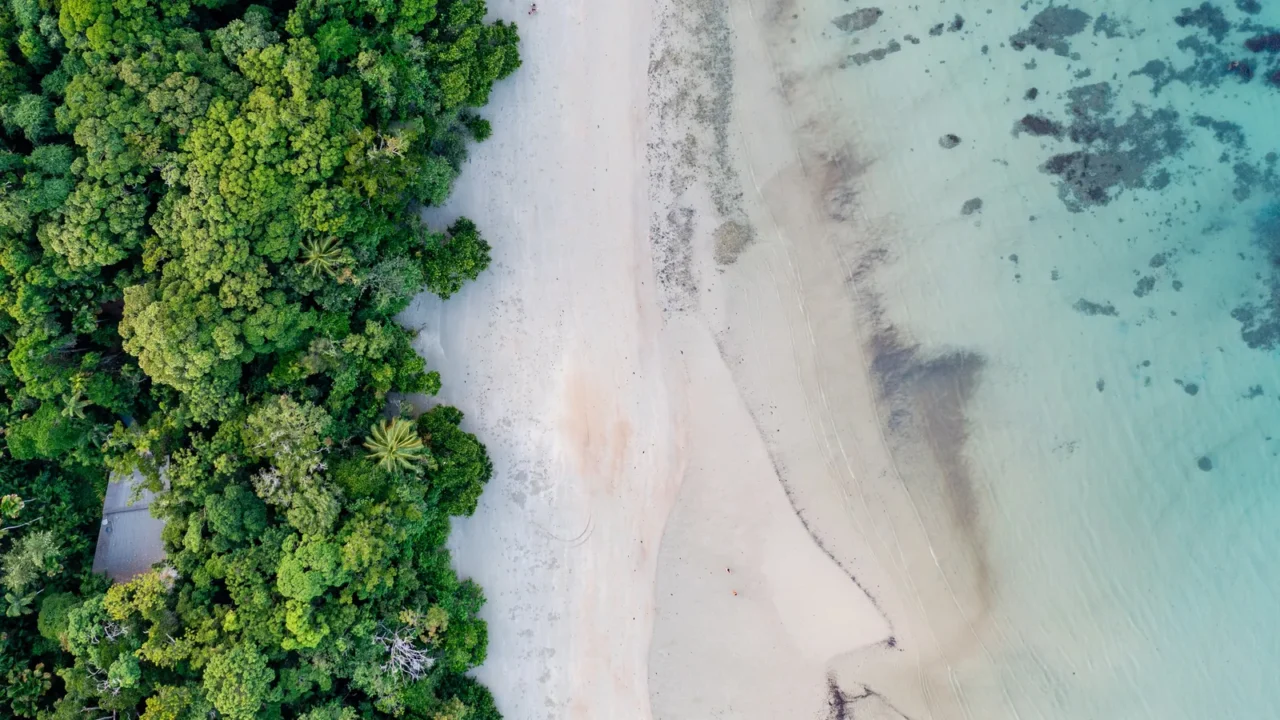
The Daintree area is part of the Wet Tropics of Queensland, a UNESCO World Heritage region known for its rich biodiversity. It stretches along Australia’s northeast and includes vast rainforest landscapes. One of the coolest things is how close the rainforest coastline sits to reef environments, especially around Cape Tribulation.
This is a great stop if you want “nature variety” without changing hotels every night. You can do boardwalks, guided walks, and river cruises where croc spotting is part of the excitement. You can also pair it with reef time from Cairns or Port Douglas, which makes the whole trip feel like two worlds in one. Pack bug spray, plan for humidity, and expect your camera roll to fill up fast.
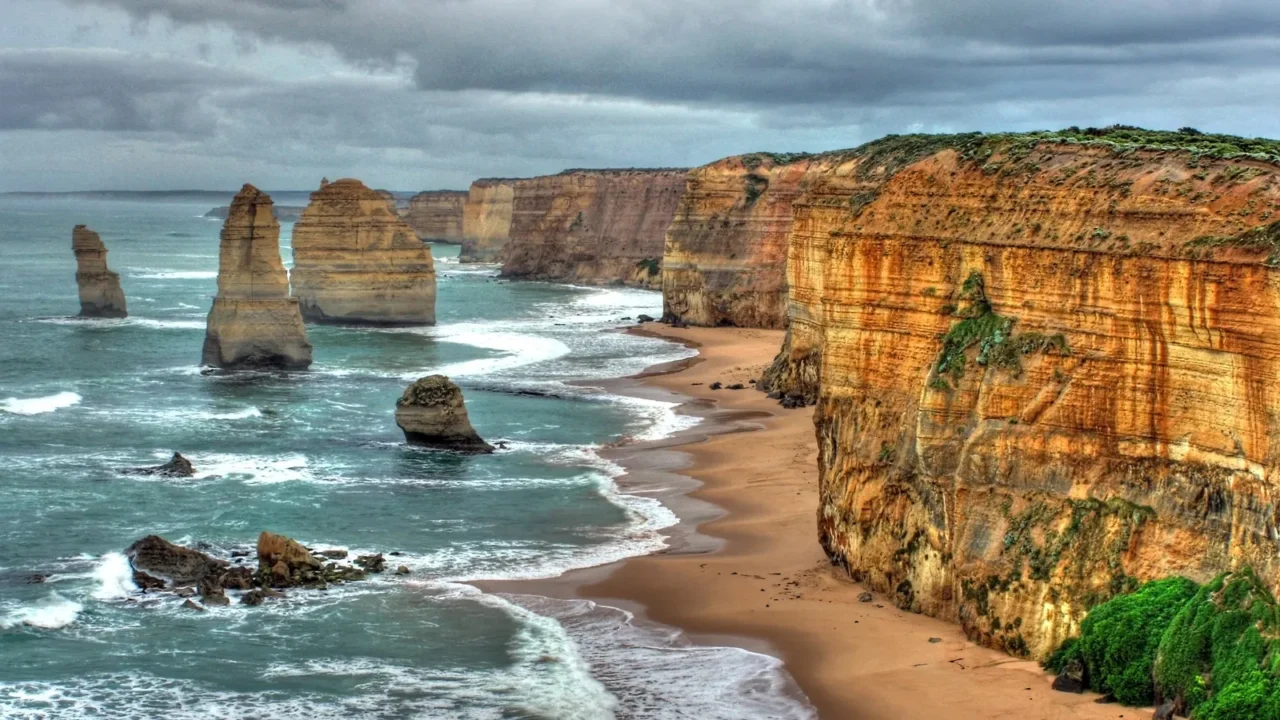
The Twelve Apostles on the Great Ocean Road
The Twelve Apostles are limestone stacks rising from the Southern Ocean, and they are the signature sight on Victoria’s Great Ocean Road. Parks Victoria calls them the highlight of the drive, and the lookouts make it easy to take in the drama safely. The waves, wind, and cliffs are part of the show, so it feels intense even if you only stay an hour.
If you are coming from the U.S., think of this like a “California coast road trip” vibe, but with a totally different mood. The best tip is timing: earlier or later in the day can feel calmer than midday crowds. Bring a light jacket even if it is sunny, because coastal wind can surprise you. And if you can, stay overnight nearby so you are not rushing through one of Australia’s most famous stretches of scenery.
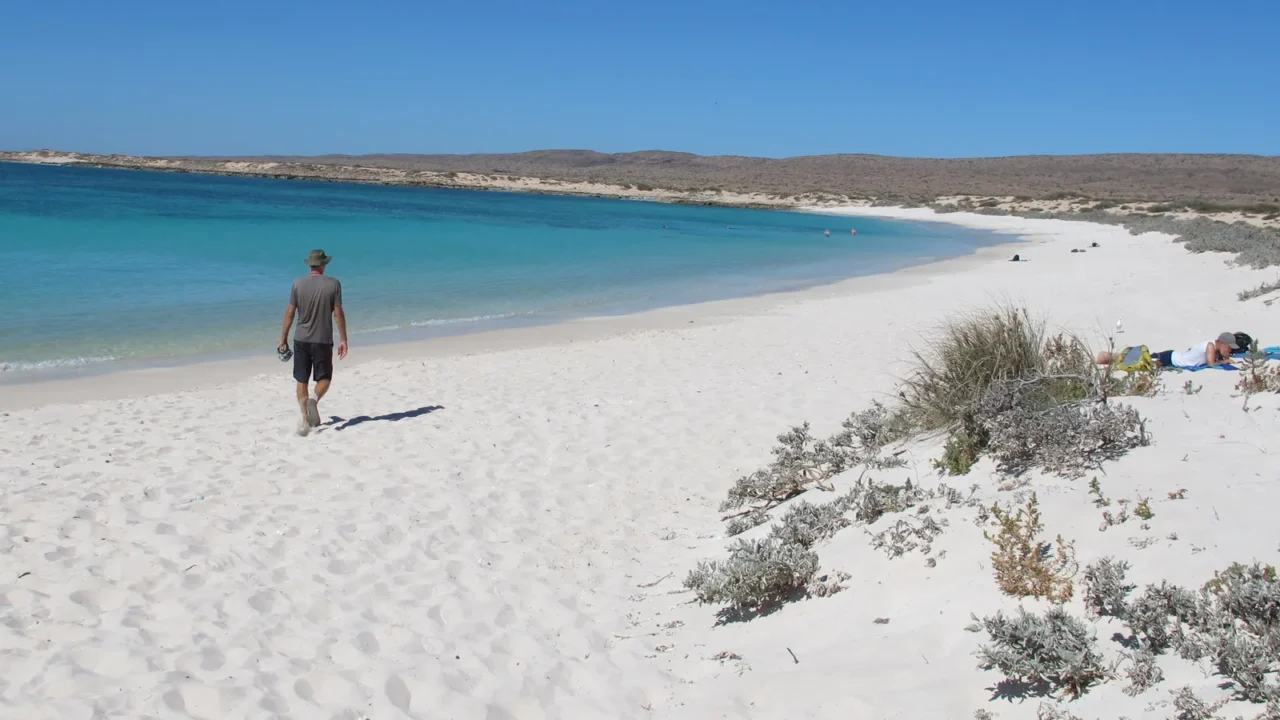
Ningaloo Reef, the quieter snorkel dream
Ningaloo Reef is a favorite for travelers who want reef magic without the big crowds. It is a fringing reef, which means you can reach beautiful snorkeling areas close to shore in many spots. The region is also known for seasonal whale shark experiences, which is a bucket-list moment for a lot of people.
If you are planning around marine life, season matters more than you think. Tour operators often describe whale shark season as running roughly mid-March through July, with other big wildlife moments later in the year. This part of Western Australia is remote, so it rewards travelers who build in extra time. The payoff is that “wide open” feeling where the ocean looks endless and the nights are insanely clear.
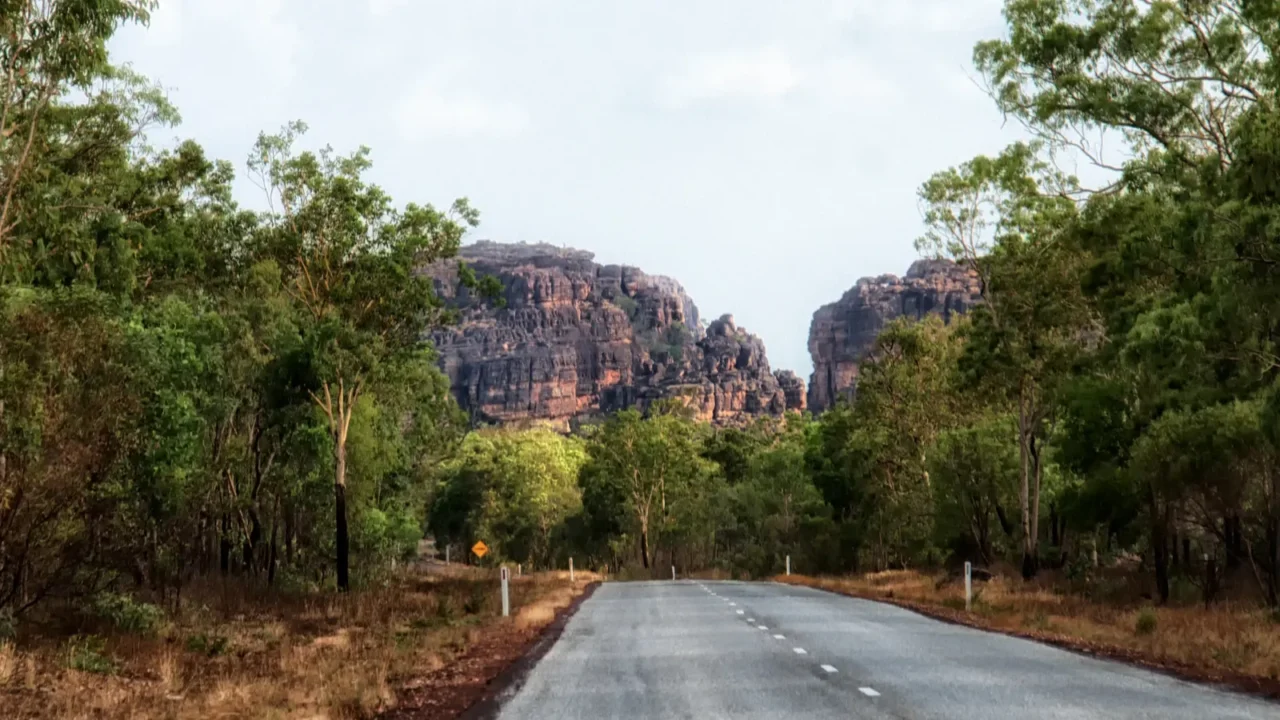
Kakadu is nature plus living history
Kakadu National Park is one of Australia’s most important natural and cultural landscapes. It is dual-listed on the UNESCO World Heritage List, and it is also known for a major concentration of rock art sites. Parks Australia notes that some paintings are extremely old, and the sites create a powerful connection between place, people, and time.
This is not just a “look at the view” park. Wetlands, waterfalls, wildlife, and cultural sites all compete for your attention, and it helps to plan your days by region. Many visitors base themselves in the Top End and do day trips, but staying inside the park can make mornings and sunsets feel extra special. Bring lots of water, take heat seriously, and follow local guidance. The experience is richer when you slow down and learn as you go.
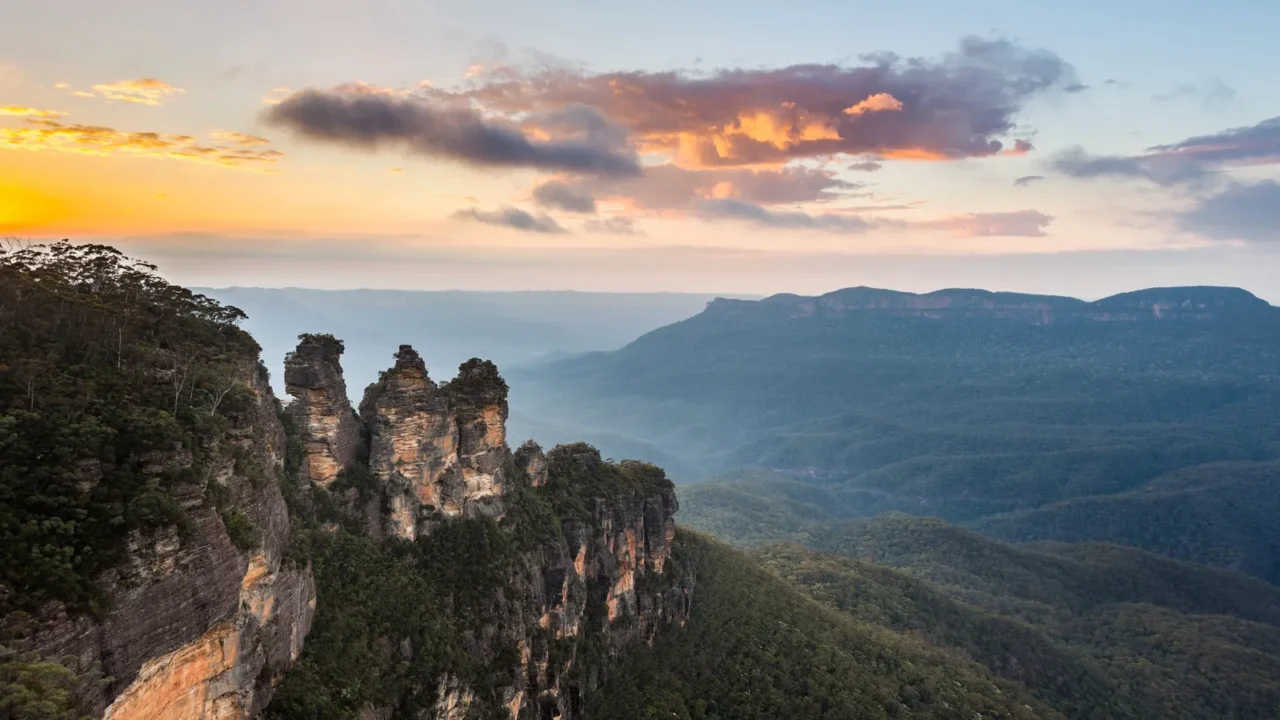
The Blue Mountains, Sydney’s wild neighbor
If you are flying into Sydney, the Blue Mountains are one of the easiest big-nature add-ons. The Greater Blue Mountains Area is a UNESCO World Heritage site known for sandstone plateaux, escarpments, and gorges dominated by eucalypt forest. It feels like a full escape, even though it is within reach of the city.
Most first-timers start with scenic lookouts and short walks, then build up to longer trails. The Three Sisters viewpoint is famous for a reason, but the surrounding tracks are what make the area stick in your memory. If you love U.S. national parks, this has a similar “big landscape” energy with its own Aussie twist. Pack layers, because mountain weather can change quickly.
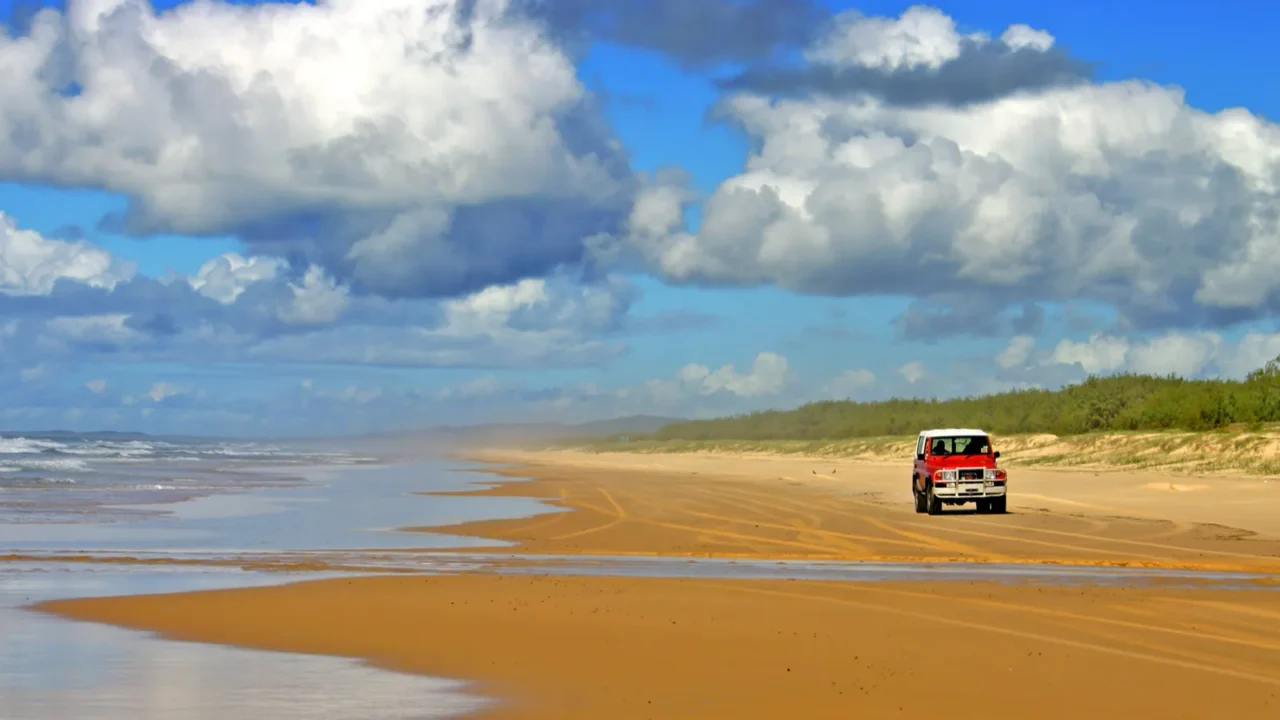
K’gari is sand, lakes, and wow colors
K’gari, also known as Fraser Island, is famous for being the world’s largest sand island and a UNESCO World Heritage site. That sounds simple until you see the landscapes: giant dunes, clear freshwater lakes, and long beaches that feel endless. The mix of sand and water creates colors that pop like a filter, even when you take a basic phone photo.
This is a place where your planning choices matter. Some areas require a 4WD and careful driving, especially on sand tracks and beach routes. Many travelers do guided tours to keep it stress-free, which can be smart if you are short on time. If you want a calmer experience, aim for mornings and quieter lake stops instead of trying to “see it all” in one day. K’gari rewards slow exploring more than speed running.
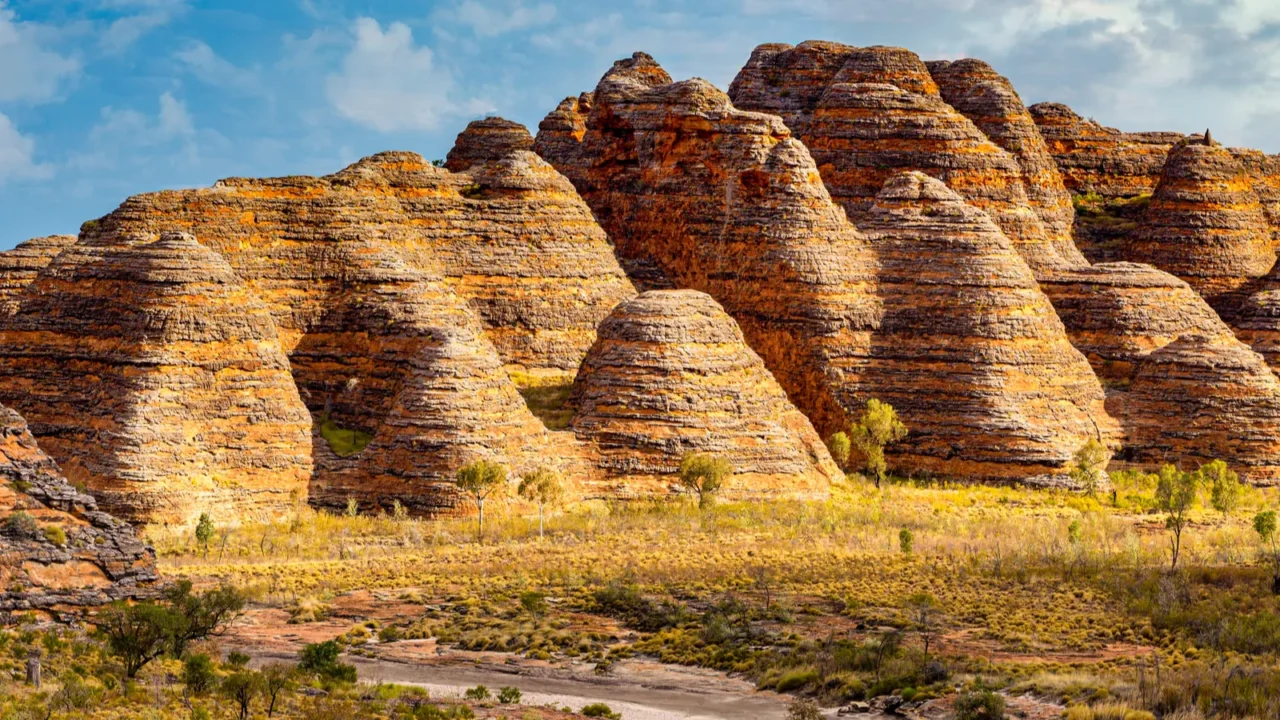
The Bungle Bungles look like another planet
Purnululu National Park in Western Australia is home to the Bungle Bungle Range, known for its beehive-shaped sandstone formations. It is a UNESCO World Heritage site, and the landscapes have a striped, sculpted look that feels almost unreal. The domes and deep gorges make this one of the most visually unique places in the country.
This is also one of the more “effort required” wonders, and that is part of the appeal. Access can be seasonal and remote, so many visitors go by 4WD, small plane, or guided tour. If you appreciate the expansive desert landscapes of the American Southwest, this remote terrain offers a similarly captivating experience. Bring realistic expectations about distance and time, because Western Australia is huge.
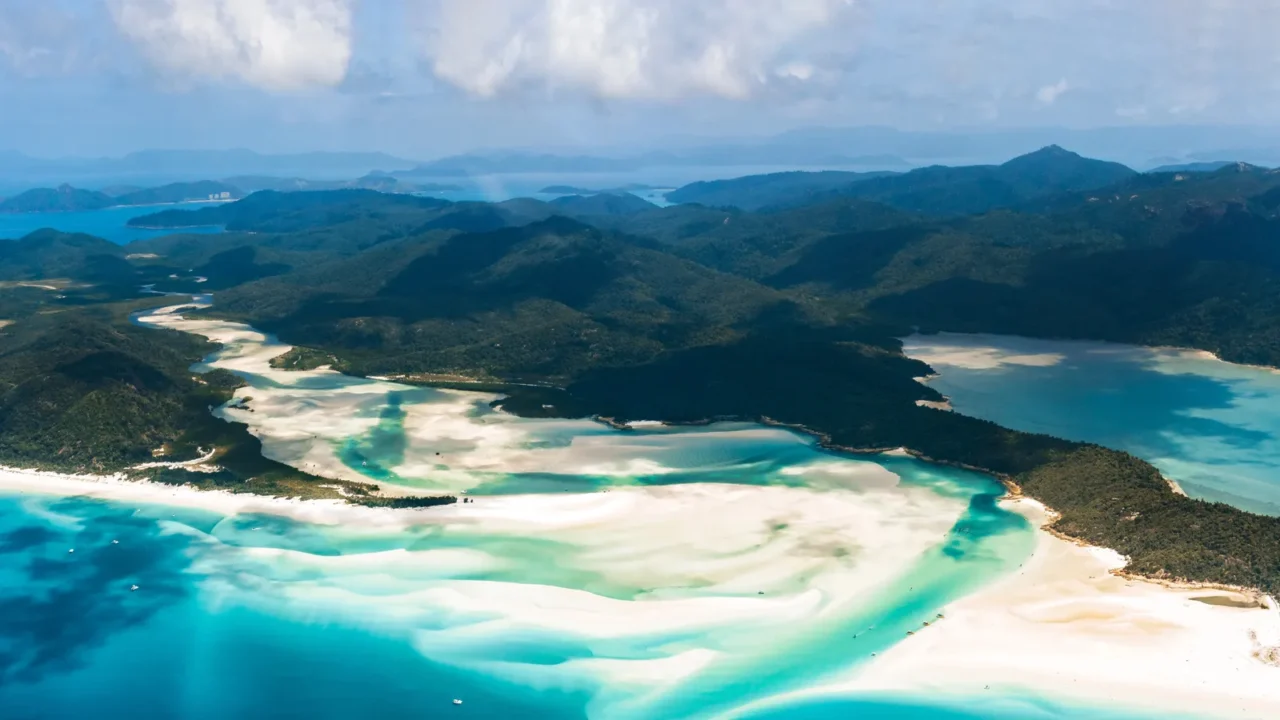
The Whitsundays look edited, but aren’t
The Whitsunday Islands are a dream if your idea of nature is bright water and soft sand. Whitehaven Beach is especially famous for its brilliant white silica sand, often described as about 98% silica. The colors in the water shift from turquoise to deep blue, and it honestly looks like someone cranked up the saturation.
For first-timers, the easiest way is a day cruise or a half-day tour from Airlie Beach or Hamilton Island. Many trips combine beach time with viewpoints over Hill Inlet, where the swirling patterns show up at low tide. If you are traveling from the U.S., this can feel like a “tropical Hawaii” moment, but with its own Australian vibe. Go early if you want quieter photos, and keep your phone protected from fine sand.
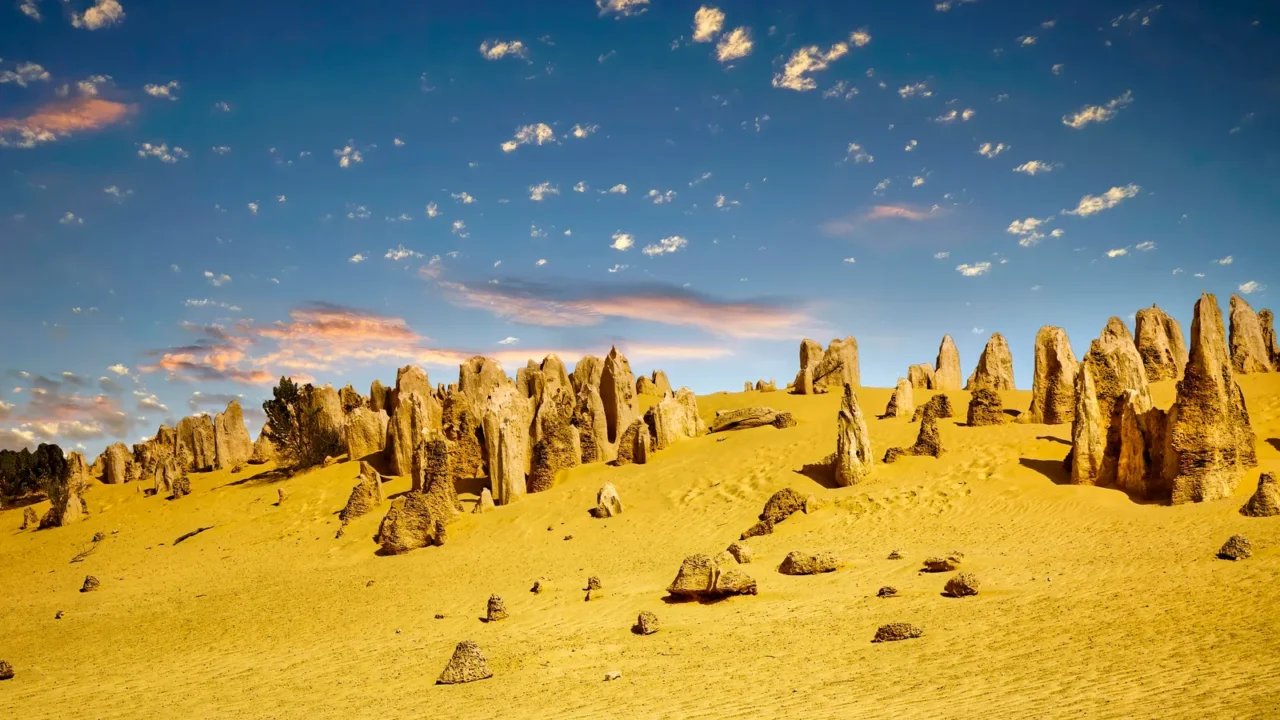
The Pinnacles are spooky in the best way
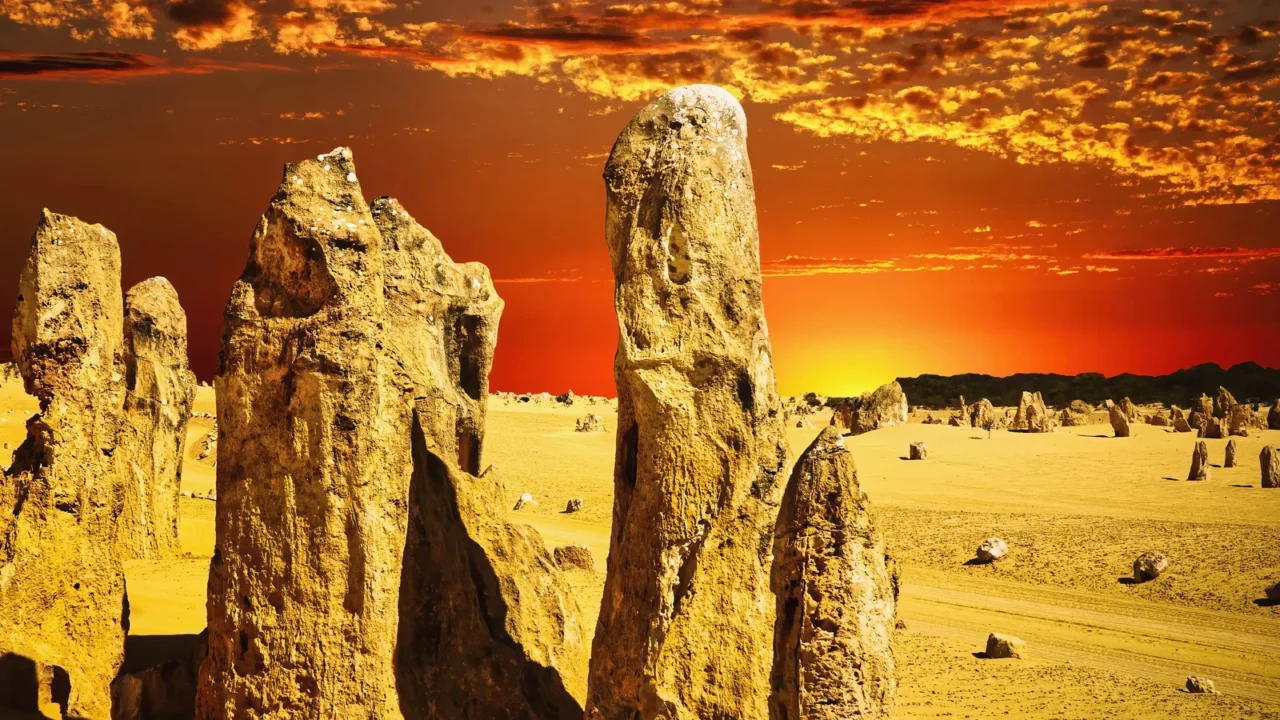
The Pinnacles in Nambung National Park are thousands of limestone spires rising out of sandy desert. Official tourism sites describe them as one of Western Australia’s most unique natural landscapes. It is the kind of place where you keep stopping because every angle looks like a movie set.
This stop is great if you want a high payoff without a major trek. It is reachable as a day trip from Perth, so it fits nicely into a first Australia itinerary. Late afternoon can be especially photogenic because shadows make the pillars look sharper and taller.
If towering rock formations leave you in awe, explore the jaw-dropping landscapes that make Utah a geology wonderland.
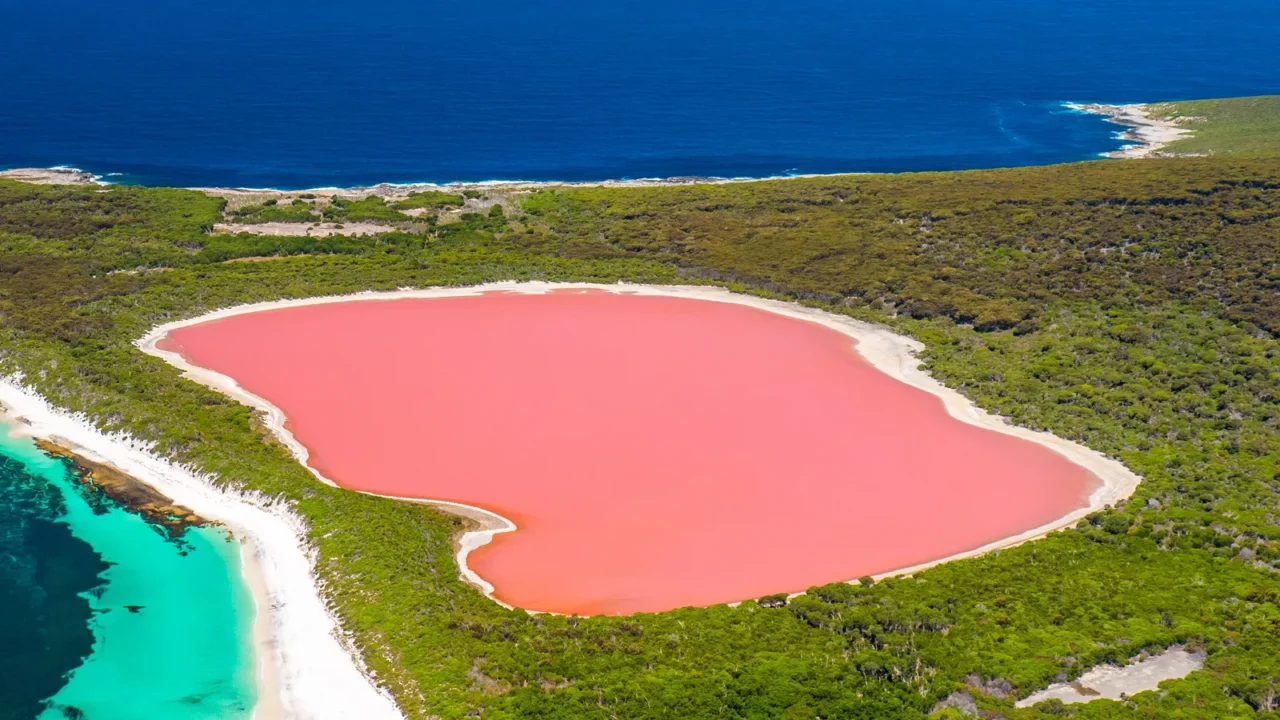
Lake Hillier, the pink lake surprise
Lake Hillier is known for its pink color, and it sits on Middle Island in Western Australia’s Recherche Archipelago. Western Australia’s tourism site notes that the lake’s color can change and is not guaranteed, because nature does what it wants. That unpredictability actually makes it more interesting, because it reminds you this is a living environment, not a theme park.
Most people see Lake Hillier by air, which turns it into a “wow from above” kind of experience. Even when the pink is lighter, the contrast between the lake, the sand, and the ocean can look stunning.
Check next how Australia stays strong as a bright spot in U.S. tourism.
What natural wonder in Australia would you most want to see first? Share your thoughts and your view in the comments.
This slideshow was made with AI assistance and human editing.
Don’t forget to follow us for more exclusive content right here on MSN.
Read More From This Brand:
