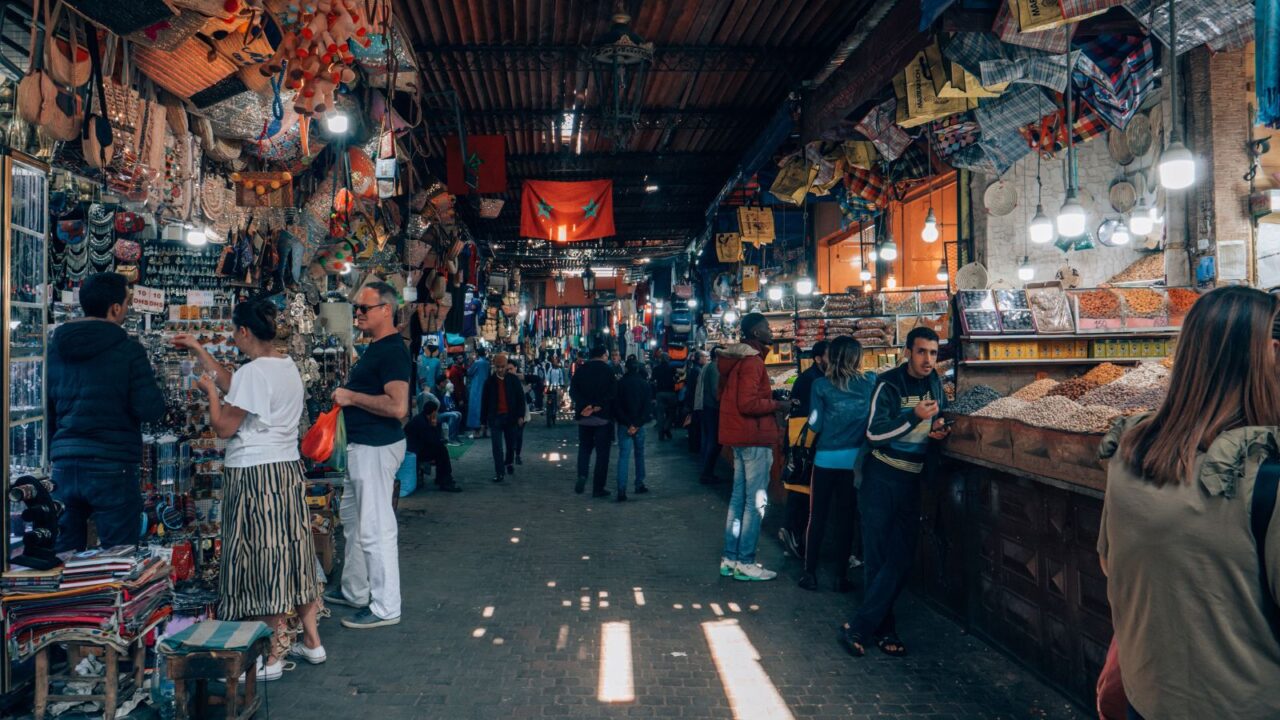
Morocco is a trip for your senses
Morocco feels like stepping into a moving postcard. You’ll hear bargaining, smell spices, and spot hand-made goods stacked to the ceiling. It’s exciting, but it can also feel like a lot on day one. A simple plan keeps the fun high and the stress low.
The easiest first-timer plan is simple: city souks plus desert dunes. Do Marrakech or Fez for markets and old streets. Then head toward Ouarzazate, Aït Ben Haddou, and Merzouga for the Sahara side. This route gives you variety without burning travel days on constant transfers.
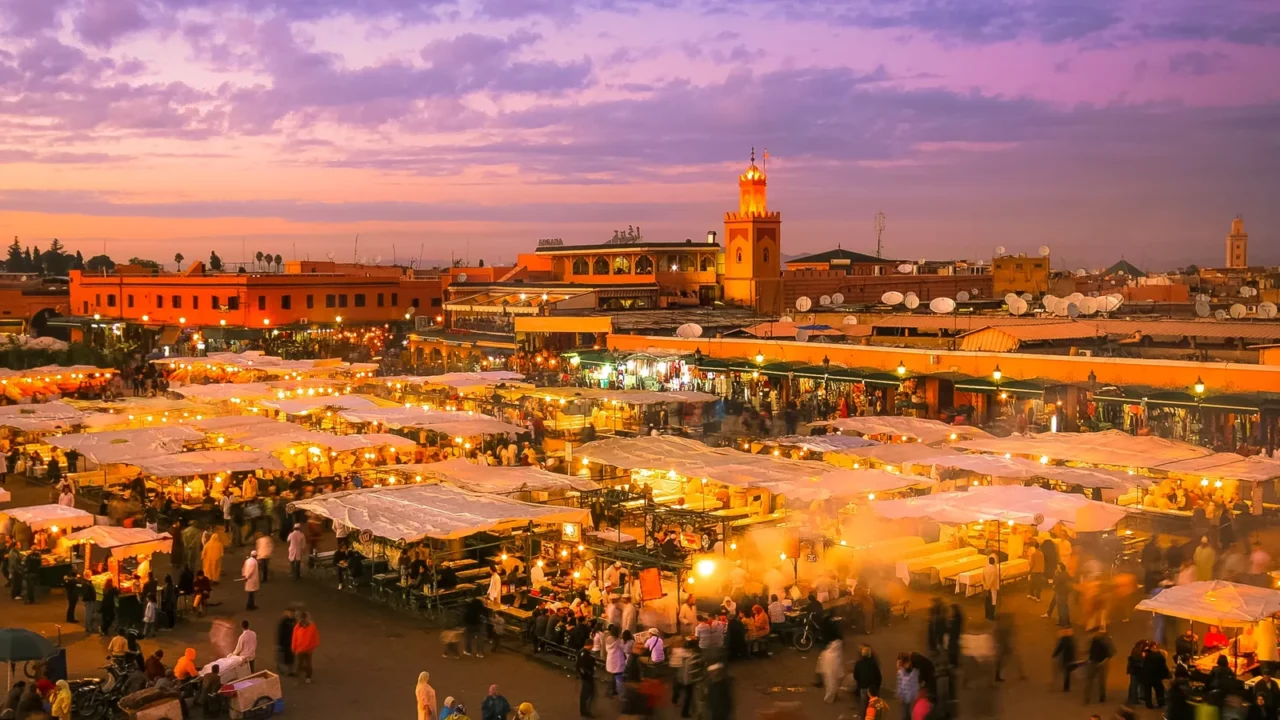
Marrakech’s medina is the big warm-up
Marrakech’s old medina is famous for its maze of lanes and nonstop energy. It’s also a UNESCO World Heritage site, which helps explain why the streets feel so historic. You don’t need a perfect map to enjoy it, but you do need patience. If you take it slow, the medina becomes less confusing and more fun.
Start near Jemaa el-Fnaa, then drift into the souks as you spot what you like. The square is known as a cultural gathering space, not just a tourist stop. If you feel turned around, use the square as your “reset” point and begin again. Saving a pinned location on your phone helps you find your way back fast.
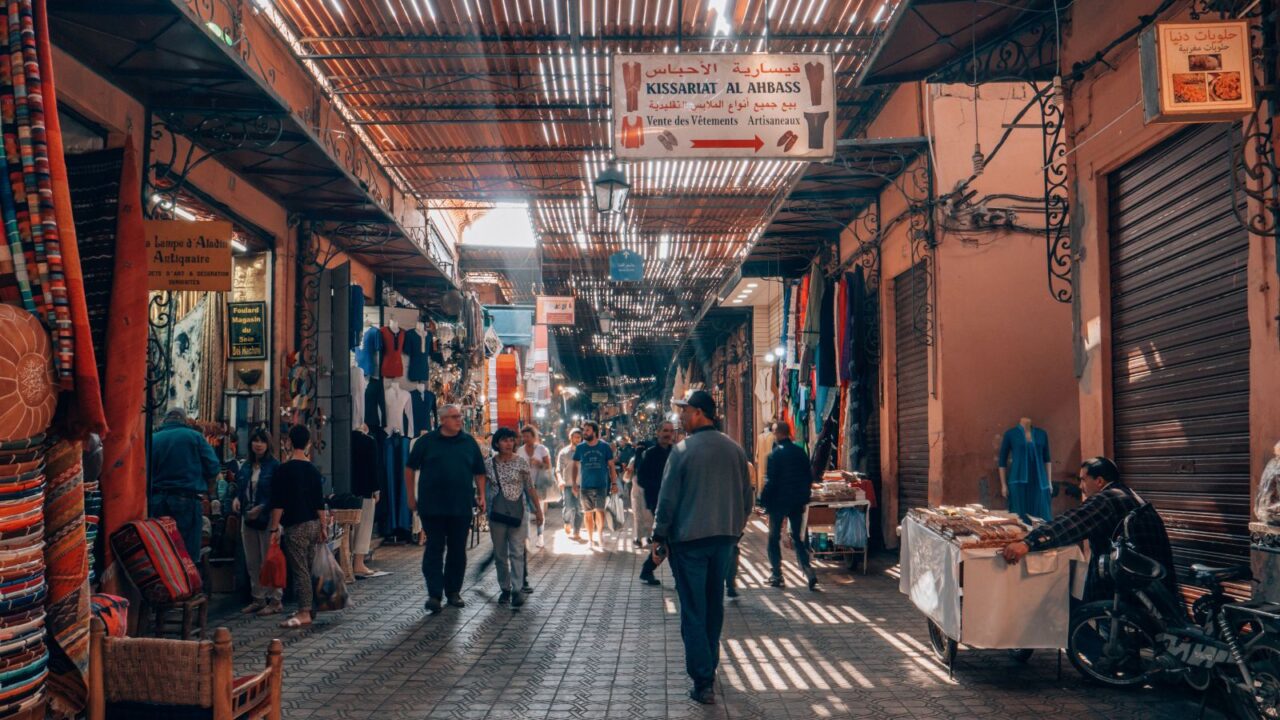
Souk Semmarine is your main path
Souk Semmarine is one of Marrakech’s best-known shopping streets. It’s busy, central, and connected to smaller lanes that branch off like a web. This is the spot where you can see a little of everything fast. It’s also the easiest place to compare prices without walking miles.
Use Semmarine to browse before you buy anything big. Take note of prices for rugs, lanterns, and leather items as you walk. Then circle back to the best stall once you’ve seen a few options. Buying after a “scout lap” usually gets you better quality for the same money.
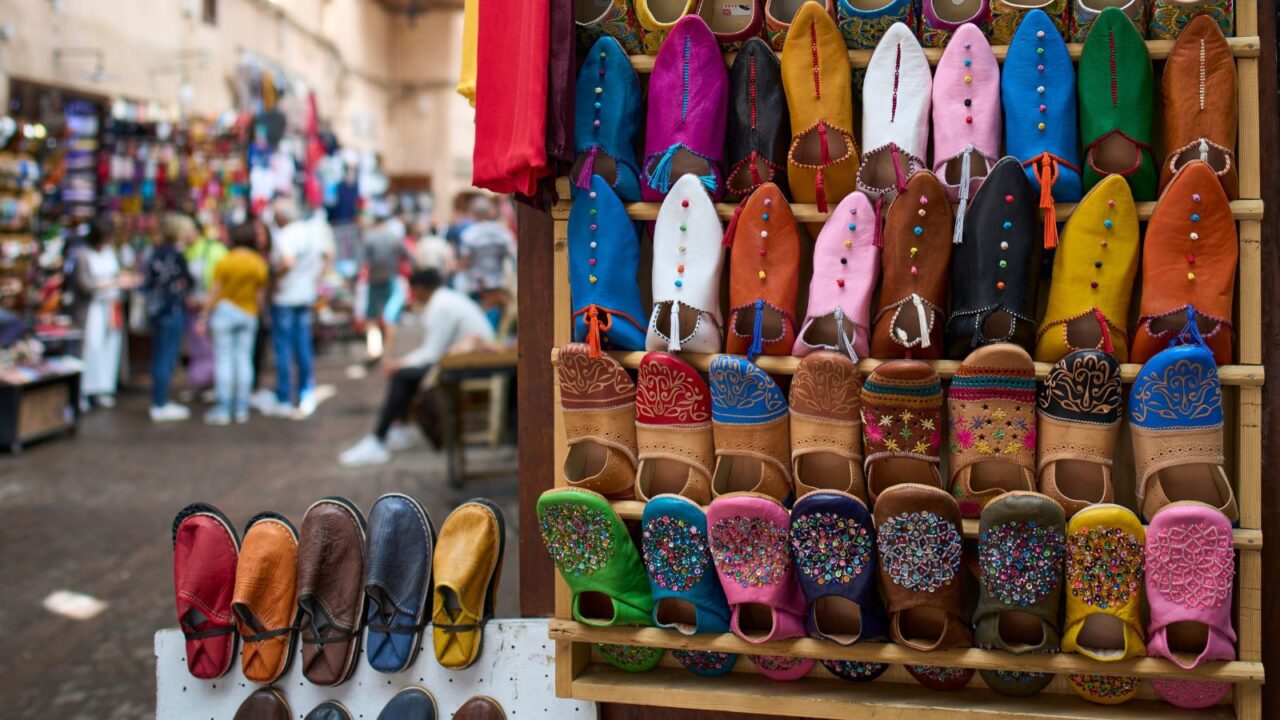
Souk Smata for the slipper hunt
If you want traditional Moroccan slippers, head toward Souk Smata. It’s known for babouches, which come in bright colors and simple neutral styles. This is an easy souvenir because it’s light and packs flat. It’s also a smart first purchase because you learn how pricing works early.
Try them on and walk a few steps before you commit. Ask if the size runs tight, because some leather softens after wear and some does not. If you buy two pairs, it’s often easier to negotiate a better price. If you plan to wear them outdoors, ask for a sturdier sole instead of the thinnest version.
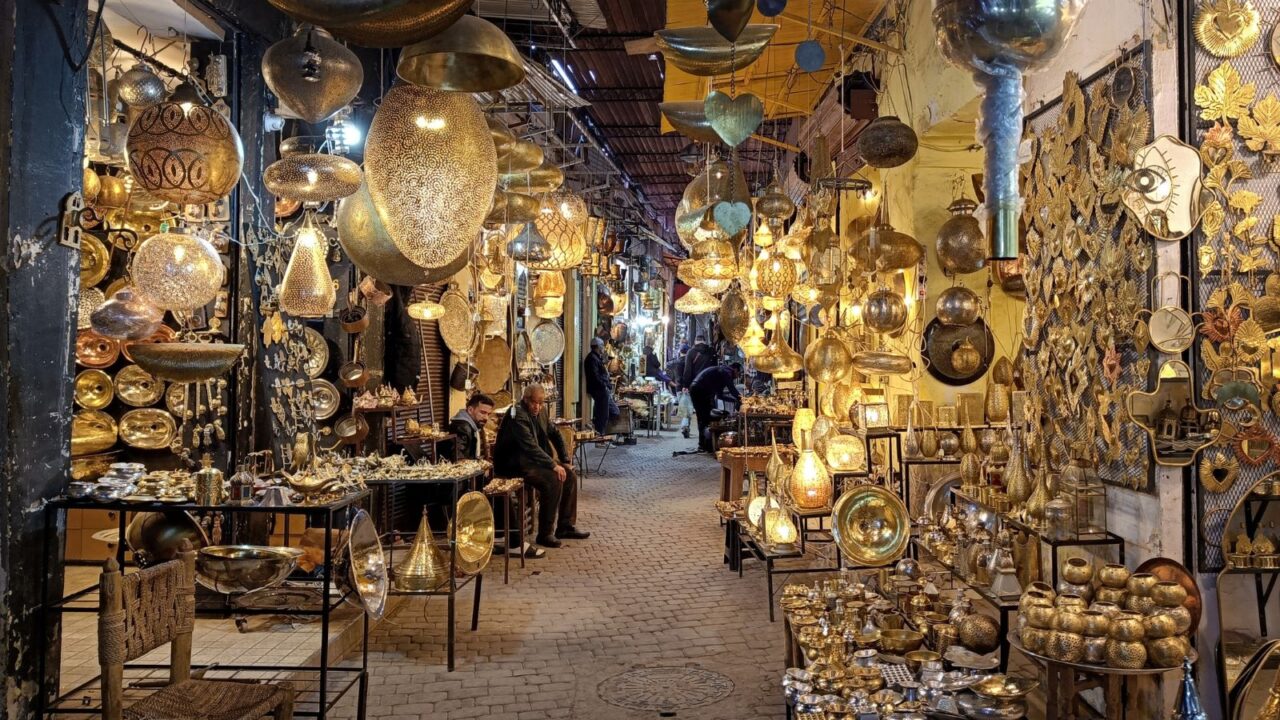
Souk Haddadine is pure craft energy
For a different vibe, look for Souk Haddadine, the blacksmith area in Marrakech’s souk network. You’ll hear metal being tapped and see tools, trays, and lantern parts in progress. It feels less like a showroom and more like real work happening. This is where Morocco’s “made here” feeling really comes alive.
This is a great place to shop for smaller metal items like tea trays or simple lanterns. Check edges for sharp spots and look for solid joins, not flimsy bends. If something seems too perfect and identical, it may be factory-made. Ask what metal it is, because heavier pieces often hold up better at home.
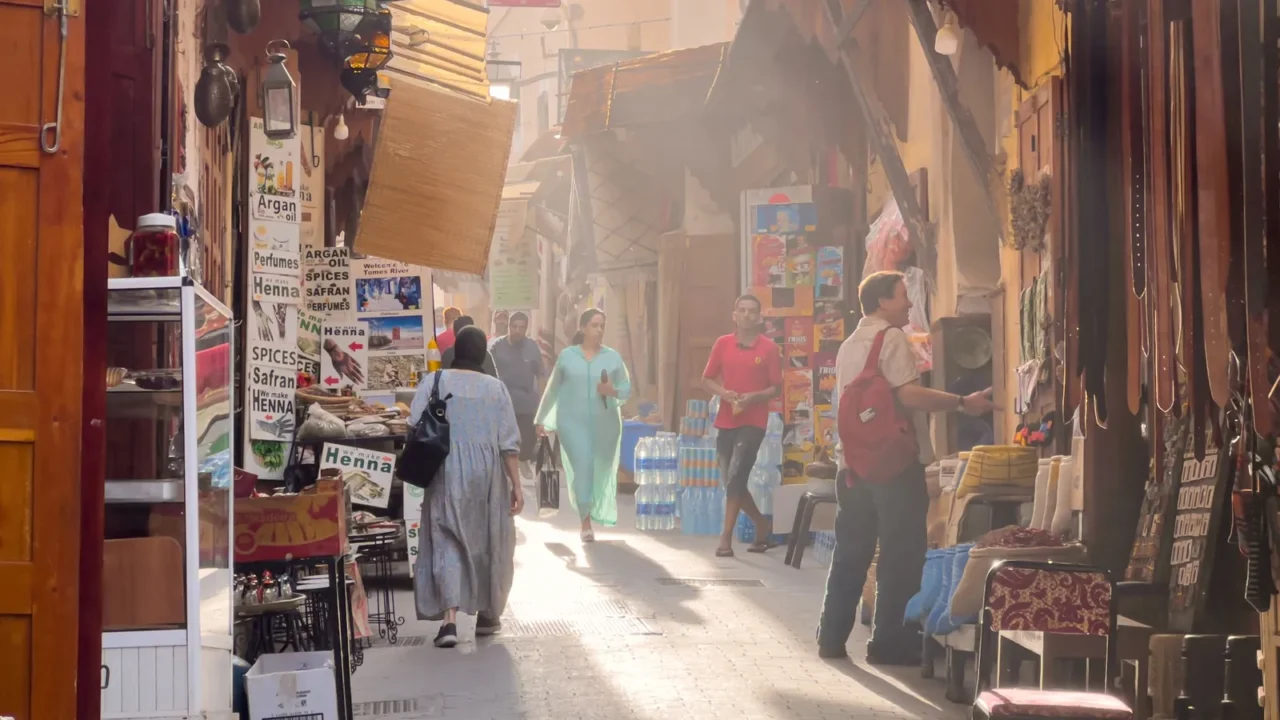
Fez is the deeper, older maze
Fez is a different kind of market city, and it can feel even more medieval. The Medina of Fez is a UNESCO World Heritage site with historic buildings and dense lanes. It’s a great stop if you want crafts plus serious history. It rewards travelers who like slower, more detailed exploring.
Wear comfortable shoes and plan to move slowly. A guide can help if you hate getting lost, but it’s not required. Just remember one anchor point like Bab Boujloud so you can reorient. If you shop in Fez, plan time to compare stalls because quality varies a lot by lane.
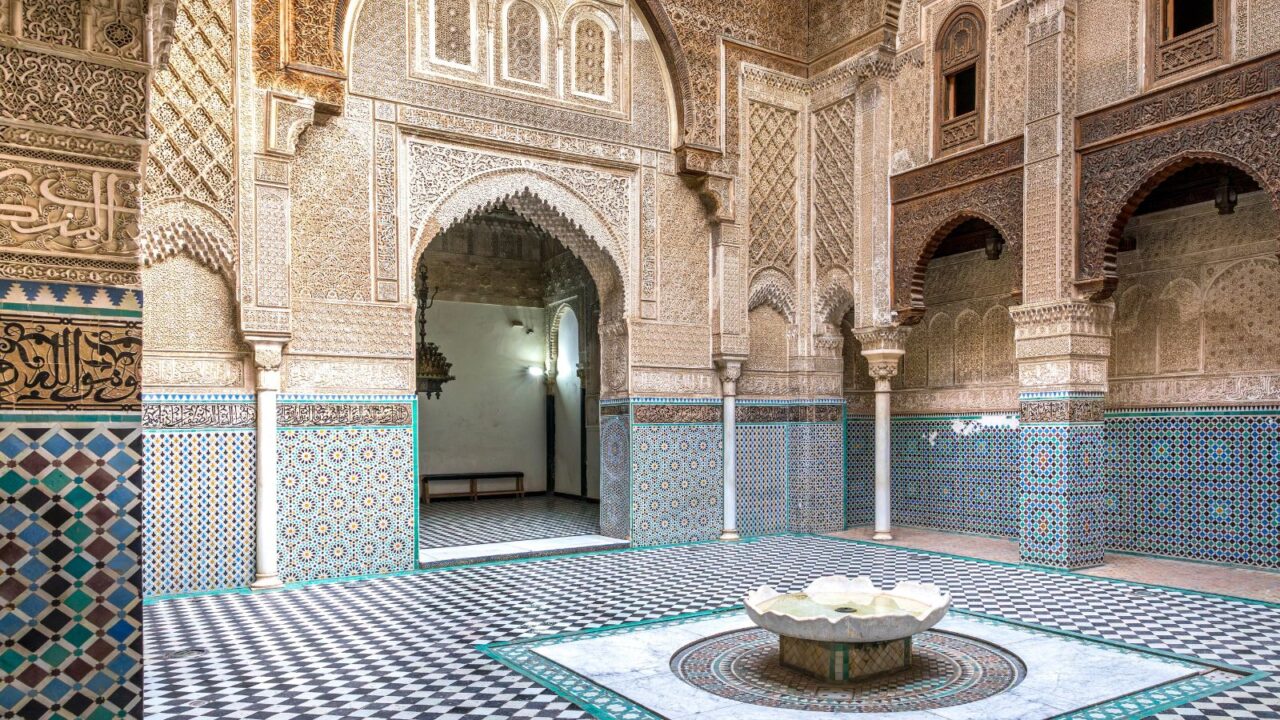
Souk al-Attarine in Fez is spice heaven
In Fez, the Souk al-Attarine area is linked with spice and perfume traditions. You’ll smell cinnamon, cumin, and clove-like scents as you pass open sacks and jars. Even if you buy nothing, it’s a top “Morocco moment.” This is also a great place to learn what Moroccans actually cook with.
Ask vendors to explain blends before you buy, especially if you cook at home. For travel, sealed packets are easier than loose paper twists. If you buy oils, pack them in a zip bag because luggage leaks are real. Label your spices, because mixed blends can look similar once you’re home.
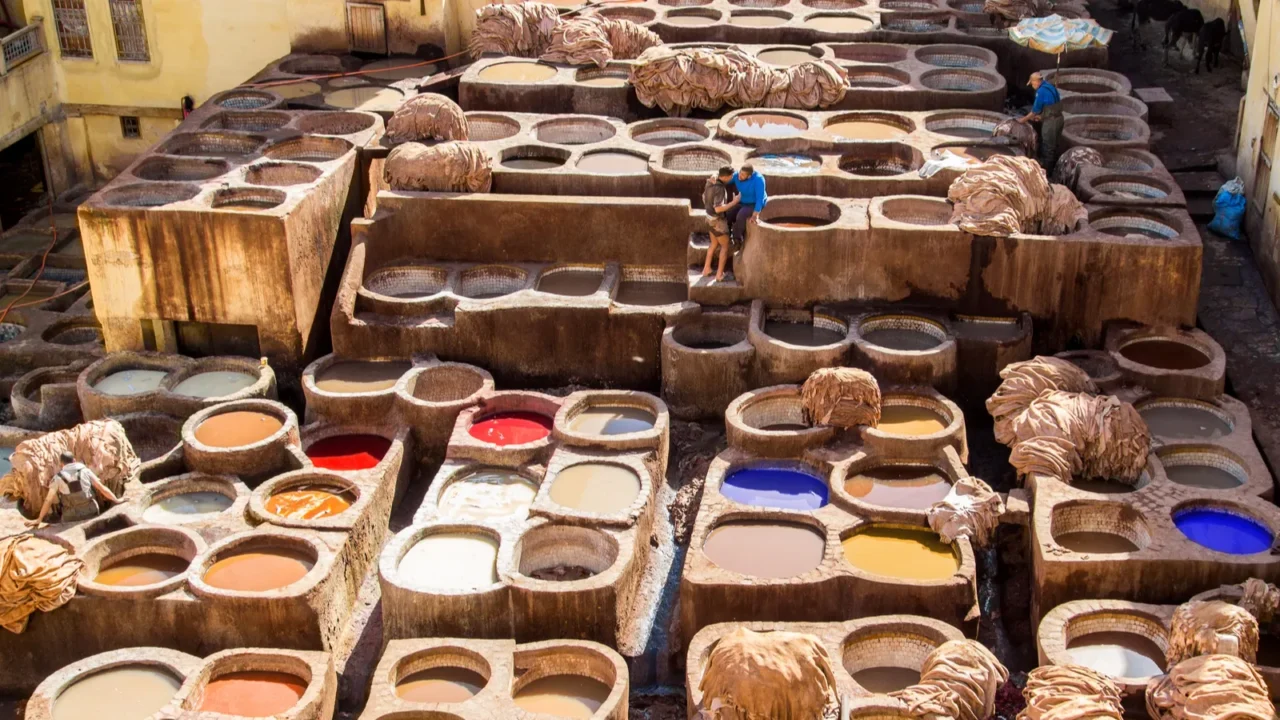
What to buy that you’ll use later
If you want souvenirs you won’t regret, keep it practical. Spices, ceramics, tea glasses, and a small brass lantern can fit into normal life back home. Big statement pieces are fun, but they take more planning. The best souvenir is the one you’ll actually use, not just display once.
For rugs and larger items, ask about material and cleaning before price. Take a photo of the item and the shop name in case you need follow-up. If you feel pressured, step away and return later with a clearer head. A calm second visit often leads to a better price and less buyer’s remorse.
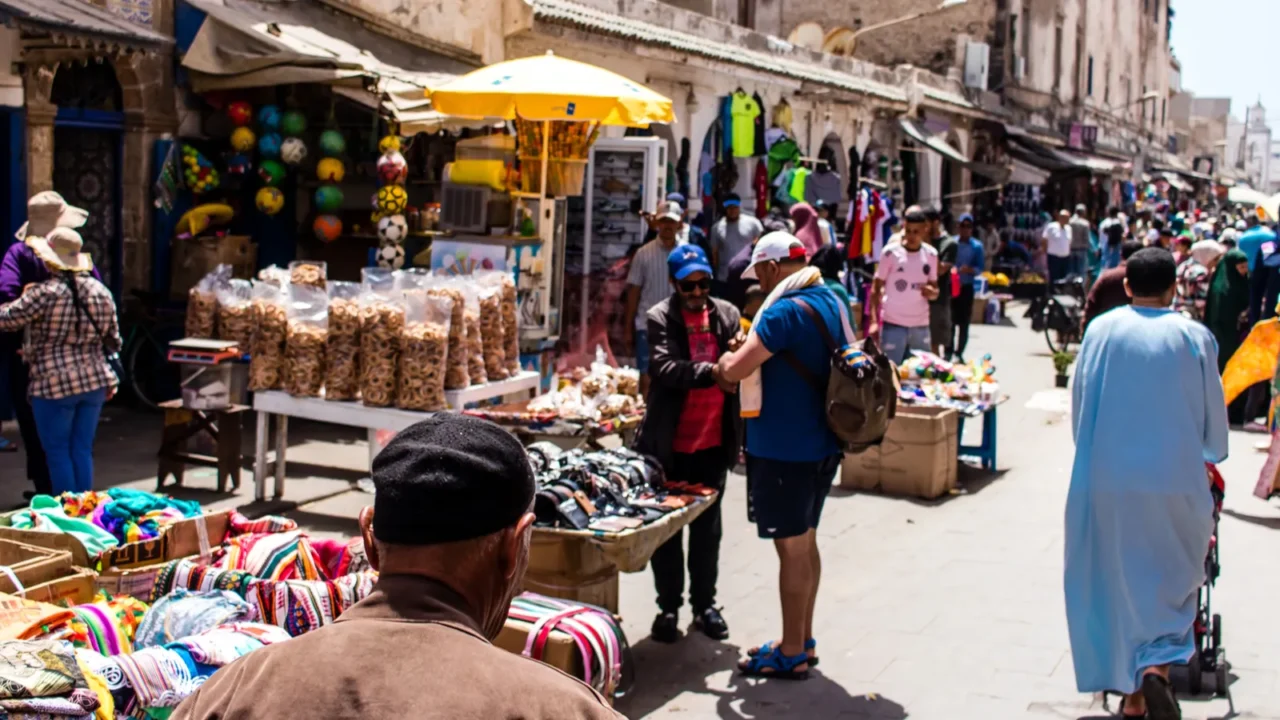
Bargaining 101 that stays friendly
Haggling is common in Moroccan souks, and it works best when it stays polite. Start with a calm offer, then let the seller counter without getting tense. Smiling goes further than acting tough. You’ll usually get farther with respect than with stubbornness.
If the number is not right, walking away is normal. Many stalls will call you back with a better price if they can. If not, you’ll usually find a similar item two lanes away. The real win is paying a fair price and enjoying the moment instead of “beating” someone.
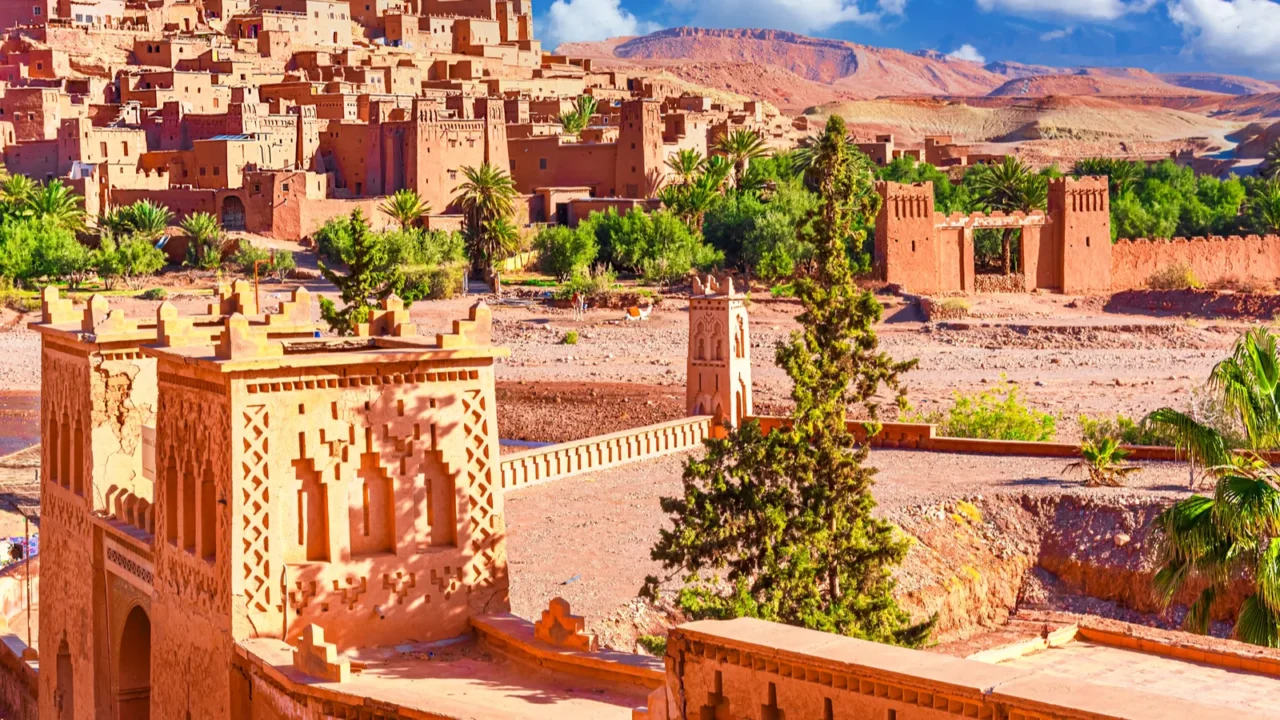
Ouarzazate is the road to the Sahara
Once you leave the big cities, the scenery shifts fast. Ouarzazate is a common stepping stone toward desert routes and famous kasbah landscapes. It’s often called a gateway area because so many Sahara trips pass through it. It’s where Morocco starts feeling wide-open and cinematic.
Use this region as a break between long drives. Grab a solid meal, rest your eyes, and enjoy the first real “desert-light” views. This is also where your photos start looking cinematic without trying. If you can, schedule a short stop at a viewpoint because the landscape changes quickly here.
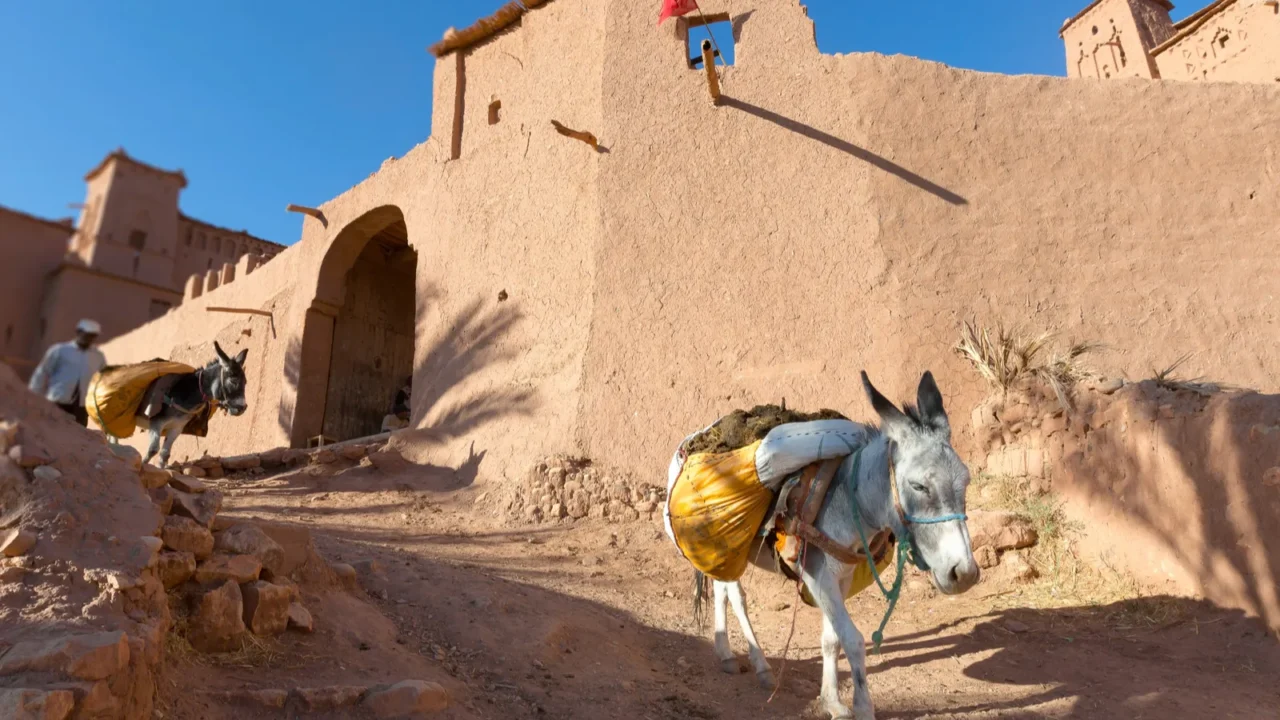
Aït Ben Haddou looks unreal in person
Aït Ben Haddou is a UNESCO-listed ksar known for its earthen buildings and fortified design. UNESCO describes it as a strong example of traditional earthen construction in southern Morocco. It’s one of the most memorable architectural stops on the route. Even a quick visit makes your trip feel much more “storybook Morocco.”
Go early if you want cooler air and fewer crowds. Walk upward slowly because the views improve with each turn. Wear shoes with grip since the paths can be uneven. If you love photos, plan for golden-hour light because the walls glow beautifully.
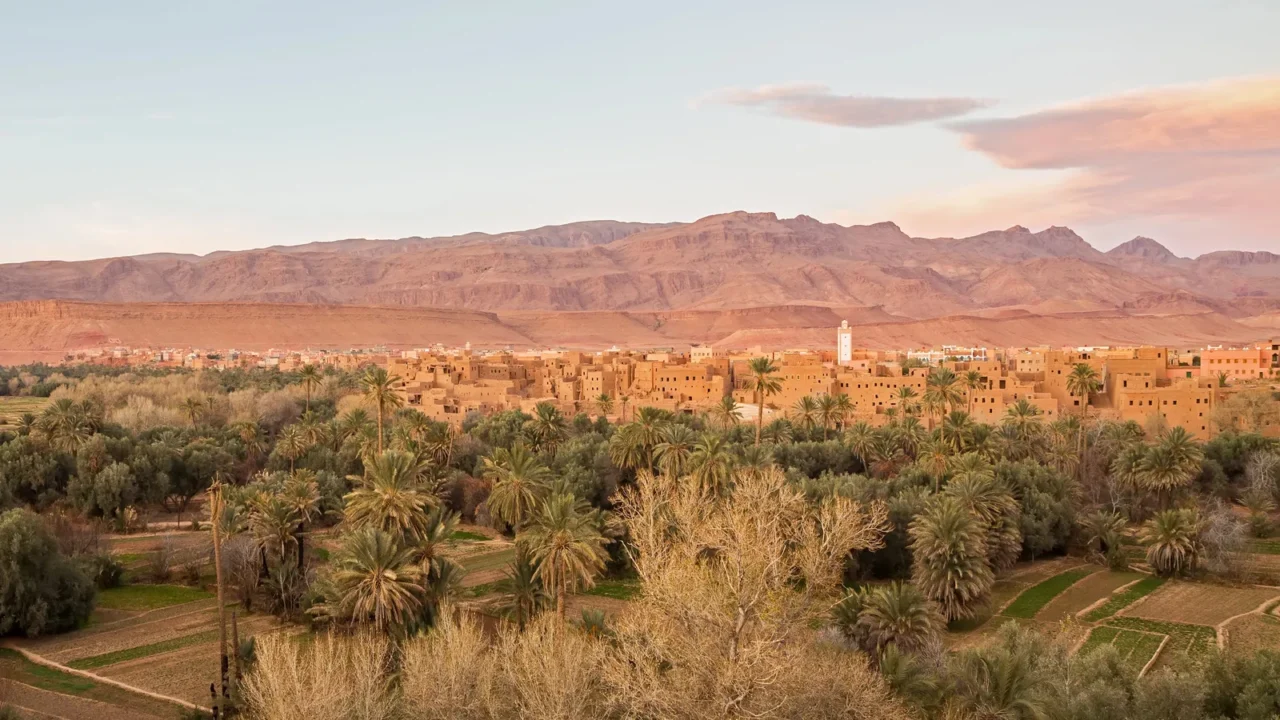
Dades Valley adds drama before dunes
The road toward the Sahara is not just “empty desert,” and that’s the surprise. Dades Valley is known for dramatic rock shapes and steep gorges. It’s a great contrast to the flat-open feeling you’ll get later. This is where your road trip starts feeling like an adventure, not just a transfer.
Even a short stop can feel worth it if you time it with good light. Bring water, because viewpoints can be sunny and exposed. If you get carsick, sit up front because the curves can be intense. A short walk away from the road often gives you better views than the first pull-off.
Find out next why these high-end safari camps have become a favorite among celebrity travelers.
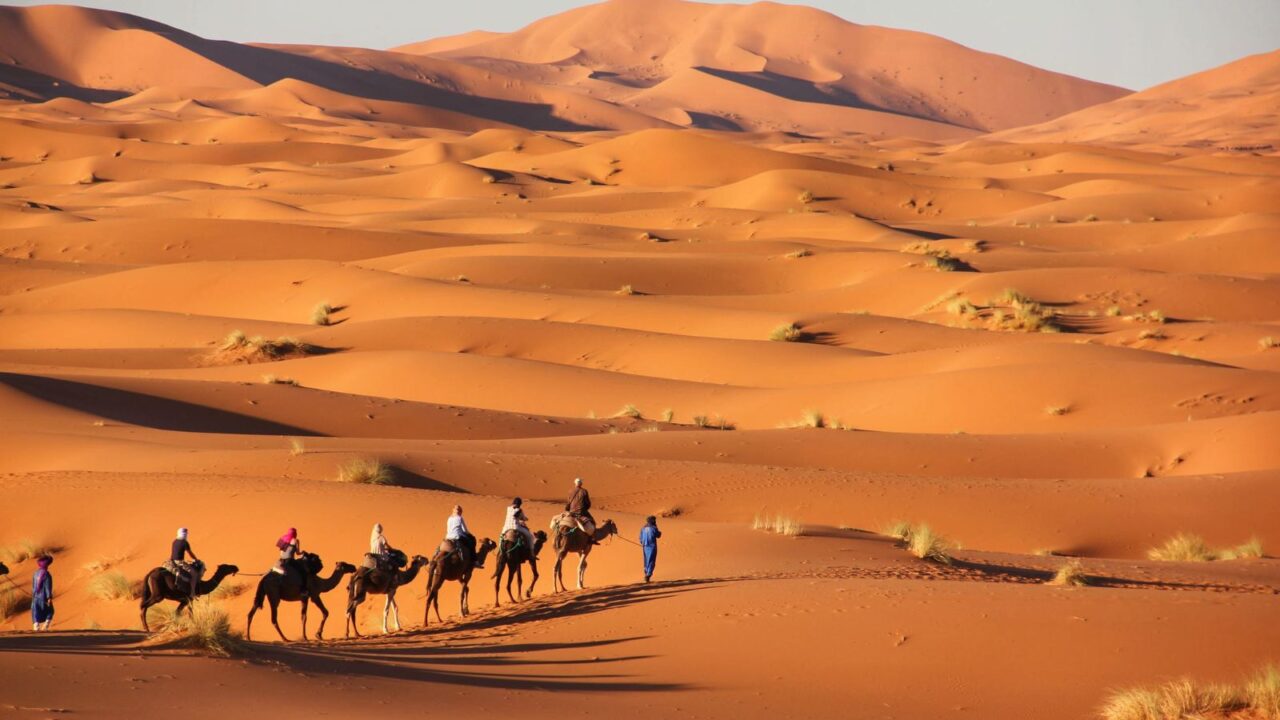
Merzouga is the Sahara sunset payoff
Merzouga is the jump-off point for the Erg Chebbi dunes on Morocco’s Sahara edge. Erg Chebbi is known as a “sea of dunes,” and it’s one of the country’s most iconic sand landscapes. Sunset is the main event because the dunes shift from gold to deep orange fast. It’s the kind of place that makes people stop talking and just stare.
You can reach camps by camel trek or 4×4, depending on comfort. Pack a scarf and eye protection because wind can kick sand up suddenly. Bring a warm layer too, since nights can feel cold even after a hot day. If you want quieter dunes, ask your guide for a less crowded camp area.
Next, explore how Zendaya’s Marrakech moment sparks Morocco’s desert revival.
What would you choose first, getting lost in Marrakech’s souks or watching the sun set over Erg Chebbi near Merzouga? Share your thoughts and your view in the comments.
This slideshow was made with AI assistance and human editing.
Don’t forget to follow us for more exclusive content right here on MSN.
Read More From This Brand:
