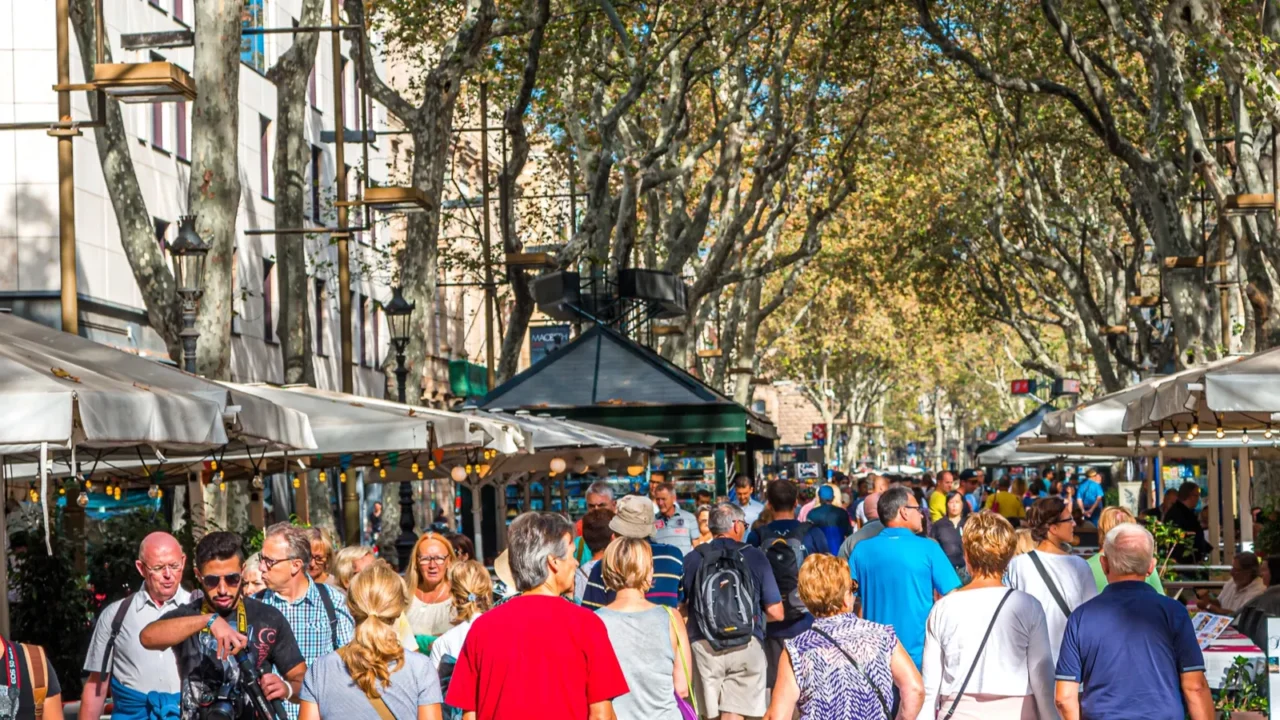
When places go viral
Social media has the power to turn quiet corners of the world into overnight sensations. A single video can send millions of travelers chasing the same view, often without understanding the impact left behind. Tourism boards around the world are now raising concerns as fragile destinations struggle under sudden attention.
This guide explores breathtaking places authorities now caution against visiting. Not because they lack beauty, but because popularity has pushed them beyond their limits. Sometimes the most meaningful travel choice is knowing when not to go.
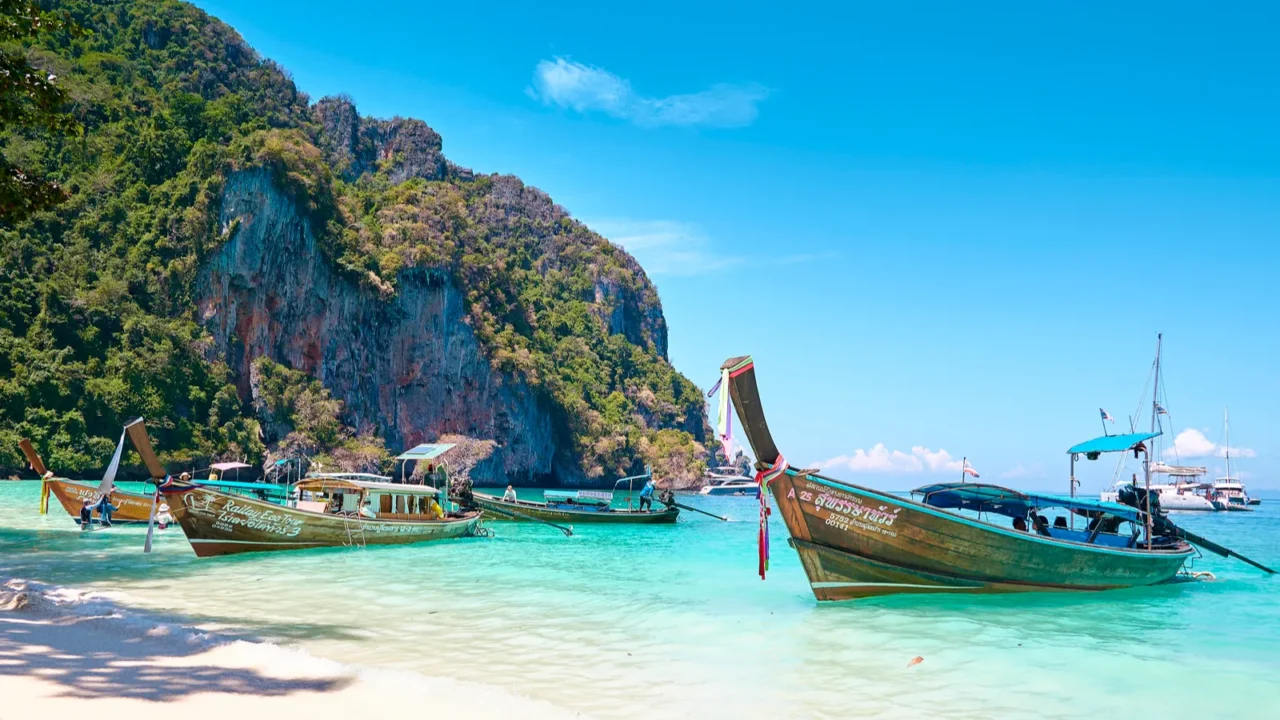
Maya Bay Thailand
Once a hidden cove in southern Thailand, Maya Bay became globally famous after appearing in films and viral travel videos. Maya Bay’s clear waters and limestone cliffs attracted unsustainable daily visitor numbers, placing severe stress on the delicate marine ecosystem. Coral reefs suffered severe damage, and marine life disappeared from the shoreline.
Thai authorities closed the bay for restoration and now strictly control access. Visitors are no longer allowed to swim, and entry is limited by time and number. Officials continue urging travelers to respect closures for long-term recovery.
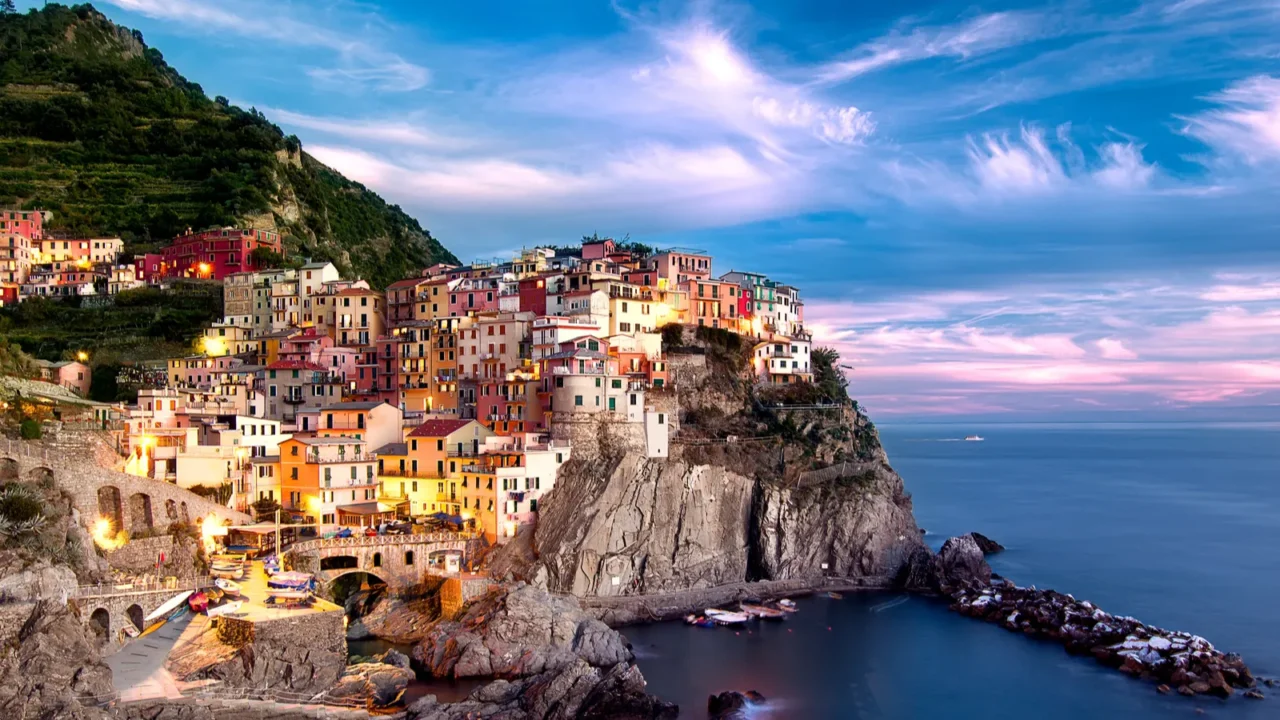
Cinque Terre Italy
Cinque Terre’s colorful villages clinging to cliffs became a dream destination across social platforms. Narrow streets designed for small fishing communities now host thousands of visitors daily. Landslides, trail erosion, and overcrowded trains have become serious safety concerns.
Local officials regularly issue warnings during peak seasons and encourage travelers to consider nearby towns instead. The region remains stunning, but authorities emphasize that unchecked tourism threatens both resident life and the landscape itself.
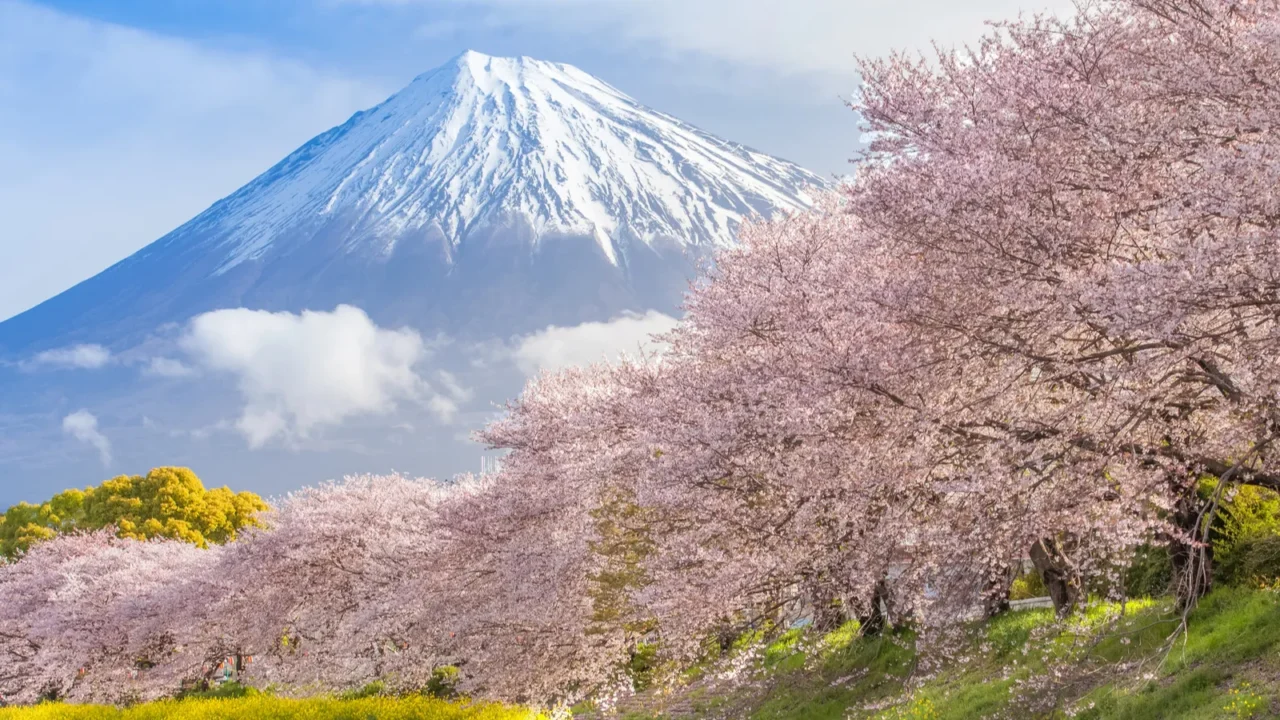
Mount Fuji Japan
Mount Fuji symbolizes Japan’s natural beauty and spiritual heritage. Viral sunrise hikes and social media challenges have drawn unprepared climbers in huge numbers. Trash accumulation, injuries, and disrespectful behavior prompted alarm from local authorities.
Japan now limits climbing seasons and encourages guided ascents only. Officials stress that Mount Fuji is not an amusement attraction but a sacred site. Responsible planning and respect are essential to protect both visitors and cultural meaning.
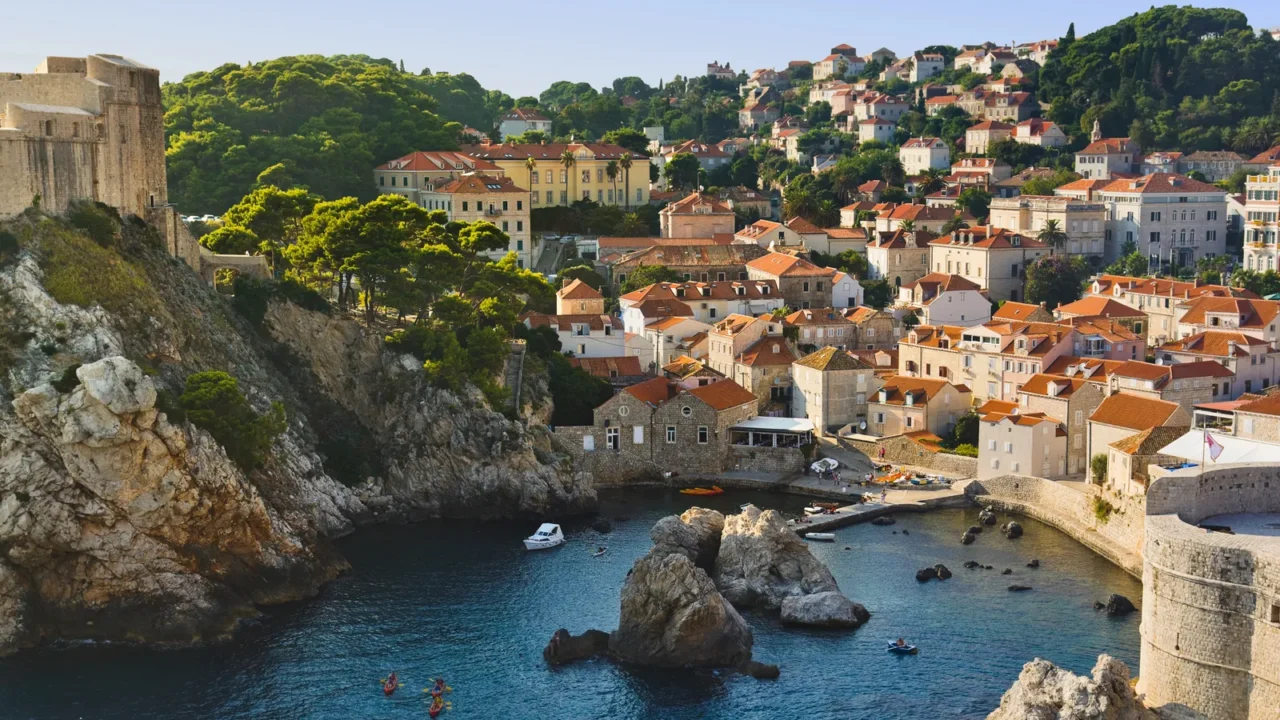
Dubrovnik Croatia
Dubrovnik’s medieval walls gained worldwide fame as a primary filming location for the television series Game of Thrones. Cruise ships began delivering thousands of visitors at once, overwhelming streets designed centuries ago. Residents reported daily life disruptions and accelerated damage to historic stone structures.
City officials introduced visitor caps and cruise restrictions while urging travelers to avoid peak hours. Authorities emphasize quality over quantity, reminding the world that preservation matters more than viral photographs.
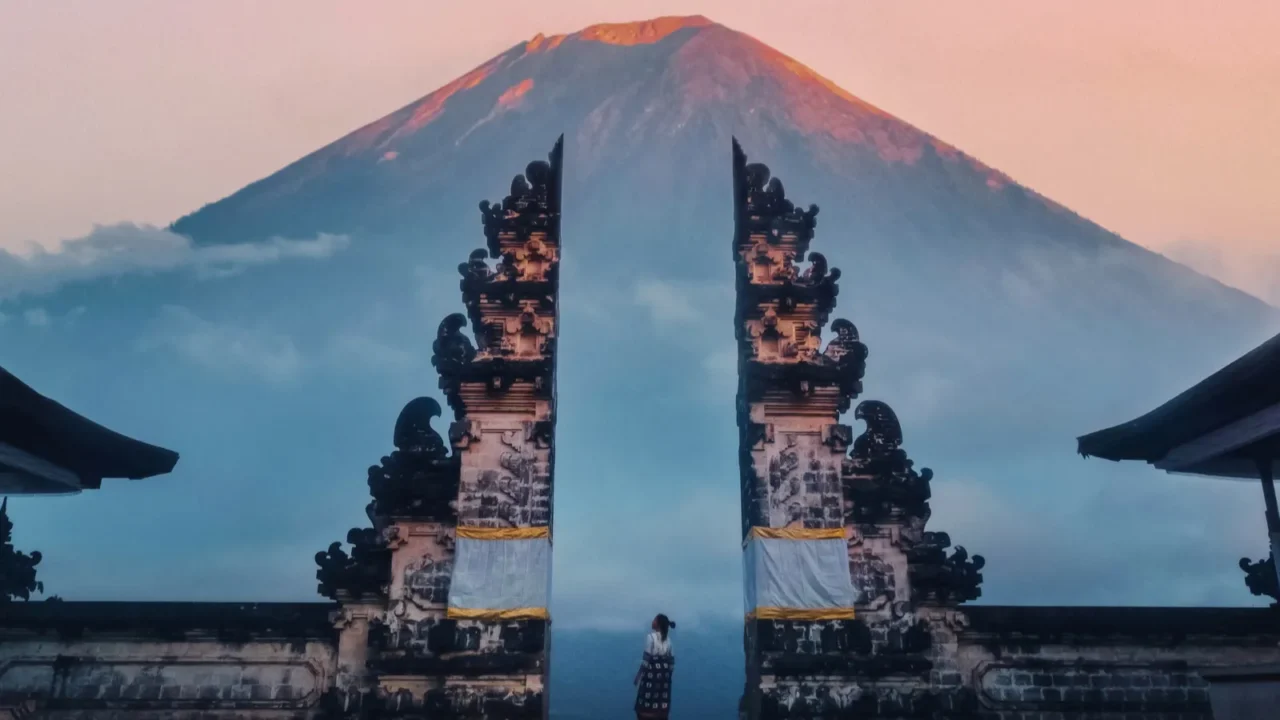
Bali sacred temples
Bali’s temples became viral backdrops for dramatic photos, often ignoring cultural boundaries. Visitors climbed sacred structures and staged disrespectful poses, prompting strong responses from local leaders and tourism authorities.
New regulations now restrict access to certain temple areas and enforce dress codes. Officials ask travelers to understand that these are living religious sites, not visual props. Respectful tourism helps preserve spiritual integrity and community trust.
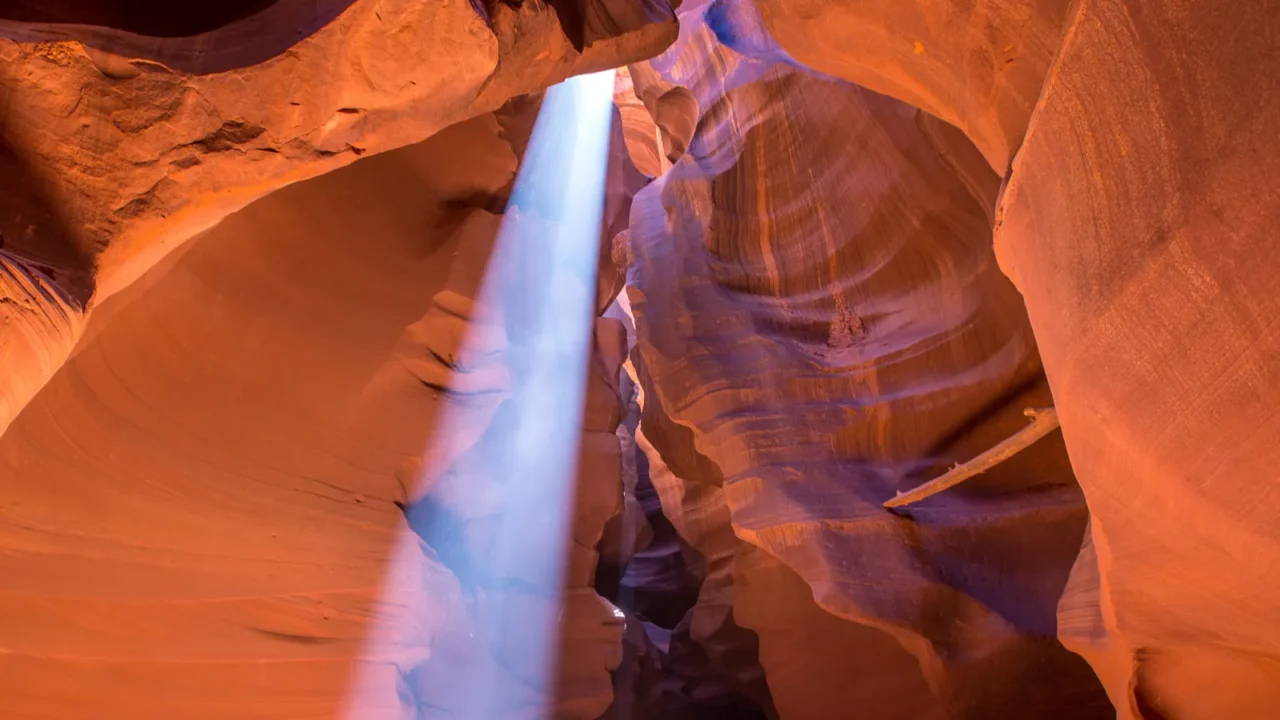
Antelope canyon Arizona
Antelope Canyon’s sculpted sandstone corridors attracted massive crowds after viral imagery spread worldwide. Flash flood risks, tight spaces, and noise disruptions led Navajo Nation authorities to intervene.
Today, guided tours are mandatory, with strict scheduling and visitor limits. Officials stress that safety and cultural stewardship come first. The canyon remains breathtaking, but its future depends on honoring rules set by those who protect it.
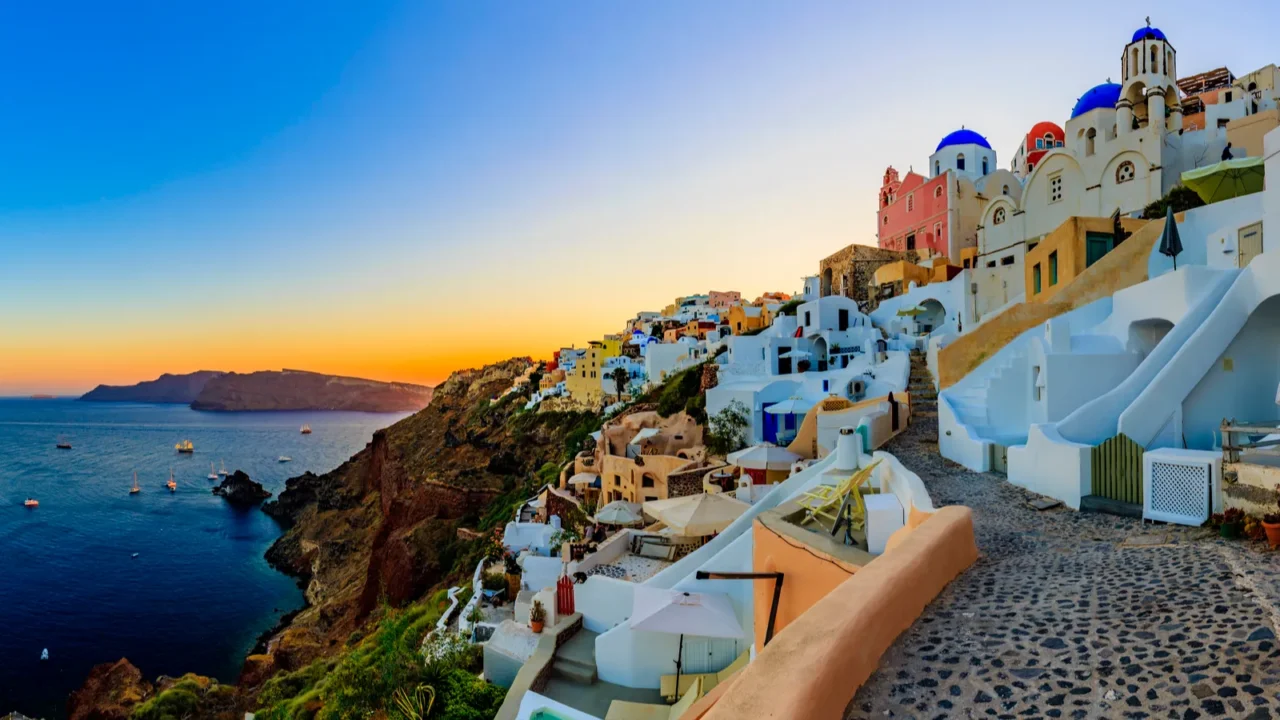
Santorini Greece
Santorini sunsets became one of the most shared travel moments online. The island now faces daily congestion, water shortages, and infrastructure strain during high season. Narrow streets overflow as cruise arrivals peak.
Greek authorities encourage travelers to visit lesser-known islands and travel off-season. Santorini’s beauty remains undeniable, but officials warn that balance is critical to protect residents and the environment.
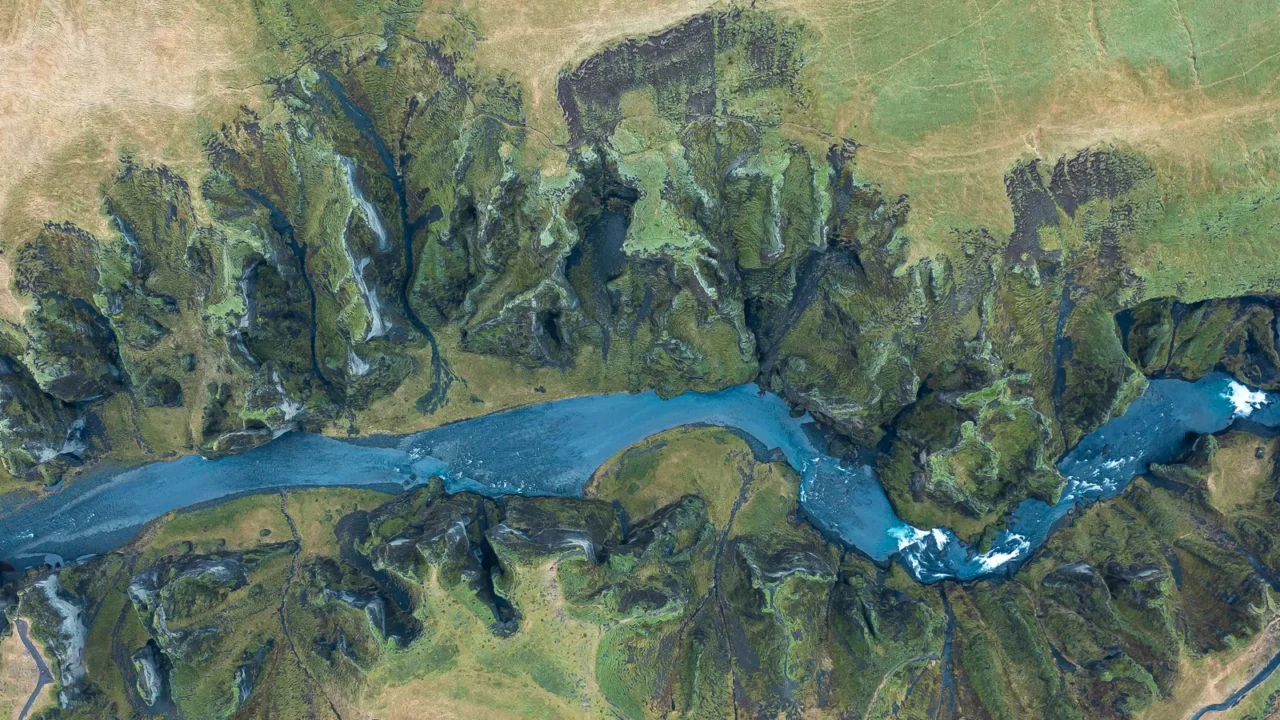
Iceland Fjadrargljufur canyon
This remote Icelandic canyon surged in popularity after appearing in viral content. Foot traffic damaged delicate moss that takes decades to recover. Trails eroded quickly, forcing temporary closures.
Icelandic authorities now urge visitors to follow marked paths and respect access restrictions. The country’s landscapes are resilient only when treated carefully. Officials remind travelers that wilderness preservation is a shared responsibility.
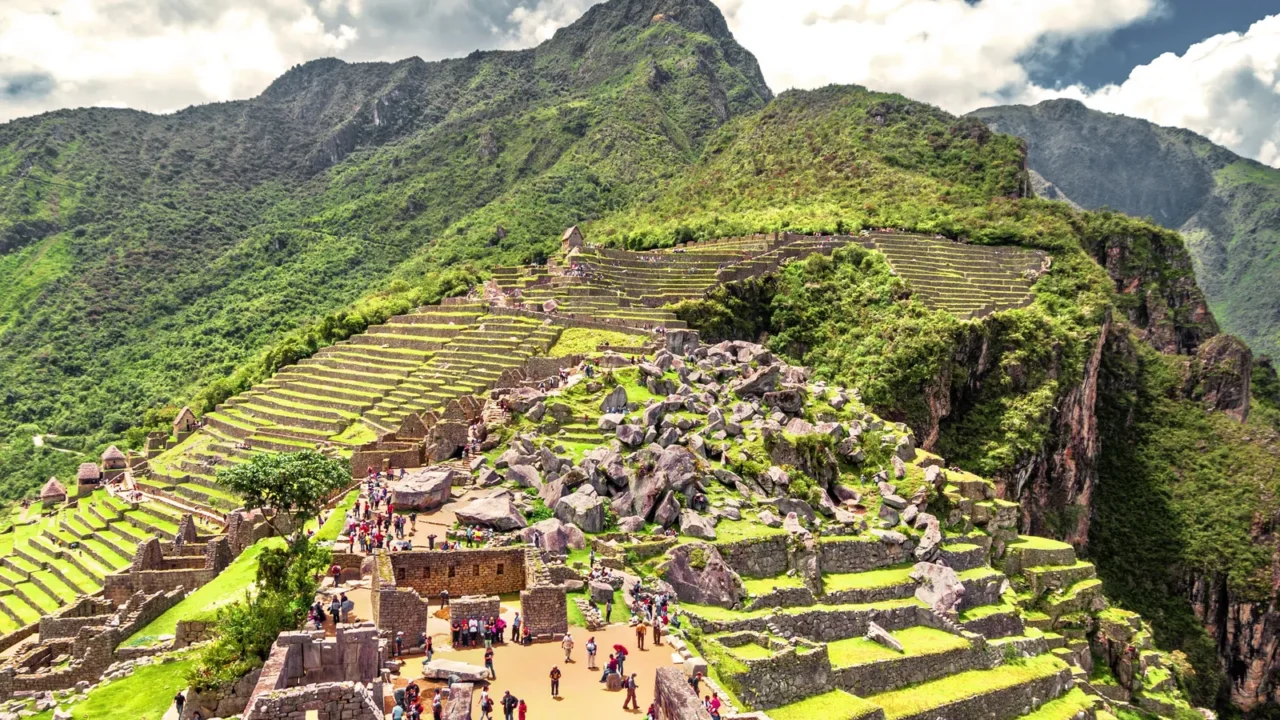
Machu Picchu Peru
Machu Picchu’s ancient ruins attract millions seeking a once in a lifetime experience. Viral imagery intensified demand, leading to overcrowding and structural stress on stone pathways.
Peruvian authorities introduced timed entry, fixed routes, and daily visitor limits. Officials emphasize that conservation ensures future generations can experience the site. Responsible travel here protects both history and heritage.
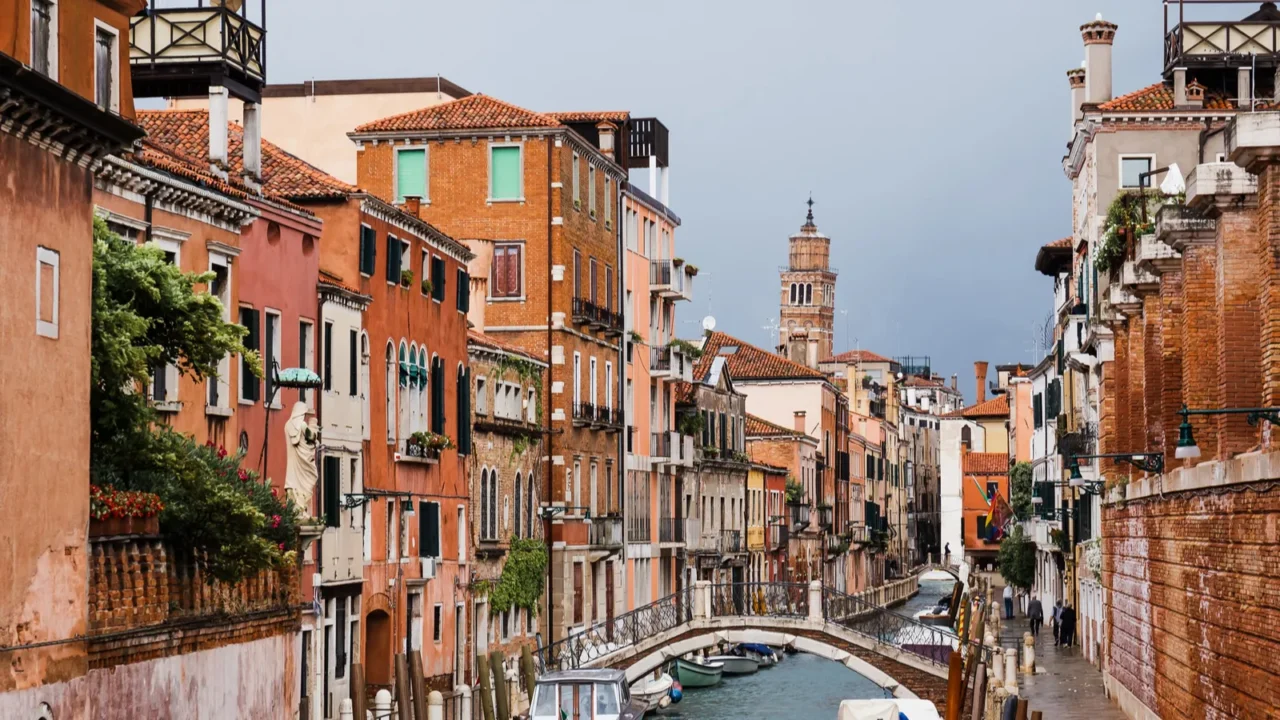
Venice Italy
Venice struggles under constant waves of visitors drawn by online imagery. Large crowds strain fragile foundations and push residents away from the historic center.
Authorities implemented entry fees and restricted large vessels. Officials ask travelers to reconsider timing and behavior. Venice remains magical, but survival depends on mindful visitation rather than unchecked popularity.
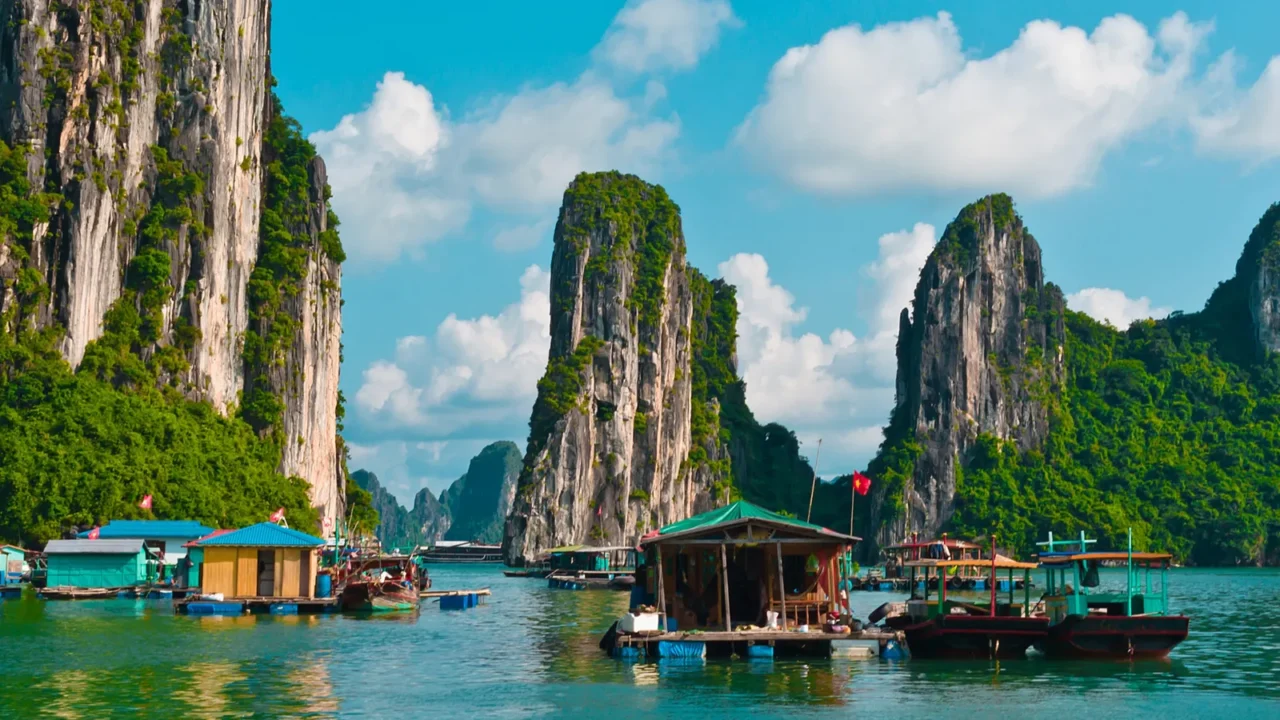
Ha Long Bay Vietnam
Ha Long Bay’s limestone formations became iconic through drone footage and travel reels. Tourism growth led to pollution, water damage, and overcrowded boats.
Vietnamese authorities now regulate cruise numbers and enforce environmental standards. Visitors are encouraged to choose licensed operators only. Protecting this natural wonder ensures its beauty lasts beyond internet trends. Before finalizing plans, travelers are encouraged to check official tourism hotlines and government advisories.
Rethinking viral travel
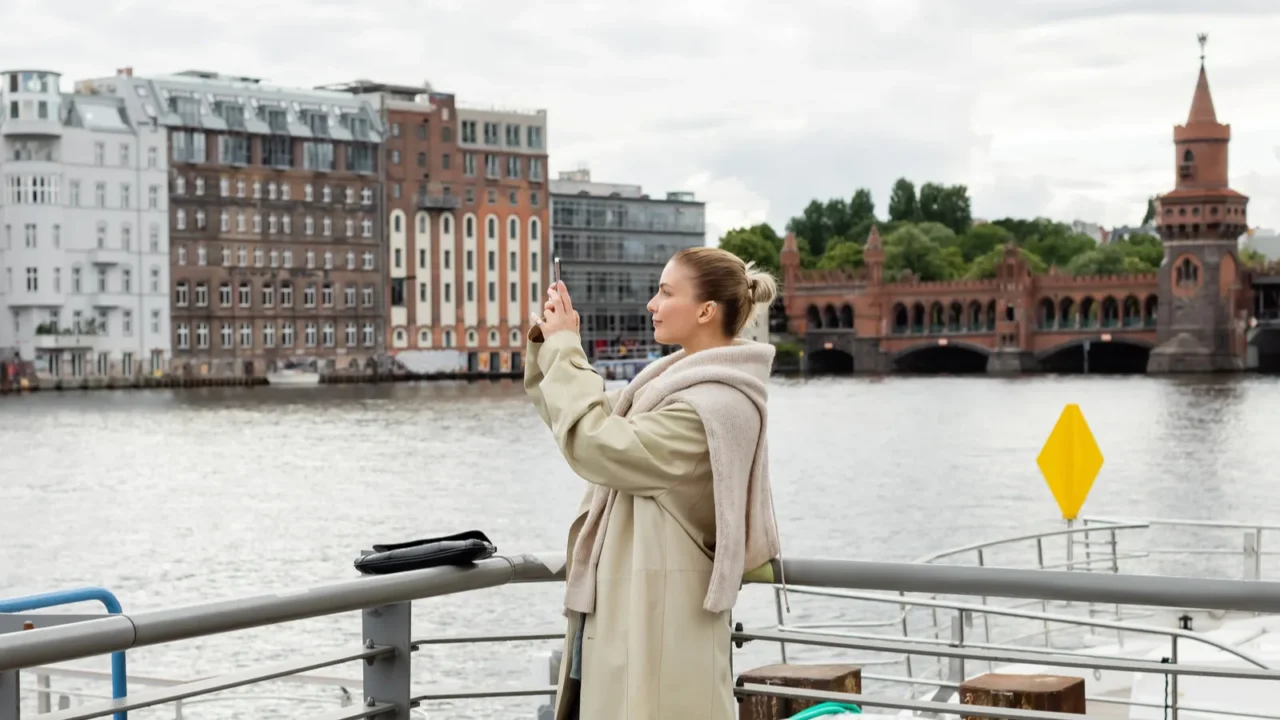
Viral destinations reveal the tension between discovery and preservation. Tourism authorities worldwide are not discouraging travel but asking for awareness. The meaning of beauty fades when destinations are overwhelmed by their own popularity.
As tourism is reshaping small villages, travelers hold quiet influence through their choices, supporting slower travel, local businesses, and lesser known regions that allow communities to thrive without losing the character that made them special in the first place.
If the places we love are asking us to pause, adapt, or step back, how will the future of travel look when responsibility becomes part of the journey itself?
This slideshow was made with AI assistance and human editing.
Don’t forget to follow us for more exclusive content right here on MSN.
Read More From This Brand:
