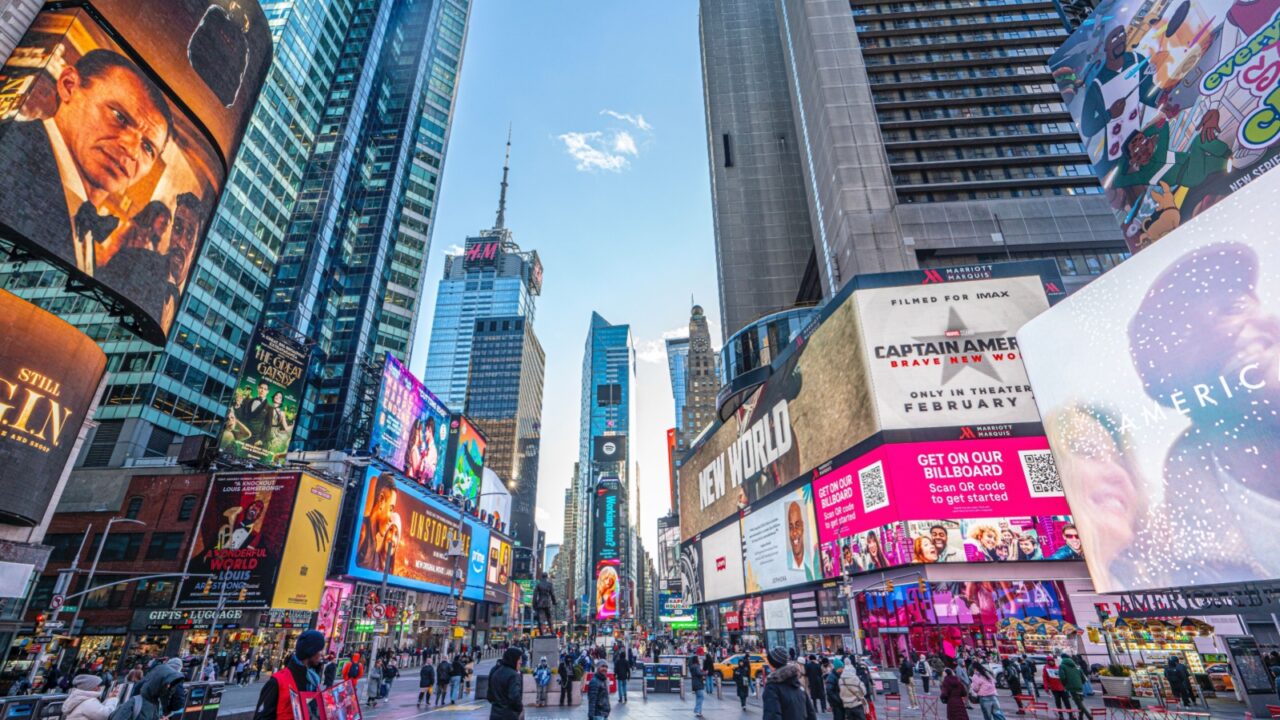
New York, shifting travelers beyond Manhattan
Manhattan continues to draw millions of visitors each year, but pressure on space and services is becoming harder to ignore. Long lines, packed streets, and rising costs are reshaping how travelers experience New York City. State officials now see this as a moment to rethink where tourism flows.
Instead of concentrating everything in Manhattan, New York State is spotlighting destinations beyond the city’s core. The goal is to spread economic benefits while improving visitor experiences. A quieter, more balanced travel story is taking shape, so let’s dive in!
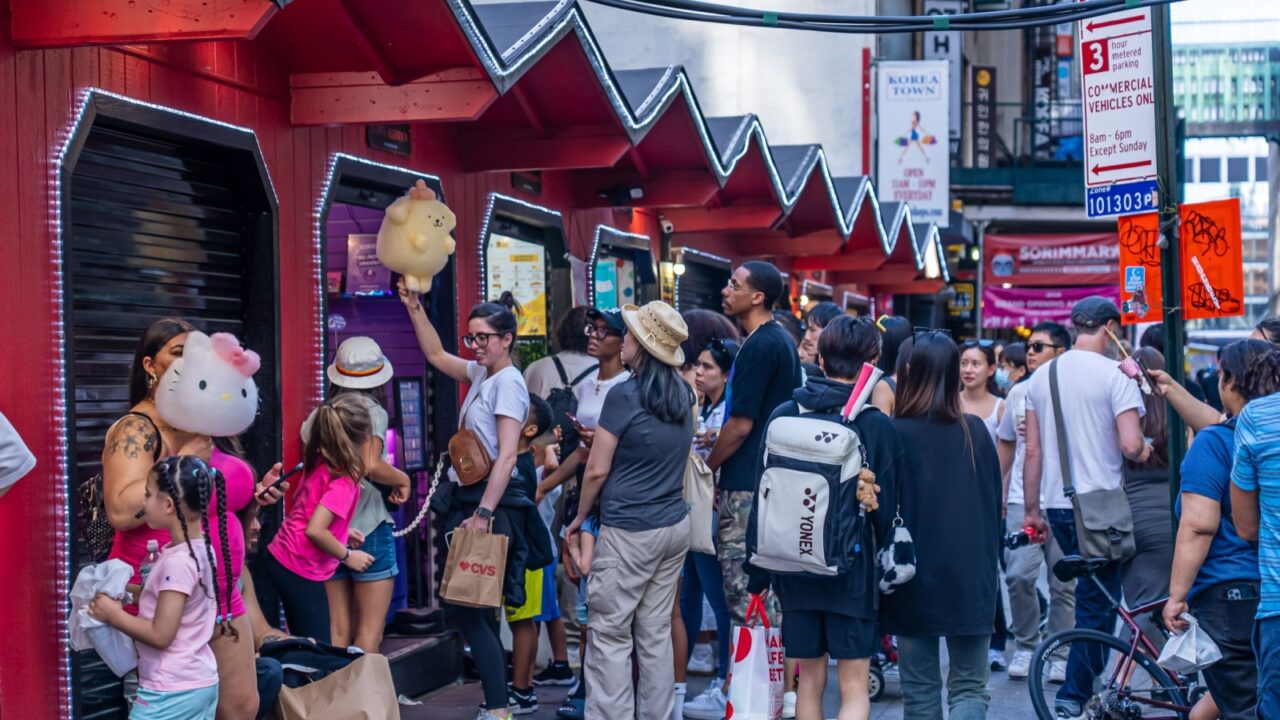
Why the shift matters
Overcrowding has real consequences for both residents and visitors in Manhattan. Public transit strain, hotel saturation, and rising prices affect how smoothly tourism operates. State planners recognize that unchecked concentration is not sustainable long-term.
New York has diverse landscapes that remain underexplored by international travelers. By redirecting attention, officials aim to protect Manhattan while boosting regional economies. This strategy reflects a broader rethink of urban tourism in 2026.
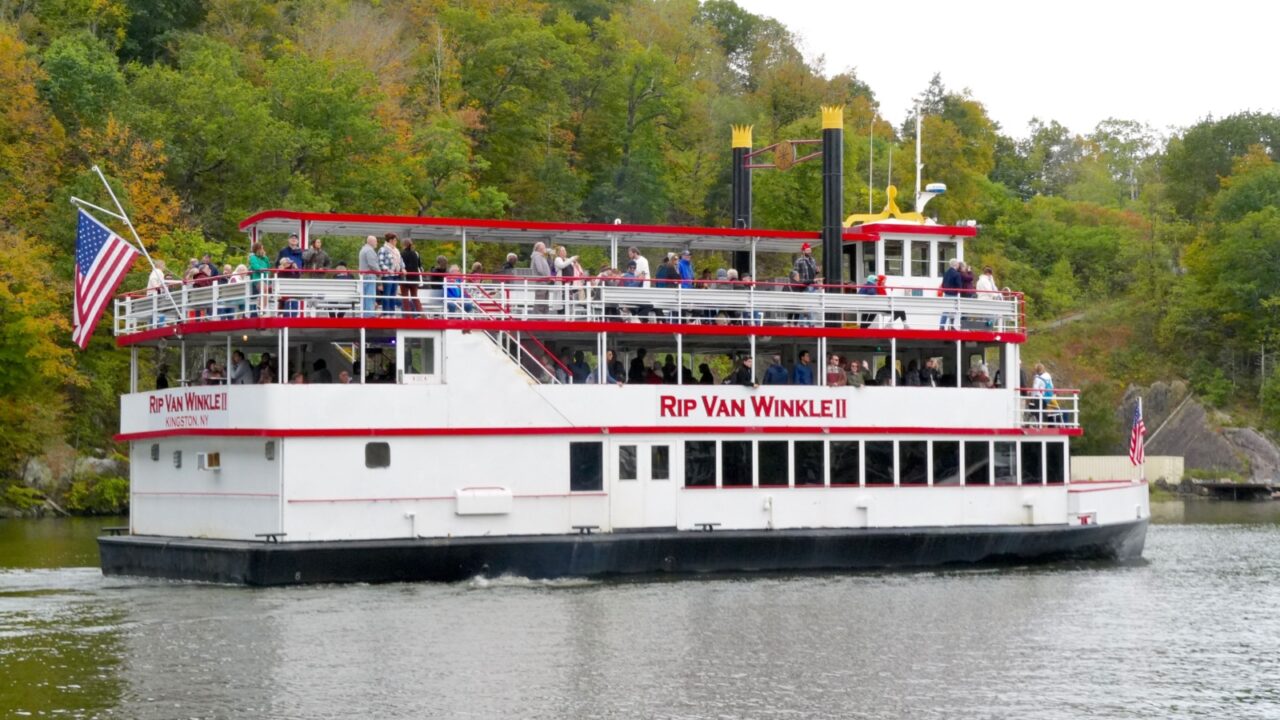
Hudson Valley spotlight
The Hudson Valley has become central to New York’s tourism diversification plan. Towns like Beacon, Cold Spring, and Kingston are seeing increased promotion. Scenic rail access and historic charm make them ideal alternatives to city stays.
Visitors are drawn to river views, art spaces, and slower-paced experiences. The region benefits from day trips and overnight stays alike. Hudson Valley tourism now complements, rather than competes with, Manhattan travel.
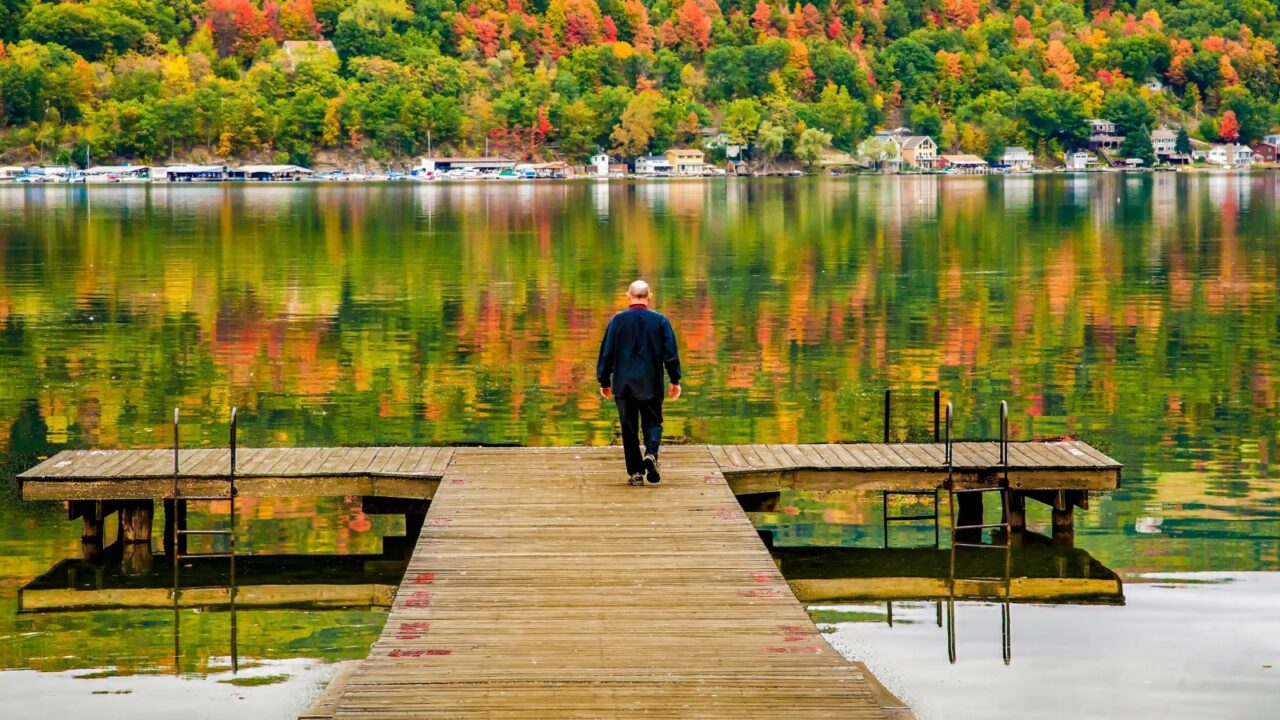
The Finger Lakes appeal
The Finger Lakes region offers a completely different New York experience. Known for wineries, waterfalls, and small towns, it attracts travelers seeking nature-focused trips. State tourism campaigns increasingly feature Ithaca and Seneca Lake.
These destinations appeal to visitors looking beyond city landmarks. Wine trails and outdoor activities encourage longer stays. The Finger Lakes now serve as a major pillar in statewide tourism planning.

Buffalo’s cultural revival
Buffalo is gaining renewed attention as a cultural destination. Waterfront redevelopment and architecture tours highlight the city’s transformation. Proximity to Niagara Falls strengthens its appeal for extended itineraries.
Visitors often pair Buffalo with natural attractions nearby. Museums, food scenes, and revitalized districts support longer visits. This growth helps balance tourism flows away from Manhattan.

Adirondacks draw travelers
The Adirondack region plays a key role in seasonal tourism redistribution. Travelers are increasingly choosing Lake Placid and the surrounding towns for outdoor escapes. Hiking, winter sports, and lake tourism drive steady demand.
State investment focuses on infrastructure and conservation. These destinations attract visitors who might otherwise remain in the city. Nature-driven travel is now a core part of New York’s tourism mix.

Rail makes it easier
Improved rail connectivity supports this statewide tourism shift. Amtrak and Metro-North routes link Manhattan to nearby regions efficiently. Easy access reduces reliance on cars for short trips.
Travelers can explore multiple destinations without complex planning. This convenience encourages exploration beyond the city. Transportation access plays a major role in changing travel behavior.
Marketing beyond Manhattan
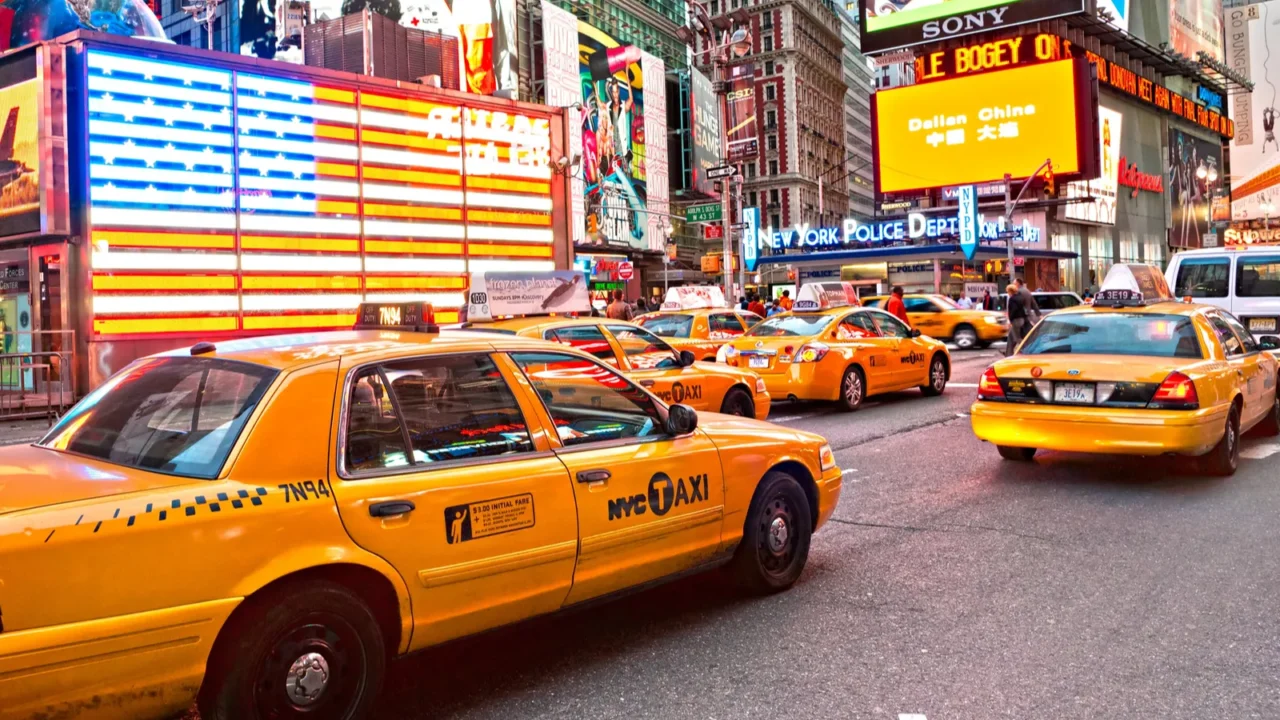
New York’s tourism messaging has noticeably evolved. Campaigns now highlight regional stories instead of skyline imagery alone. Digital content promotes food, nature, and culture statewide.
This approach reshapes expectations before trips begin. Travelers arrive with broader itineraries in mind. Marketing is quietly guiding movement away from overcrowded areas.
Economic ripple effects
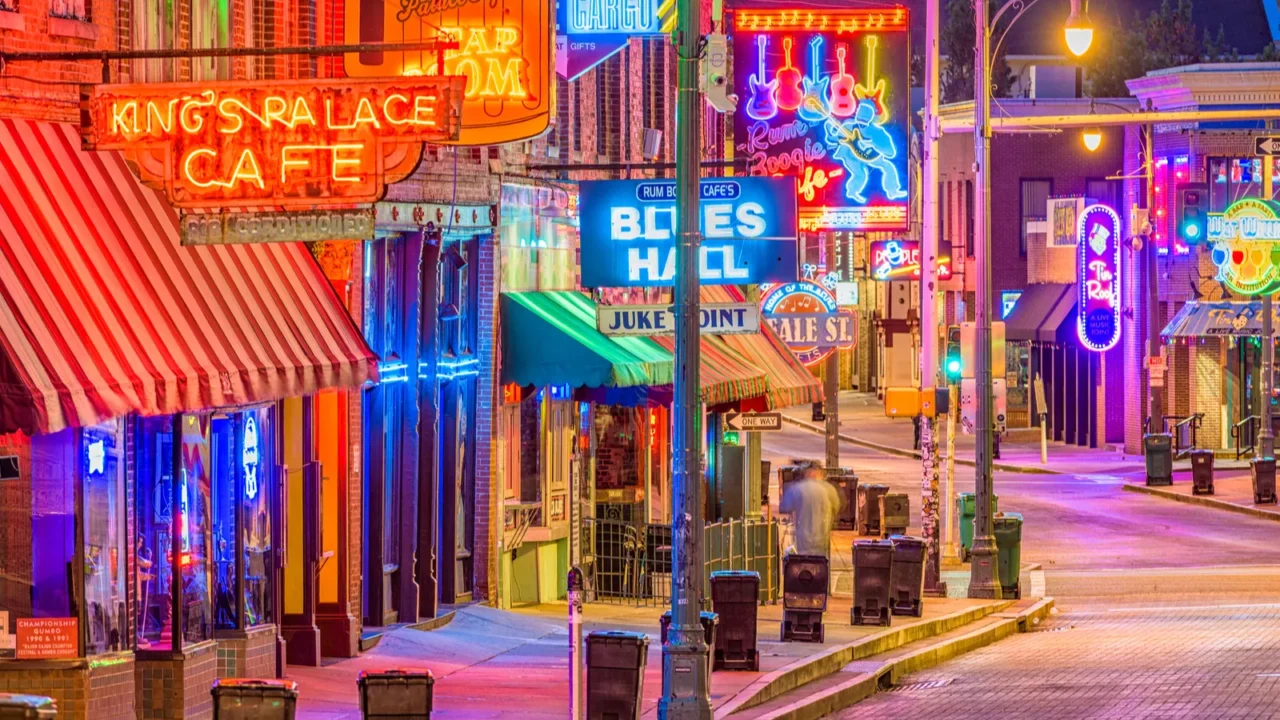
Spreading tourism helps smaller cities benefit from visitor spending. Hotels, restaurants, and local businesses see more consistent demand. This supports job creation outside Manhattan.
State officials emphasize tourism equity across regions. A wider distribution strengthens overall resilience. Tourism dollars now travel farther across New York.
A better visitor experience
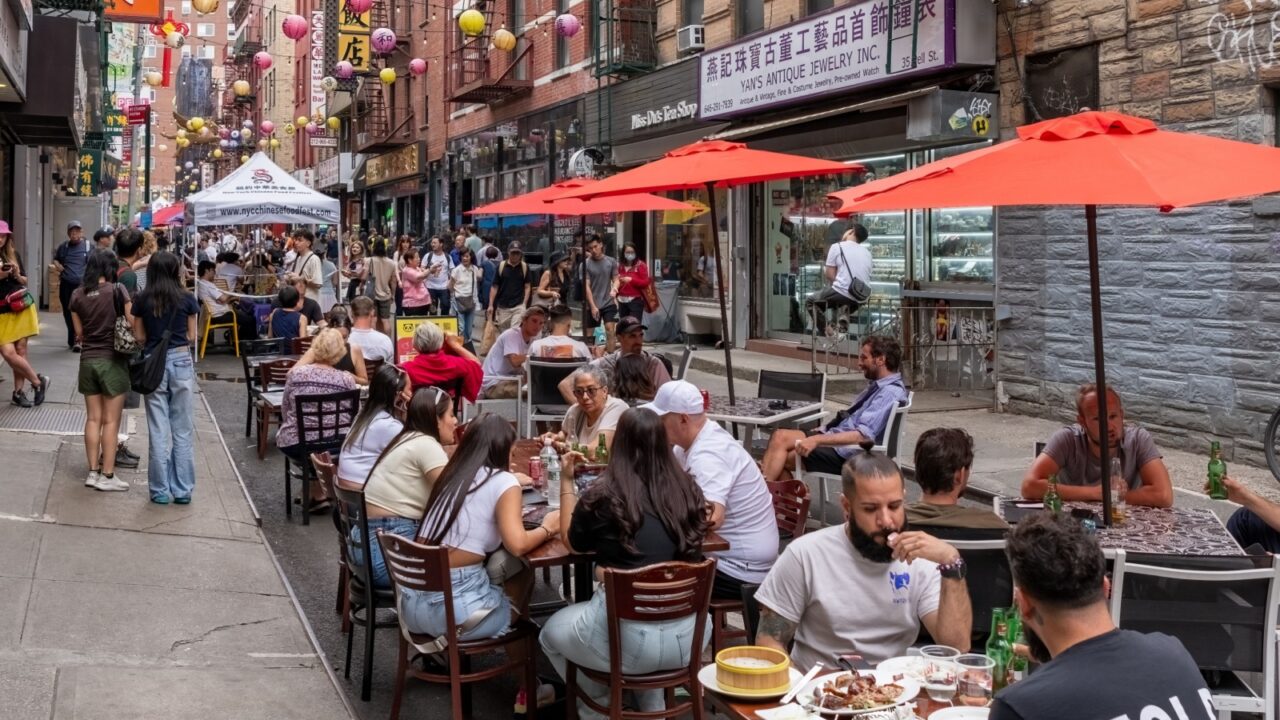
Travelers often report feeling rushed in overcrowded destinations. Exploring smaller cities offers calmer, more personal experiences. This improves satisfaction and return visits.
New York State sees quality as important as quantity. Balanced tourism protects destinations from burnout. Better experiences support long-term growth.
Seasonal travel balance
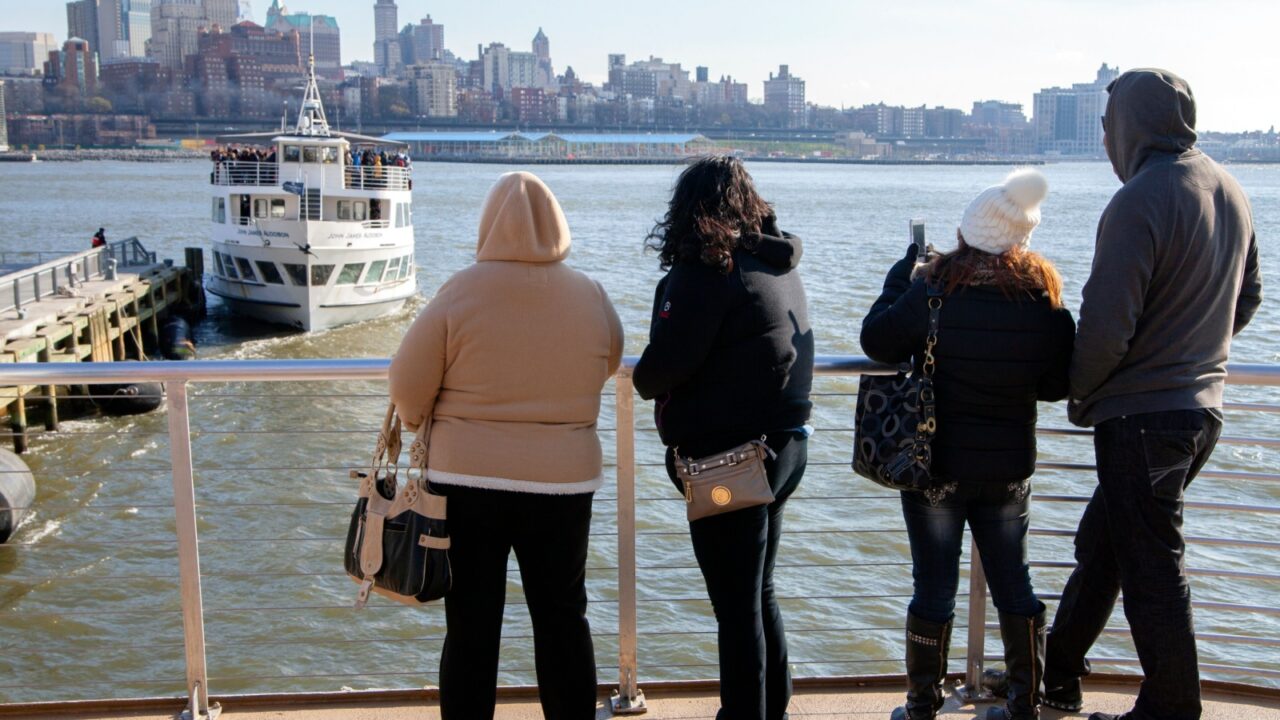
Manhattan peaks year-round, while other regions thrive seasonally. Redirecting visitors helps smooth these fluctuations. Winter and shoulder seasons gain new relevance.
Places like the Adirondacks and Finger Lakes benefit from off-season promotion. This reduces pressure during peak months. Seasonal balance is now a planning priority.
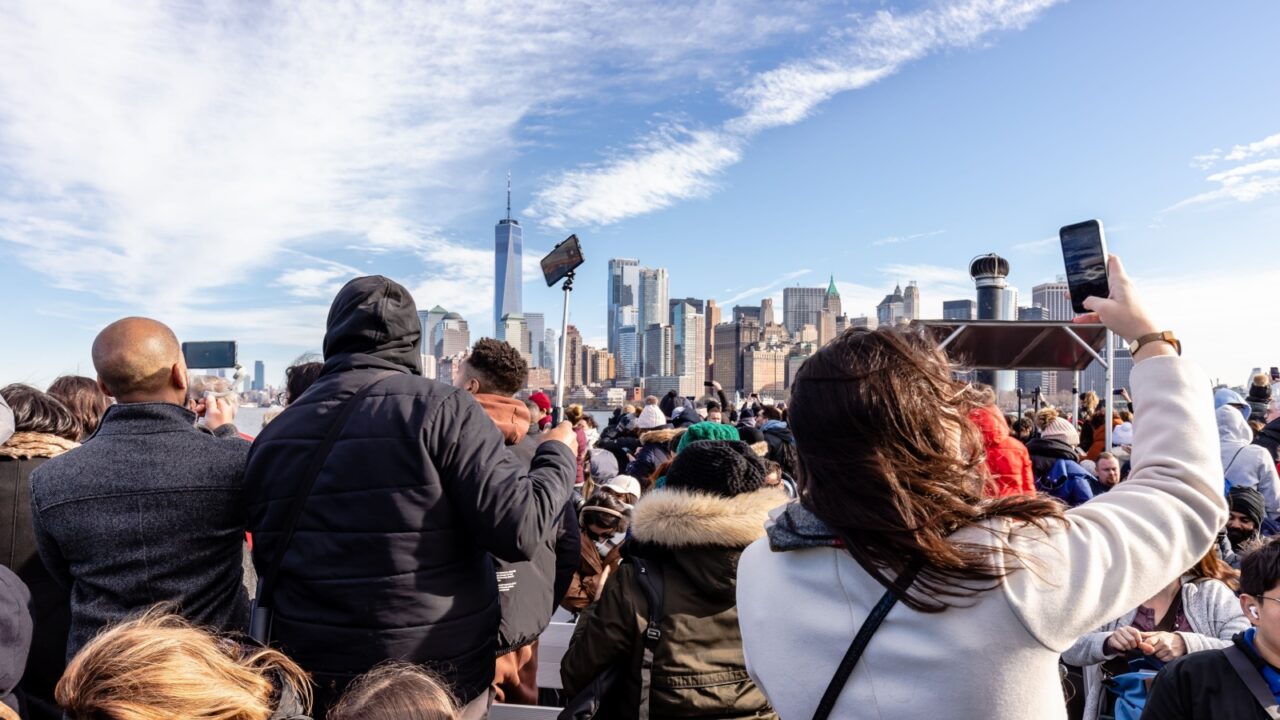
A statewide strategy
Manhattan remains essential, but it is no longer the only focus. Iconic films shot in New York City continue to inspire travel interest, while regional destinations increasingly share the spotlight. Together, they are shaping a more sustainable and emotionally driven tourism future for the state.
Manhattan remains essential, but not exclusive. Regional destinations now share the spotlight. The state is shaping a more sustainable tourism future.

A broader New York
New York’s story is no longer confined to Manhattan streets. Rivers, lakes, mountains, and historic towns add depth to the travel experience. Visitors are discovering how varied the state truly is.
Spreading tourism strengthens communities while easing urban pressure. It also invites travelers to slow down and explore more thoughtfully. Which New York destination beyond Manhattan deserves more attention next? Share your thoughts below.
This slideshow was made with AI assistance and human editing.
Don’t forget to follow us for more exclusive content right here on MSN.
Read More From This Brand:
