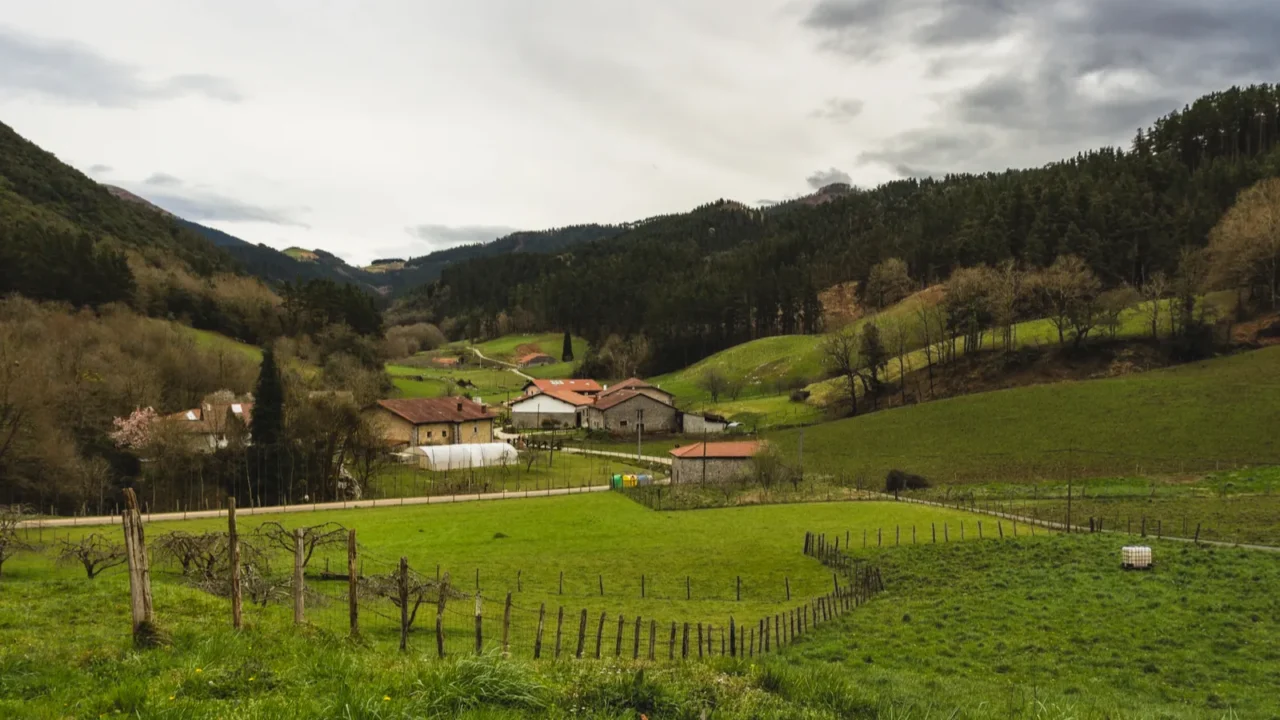
The Basque Country is having an eclipse moment in 2026
Spain’s Basque Country is getting extra attention in 2026 because it lines up two things travelers actually plan around: a rare total solar eclipse and a food scene with global credibility. A recent National Geographic travel feature includes Bilbao and Vitoria-Gasteiz among the top eclipse viewing spots in northern Spain.
That mix matters now because eclipse tourism tends to spike demand fast, and the Basque Country has limited space in the exact places people want to sleep, eat, and watch from. The result is a real push to book early and build itineraries that are more than a single evening outside.

August 12 is the date driving the surge
The total solar eclipse hits on Wednesday, August 12, 2026, and the path crosses northern Spain, including parts of the Basque Country. Spain’s official tourism site highlights that the eclipse arrives at sunset, which raises the stakes on picking a clear western horizon.
“Sunset totality” compresses the whole experience into a narrow window, and small location mistakes can cost you the best view. NASA’s eclipse mapping also makes the point bluntly: you only get totality inside the path limits, not just near them.
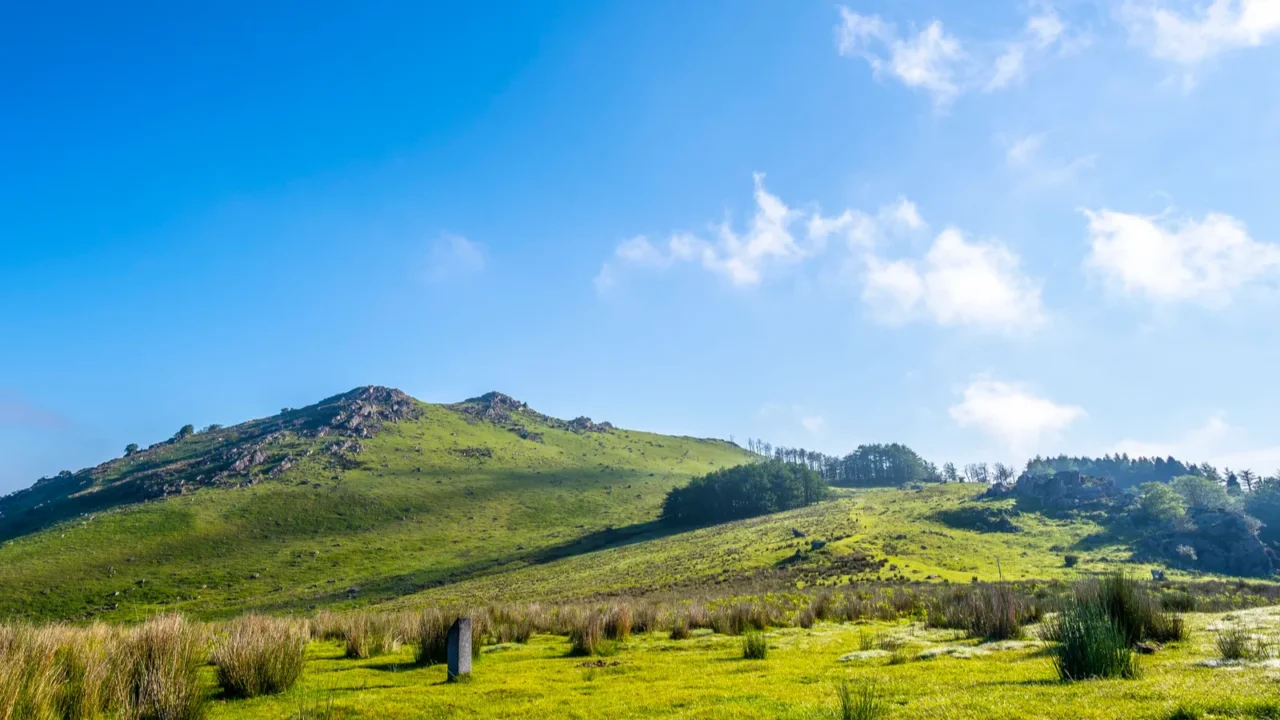
Where totality actually lands in the Basque Country
For the Basque Country, the totality strip covers all of Álava and parts of Gipuzkoa and Bizkaia, according to Spain’s official travel guidance. That geography quietly reshapes plans, because inland viewpoints and short drives can change whether you see true darkness or a dramatic partial.
This matters now because many people will be based in famous cities, then chase the best viewing conditions at the last moment. If you are trying to maximize odds, your “sleep city” and your “eclipse hill” do not have to be the same place.
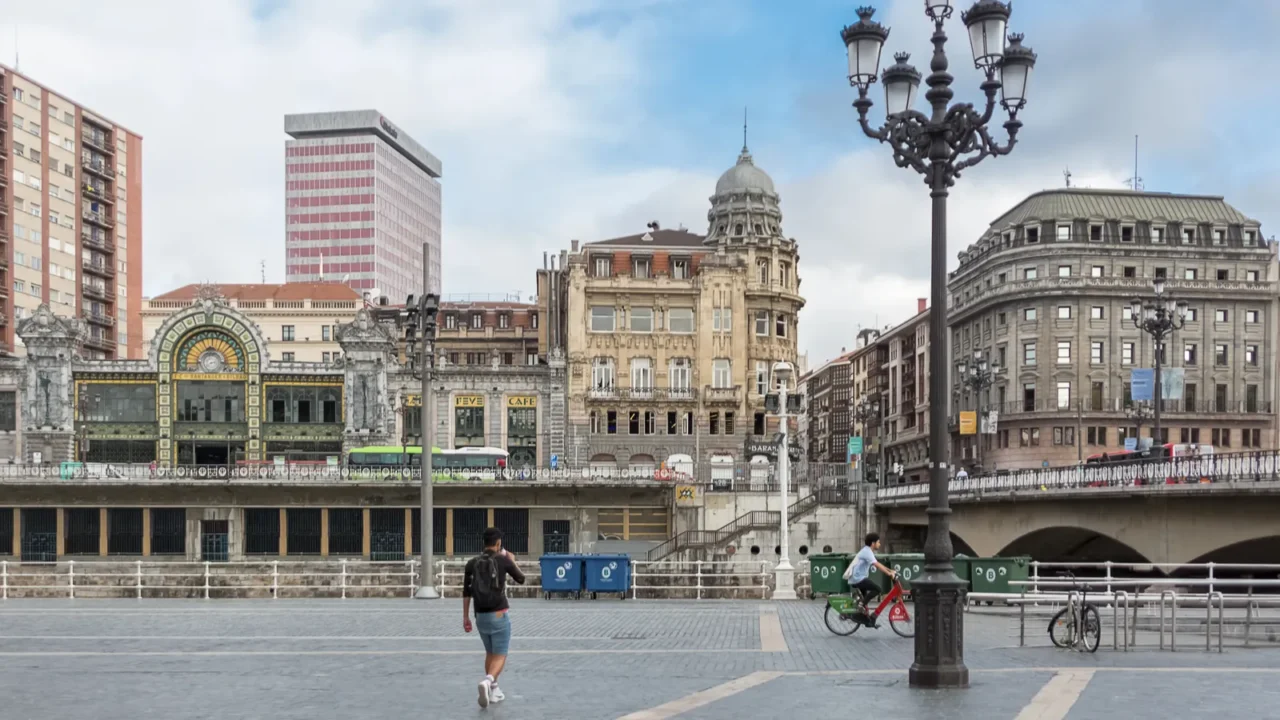
Bilbao’s timing is tight and that changes everything
In Bilbao, Timeanddate lists maximum eclipse at about 8:27 p.m. local time (20:27) on August 12, with the event unfolding late in the day. The same listing shows why the western skyline matters, because the sun is low as the eclipse peaks.
A low sun raises the risk of buildings, hills, and trees cutting off your last seconds of view. It pushes visitors toward high, open spots and toward test-running their sightline earlier that week, not five minutes before first contact.
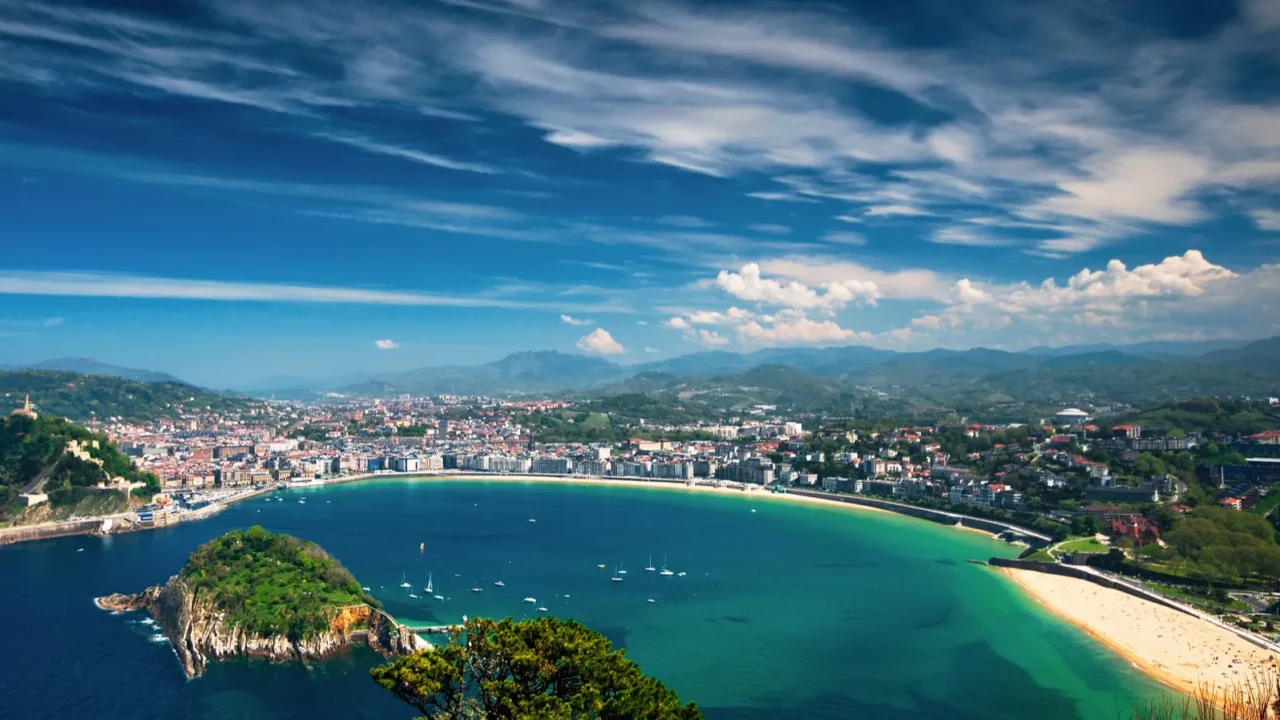
Cloud risk is real on the coast, so smart plans build slack
Basque coastal weather is shaped by Atlantic influence, which can bring damp air and cloud cover even in summer. That is not a reason to skip the trip, but it is a reason to avoid a single, fixed viewpoint with no backup.
This matters now because eclipse travel is expensive, and the easiest way to protect your investment is flexibility. Building an inland option in Álava, plus extra nights before and after, gives you room to chase clearer skies without turning the whole trip into a stressful sprint.
Spain is actively marketing this as astro-tourism
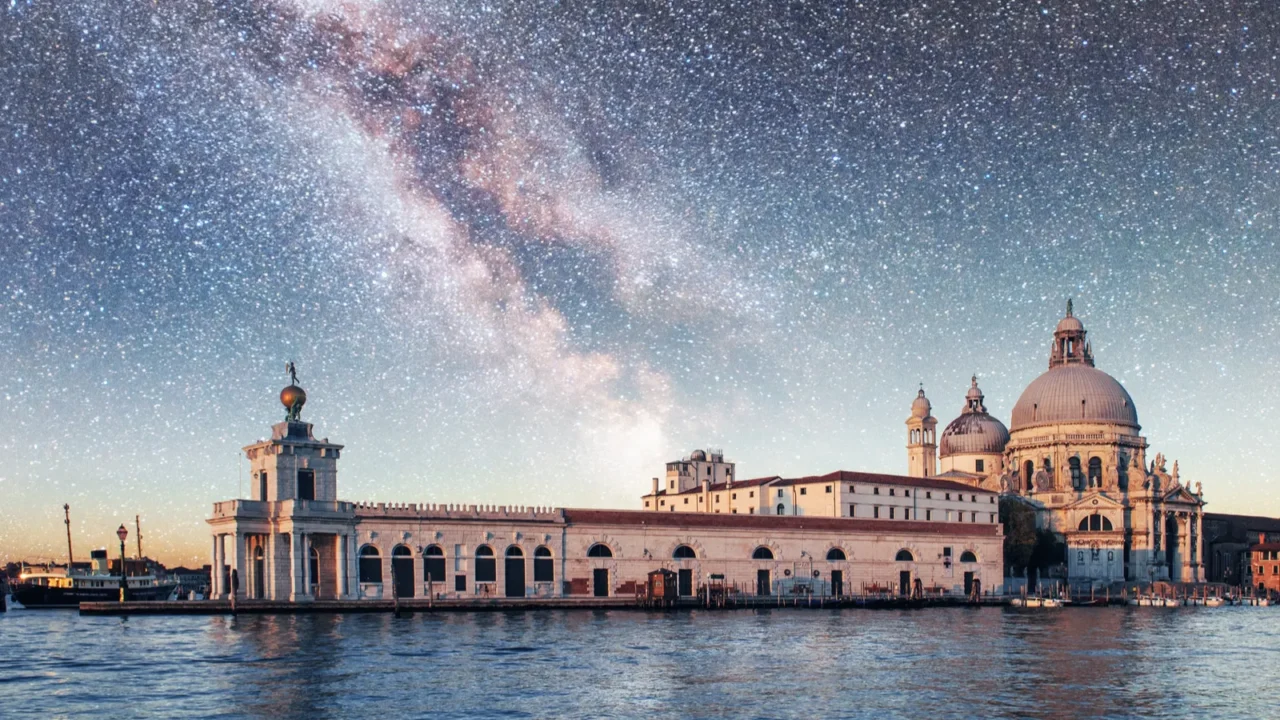
Tourspain is already positioning the 2026 eclipse as a national astro-tourism driver, tied to a wider run of eclipses in 2026–2028. It also points to Eclipse262728 as a coordinated effort promoting sustainable tourism around these events.
Official promotion increases demand beyond the usual “eclipse chasers.” More general travelers will show up once airlines, hotels, and tour sellers package it as a once-in-a-century experience, which can tighten availability across the Basque region.
The safety piece will shape what operators can sell
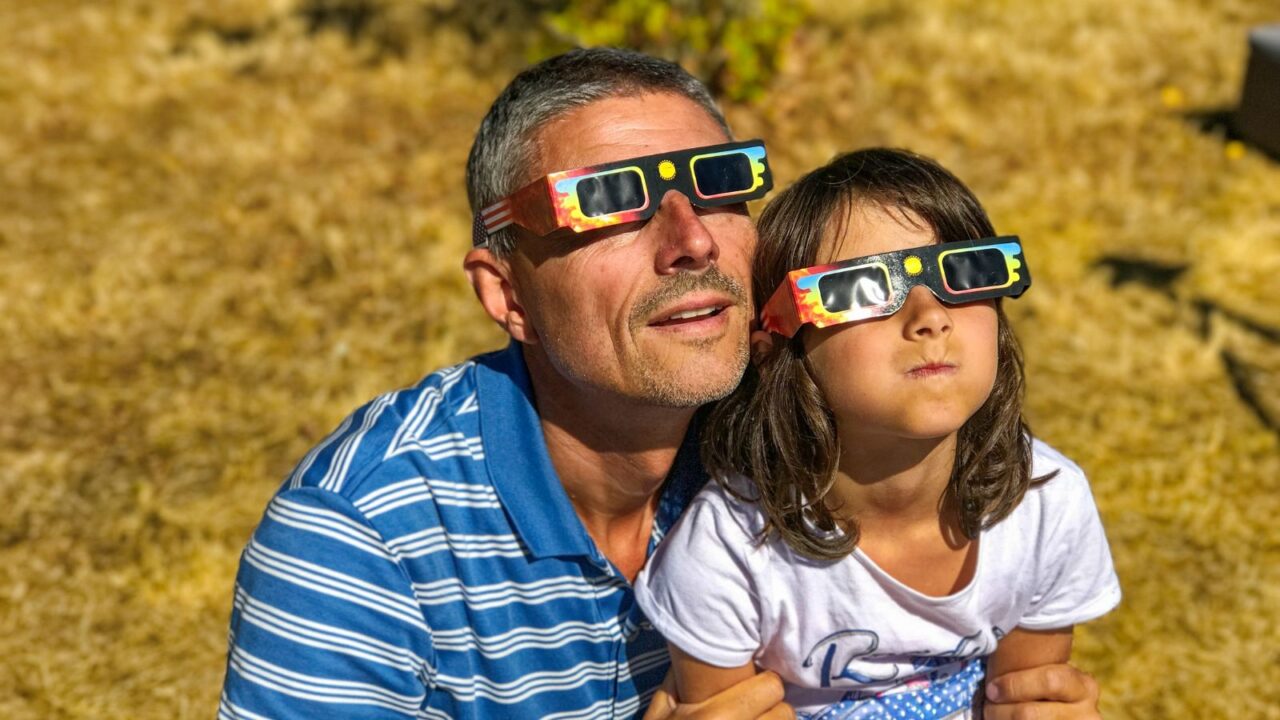
The eclipse is only safe to look at directly during totality, and you still need proper eye protection for the partial phases. The National Solar Observatory is explicit about this, and it reinforces why solar glasses or certified filters are not optional.
This matters now because public-safety guidance affects crowd management, tour staffing, and even what venues can host. Expect more organized viewing areas with rules, on-site instruction, and supply shortages for certified eclipse glasses as August approaches.
Bilbao is the “culture base” play, not just a sky stop
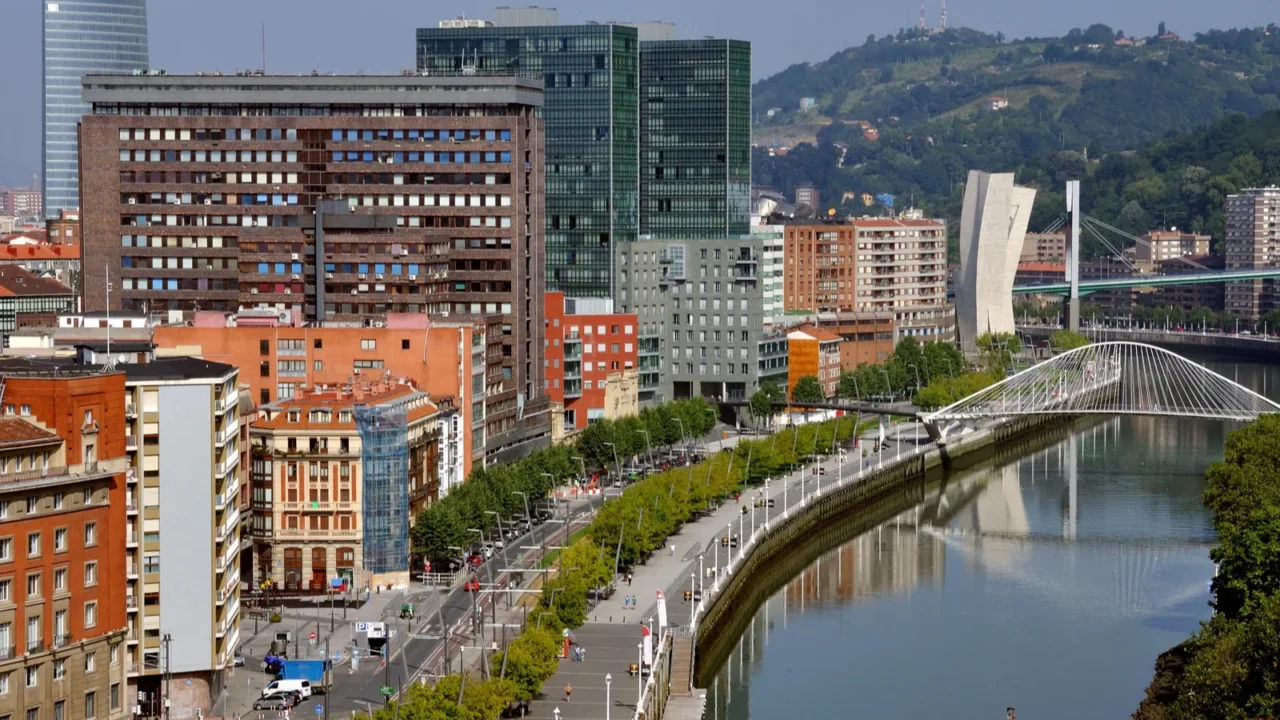
Bilbao works for travelers who want a full itinerary even if clouds interfere, because the city is already a heavyweight cultural draw. Many eclipse tours build in time for the Guggenheim Museum and riverfront sightseeing, then treat eclipse night as the anchor event.
This matters now because a mixed itinerary changes how you book lodging and transport. If you plan to day-trip to totality while keeping Bilbao as home base, you can lock in one hotel and leave the final viewing spot decision for later.
Vitoria-Gasteiz is the practical viewing hub
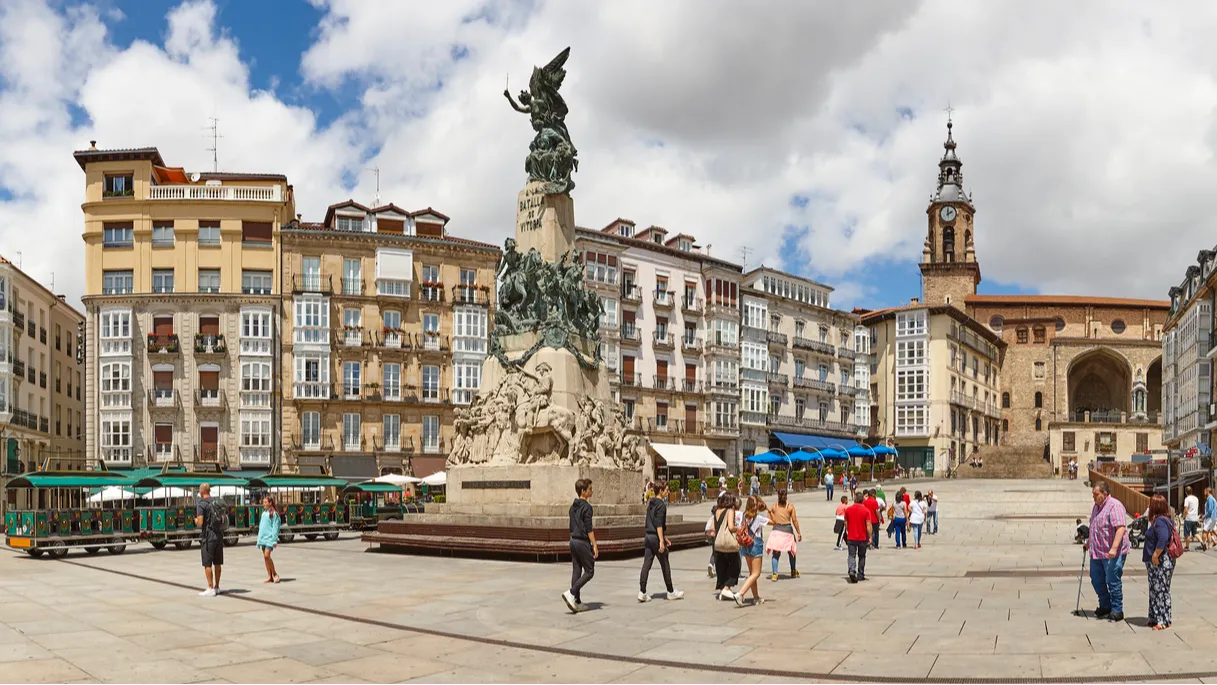
National Geographic also highlights Vitoria-Gasteiz as a prime viewpoint, and the city’s inland setting can be an advantage when coastal weather is unsettled. It is a calmer base than a major beach city, while still offering strong food and walkable historic streets.
This matters now because “ease” is a real asset on eclipse day, when roads and transit can jam. A smaller hub can cut stress, shorten the drive to totality areas in Álava, and reduce the chance that you miss the peak because you are stuck in traffic.
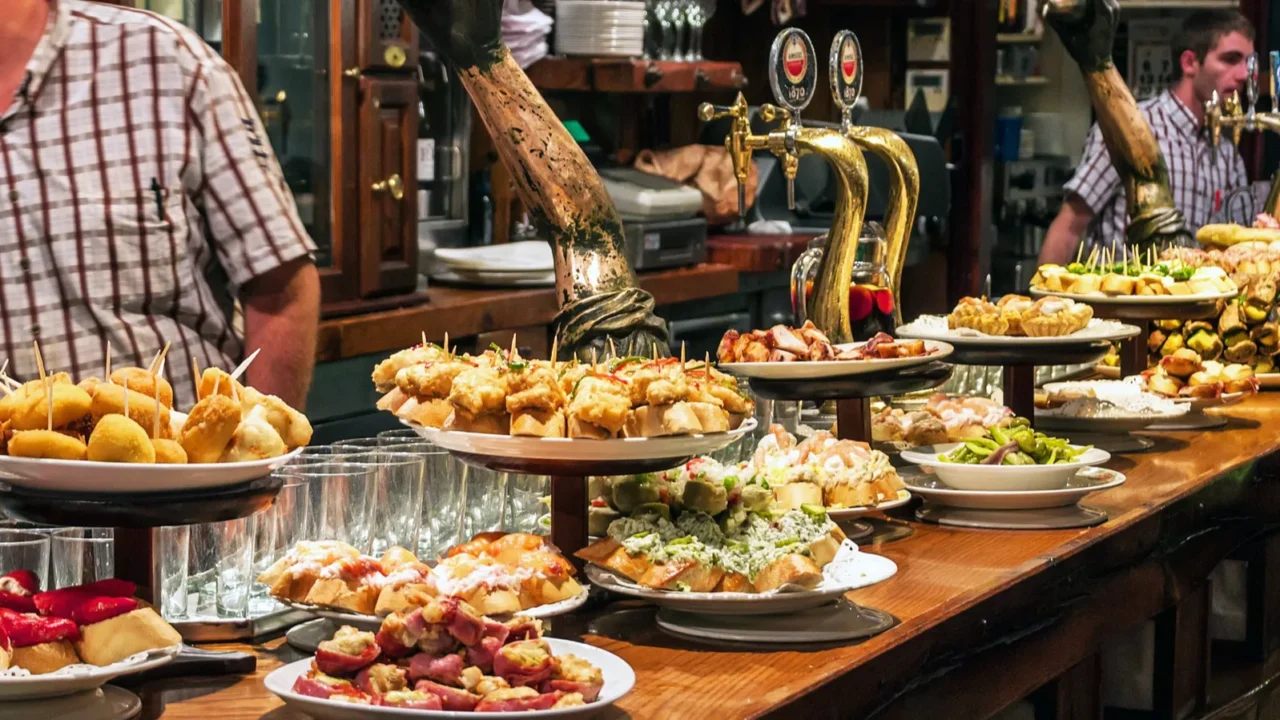
San Sebastián still wins on food, even with partial coverage
San Sebastián is often the culinary headline for the Basque Country, and that does not change just because the eclipse path is finicky. Even when you are not in the best totality band, you can still build a trip that pairs an evening sky event with the strongest pintxos culture in Spain.
Many travelers will prioritize meals and atmosphere over the technical perfection of totality. If you treat the eclipse as a bonus rather than the whole purpose, San Sebastián can be the “stay here” city while you travel inland for the best darkness.
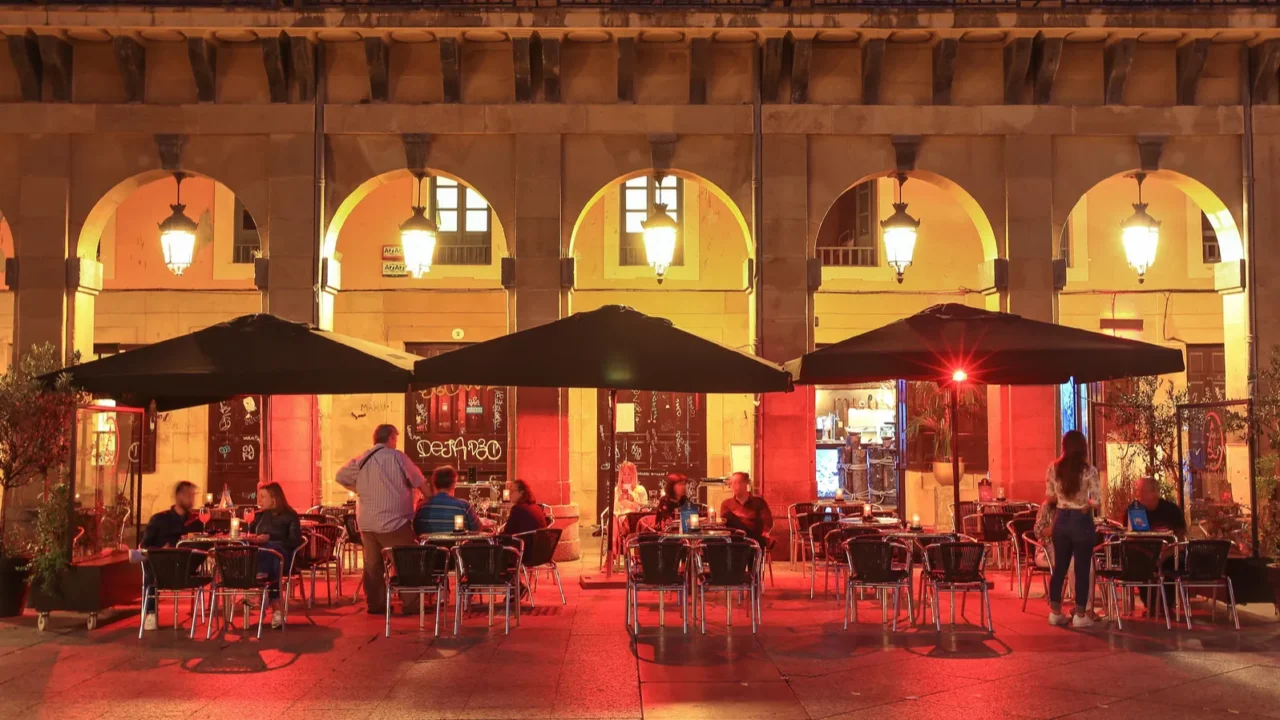
Michelin density is part of the draw, and it is measurable
San Sebastián’s tourism office says there are 18 Michelin stars within a 25-kilometer radius, including three restaurants with three stars in the surrounding area. That kind of concentration helps explain why food operators can build weeklong itineraries that still feel packed with variety.
Eclipse travel tends to attract high-spending visitors who want a “one big trip” feel. Fine dining, pintxos crawls, and local product tastings give planners more levers than just hotels and a single viewpoint on a hill.
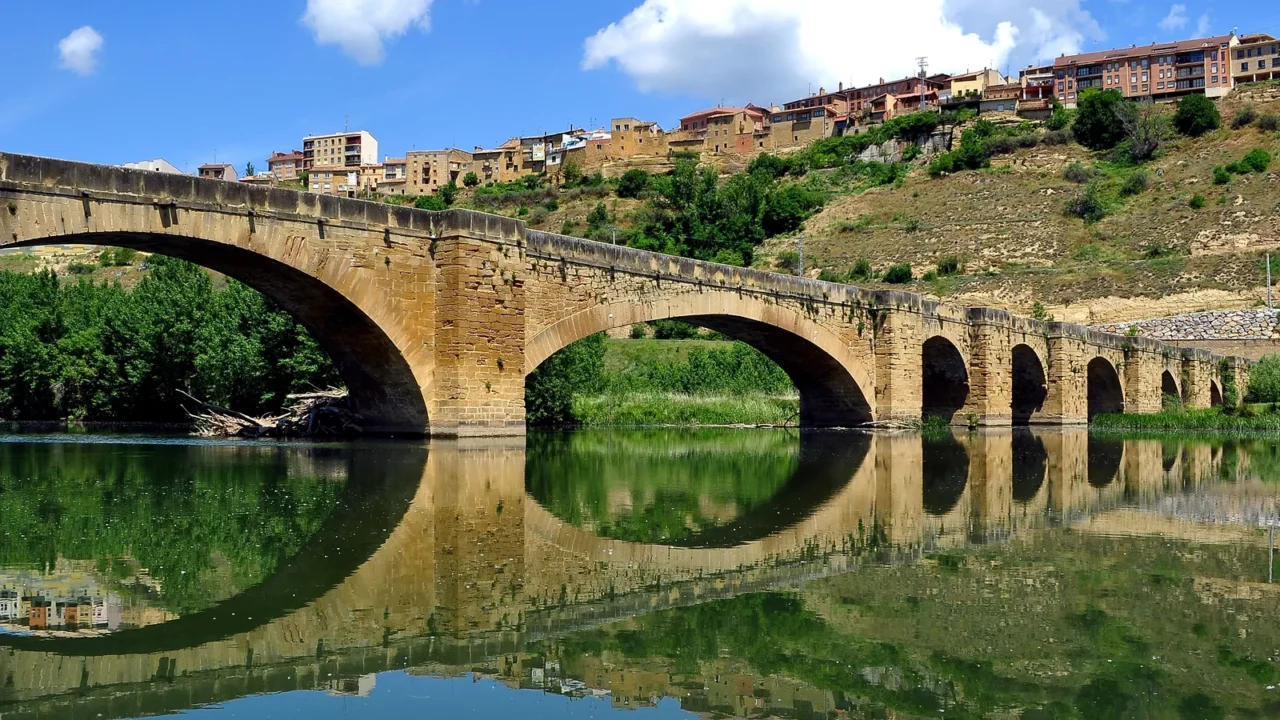
Rioja day trips turn eclipse week into a full route
Many eclipse itineraries fold in La Rioja wine country because it is close enough for guided day trips and overnight loops. Spain’s official eclipse guidance also lists La Rioja inside the totality zone, which means it can serve as both a tasting stop and a viable viewing region.
It spreads visitors across more lodging markets and reduces pressure on the most famous Basque coastal neighborhoods. A route that pairs Bilbao or Vitoria-Gasteiz with Rioja can also hedge against weather by giving you multiple candidate horizons.
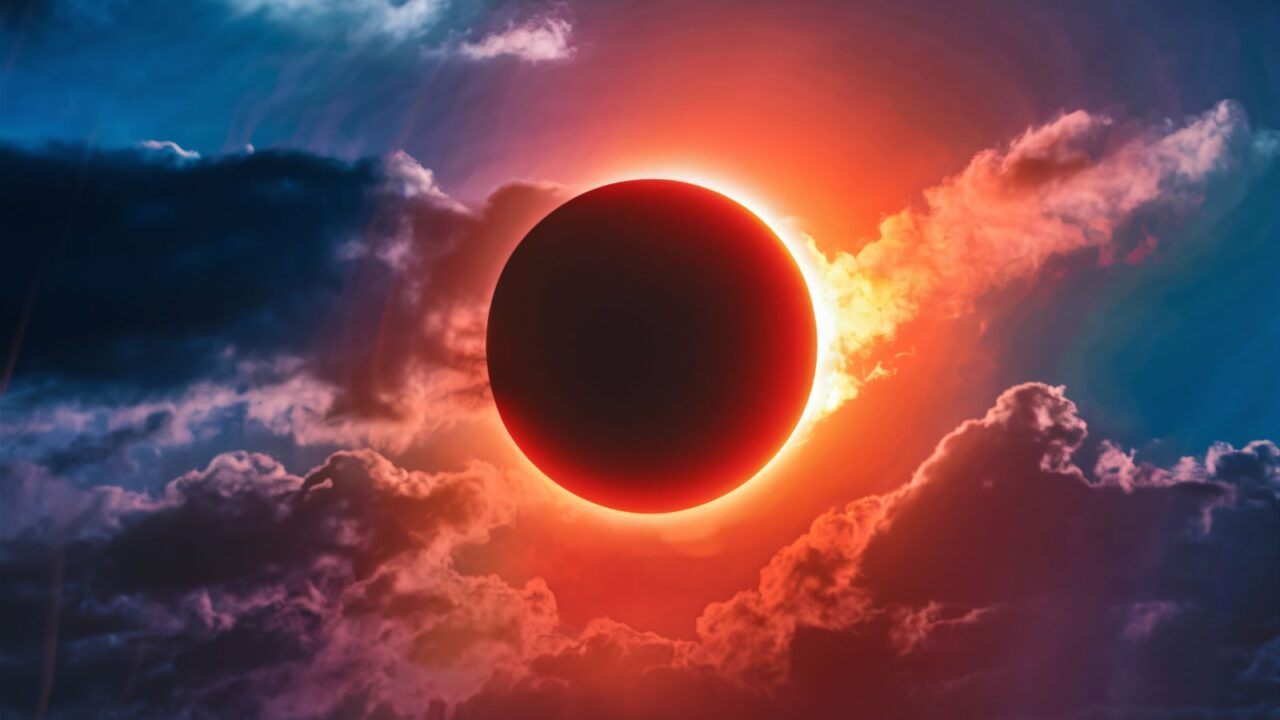
How to plan it like a pro, not a panic trip
Start by treating the eclipse as a short, fixed-time event inside a wider vacation, then choose your base city for comfort and transport. Use official mapping to confirm whether your exact viewing spot is inside totality, and prioritize an open western horizon because the eclipse peaks near sunset.
Then build flexibility into your booking so you can shift inland if coastal clouds build, especially across Bizkaia and Gipuzkoa. Explore next why you should book your 2026 Solar eclipse trip now.
Would you plan a Basque Country trip around the eclipse, or would you go for the food alone? Share your thoughts and your view in the comments.
This slideshow was made with AI assistance and human editing.
Don’t forget to follow us for more exclusive content right here on MSN.
Read More From This Brand:
