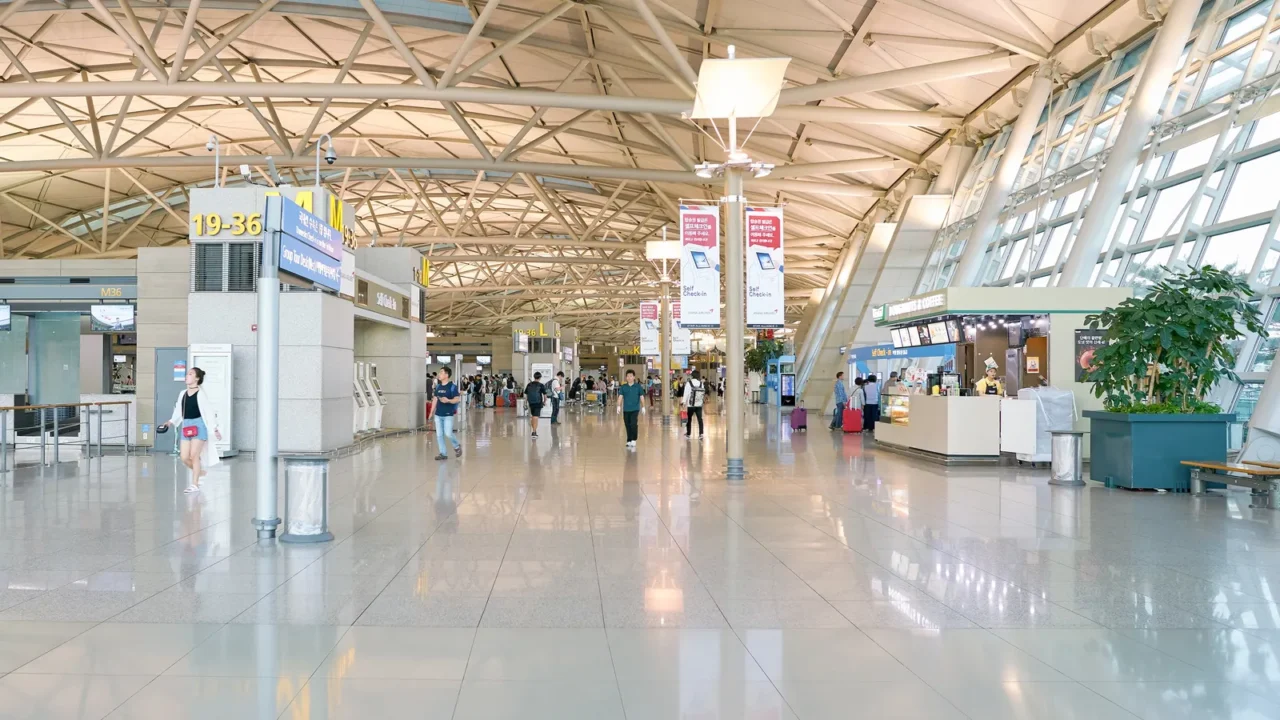
A calmer European arrival
Crowded mega airports once felt unavoidable when flying into Europe. Lately, travelers are discovering quieter gateways that set a better tone from the start. These arrivals feel less rushed and more aligned with relaxed travel plans.
Instead of landing in overwhelming hubs, many now choose smaller airports near iconic regions. These alternatives connect directly to beaches, the countryside, and historic towns. The shift is subtle but powerful, so let’s dive in!
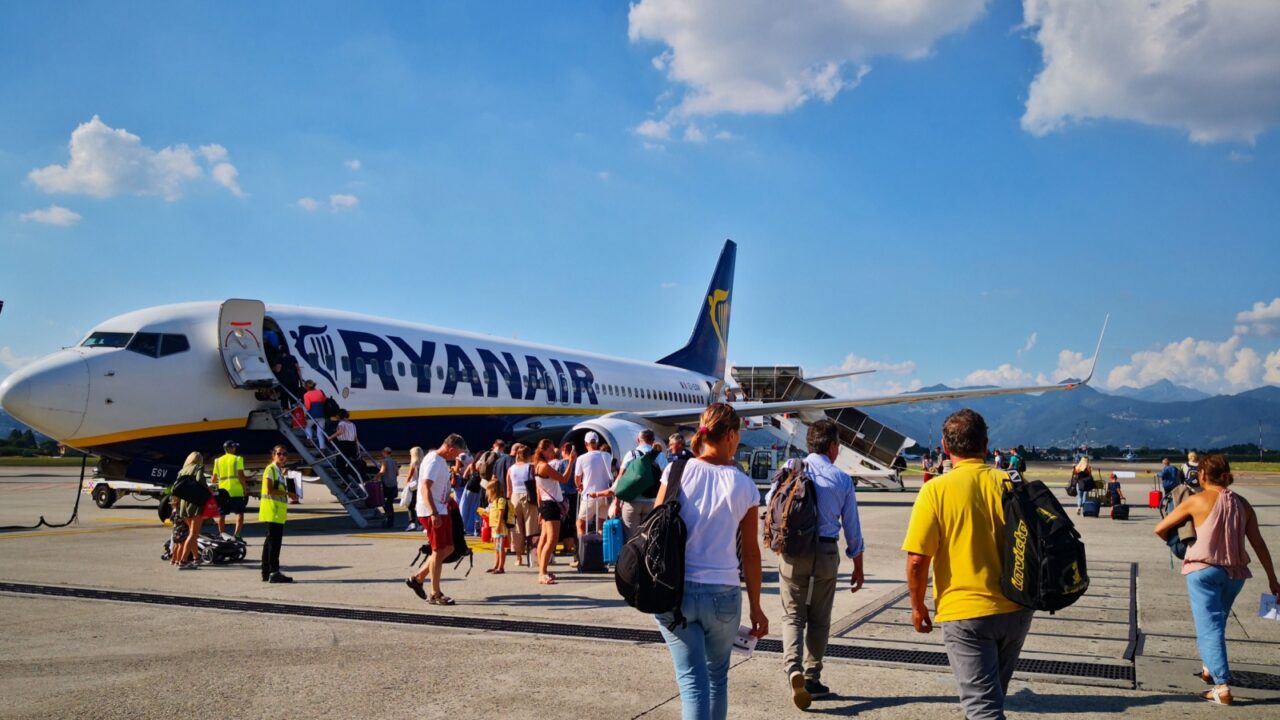
Bergamo over Milan
Milan Malpensa is busy year-round with business and long-haul traffic. Many leisure travelers now land at Milan Bergamo instead. The airport sits closer to northern Italy’s most scenic escapes.
From Bergamo, Lake Como is about an hour away by train or car. Verona and the Dolomites also become easier starting points. The arrival feels calmer before the Italian adventure even begins.
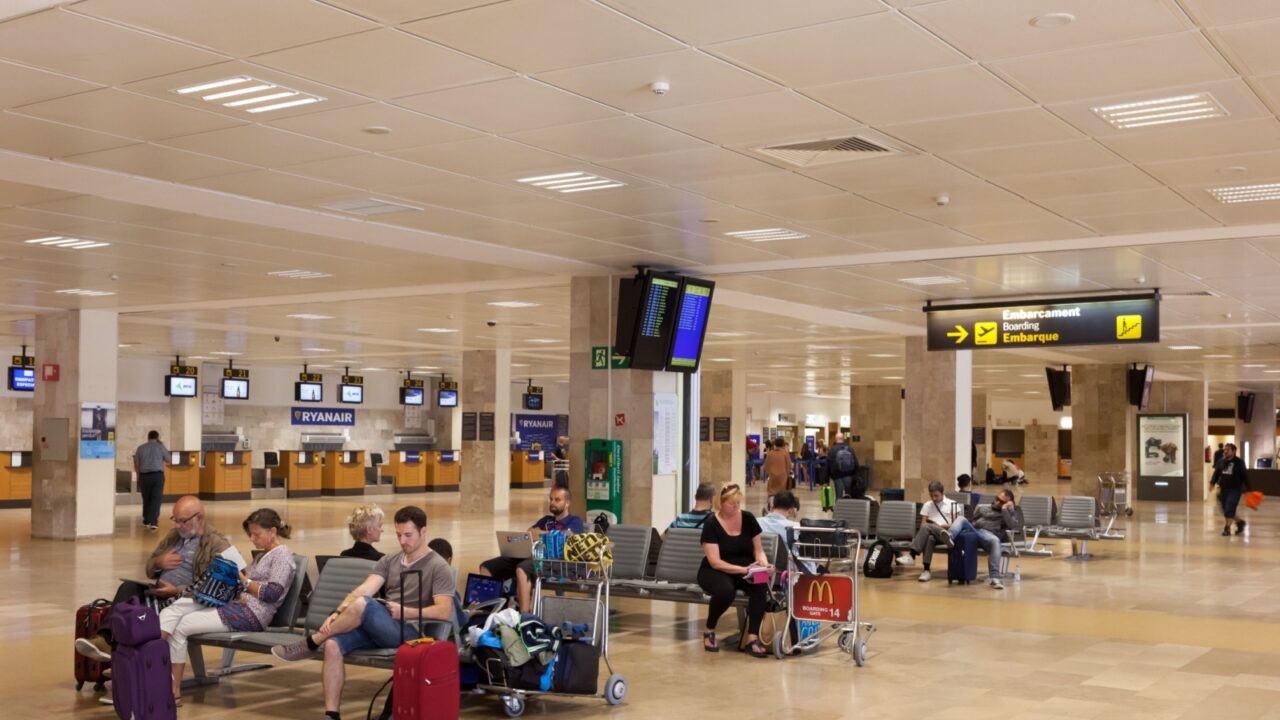
Girona near Barcelona
Barcelona El Prat often feels packed with cruise passengers and international arrivals. Girona Airport offers a quieter alternative north of the city. It’s especially popular with travelers heading beyond Barcelona itself.
Girona provides direct access to Costa Brava beaches and medieval towns. Places like Cadaqués and Begur feel closer and less rushed. The region is more rewarding for travelers who skip the main hub.
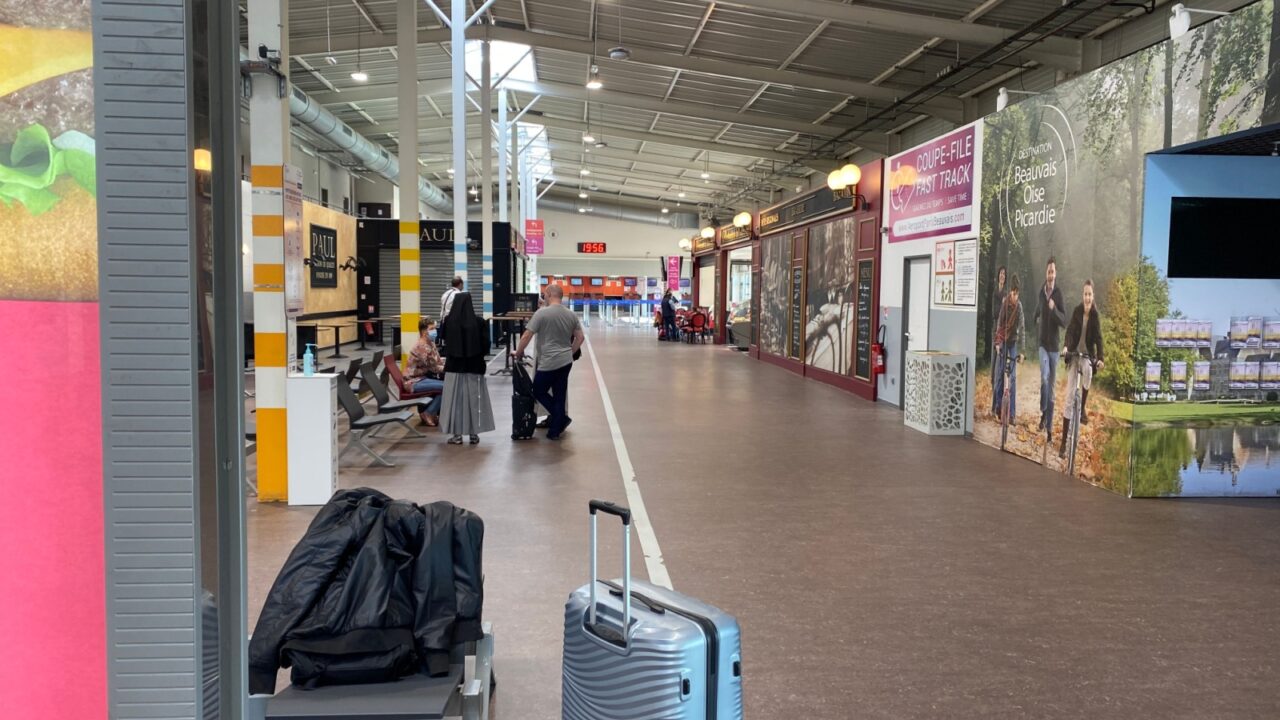
Beauvais instead of Paris
Charles de Gaulle can overwhelm even seasoned travelers. Paris Beauvais sits farther out but offers a calmer entry point. Many visitors find the tradeoff worthwhile.
From Beauvais, travelers head straight to Normandy or northern France. Rouen, Amiens, and coastal towns become natural next stops. Paris becomes an option rather than the pressure point.
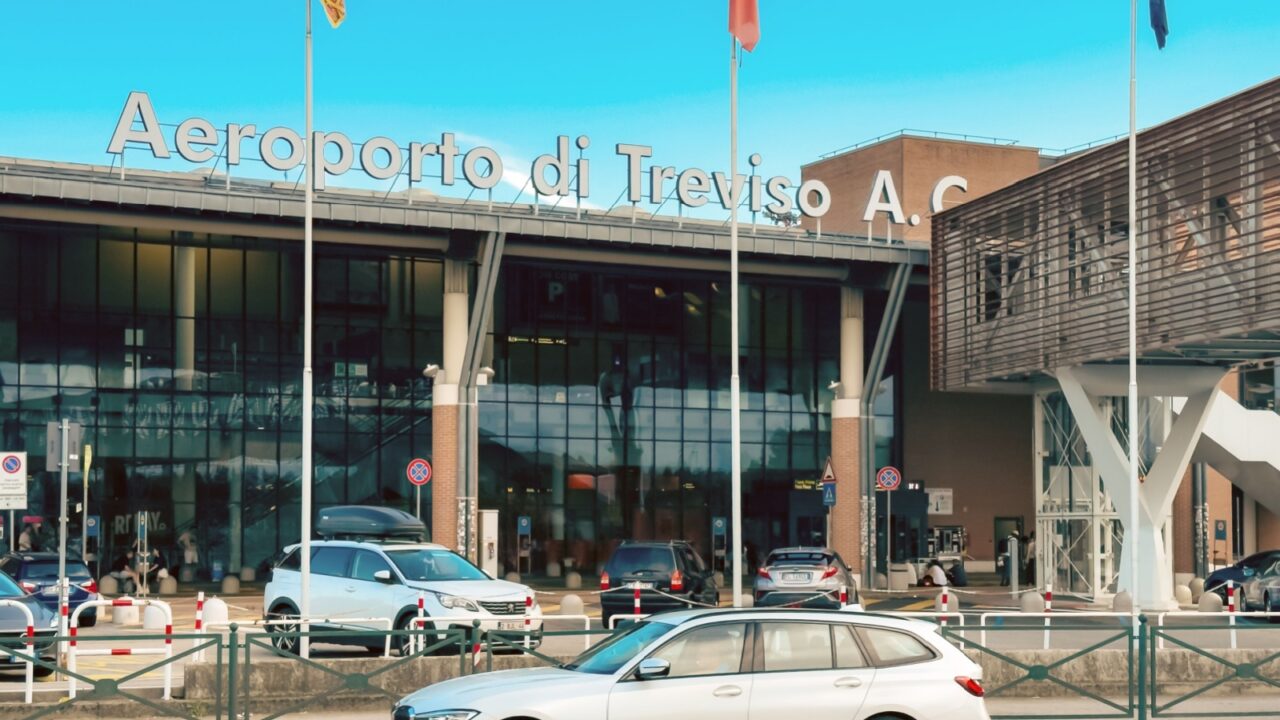
Treviso near Venice
Venice Marco Polo faces heavy congestion most of the year. Treviso Airport serves as a quieter gateway just north of the lagoon. It attracts travelers seeking smoother arrivals.
Treviso connects easily to Venice’s lagoon, Verona’s historic center, and the Prosecco Hills. The surrounding Veneto region feels less crowded and more authentic. Starting here often shapes a calmer Italian itinerary.
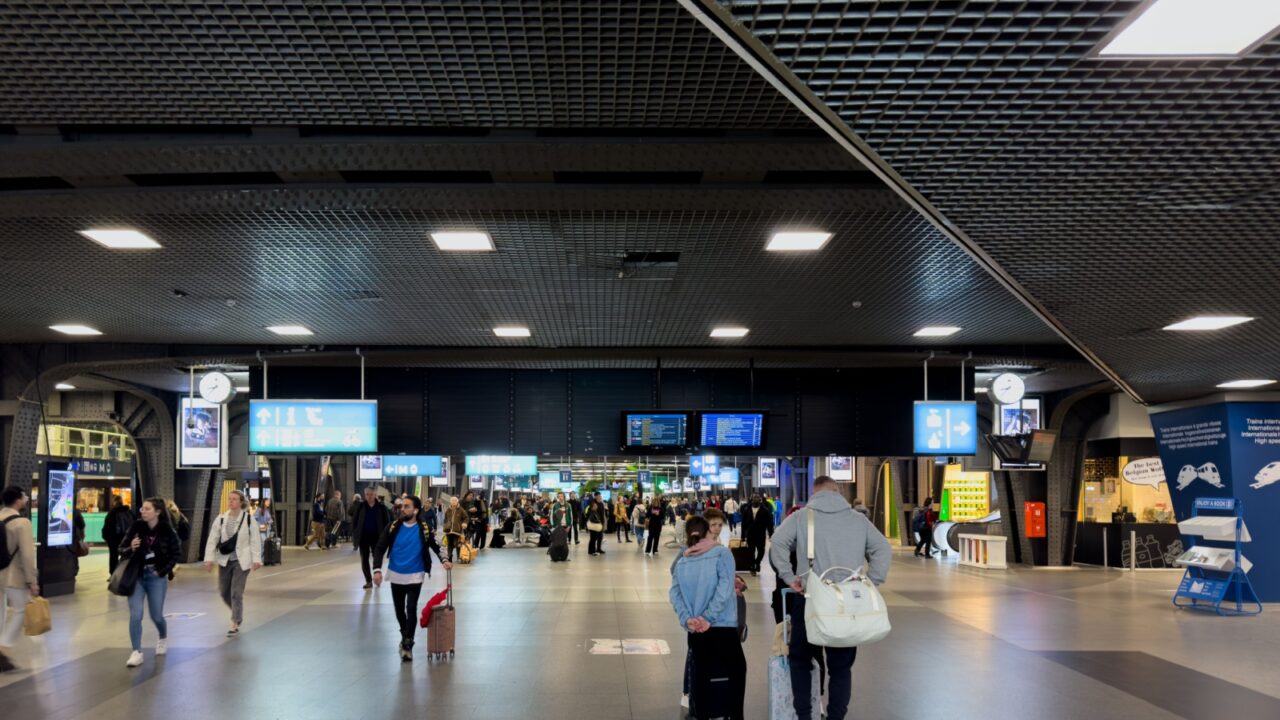
Charleroi for Belgium
Brussels Airport is efficient but consistently busy. Charleroi Airport offers a smaller-scale alternative to the south. It’s become a favorite for regional exploration.
From Charleroi, travelers can easily reach Brussels, Bruges, and Ghent. Train connections are simple and affordable. The journey feels more grounded and less rushed.

Hahn in wine country
Frankfurt Airport dominates German air traffic. Frankfurt Hahn sits deep in the countryside instead. It appeals to travelers seeking landscapes over skylines.
The Mosel Valley lies nearby with vineyards and riverside towns. Places like Cochem and Bernkastell-Kues become easy first stops. This arrival suits slower travel styles perfectly.
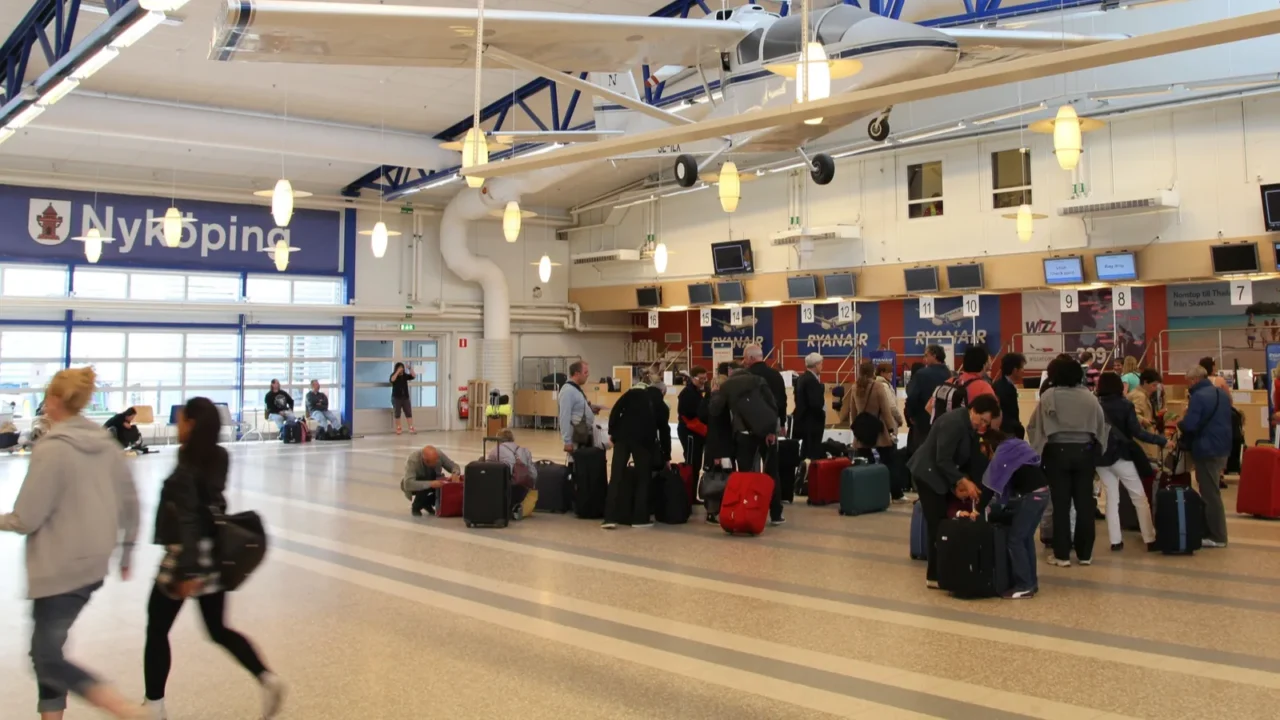
Skavsta for Stockholm
Stockholm Arlanda handles most international arrivals. Skavsta Airport serves as a smaller alternative south of the city. Regional European flights commonly use it.
From Skavsta, travelers explore Stockholm or head toward lakes and forests. The surrounding countryside feels peaceful and expansive. Sweden’s calm begins immediately after landing.

Porto beyond Lisbon
Lisbon Airport faces heavy tourism pressure year-round. Porto Airport offers a more relaxed northern entry. It’s become popular with wine and culture-focused travelers.
The Douro Valley sits within easy reach of Porto. Historic towns and vineyard landscapes define the journey. Many visitors now skip Lisbon entirely.

Seville over Madrid
Madrid Barajas remains Spain’s busiest airport. Seville Airport offers a calmer southern alternative. It suits travelers focused on Andalusia.
Seville, Cordoba, and Granada feel naturally connected. White villages and countryside drives become part of the plan. The experience feels more personal and culturally immersive.
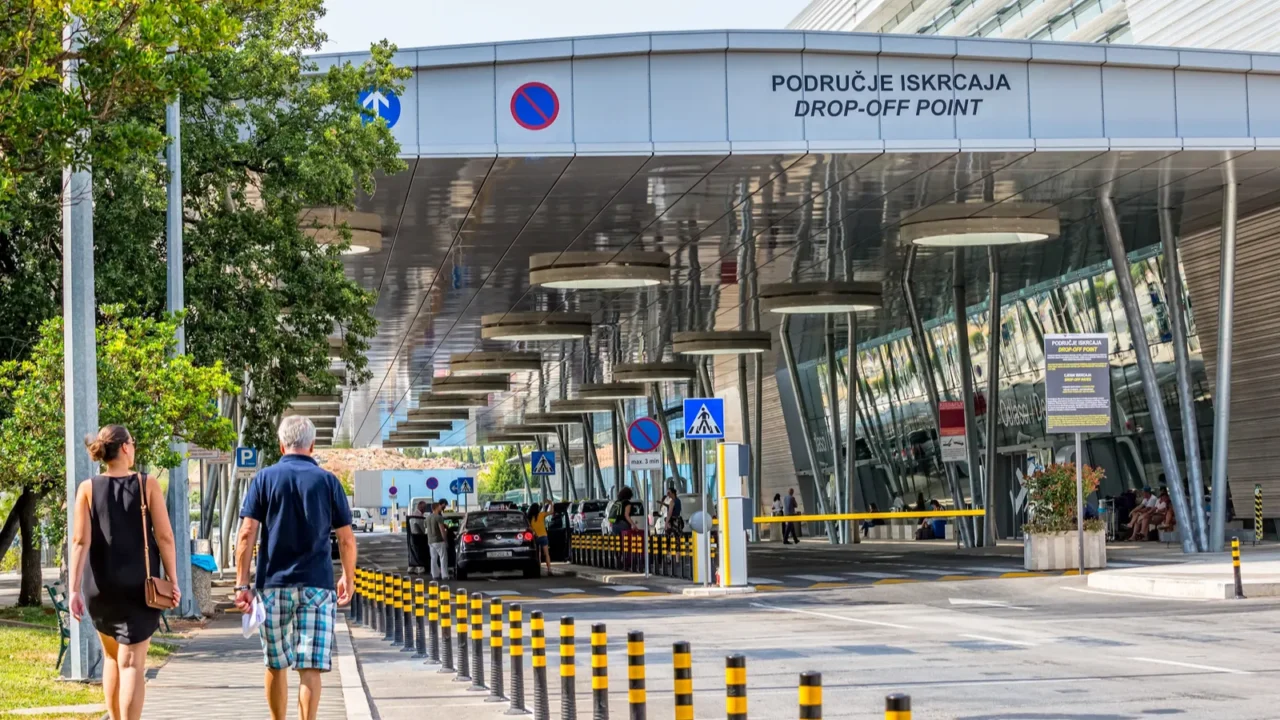
Dubrovnik regional access
Dubrovnik Airport functions as a regional gateway rather than a massive hub. It supports travelers heading along the Adriatic coast. The scale feels manageable even in peak season.
From here, visitors can easily reach Cavtat, Korcula, and Montenegro. Coastal routes feel scenic instead of stressful. The journey flows naturally along the sea.
Smarter travel rhythms
Secondary airports match modern travel habits better. Weekend trips and short stays benefit from faster exits. Less walking and fewer queues make a real difference. Global airports ranked for fastest immigration and customs clearance increasingly highlight smaller, more efficient terminals.
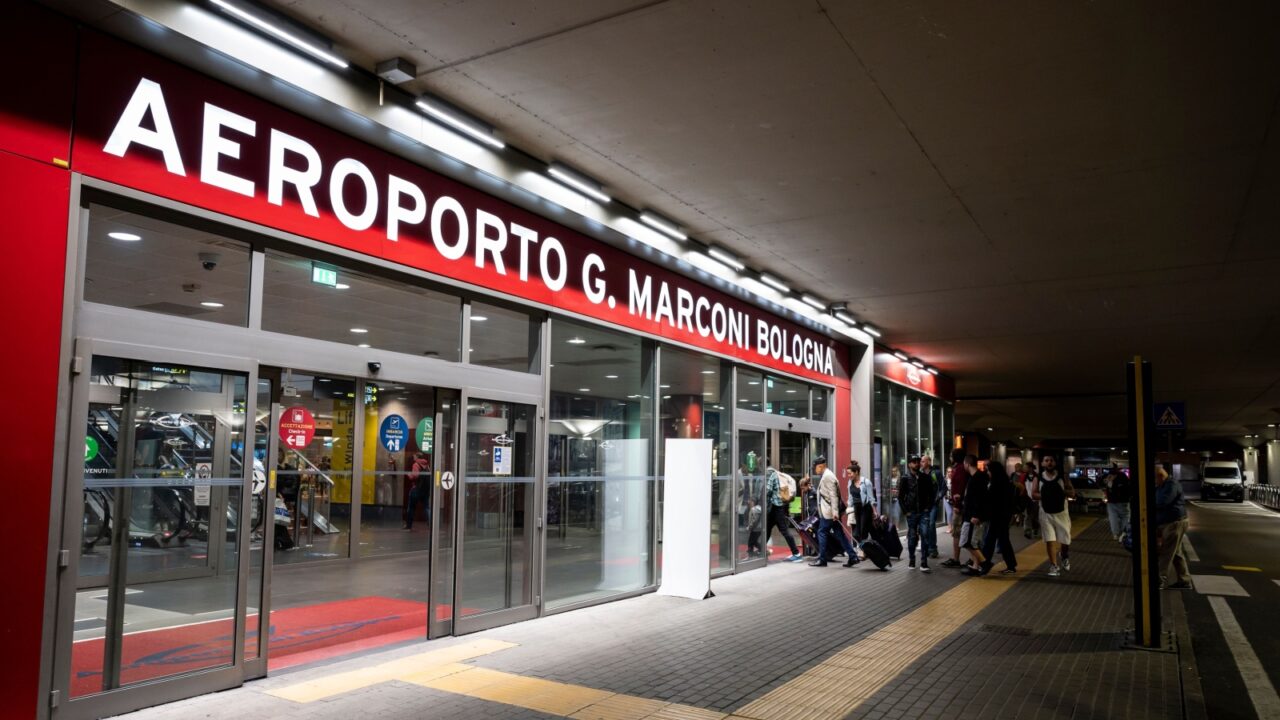
Airports like Bologna, Pisa, and Naples prove this daily. They serve iconic regions without unnecessary complexity. Travel feels intentional rather than exhausting.

Choosing better beginnings
Secondary airports reshape how European trips begin. They prioritize calm, access, and regional discovery. The benefits feel practical and deeply personal.
As travelers rethink crowded hubs, these gateways stand out. They lead directly to landscapes and stories that matter.
Which secondary European airport sets the tone for your perfect trip? Let us know!
This slideshow was made with AI assistance and human editing.
Don’t forget to follow us for more exclusive content right here on MSN.
Read More From This Brand:
