
Heat reshapes travel choices
Rising temperatures are changing how travelers think about where to go. Extreme summer heat in southern and desert states is pushing people to look north. Travel decisions now reflect comfort as much as curiosity.
Cooler regions feel more appealing during peak travel months. Places with mild summers offer relief without sacrificing experiences. That shift is quietly redefining popular travel maps.
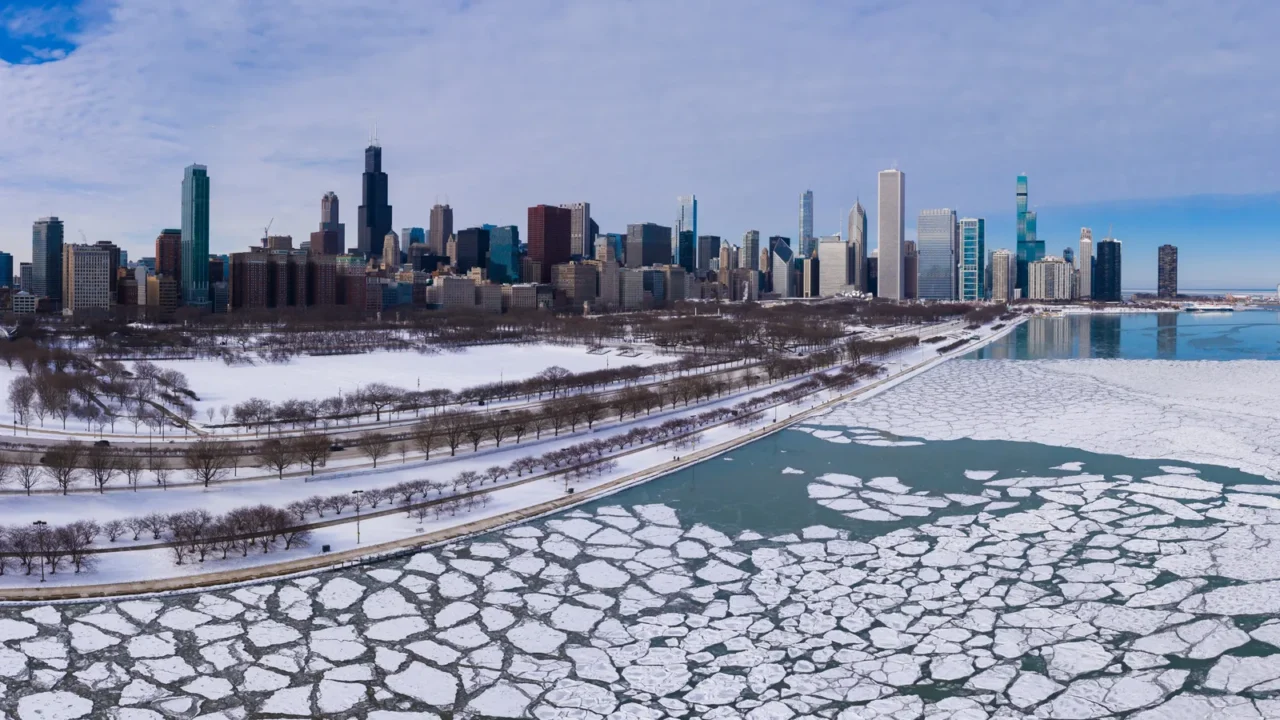
Migration influences vacation thinking
Climate migration trends don’t stop at housing decisions. They also shape travel habits and seasonal escapes. Travelers test potential future regions through longer vacations.
Trips become exploratory rather than purely recreational. Visiting cooler states feels practical and enjoyable. Travel starts doubling as lifestyle research.
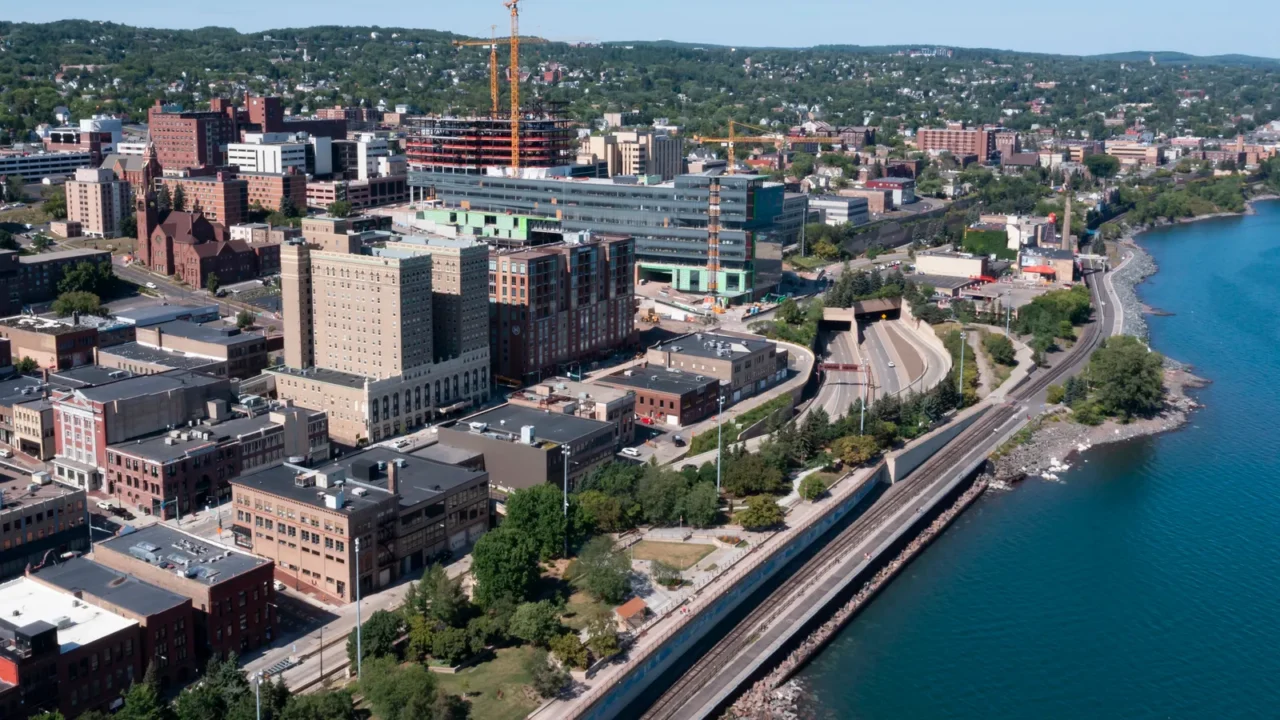
Great Lakes gain attention
The Great Lakes region is seeing renewed interest from travelers. Cities like Duluth, Traverse City, and Marquette offer cooler summers by the water. Lake breezes naturally lower temperatures.
Beaches feel comfortable instead of exhausting. Outdoor activities stay enjoyable all day. That natural climate advantage is encouraging longer visits.
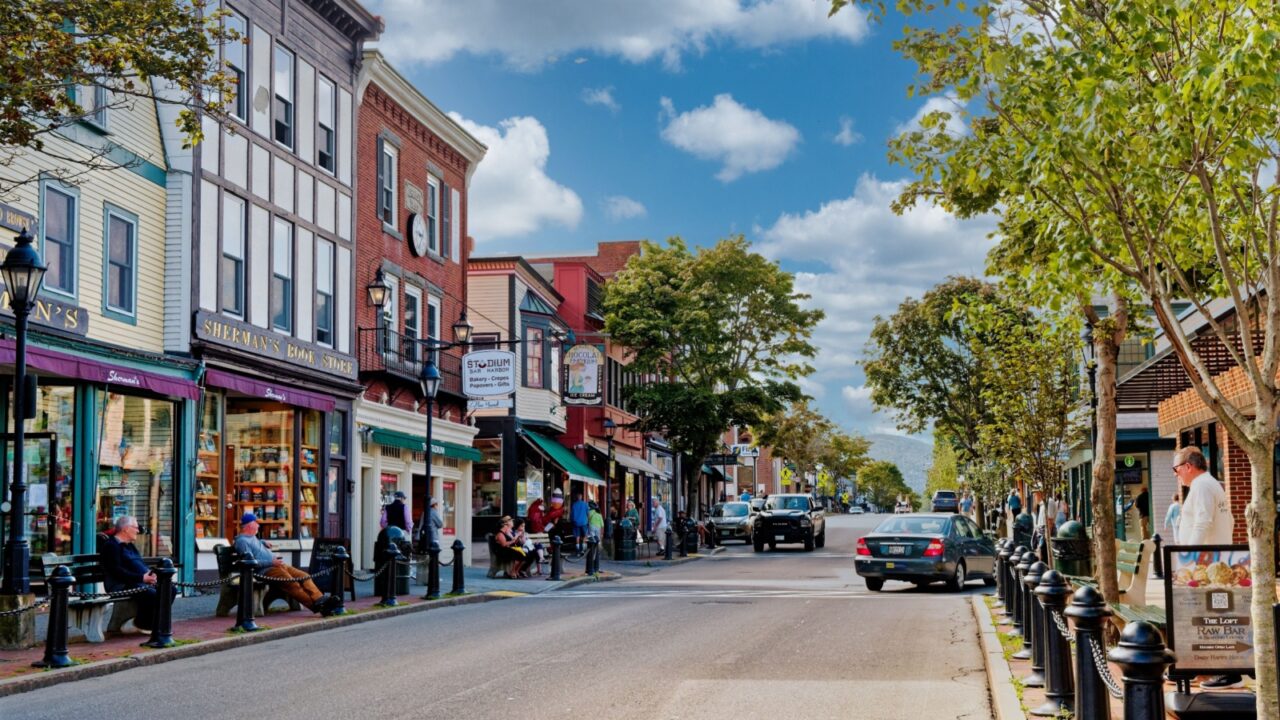
New England stays comfortable
New England summers remain mild compared to much of the country. Coastal Maine towns like Bar Harbor and Camden stay breezy. Vermont’s Green Mountains keep temperatures steady.
Travelers enjoy hiking, dining, and sightseeing without extreme heat. Days feel active instead of draining. Comfort becomes part of the destination’s appeal.
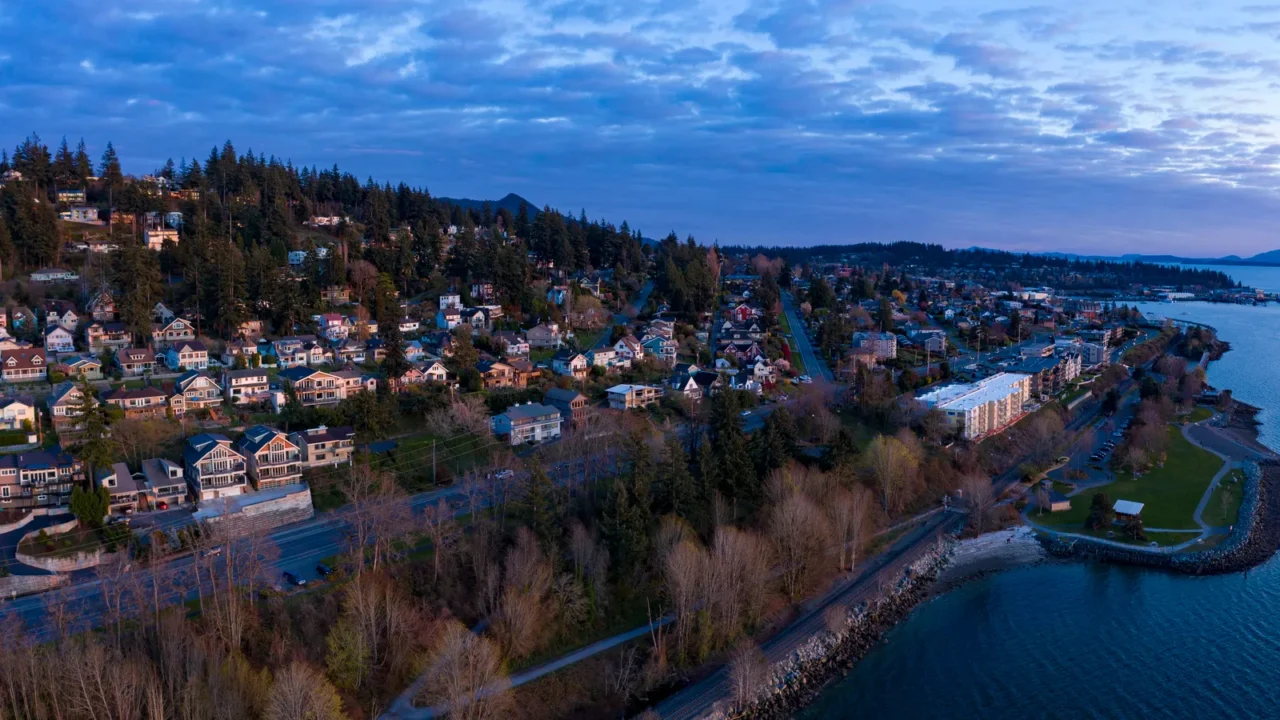
Pacific Northwest stays appealing
The Pacific Northwest continues attracting heat-weary travelers. Seattle, Bellingham, and the Oregon Coast offer cooler coastal air. Forest cover adds natural temperature control.
Even summer afternoons feel manageable. Outdoor culture thrives without constant heat avoidance. That balance keeps the region attractive year after year.
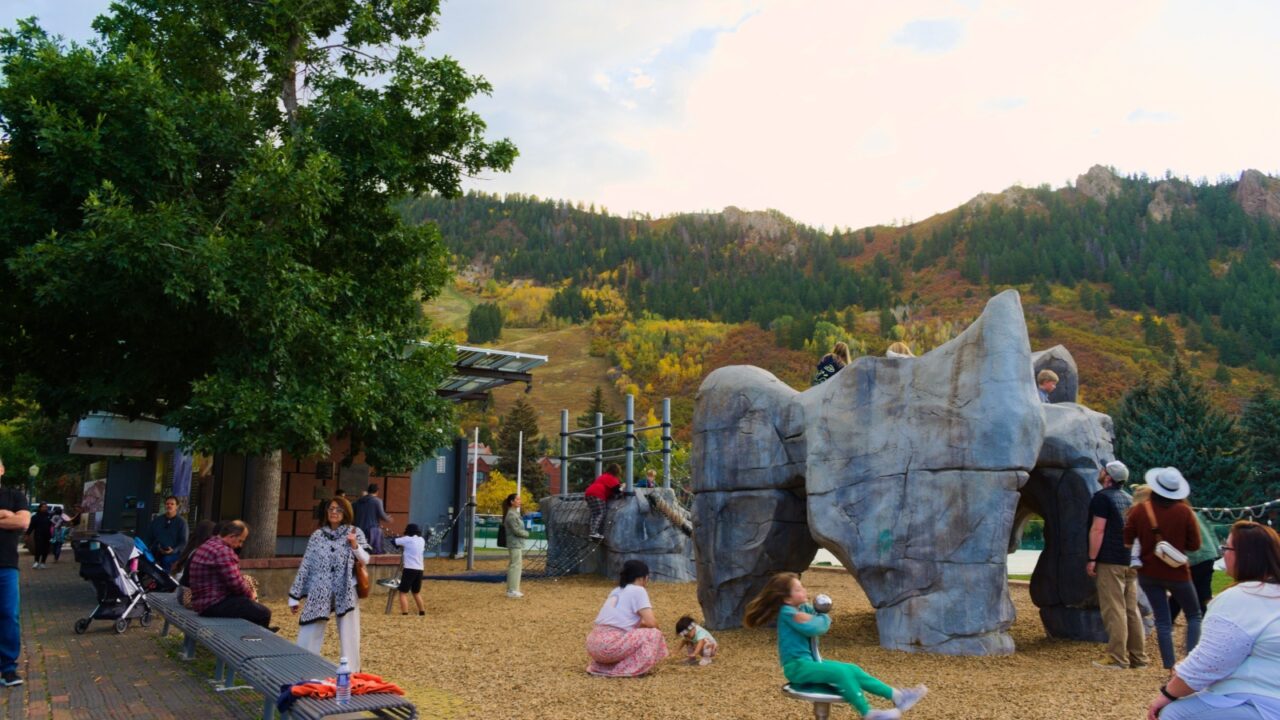
Mountain towns draw longer visits
Higher elevations offer natural cooling advantages. Places like Aspen, Flagstaff, and Park City stay cooler through summer. Mountain air feels crisp and refreshing.
Travelers extend trips to escape prolonged heat elsewhere. Hiking and walking stay comfortable midday. Altitude becomes a travel asset.
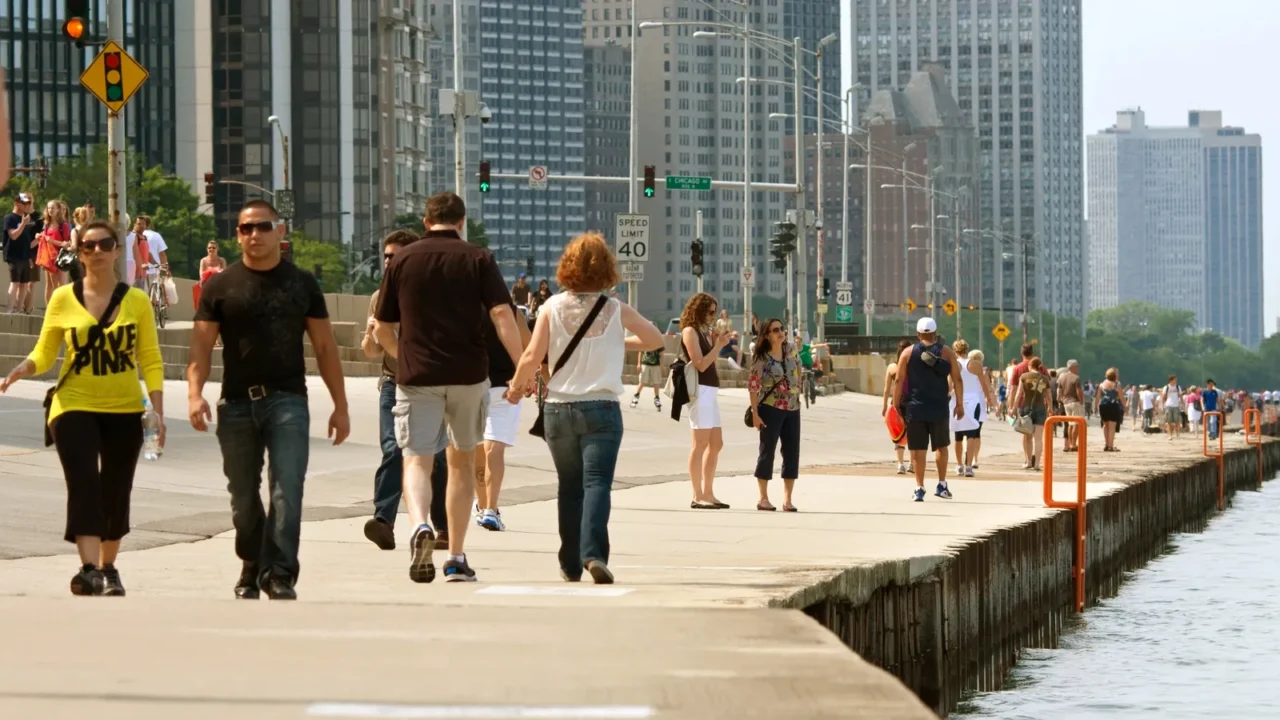
Shoulder seasons expand northward
Cooler regions benefit from longer travel seasons. Spring and fall feel increasingly reliable in northern states. Travelers shift trips away from peak summer heat.
Destinations like Michigan and Minnesota see steady visitation. Tourism spreads more evenly across the year. Climate patterns quietly support this change.

Outdoor activities feel sustainable
Heat affects how long travelers can stay outside. Cooler destinations allow full days of exploration. Activities don’t need strict timing around temperature.
Kayaking, cycling, and walking feel accessible again. Energy lasts longer throughout the day. That physical comfort improves overall travel satisfaction.
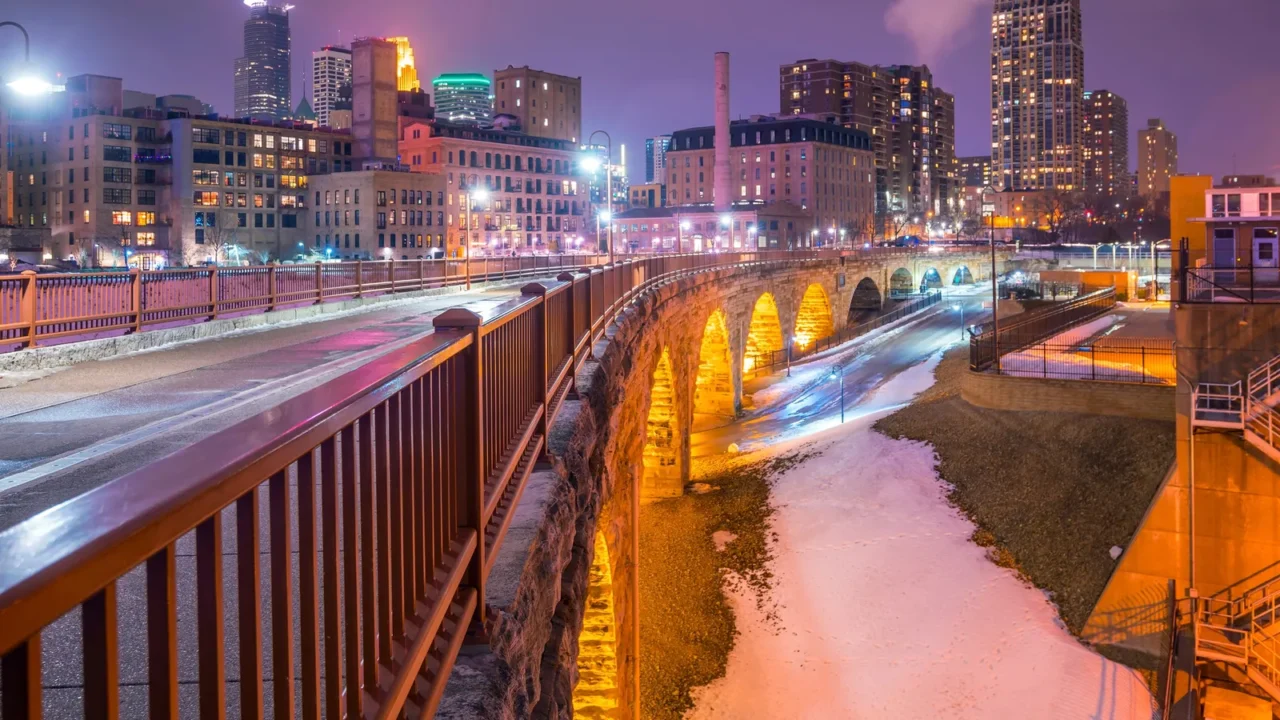
Cities feel more livable
Urban travel changes with rising temperatures. Cooler cities like Minneapolis and Portland feel easier to navigate. Walking in neighborhoods stays enjoyable.
Public spaces remain active during the summer. Travelers spend more time outside cafes and parks. City life feels balanced rather than overwhelming.
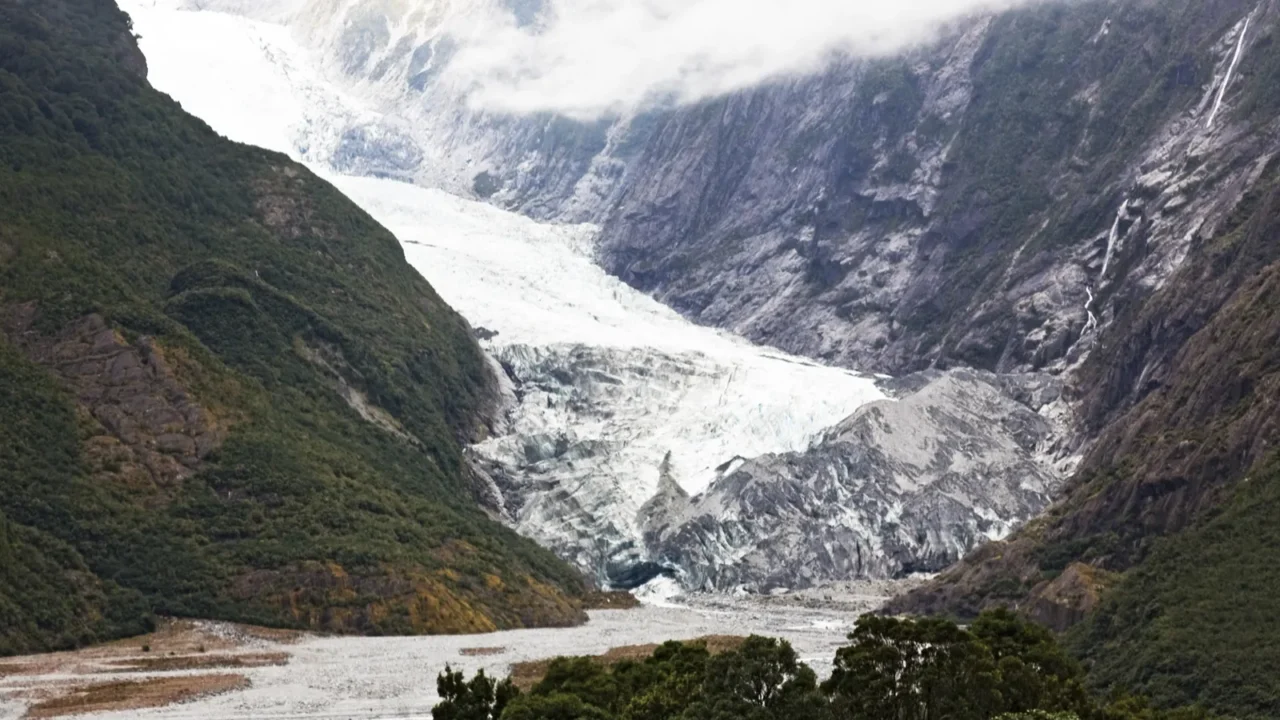
Nature focused trips increase
Climate-aware travelers prioritize landscapes that stay cool. National parks like Glacier and Acadia attract more summer interest. Northern forests and coastlines feel inviting.
Nature experiences feel safer and more comfortable. Wildlife viewing and hiking extend through the day. Cooler weather supports deeper engagement.
Longer stays make sense
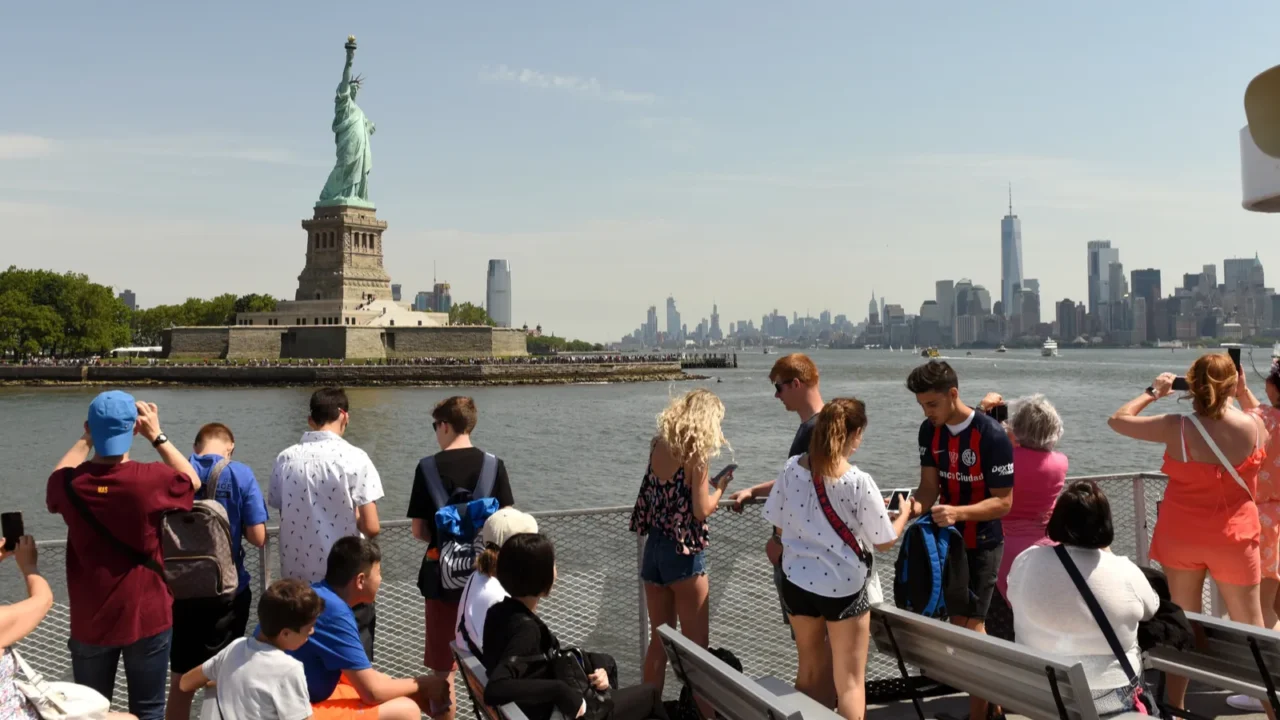
Comfortable climates encourage extended travel, especially in cooler regions. Travelers now stay for weeks instead of days, often choosing rentals over short hotel visits, while climate conscious celebrities spotlight trends like storm-resilient safari lodges designed to adapt to extreme weather. The shift reflects a growing awareness of climate comfort and durability.
Remote work supports this flexibility. Cooler weather improves productivity and mood. Travel blends seamlessly with daily life.
Comfort drives future travel
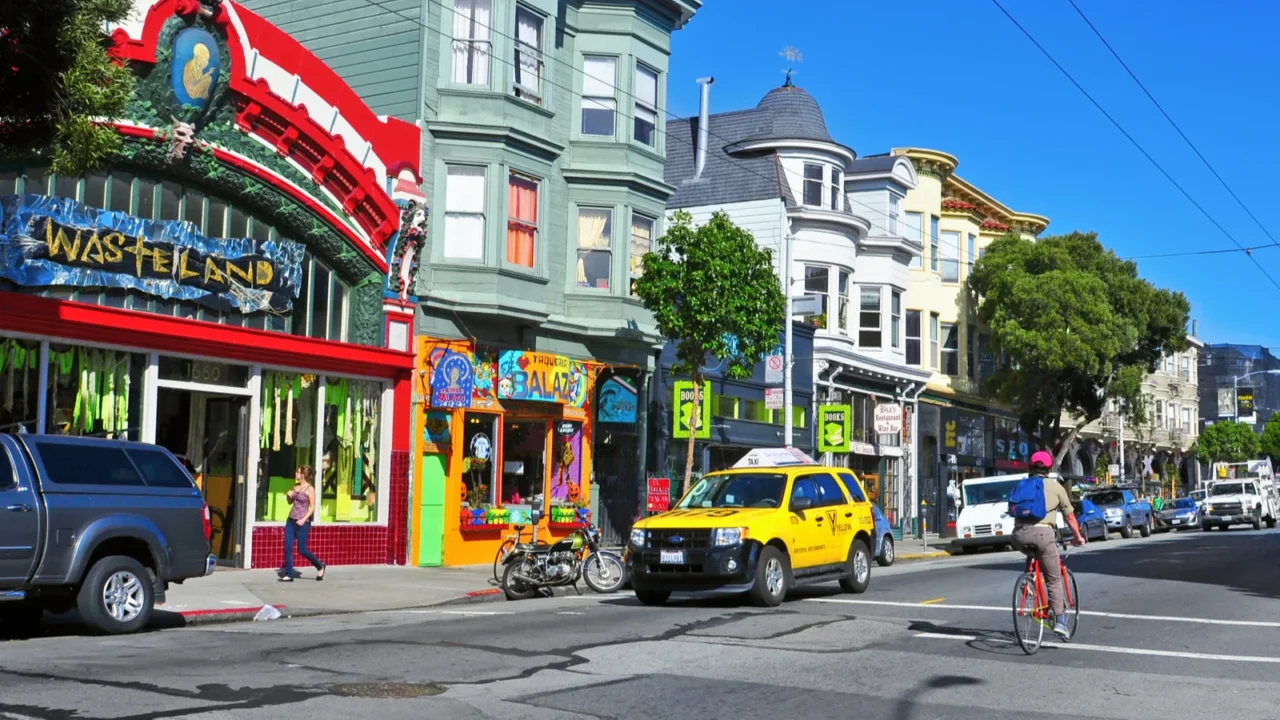
Climate migration trends continue influencing travel decisions. Comfort now ranks alongside cost and attractions. Cooler regions offer stability and relief.
Travelers choose destinations that feel livable. That preference reshapes tourism patterns nationwide. The future of travel is quietly moving north.
If you found this interesting, give us a like and share your thoughts in the comments.
This slideshow was made with AI assistance and human editing.
Don’t forget to follow us for more exclusive content right here on MSN.
Read More From This Brand:
