Why this matters now
Wildfire smoke isn’t just a scenic backdrop in the Pacific Northwest anymore. In summers and early autumn, skies from Seattle to Missoula often turn hazy because of smoke drifting from fires in Washington, Idaho, Montana, and even British Columbia. These smoke forecasts are now shaping how holidaymakers think about trips to national parks, coastal towns, and forested campgrounds.
Wildlife and breathtaking views are big reasons people book trips to places like Olympic National Park and Coeur d’Alene. But when smoke is in the forecast, many visitors pause reserving flights, hotels, or outdoor activities. That hesitation is starting to ripple through local travel markets where weather once had minimal influence on bookings. Let’s dive into how smoke forecasts are reshaping travel choices and bookings across the Pacific Northwest!
Smoke alters timing choices
Visitors used to book summer vacations months in advance, but wildfire smoke forecasts are changing that pattern. Many travelers now delay planning until they see a few consecutive days of cleaner air in places like Missoula or Bend. That shifting behavior means local tourism boards are seeing bookings closer to actual travel dates.
This “wait and see” attitude can leave lodging providers guessing about occupancy rates. Campgrounds near national parks like the North Cascades sometimes feel the pinch when forecasts predict heavy haze. Smoke timing now influences when people visit, not just where they go.
Bookings get last‑minute
Tour operators and hotels are reporting more last‑minute bookings rather than reservations made months ahead. In the Okanagan and other regions near wildfire zones, travelers are hesitant to commit before air quality estimates look promising. Business owners say this “soft advance market” is new and unpredictable.
That unpredictability makes it harder for local operators to plan staffing and inventory. Rooms that would normally be reserved eight to twelve weeks in advance might be booked only weeks before arrival. For travelers, this gives flexibility but adds uncertainty for small tourism businesses.
Seattle trips look different
When Seattle’s air quality turns unhealthy from inland fires, flight and hotel bookings can shift. Smoky skies over Elliott Bay or the Space Needle sometimes lead visitors to change dates rather than face hazy views during city tours. Healthy air matters more to travelers who picture crisp mountain vistas or Puget Sound sunsets.
Guided tours to places like Mt. Rainier National Park now include air quality outlooks in itineraries and booking notices. Tour companies say people are increasingly asking about forecasts before reserving shuttle or hiking slots. For many travelers, Seattle’s smoky episodes are a planning prompt, not just a headline.
Spokane’s smoky weekends
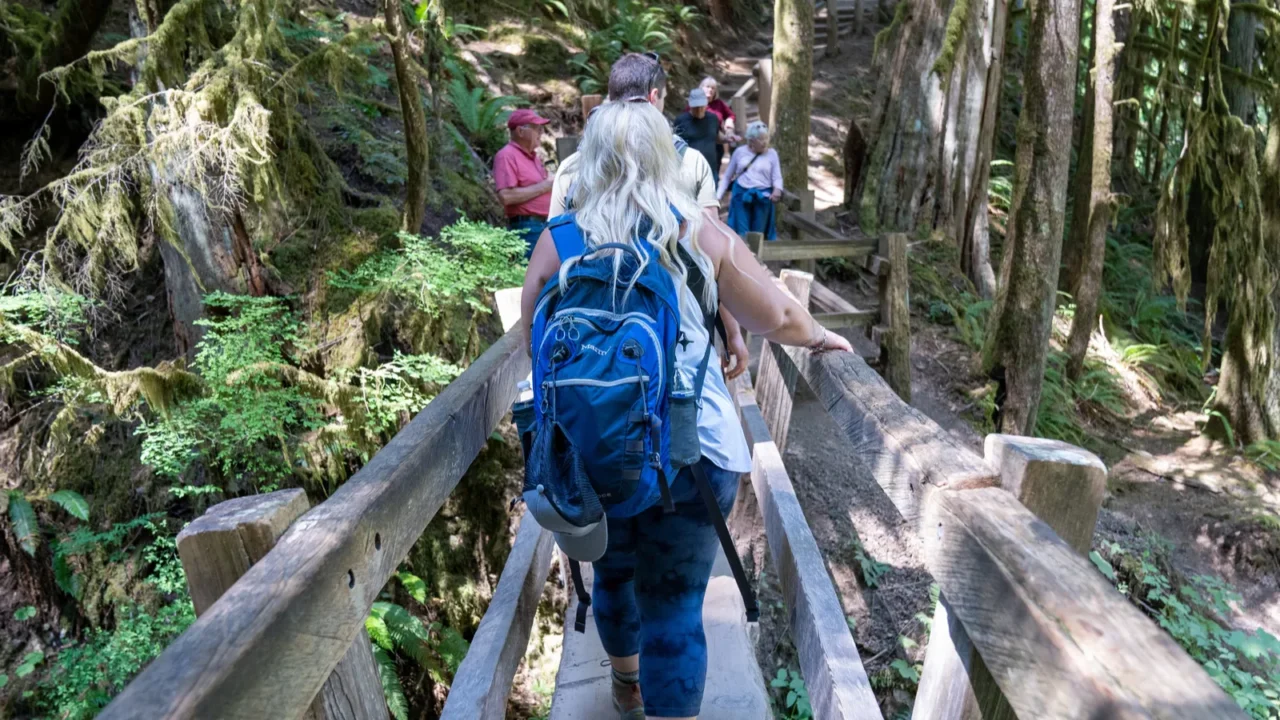
Smoky air in Spokane and eastern Washington has become almost expected during peak wildfire season. Forecasts often predict PM2.5 spikes on weekends when winds blow smoke across the region. That’s nudging visitors to consider travel dates with better air for Riverside State Park and Centennial Trail hikes.
Booking engines and local outfitters report that visitors are watching air quality forecasts to plan whether to tackle the Dishman Hills or stay in town museums instead. Some travelers are even choosing urban experiences over smoky river adventures. It’s a subtle but real shift in how people choose Spokane’s outdoor highlights.
Crater Lake hazy views
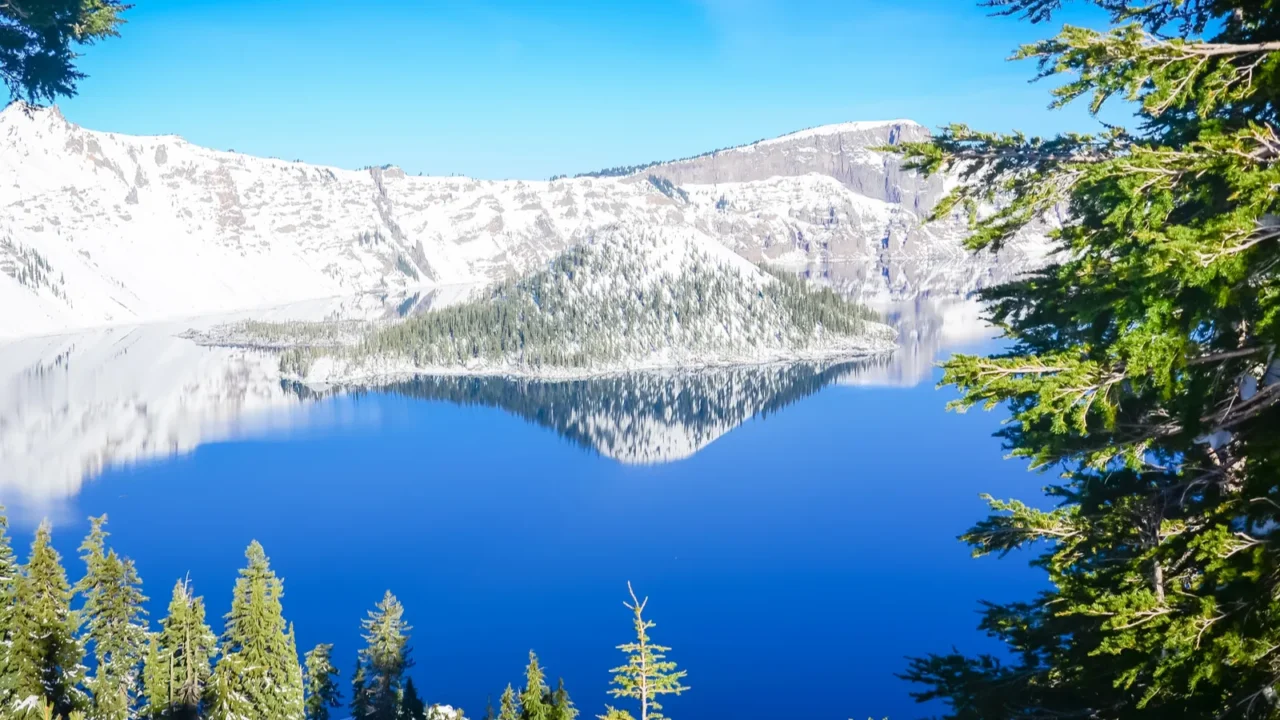
Crater Lake National Park’s dramatic blue waters are legendary, but wildfire smoke can blur those views for days. When smoke forecasts show sustained haze, many travelers adjust their itineraries or book alternative activities like the Oregon Caves or Rogue River scenic drives. Forecasts shape expectations, because few visitors want a hazy view in place of the rim’s famous clarity.
Booking platforms now link air quality forecasts directly on destination pages for the park and its surroundings. That helps holidaymakers pick a cleaner forecast window rather than a calendar date alone. It’s part of a broader trend of smoke data becoming integrated into travel decision tools.
Cascade Loop considerations
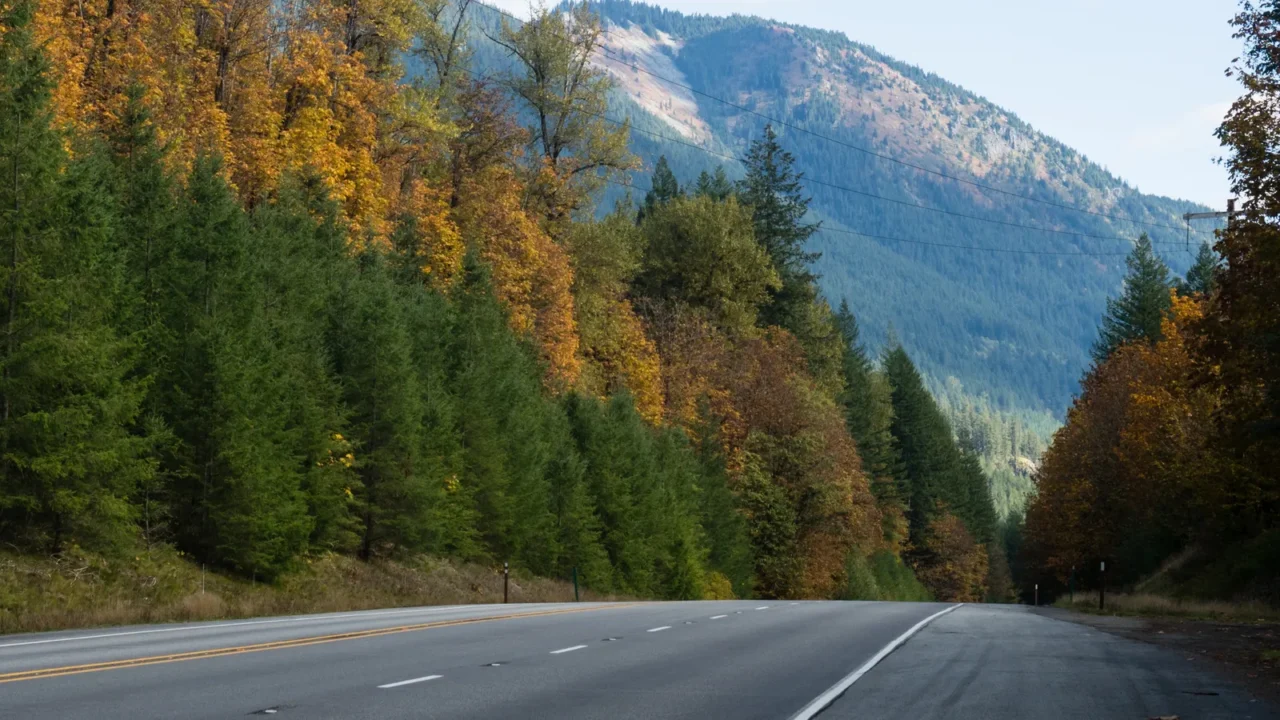
The Cascade Loop, a classic road trip around Washington’s mountains, is now about more than roadside stops and snow-capped peaks. Travel planners are comparing air quality forecasts along the loop, from Winthrop’s dry east side to the wetter western slopes. If forecasts show smoke accumulation near Okanogan or Lake Chelan, some travelers start the loop in cleaner spots like Deception Pass instead.
That kind of planning isn’t theoretical; it’s practical for visitors who want crisp photos and clear rivers. Trip itineraries now include smoke‑aware routing rather than an assumption of blue skies. Travelers are simply shifting plans to match real‑time conditions.
Hiking trail choices shift
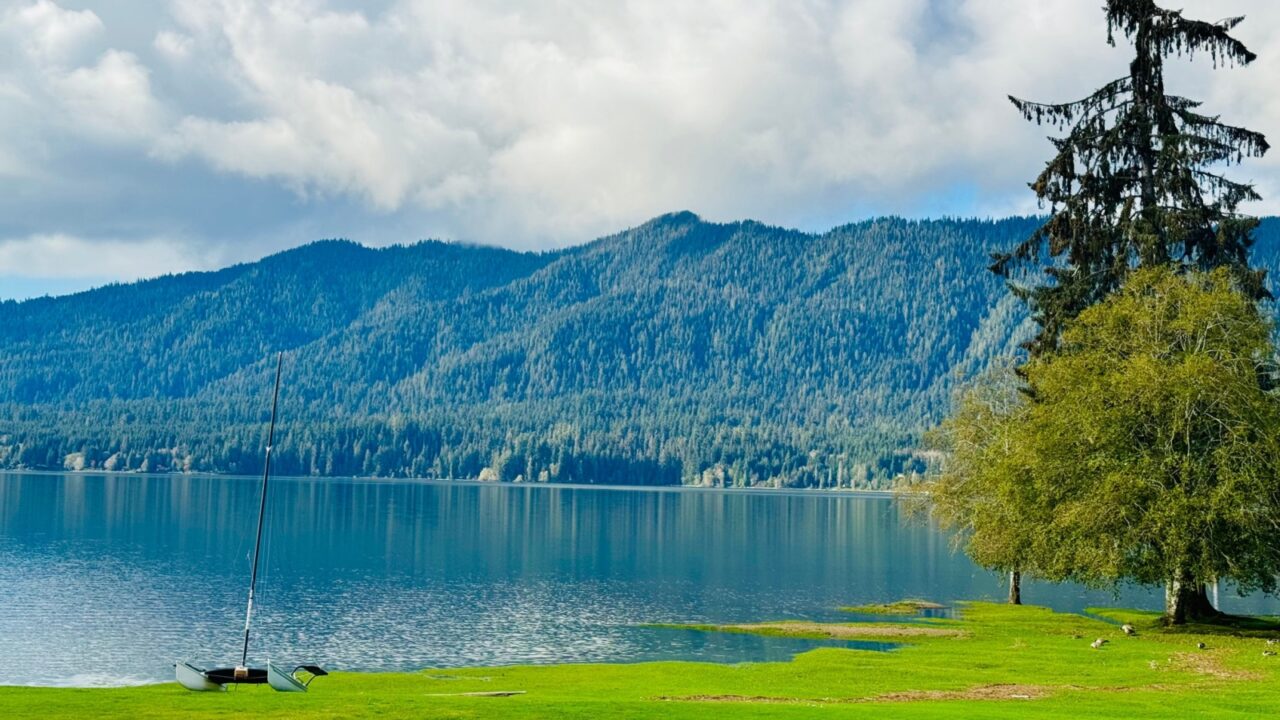
In the Cascades and Olympic National Park, hikers are pivoting away from plans when smoke forecasts show stagnant air. Instead of committing to multi‑day treks through haze, many choose sheltered rainforest trails near Lake Quinault, where smoke may lift faster. Forecasted air quality now influences which trail maps get printed.
Trail guides and outfitters report that bookings for hikes with better expected visibility are increasing during smoky weeks. That’s giving new prominence to air quality in trip planning alongside elevation, distance, and difficulty. Smoke forecasts are literally reshaping trail choices.
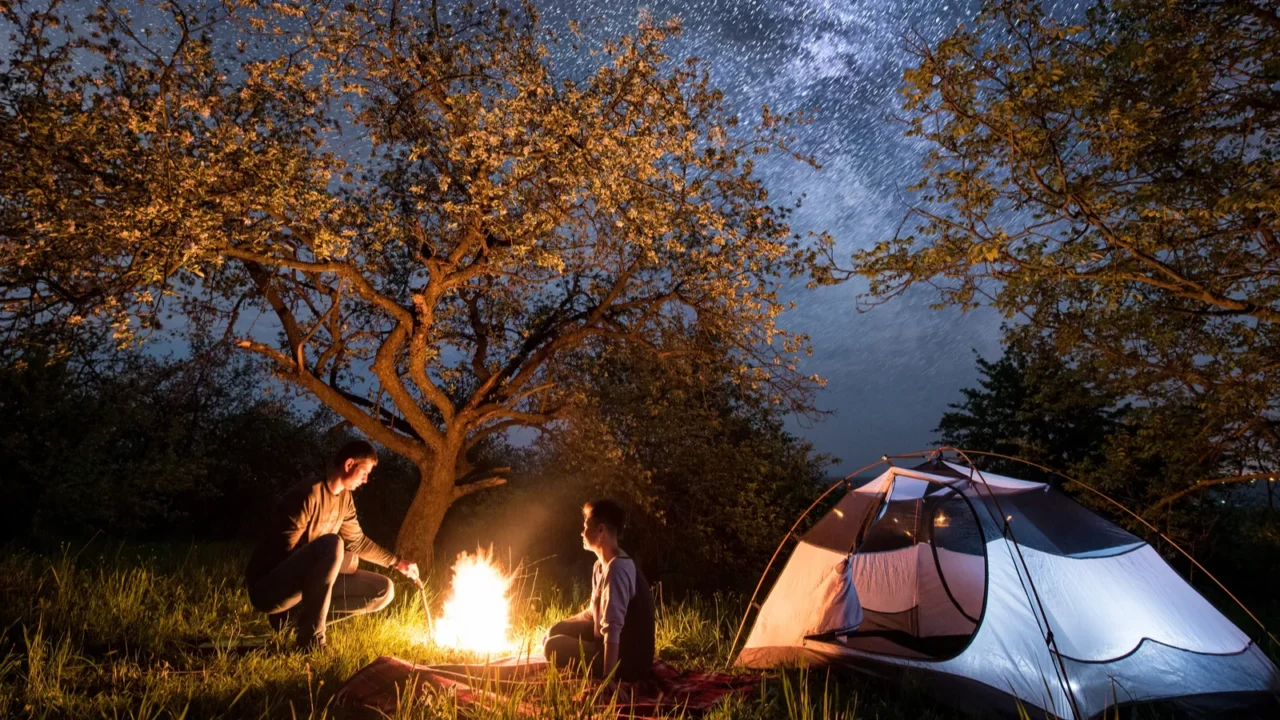
Camping reservations adapt
Campgrounds near Glacier National Park and western Washington forests see similar patterns; smoky weeks often have more last‑minute reservations. Campers wait to see whether forecasts show a clear patch of air before booking a site near Avalanche Lake or Glacier’s mountain lakes. Statistical reviews show that campground occupancy declines significantly when smoke settles close, and cancellation rates rise.
This trend reflects travel behavior where visibility and air quality are as important as scenery and solitude. Campground managers sometimes offer flexible date swaps for smoke‑affected stays. Clean, blue skies are simply part of the camping appeal in the Pacific Northwest.
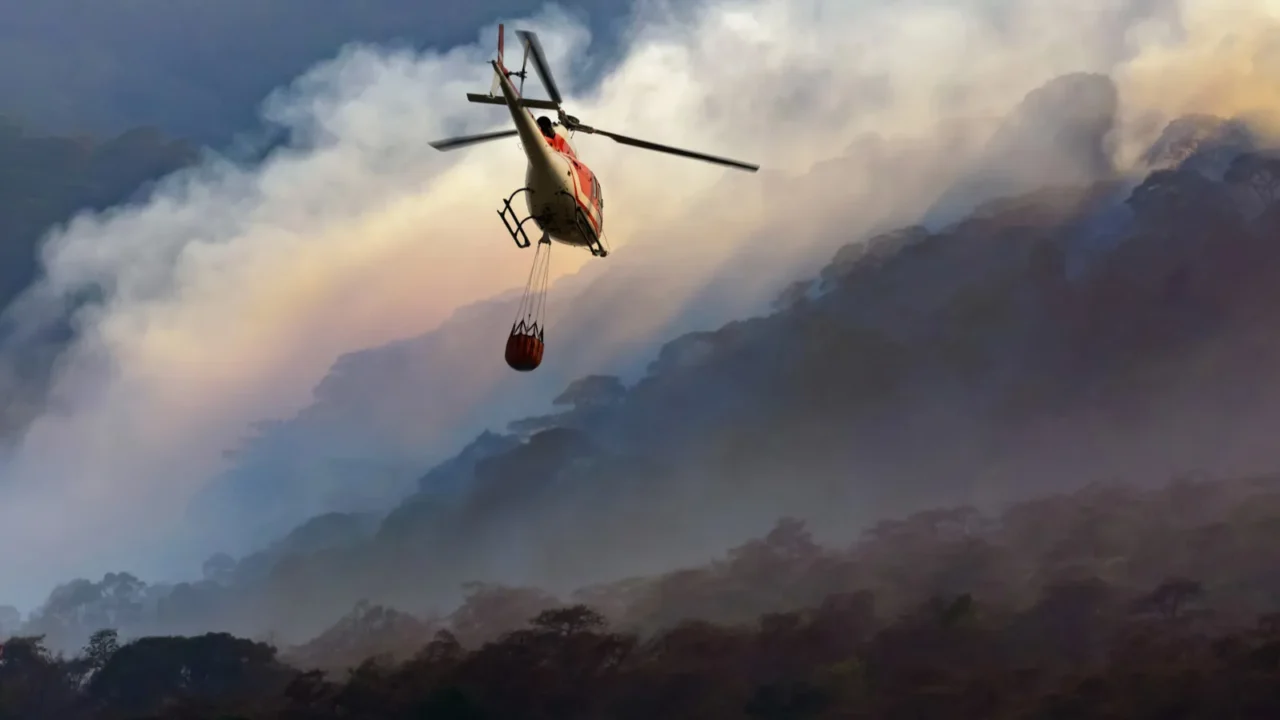
Long‑range smoke surprises
Smoke doesn’t stay close to the fire; it travels hundreds of miles and can trigger alerts far from active blazes. Forecasts may show haze moving into places like Bend or eastern Oregon from distant fires to the south or east. That means visitors might reroute trips to higher‑elevation lakes or coastal destinations to avoid prolonged smoke.
Smoke forecasts help travelers anticipate not just local fire effects but long‑range air quality conditions. Being forecast‑aware lets planners choose a cleaner outlook, whether visiting Mt. Hood or Crater Lake for the weekend. It’s an added layer of travel intelligence
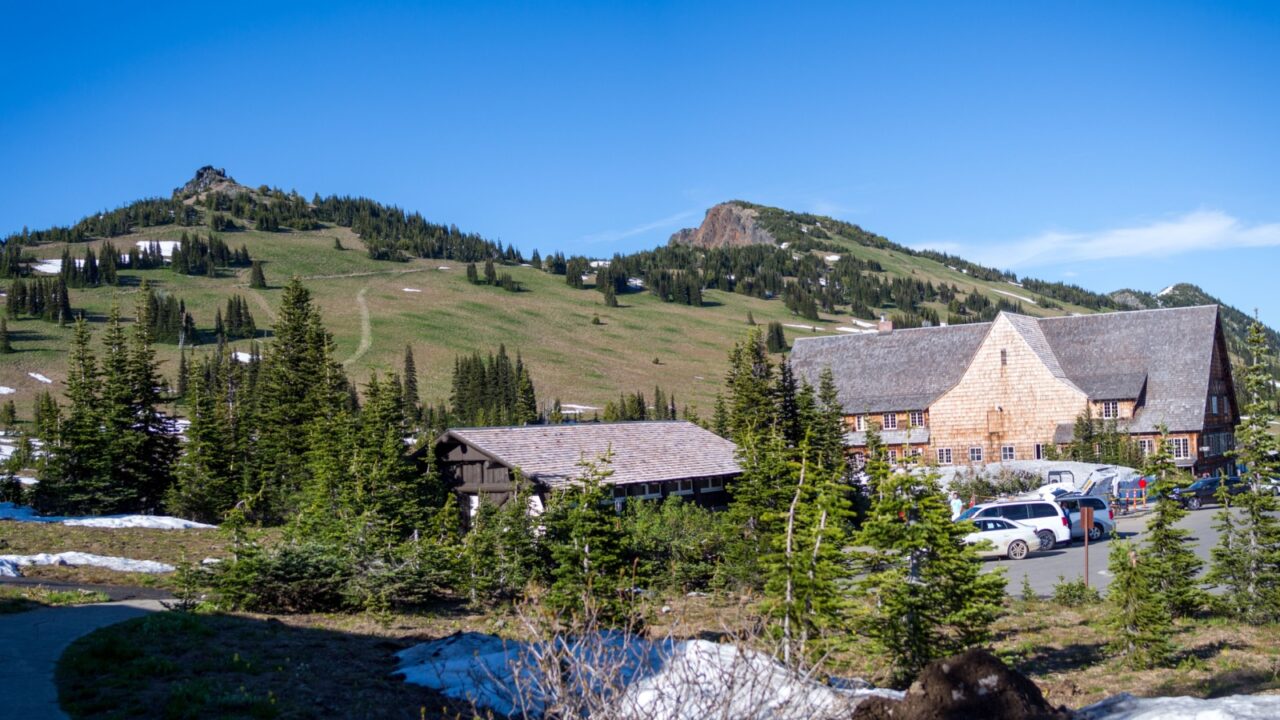
Flexible travel policies rise
Because smoke forecasts can change quickly, many hotels and tour operators near national parks are offering flexible booking terms. Travelers booking stays near Mount Rainier or in the Columbia Gorge valley can adjust dates if forecasts indicate heavy smoke. That’s become a selling point for bookings during peak wildfire months.
This flexibility gives travelers confidence to make plans knowing they won’t be locked into hazy days. It’s reshaping expectations of what a “risk‑free” reservation looks like in the PNW. Smoke awareness is now part of travel policy discussions.

Coastal alternatives appeal
When inland forests and valleys look hazy, many visitors steer their bookings toward coastal towns like Cannon Beach or Long Beach instead. Pacific coast air often clears faster when inland fires sit still, and winds come off the ocean. That’s attracting travelers who want clear skies and fresh sea breezes over smoky mountain passes.
Travel data show increased interest in coastal attractions when smoke forecasts list inland PNW destinations in the unhealthy AQI category. Forecast‑aware planners trade hazy horizons for ocean views. Clean air becomes part of the coastal appeal.

Forecasts shape future plans
Looking ahead, wildfire smoke forecasts will only grow in travel importance across the Pacific Northwest. As fire seasons lengthen with climate shifts, savvy holidaymakers are learning to build itineraries that include air quality contingencies. Flexible stays, coastal options, daily forecast checks, and updated travel insurance requirements tied to extreme weather are now part of smarter trip planning.
This shift means travel isn’t just about where to go, but when to go for the best air and views. Smoke forecasting tools are now as important as weather for anyone dreaming of clear Pacific Northwest landscapes. Smoky skies no longer equal canceled dreams, just smarter planning.
Share your smoky strategy
The Pacific Northwest is stunning, but smoky summers remind planners that nature can surprise even the best itineraries. Travelers are now using smoke forecasts to book stays near Mt. Rainier, choose coastal breezes over inland haze, and plan hikes when air quality looks best. It’s a new travel rhythm grounded in real data and real skies.
What’s your favorite PNW destination for clear skies, and how would you time your trip around the smoke forecast? Drop a thought below, let’s share travel strategies for the best clear‑air adventures!
This slideshow was made with AI assistance and human editing.
Don’t forget to follow us for more exclusive content right here on MSN.
Disclaimer: The images used are for illustrative purposes only and do not depict the actual locations mentioned.
Read More From This Brand:
