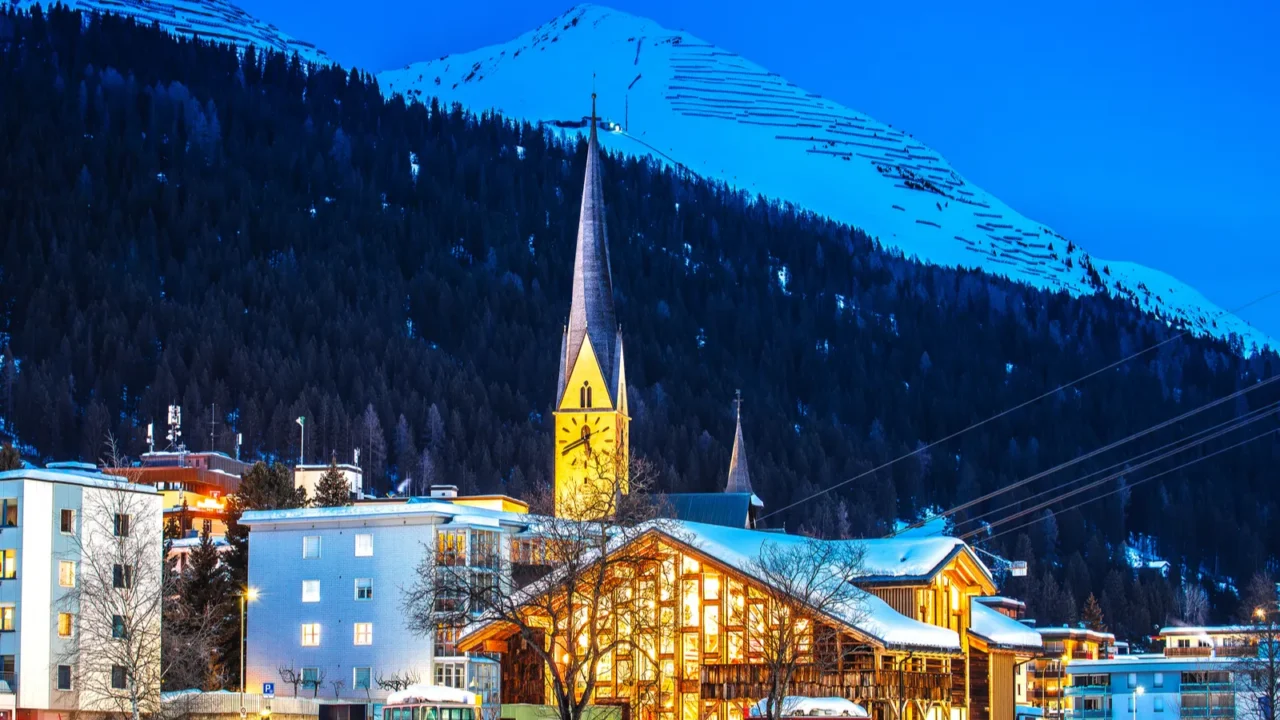
Davos through a travel lens
In January 2026, world leaders, business strategists, and tourism innovators gathered in Davos, Switzerland, to explore how travel and tourism will evolve in a world shaped by shifting geopolitics and economic turbulence.
Tourism at Davos was highlighted as more than leisure; it is a powerful economic engine and social connector. This context matters, especially in a time defined by new U.S. leadership and global policy direction.
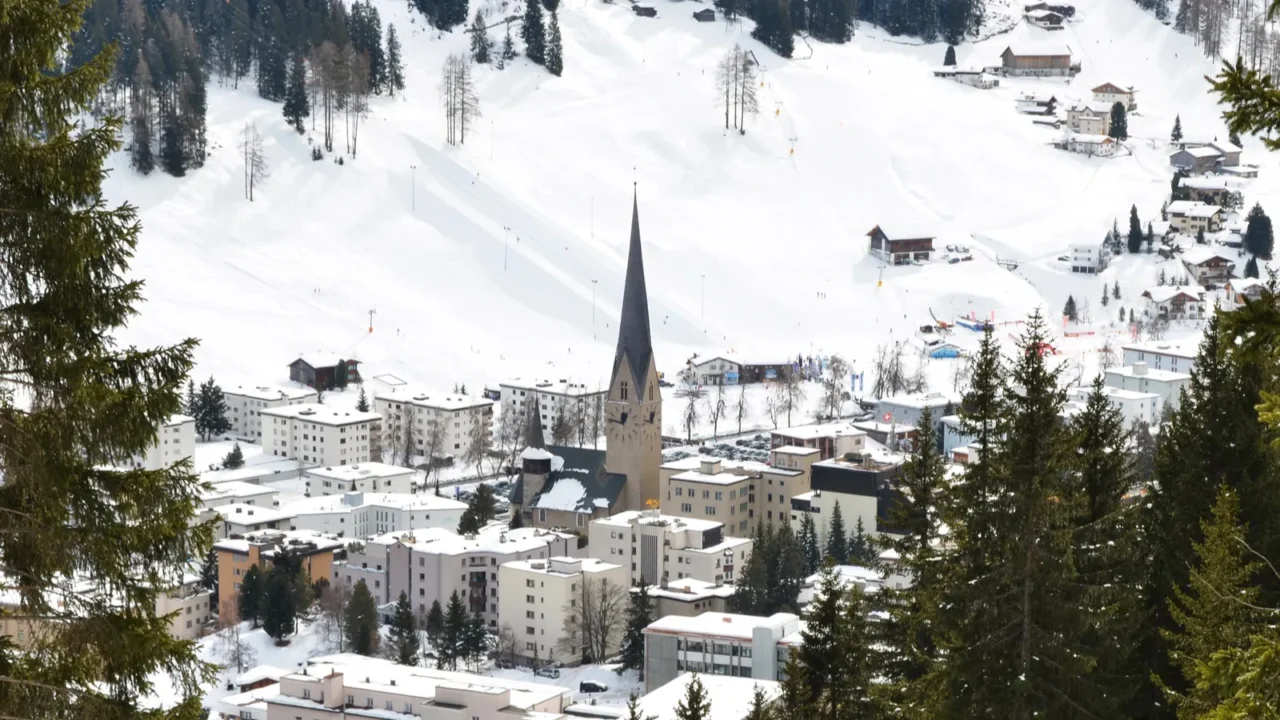
Tourism as global powerhouse
At Davos, influential voices emphasized that travel and tourism now contribute roughly one in every ten dollars of global economic output. Tourism’s role in job creation and connectivity was reaffirmed as essential.
This sector’s growth potential extends far beyond vacations, touching finance, technology, and global cooperation. Experts spoke directly about tourism guiding economic resilience, community growth, and sustainability in complex times.
Sustainability’s new center stage
A major Davos theme was travel’s environmental footprint. Leaders stressed that tourism must grow responsibly to safeguard destinations and local communities. Sustainable travel was not just a trend but a business imperative.
Talks highlighted regenerative tourism practices, lower‑emission transport, and increased investment in green infrastructure. This shift reflects broader global expectations that travel enriches destinations without depleting them.

Connectivity and collaboration
Discussion at Davos pointed to innovation and collaboration across borders as vital to travel’s future. Industry executives and governments agreed that travel can rebuild global connectivity after pandemic disruptions.
By integrating technology, cross‑sector partnerships, and inclusive economic strategies, tourism can unify people and economies. The emphasis was on cooperation over isolation, a message that resonates deeply as geopolitical uncertainties expand.

Tech and travel integration
At the World Economic Forum, experts spotlighted how technology is reshaping travel experiences. From AI‑powered recommendations and smart bookings to automated border control and digital mobility solutions, innovations are driving convenience and customization.
Travelers now expect intuitive, seamless journeys where digital tools enhance discovery, safety, and personalization. Continued tech investment was described as essential for the future of travel.
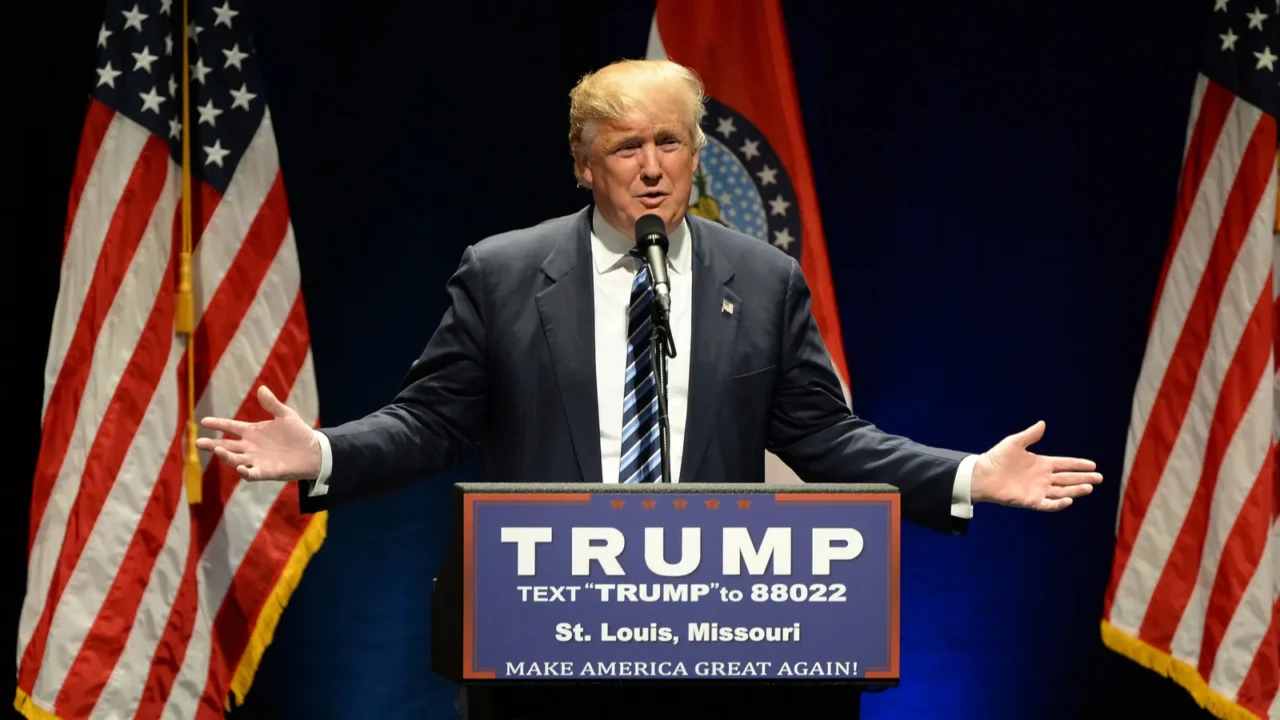
Davos meets trump realities
This year’s Davos unfolded amid political tensions and debates surrounding U.S. foreign and economic policy. The presence of President Trump’s administration in discussions underscored how political leadership will influence global travel, trade, and collaboration.
While Davos participants focused on partnership and growth, political dynamics underscored the need for dialogue and strategic diplomacy to shape travel’s future.
Geopolitical headwinds in travel
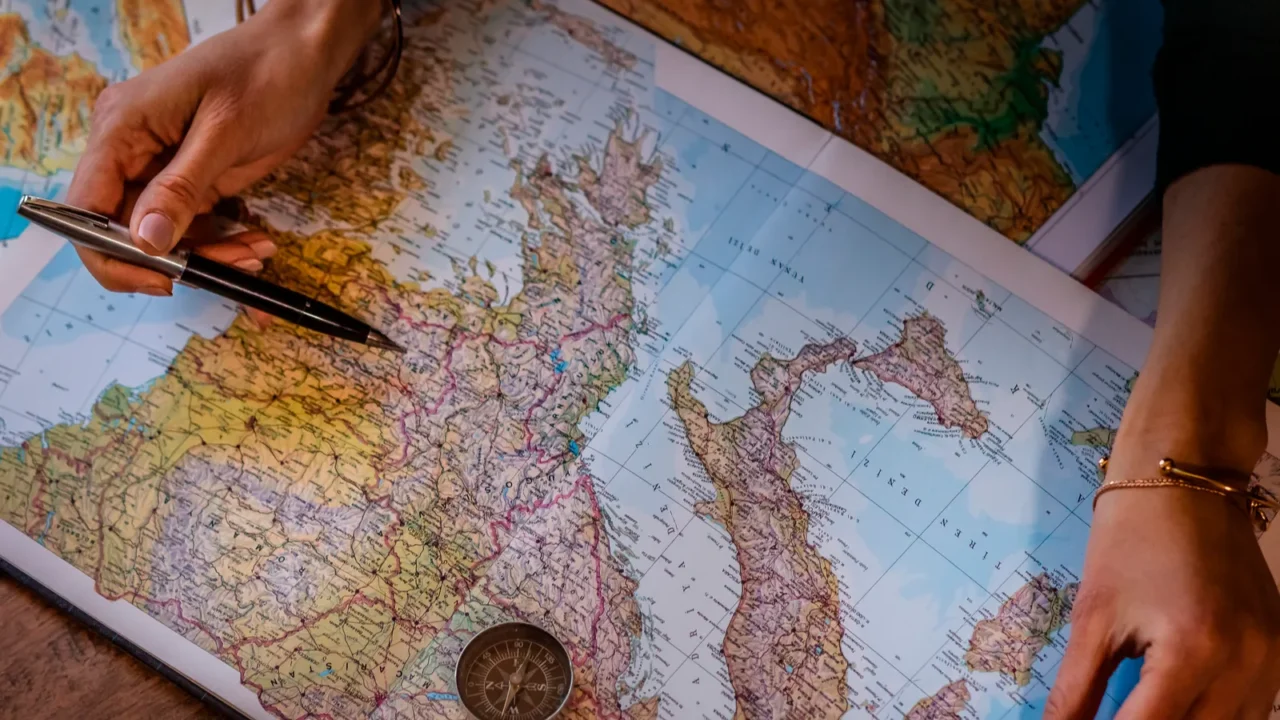
Political complexity and global tensions are now front‑of‑mind for travel leaders. Geopolitical fragmentation, trade realignments, and protective policies can slow tourism flows or reshape them toward regional travel.
Experts at Davos warned that travel’s economic impact will vary greatly depending on political cooperation, visa policies, and international relations. This dynamic environment offers both risk and new direction.

Future scenarios for tourism
Davos discussions referenced four possible futures for tourism, each shaped by geopolitics, sustainability, economic integration, and technology. These range from fragmented regional travel networks to highly connected, environmentally focused tourism ecosystems.
Planning for multiple possibilities was emphasized as essential for destinations, businesses, and travelers alike as the industry navigates uncertainty and opportunity.

Destination diplomacy power
Beyond economics, panels at Davos emphasized tourism’s role as soft power. Countries such as Mongolia and Sri Lanka noted that tourism builds diplomatic ties, reinforces cultural exchange, and signals stability after a crisis.
Tourism becomes a strategic tool, enhancing global perceptions and strengthening relations. Travelers’ experiences increasingly carry political and cultural significance in shaping international understanding.
Traveler experience redefined
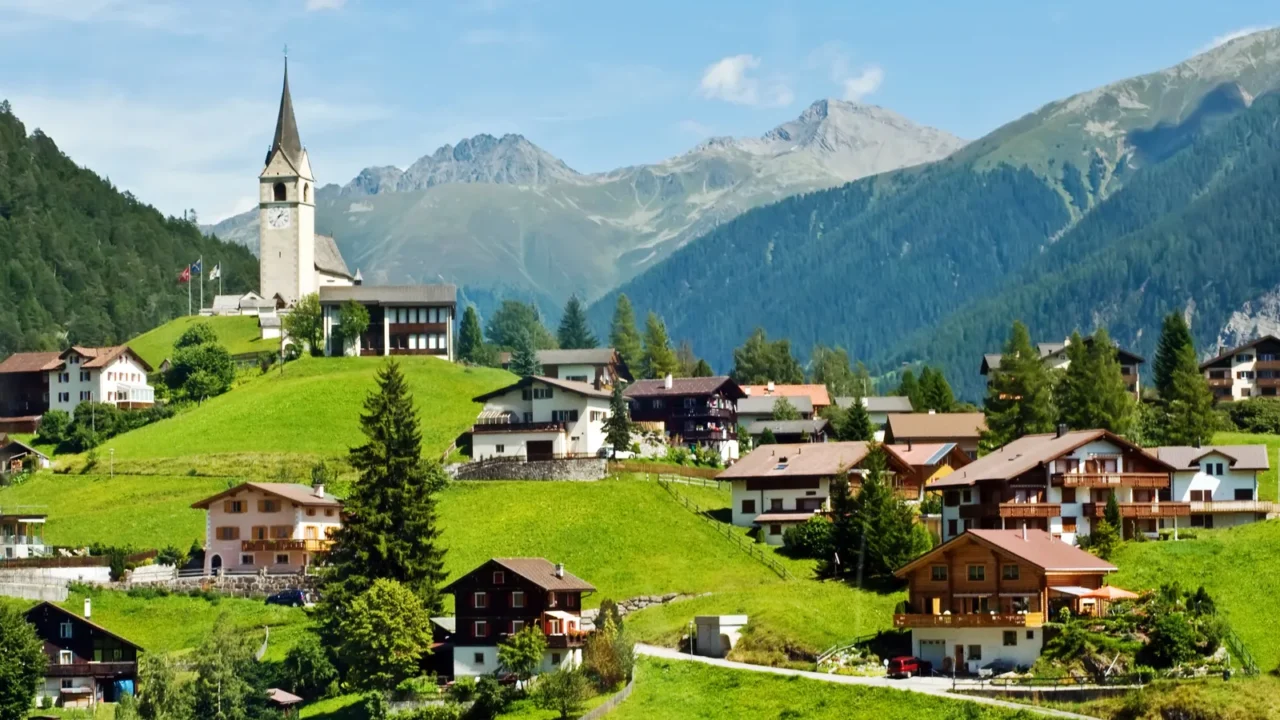
Industry experts shared that today’s travelers are more intentional and informed, seeking meaningful cultural immersion and sustainable options.
Experiences rooted in local heritage, community engagement, and authentic connection were highlighted as emerging priorities. Travel now offers more than sightseeing, it has become a path to personal growth and a deeper global connection in a changing world.
Economic imperatives and policy
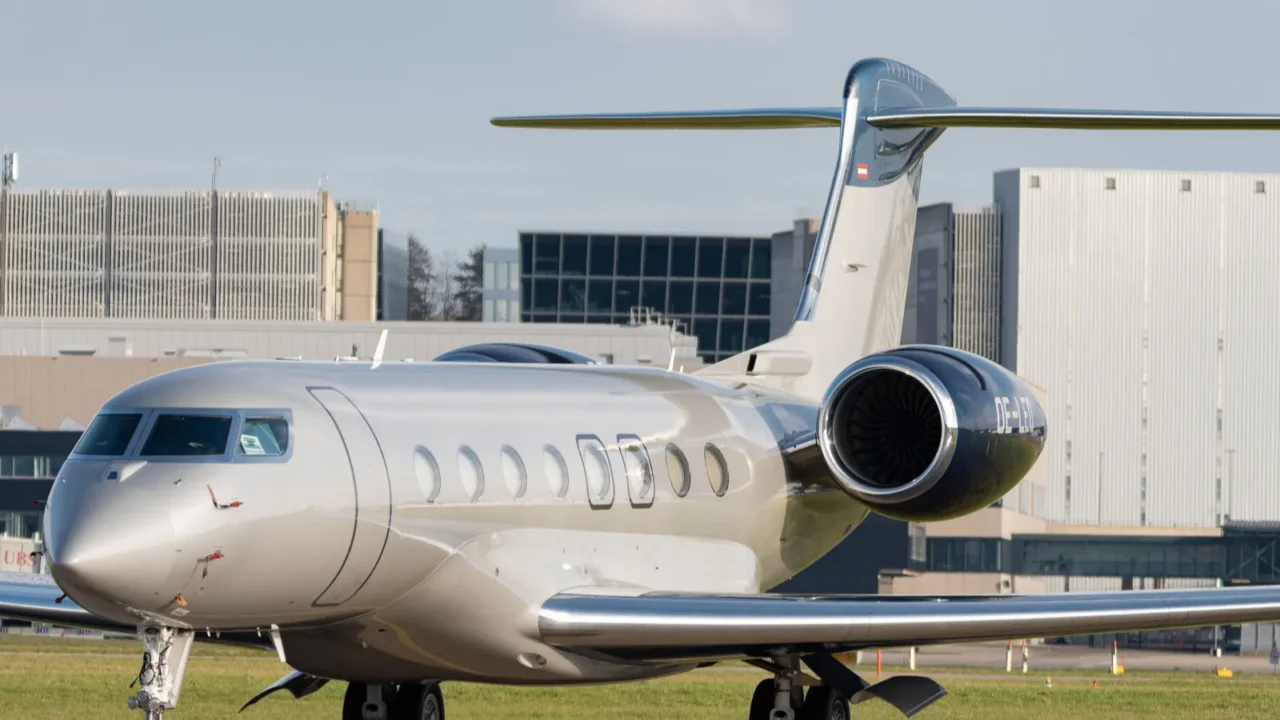
Davos underscored that smart policy and industry cooperation are essential to meet travel’s full potential. Governments and the private sector were urged to streamline visa access, invest in infrastructure, and promote balanced tourism that benefits both visitors and host communities.
This includes fostering equitable opportunities in emerging destinations and revitalizing traditional travel hubs alike.

Looking to 2030 and beyond
The forum painted a long‑term picture of tourism continuing to grow, adapt, and innovate. Leaders projected expanding job creation, deeper economic integration, and enhanced environmental stewardship across the sector.
The focus shifted from recovery to transformation, emphasizing that travel, when guided thoughtfully, can be a force for global prosperity and shared opportunity. Travelers should also pay attention to U.S. travel warnings, as these will shape how global tourism unfolds.

Travel’s new compass
In a Trump era defined by political shifts and economic recalibration, the Davos spotlight shows that travel’s direction lies in connectivity, sustainability, and collaboration. Tourism must balance global ambitions with community preservation, technological progress with human experience, and economic growth with inclusivity.
Observers and travelers alike should consider how geopolitical shifts are changing travel routes, as these developments will redefine destinations and journeys around the world.
If travel is changing so rapidly in a politically complex world, which destination would you choose next, and how would these shifts shape your journey? Let us know your thoughts.
This slideshow was made with AI assistance and human editing.
Don’t forget to follow us for more exclusive content right here on MSN.
Read More From This Brand:
