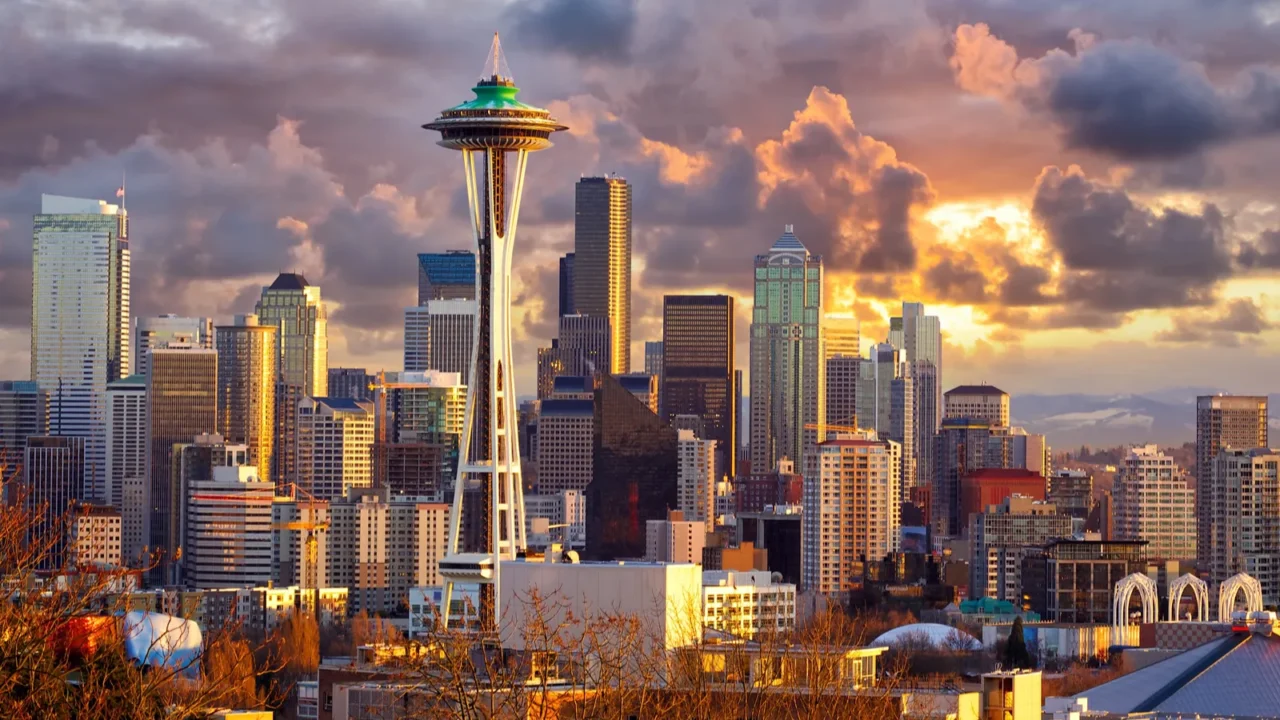
Seattle’s tech mood just changed
Remember when “Seattle tech” meant constant hiring and packed lunch lines downtown? Lately, the vibe feels different, even if the Space Needle still looks the same. A layoff headline now lands like a neighborhood headline.
When thousands of paychecks shift at once, the ripple hits coffee shops, landlords, and side hustles. This isn’t just about one company trimming teams. It’s about a city shifting into a slower gear.

Why this wave feels more personal
Seattle has lived through downturns before, but this one feels closer to home. Many cuts are happening in offices that people can point to on the bus ride in. That makes the slowdown feel local fast.
It also lands after years when tech wages quietly carried a lot of spending. When high earners pause big purchases, small businesses notice first. The city’s growth story starts sounding more cautious.
Amazon’s cuts set the tone
Amazon’s latest round added a big number to the mood shift. KUOW reported about 2,200 Washington employees losing jobs in that wave. Even people outside tech feel the headline.
When Amazon moves, Seattle feels it in real time. A single cut can hit South Lake Union, Bellevue commutes, and the contractor ecosystem. It’s one reason the story spreads beyond the company.
Little-known fact: Amazon’s Seattle “Spheres” opened on January 30, 2018.
It’s not only one employer
Amazon isn’t alone in trimming payroll. KUOW noted more cuts at other major names, including Meta and T-Mobile, with more expected across the industry. That steady pace keeps nerves up.
This matters because Seattle’s tech scene is tightly connected. Recruiters, vendors, startups, and service jobs often move with the big firms. When multiple brands cut at once, the “new normal” feels real.

Unemployment tells part of the story
Layoffs become a city story when they show up in the data. KUOW cited a 5.1% jobless rate for the Seattle–Tacoma–Bellevue area in November, above the 4.5% national rate.
That gap is why the slowdown feels noticeable. More people are competing for the same roles. And the stress spreads into households that planned around stable tech paychecks.

Job searches are slower now
A few years ago, Seattle job hopping felt like a sport. Now, many workers describe a longer, more careful search with more interviews and fewer offers. The process can feel like “prove it again,” even with strong résumés.
That slower pace changes everyday spending. People hold off on new leases, big trips, and pricey upgrades. When enough households do that at once, it shows up in neighborhood foot traffic.
Fewer listings, more competition
The hiring pipeline has tightened, not just the payroll. Axios reported Seattle’s online job postings were down 35% from February 2020 to late October 2025, based on Indeed’s index.
That number helps explain why job searches feel crowded. It’s harder to “just apply to ten more roles” and move on. In a tech-heavy market, fewer postings can shift the whole mood quickly.

AI is reshaping teams, too
Seattle companies are also reorganizing around AI investment. KUOW noted tech giants are spending heavily on AI infrastructure while still cutting jobs in some parts of the business. That mix can feel confusing from the outside.
For workers, it often means different skills are getting prioritized. Some roles shrink while new ones open up. The city stays tech-forward, but the path into those jobs looks less simple.
Little-known fact: Pike Place Market officially opened on August 17, 1907, and still runs today.
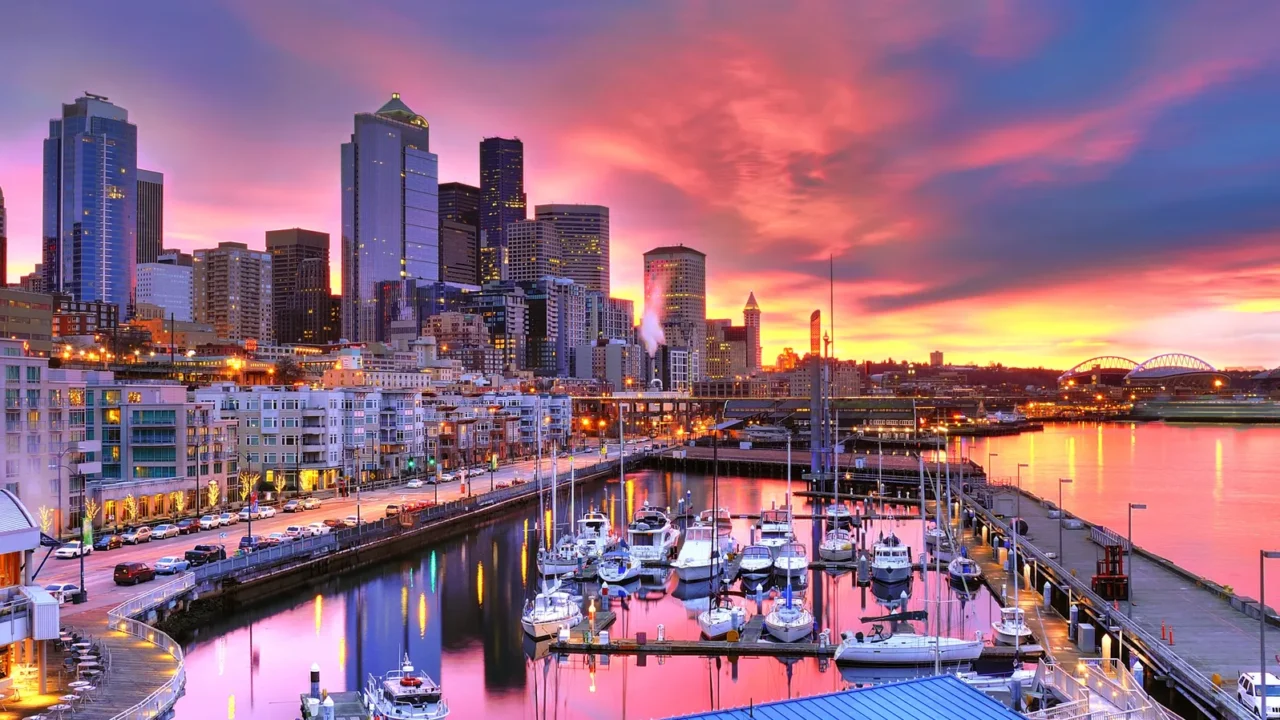
Downtown doesn’t fill up like before
Even when people return to offices, it’s not always five days a week. That changes lunch crowds, happy-hour traffic, and the “busy block” feeling around hubs like South Lake Union. A half-full weekday can still look quiet.
When sidewalks thin out, small businesses feel it first. Fewer quick lunches and fewer after-work stops add up. It’s a slow leak that’s easy to miss until it’s obvious.
Little-known fact: Washington state has no individual or corporate income tax, according to the WA Department of Revenue.

Restaurants are feeling the squeeze
One striking signal is how fast restaurant turnover has picked up. The Wall Street Journal reported roughly 450 restaurant closures in the Seattle area during the first half of 2025 — a figure that local trade groups and municipal closure lists corroborate in part; note that some local outlets report different counts depending on scope and methodology. That’s the kind of number that changes how a city feels.
Closures don’t have one single cause, but spending shifts matter. When fewer office workers are nearby, weekday sales soften. And when costs rise, a slow week can become a final week.
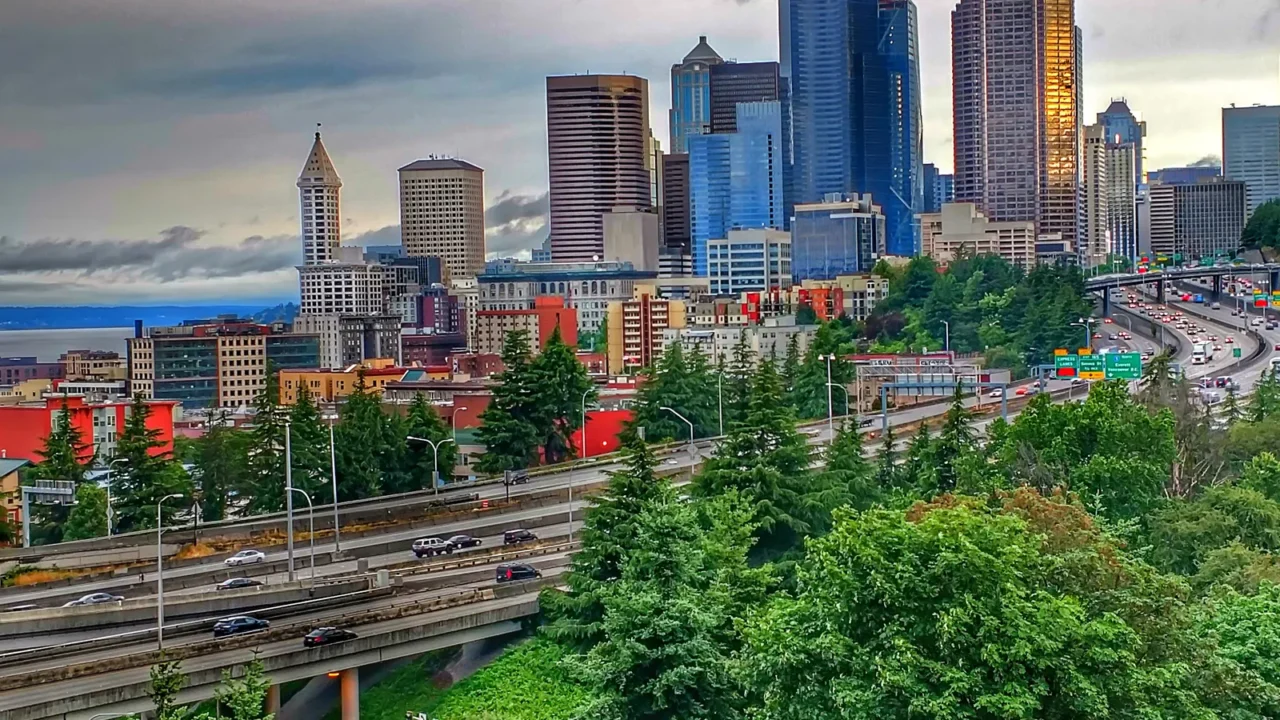
Office vacancies are still high
Seattle’s office market is also part of the backdrop. Axios reported downtown Seattle office vacancy was nearing 35% in mid-2025, reflecting the remote-work hangover and tech downsizing.
That matters beyond real estate headlines. Vacant buildings can mean fewer daily commuters and fewer storefront customers. It also affects city revenue and long-term planning for what downtown will become next.
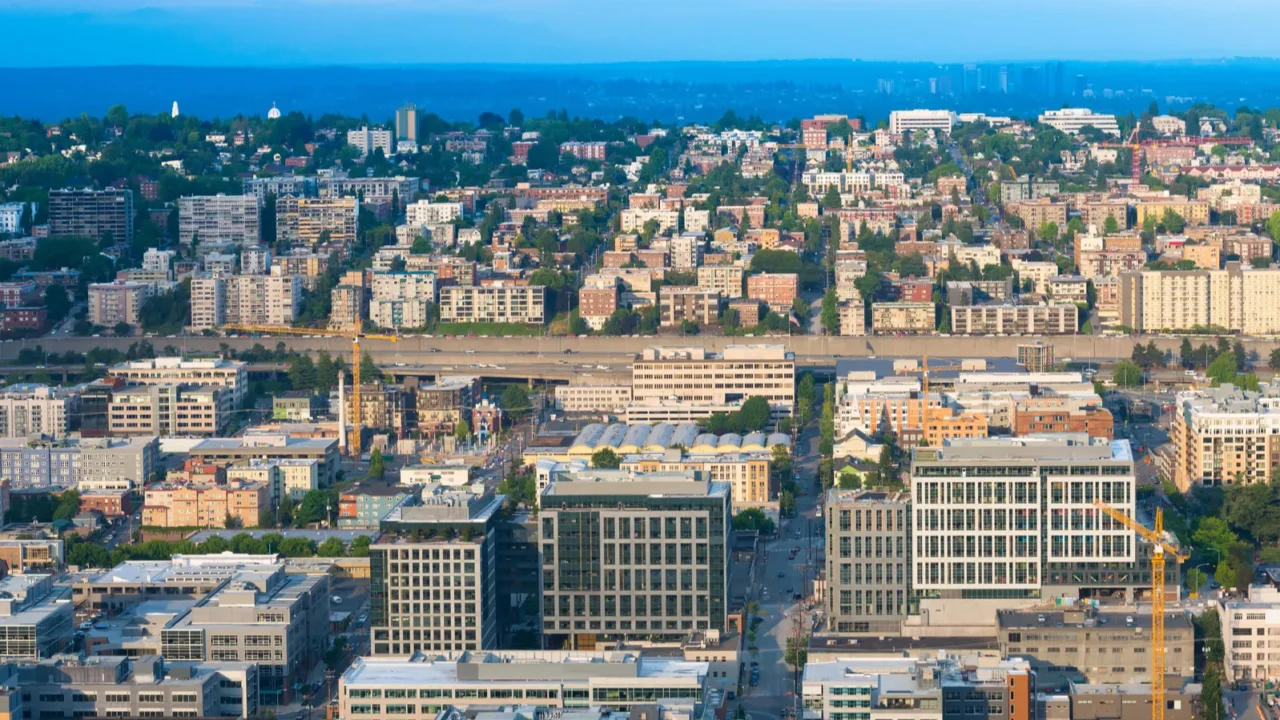
Housing shifts feel uneven
Housing doesn’t move in one direction for everyone. Some renters see more negotiating power, while others feel stuck by high monthly costs. People moving for lower costs can also change demand in certain neighborhoods.
The bigger point is uncertainty. When income feels less predictable, households become cautious. That caution can cool buying pressure even when inventory stays tight.
Seeing Seattle’s layoffs hit immigrant tech workers especially hard? Check out why Indian and Chinese workers are rethinking the American Dream and how visa pressure, job cuts, and rising costs are changing the plan.
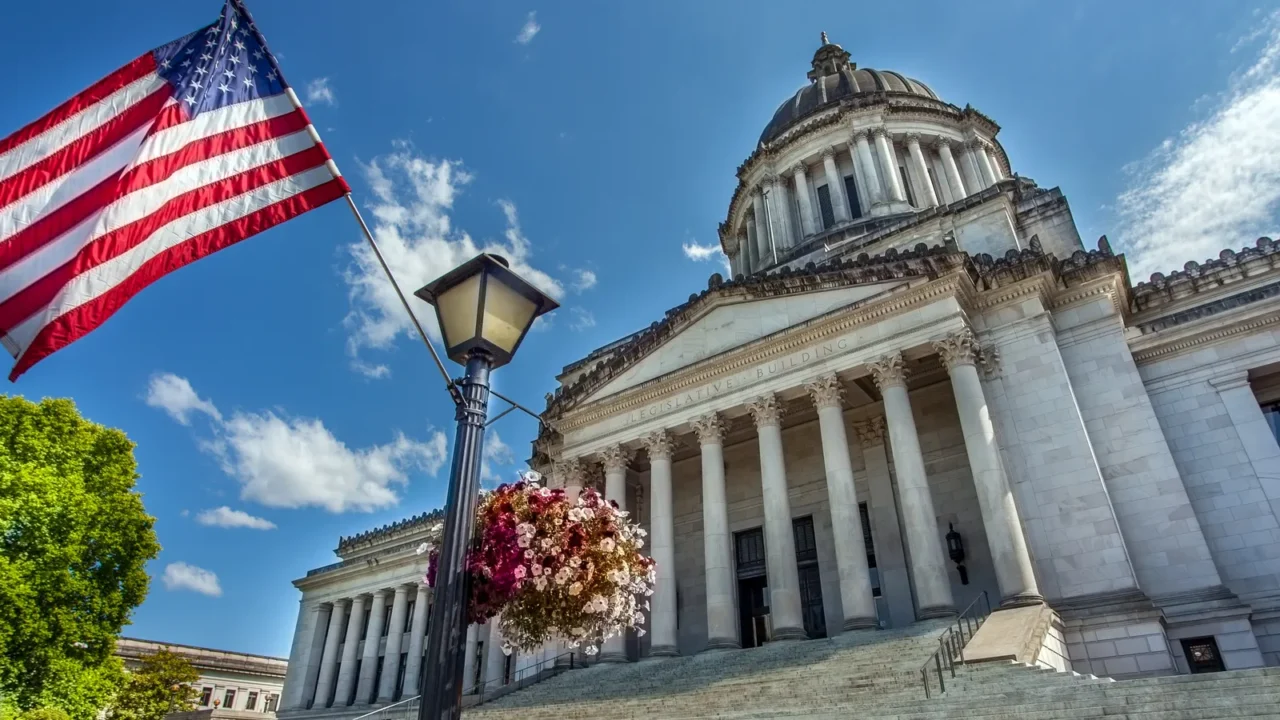
City budgets notice the slowdown
When high-wage sectors slow down, city finances can feel it. The Wall Street Journal reported Seattle faced a projected $146 million revenue shortfall tied to the broader tech cooling.
Budget stress can show up in boring but real ways. Projects get delayed, hiring freezes pop up, and agencies tighten belts. For residents, it can feel like “why is everything taking longer now?”
Curious how a few new nonstop flights can change a city’s whole visitor economy? Check out how new airline routes are boosting tourism in Seattle, Missouri, and beyond.
What’s your take on Seattle’s tech reset so far? Share your thoughts and your view in the comments.
This slideshow was made with AI assistance and human editing.
Don’t forget to follow us for more exclusive content right here on MSN.
Read More From This Brand:
