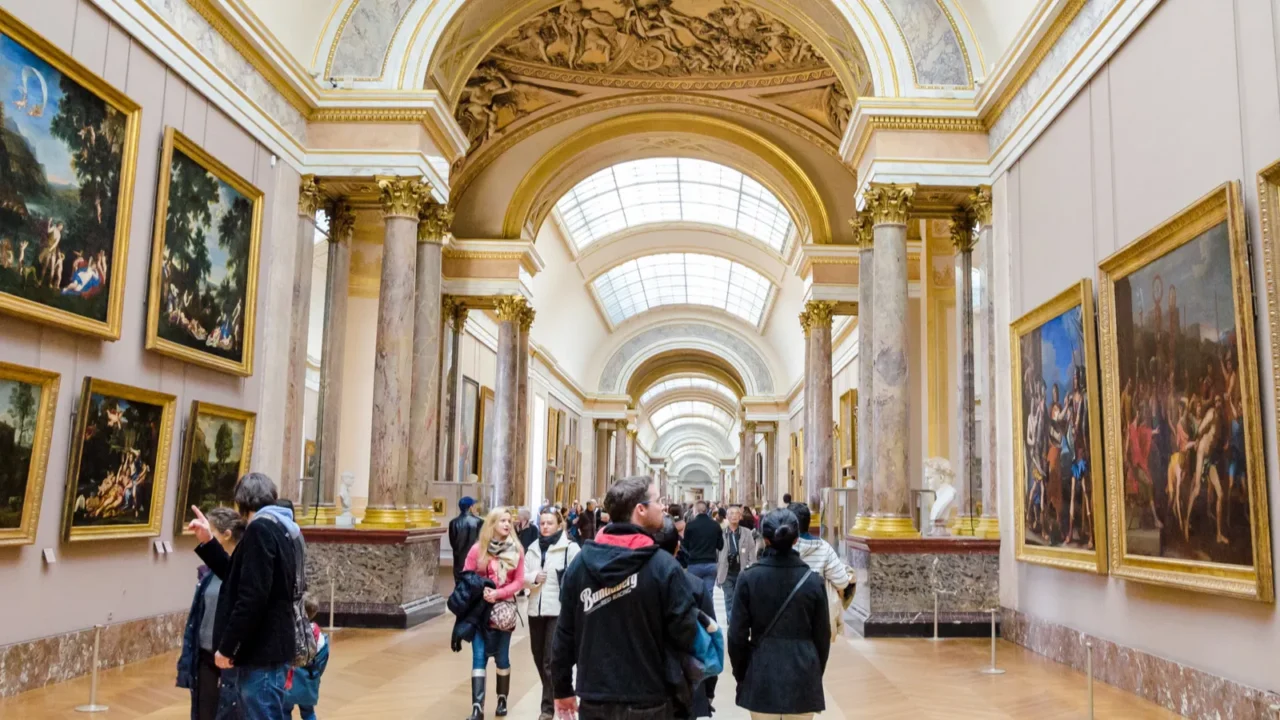
Paris museum reservation policy shift
The Musée du Louvre and the Musée d’Orsay have expanded timed entry systems as Paris increases reservation requirements for major museums. Officials say the move aims to manage record visitor demand while improving crowd flows across galleries. The policy reflects broader tourism changes seen after pandemic recovery and major global events.
Paris museum reservation systems now shape how visitors plan cultural trips. Timed tickets and online booking windows are becoming standard practice across major institutions. These changes may influence how first-time visitors experience the city.
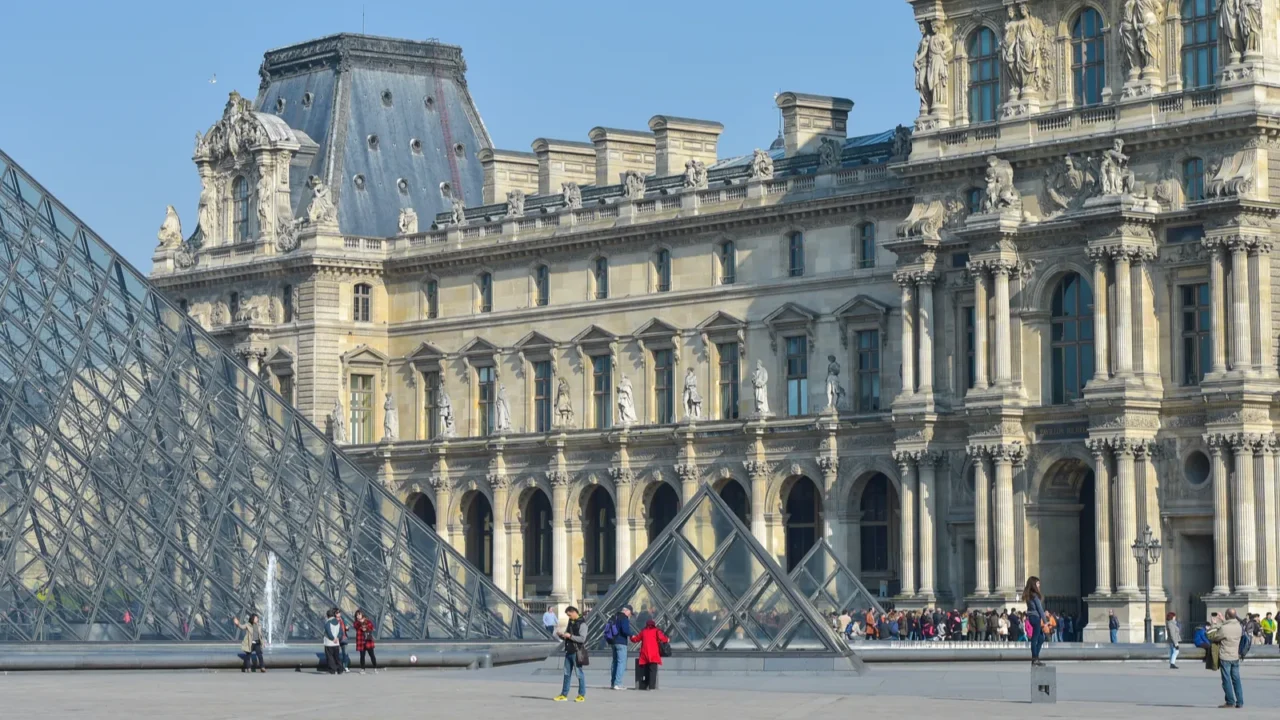
Paris ticket booking changes
Paris has increased reliance on reservations for museums and exhibitions. Many venues now recommend booking several days or weeks ahead during peak seasons. Walk-in access still exists, but availability is becoming less predictable.
Paris officials say the system helps balance demand across busy attractions. It reduces long queues that once defined the museum experience. The shift is changing how visitors structure their itineraries.
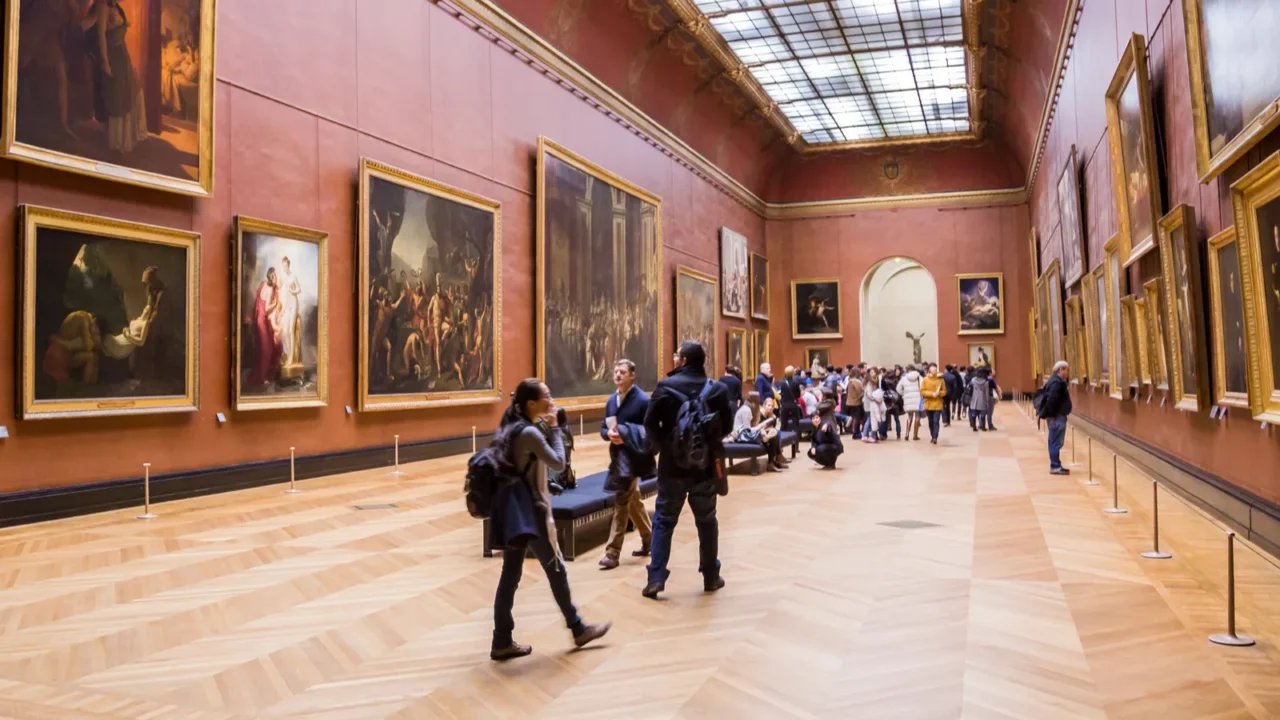
Paris museums limit crowds
Many major Paris museums are using timed slots and capacity-management measures to limit arrivals and ease congestion during peak periods. This helps reduce overcrowding in popular galleries and corridors.
Paris cultural authorities say the approach improves visitor comfort. Fewer crowds mean more space to view artworks and exhibitions. The system also supports preservation efforts for historic collections.
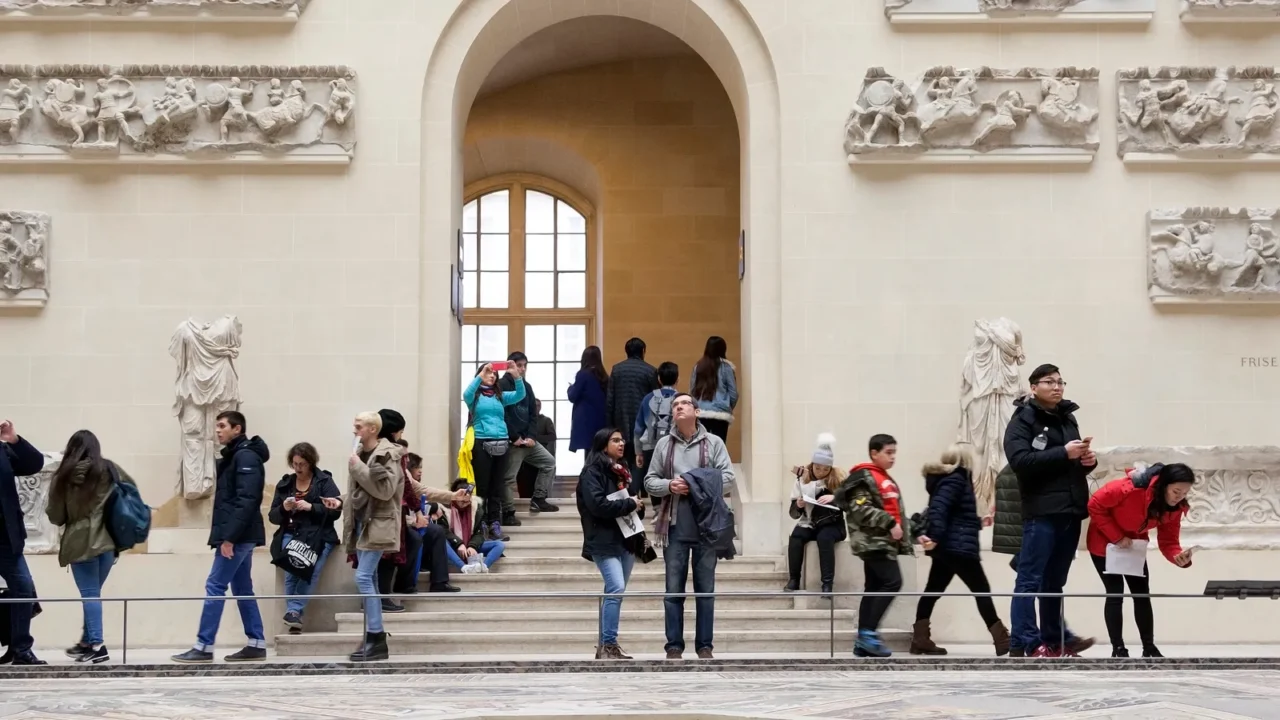
Louvre leads reservation model
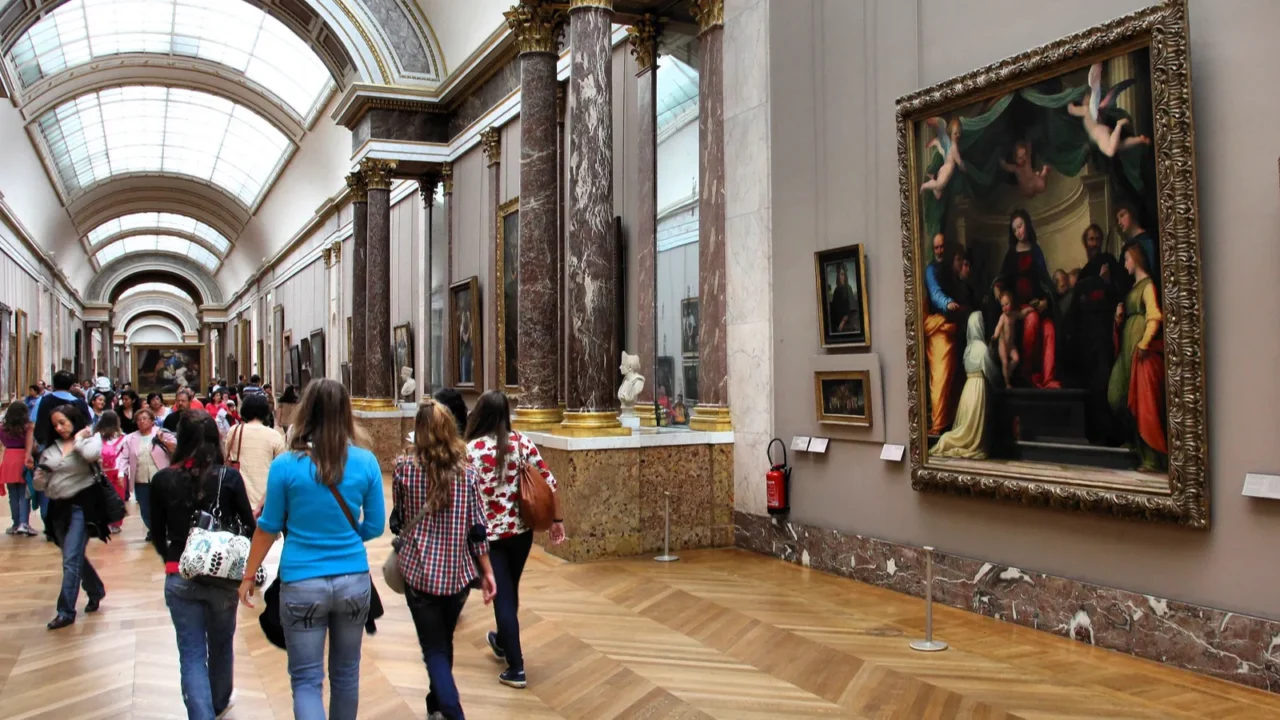
The Louvre remains the most visited museum in the world. It has been at the forefront of implementing timed entry reservations. Visitors are encouraged to book tickets online before arrival.
The museum has adjusted entry flows to manage daily attendance. Security checks and crowd control are more streamlined with scheduled arrivals. This system has become a model for other Paris museums.
Orsay adapts visitor flow
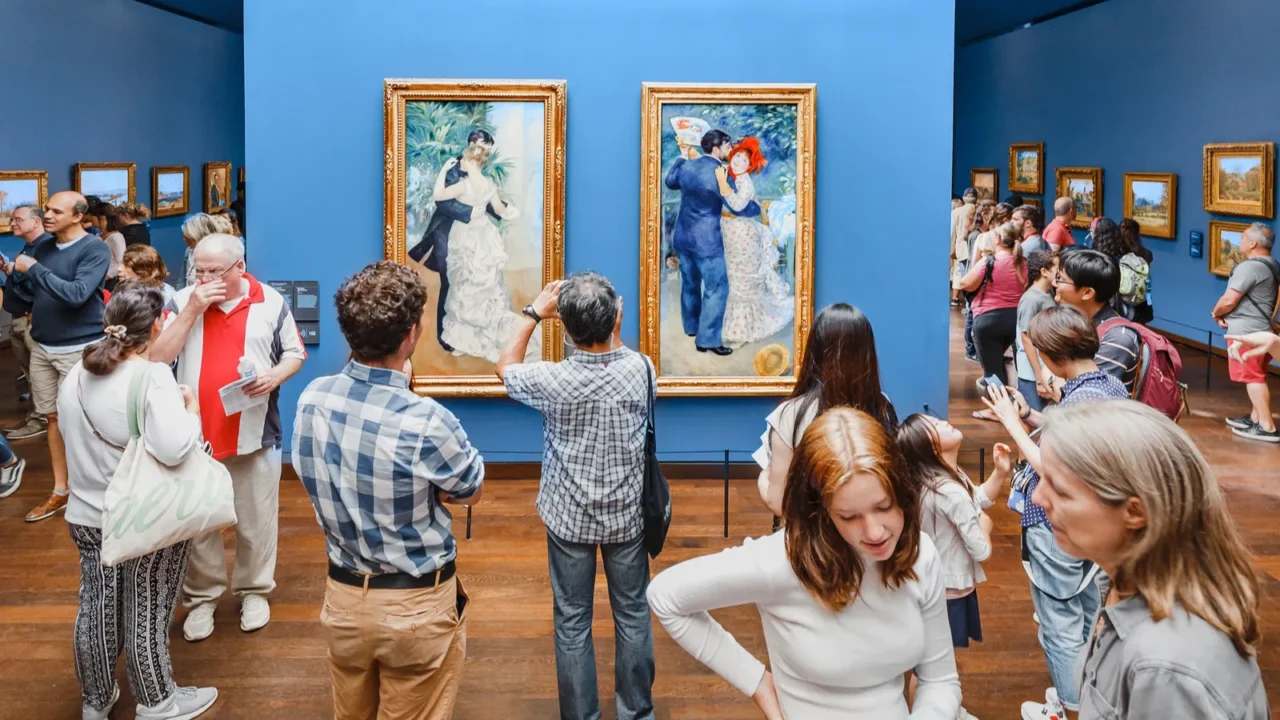
Musée d’Orsay has also strengthened its reservation requirements in recent years. The museum manages large crowds drawn to Impressionist masterpieces. Timed entry helps spread visitors throughout the day.
Officials say the system improves both safety and comfort. Galleries feel less congested during peak hours. Visitors can spend more time engaging with the artwork.

The busiest museum in Paris
Fun fact: The Musée du Louvre welcomed 8.9 million visitors in 2023, according to the museum’s official press release. That level of demand makes it one of the most visited cultural sites globally. Managing such crowds requires careful planning and reservation systems.
The reservation push helps prevent overcrowding in iconic spaces. It also improves overall visitor satisfaction during peak seasons. Paris continues to adapt as global tourism rebounds.
Timed entry benefits
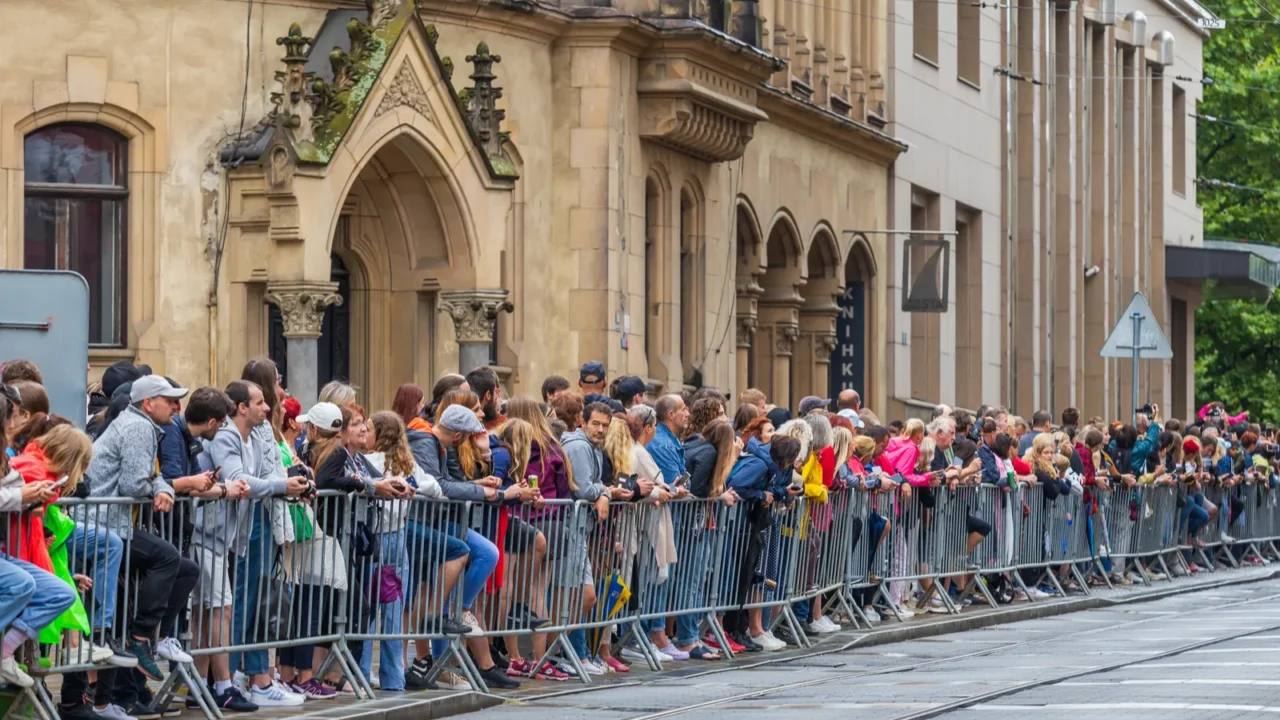
Fun fact: Timed entry systems can reduce wait times by over 30 percent. Shorter queues allow visitors to spend more time inside museums. The approach has been adopted by major institutions worldwide.
Paris uses these systems to balance demand across attractions. The strategy helps distribute visitors more evenly throughout the day. It also improves overall crowd management.
Impact on first visits
First-time visitors may need to plan museum visits more carefully. Popular attractions can sell out quickly during holidays and weekends. Booking early has become a key part of travel preparation.
This change can reduce spontaneity for some travelers. However, it also creates a more organized and predictable experience. Visitors often benefit from shorter entry lines.

Digital tools shape planning
Online platforms now play a major role in museum access. Official websites and apps provide real-time availability and booking options. Visitors can compare time slots across multiple attractions.
Digital tools also suggest alternative times for popular museums. This helps distribute crowds across different hours of the day. Planning has become more data-driven in Paris tourism.
Smaller museums gain attention
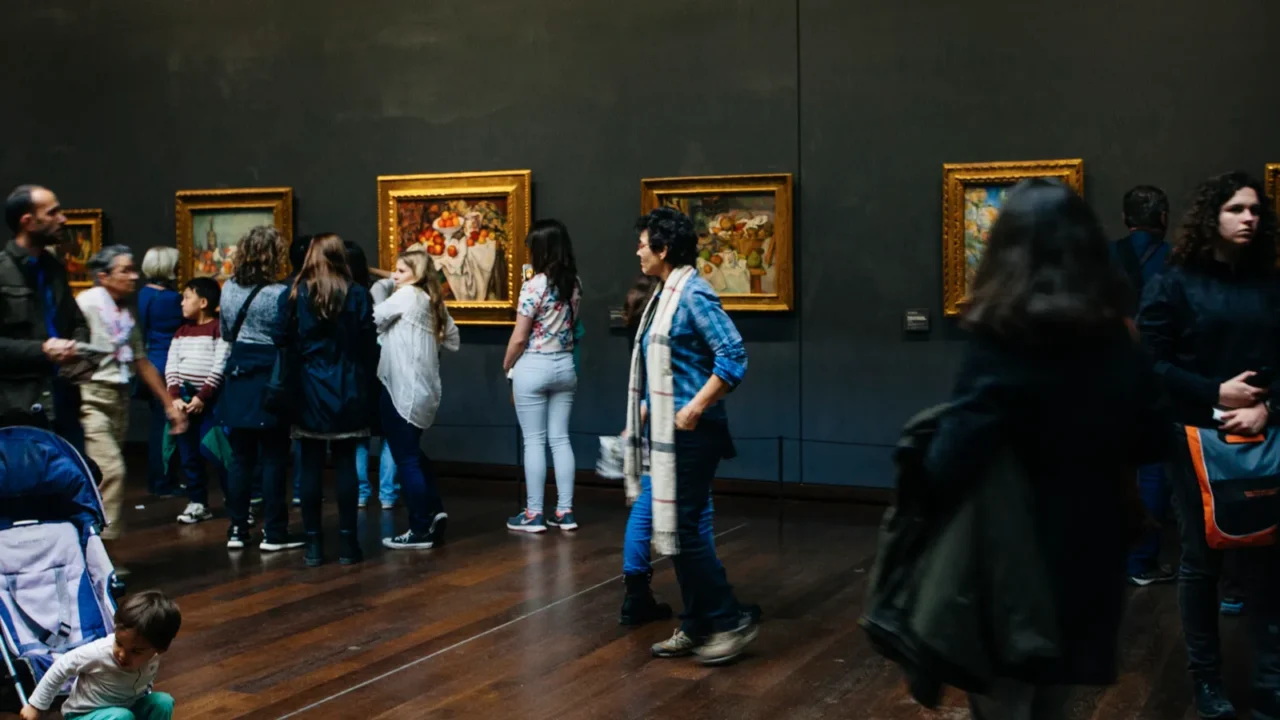
Reservation systems are encouraging visitors to explore lesser-known museums. When major sites are fully booked, travelers often look for alternatives. This spreads tourism across the city.
Places like Musée de l’Orangerie and Musée Rodin are seeing increased interest. These museums offer rich cultural experiences with smaller crowds. The trend supports a more balanced tourism model.
Peak season planning shifts
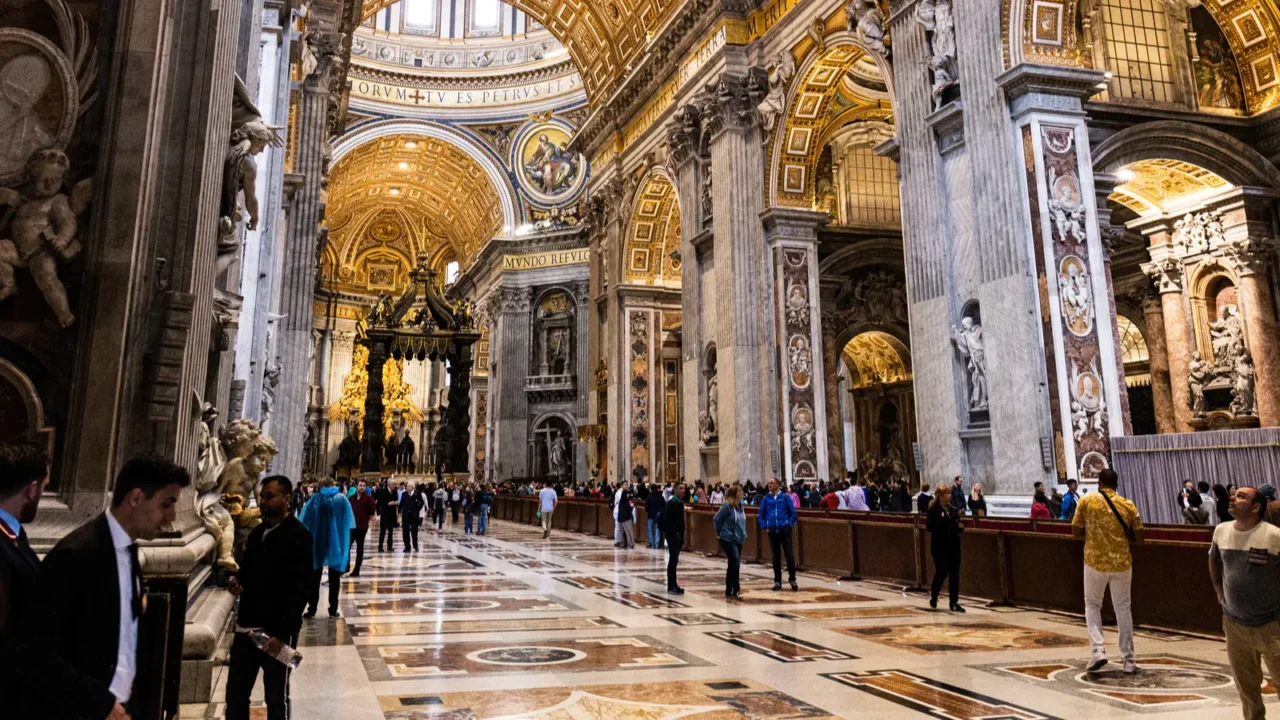
Summer and holiday seasons remain the busiest times for Paris museums. Reservation requirements are especially important during these periods. Tickets can sell out days in advance.
Travelers are adjusting by building flexible itineraries. Many plan museum visits early in the morning or late in the day. This helps avoid peak crowd times.
Long term tourism strategy
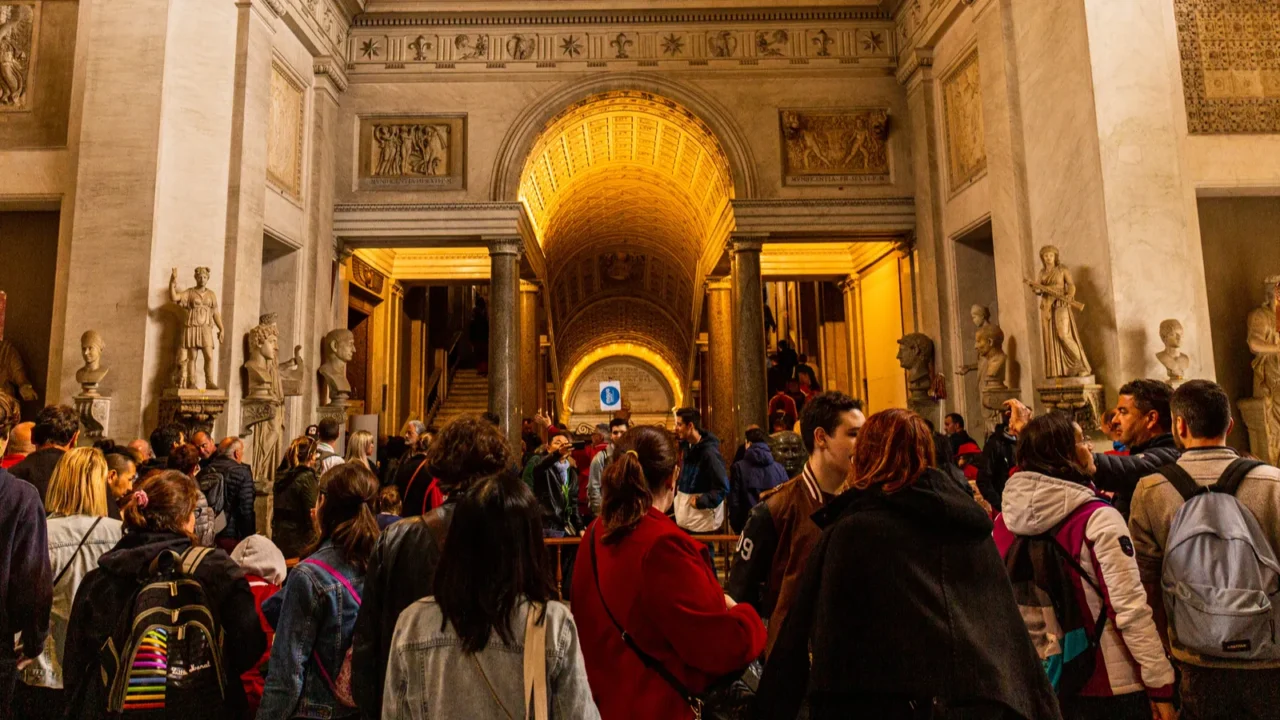
Paris views reservation systems as part of a long-term tourism strategy. Managing crowds helps protect cultural heritage and improve visitor experience. The approach aligns with sustainable tourism goals.
Other global cities are adopting similar systems, as seen with London’s new V&A East Museum opening in April 2026. Paris remains a leader in managing high visitor numbers at cultural sites. The model may continue to evolve in the coming years.
Changing museum experience ahead
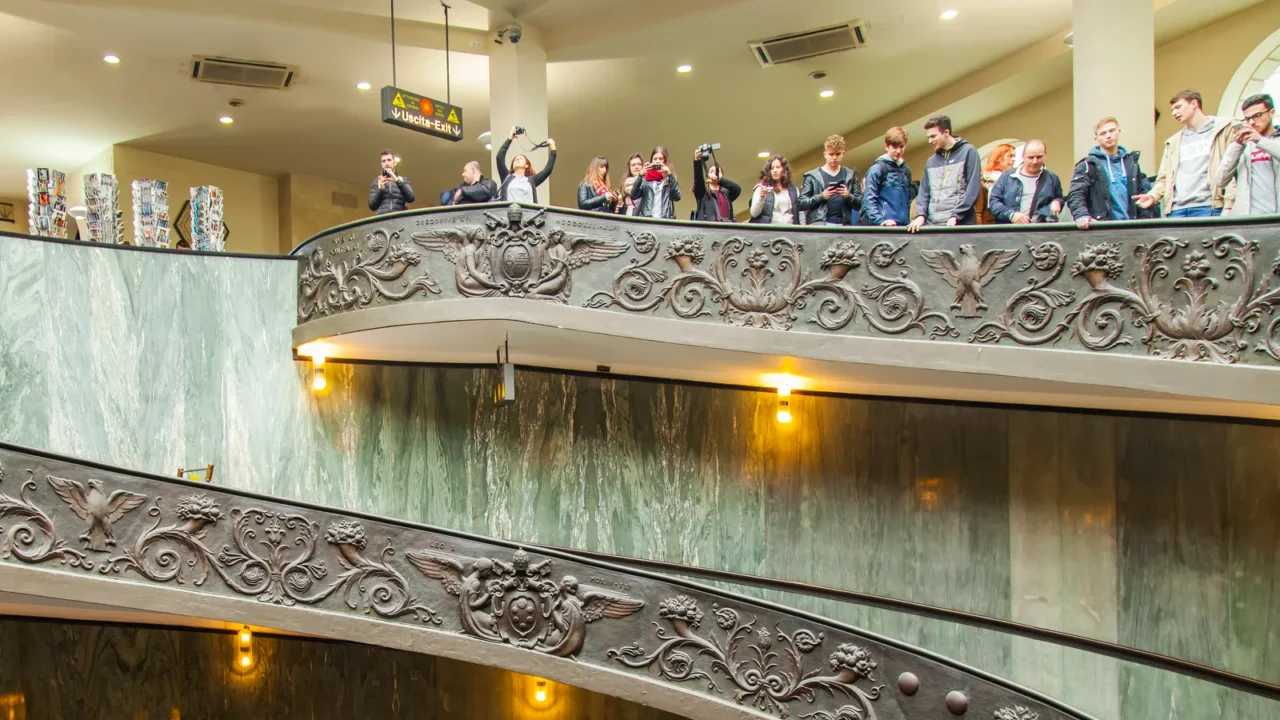
Paris museum visits are becoming more structured than before. Reservations are shaping how travelers explore cultural landmarks. Planning is now part of the experience.
The shift reflects broader changes in global tourism. Visitors are balancing convenience with access to iconic sites. Paris continues to adapt to growing demand.
Which Paris museum feels like a must-visit for first-time travelers today? Share your thoughts below.
This slideshow was made with AI assistance and human editing.
Don’t forget to follow us for more exclusive content right here on MSN.
Read More From This Brand:
