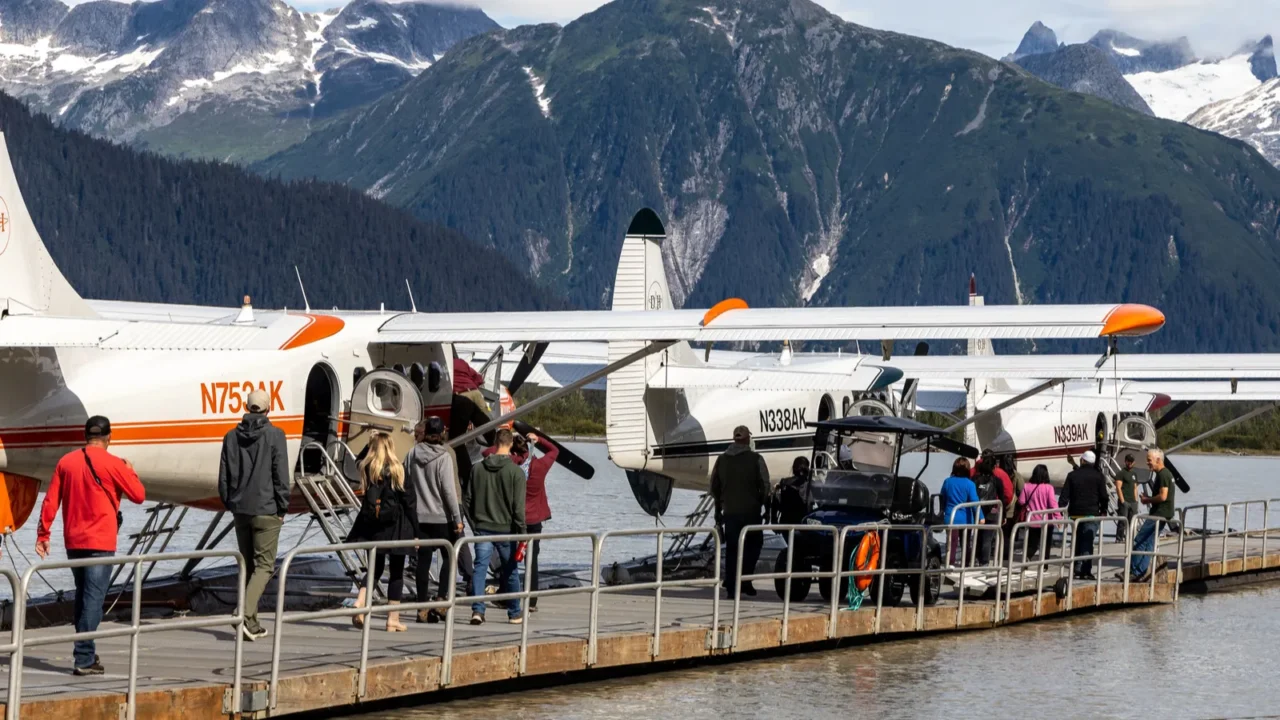
Alaska travel season expanding
State and industry sources, including the Alaska Travel Industry Association and operators across the state, report that summer travel windows and cruise/land scheduling have broadened in recent years, with more activity in shoulder months such as May and September. Warmer spring conditions and extended daylight are influencing cruise schedules and land tourism planning. Travelers are seeing more flexible timing across peak and shoulder months.
Extended seasons are creating new choices between cruise routes and inland travel across Alaska. Tourism operators in Juneau and Anchorage are adjusting offerings to match changing demand patterns. This shift is reshaping how visitors plan their Alaska experiences each year.
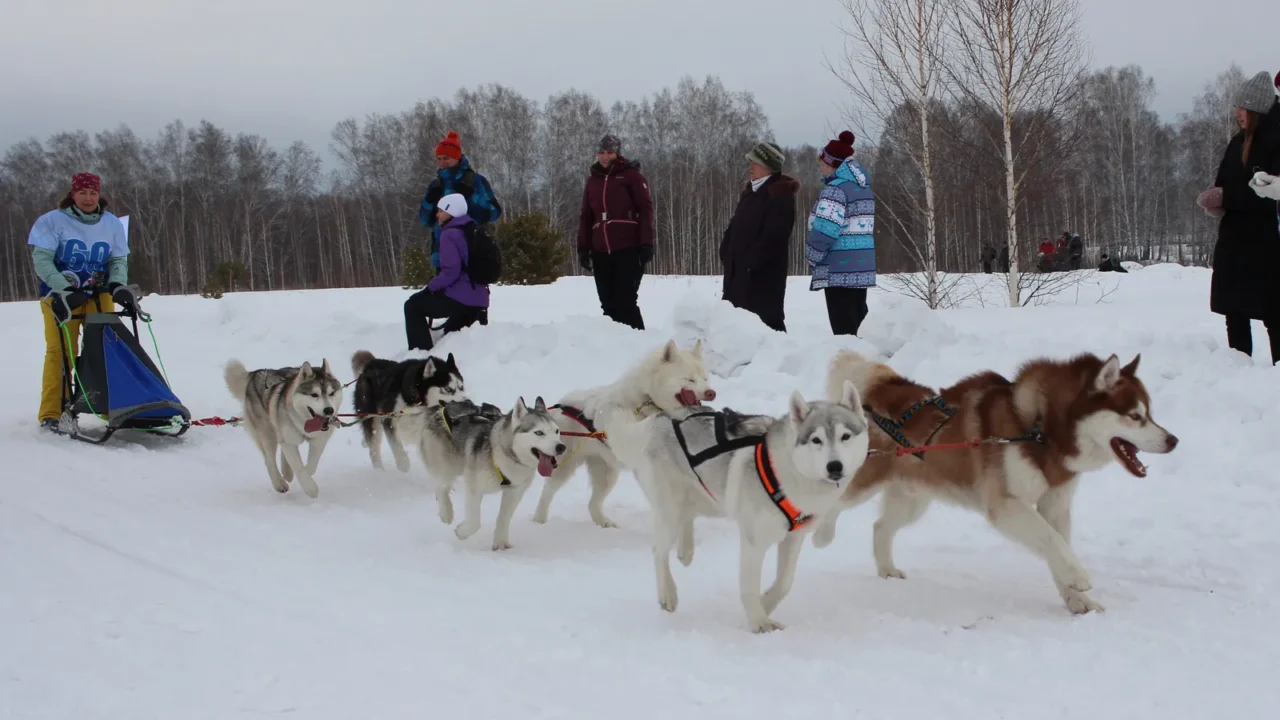
Longer daylight travel benefits
Alaska offers some of the longest daylight hours in the United States during the summer months. June destinations like Fairbanks can see nearly 22 hours of daylight during peak season. This creates more time for sightseeing, wildlife viewing, and outdoor activities.
The longer daylight supports both cruise passengers and land travelers exploring parks and towns. Cruises extend shore excursions while land trips allow longer driving and hiking schedules. The extended daylight is one of Alaska’s biggest seasonal advantages.
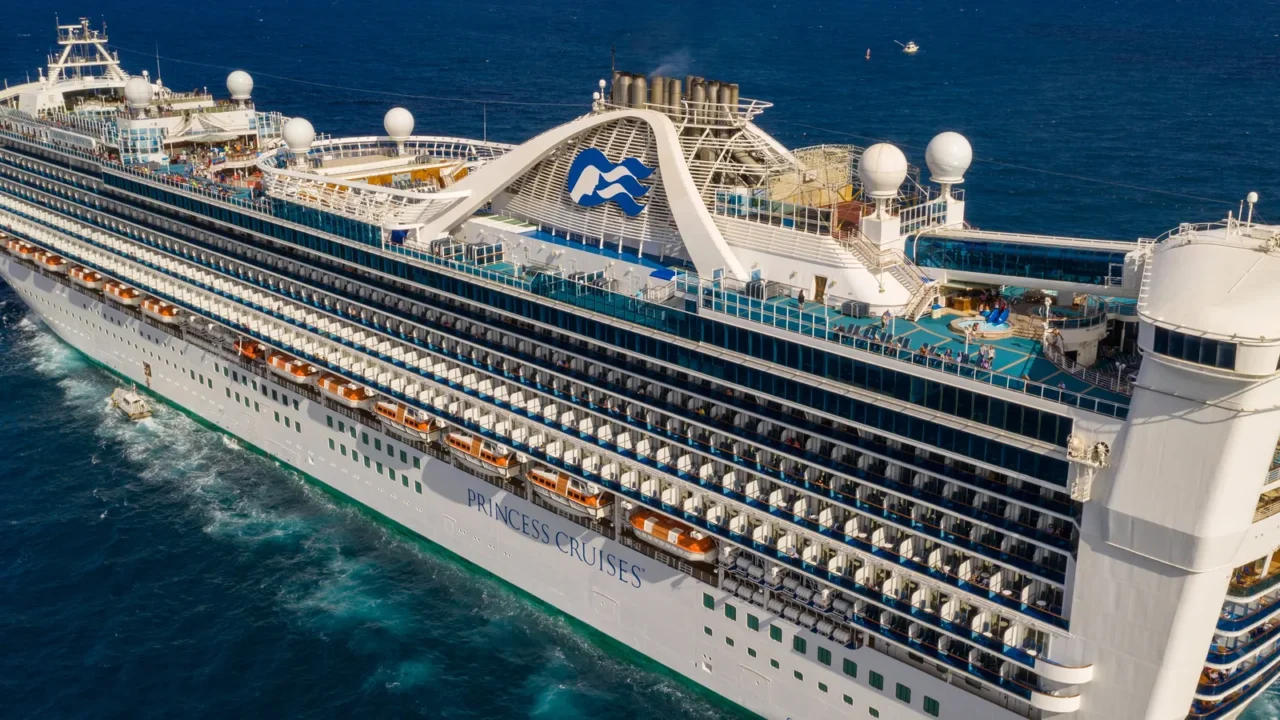
Cruise season shifts timing
Alaska’s cruise season has gradually expanded beyond traditional June to August peak months. Major cruise lines like Princess Cruises and Holland America Line now operate earlier spring and later fall sailings. These changes reflect demand for longer and less crowded travel windows.
Cruise itineraries now include more May and September departures across popular routes. These shoulder months offer cooler weather but fewer crowds in ports like Ketchikan. Travelers are increasingly choosing these quieter periods for a more relaxed experience.
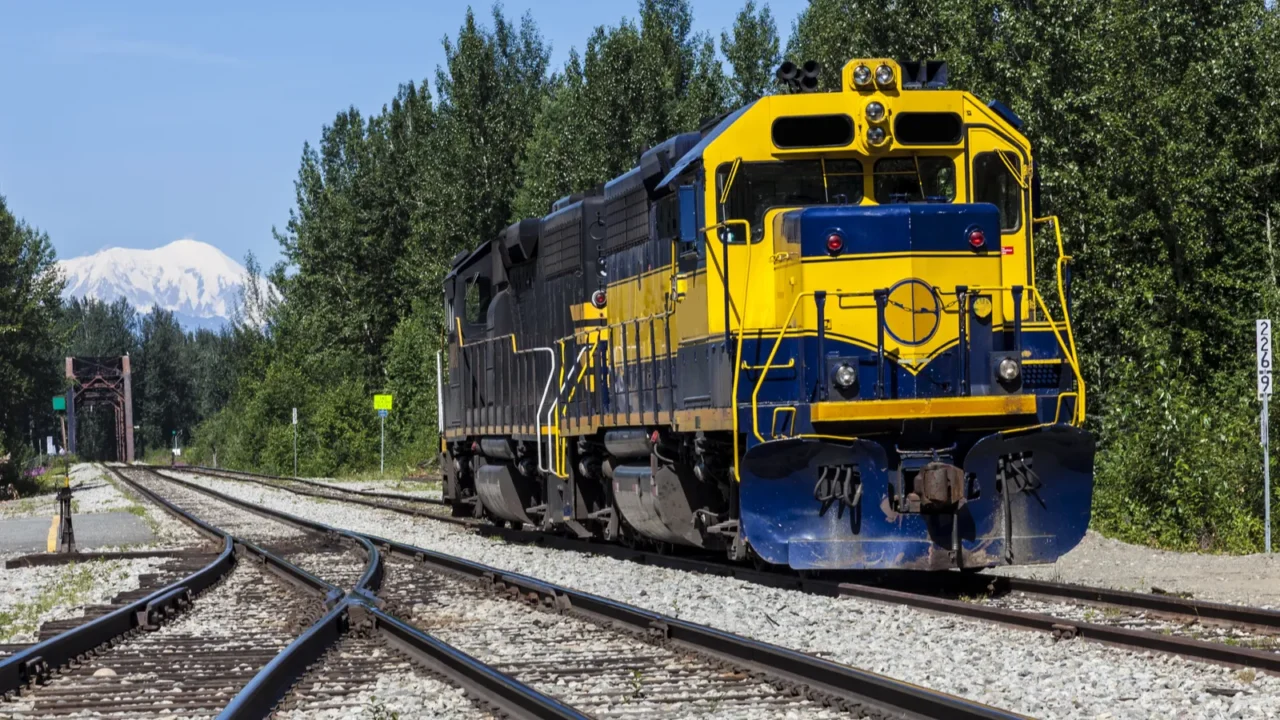
Land trips gain flexibility
Land-based travel in Alaska benefits strongly from a longer summer season. Visitors can explore Denali National Park and Kenai Fjords with more scheduling options than before. Rental cars, trains, and guided tours now operate across wider date ranges.
This flexibility allows travelers to avoid peak congestion in major tourist hubs. Anchorage and Fairbanks are seeing more
Weather patterns shaping decisions
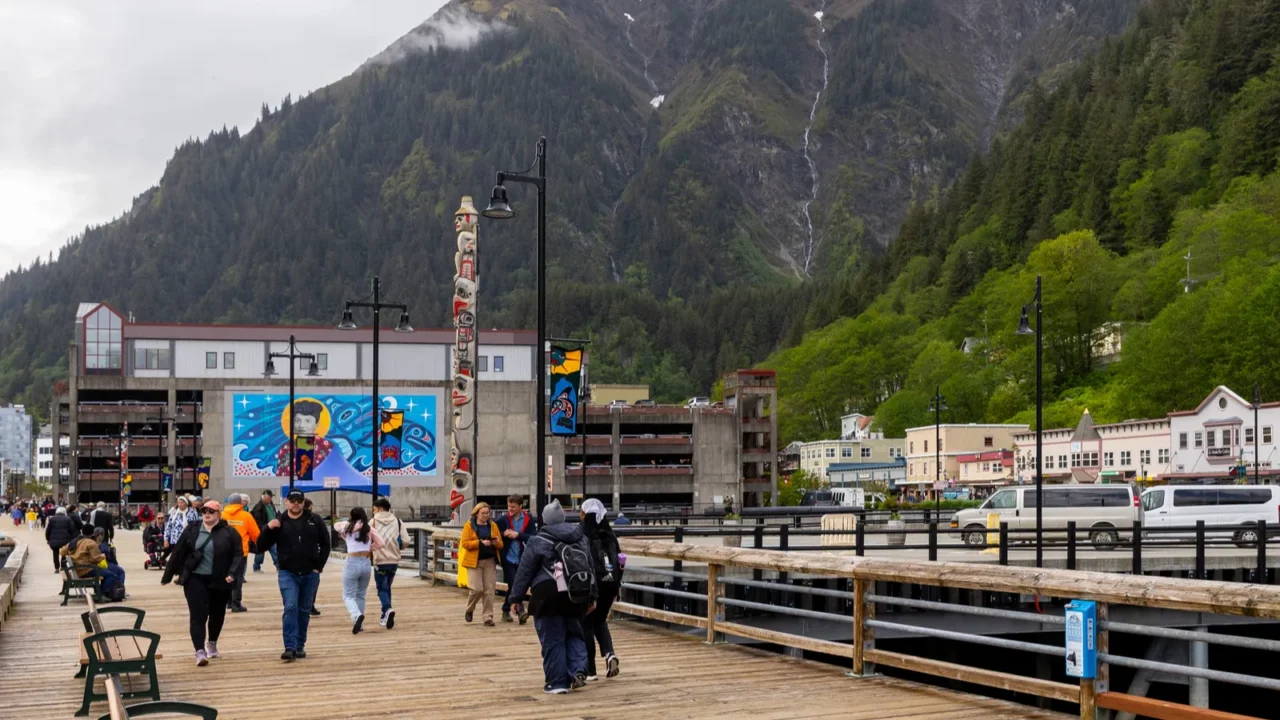
Alaska’s summer weather remains unpredictable despite longer travel seasons. Coastal regions like Juneau experience frequent rain even in peak months. Inland areas such as Denali can see sudden temperature changes during the day.
Travelers often choose cruises for their convenience amid uncertain weather. Ships provide indoor amenities while still offering scenic views. Land trips require more planning but offer deeper access to Alaska’s landscapes.
Wildlife viewing extended opportunities
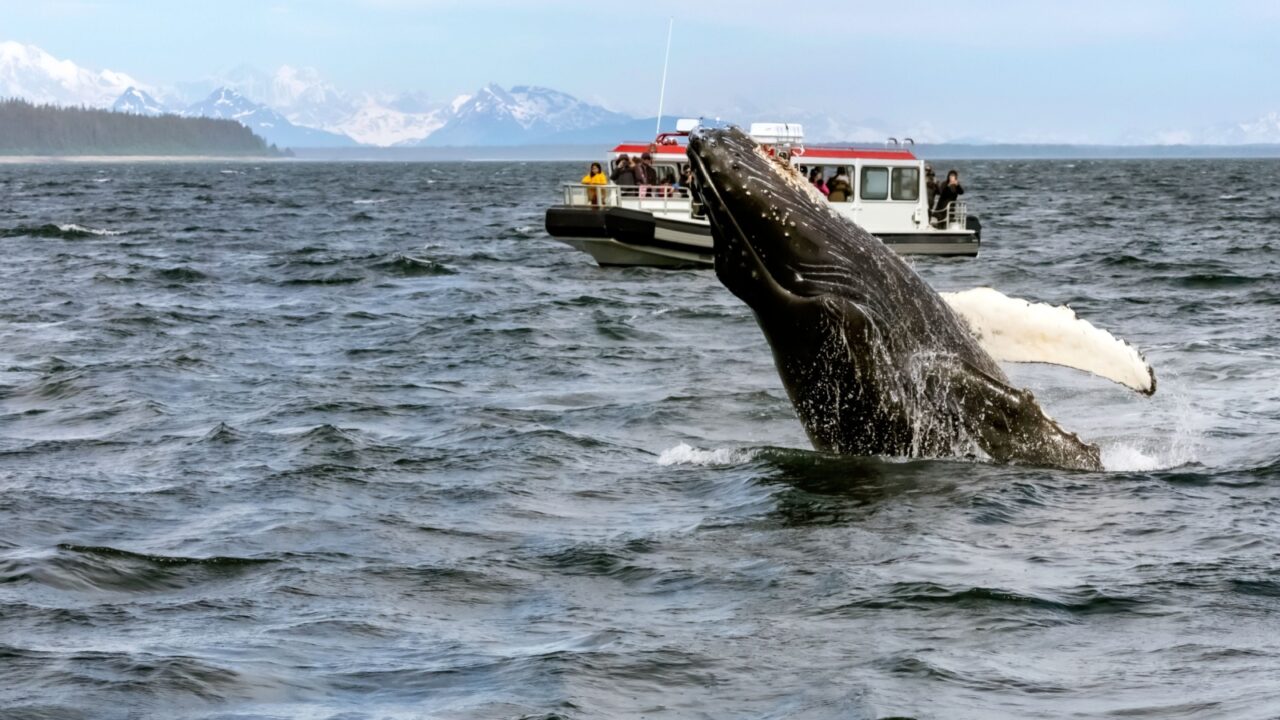
Wildlife-viewing seasons are gradually expanding as summers in Alaska lengthen. Visitors can spot bears, whales, and caribou across a wider time frame than before. This makes both cruise excursions and land safaris more appealing.
Fun fact: Denali National Park had about 498,722 visitors in 2023; earlier peak years (for example, 2019) reached roughly 601,152 visitors. Peak wildlife viewing typically runs from June through early September. Longer daylight hours increase the chances of spotting animals throughout the day.
Glacier access varies widely
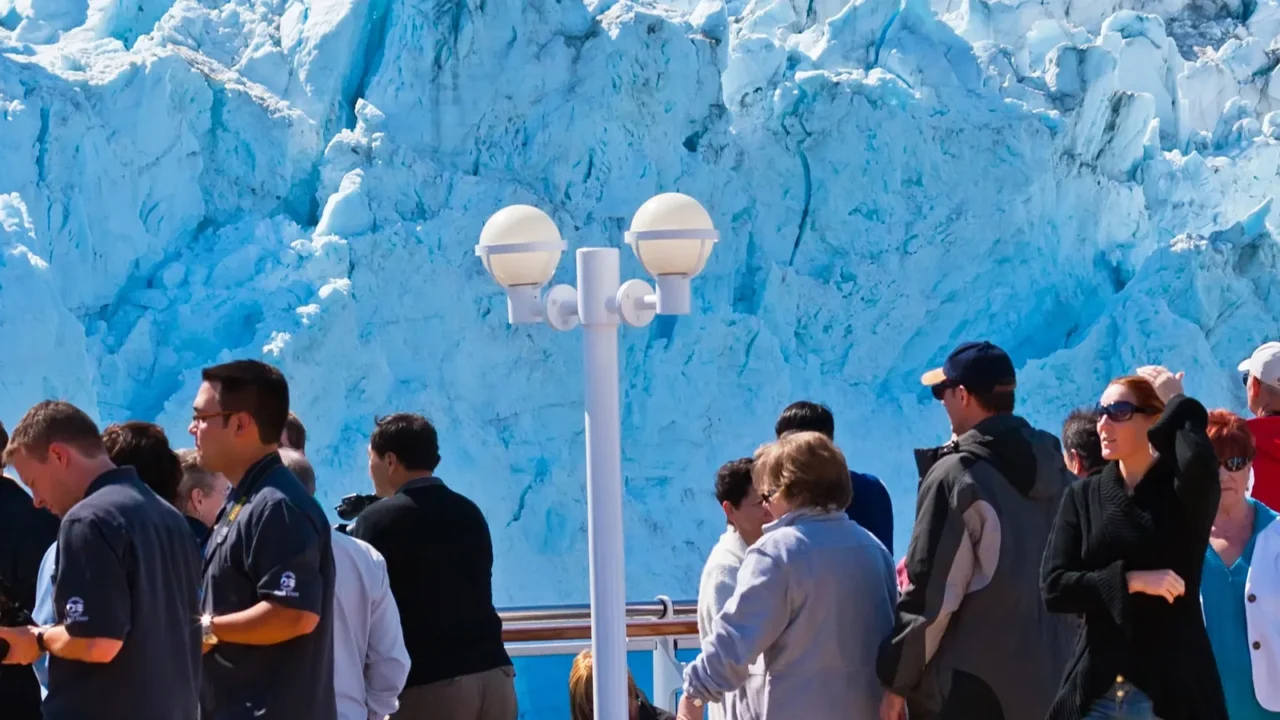
Glacier viewing remains one of Alaska’s top attractions during summer travel. Cruises often include close-up views of glaciers like Glacier Bay and Hubbard Glacier. Land travelers can visit glaciers such as Exit Glacier near Seward.
Fun fact: Federal glacier inventories count more than 100,000 glaciers in Alaska that together cover roughly ~240,000 km² (about 4–5% of the state), making Alaska among the most glacier-rich places on Earth.
Cost differences becoming clearer
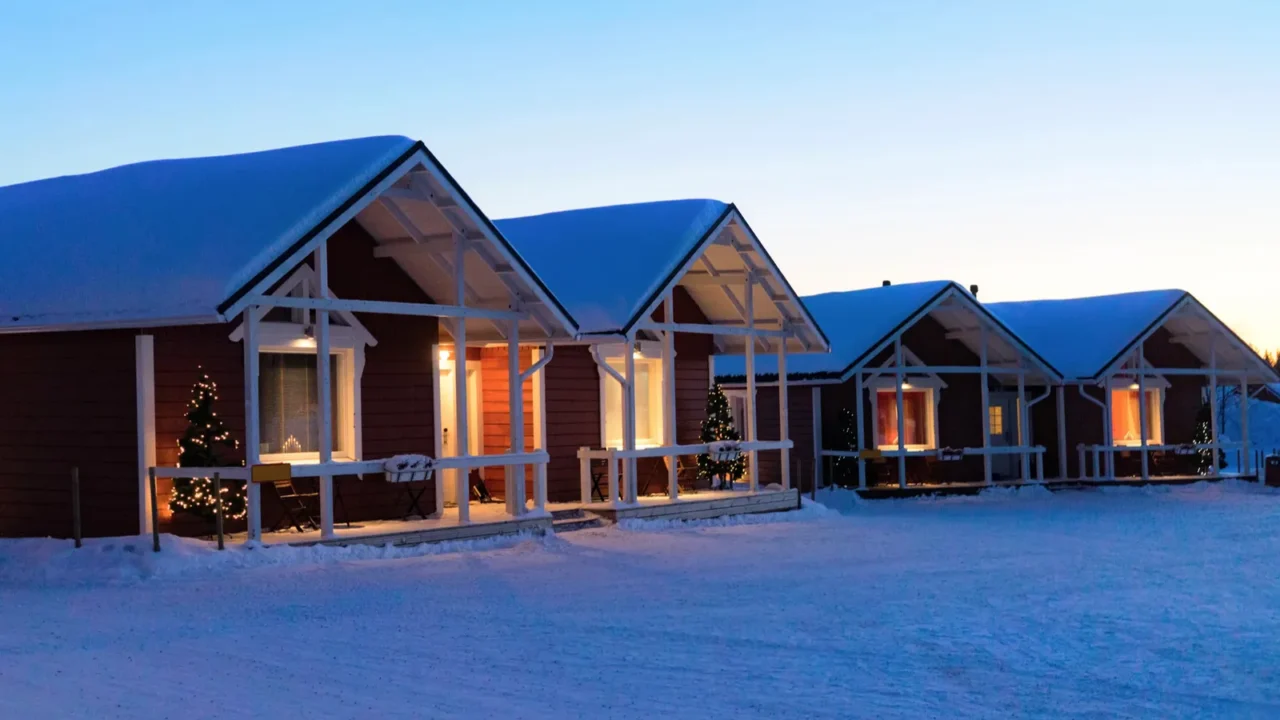
Pricing trends are shifting as Alaska’s travel season becomes longer. Shoulder season cruises in May and September often cost less than peak summer sailings. This creates more affordable options for budget-conscious travelers.
Land trips can vary widely depending on accommodation and transportation choices. Lodges in Denali and Seward often adjust rates based on demand patterns. Travelers are increasingly comparing the value between cruise packages and independent itineraries.
Popular ports still busy
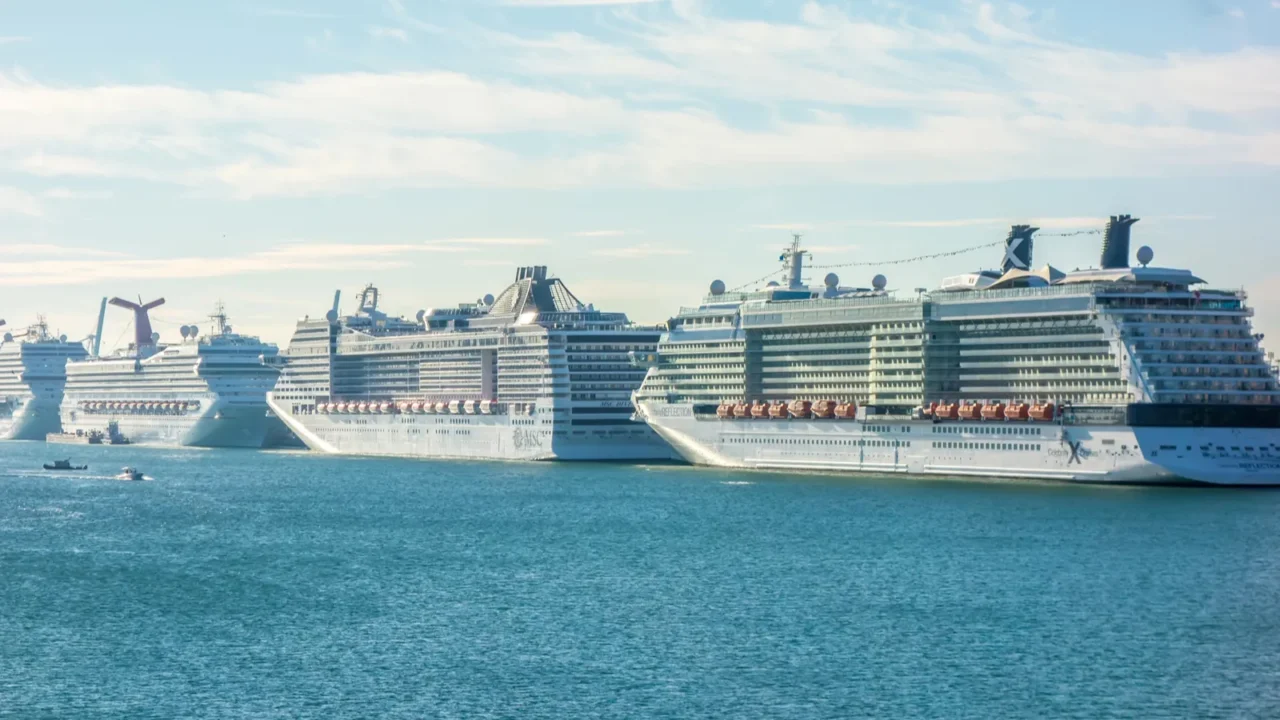
Even with longer seasons, key cruise ports remain busy during peak months. Juneau, Skagway, and Ketchikan still receive large numbers of cruise ships each summer. Infrastructure in these towns is adapting to manage visitor volume.
Some communities are exploring limits on daily cruise arrivals to reduce congestion. Local governments are balancing tourism growth with environmental concerns. The extended season helps spread demand but does not eliminate peak crowds.
Rail travel gaining popularity
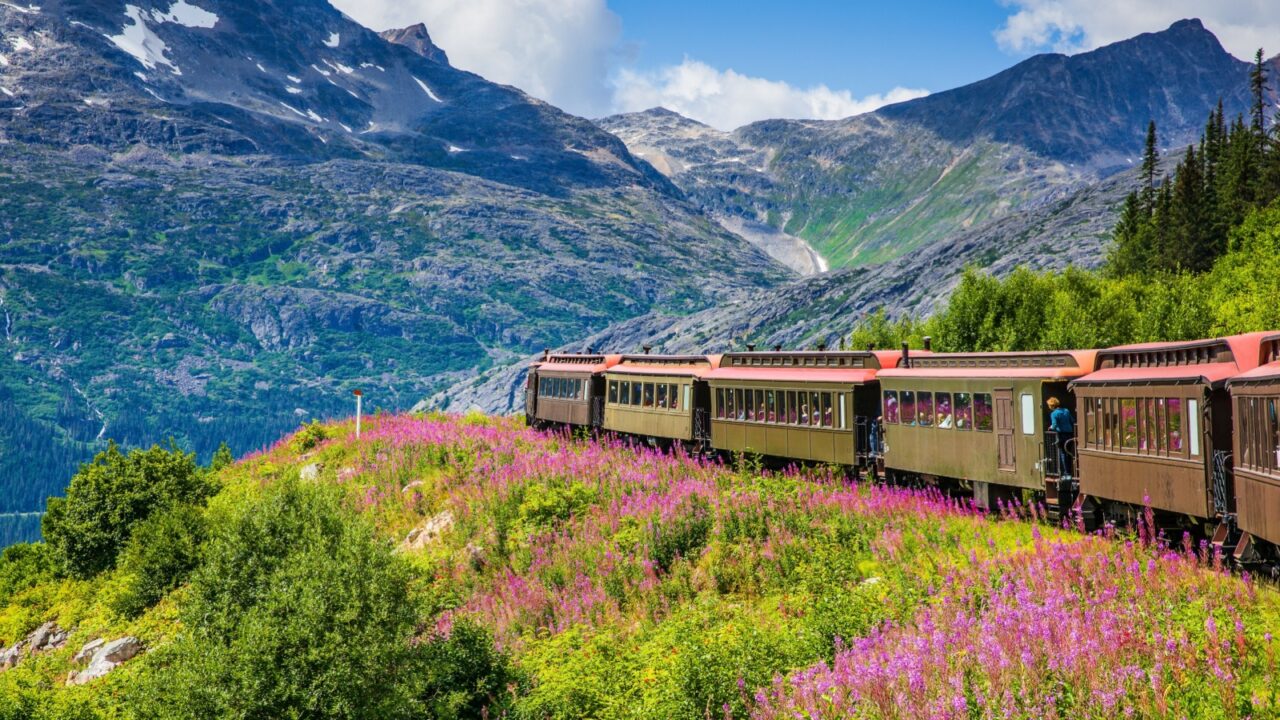
Rail travel is becoming a popular option for Alaska land trips. The Alaska Railroad connects Anchorage, Denali, and Fairbanks with scenic routes. Longer seasons allow more flexible scheduling for train-based itineraries.
The train experience offers panoramic views of mountains, rivers, and wildlife. Many visitors combine rail travel with guided tours and lodging packages. This approach provides a structured yet immersive way to explore Alaska.
Environmental impact under focus
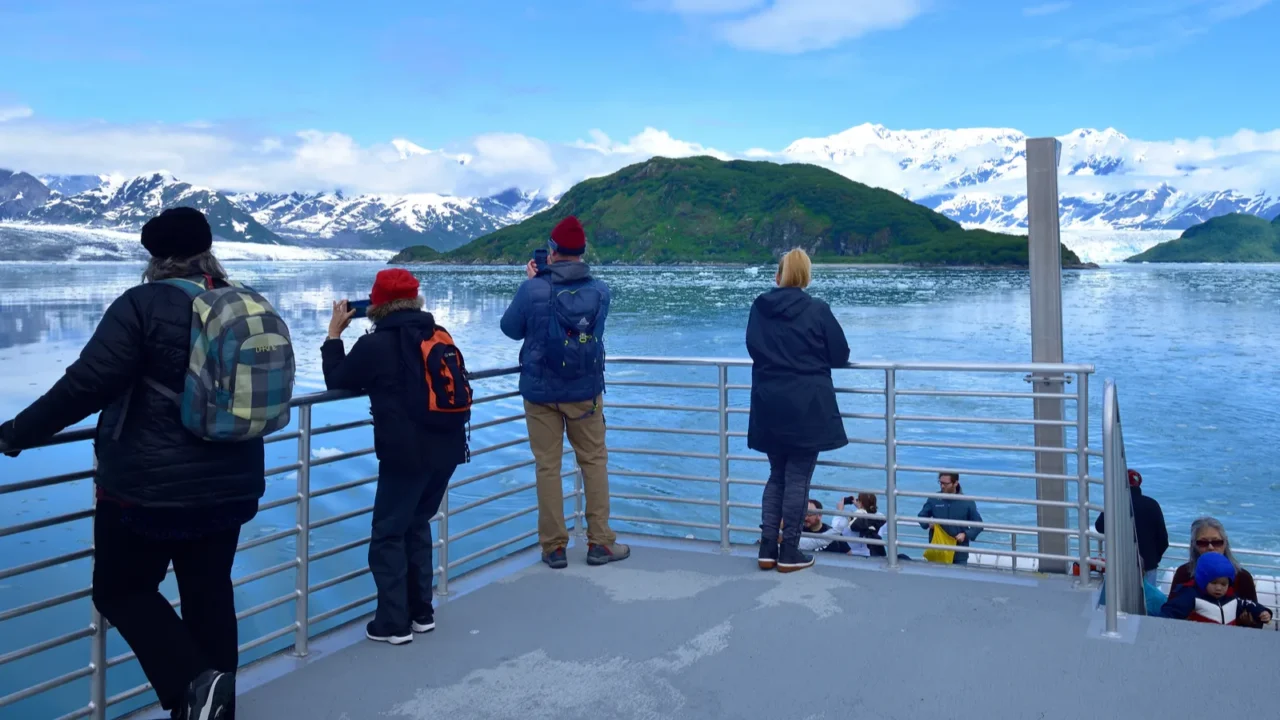
Tourism growth in Alaska is raising concerns about environmental sustainability. Cruise emissions and increased visitor numbers are closely monitored by regulators. National parks are also managing higher visitation levels.
Longer seasons may help distribute environmental pressure across more months. However, conservation groups emphasize careful planning and responsible tourism practices. Balancing growth with preservation remains a key challenge.
Choosing cruise or land
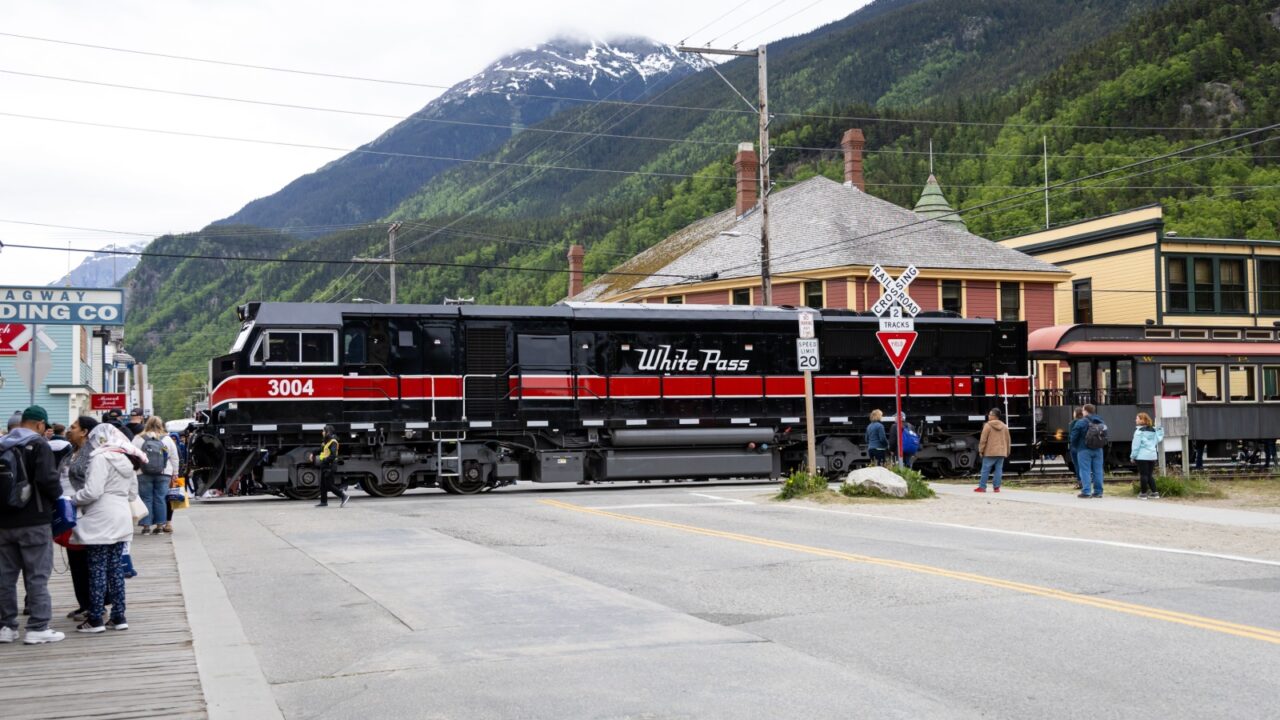
Choosing between a cruise and a land trip depends on travel priorities. Cruises offer convenience, guided excursions, and access to remote coastal areas. Land trips provide flexibility and deeper exploration of Alaska’s interior, though moving to Alaska sounds exciting, until these realities hit.
Many travelers now combine both options in one itinerary. Cruise tours offered by major operators include inland extensions to Denali. This hybrid approach reflects evolving travel preferences across Alaska.

Planning the ideal trip
Alaska’s longer summer season is reshaping how trips are planned each year. Travelers can choose quieter months, lower prices, and varied experiences across the state. The decision between cruise and land travel is becoming more personalized.
The best Alaska trips balance scenic comfort with meaningful exploration across regions. Extended seasons create more opportunities to experience wildlife, glaciers, and culture.
Which style feels right for an Alaska journey this year? Share thoughts below.
This slideshow was made with AI assistance and human editing.
Don’t forget to follow us for more exclusive content right here on MSN.
Read More From This Brand:
