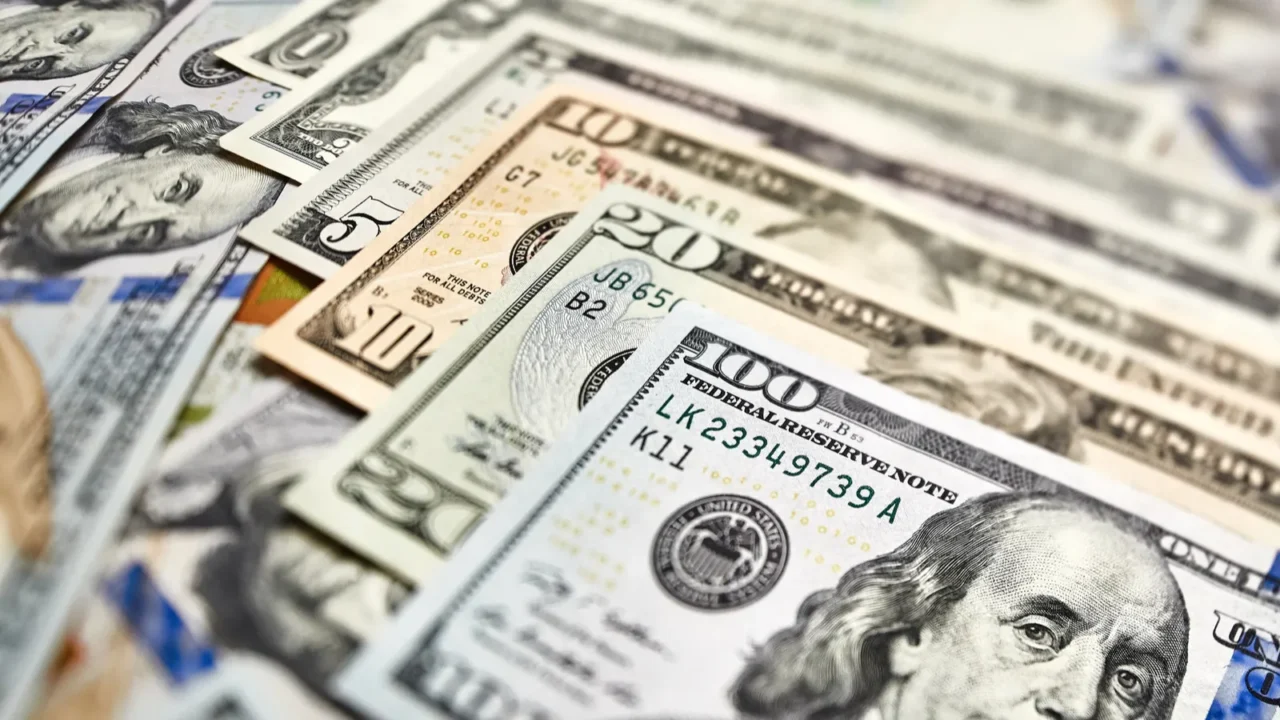
Your dollar, your destination
Currency exchange rates refer to the value of one nation’s currency relative to another, and for American travelers, these fluctuations have become one of the most decisive factors in choosing where to go. As the U.S. dollar strengthens or weakens against foreign currencies, entire travel markets open or close for millions of Americans.
The travel decisions Americans make today are increasingly being shaped not just by airfare or hotel costs, but by what their dollar can actually do once they land. That reality is quietly rewriting the global travel map.
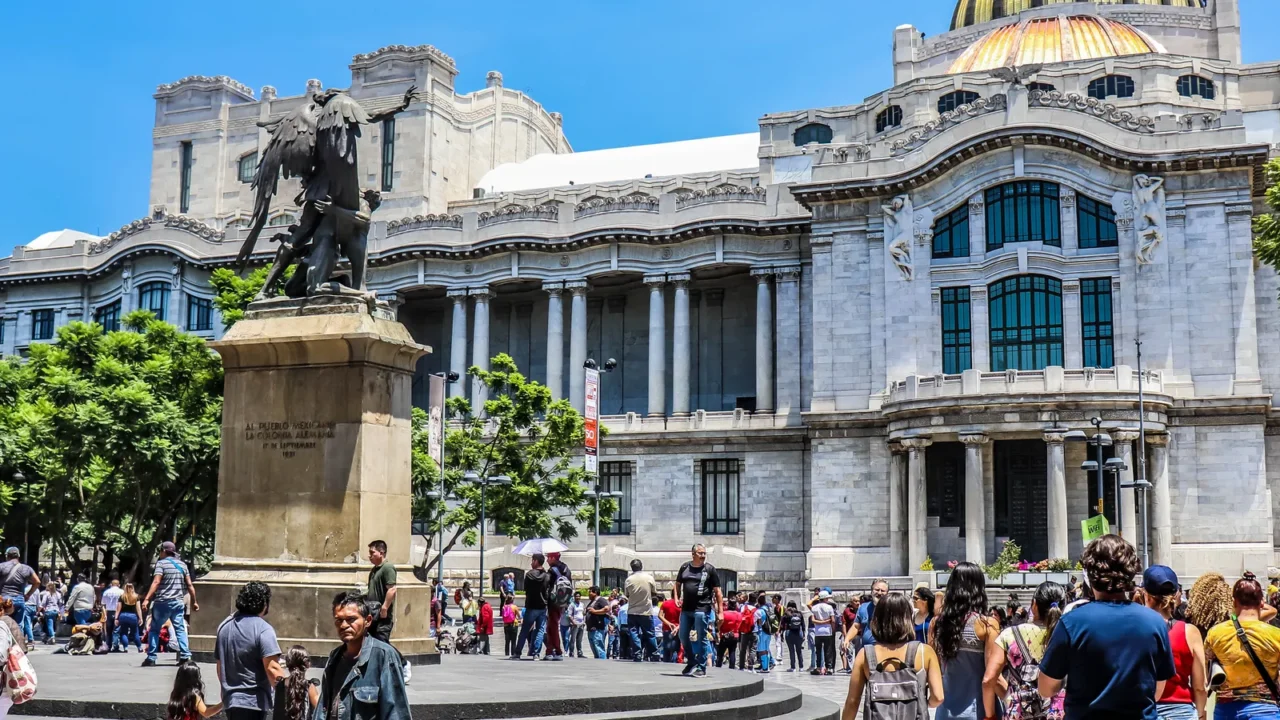
Mexico City costs less now
Mexico City has surged in popularity among American travelers, and the peso exchange rate is a significant reason why. As of 2025, one U.S. dollar has recently traded between roughly 17 and 19 Mexican pesos (depending on market volatility), giving Americans real purchasing power in one of the world’s most culturally rich capitals. Neighborhoods like Roma Norte and Condesa offer world-class dining, galleries, and nightlife at a fraction of what the same experience costs stateside.
Beyond the exchange advantage, Mexico City is a short flight from most major American cities, making it one of the most accessible high-value destinations available. The food scene alone, deeply rooted in pre-Columbian tradition, is worth every peso.
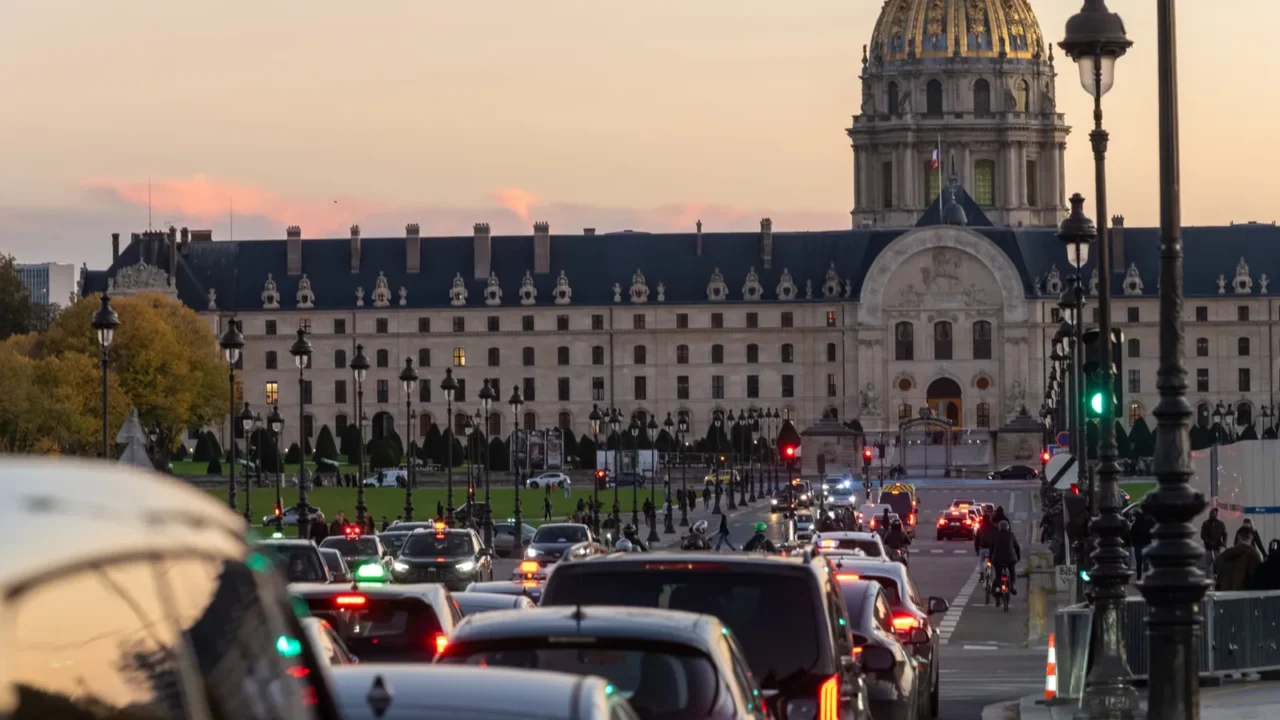
Paris just got more expensive
The euro has at times approached parity with the dollar, but recent shifts have pushed European travel costs up for Americans in ways that demand serious budgeting. Cities like Paris, Rome, and Amsterdam remain magnetically beautiful, but a sit-down dinner in the Marais district or a hotel room near the Colosseum now requires considerably more financial planning than it did even two years ago.
Americans heading to the eurozone in 2025 should build a realistic daily budget that accounts for a less favorable exchange environment. Traveling during the shoulder season, from late September through November, can offset some of that currency pressure while still delivering the full European experience.

The Yen makes Japan irresistible
For years, Japan felt financially out of reach for many American travelers, but a dramatically weakened yen has turned that perception completely on its head. In 2024 and into 2025, the dollar has traded at historically high levels against the yen, sometimes exceeding 150 yen per dollar, according to data from the Bank of Japan. That means everything from ryokan stays in Kyoto to ramen bowls in Tokyo’s Shinjuku district carries a price tag that genuinely surprises American visitors.
Japan’s infrastructure is world-class, its public transit is legendary, and its cultural depth is unmatched. The current exchange rate environment makes this one of the most compelling arguments to book that Tokyo flight before the yen recovers.

Canada’s dollar gap is real
Canada rarely tops American bucket lists the way Southeast Asia or Europe does, but the currency story here deserves attention. The Canadian dollar has consistently traded at a discount to the U.S. dollar, meaning Americans get more for their money in cities like Montreal, Quebec City, and Vancouver than many people realize. Montreal in particular offers a European atmosphere, outstanding food, and bilingual culture at prices that make it an exceptional value.
Fun fact: The Canadian dollar earned the nickname “Loonie” because the common loon bird appears on the one-dollar coin. According to the Royal Canadian Mint, over 2 billion loonies have been produced since the coin launched in 1987, making it one of the most circulated coins in North American history.
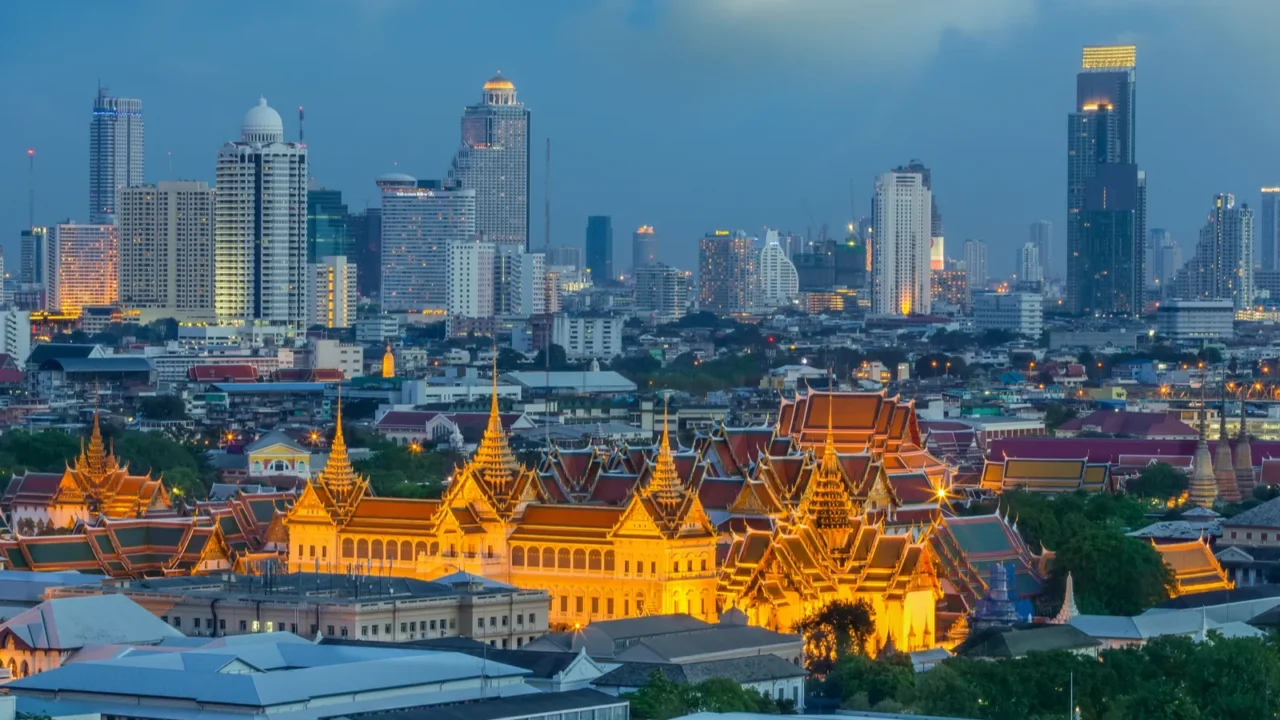
Southeast Asia still delivers big
Few regions on earth offer Americans the kind of currency-driven value that Southeast Asia does, and that remains true heading into 2025. In Thailand, the baht gives American travelers extraordinary leverage, with beachfront bungalows in Koh Samui, street food feasts in Chiang Mai’s night markets, and rooftop bars in Bangkok all landing at prices that feel almost unrealistic by American standards. Bali, Indonesia, offers a similar dynamic with the rupiah trading favorably against the dollar.
The cost of flights from the United States to this region has admittedly crept up, but once Americans land in Bangkok or Denpasar, the daily spending becomes so manageable that the total trip cost often rivals a domestic vacation. The value ratio in this part of the world remains genuinely exceptional.
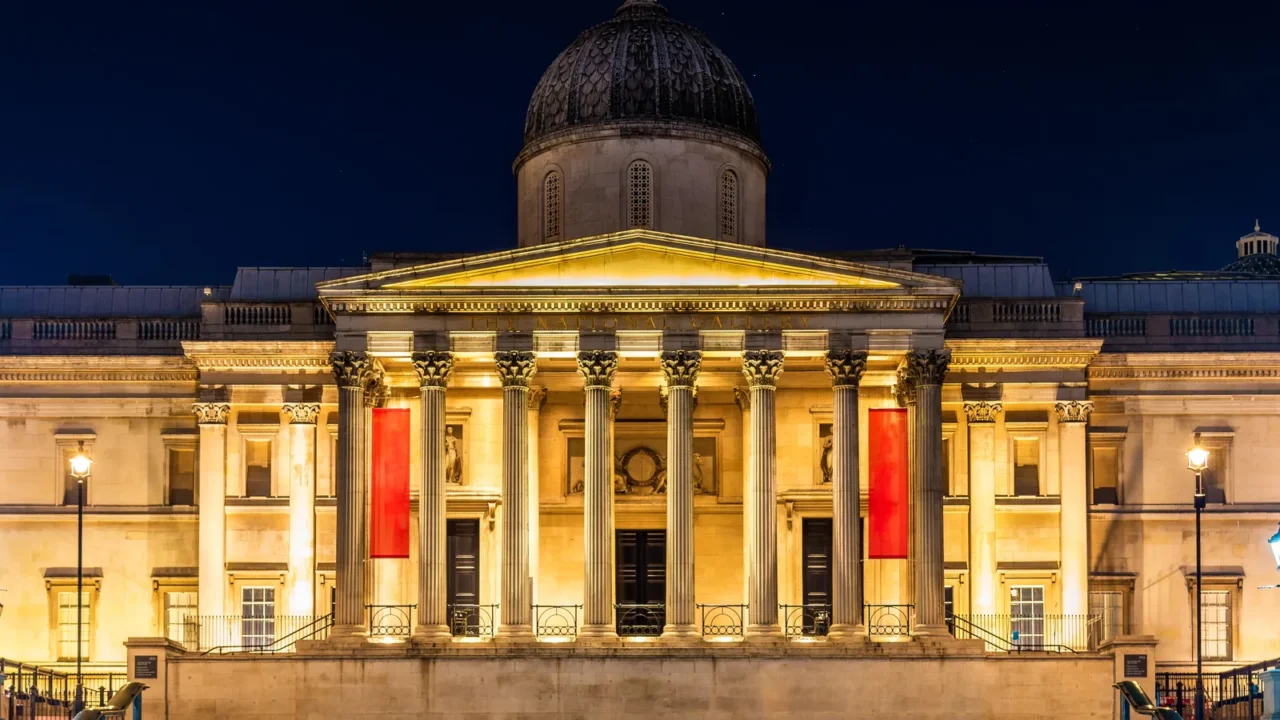
The Pound still punishes visitors
London has never been a bargain destination for Americans, and the British pound continues to make that abundantly clear. Even with some post-Brexit volatility that briefly softened the pound, the exchange rate for American visitors remains unfavorable enough that a week in London easily rivals the cost of two weeks in Southeast Asia. A pint in a Soho pub, a black cab across the city, or a hotel room near Covent Garden all carry prices that register sharply against the dollar.
That said, London’s draw is undeniable. The British Museum, the West End theater scene, and the food culture of neighborhoods like Shoreditch and Borough Market make it worth budgeting aggressively for. Knowing what you are walking into financially is the first step to enjoying it fully.
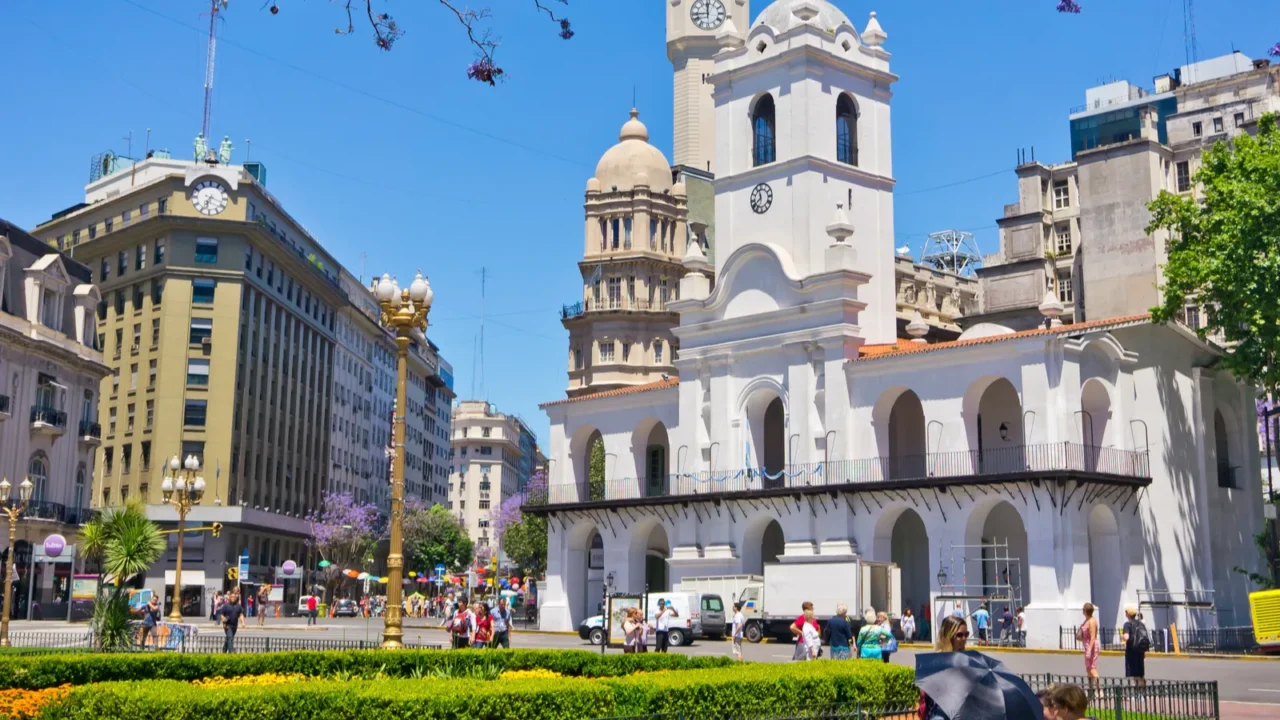
Buenos Aires, America’s secret deal
Argentina has been navigating one of the most turbulent currency crises in its history, and for American travelers, that economic pain has translated into an almost surreal degree of purchasing power. Buenos Aires, a city of grand European architecture, legendary steakhouses, and a tango culture unlike anything else in the world, has become one of the most talked-about value destinations for Americans willing to understand how the local economy functions.
Exchange rates in Argentina require careful navigation, and travelers should consult resources like the U.S. Department of State’s country information pages before traveling. When done thoughtfully, a trip to Buenos Aires offers a level of luxury at a fraction of what comparable experiences cost in any other major world city.
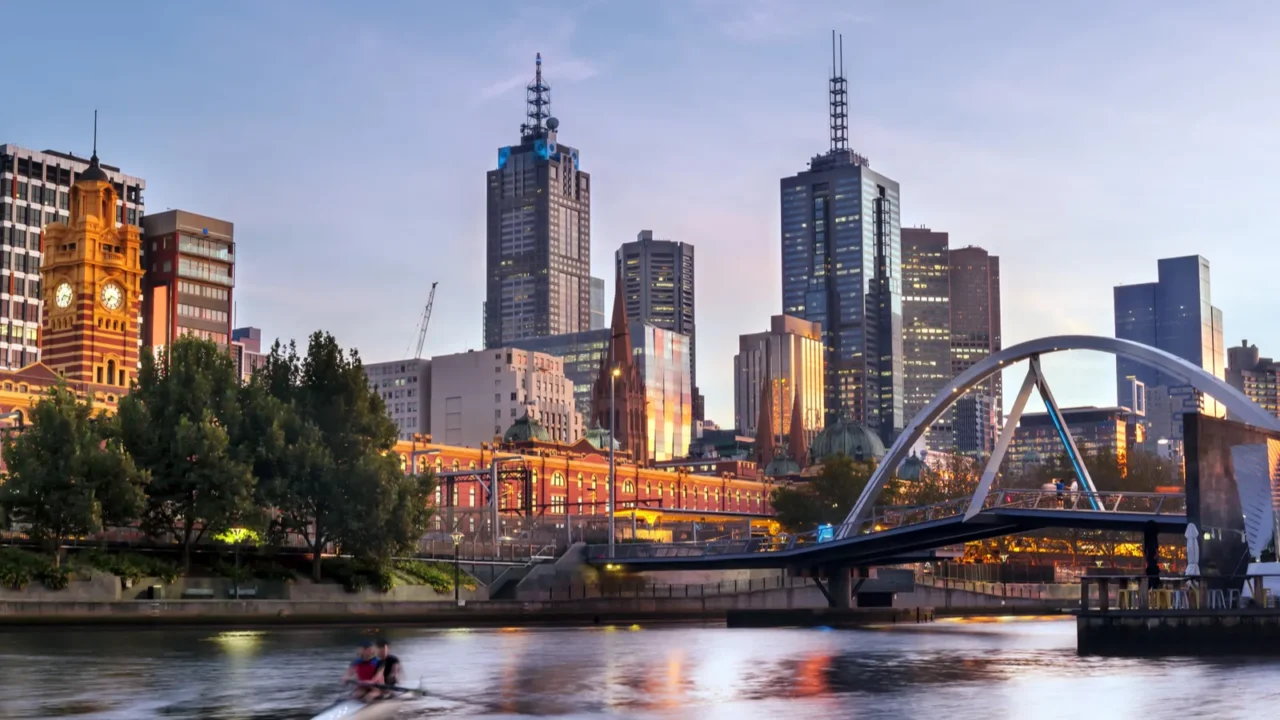
Australia’s Dollar surprises Americans
Australia tends to get grouped with Southeast Asia in travel planning conversations, but the exchange reality is starkly different. The Australian dollar trades at a meaningful discount to the U.S. dollar, which helps, but Australia is inherently an expensive country with a high standard of living, strong labor costs, and prices for food and accommodation that rival major American cities. Sydney and Melbourne are stunning, world-class destinations, but they will test your travel budget in ways Bali will not.
Fun fact: Australia is the only country that occupies an entire continent. According to Geoscience Australia, the continent covers approximately 7.7 million square kilometers, making it the sixth-largest country on earth by total area, yet it holds one of the lowest population densities globally.
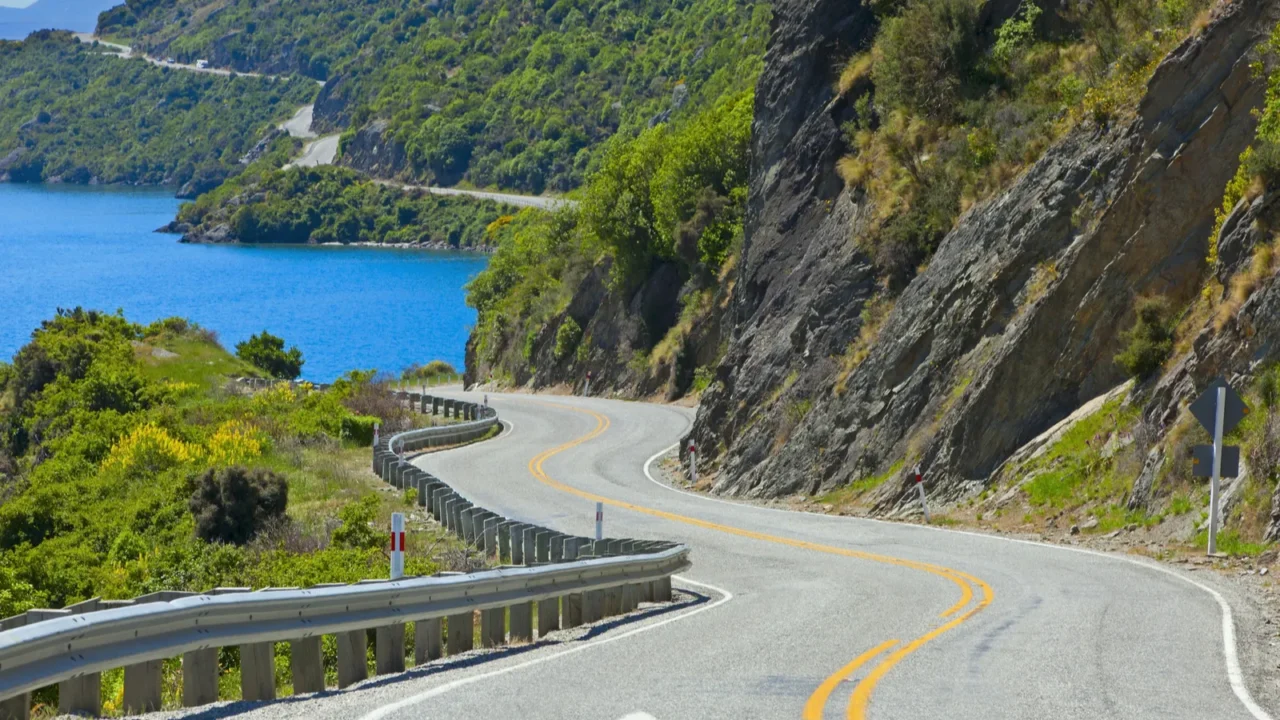
New Zealand’s rate rewards explorers
New Zealand offers one of the most rewarding currency dynamics for American travelers who make the long journey to the South Pacific. The New Zealand dollar consistently trades at a discount to the U.S. dollar, meaning that the jaw-dropping fjords of Milford Sound, the geothermal wonders of Rotorua, and the wine country of Marlborough all become more financially accessible than their visual grandeur might suggest.
The country has built an international reputation through its film landscapes and adventure tourism infrastructure, and the exchange rate in 2025 makes those experiences affordable at prices that reward the effort of getting there. For Americans craving dramatic natural beauty without European price tags, New Zealand deserves serious consideration.
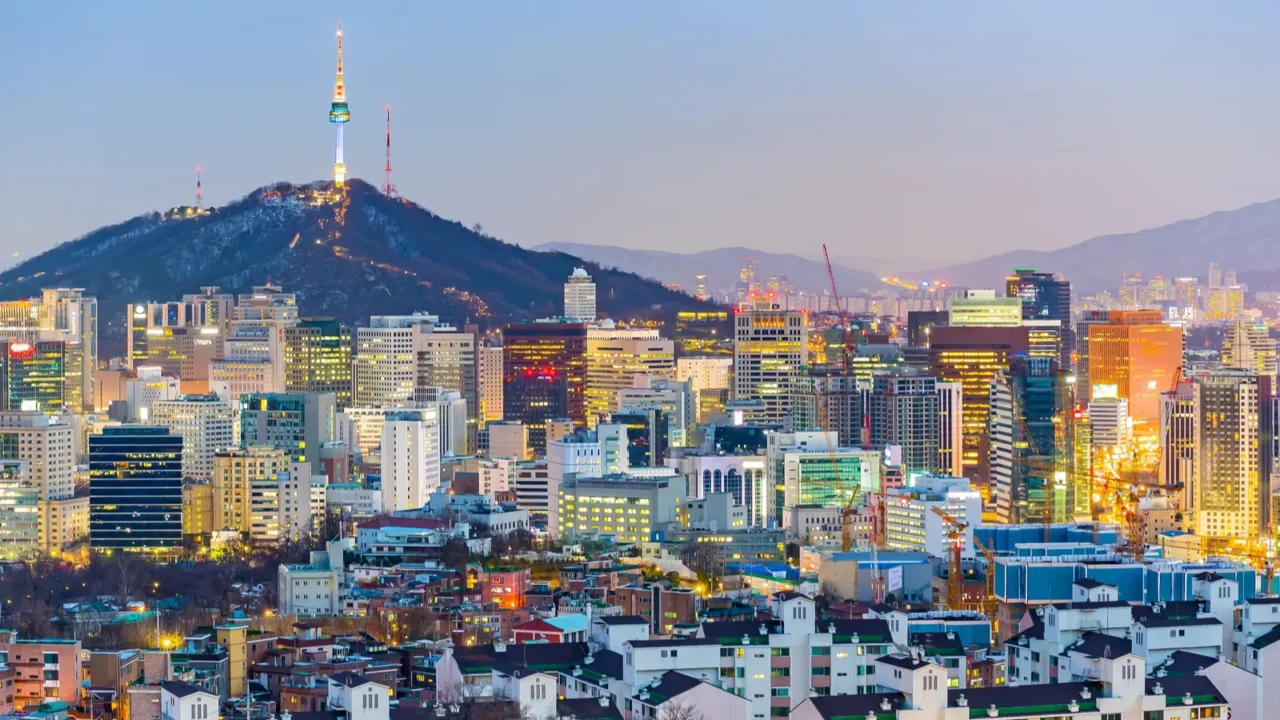
Seoul is quietly winning Americans over
South Korea’s won has made Seoul one of the most compelling currency-value stories in Asia for American travelers right now. The dollar performs strongly against the won, which means that the vibrant street food culture of Gwangjang Market, luxury skincare shopping in Myeongdong, and the historic palaces of Gyeongbokgung all come at prices that make American visitors do a double-take at their receipts.
South Korea also has a tourism infrastructure that rivals any destination in the world, with clean transit, remarkable food safety standards, and English-language accessibility in its major cities. The cultural wave driven by Korean cinema, music, and cuisine has made Seoul a destination that now draws travelers on its own merits, with the exchange rate serving as the deciding push.
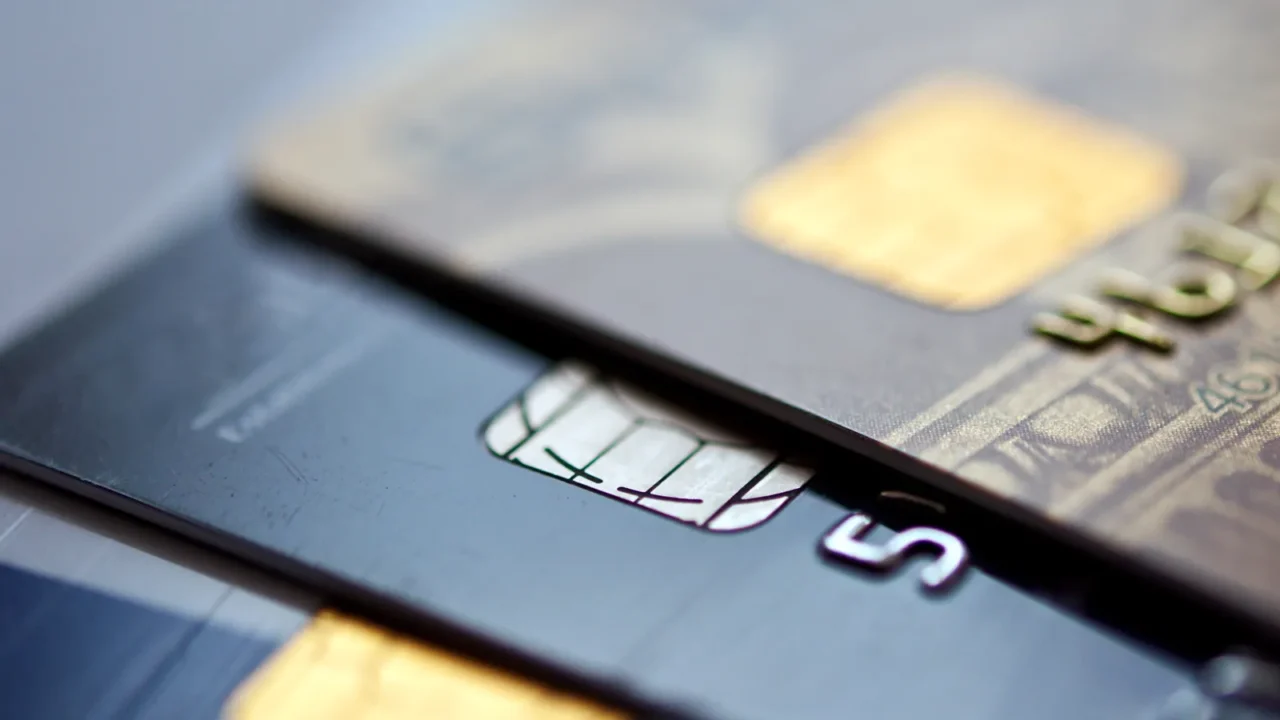
Your bank might be the villain
Favorable exchange rates mean little if your bank quietly erases them through foreign transaction fees, dynamic currency conversion charges, and ATM withdrawal costs. The rate you see advertised and the rate you actually receive are frequently two very different numbers.
Currency volatility is not going away, and the smartest move any American traveler can make right now is getting ahead of it. Check what your current card charges internationally, compare it against a travel-optimized alternative, and make that one switch before your next departure date. That single decision could save you hundreds of dollars that the exchange rate already put in your pocket.
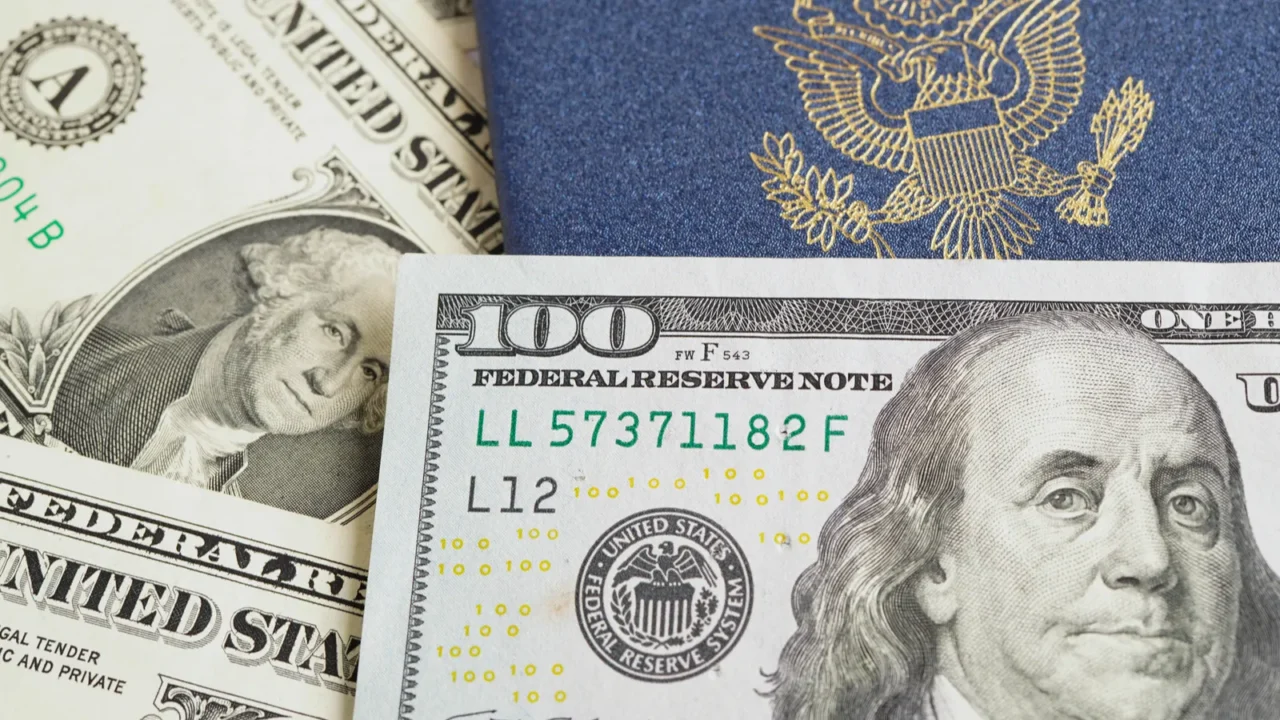
The map is always changing
A strong dollar does not just save money; it actively boosts travel. It upgrades the hotel, extends the trip, adds the excursion you would have skipped, and turns a decent vacation into a genuinely life-changing one. More destinations are within reach right now than most Americans realize.
Start tracking exchange rates for your top three dream destinations today, even if your trip is months away. Tools like Google Finance and Xe.com update in real time and take thirty seconds to check. The traveler who books when the dollar is strong does not just save money, they stretch an ordinary budget into an extraordinary experience. That upgrade starts with paying attention right now.
The flight you have been putting off might actually be cheaper than your last road trip. Which destination surprised you the most, and is it already moving up your list?
This slideshow was made with AI assistance and human editing.
Don’t forget to follow us for more exclusive content right here on MSN.
Read More From This Brand:
