Airspace closures disrupting global airline operations
The International Air Transport Association says airspace closures across several regions are beginning to influence global airline operations and passenger travel times. Aviation disruptions linked to conflicts in areas such as the Middle East and Eastern Europe are forcing airlines to avoid certain corridors. These changes can increase flight duration and airline operating costs.
Flights connecting major airports like New York’s John F. Kennedy International Airport and London Heathrow Airport are among those seeing route adjustments. Airlines must reroute aircraft around restricted airspace to maintain safety. These detours are raising questions about travel time and future ticket prices.
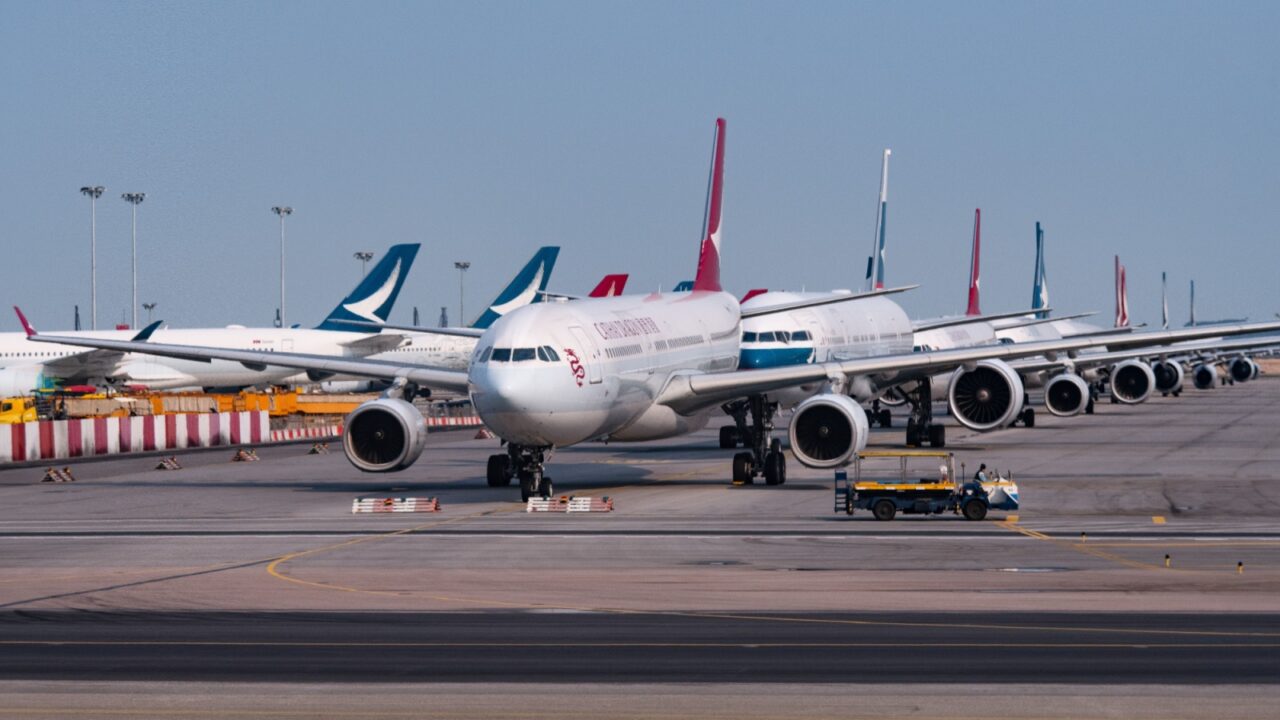
IATA monitors global aviation
The International Air Transport Association monitors airspace restrictions and regularly warns that geopolitical tensions can force airlines to reroute or suspend services. Airlines rely on this information when adjusting international flight routes between continents. Safety advisories help determine which regions remain safe for civilian aircraft.
IATA and industry analysts say global networks rely on efficient transcontinental corridors between Europe, Asia and North America, and closures of those corridors create costly detours. When one region closes its airspace, airlines must shift to longer paths elsewhere. This shift can increase both travel time and operating costs.

IATA highlights rising costs
IATA has also warned that rerouted flights may increase airline operating expenses. Longer routes require more fuel and sometimes additional crew planning. These operational changes can gradually influence ticket prices.
Flights connecting cities like Los Angeles, Chicago, and Dubai may require new paths around restricted airspace. Airlines must calculate fuel requirements carefully before departure. These adjustments add complexity to international travel planning.
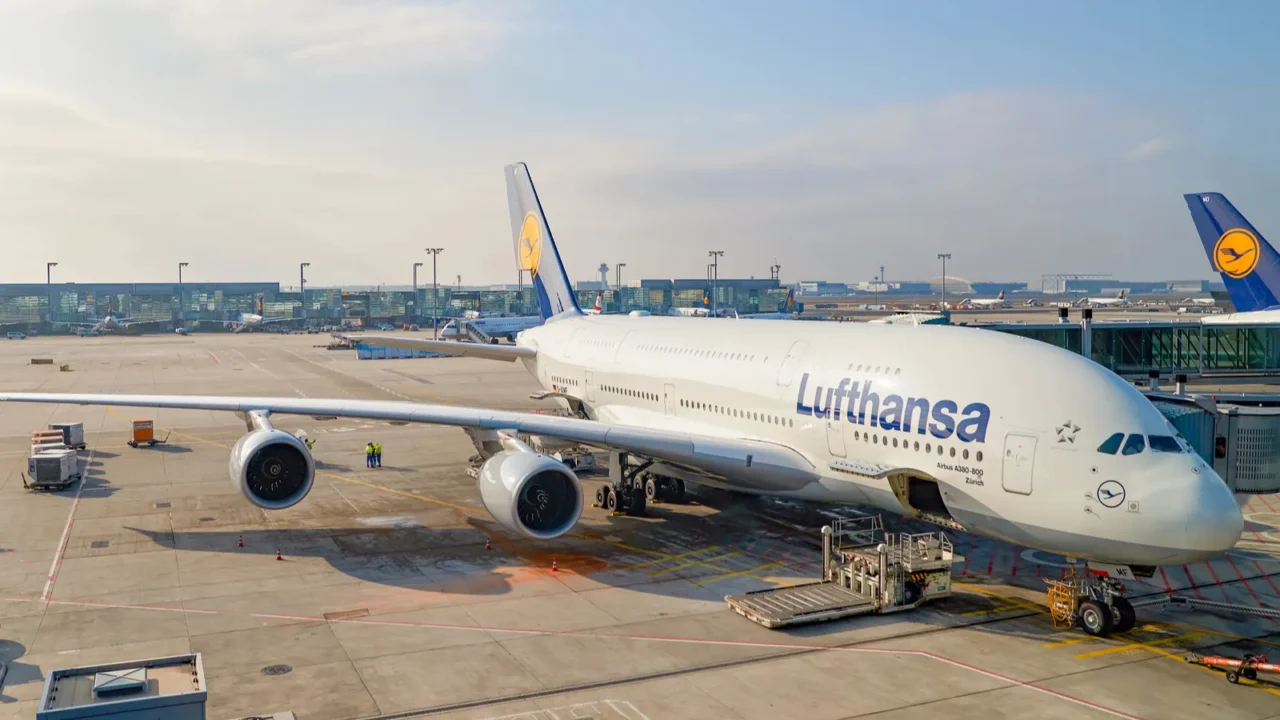
Airspace closures reshape routes
Airspace closures have become a major factor shaping modern aviation routes. Conflicts in regions such as Ukraine and parts of the Middle East have already forced airlines to avoid certain corridors. These restrictions affect flights between Europe, Asia, and North America.
Airlines once relied on direct routes crossing Russia, Iran, or Iraq for efficient long-distance travel. When these routes close, aircraft must travel around them. Even small detours can extend journeys significantly.
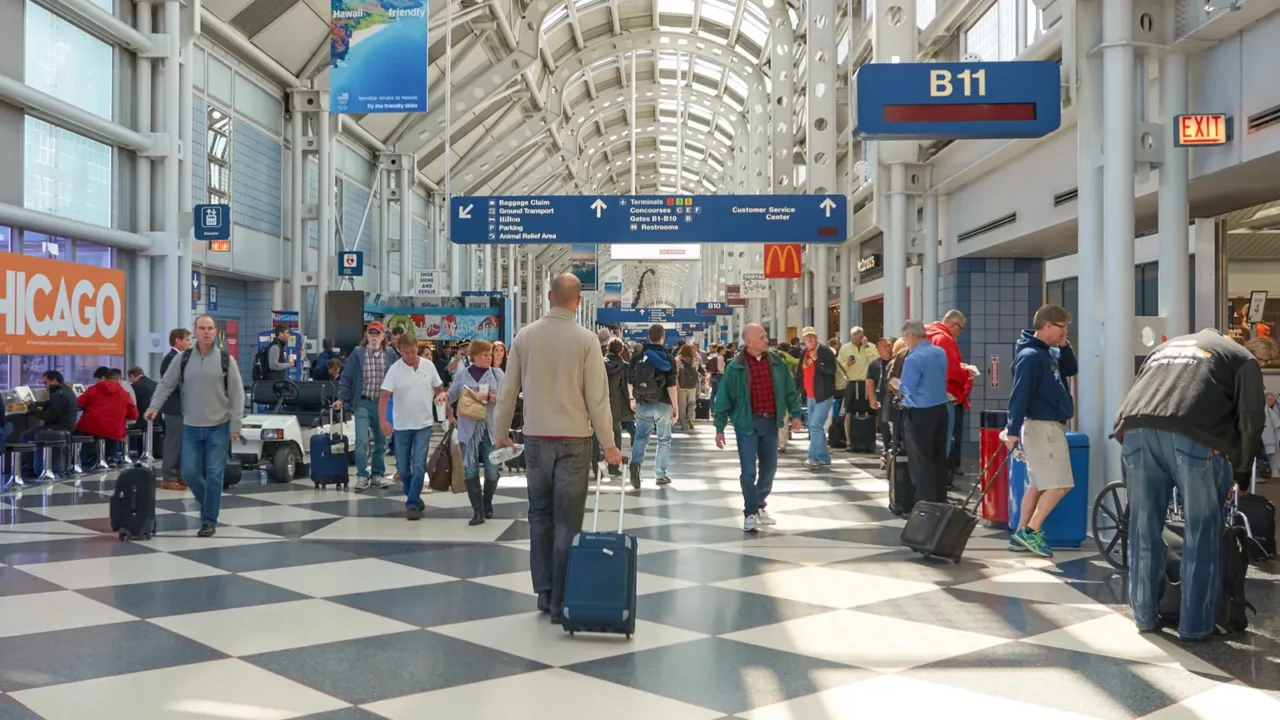
U.S. international flights impacted
Flights departing from major United States airports are also feeling the effects of these changes. Airports such as Los Angeles International Airport, Chicago O’Hare International Airport, and Newark Liberty International Airport operate long-distance routes across several continents. Many of these routes normally pass through sensitive regions.
When airspace closes, airlines must quickly redesign flight plans. Some flights may take longer northern or southern routes. These adjustments help airlines avoid restricted zones while continuing operations.
Detours add extra miles
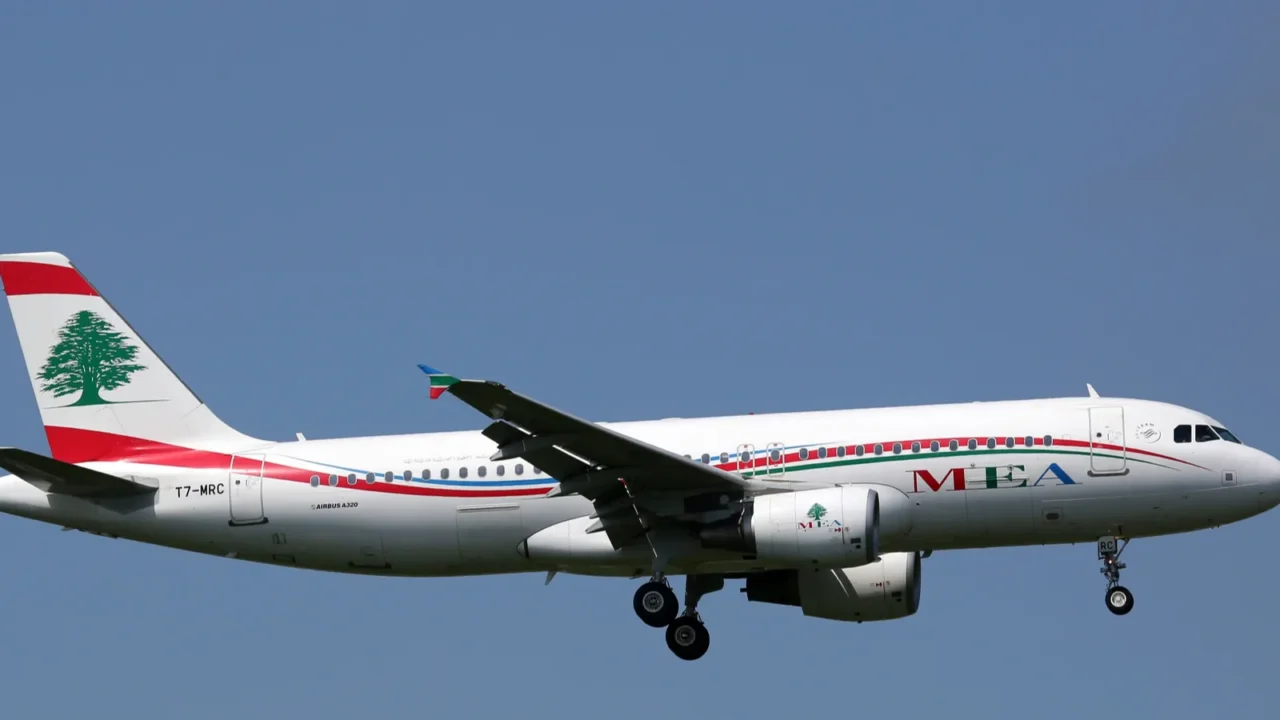
Rerouting can add hundreds of miles to long-haul flights; for example, Europe–Asia services that once crossed Russian or Iranian airspace now often detour via Central Asia, Turkey/Caucasus or far-northern polar routes — choices that increase flight time and fuel burn.
Aviation analysts have said that some rerouted long-distance flights during Middle East tensions can add extra miles to the journey. That additional distance can extend travel times by several hours, depending on wind conditions.
Aviation corridors become crowded
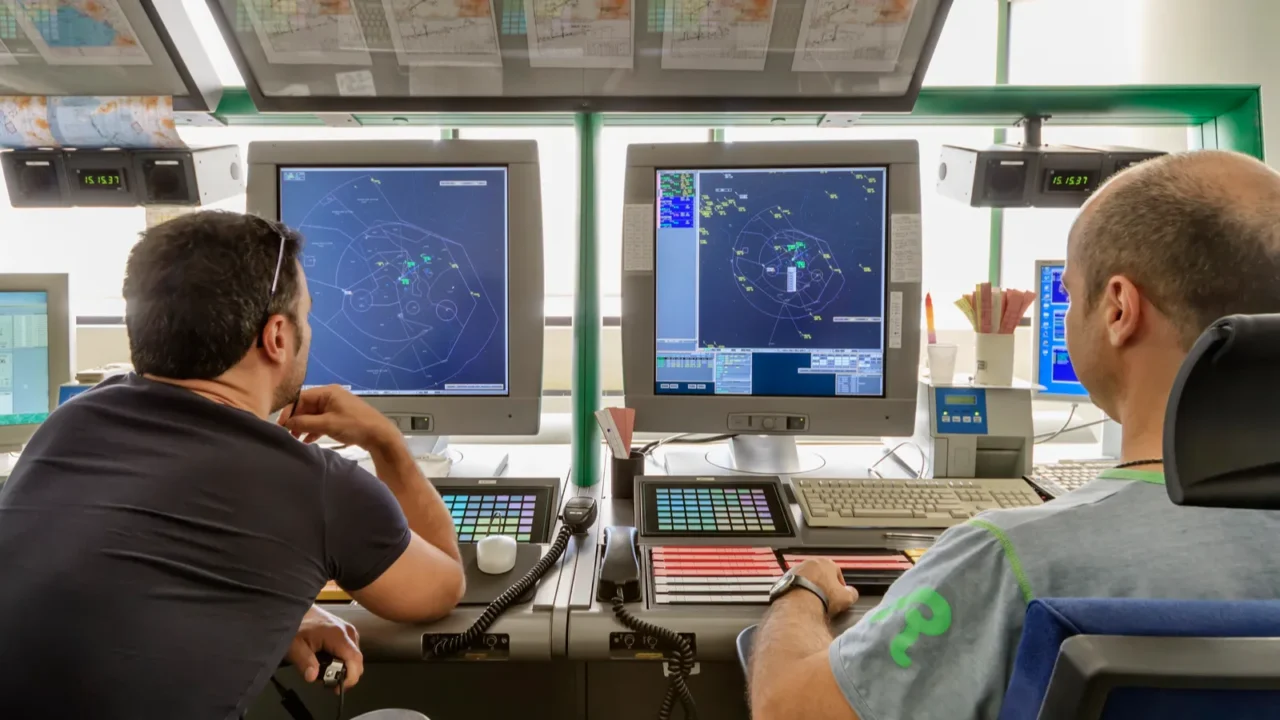
When airlines move away from restricted airspace, alternative routes become busier. Air traffic controllers must manage additional flights passing through limited corridors across regions like Turkey or the Caucasus. These narrow pathways suddenly carry far more aircraft.
According to aviation analysis, airlines sometimes schedule flights minutes apart along the same safe corridor when major airspace regions close. This careful spacing helps air traffic control maintain safe distances between aircraft while managing the surge in rerouted flights.
Airlines face fuel pressure
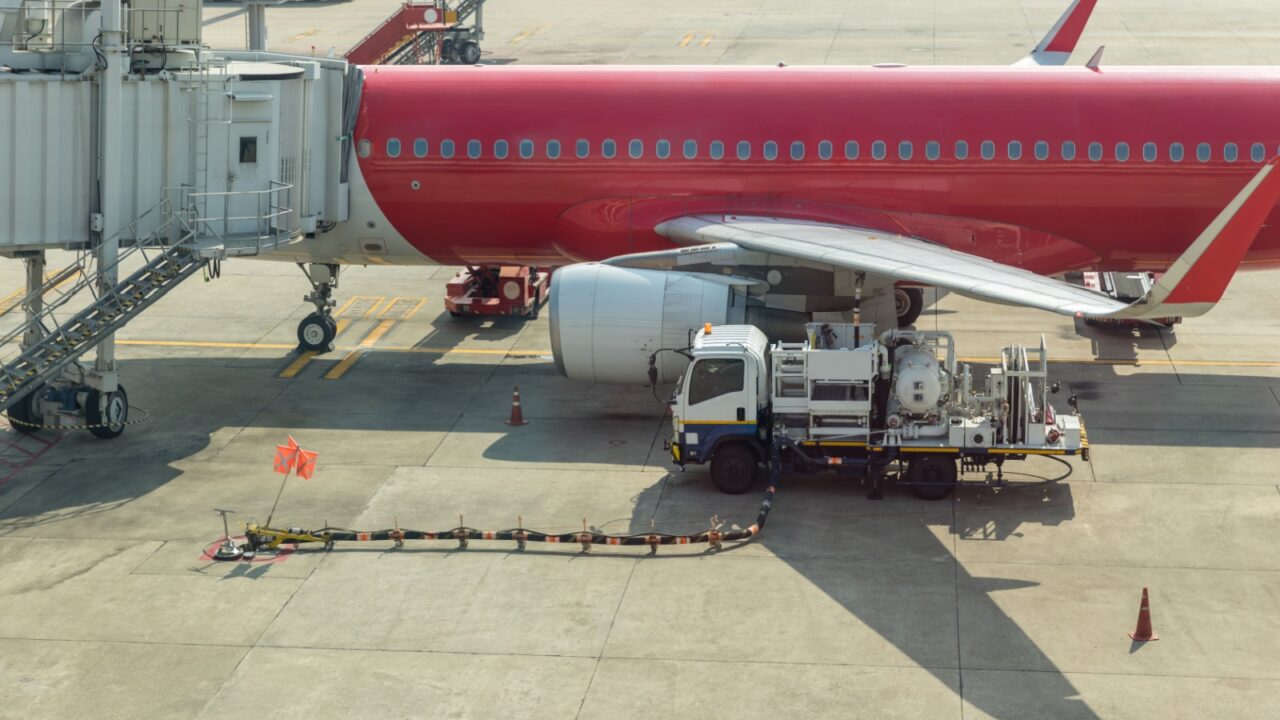
Longer routes increase fuel consumption for airlines operating international flights. Fuel already represents one of the largest operating expenses for commercial aviation. When flights travel farther, airlines must absorb higher costs.
Global oil markets also react quickly to tensions in the Middle East. Rising oil prices can amplify the financial pressure caused by longer routes. Airlines monitor fuel markets closely during geopolitical crises.

Ticket prices may rise
Higher operating costs sometimes translate into increased ticket prices for travelers. Airlines rarely raise prices immediately, but long-term cost pressures can influence fares. Route changes and fuel costs both play a role.
Flights between cities such as New York, Dubai, London, and Singapore could eventually reflect these adjustments. Airlines aim to balance operational costs while keeping travel accessible. Pricing decisions depend on multiple economic factors.
Airlines improve route planning
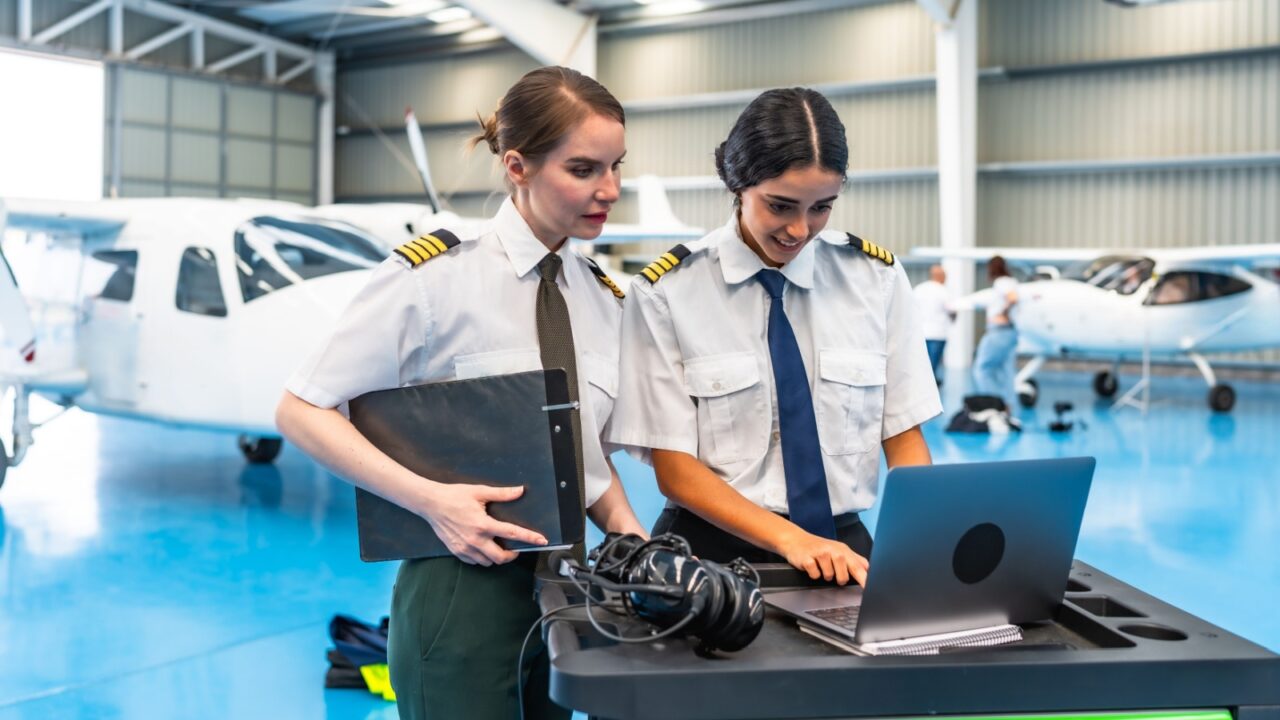
Airlines use sophisticated planning tools to manage complex international routes. Dispatch teams evaluate weather systems, fuel needs, and security advisories before approving flight paths. These systems help airlines operate safely even during disruptions.
Modern aviation technology also analyzes real-time flight data from around the world. This information helps airlines identify the most efficient alternate corridors. Strong planning systems keep global travel networks functioning.
Travelers see longer journeys
Travelers may notice longer flight durations on some international routes; North America–Asia journeys can be one to several hours longer than they were before major corridor closures. These changes reflect evolving aviation corridors.
Airports such as San Francisco International Airport and Seattle-Tacoma International Airport have reported longer travel times on some trans Pacific flights. Airlines update schedules to reflect these new routes. Travelers often see the changes before departure.
Aviation adapts quickly
Despite airspace closures, the aviation industry continues operating efficiently worldwide. Airlines have developed flexible systems that allow quick route adjustments when conditions change. Dispatch teams constantly monitor safety updates.
Technology helps airlines track weather, congestion, and geopolitical developments in real time so they can choose safe alternate routings. Separately, Delta has reinstated nonstop Boston–Honolulu (BOS–HNL) service — currently one of the longest scheduled U.S. domestic routes by distance/time (~11–12 hours).
Future travel routes evolving
Global travel routes will likely continue evolving while airspace closures remain in place. Airlines and aviation authorities regularly reassess conditions across sensitive regions. These reviews help ensure passenger safety.
Flights linking cities like Los Angeles, London, Dubai, and Tokyo may continue using alternate paths for some time. The aviation industry remains focused on maintaining safe and reliable travel worldwide.
Which international route have you experienced as noticeably longer or more disrupted recently? Share your experience below.
This slideshow was made with AI assistance and human editing.
Don’t forget to follow us for more exclusive content right here on MSN.
Disclaimer: The photos are for representation only and does not depict the actual place.
Read More From This Brand:
