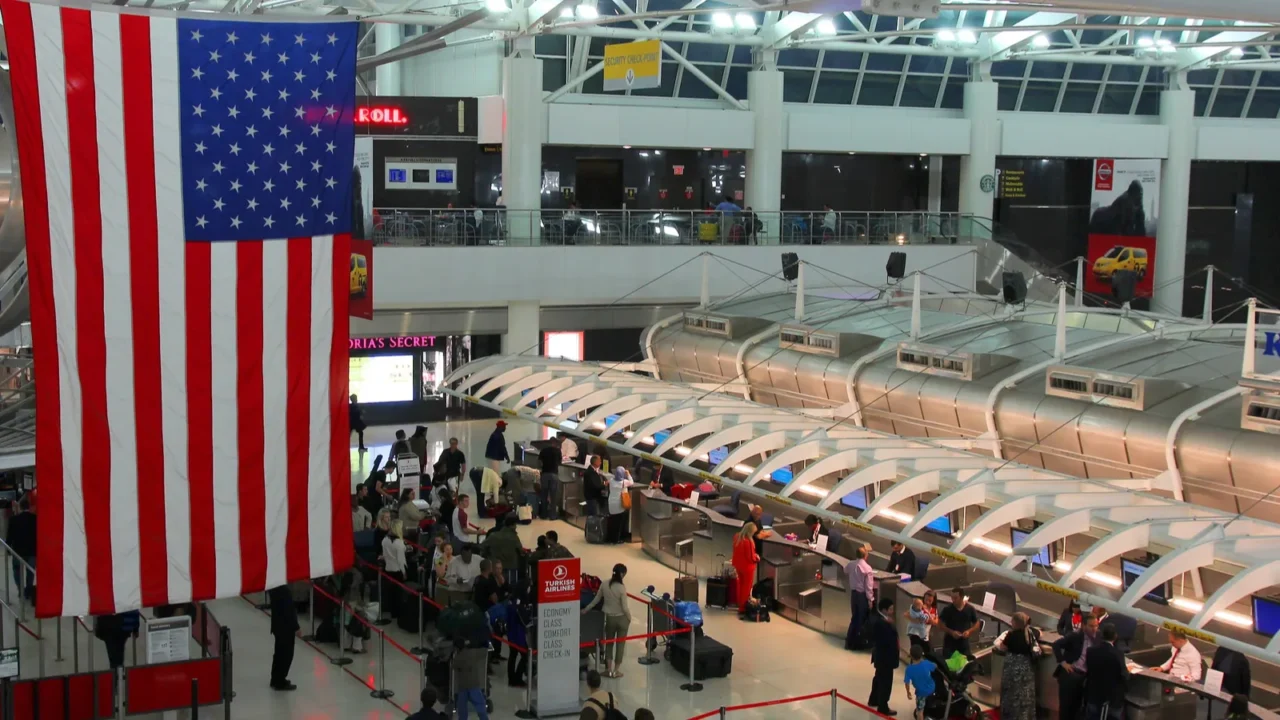
America’s empty welcome mat
The “Trump slump” is the phrase American tourism workers now use for something the federal government has been slow to say out loud. In 2025, the U.S. stood out for the wrong reasons: Tourism Economics revised its outlook in April to forecast a 9.4% decline in international arrivals to the United States for the year, while the World Travel & Tourism Council estimated U.S. international visitor spending would fall by about $12.5 billion. These industry figures make the U.S. an outlier among major travel markets in 2025 and match the firms’ public statements.
It hit harder than the 2017 slump, touching every sector, from Nevada casino floors to New York Broadway houses, border diners to convention halls, without mercy and without much honest public acknowledgment from Washington.
The forecast that flipped
Tourism Economics entered 2025 with optimistic forecasts but publicly revised its outlook in April, saying it now expects a 9.4% decline in international visitor arrivals for the year—an unusually large downward revision that the firm highlighted in its April statement. The firm linked the downgrade to policy shocks and booking data showing sharply reduced inbound demand from key markets.
The World Travel and Tourism Council confirmed what the data already showed. Among 184 countries studied, the U.S. stood alone as the only economy projected to see foreign visitor spending fall in 2025, a distinction that stunned even the most seasoned industry analysts.

Billions left behind
The World Travel and Tourism Council estimated losses in international visitor revenue at $12.5 billion for 2025, with some analyses citing figures as high as $29 billion once broader policy impacts were factored in. Julia Simpson, the council’s president and CEO, said plainly that while other nations were rolling out the welcome mat, the U.S. government was putting up the closed sign.
That was not a metaphor. It was math. International tourists stay longer, spend more, and generate economic ripple effects through hotels, restaurants, and retail that domestic visitors simply cannot replicate at the same scale.
Canada’s cold shoulder
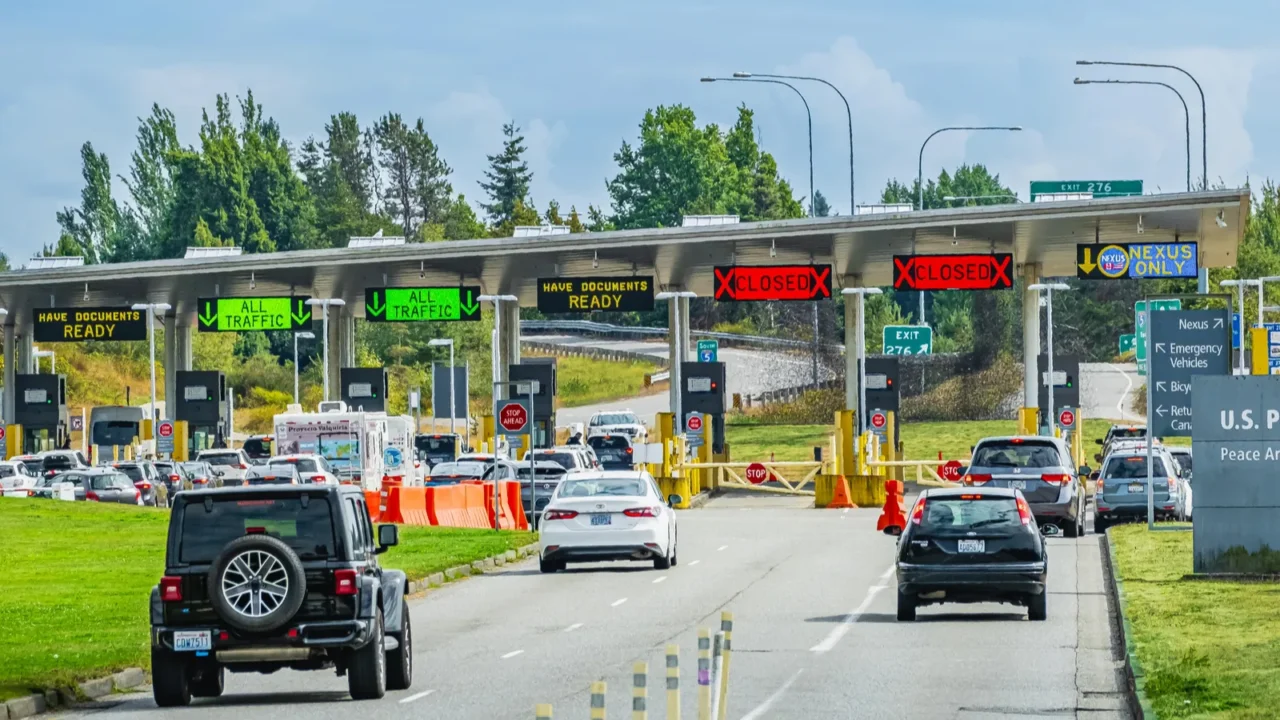
Canadian visitors made 20.4 million trips to the United States in 2024 and spent roughly $20.5 billion, supporting around 140,000 American jobs, according to the U.S. Travel Association. Then tariffs hit 35%, Trump’s remarks about Canada becoming the 51st state went global, and Canadian travel to the U.S. fell by nearly 30%.
Fun Fact: For the first time since the pandemic, more Americans drove into Canada than Canadians drove south during summer 2025, a three-month streak that CBC News confirmed using Statistics Canada’s full annual border crossing data, rattling border economies from Vermont to Washington State.
Sin City goes quiet
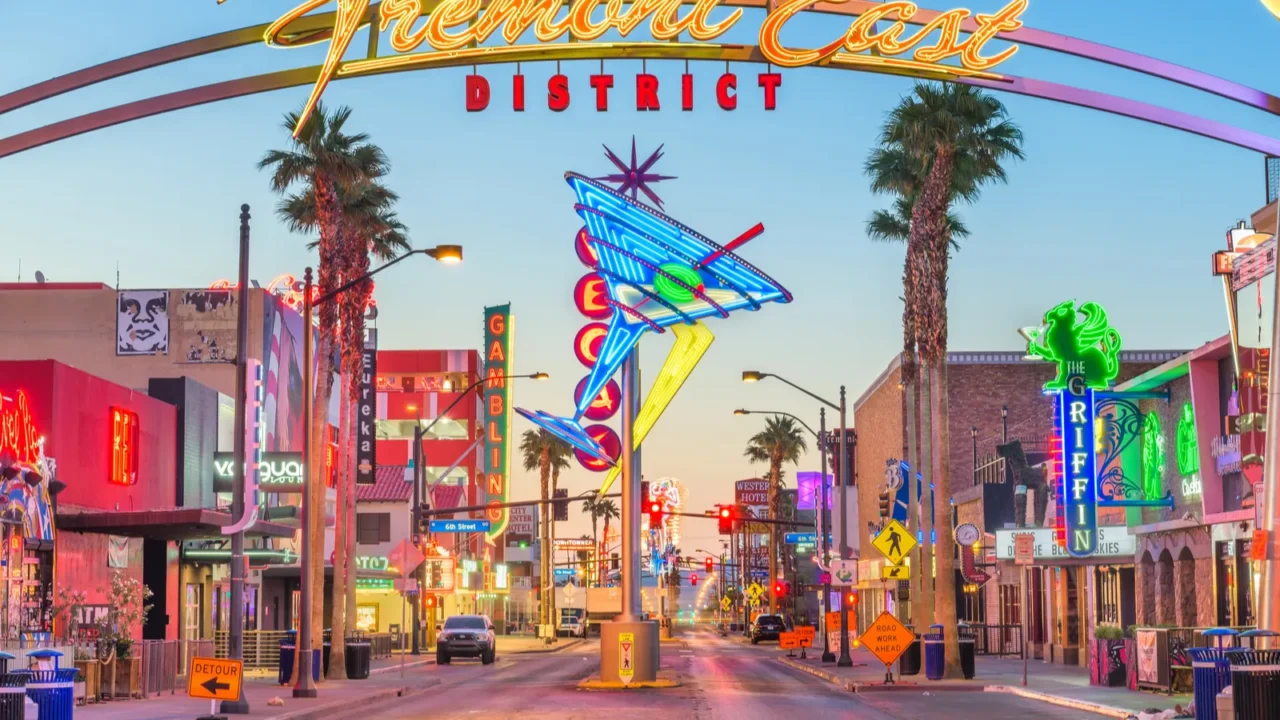
Las Vegas recorded its worst annual visitor decline since the pandemic in 2025, a 7.5% drop representing 3.1 million fewer people. Canadian tourists, who contributed $3.6 billion to the Southern Nevada economy and supported 43,000 regional jobs in 2024, had simply stopped coming.
Mayor Shelley Berkley held a public press conference and addressed Canada directly, saying the city needed them, missed them, and was asking them to return, a moment that underscored just how structurally dependent Las Vegas had become on its northern neighbors for baseline annual revenue.
Seattle’s record drop
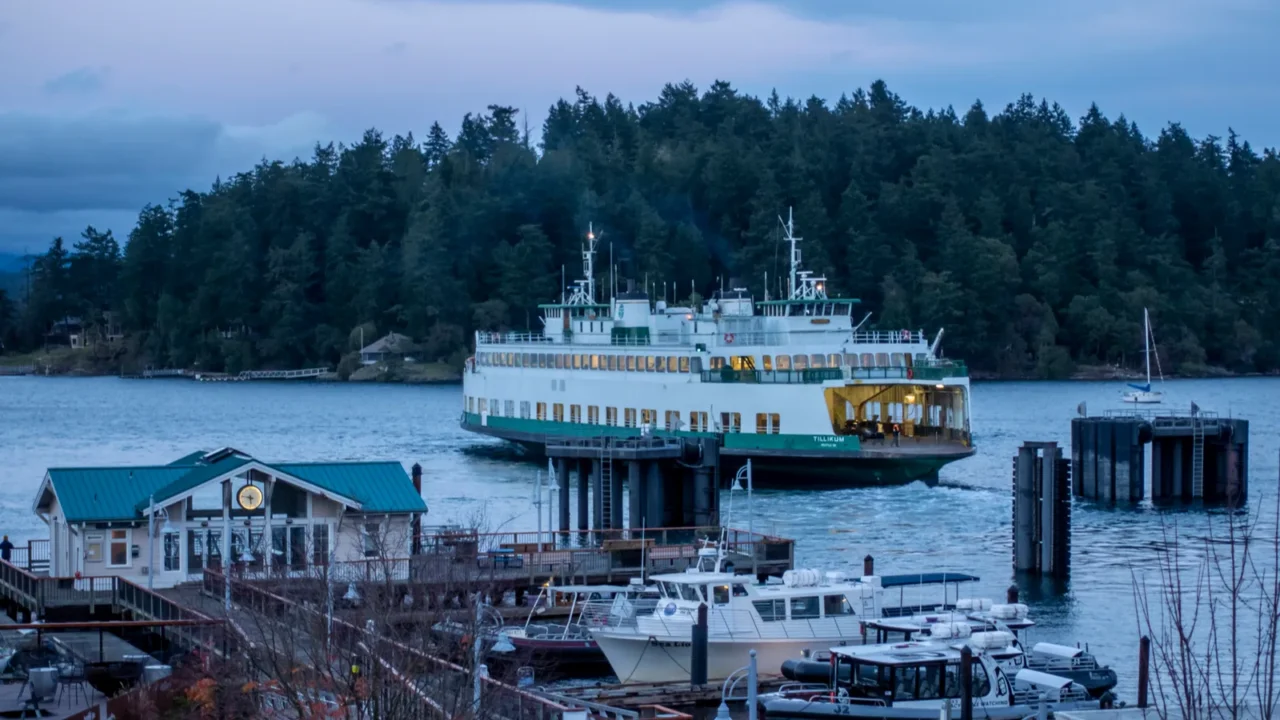
Tourism Economics projected a 26.9% decline in international overnight visitors to Seattle in 2025, the steepest drop among all major American cities, with 99% of that loss attributed to reduced Canadian travel. The Seattle to Vancouver Island Clipper ferry saw ridership fall 30%, prompting layoffs among its crew.
Fun Fact: John Brink, who runs a food tour company in Seattle, told PBS NewsHour he experienced a 50% drop in Canadian customers during the Blue Jays and Mariners baseball series, a weekend his business normally counted among its strongest of the entire year.
Buffalo’s billboard moment
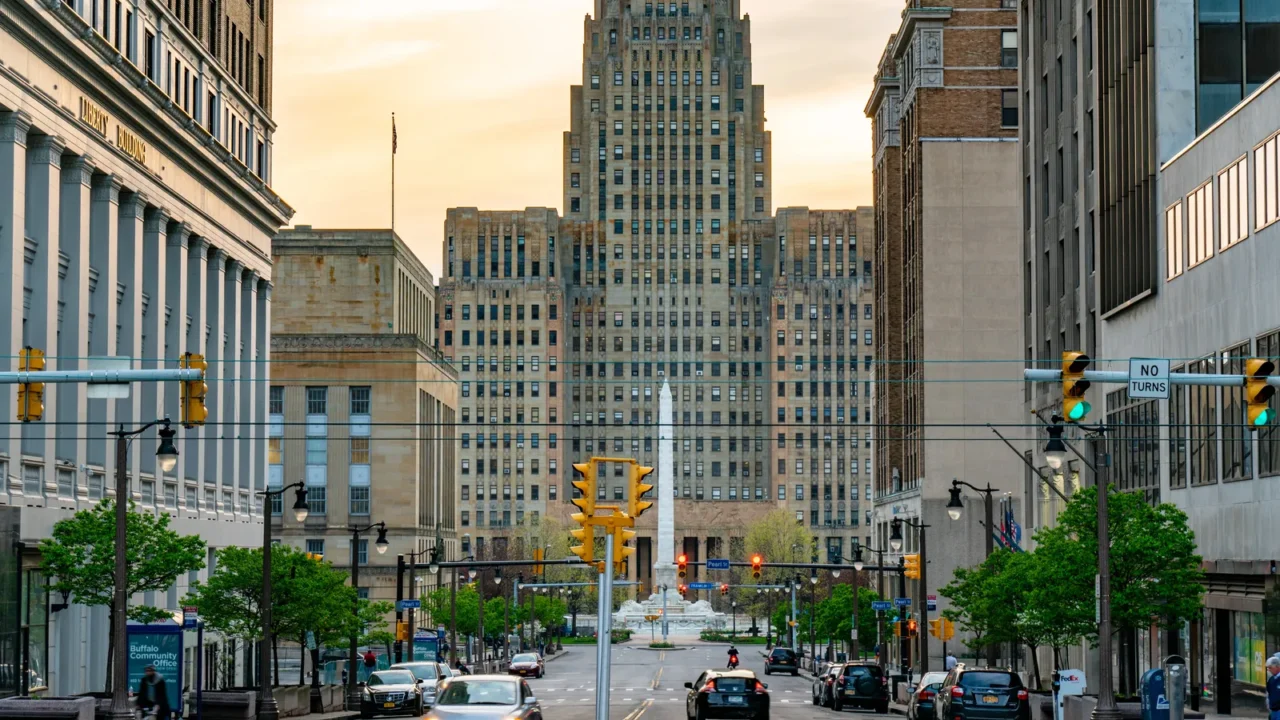
Buffalo, New York, ran a billboard campaign on the major highway linking Toronto to New York that read simply: “Buffalo Loves Canada,” pairing it with a $500 gift card giveaway. By July, the Canadian summer wave that Buffalo had always counted on had largely not arrived.
Patrick Kaler, CEO of Visit Buffalo Niagara, said watching reliable seasonal traffic vanish because of changeable rhetoric was genuinely disheartening. Retailers across the region reported decreases exceeding 80% in Canadian shoppers.
Europe chose elsewhere
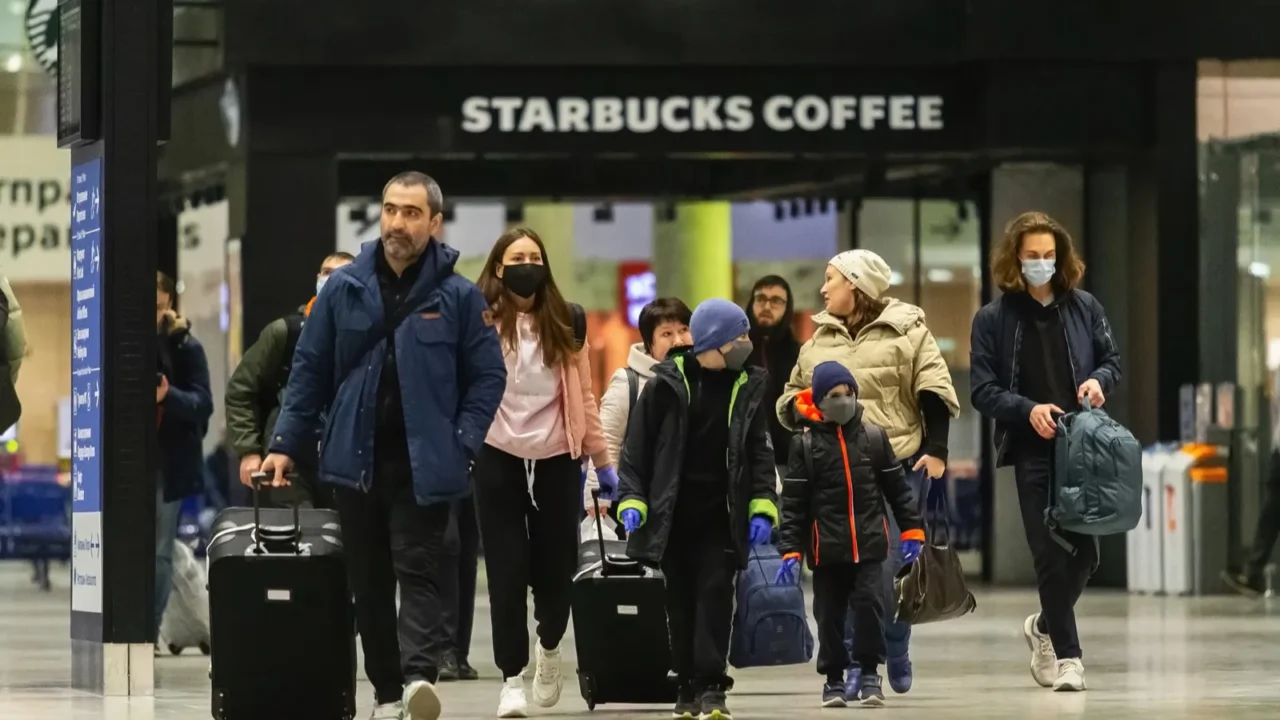
Western Europe, historically one of the most reliable high-spending international markets for American tourism, pulled back measurably in 2025. Germany fell 10%, France dropped 6.6%, and Denmark declined 19%, with many Danish travelers joining a quiet boycott tied to Trump’s repeated public statements about acquiring Greenland, an autonomous Danish territory.
European visitors did not disappear from global travel. They redirected. France, Greece, Italy, Mexico, and Canada all recorded visitor growth that year, absorbing travelers who might otherwise have been standing in line at a U.S. customs booth spending in American cities.
New York feels it too
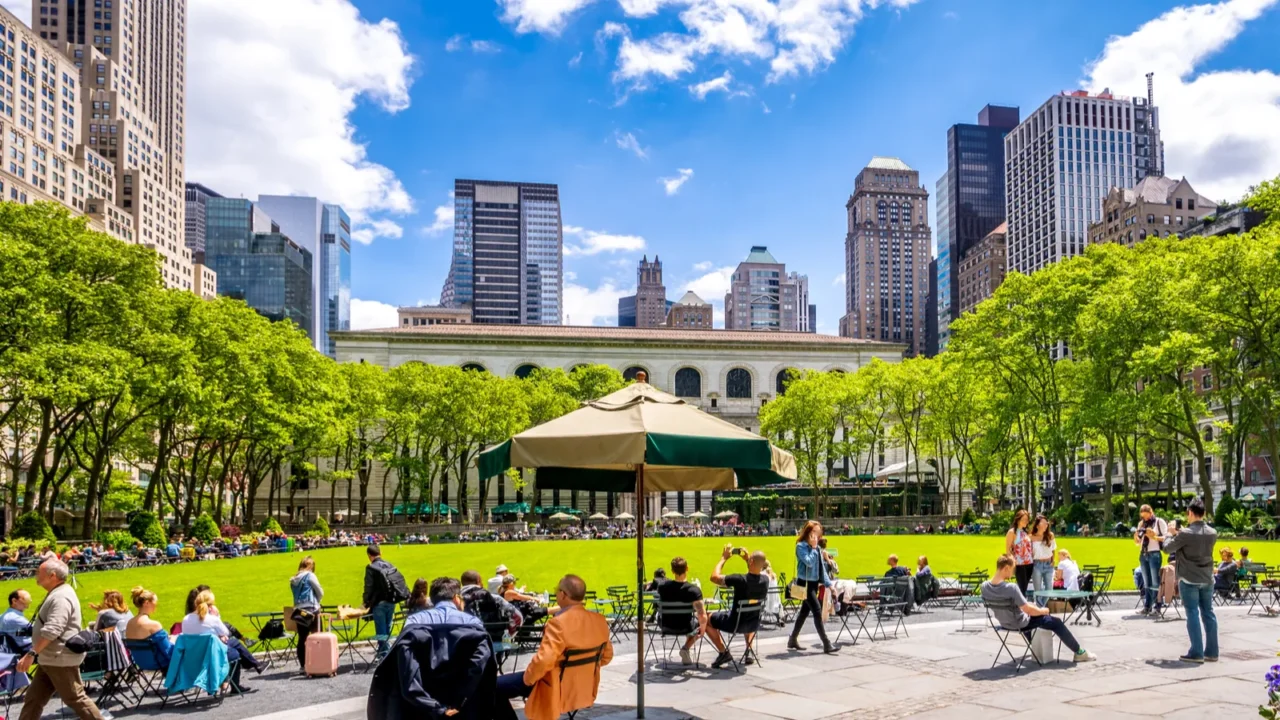
New York City attracts more overseas visitors than any other American destination, yet even that status offered no insulation from the Trump slump in 2025. City officials projected a 17% drop in international arrivals compared to 2024 levels, a gap that carried serious financial weight because international tourists generate far greater per-trip spending than domestic travelers.
The International Lindy Hop Championships, a globally recognized competition held in Harlem, was postponed after international dancers pulled out, citing discomfort with U.S. policies. Co-producer Tena Morales said organizers were considering relocating the event to another country entirely.
D.C. fights its image
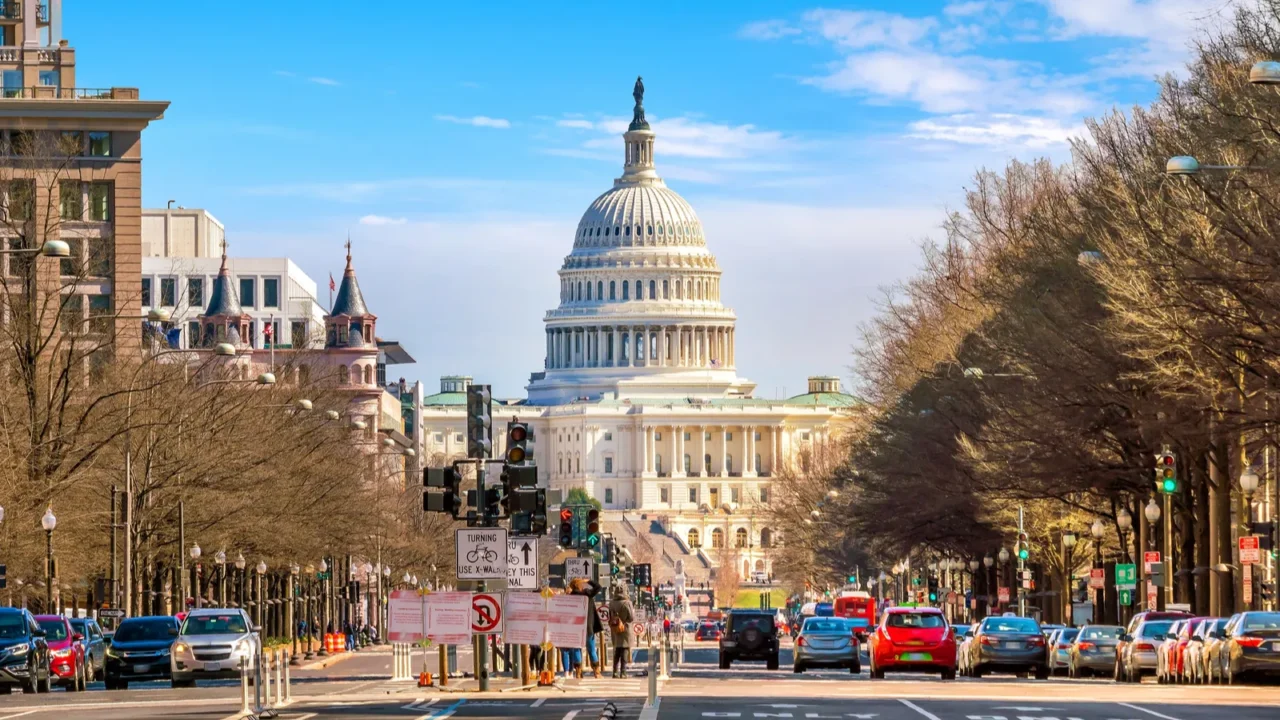
Washington, D.C., spent decades selling itself as a living monument to democracy that any curious traveler could walk through freely. In 2025, that identity cracked. The city recorded a measurable dip in international bookings, particularly from Germany, France, and Denmark, as Destination DC launched a campaign specifically designed to counter growing negative global perceptions.
The deployment of National Guard members to Union Station, one of the city’s primary tourism hubs, alongside the federal takeover of station management, did not go unnoticed by international travel media. Perception of instability near major monuments created a chilling effect that marketing alone could not fix.

The marketing blackout
Brand USA is the public-private partnership responsible for marketing the United States to international audiences, and in mid-2025, Congress slashed its federal funding deeply, triggering staff cuts at the exact moment the country needed its most aggressive international outreach in years.
The timing could not have been worse. With the 2026 FIFA World Cup and America’s 250th anniversary both approaching, the organization tasked with telling the world that America was open for business was operating with a fraction of its capacity, unable to counter the negative global narrative that had been building steadily since January.

Entry costs spike hard
A new $250 visa integrity fee pushed total visa costs past $400 for visitors from countries including India, China, and Mexico in 2025. Plans for social media screening of some applicants added friction that many travelers found invasive. Congress also nearly doubled the cost of the Electronic System for Travel Authorization for visa waiver countries.
At a moment when China was offering visa-free entry to citizens of more than 54 nations and actively attracting record international spending, the United States was imposing costs and conditions that made even tourism momentum quietly recalculate, and for many, the math simply stopped adding up.
The road back
The share of global international travel heading to the United States fell from 8.4% in 1996 to 4.9% in 2024 and was projected to slide further in 2025. The Trump slump accelerated a decades-long erosion that competitors, including France, Greece, Japan, and Canada, are now positioned to benefit from directly.
Recovery will take more than restored marketing budgets or softened rhetoric. It will require a credible, sustained signal that America is genuinely open. Every empty Vegas hotel room, every postponed New York event, and every redirected European traveler is a data point in a story that the industry is still waiting on Washington to finish writing.
The numbers have been telling this story for a while now. What do you think it takes to turn them around? Let us know in the comments.
This slideshow was made with AI assistance and human editing.
Don’t forget to follow us for more exclusive content right here on MSN.
Read More From This Brand:
