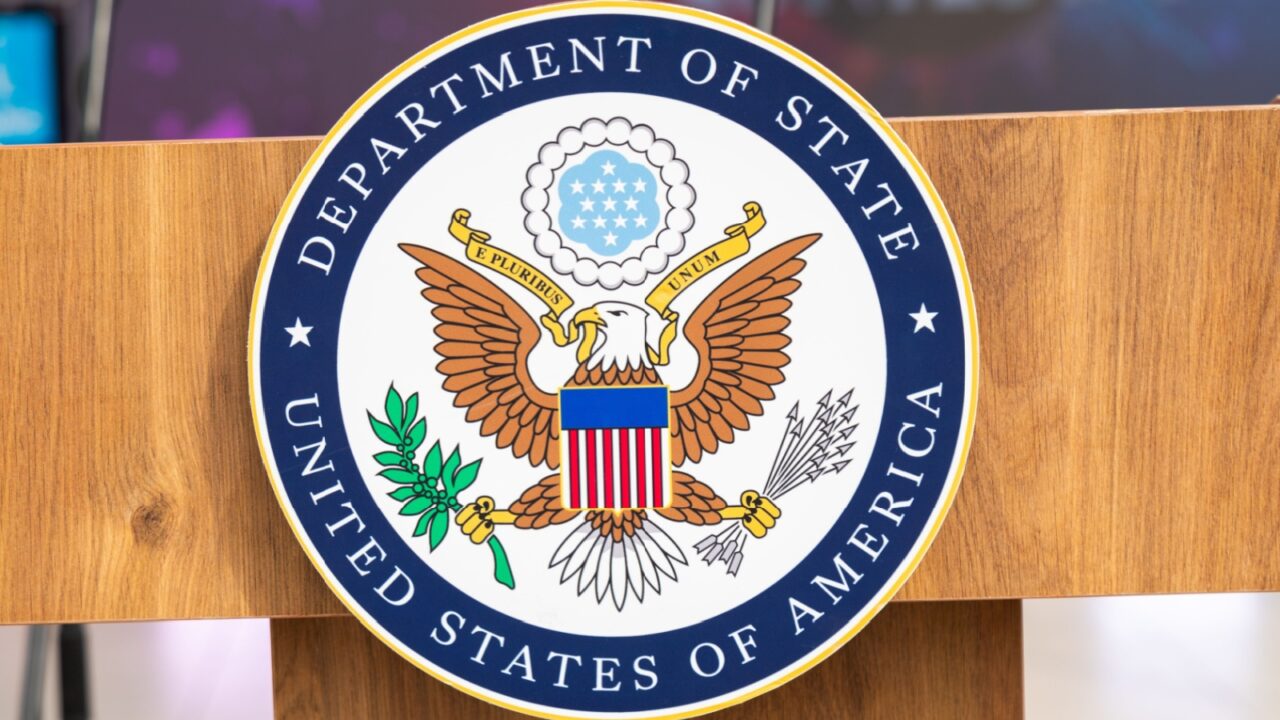
US policy changes impact travel
The United States Department of State has updated guidance and advisories that reflect evolving travel policies across several states. These changes are tied to safety regulations, public access rules, and administrative updates. Travel planning is increasingly influenced by regional policy decisions across the United States.
States including Florida, California, and Texas are adjusting regulations that may affect visitor experiences. Travelers are seeing changes in access rules, booking requirements, and public safety measures. These updates reflect broader trends in managing tourism and infrastructure.

Florida adjusts beach access
Florida has seen policy discussions around beach access and property rights that impact visitors. Regulations in coastal counties influence how public access is managed. These policies can affect popular destinations like Miami Beach.
Visitors traveling to Miami may notice changes in signage and designated entry points. Local governments continue refining rules to balance tourism and private property concerns. Beach access remains a key issue for Florida tourism.
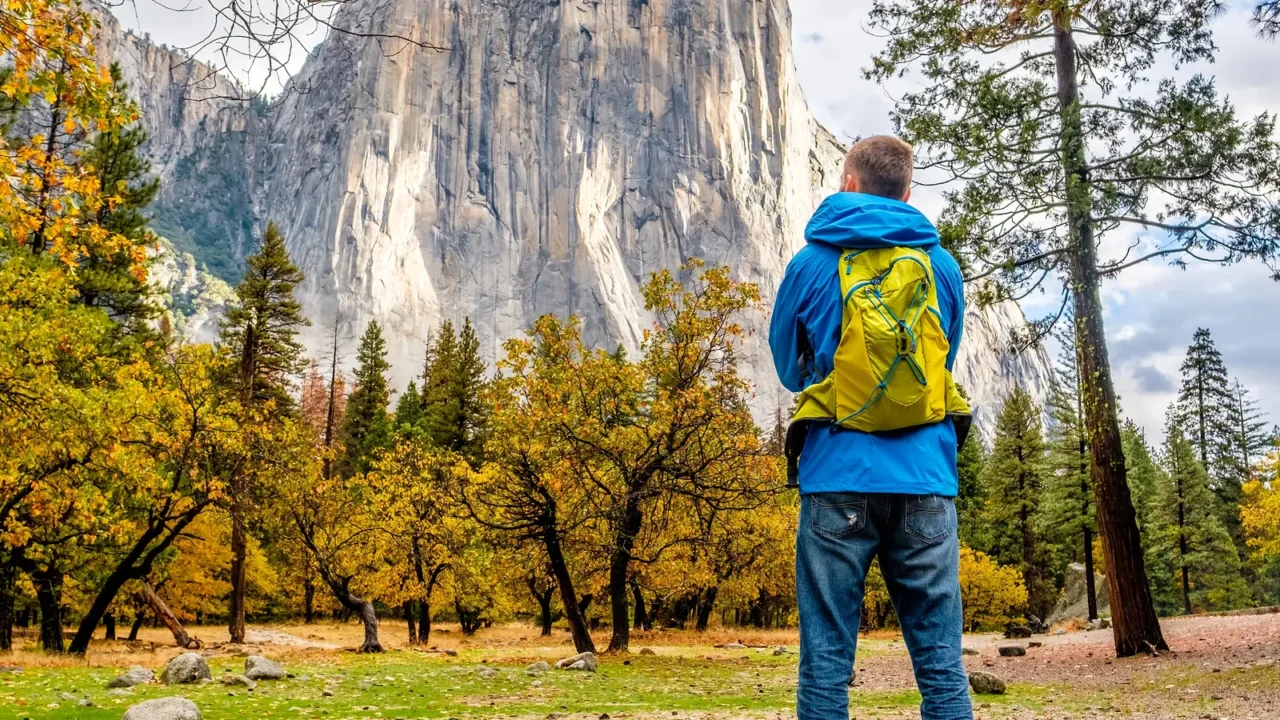
California park reservation rules
California continues to use reservations and permits for some high-demand park experiences, campgrounds, and protected areas, though Yosemite will not require a timed entrance reservation in 2026. The goal is to reduce overcrowding during peak seasons.
Travelers visiting Yosemite National Park in 2026 do not need a general entrance reservation, but some activities such as Half Dome hikes, wilderness trips, camping, and lodging still require advance booking. These rules improve conservation efforts and visitor safety. Planning ahead has become essential for accessing popular sites.
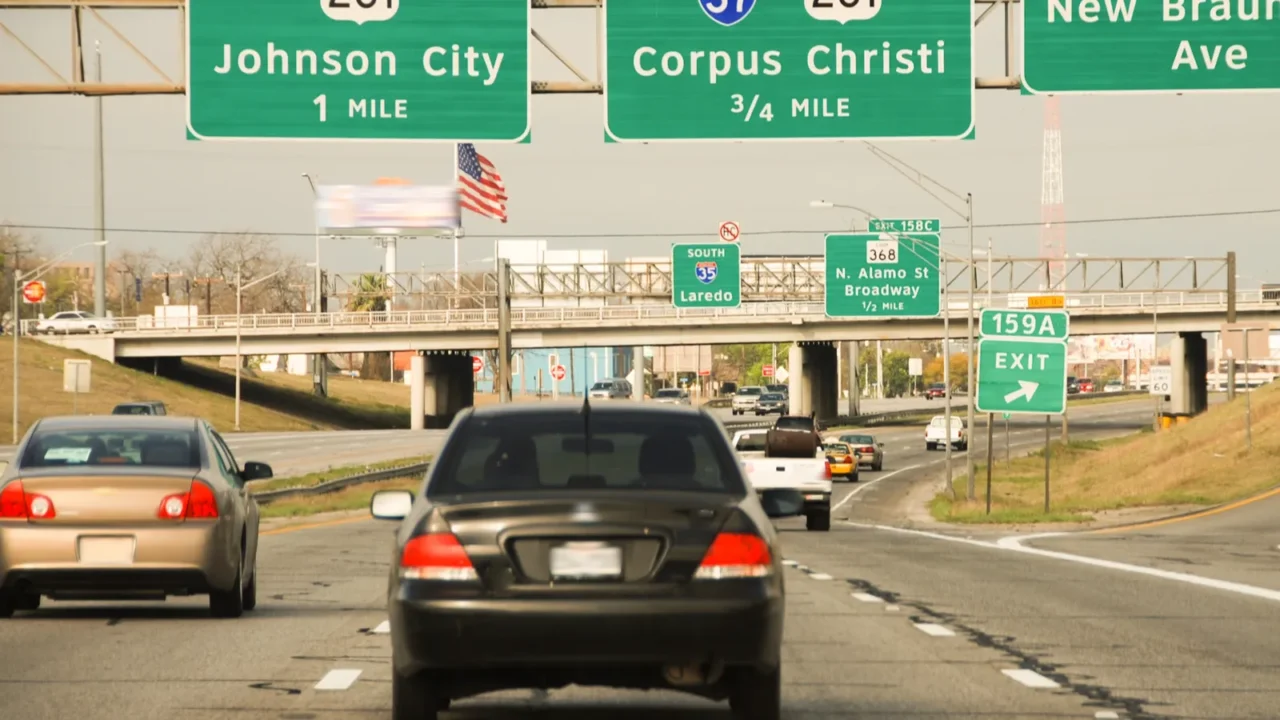
Texas transportation rules evolve
Texas continues updating transportation and infrastructure policies that affect travel. These include highway expansions and regulatory changes for transit systems. The state is investing in improved mobility.
Travelers driving through Dallas and Houston benefit from updated road systems. These improvements support tourism and regional travel. Transportation policies directly shape travel experiences.

New York rental rules tighten
New York has introduced stricter regulations on short-term rentals. These policies affect platforms like Airbnb in New York City. The rules aim to manage housing availability and safety.
Visitors staying in New York City may find fewer short-term rental options. Hotels and licensed accommodations are becoming more common choices. These changes influence how travelers plan stays.
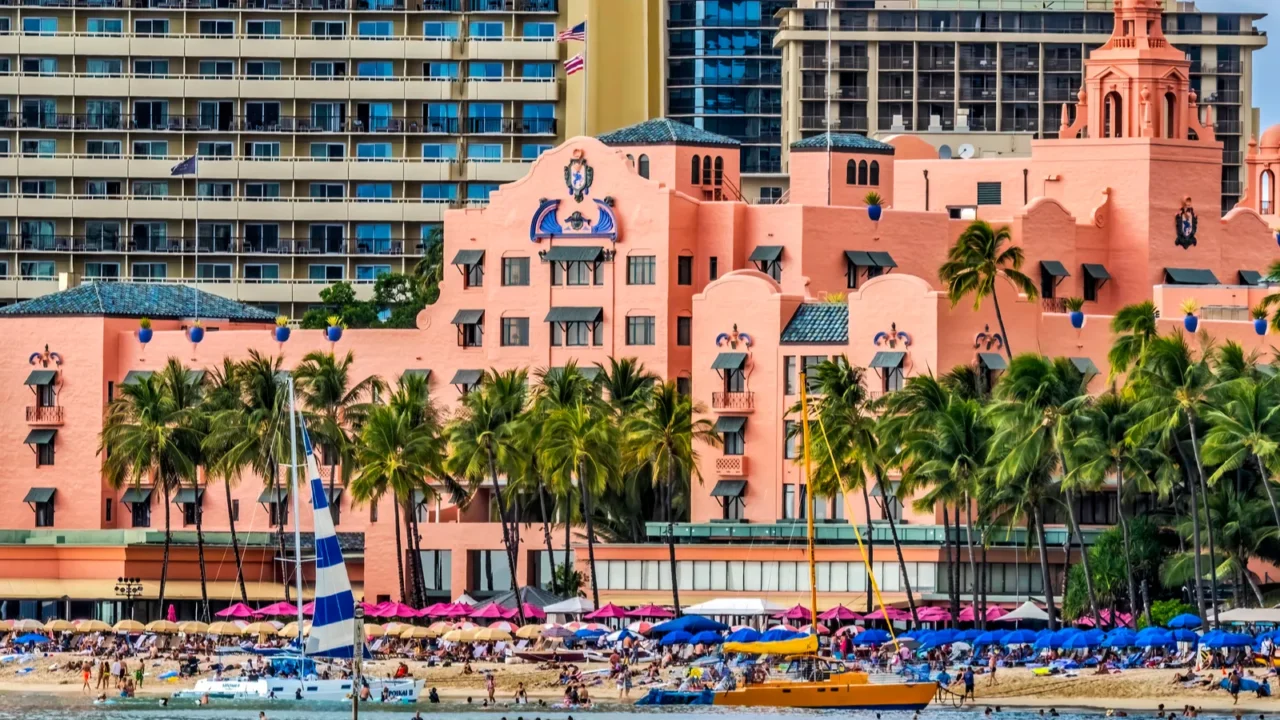
Hawaii tourism limits expand
Hawaii is implementing measures to manage overtourism and environmental impact. Policies include visitor caps and conservation fees in certain areas. The focus is on protecting natural resources.
Fact: Hanauma Bay limits daily visitor access to around 1,400 guests through a reservation system designed to protect marine ecosystems and manage tourism impact at one of Hawaii’s most popular natural attractions.

Nevada event regulations adjust
Nevada continues updating event and tourism regulations in major cities. These policies affect large gatherings and conventions. Las Vegas remains a major hub for global events.
Fact: Las Vegas welcomed 38.5 million visitors in 2025, according to the Las Vegas Convention and Visitors Authority, underscoring its importance as a major U.S. destination for tourism and conventions.

Travel planning becomes strategic
Policy changes across states are shaping how trips are planned. Travelers must consider permits, reservations, and regulations. These factors influence destination choices.
Destinations like San Francisco and Orlando are adapting to evolving rules. Visitors benefit from better crowd management and safety systems. Planning has become more structured.
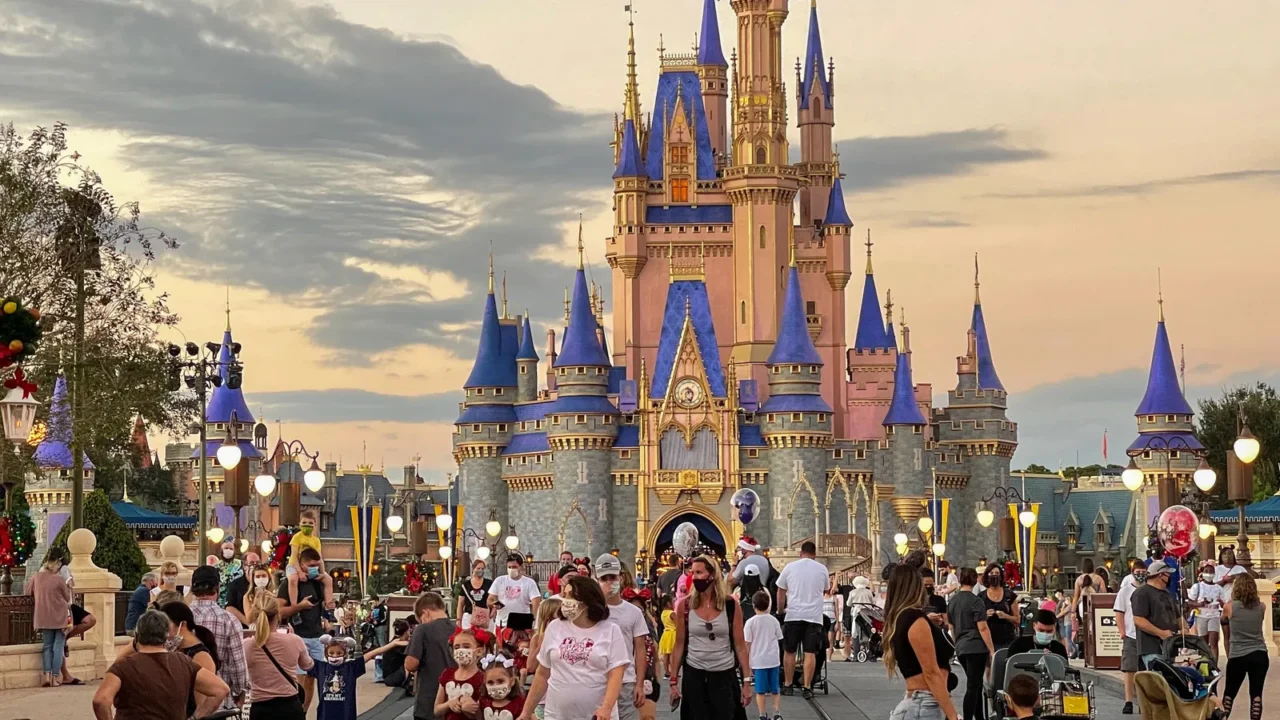
Tourism infrastructure adapts changes
Tourism industries are responding to new policy environments. Hotels, airlines, and attractions are adjusting operations. These changes aim to maintain visitor satisfaction.
Cities like Orlando rely on efficient systems to manage high visitor volumes. Infrastructure improvements support smoother travel experiences. Policy shifts influence business strategies.

Visitor behavior continues evolving
Travelers are adapting to new rules across destinations. Awareness of regulations is becoming part of trip planning. Digital tools help track updates.
Popular routes like the Pacific Coast Highway continue to attract visitors, though road conditions, closures, and construction can affect travel plans. Flexibility is key in modern travel.

Seasonal travel trends shift
Policy updates influence peak travel seasons. Some destinations see redistributed visitor flows. This helps reduce overcrowding. Some destinations are now intentionally trying to attract fewer tourists as part of broader efforts to manage environmental impact and improve local quality of life.
Locations like Honolulu and Los Angeles experience evolving patterns. Travelers explore alternative destinations. Seasonal trends continue to change.

Travel remains highly dynamic
Policy shifts across states highlight the evolving nature of travel. Regulations continue shaping how destinations operate. Travelers are adapting to new systems.
The best trips are the ones that balance comfort and discovery. Which destination feels easiest to explore with changing rules right now? Share thoughts below.
This slideshow was made with AI assistance and human editing.
Don’t forget to follow us for more exclusive content right here on MSN.
Read More From This Brand:
