This fight could shape your next car
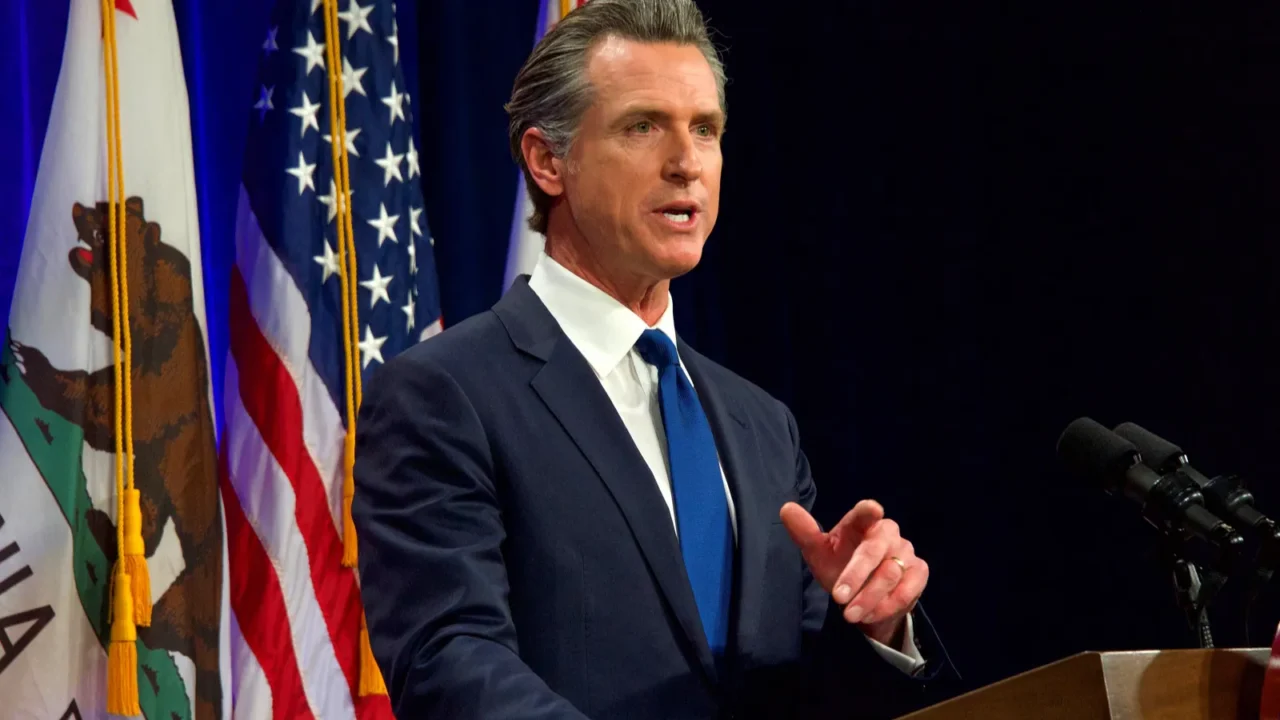
A major legal fight is now underway over who gets to decide what kinds of new cars Americans can buy in the next decade. The Trump administration sued California on March 12, 2026, targeting the state’s vehicle emissions rules and its path toward ending sales of new gasoline-only cars by 2035.
This matters far beyond California. Washington here means Washington, D.C., not Washington state, and the case could affect buyers, automakers, and states that followed California’s standards.
California built the 2035 roadmap
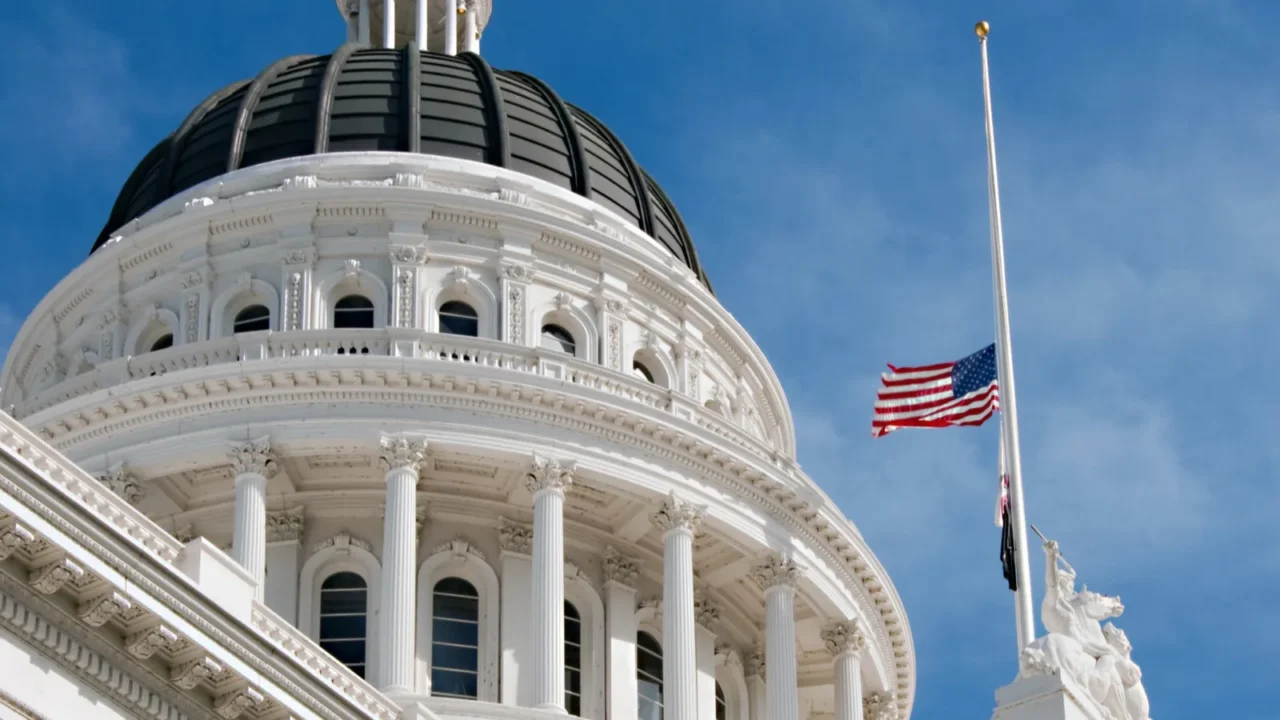
California’s Advanced Clean Cars II program sets a rising zero-emission sales requirement for new vehicles, with the state aiming for 100% of new car sales to be zero-emission by 2035, while allowing some plug-in hybrids along the way. CARB says the rule creates a year-by-year roadmap rather than an overnight ban.
That is why the rule has national weight. California is a huge car market, and automakers often design products around the state’s standards because they influence what gets sold well beyond one state line.
Washington says federal law wins
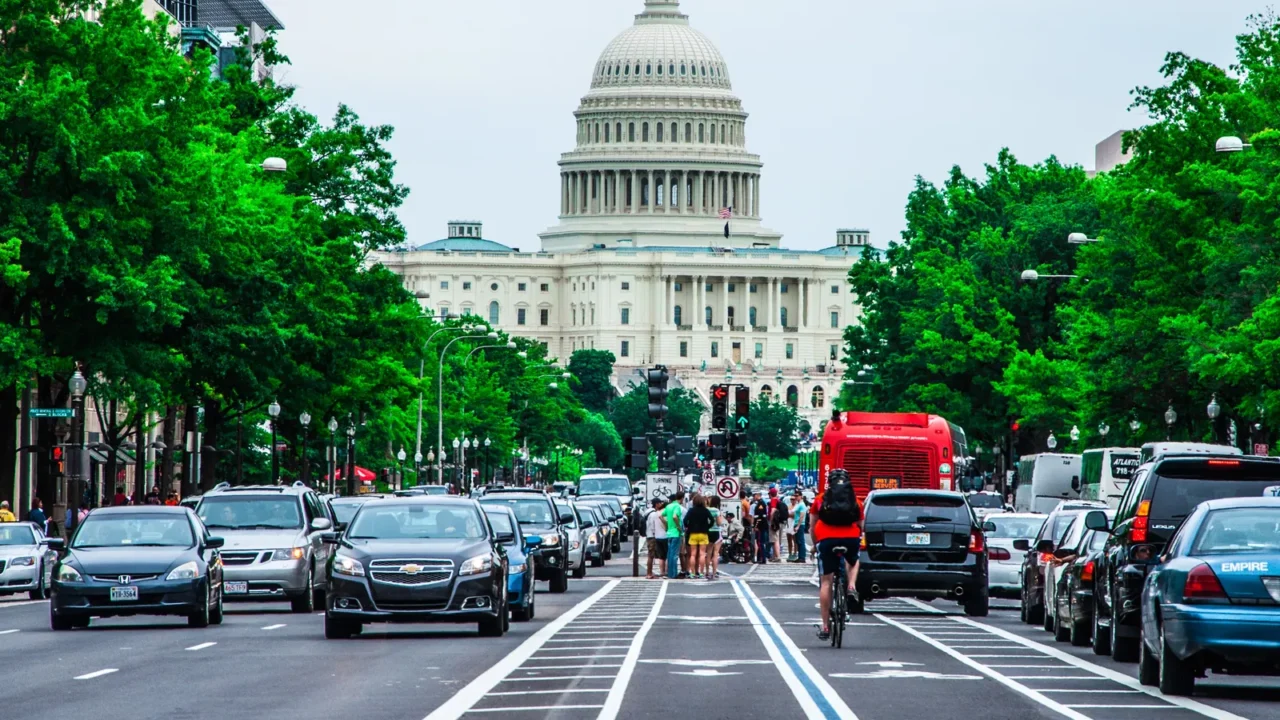
The federal lawsuit argues California’s rules are preempted by federal law because they relate to fuel economy, an area Washington says Congress reserved for national standards. The complaint asks a federal court to declare California’s greenhouse gas and zero-emission mandates unlawful and unenforceable.
Transportation Secretary Sean Duffy’s department framed the case as a fight for one national rulebook. DOT said the administration wants to protect consumers from higher costs and stop what it calls an illegal state EV mandate.
The waiver battle already changed things
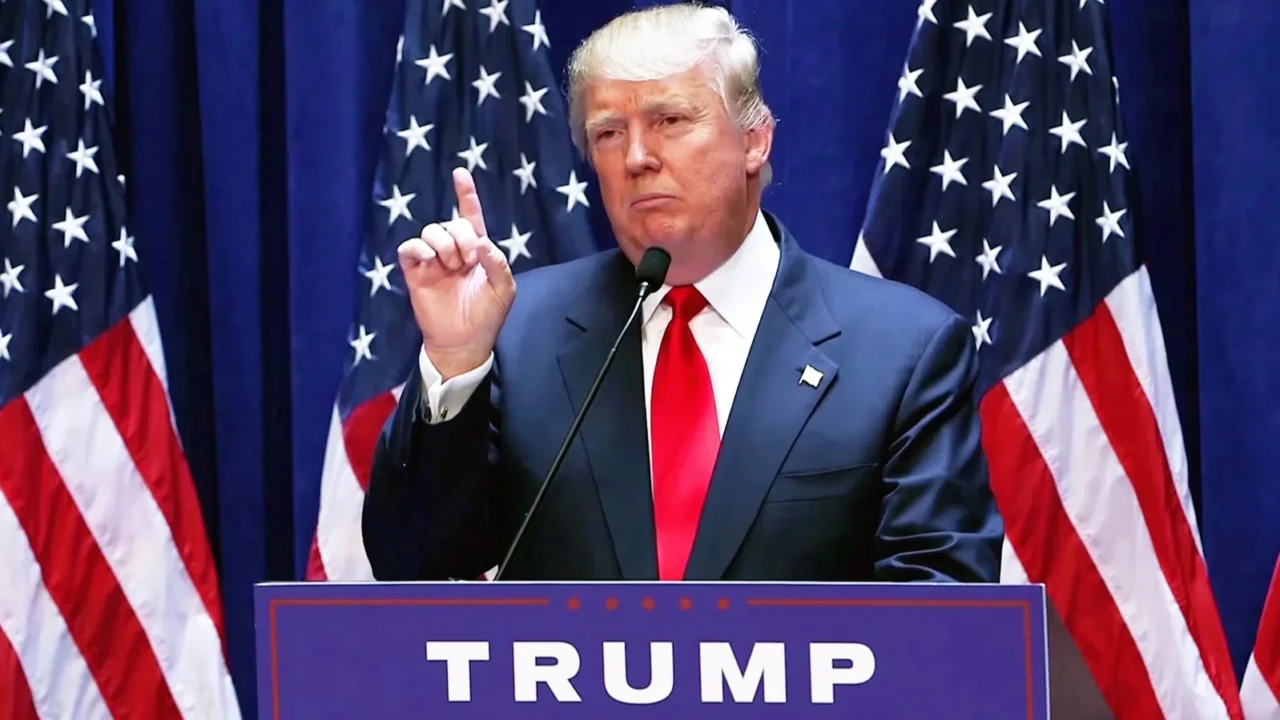
This lawsuit did not appear out of nowhere. Reuters reported that in 2025, Trump used the Congressional Review Act to rescind California’s Advanced Clean Cars II waiver, a move that already weakened the legal foundation for the state’s 2035 phaseout plan.
That makes the March 2026 case part of a larger campaign, not a one-off dispute. The administration is now trying to knock out California’s remaining rules in court after earlier efforts through Congress and executive action.
California says it is still in force
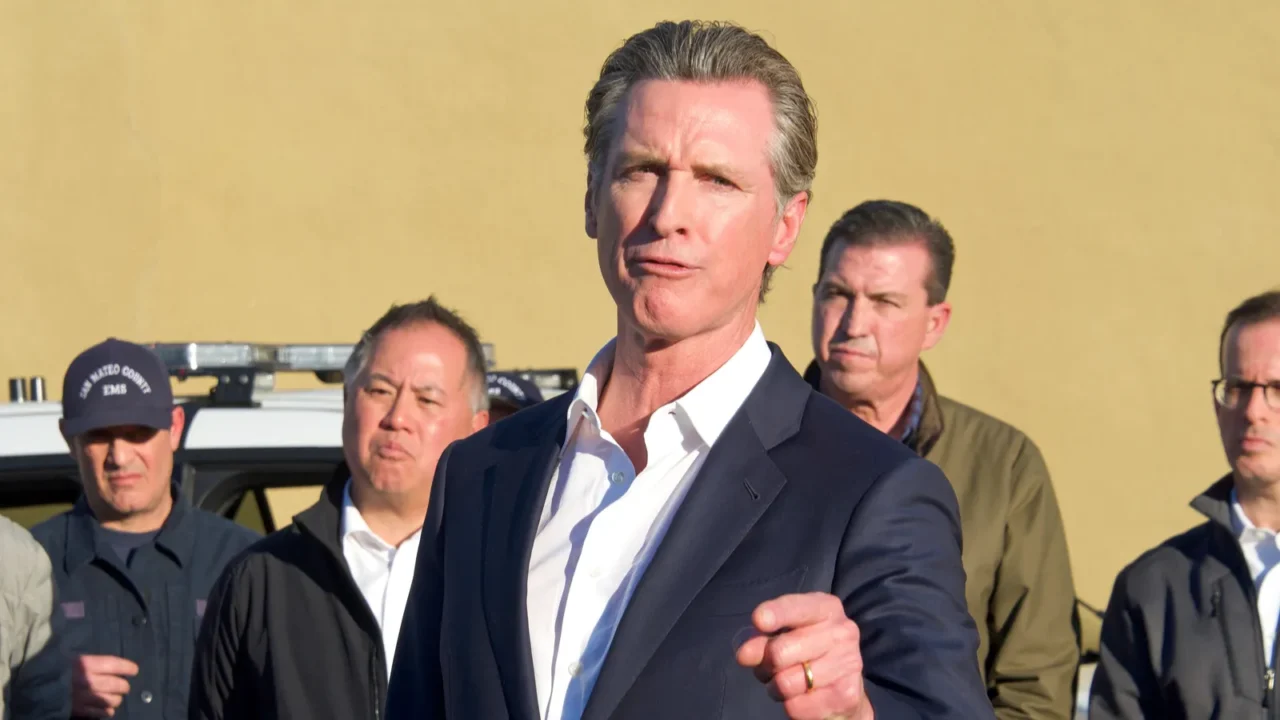
California has not backed away. Reuters reported that California says its current vehicle rules known as Advanced Clean Cars I remain in effect, even as the broader fight over later zero-emission mandates continues.
State leaders also argue that the rules help drivers over time by cutting fuel use and reducing dependence on volatile oil markets. That is central to California’s defense: the state says cleaner cars are part of both its climate plan and its consumer-cost strategy.
Little-known fact: California’s 2022 rule allows up to 20% of 2035 new-vehicle sales to be plug-in hybrids, with the rest zero-emission.
Other states are tied to California
This case matters because California did not move alone. Reuters reported last year that California’s 2035 plan had been adopted by 11 other states, and Washington state is one of the states that aligned its clean-vehicle program with California rules.
Washington state’s Department of Ecology says it has adopted regulations consistent with California programs, including Advanced Clean Cars II. So even though the lawsuit is Washington, D.C. versus California, the fallout could reach Olympia, Albany, Boston, and beyond.
Little-known fact: Washington says it has implemented California-based vehicle-emissions rules, including Advanced Clean Cars II, through state regulation.
Washington state is part of the spillover
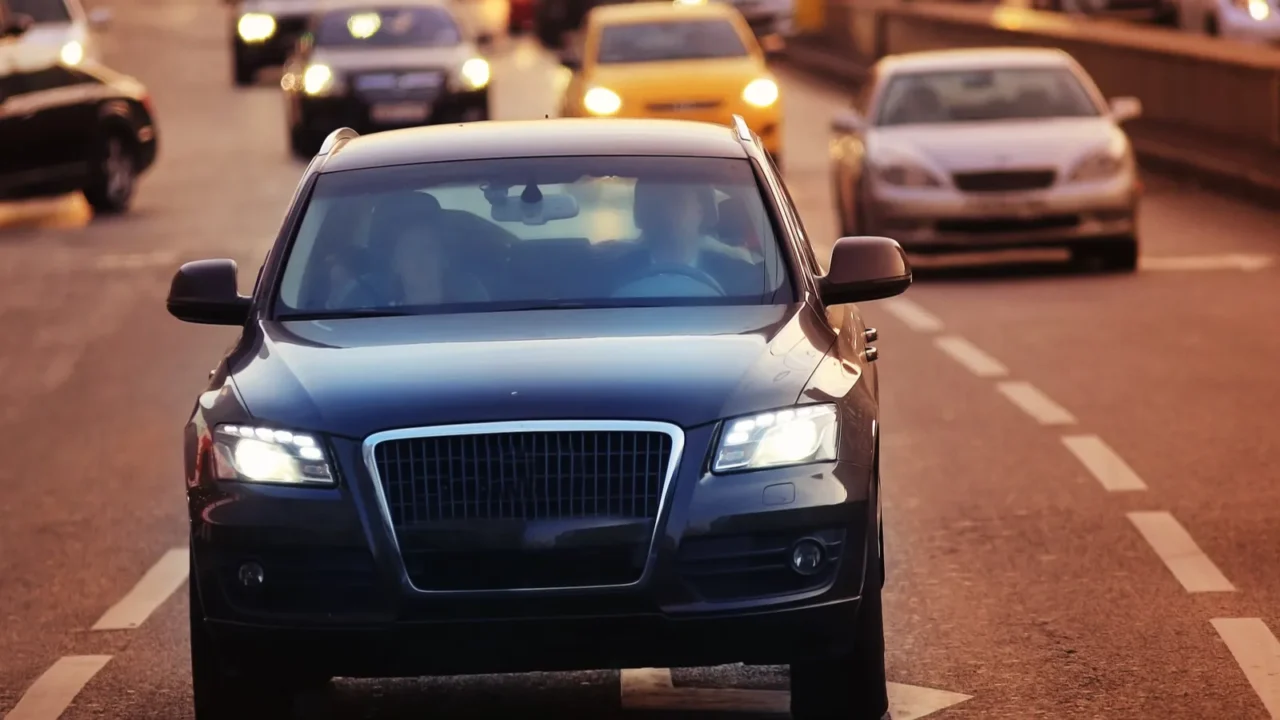
Washington state specifically requires consistency with California vehicle-emissions standards, according to the state Department of Ecology. The agency says its clean-vehicle rules now include Advanced Clean Cars II and other California-based programs.
That means a California loss could hit Washington state’s 2035 track, too. This is one reason the fight is bigger than the headline suggests: the legal target is California, but the practical impact spreads across other states that copied its model.
Automakers are stuck in the middle
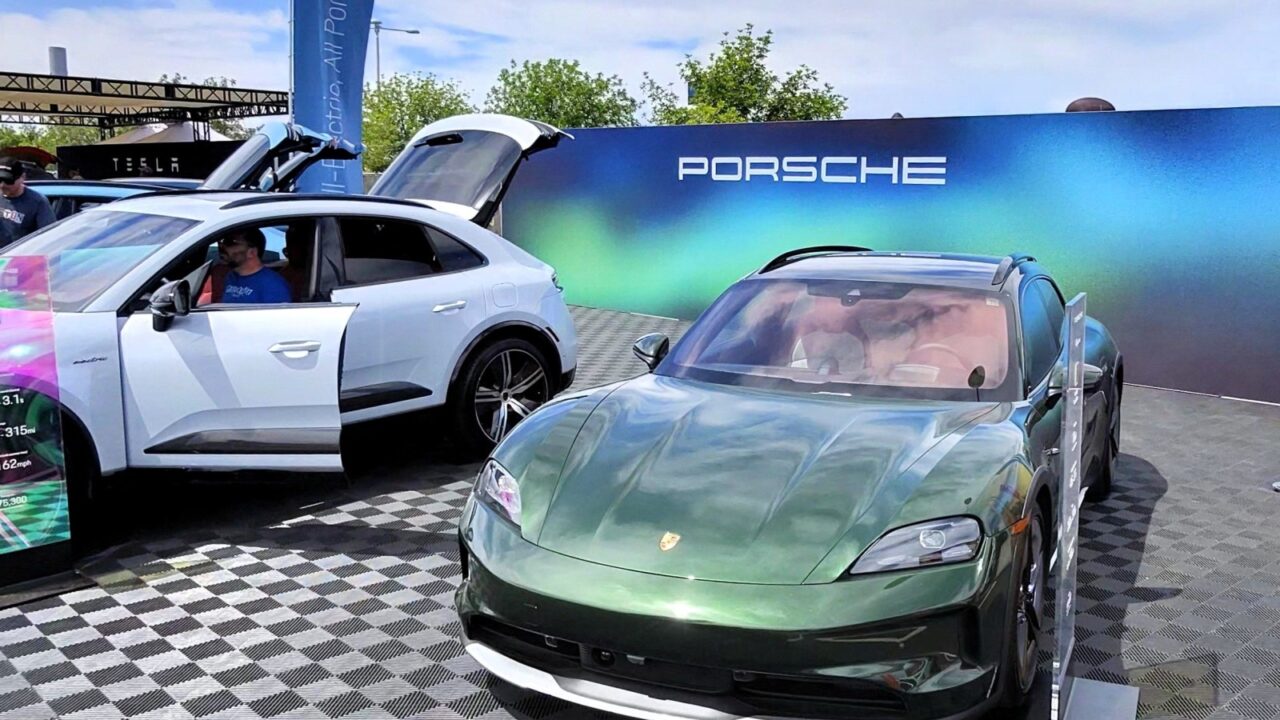
Automakers have been caught between California’s tougher requirements and Washington’s push for one national standard. Reuters reported that major automakers wanted Congress to bar California’s 2035 plan and argued the targets were unrealistic under current market conditions.
The pressure is growing because the sales targets ramp up quickly. Reuters said California’s rules require 35% of 2026 model-year sales to be zero-emission, then 68% by 2030, numbers automakers say are difficult to hit given actual EV demand.
EV demand is softer than planned
The legal fight is landing at a time when EV demand is not as strong as many policymakers expected a few years ago. Reuters reported in February that EVs accounted for 21% of California’s new-car sales last year, down slightly from the year before.
CARB has already signaled flexibility under that pressure. Reuters said the agency would not enforce this year’s EV-sales target because of uncertainty around its regulations. That detail shows how much the legal and market picture has shifted.
The courtroom question is bigger than cars
At its core, this is a federalism fight. The court will be weighing whether California still has room to push stricter vehicle standards than the federal government, or whether Washington has fully occupied that territory through fuel-economy law.
That question reaches beyond one rule. If the federal government wins cleanly, California’s long-standing role as the toughest state standard-setter could shrink sharply in future fights over cars, trucks, and emissions.
Buyers could feel this in several ways
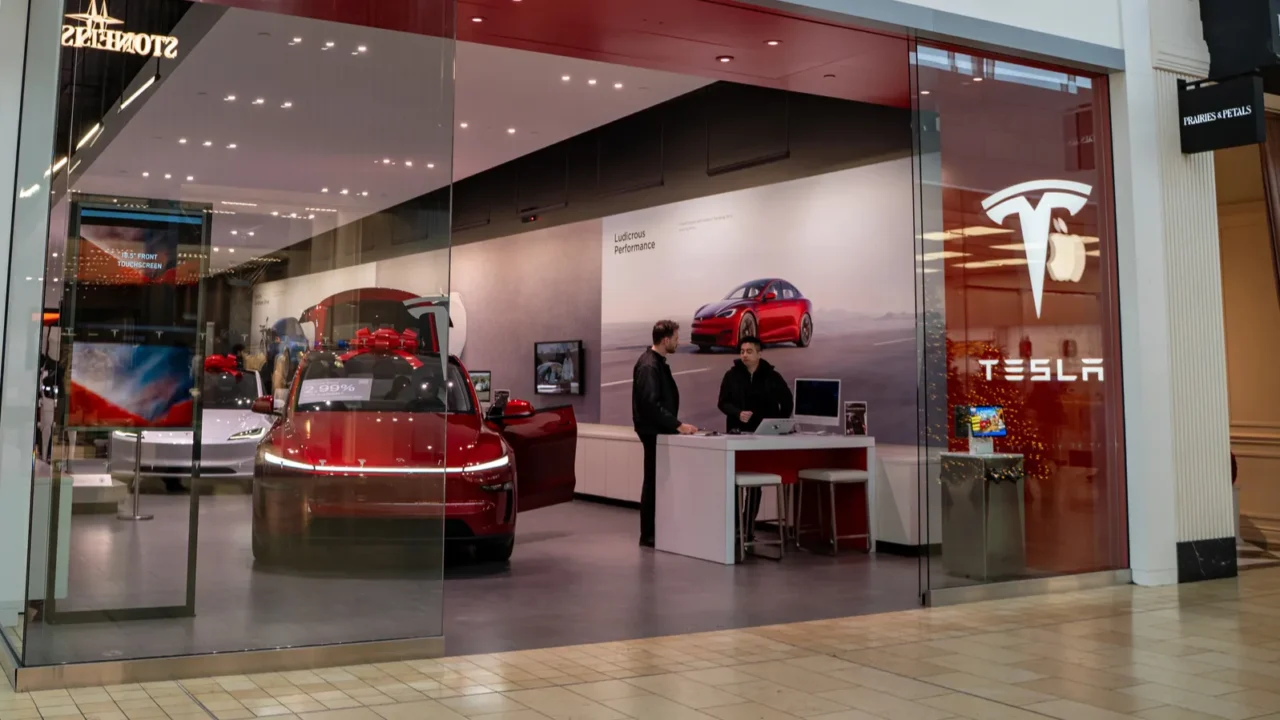
For drivers, the biggest effect may be choice and timing. A California win would keep pressure on automakers to expand EV and plug-in hybrid offerings faster in states following its rulebook, while a federal win could ease that timeline and preserve more gasoline-only options longer.
The pricing question matters too. DOT says California’s rules risk pushing families toward vehicles they do not want or cannot easily afford, while California argues cleaner vehicles can reduce fuel spending over time.
This is also about industry planning
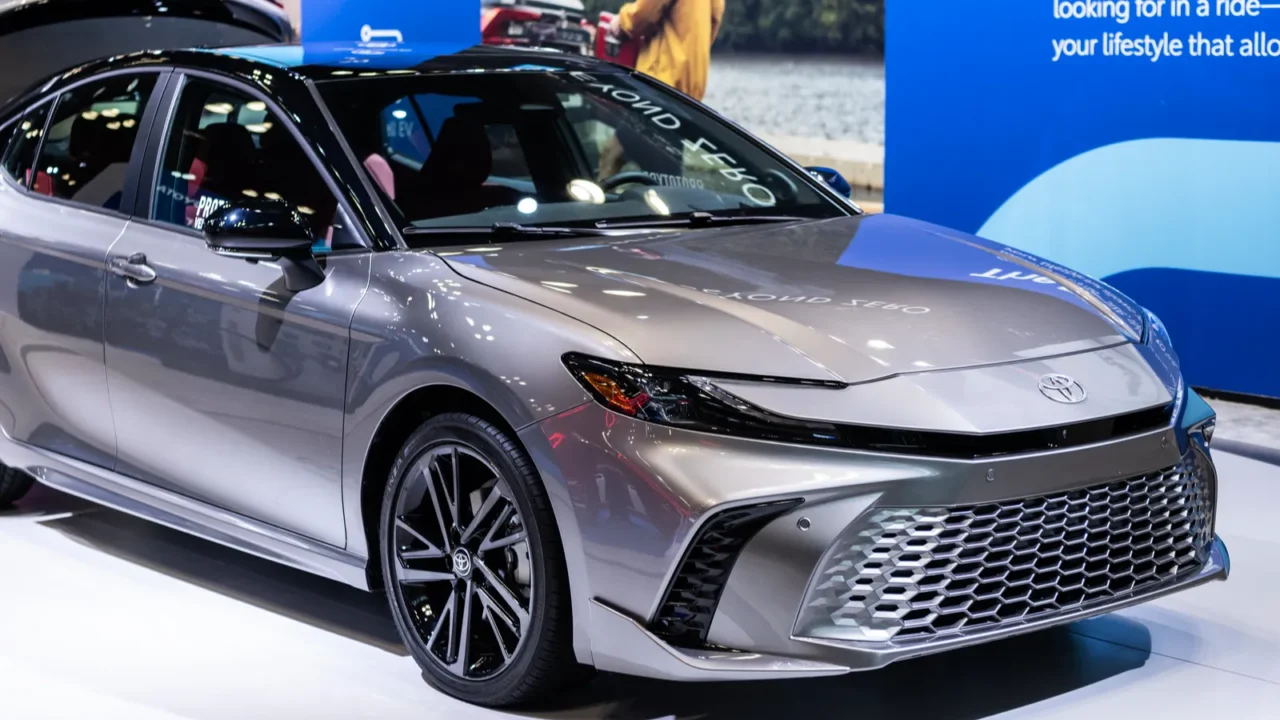
Car companies do not just need legal clarity. They need predictable timelines for factories, batteries, supplier contracts, and model rollouts. That is why both Washington and California keep talking about regulatory certainty, even though they mean very different things by it.
A long court fight could leave the industry in limbo. Manufacturers may hesitate to fully commit to one path if the rules that shape future sales targets remain tied up in litigation. The outcome may reset state power.
Fuel theft is getting more high-tech as prices climb. Check out how Florida police say suspects used magnets to steal fuel while drivers already face rising oil costs.
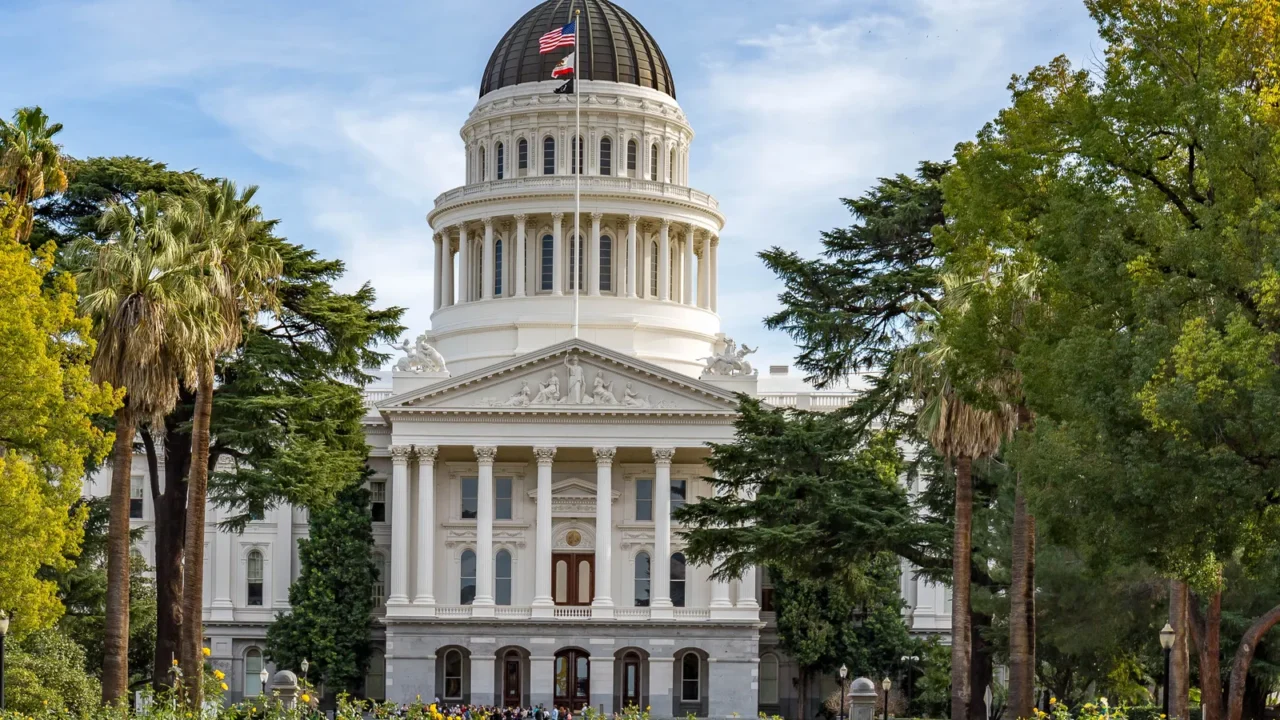
The outcome may reset state power
If California loses, other states that borrowed its standards may have to rethink their own 2035 plans. If California wins, it could keep using its market size to steer national vehicle development even without full support from Washington.
Either outcome would be a major signal. This case is turning into a test of how much power one state can still wield over a national industry when the federal government openly wants to stop it.
Air travel across the region is growing more uncertain by the day. Check out how the Iran conflict is forcing major airlines to suspend routes and leaving thousands of passengers stranded.
Should one state still be able to push the national car market this far? Share your thoughts and your view in the comments.
This slideshow was made with AI assistance and human editing.
Don’t forget to follow us for more exclusive content right here on MSN.
Read More From This Brand:
