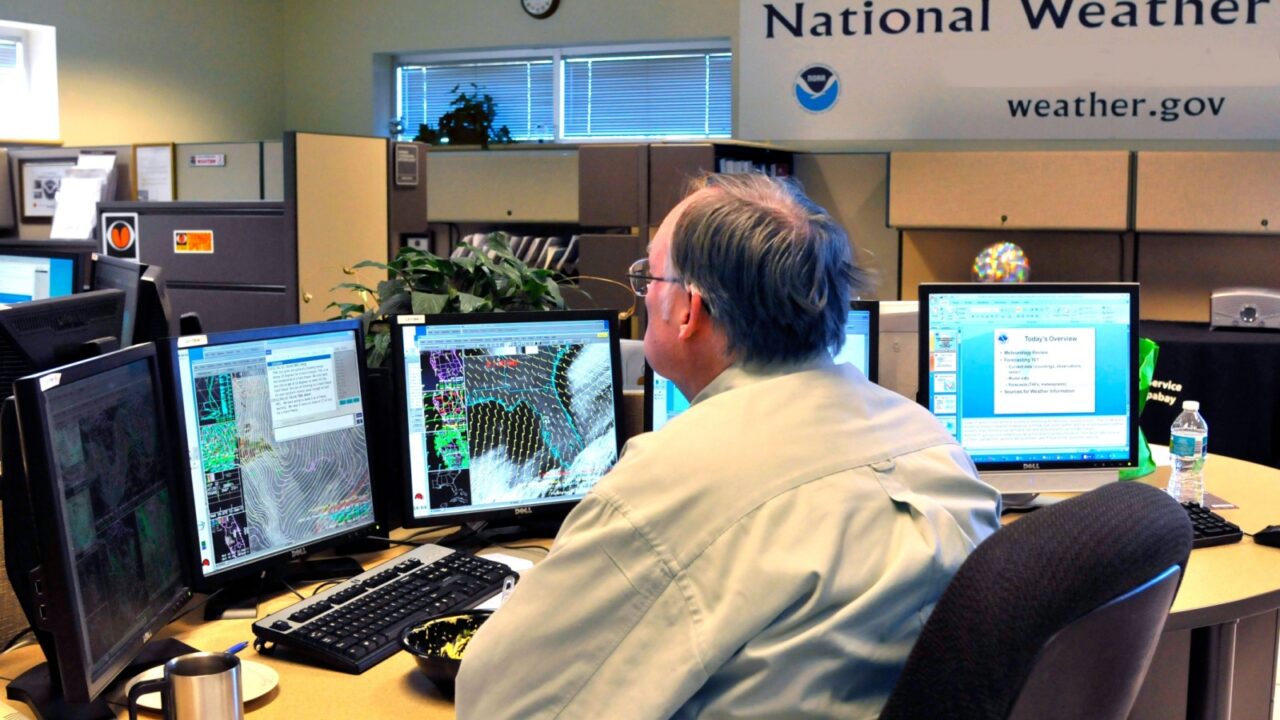
National Weather Service storm alert
The National Weather Service documented a major March 14 to 16, 2026 winter storm across parts of the Upper Midwest, with heavy snow, strong winds, and major travel impacts in portions of Minnesota, Iowa, and Wisconsin. Official storm reporting described dangerous travel conditions, including impassable roads in heavy snow bands and temporary closures on Interstates 35, 80, and 94 during the storm.
The storm disrupted travel across parts of Minnesota, Iowa, and Wisconsin, where road conditions and transportation networks were affected during and immediately after the event. Highways saw the clearest documented disruptions, with temporary interstate closures reported during the storm, while broader transportation schedules were also affected by winter weather conditions.
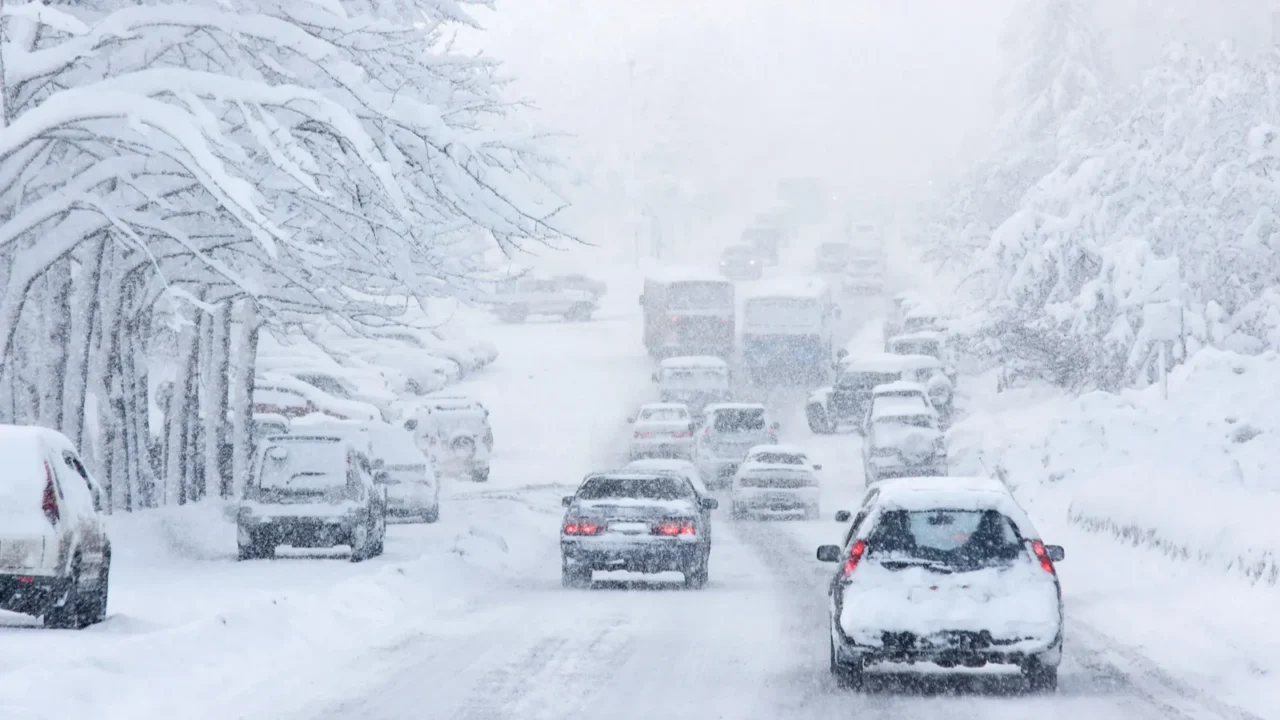
Blizzard conditions disrupt travel
The National Weather Service described blizzard conditions across several Midwest regions with strong winds reducing visibility. Snow accumulation and icy surfaces created hazardous conditions for both drivers and public transport systems. Officials urged caution during peak storm periods.
Travel disruptions extended across major Midwest road corridors, with temporary closures reported on Interstates 35, 80, and 94 during the storm. Reduced visibility made long-distance driving unsafe during key travel hours. Travelers experienced delays and route changes throughout the storm.
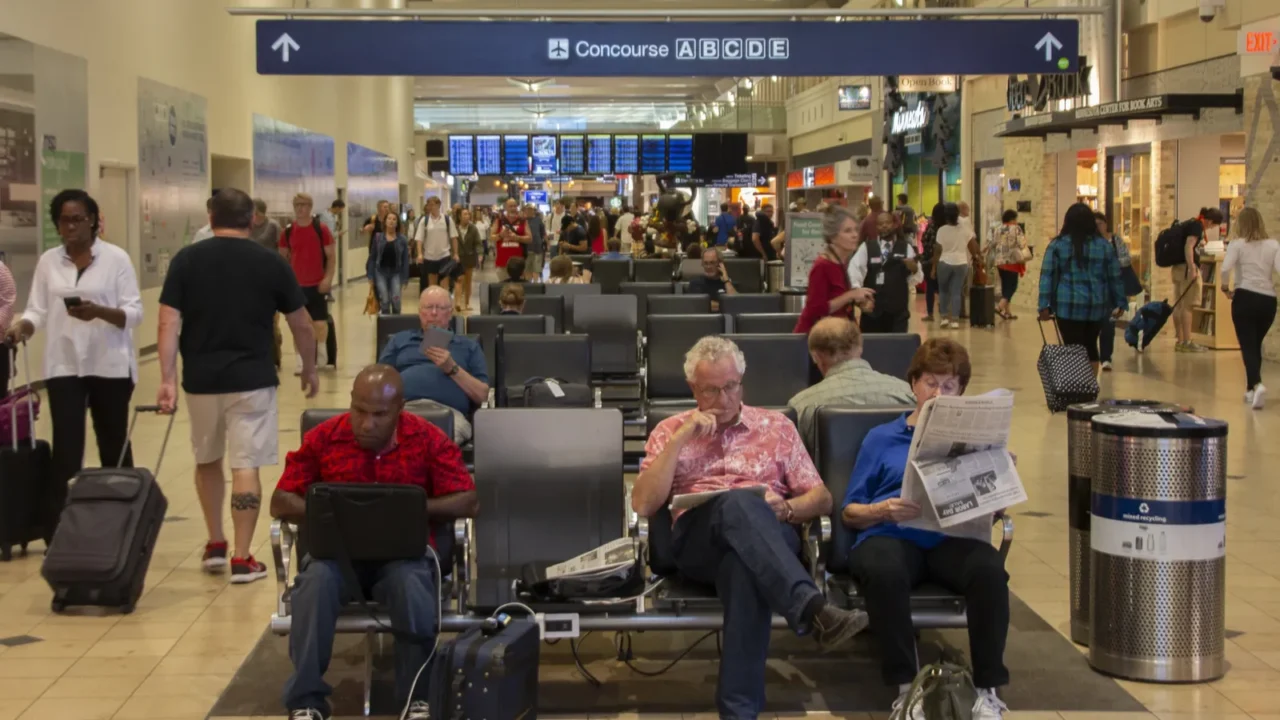
Airport delays increase regionally
The National Weather Service storm conditions contributed to flight delays and cancellations across Midwest airports. Facilities such as Minneapolis Saint Paul International Airport reported operational challenges due to snow and wind. Airlines adjusted schedules to maintain safety.
Travelers flying through regional hubs experienced extended wait times and rebooking challenges. Winter storms often impact flight networks beyond affected states. Airlines coordinated recovery operations as weather conditions improved.
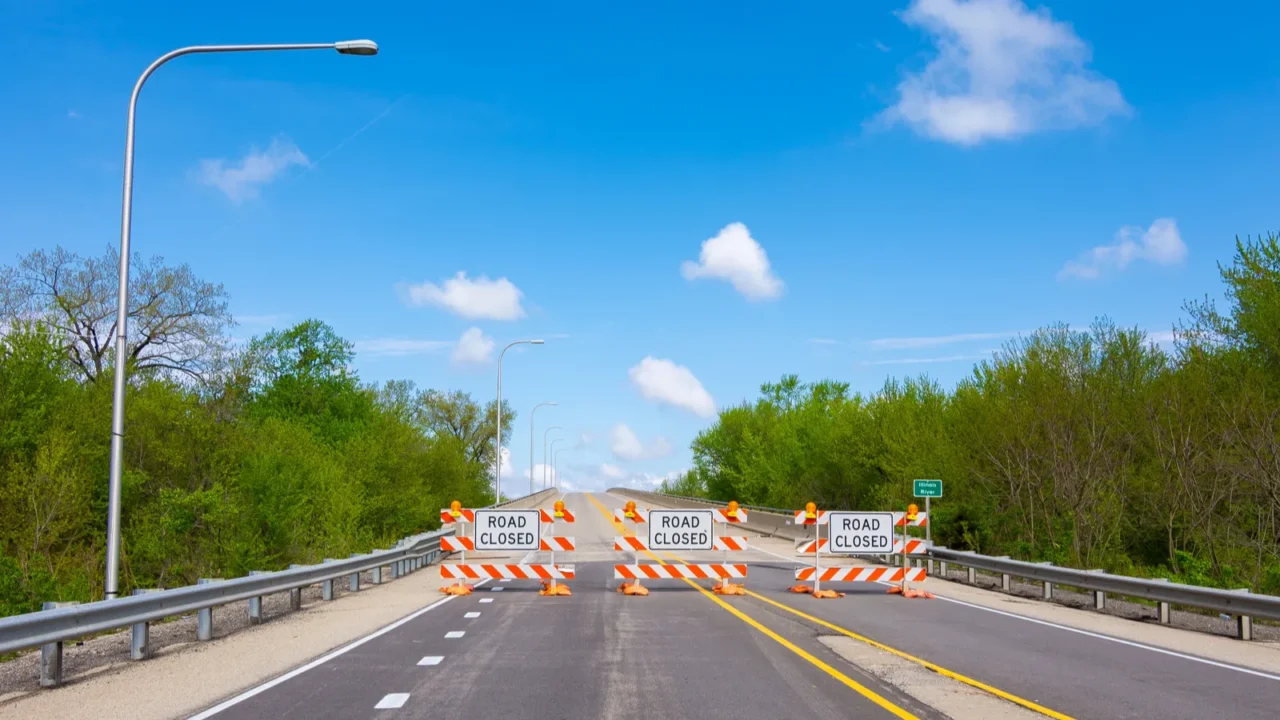
Highway closures affect routes
State transportation agencies reported multiple highway closures due to snow accumulation and drifting conditions. Key routes across Minnesota and Iowa were temporarily shut down to prevent accidents. Snow removal crews worked continuously to restore access.
Travelers driving through Midwest corridors faced detours and extended travel times. Road conditions remained unstable even after snowfall slowed. Officials advised delaying trips until conditions improved.

Rail and bus delays reported
Public transportation systems across the Midwest also experienced disruptions during the storm. Rail services and intercity buses adjusted schedules due to weather-related safety concerns. Operators focused on maintaining essential routes where possible.
Cities like Chicago and Milwaukee saw delays in commuter and regional transit services. Snow and ice affected track conditions and station accessibility. Travelers relying on public transport experienced schedule changes.
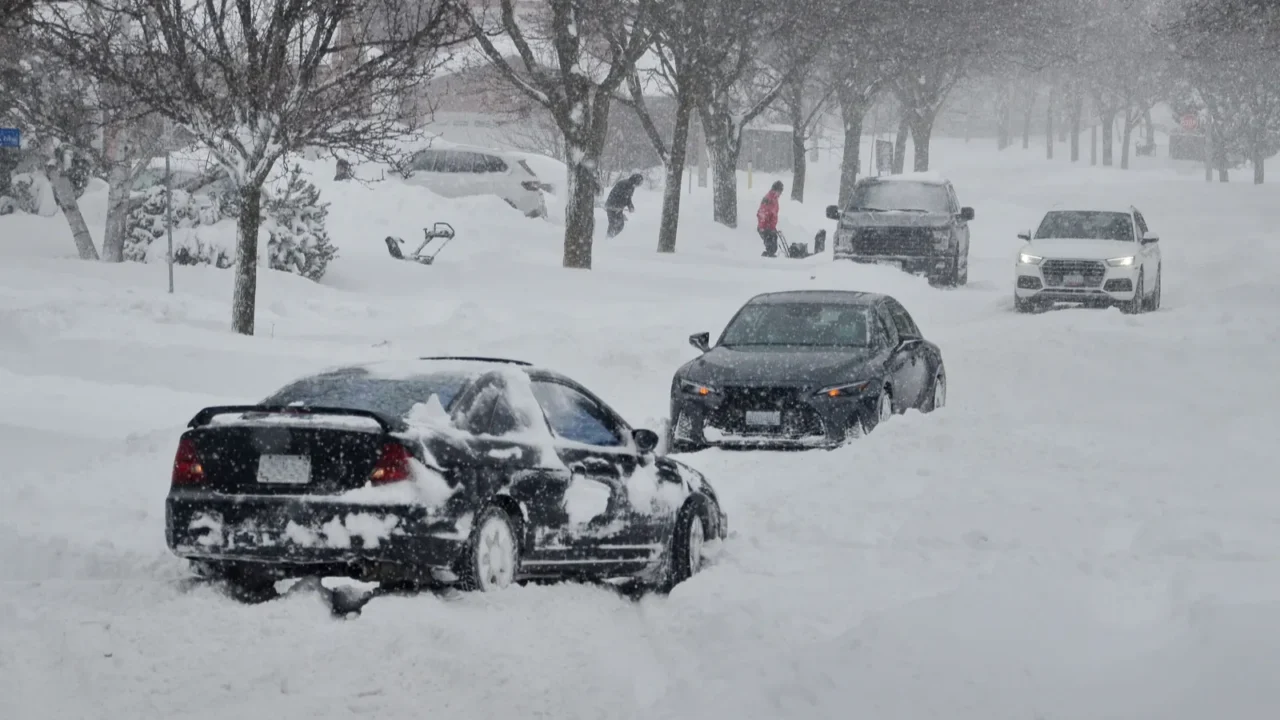
Snowfall totals highlight impact
The National Weather Service reported significant snowfall totals across affected Midwest regions during the storm. Accumulations varied by location, with some areas receiving heavy snow within short time periods. These totals contributed to widespread travel disruption across highways and airports.
Fact: A blizzard is defined by wind and visibility, not by snowfall total alone. Official National Weather Service guidance uses winds of at least 35 mph and visibility of one quarter mile or less for at least three hours.
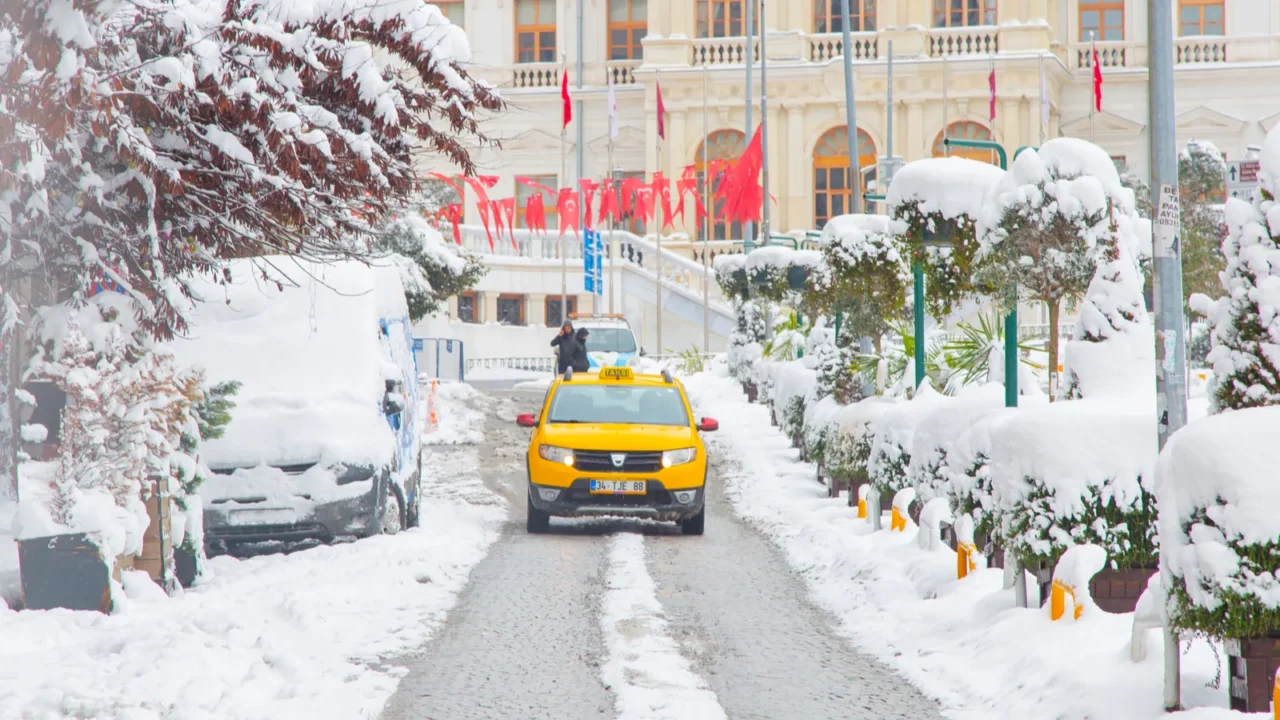
Winter storm frequency insight
Winter storms are a recurring challenge in the Midwest due to seasonal climate patterns and geographic conditions. Meteorologists track these events closely to provide timely forecasts and warnings. Preparedness plays a key role in minimizing disruption across travel systems.
Little-known fact: winter storms form when cold Arctic air collides with warmer southern air, creating large low-pressure systems that can stretch across multiple states and bring snow, ice, and blizzard conditions. These systems are common across the Midwest during cold season months. This recurring atmospheric setup explains why travel disruptions often affect several states at the same time.
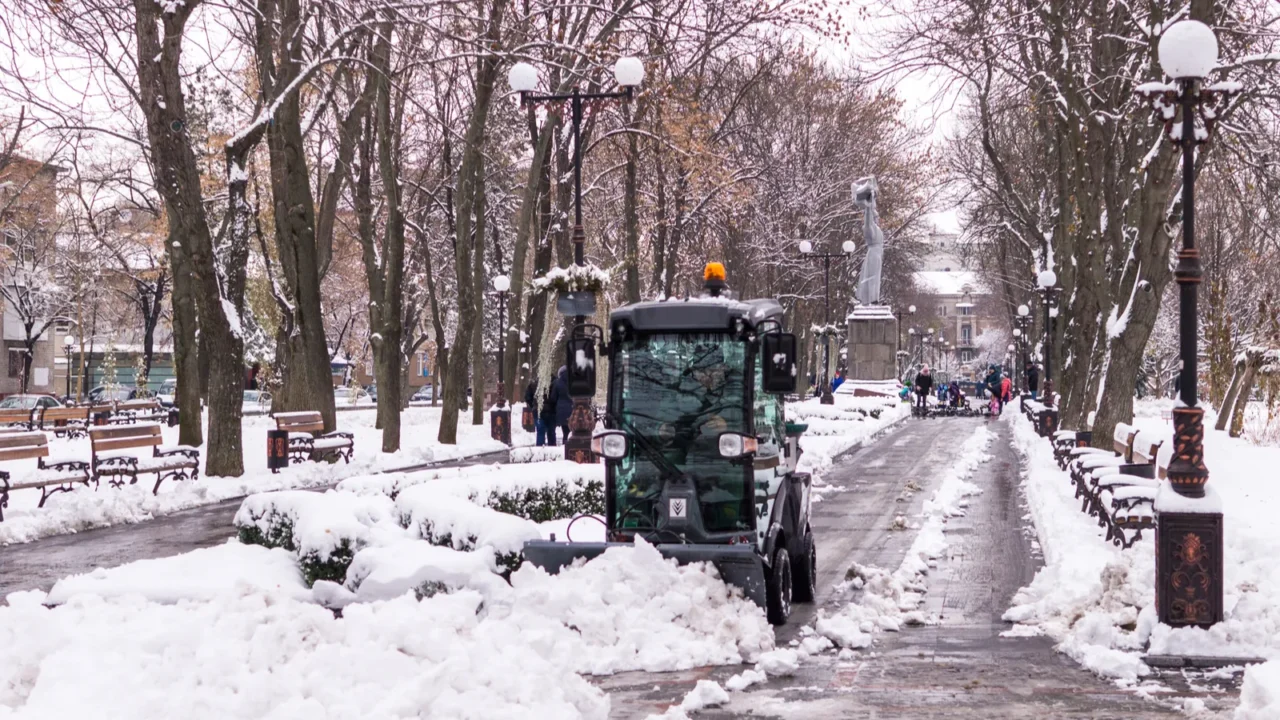
Recovery efforts underway
Recovery operations began shortly after storm conditions improved across affected states. Snow removal crews and emergency teams worked to reopen roads and restore normal travel conditions. Progress varied depending on local snowfall levels.
Airports and transportation networks gradually resumed operations as weather conditions stabilized. Travelers began rebooking flights and adjusting their itineraries. Recovery timelines depended on infrastructure readiness and weather patterns.

Airlines restore schedules gradually
Airlines operating in the Midwest started restoring schedules as conditions improved. Carriers prioritized safety while resuming delayed and canceled flights. Recovery operations continued across major hubs.
Flight schedules were adjusted to manage the backlog from earlier disruptions. Travelers experienced a gradual normalization of services.

Tourism affected temporarily
Winter storms often impact tourism activity in affected regions due to travel limitations. Destinations across Minnesota and Wisconsin experienced reduced visitor movement during peak storm periods. Local businesses adjusted operations accordingly.
Travelers postponed or rescheduled trips to cities like Minneapolis and Madison. Tourism boards monitored recovery progress and communicated updates. Visitor activity typically resumes once conditions stabilize.
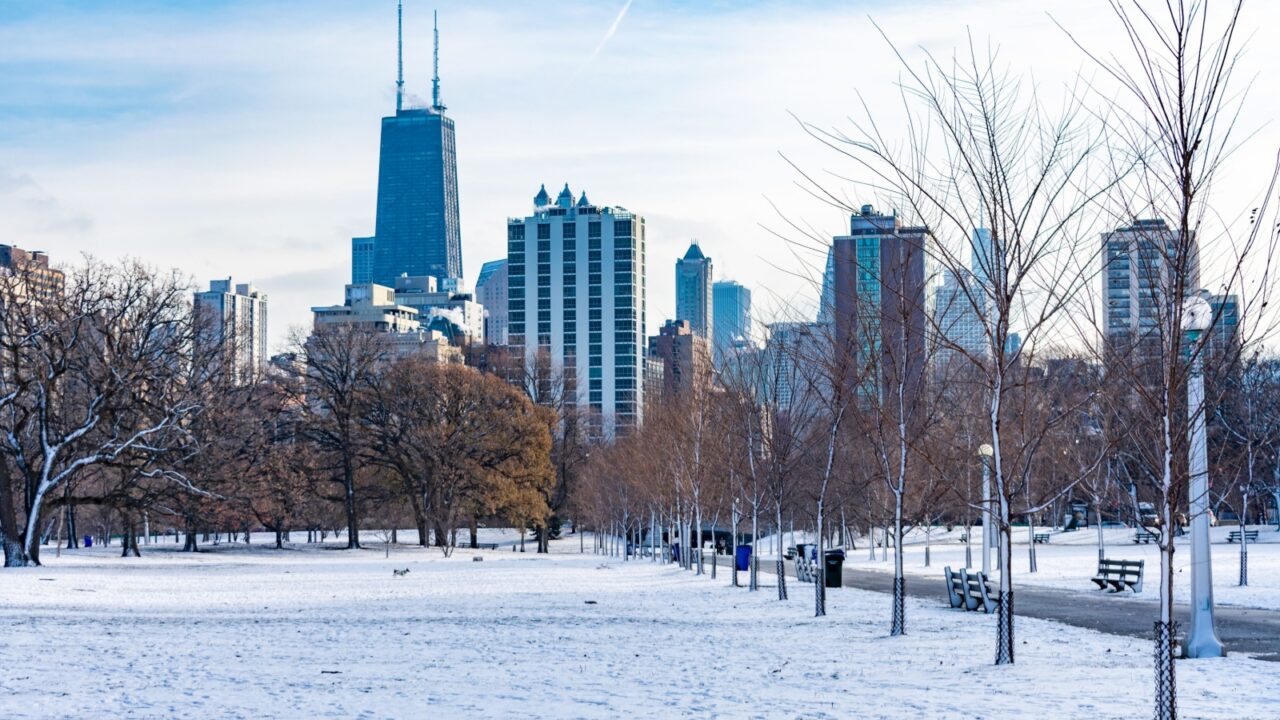
Midwest travel resilience patterns
Midwest regions have developed strong response systems to manage winter weather disruptions. Infrastructure and emergency planning support faster recovery efforts. These systems help restore travel networks efficiently, even as travel plans are at risk as up to 12 inches of snow hit the U.S. during intense storm periods.
Cities like Chicago and Minneapolis are experienced in handling seasonal storms. Airports and transit systems adapt to changing conditions. Travel resilience continues improving with better forecasting tools.

Travel outlook improves gradually
Travel conditions across the Midwest are expected to improve as recovery efforts continue and weather stabilizes. Transportation systems are gradually returning to normal operations. Travelers are resuming plans across affected regions.
Airports, highways, and rail services continue progressing toward full capacity. Tourism and travel activities are expected to recover in the coming days.
Which Midwest destination feels ready for travel again after this storm? Share your thoughts below.
This slideshow was made with AI assistance and human editing.
Don’t forget to follow us for more exclusive content right here on MSN.
Read More From This Brand:
