California’s ballot battle
A proposed California 2026 ballot initiative would impose a one-time tax of up to 5% on certain taxpayers and trusts with covered assets valued above $1 billion if it qualifies for the November ballot and wins voter approval. Most of the revenue would be reserved for health care, while the remainder would go to food assistance, education-related programs, and administration, under the official summary.
A separate voter ID initiative would require government‑issued photo identification at polling places. These measures are fueling statewide debates over equity, economic impact, and election integrity.

Billionaire tax proposal explained
The California Billionaire Tax Act is backed by labor unions and voter groups seeking new revenue for public services. Proponents argue that the ultra‑wealthy benefited most from public investment and should help fund state needs.
Opponents contend taxing billionaires could drive investment and high‑net‑worth residents out of California, potentially harming jobs and long‑term economic growth if implemented.

Tech elite push back
Several high‑profile tech billionaires and business leaders are spending heavily to oppose the wealth tax, arguing it threatens California’s competitiveness and discourages innovation. Reports show significant financial commitments to ballot measure opposition campaigns.
Some wealthy individuals have signaled intentions to move assets or residency out of state, raising concerns among policymakers about potential revenue losses if the measure becomes law.

Voter ID initiative emerges
Republican-backed proponents submitted signatures for a California voter ID initiative, but the proposal was still pending signature verification in early April 2026 rather than fully certified for the ballot. If it qualifies, the measure would require government-issued identification for in-person voting and add verification steps for vote-by-mail ballots.
Supporters say this would strengthen election integrity and public confidence in results, while critics warn that strict ID requirements could disproportionately affect eligible voters without current documentation.
National support for voter ID
The voter ID battle in California mirrors a broader national conversation about voting security. Supporters argue that photo ID requirements reduce fraud and align the state with many others that already use similar systems. Critics counter that ID laws may create barriers for lower‑income and minority voters.
Fact: Roughly 80% of Americans support requiring photo identification to vote.
The voter ID debate deepens
Supporters of the California voter ID measure view it as a necessary reform that bolsters trust and aligns with many states’ practices, while ensuring that ballots are cast by verified individuals.
Opponents argue that strict ID requirements could create additional hurdles for eligible voters who lack acceptable identification, particularly in rural and low‑income communities, complicating access to the ballot box.

Political divide intensifies
The billionaire tax and voter ID proposals highlight sharp political divides in California. Progressive groups emphasize redistributive fairness and strengthened election procedures, while conservative voices warn of economic risk and voter barriers.
Political leaders on both sides are mobilizing endorsements, advertising, and grassroots campaigns. This high‑stakes battle is poised to shape the state’s policy direction, with implications for national political trends.
California tax support poll
Polling suggests a divided electorate on the billionaire tax. Many voters express anxiety about wealth inequality and support revenue for public needs, while others worry about economic consequences.
A March 2026 Berkeley IGS poll found early majority support for the billionaire-tax proposal, with 52% of California voters backing the measure. The same polling showed the voter ID proposal was more closely divided, underscoring how unsettled the broader ballot fight remains.

Potential economic impact
Analysts project significant revenue if the billionaire tax qualifies, but some economists warn of reduced investment, relocation of taxpayers, and long‑term effects on business growth.
State officials are assessing how revenue could be directed and safeguarded for healthcare and education. Meanwhile, debate continues over whether potential short‑term gains outweigh the risk of decreased economic activity and fiscal uncertainty.
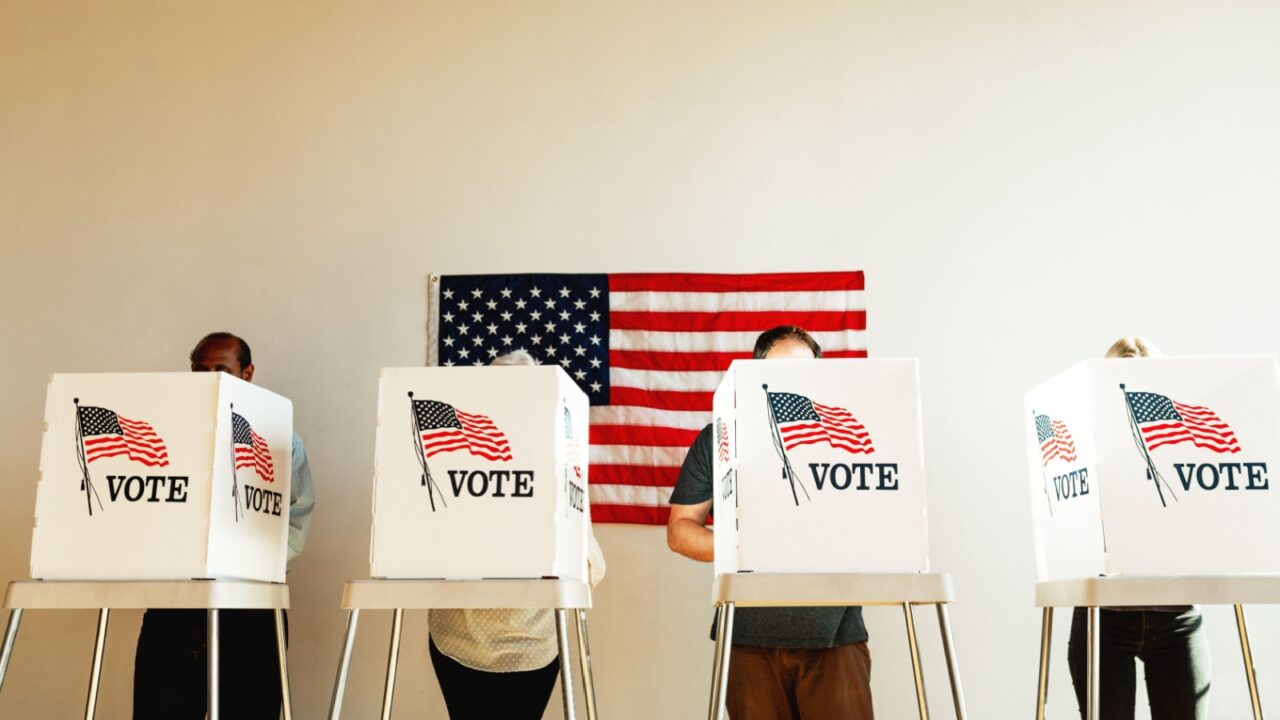
How voter ID compares
California’s voter ID initiative would place the state closer to the majority of states that already require government‑issued identification.
Critics argue that such laws do little to prevent fraud while creating extra steps for voters without current documentation. Supporters argue it is a common‑sense measure that aligns California with national norms and could enhance public trust in election outcomes.

The role of campaign spending
Both measures have attracted large campaign expenditures from allies and opponents. Business groups, unions, grassroots organizations, and political action committees are channeling millions into advertising, endorsements, and public outreach.
This financial investment underscores the high stakes of the 2026 ballot and reflects the deep ideological divides on taxation and election governance within California’s electorate.

Ground game on the ballot trail
As signature drives conclude and certification deadlines approach, grassroots efforts are shifting toward voter education. Both sides are hosting events, distributing literature, and mobilizing volunteers across diverse regions.
As of early April 2026, the voter ID initiative was in the signature-verification stage, while the billionaire-tax proposal remained in circulation ahead of its June filing deadline. That procedural gap is important because neither measure had yet become an eligible statewide initiative for the November 2026 election.
Want to see how 2026 tax changes could affect middle-income households across the country? Take a closer look at the key updates and what they could mean for your family’s next tax bill.

California’s big test
The 2026 ballot presents California voters with two major policy decisions that could redefine state priorities on taxation and voting laws. The billionaire tax and voter ID measures reflect competing visions of fairness, economic strategy, and democratic access.
As campaigns intensify and public dialogue deepens, California stands at a pivotal moment in shaping its governance and potentially influencing national debate about billionaires.
How will California’s voters balance wealth, fairness, and the rules of the game in 2026? Let us know in the comments.
This slideshow was made with AI assistance and human editing.
Don’t forget to follow us for more exclusive content right here on MSN.
Read More From This Brand:
