
Record heat hits southwest states
NOAA reported that March 2026 was the warmest March on record for the contiguous United States, with unusually warm conditions affecting much of the South and Southwest. Arizona and Texas were among the states that recorded their warmest March on record. Temperatures have surged well above seasonal averages across large portions of the southern United States.
Arizona and Texas saw exceptionally warm March conditions, while other parts of the South also experienced unusually early warmth more typical of late spring than the usual seasonal transition. Travel activity has shifted as outdoor schedules adjust across Phoenix, Dallas, and Miami.

Texas sees rising extremes
Texas has experienced persistent high temperatures across major cities, including Houston, Dallas, and San Antonio. The National Weather Service confirms repeated above-normal temperature readings throughout the region. Early spring conditions have increased strain on outdoor travel plans.
Visitors in Texas have shifted sightseeing schedules to avoid peak daytime heat hours. Tourism operators report reduced midday outdoor activity at parks and urban attractions. Weather agencies continue monitoring evolving heat conditions across the state.

Florida humidity intensifies heat
Florida often feels hotter when high humidity combines with warm temperatures, because moisture in the air makes it harder for sweat to evaporate and cool the body. Even when temperatures are not record-breaking, humid spring weather can still create stressful conditions for outdoor visitors.
Tourism behavior in Florida has shifted toward indoor attractions and shaded environments during peak hours. Theme parks and coastal destinations have adjusted visitor guidance for heat exposure. Seasonal conditions continue influencing travel planning across the state.
Arizona desert records spike
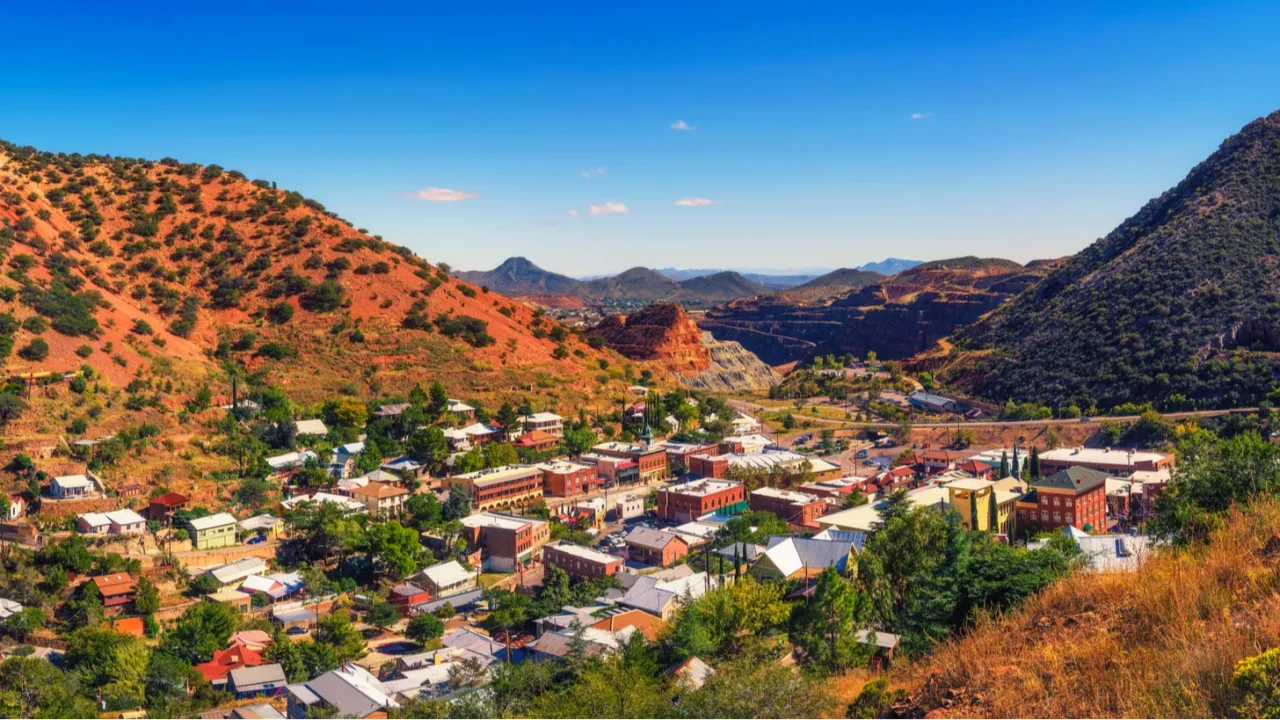
Arizona has recorded some of the most intense early-season heat conditions in the country. Arizona recorded its warmest March on record in 2026, reflecting how far temperatures climbed beyond the state’s usual early spring pattern. In desert areas around Phoenix, that kind of warmth can make midday outdoor activity riskier much earlier in the year.
Outdoor tourism in Arizona has shifted toward early morning and evening activities. Hiking trails and desert parks are seeing reduced midday visitation due to heat intensity. Safety advisories remain active for heat-sensitive travelers.

Travel schedules shift timing
Travel behavior across the three states is adapting to avoid peak heat exposure periods. Airlines and tour operators are reporting increased demand for flexible timing options. NOAA-linked forecasting tools are helping travelers adjust plans more efficiently.
Outdoor sightseeing is increasingly scheduled for early morning or late evening hours. Attractions across major cities are seeing a redistribution of visitor flow throughout the day. Heat awareness is shaping travel planning across multiple destinations.

Heatwave science explained
According to the National Weather Service, a heat wave is a period of abnormally hot weather that typically lasts two or more days. NOAA explains that these events are becoming more frequent and more intense across the United States due to shifting climate patterns. This is especially noticeable during seasonal transitions like early spring.
Little-known fact: EPA says the average heat wave season across U.S. cities is now 46 days longer than it was in the 1960s, and in recent years the average heat wave in major urban areas has lasted about four days. CDC also says more than 700 people die from extreme heat each year in the United States, making preparedness and timely warnings especially important.
Urban heat effect grows
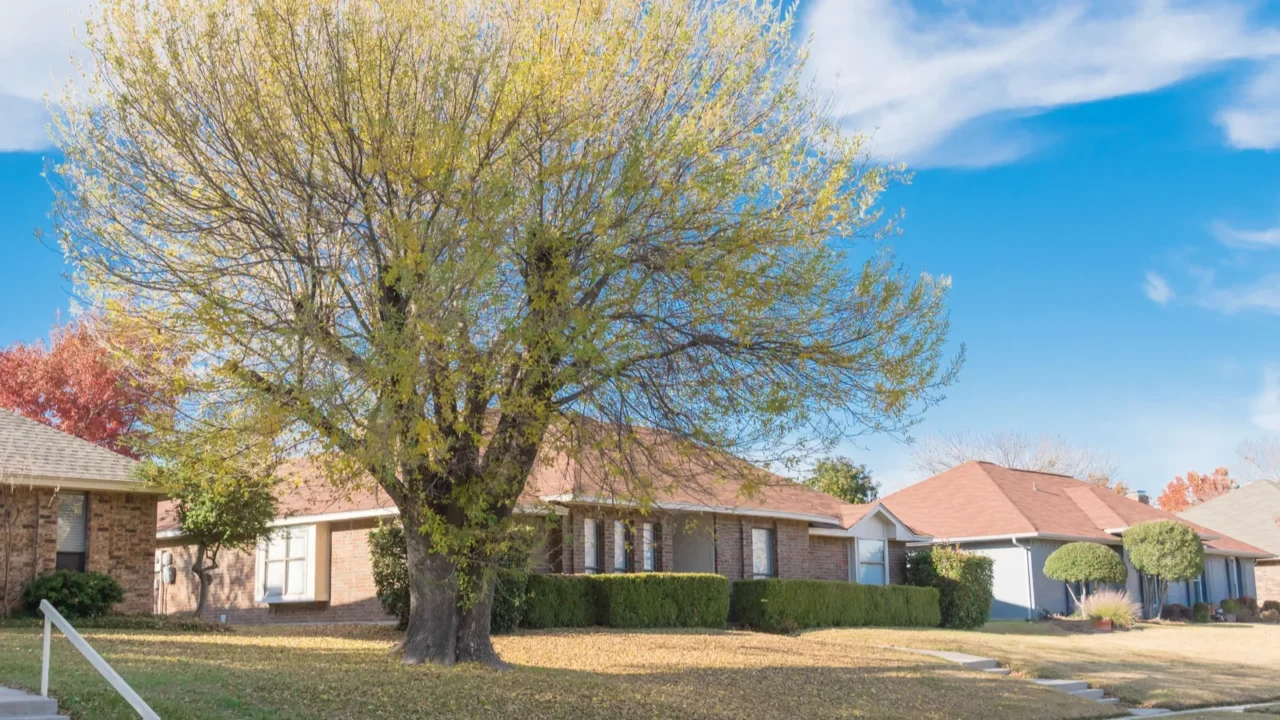
Urban areas experience higher temperatures than surrounding rural regions due to heat-absorbing surfaces like roads, buildings, and pavement. The Environmental Protection Agency defines this as the urban heat island effect, which increases heat stress in cities during extreme weather events. This effect becomes more noticeable during heatwaves.
Fact: Urban areas can be up to 1 to 7 degrees Fahrenheit warmer than nearby rural areas during the day, and even hotter at night, according to EPA research. This intensifies travel discomfort in major cities like Phoenix, Dallas, and Miami during heat events. It also increases energy demand for cooling systems.

Health risks increase rapidly
The CDC reports that heat-related illness can escalate quickly during sudden temperature spikes. Symptoms range from dehydration to severe heat stroke if exposure continues. Vulnerable groups are at higher risk during extreme conditions.
Health agencies recommend hydration, shade, and cooling breaks during outdoor travel. Emergency room visits increase during prolonged heat events across multiple regions. Awareness campaigns are being expanded during seasonal transitions.

Tourism adapts quickly
Tourism operators across Texas, Florida, and Arizona are adjusting offerings due to heat conditions. Indoor attractions and evening experiences are seeing increased demand. Travel agencies are adapting packages to reflect changing weather conditions.
Visitor flow is shifting toward climate-controlled environments and shorter outdoor exposure periods. Hotels are reporting higher interest in cooling amenities and shaded recreation areas. Seasonal flexibility is becoming a key travel factor.
Forecast shows variability
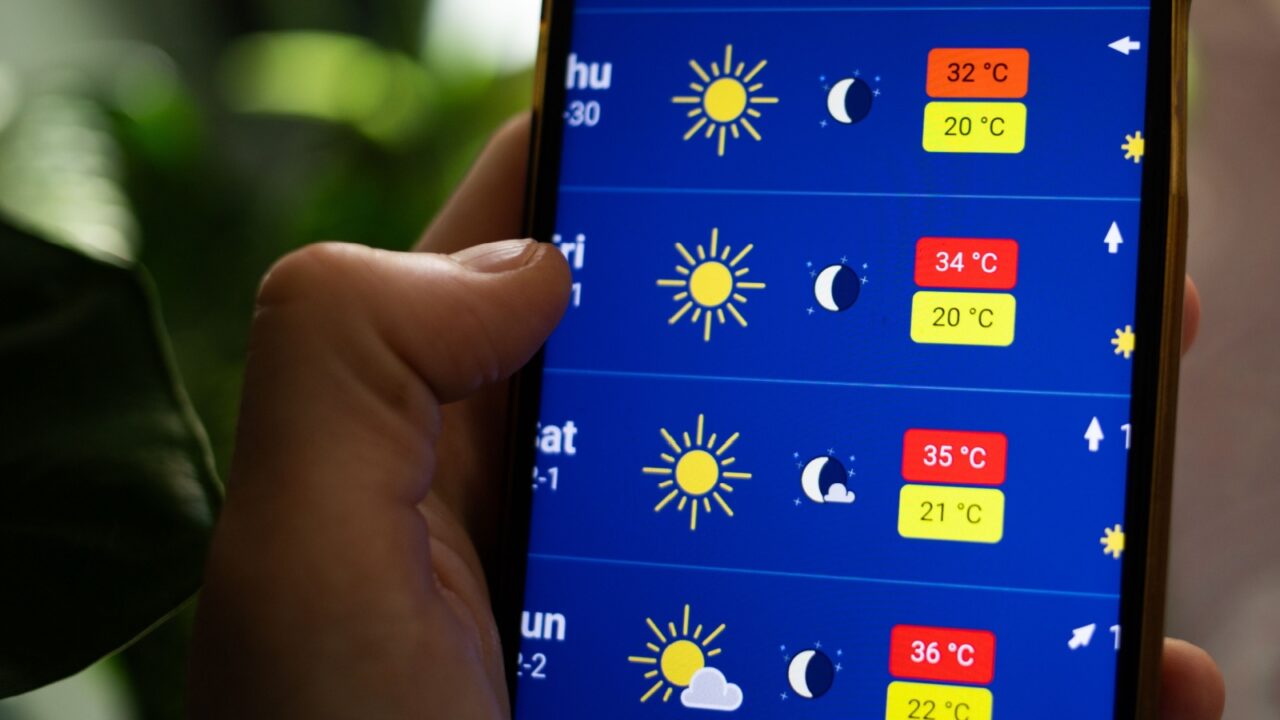
NOAA climate outlooks indicate continued variability in spring temperature patterns across the southern United States. Sudden heat spikes remain possible during transitional weather periods. Forecasting tools are improving regional preparedness.
Meteorologists continue tracking atmospheric conditions that influence heatwave formation. These systems help destinations prepare for rapid temperature changes. Improved modeling supports more accurate travel planning decisions.
Climate patterns intensify
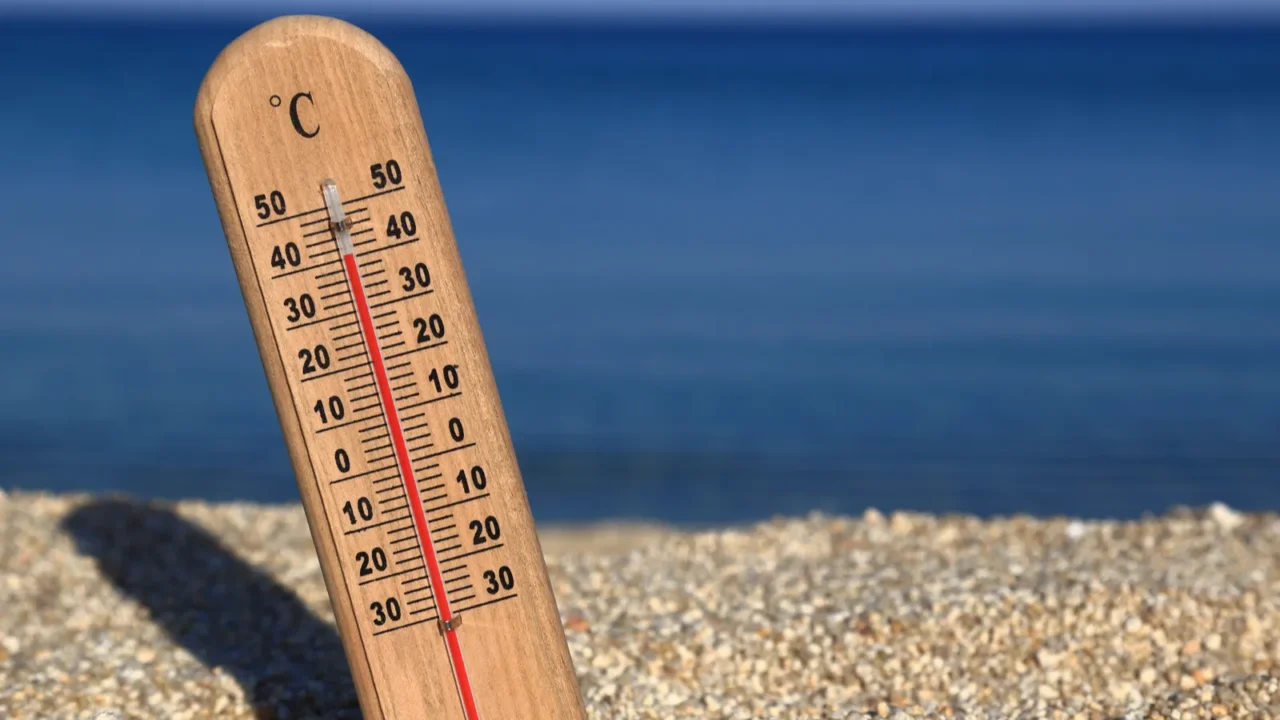
Climate research shows that extreme heat events are becoming more frequent and severe. EPA analysis highlights increasing risk of record-breaking temperature days across the United States, as seen in situations like Los Angeles, which braces for blistering summerlike heat and higher health risks. These changes affect both urban and rural regions.
A key insight is that warmer average temperatures increase the likelihood of extreme heatwaves. This trend directly impacts travel safety and tourism planning. Long-term climate shifts are shaping seasonal travel expectations.

Travelers adjust expectations
Travelers are increasingly prioritizing flexibility and heat awareness when planning spring trips. Outdoor schedules are being modified to align with updated weather forecasts. Destinations are adapting to evolving visitor behavior patterns.
The best trips are the ones that balance comfort and discovery. Which destinations feel most practical for travelers navigating changing heat conditions right now? Share thoughts below.
This slideshow was made with AI assistance and human editing.
Don’t forget to follow us for more exclusive content right here on MSN.
Read More From This Brand:
