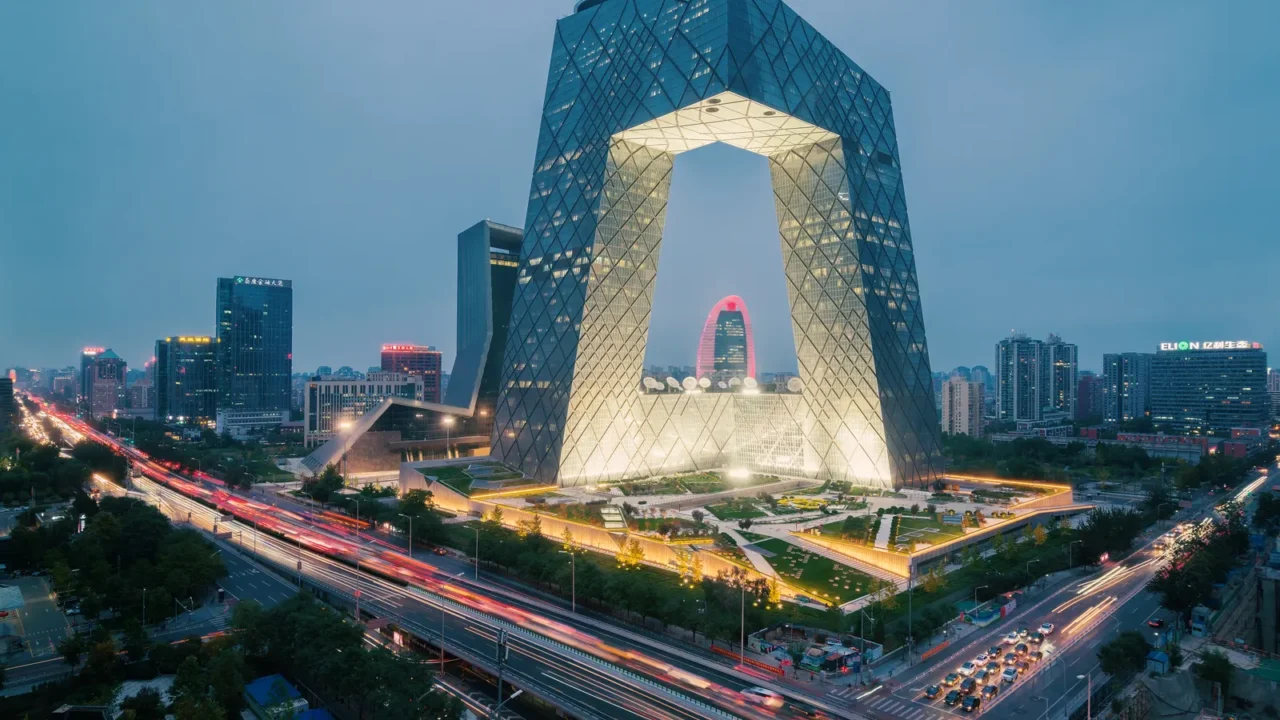
Global shock to growth
China’s economy faces a complex challenge as the Iran war tightens energy supplies and disrupts commodity flows. The conflict’s effects are not limited to the Middle East but are rippling globally, threatening growth through higher input costs, inflationary pressures, and logistical bottlenecks that could dampen production and investment in the world’s second‑largest economy.
Policy makers in Beijing are weighing how to sustain recovery while addressing external risks that have intensified uncertainty and reshaped market expectations for 2026 growth prospects.
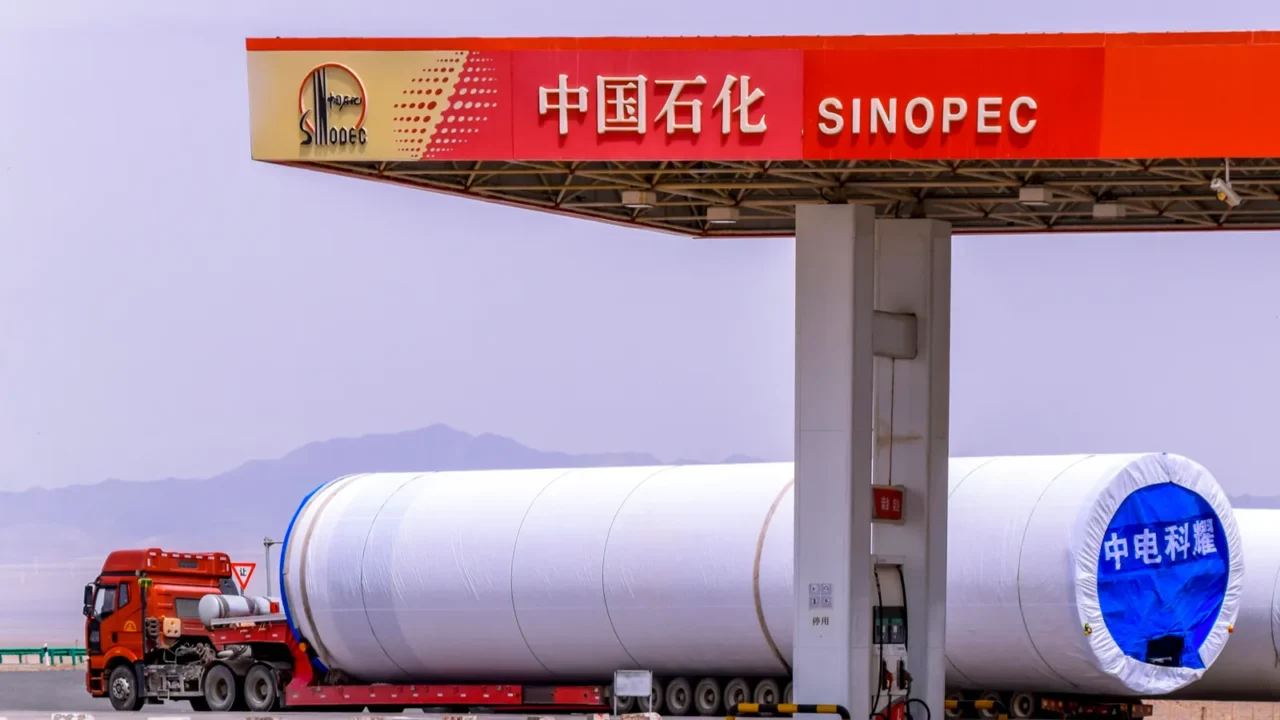
Rising energy costs
Energy prices have jumped since the conflict around the Strait of Hormuz intensified, with crude benchmarks posting sharp gains as supply fears and shipping disruptions unsettled global markets. The spike directly feeds into production costs for manufacturers and logistics across Asia’s largest exporter, squeezing margins and elevating inflation risks.
These cost pressures are complicating the People’s Bank of China’s monetary stance and could slow investment spending in capital‑intensive sectors.

Inflation pressures build
Imported inflation is a growing concern for China as higher global commodity prices filter through to domestic markets. Costs for fuel, chemicals, and intermediate goods are rising, lifting input prices for producers and adding to consumer price pressures even as demand remains subdued.
This imported cost push complicates policy choices by raising the risk that inflationary pressures could outpace wage growth and slow real consumer spending.
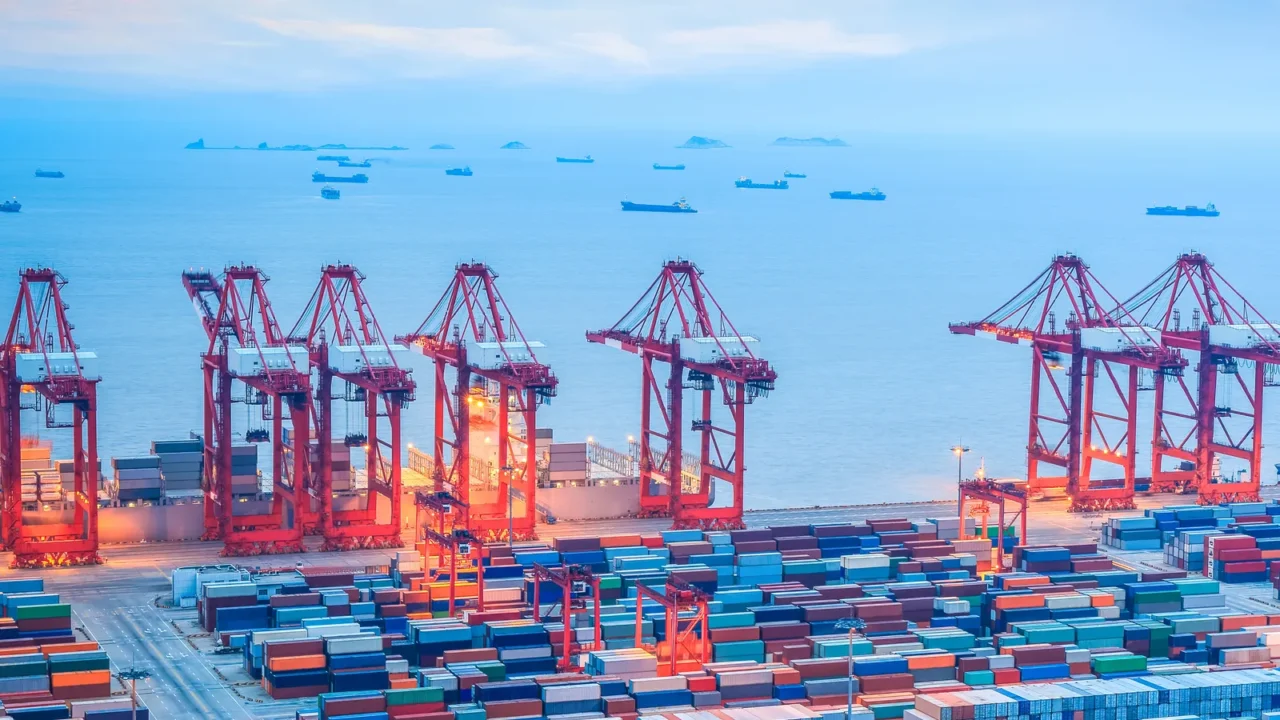
Export competitiveness risk
China’s export sector faces headwinds as rising upstream costs erode price competitiveness against rivals in Asia and Europe. Higher freight and raw material expenses could lead Chinese producers to raise export prices, reducing demand in key markets already grappling with slower global growth.
If sustained, these shifts may prompt structural changes in supply chains, forcing firms to seek efficiencies or shift to higher‑value manufacturing segments to preserve export momentum.
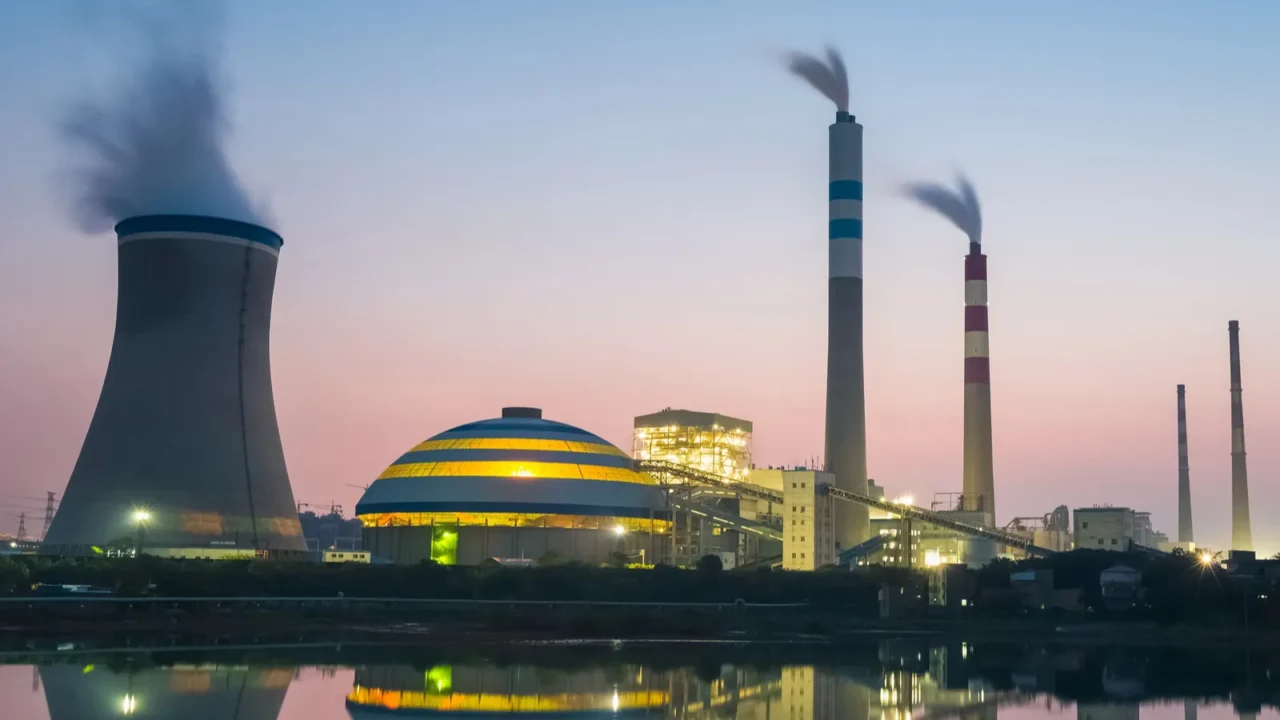
China’s energy strategy
China’s energy strategy, including strategic reserves and diversified import routes, provides some buffer against Middle East turmoil. Beijing has accumulated substantial petroleum stocks and expanded energy links with alternative suppliers, reducing immediate dependence on Gulf oil flows through volatile chokepoints such as the Strait of Hormuz.
Still, any prolonged disruption in global energy markets would test these safeguards and could cause ripple effects across manufacturing and transportation sectors nationwide.
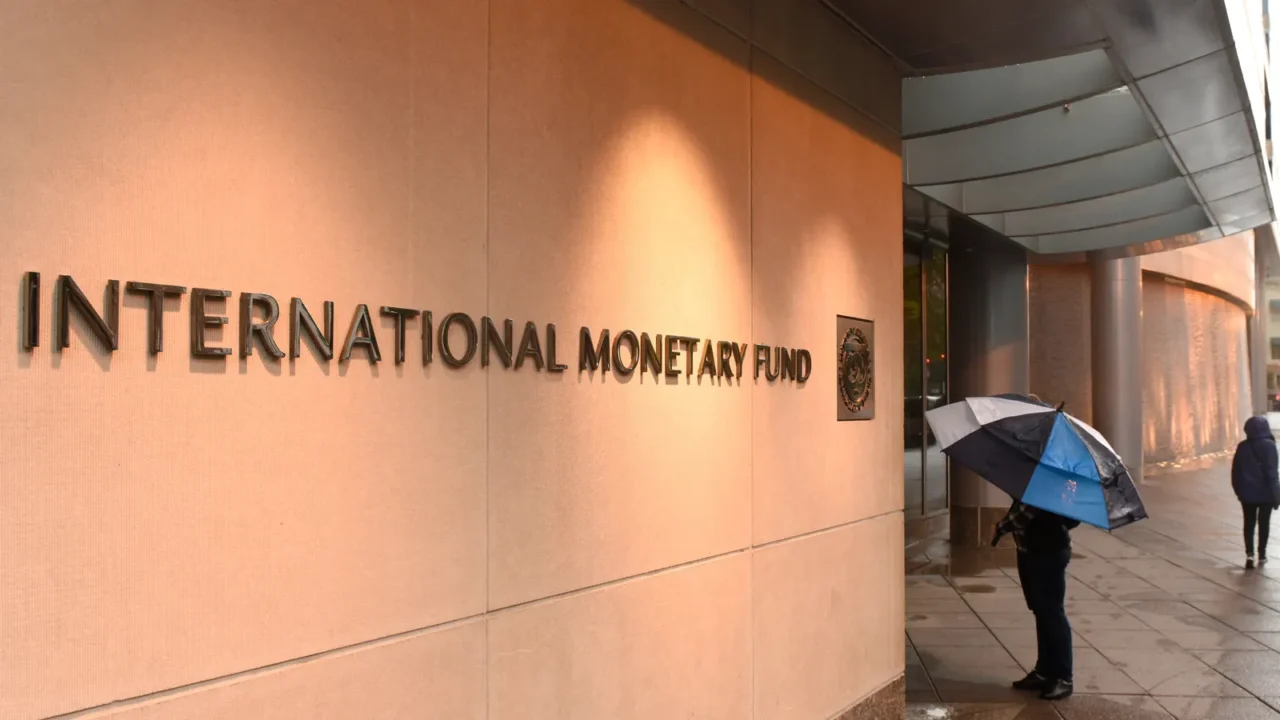
IMF Briefing
Beijing’s outlook faces added uncertainty as higher energy costs and weaker external demand raise risks for a major importing economy like China. IMF assessments note that geopolitical tensions can disrupt growth through commodity prices, supply chains, and financial conditions, which makes external shocks more difficult for policy makers to manage.
Fact: IMF materials warn that geopolitical tensions can disrupt the global economy through commodity prices, supply chains, and financial markets.

Largest disruption
Energy markets remain fragile as global crude shipments are disrupted by Middle East tensions, driving prices higher and affecting China’s imports and production costs. Higher fuel and shipping costs ripple across manufacturing and logistics networks, adding pressure on firms already coping with supply chain stress and inflationary pressures.
These disruptions are creating economic strain for Chinese households and businesses, particularly those reliant on energy-intensive production or logistics networks.
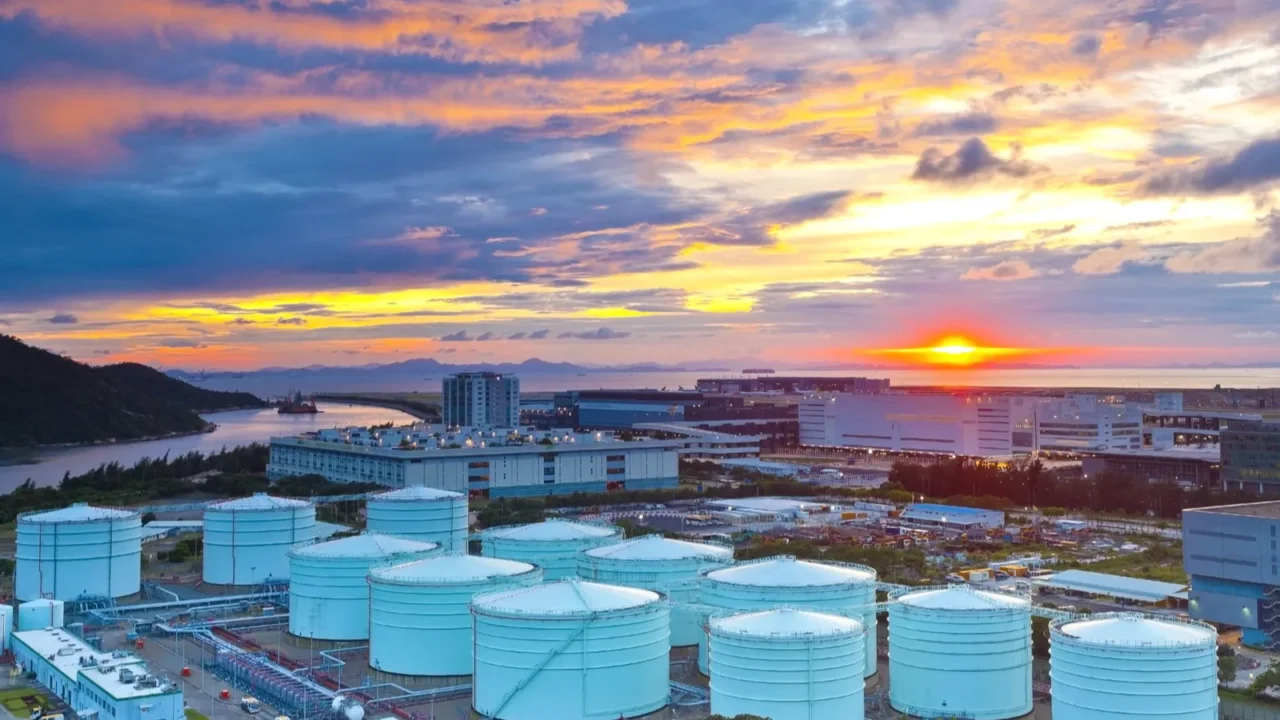
Investment Slowdown Threat
Uncertainty over international demand and rising production costs may cool business investment in China. Capital expenditures in heavy manufacturing and export‑oriented industries are sensitive to global growth expectations and commodity price volatility.
Risk aversion among firms can lead to delayed decisions on capacity expansion, slowing productivity gains and reducing China’s long‑term growth potential as foreign investors reassess risk profiles tied to geopolitical volatility.

IMF regional projection
Global instability, including conflict in the Middle East, is shaping economic forecasts across regions. The IMF regional outlook noted that geopolitical uncertainty raises uneven growth prospects and inflation risks, with importers like China facing cost pressures even as some commodity exporters benefit.
Fact: IMF analysts report that geopolitical tensions create variable growth trajectories across regions, with import-dependent nations like China particularly vulnerable to supply disruptions.
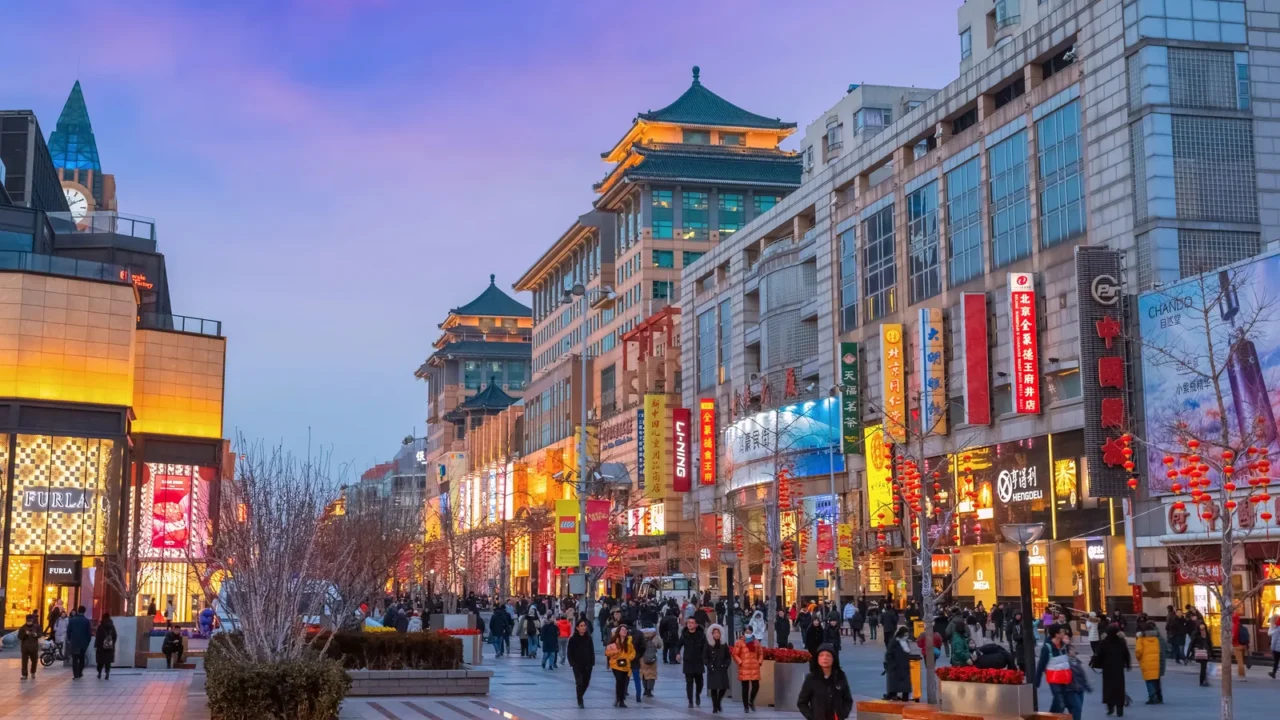
Consumption uncertainty
Household consumption in China, already weighed down by demographic shifts and savings preferences, may be further dampened by higher living costs and inflationary expectations. When energy and food prices rise, discretionary spending often contracts first, slowing retail, services, and leisure sectors.
This pattern weakens the domestic demand contribution to GDP, complicating China’s ongoing shift from export‑led to consumption‑led growth models.
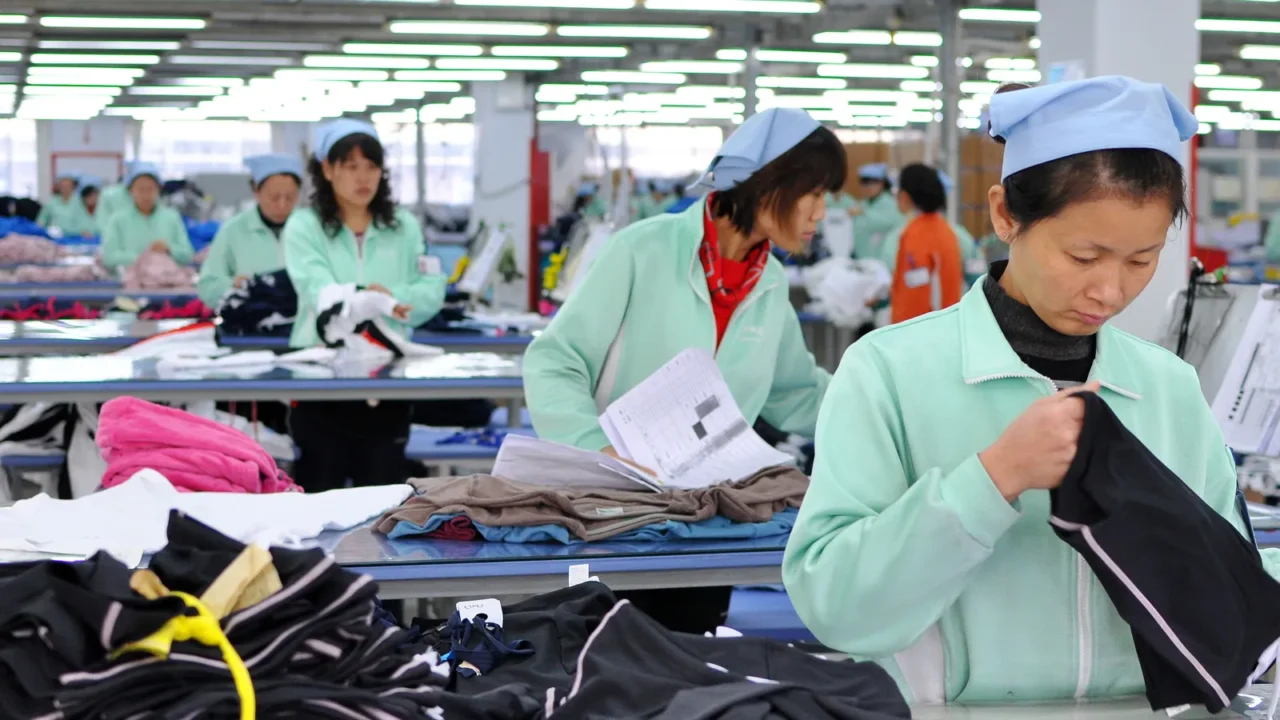
Labor market challenges
Rising input costs and slower global demand could strain labor markets, particularly in export‑driven industrial centers. If firms face squeezed margins, hiring may slow and wage growth could lag, especially in regions dependent on manufacturing employment.
A slack labor market adds downward pressure on wages and consumer confidence, creating headwinds for broader economic resilience amid external shocks from geopolitical instability.
Policy response options
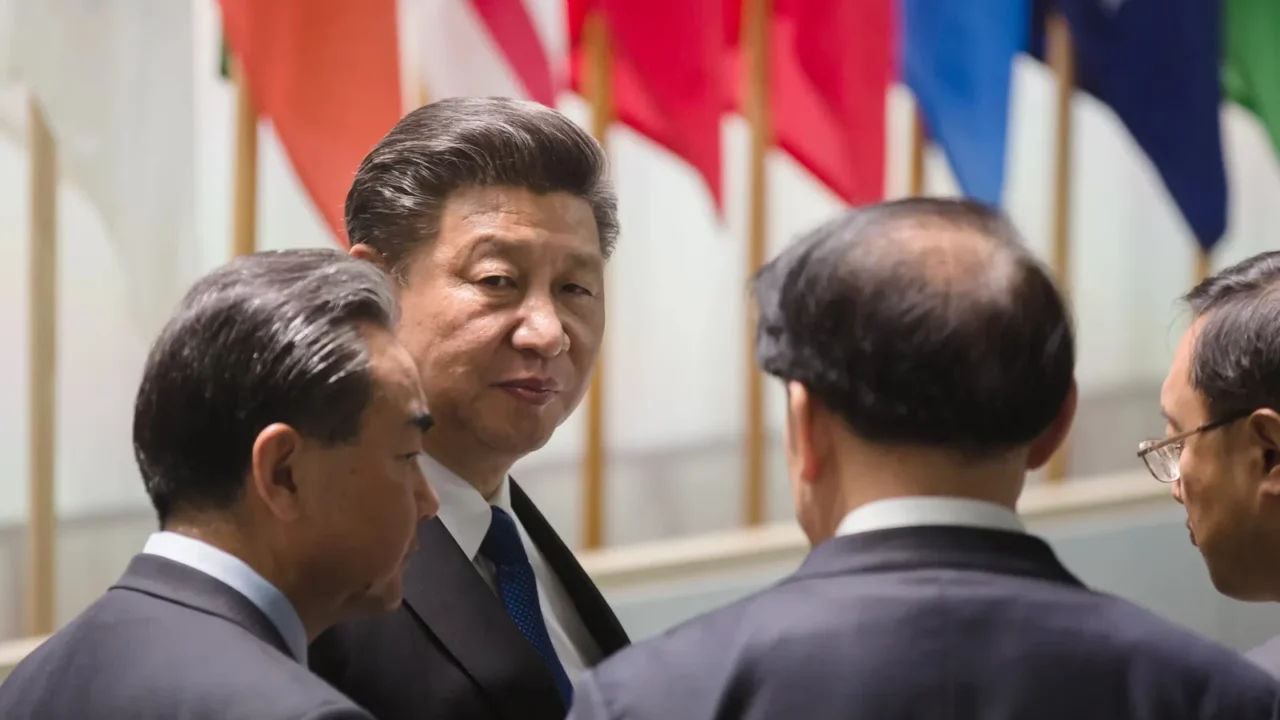
Beijing may deploy a mix of fiscal and monetary tools to cushion the impact of external shocks. Potential responses include targeted tax relief, infrastructure investment to spur domestic demand, and liquidity support for affected industries to absorb rising costs, a moment that quietly invites closer attention to how these shifts could reshape China.
However, balancing stimulus with inflation control poses a delicate policy challenge as authorities aim to maintain growth without igniting broader price pressures.
Slower growth outlook
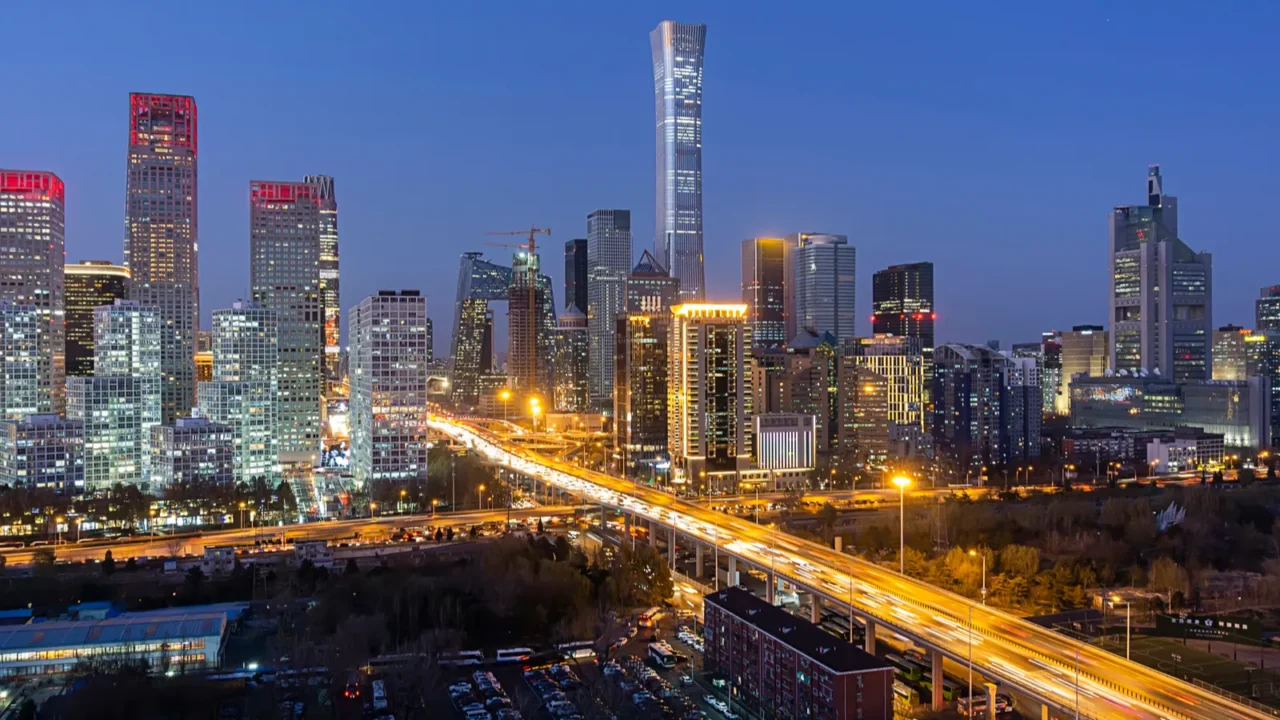
Analysts now see China’s growth trajectory moderating as external pressures intensify. China has set a 2026 GDP growth target of 4.5 percent to 5 percent, while the IMF projects 4.5 percent growth for the year. Higher energy costs, supply disruptions, and weaker external demand could make that goal harder to achieve if the conflict persists.
While structural strengths remain, persistent geopolitical instability adds a layer of risk that could temper China’s expansion and shape economic policy decisions throughout the year.
Want to see how global markets could react after Iran’s setback? Take a closer look at how shifting oil security could reshape prices, supply routes, and the next phase of energy risk.
Want to see how global markets could react after Iran’s setback? Take a closer look at how shifting oil security could reshape prices, supply routes, and the next phase of energy risk.
What happens when a distant conflict quietly reshapes the world’s second largest economy and, in turn, the global balance we all depend on?
This slideshow was made with AI assistance and human editing.
Don’t forget to follow us for more exclusive content right here on MSN.
Read More From This Brand:
