
El Niño conditions intensify globally
The El Niño-Southern Oscillation, or ENSO, is a recurring climate pattern involving changes in Pacific Ocean temperatures and the atmosphere that can influence weather around the world. The National Oceanic and Atmospheric Administration confirms that the 2023 to 2024 El Niño ranked among the five strongest events on record. This phenomenon typically develops every two to seven years and lasts around nine to twelve months.
The World Meteorological Organization reported that the 2023 to 2024 event peaked between late 2023 and early 2024, contributing to widespread climate anomalies. Major impacts included temperature spikes, altered rainfall systems, and intensified weather extremes across continents. Travelers and tourism operators globally experienced disruptions linked to heatwaves and storms.
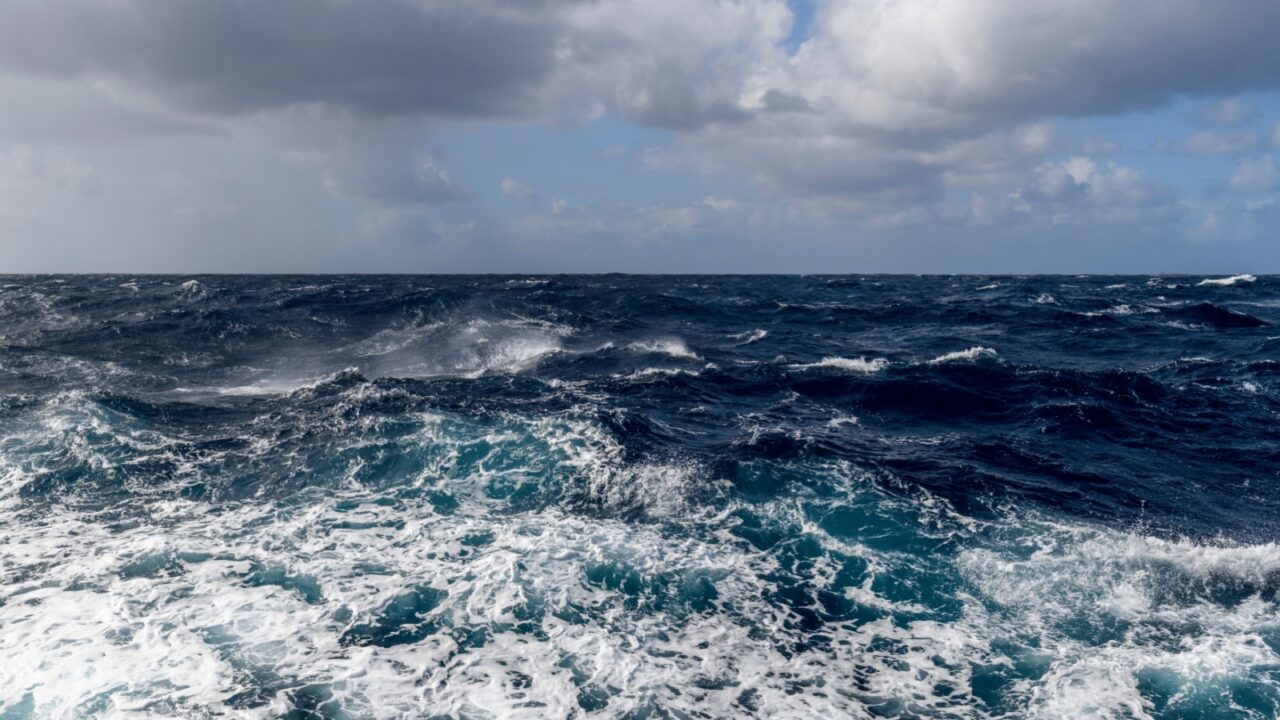
Pacific warming patterns shift
El Niño conditions are driven by weakened trade winds that allow warm surface water to shift eastward across the Pacific Ocean. NOAA observations confirm this ocean-atmosphere interaction alters jet streams and storm tracks across North America and beyond. These shifts influence seasonal travel conditions in both coastal and inland destinations.
During strong events, warmer sea surface temperatures expand across the equatorial Pacific basin. This redistribution of heat disrupts typical rainfall patterns in the Asia-Pacific and the Americas. Airlines and cruise routes often adjust schedules due to storm variability.
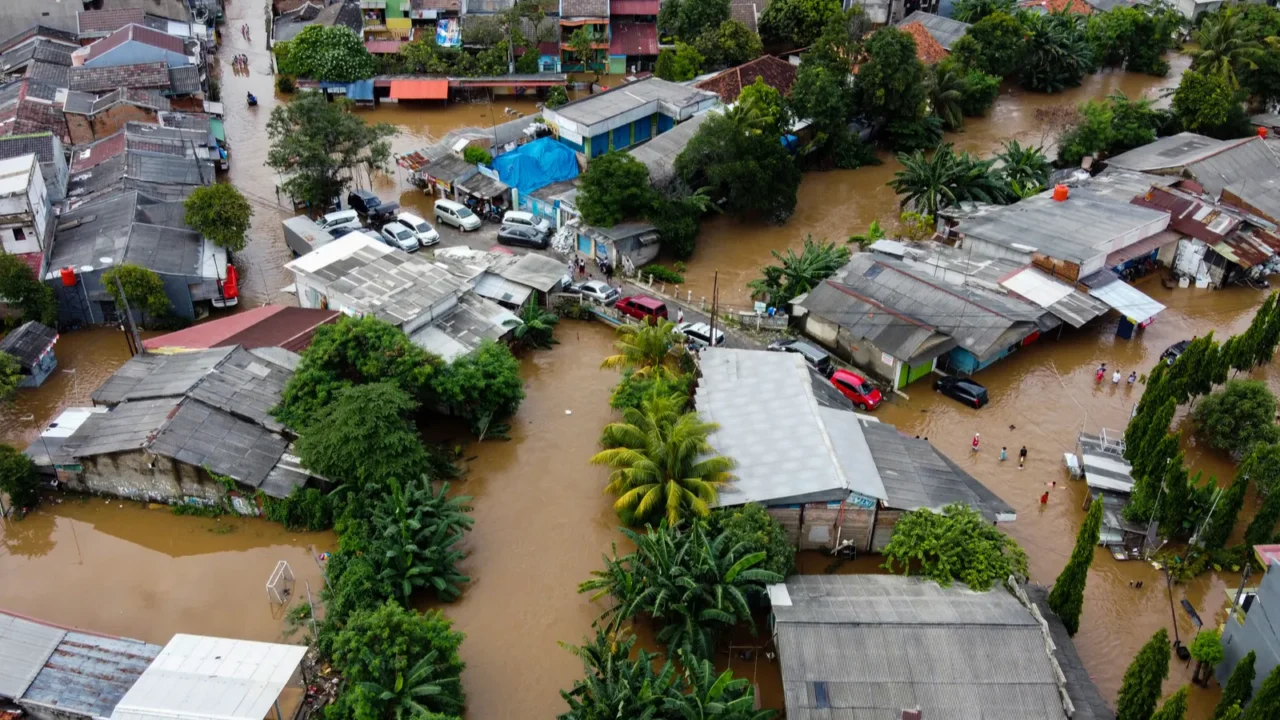
Global weather disruption increases
El Niño events are strongly linked to drought in Australia, Indonesia, and parts of South America, according to NOAA climate summaries. At the same time, heavier rainfall and flooding can occur in the southern United States and East Africa. These shifts can reshape seasonal travel demand.
Tourism-dependent regions often experience unpredictable weather windows during strong El Niño cycles. Ski destinations, tropical resorts, and coastal cities can all see abnormal seasonal conditions. The result is uneven travel performance across global tourism markets.

Heat records continue rising
The World Meteorological Organization confirmed that 2023 was the warmest year on record, with El Niño contributing to the global temperature spike. The organization stated that El Niño amplified already elevated ocean heat content across global basins. This combination intensified extreme heat events worldwide.
NASA and NOAA both noted that ocean temperatures remained unusually high even outside the Pacific region. This created compounding effects on global climate systems. Popular travel regions in Europe, North Africa, and the Mediterranean experienced prolonged heatwaves.

Travel disruptions increase globally
Air travel patterns were affected by stronger storm systems in the Pacific and Atlantic basins during peak El Niño conditions. Strong climate anomalies can complicate flight operations by increasing the likelihood of storms, delays, and route changes in affected regions. Airlines reported higher operational complexity across transpacific routes.
Cruise itineraries in the Caribbean and Pacific islands also experienced adjustments due to unpredictable weather systems. Coastal tourism hubs faced intermittent disruptions from storms and heat stress conditions. These impacts were most visible during winter travel peaks.

Record ocean heat confirmed
Global ocean heat content reached record highs during the 2023 to 2024 El Niño period, according to NOAA National Centers for Environmental Information. The agency confirmed that the upper 2000 meters of the ocean stored more heat than any year on record. This excess energy strengthens atmospheric instability and fuels extreme weather patterns worldwide.
Fact: Over 90% of Earth’s excess heat from greenhouse warming is absorbed by the ocean, according to NASA Earth science data. During strong El Niño phases, this stored heat is redistributed, amplifying global temperature spikes even outside the Pacific region. This is why coastal travel destinations can experience unusually warm seas even far from the equator.

Strongest recent comparison
According to NOAA’s official ENSO historical classification, the 2023 to 2024 El Niño ranked among the top five strongest events since modern records began in 1950. The strongest benchmark remains the 1997 to 1998 event, which caused major global climate disruptions, including floods in Peru and drought in Indonesia. These comparisons help scientists evaluate intensity and global impact patterns.
Fact: No two El Niño events produce identical global effects, even when strength levels are similar, according to NASA Earth Observatory analysis. Small shifts in ocean temperature distribution and atmospheric coupling can completely change regional outcomes. This is why some tourism regions experience severe disruption while others see minimal change during equally strong events
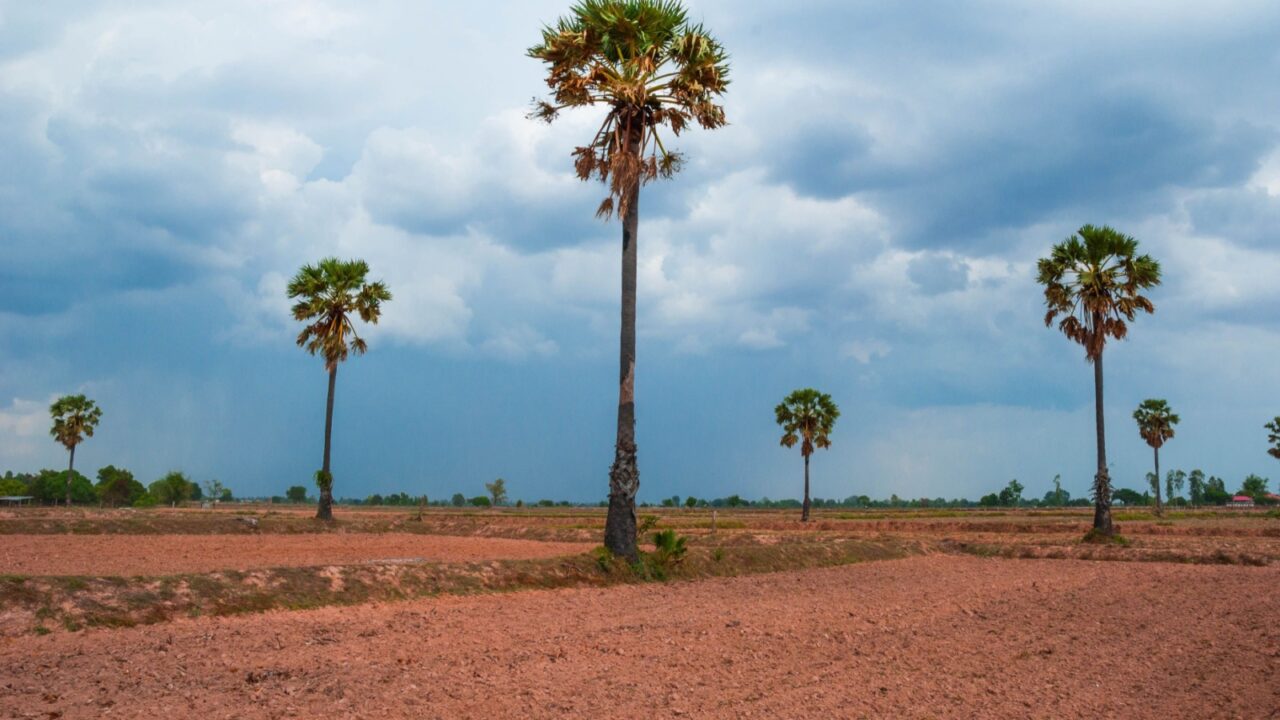
Asia Pacific rainfall shifts
El Niño typically reduces rainfall across Indonesia, the Philippines, and parts of Southeast Asia, according to NOAA climate impact reports. This leads to drought conditions that can affect agriculture and rural tourism economies. Island destinations often experience water stress during strong cycles.
At the same time, eastern Pacific regions may see increased storm activity and coastal flooding risks. Travel advisories frequently adjust for hurricane and typhoon risks in affected zones. Cruise tourism schedules are often revised during peak anomaly periods.

Americas experience extremes
The southern United States and parts of South America often experience wetter conditions during El Niño years. NOAA confirms that increased storm tracks can bring flooding to California and Peru. Ski tourism in western North America can also benefit from increased snowfall.
However, drought conditions may develop in regions such as northern Brazil and Central America. These contrasting effects create uneven tourism conditions across the Western Hemisphere. Travel demand shifts significantly between regions depending on seasonal climate outcomes.
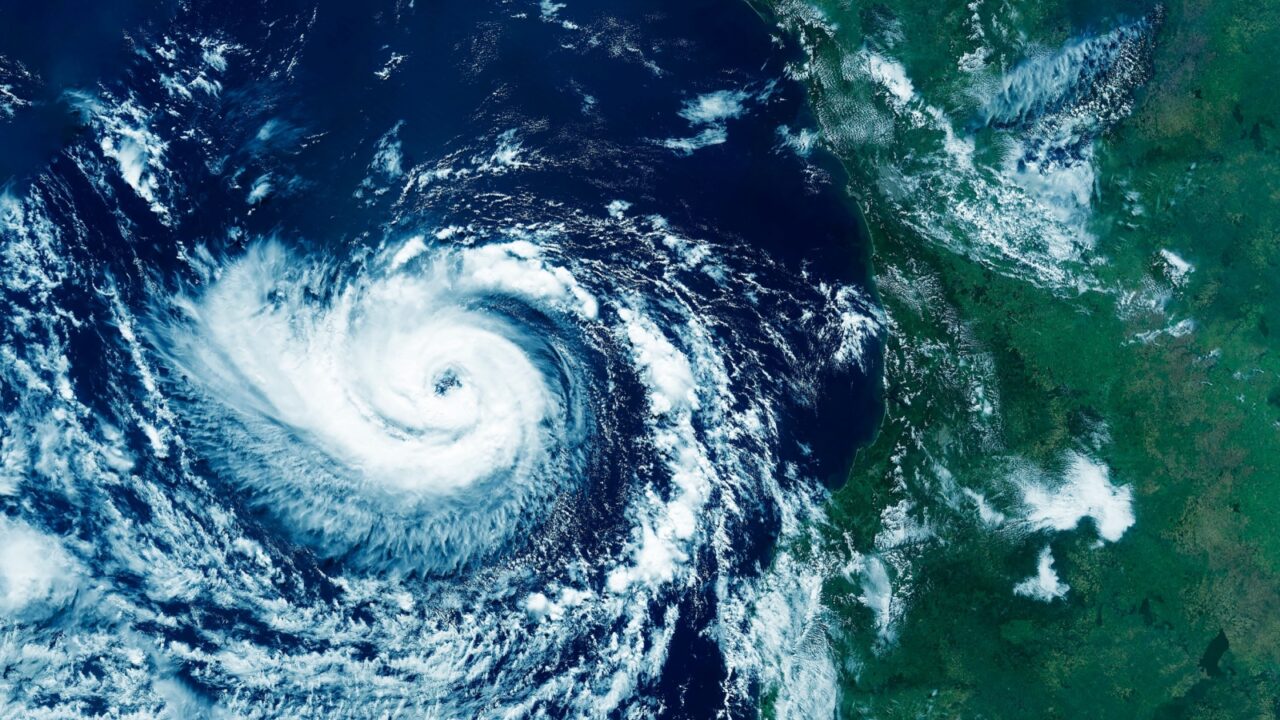
Atlantic hurricane changes
El Niño conditions typically suppress Atlantic hurricane activity due to increased wind shear, according to NOAA hurricane research data. However, regional anomalies can still produce active seasons depending on ocean temperatures. This creates uncertainty for Caribbean travel planning.
Despite suppression trends, 2023 still saw an active Atlantic hurricane season due to unusually warm ocean conditions. This interaction shows how El Niño is not the sole driver of storm activity. Coastal tourism infrastructure remains highly sensitive to these variations.

Tourism destination impacts
Major travel hubs such as Hawaii, Mexico, and coastal California often experience fluctuating visitor patterns during El Niño cycles. Weather variability affects beach tourism, outdoor recreation, and cruise demand. Airlines adjust pricing and routing based on seasonal risk models.
European destinations can also feel indirect effects through altered jet stream patterns. This influences winter storm tracks and temperature swings across the continent. Tourism boards often monitor ENSO forecasts when planning seasonal campaigns.

Climate transition outlook
The World Meteorological Organization confirmed that the strong El Niño of 2023 to 2024 is now transitioning toward neutral ENSO conditions. This phase typically reduces extreme anomalies but does not eliminate global climate impacts. NOAA notes that lingering El Niño effects may still influence U.S. summer travel conditions, including heat patterns and storm risks in some areas.
Forecast models indicate potential shifts toward La Niña conditions in future cycles, which often bring opposite climate effects. This transition phase is important for tourism planning and agricultural forecasting. Weather volatility may remain elevated despite neutral conditions.
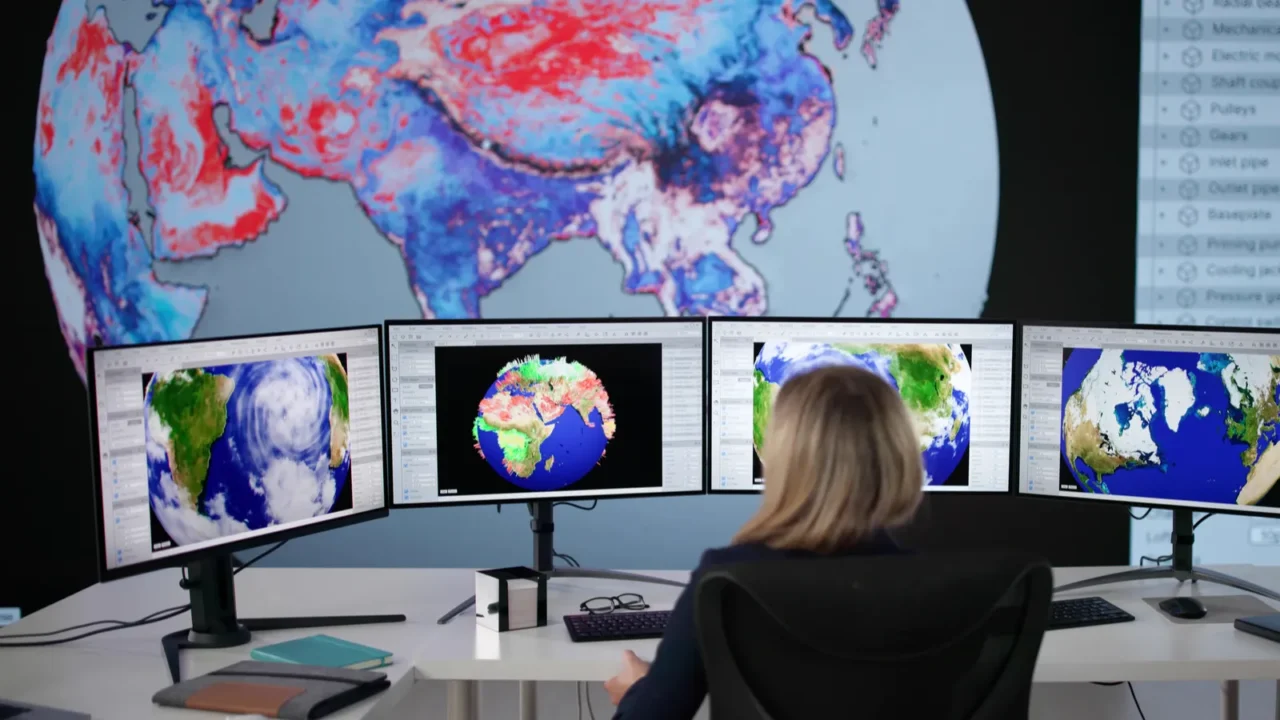
Climate travel outlook shifts
El Niño continues to shape global travel planning as destinations adjust to shifting climate conditions and seasonal unpredictability. Tourism industries increasingly rely on climate forecasting to manage risk and visitor flow. Coastal and tropical destinations remain most exposed to variability.
Which destinations feel most affected by shifting climate patterns and changing seasonal weather, and how are travel plans adapting around these conditions? Share thoughts below.
This slideshow was made with AI assistance and human editing.
Don’t forget to follow us for more exclusive content right here on MSN.
Read More From This Brand:
