Nobody saw this coming
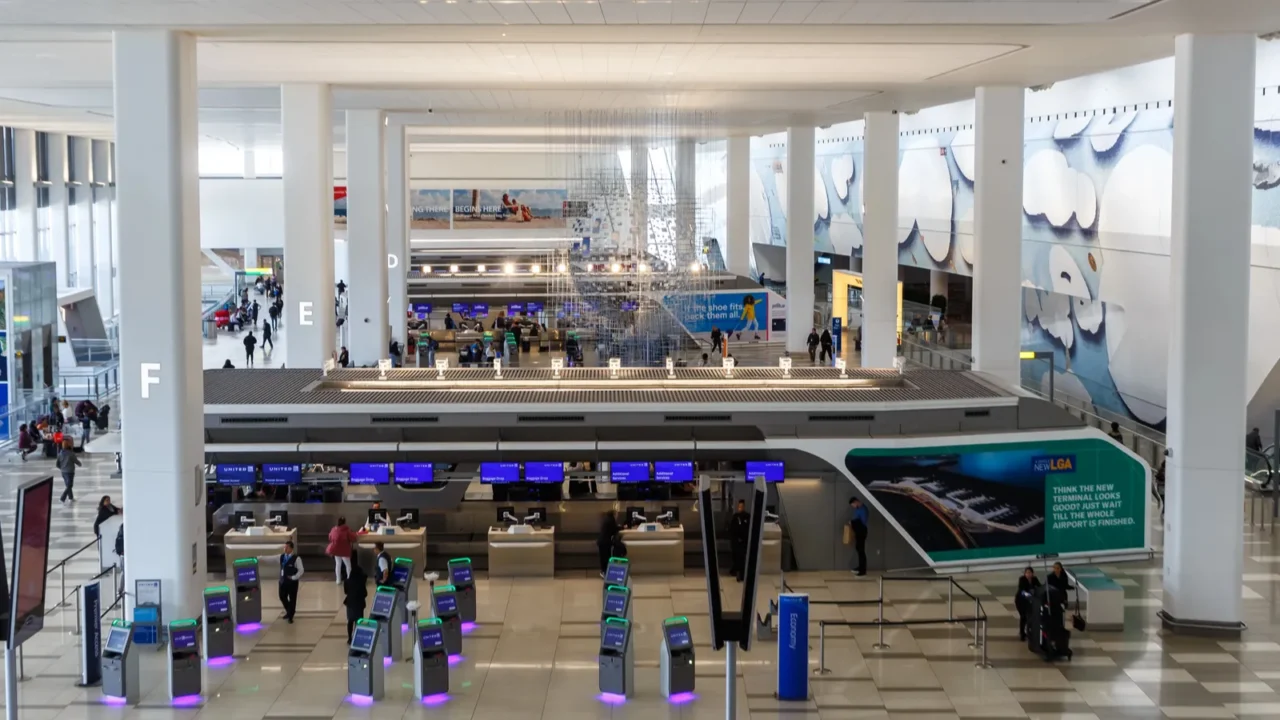
America lost approximately 11 million international visitors against pre-pandemic projections, and the U.S. Travel Association (2025) is not sugarcoating what that means. This is not a pandemic hangover. Travelers recovered. They simply recovered toward other destinations. Visa backlogs stretching into months, a dollar that punishes foreign budgets, and a geopolitical climate that made some nationalities feel unwelcome all converged at once.
The result is a structural shift, not a temporary dip. The world’s travelers did not stop traveling. They stopped choosing America, and the gap between those two facts is where this entire crisis lives.
The dollars left too
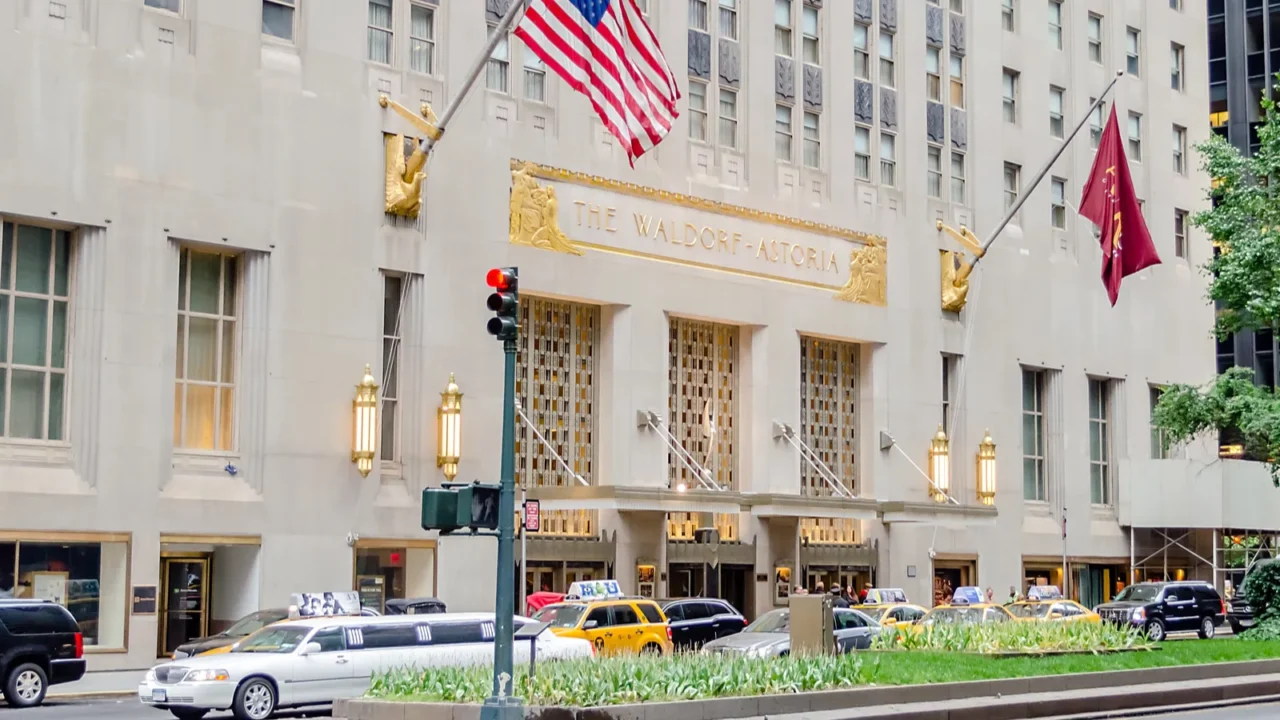
International tourists are not equivalent to domestic travelers in economic weight. U.S. Travel Association data shows international visitors average $1,780 in daily spend, roughly two to three times what domestic travelers contribute per trip. Losing 11 million of them does not produce a moderate dip. It produces a structural collapse across luxury hotels, flagship retail, and fine dining in gateway cities.
New York, Los Angeles, Miami, and San Francisco built entire economic ecosystems around the international traveler. That traveler is now spending those same dollars in Paris, Tokyo, and Lisbon instead.
Visas are killing the welcome
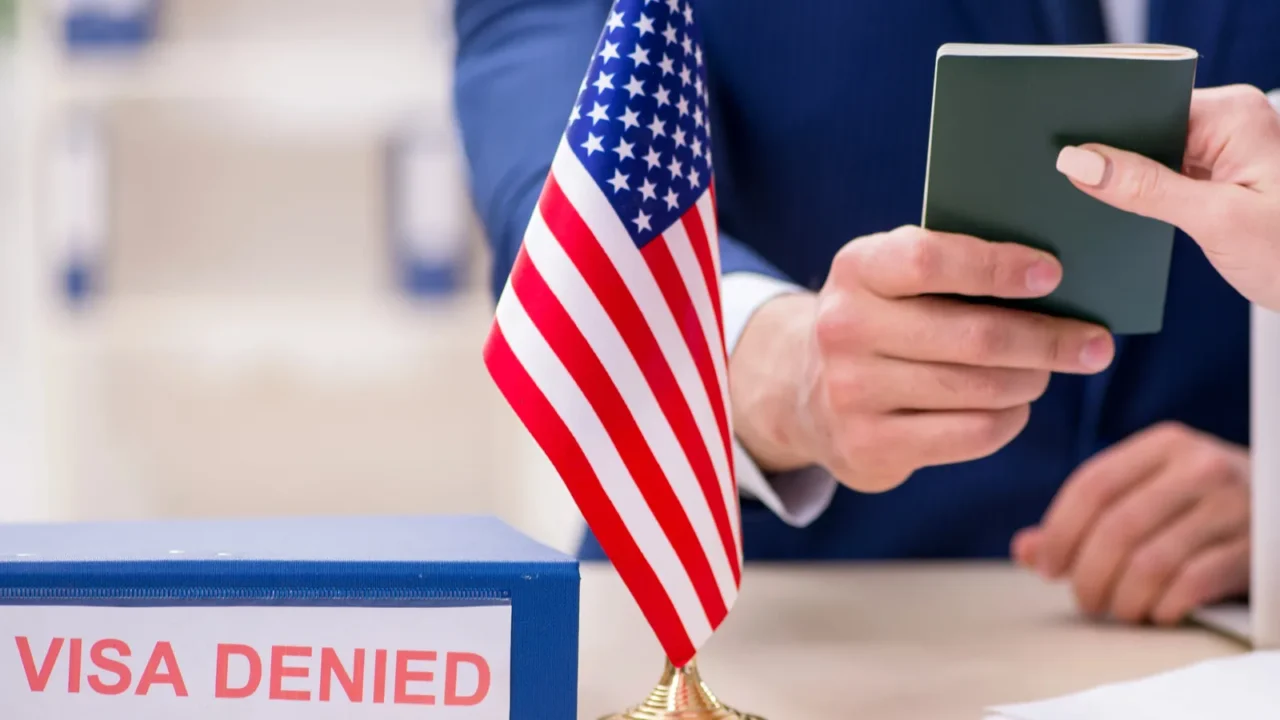
Brazil, India, China, and the Philippines collectively represent hundreds of millions of aspiring American tourists. What they share right now is visa appointment wait times stretching anywhere from several months to over a year at certain U.S. consulates (U.S. Department of State, 2025). By the time an appointment opens, travelers have rerouted entirely. Europe processed many of the same nationalities in weeks.
America is not just losing tourists at the border. It is losing them at the application stage, before a single flight is booked, before a single hotel room is reserved, and long before a single dollar enters the American economy.
What Paris got right
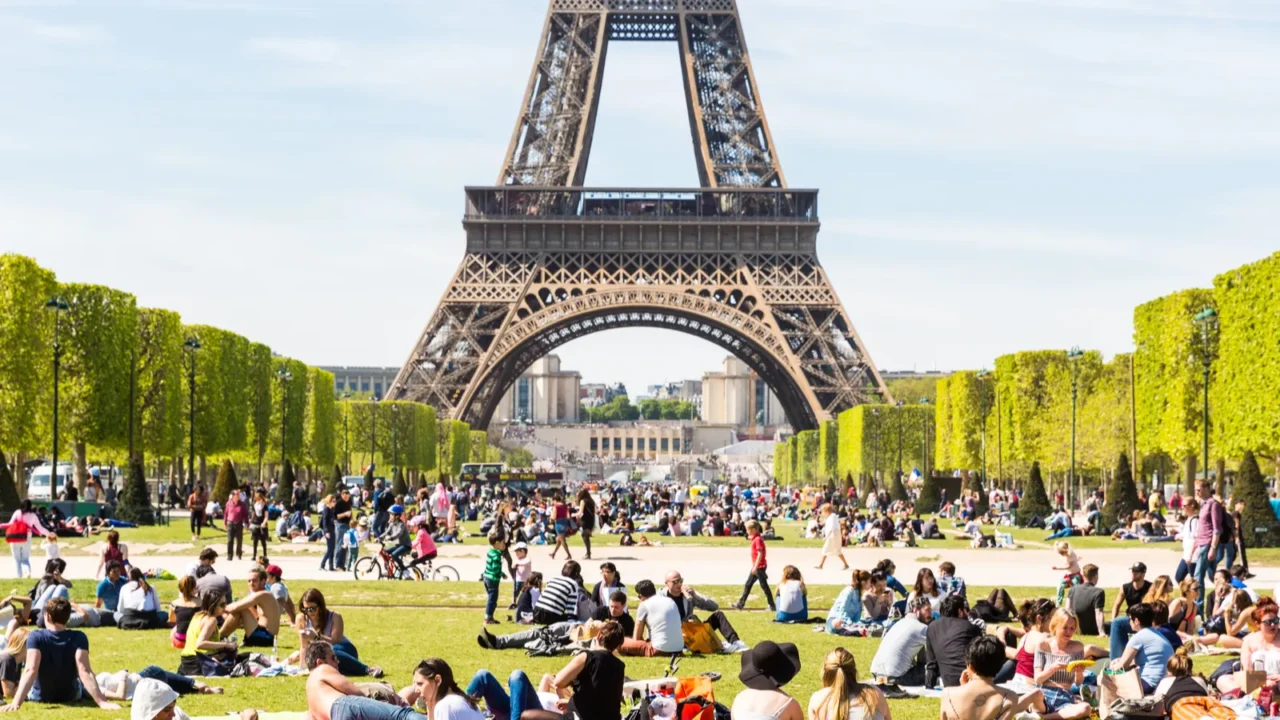
France recorded 100 million tourists in 2024, a number America has never reached (Atout France, 2024). The contrast is instructive rather than celebratory. France invested in seamless entry, aggressive international marketing in emerging markets, and a cultural identity that travels well across languages and demographics. America, meanwhile, added friction at every entry point and reduced its international marketing budget.
Paris did not get lucky. It made a deliberate decision to be accessible, and accessibility turned out to be the single most powerful tourism policy a country can execute. America once understood that. Somewhere along the way, it forgot.
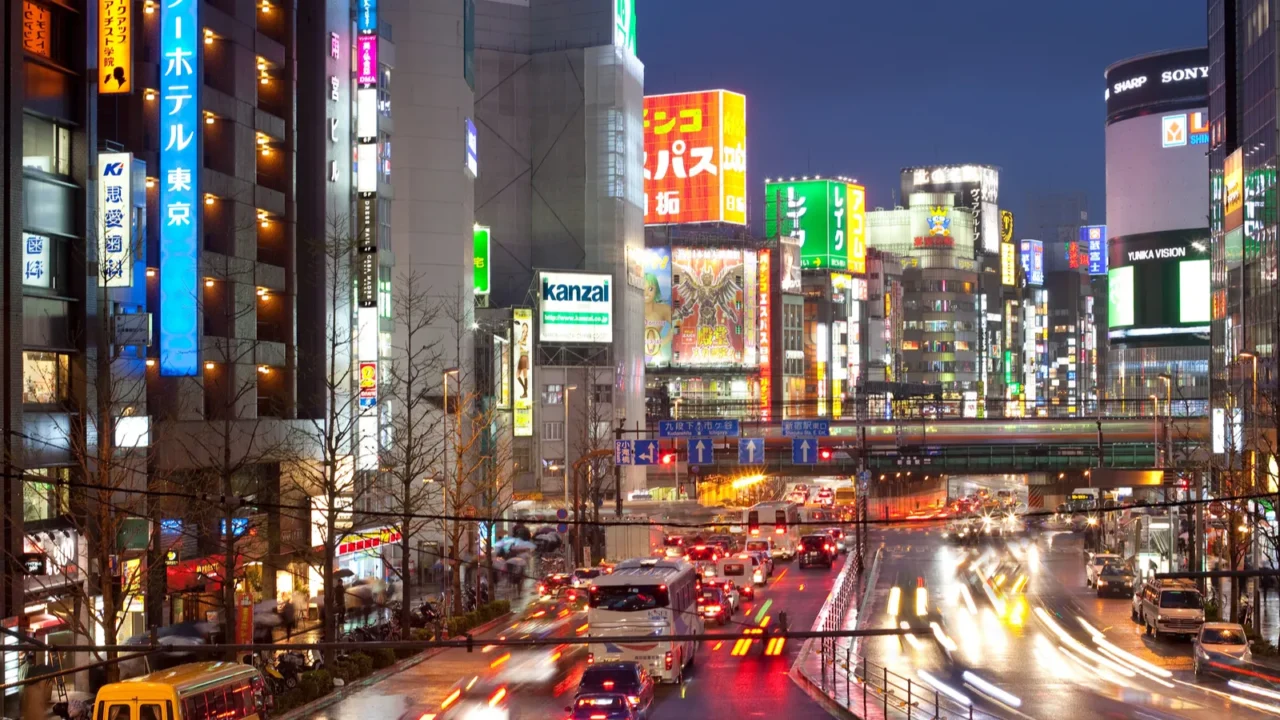
Tokyo’s billion dollar lesson
Japan drew over 36 million international visitors in 2024. What makes that figure cut deeper for America is how Japan achieved it. The country invested billions in tourism infrastructure, trained hospitality workers specifically for international guests, and built a national identity around making visitors feel genuinely received. The return on that investment is now measured in record-breaking annual arrivals.
America has the raw material, the national parks, the cities, the cultural diversity, but raw material without intentional hospitality infrastructure is just potential. Japan converted its potential. America is still sitting on its advantages, assuming they are enough.

Bali’s open door policy
Bali drew over 6.3 million international arrivals in 2024 (Bali Tourism Board, 2025). For context, that is a small Indonesian island outperforming entire American states in international tourism draw. Indonesia actively cut red tape for tourist visas, introduced a specific digital nomad visa, and invested in promoting lesser-known regions to distribute visitor traffic intelligently.
Fact: Bali is one of the only places in the world where an entire Hindu civilization survived completely intact after surrounding empires fell, a 700-year-old living culture no tourism budget can manufacture or compete with.
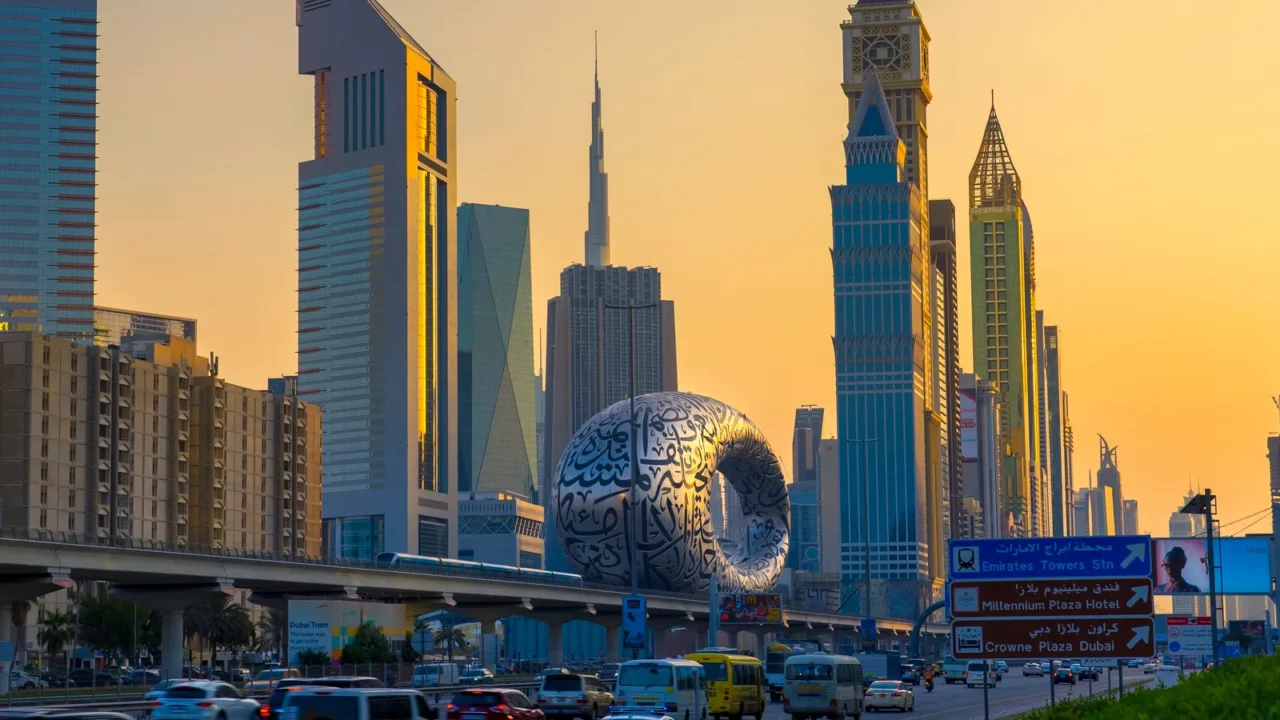
Dubai engineered its demand
Dubai welcomed 18.72 million overnight visitors in 2024, a 9% year-over-year increase, surpassing its own previous record (Dubai Department of Economy and Tourism, 2025). A desert city that barely existed as a tourism destination 30 years ago now outdraws entire American regions through deliberate policy, visa-on-arrival for over 180 nationalities, and a government treating tourism as critical national infrastructure.
Fact: Dubai’s Museum of the Future has zero internal columns; its entire 77-meter frame is held by 2,400 intersecting steel beams, an engineering feat that itself became a global tourism draw.
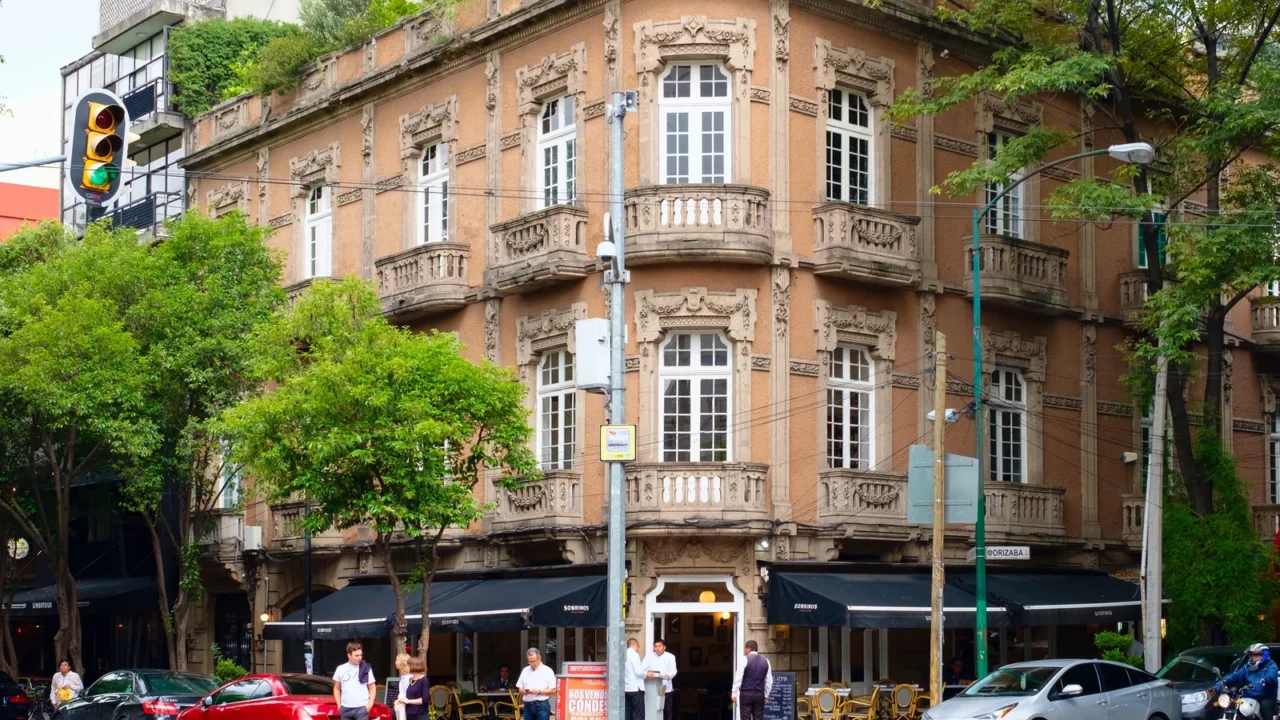
Mexico City’s open door
Mexico welcomed over 45 million international tourists in 2024, ranking 6th most visited country globally, with Mexico City alone hosting a record 4.2 million international hotel guests, surpassing pre-pandemic highs (Secretaría de Turismo, México, 2025). No visa required for most nationalities. Lower costs. A food scene ranked among the world’s best.
Mexico City is not benefiting from America’s decline accidentally. It removed every barrier America kept in place and built something genuinely extraordinary on the other side of that open door.
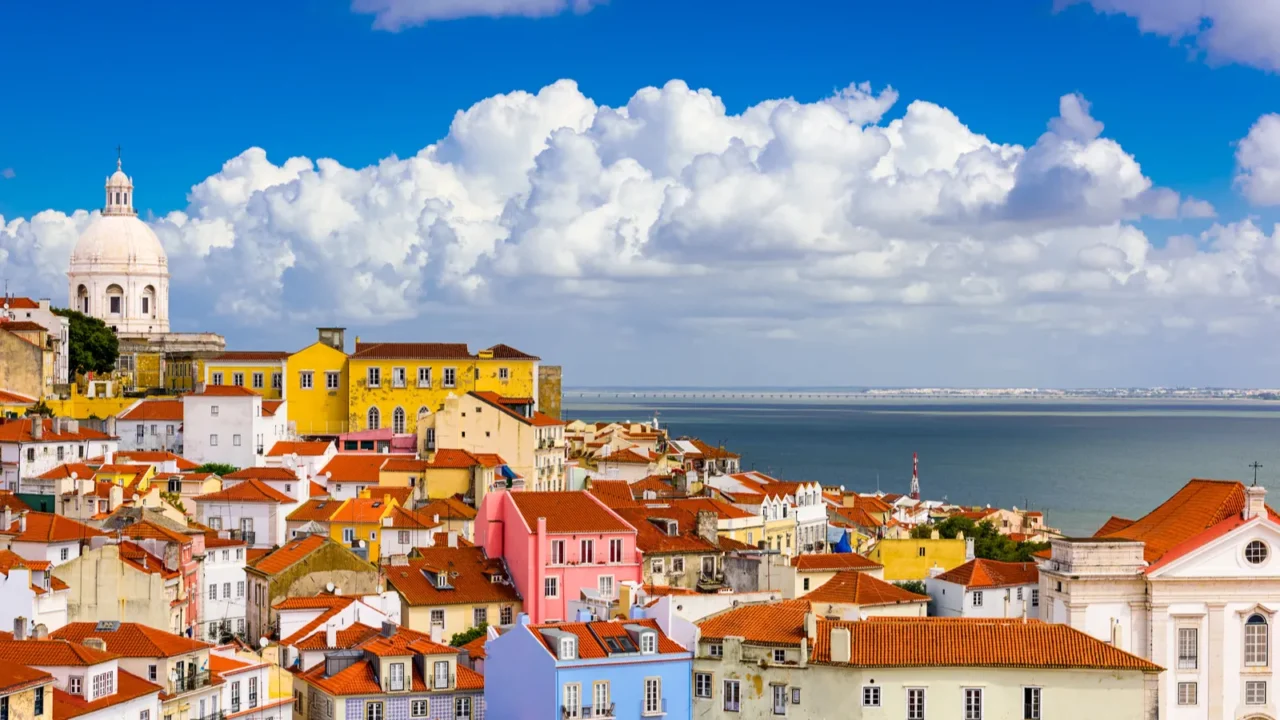
Portugal’s visa-free windfall
Portugal received nearly 29 million international tourists in 2024, a new historical record reflecting 9.3% growth over 2023 (Turismo de Portugal, 2025). For a country of 10 million people, that ratio is staggering. Digital nomad visas, retirement visas, and streamlined entry for nationalities facing months of U.S. visa delays drove that growth directly.
America holds the visa leverage of a superpower but delivers the accessibility of a bureaucracy. Portugal has neither constraint and converts that freedom into record arrivals every single year.
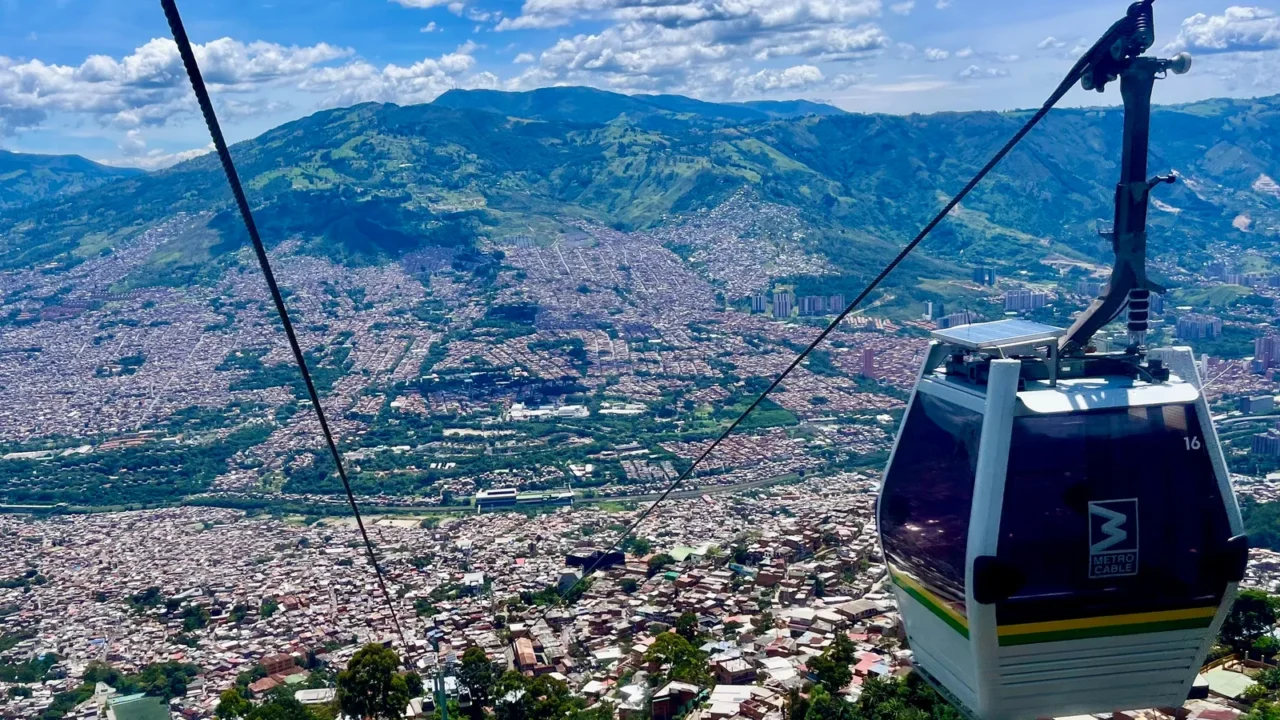
Colombia’s reinvention warning
Colombia drew over 6 million international visitors in 2024 (ProColombia, 2025). The more significant number is the trajectory, a 400% increase over the last decade driven almost entirely by deliberate reputation management, infrastructure investment, and safety improvements in major cities. Medellín went from global cautionary tale to global case study in urban reinvention. That transformation required acknowledging a problem existed and then systematically fixing it.
America’s tourism decline shares the same starting point that is a reputation problem compounded by policy failures. Colombia’s playbook is not complicated. It simply required the political will to prioritize how the world sees you.
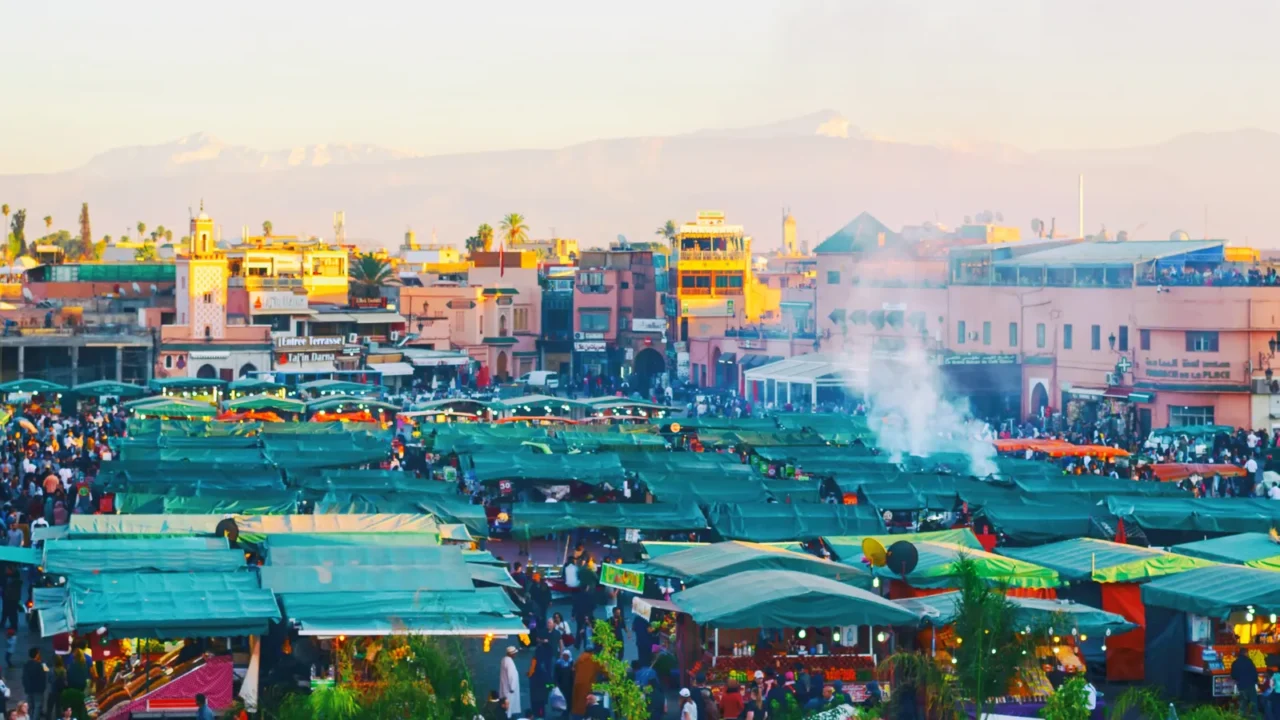
Morocco wins on culture
Morocco recorded 17.4 million tourists in 2024, its highest figure in history (Moroccan National Tourist Office, 2025). It has no theme parks, no iconic skyline, no globally recognized export. What it has is an intersection of African, Arab, and Berber cultures so layered and authentic that travelers leave feeling they accessed something genuinely irreplaceable. That feeling drives return visits and word-of-mouth bookings more than any campaign ever could.
America used to own that feeling. Its geography is still irreplaceable. But irreplaceable geography means nothing when the traveler cannot get a visa appointment before the feeling passes entirely.

Iceland charges more, gets more
Iceland drew over 2 million international visitors in 2024 despite being one of the most expensive destinations on Earth (Inspired by Iceland, 2025). The lesson Iceland teaches is that price is not the primary barrier when the experience is perceived as genuinely singular. Travelers will plan years ahead and absorb every cost without flinching if they believe what awaits them cannot be found anywhere else.
America’s national parks and cultural depth are equally singular. The difference is Iceland never made travelers feel unwelcome, overcharged by exchange rates, or trapped in a visa queue, the kind of friction that quietly dismantles even the most established convention tourism economy from the inside out.
The blueprint already exists
Eleven million missing visitors is large enough to constitute a policy emergency, yet America has not treated it as one. France, Japan, Portugal, Colombia, and Morocco did not get lucky. They audited their friction points, reduced barriers, invested in hospitality infrastructure, and projected genuine openness to every nationality with the means and desire to travel.
America still holds every geographical and cultural advantage it ever had. What it has lost is the intentionality that turns advantages into arrivals, and every tourist who rebooks elsewhere carries that loss a little further from Washington’s reach
The country that once made the whole world want to show up is now making it nearly impossible to get in, so where are you booking instead?
This slideshow was made with AI assistance and human editing.
Don’t forget to follow us for more exclusive content right here on MSN.
Disclaimer: The images used are for illustrative purposes only and do not depict the actual locations mentioned.
Read More From This Brand:
