Rising fraud worries travelers
The Federal Trade Commission reported large consumer losses to travel-related scams — about $274 million in travel, vacation and timeshare losses in 2024 — and overall fraud losses rose to $12.5 billion that year, highlighting how online booking fraud and fast, hard-to-reverse payment methods are a growing concern. The agency tracks complaints across flights, hotels, and vacation rentals, with losses spreading across many age groups. Investigators say criminals now copy real brands and listings with convincing detail, which makes detection harder for casual planners. The warning sets the tone for a busy travel year.
Reports show that fake sites and cloned confirmation pages remain common. Industry groups say artificial intelligence tools now speed up the creation of these schemes. That mix has pushed airlines, hotels, and payment firms to tighten checks across major booking channels.
What the FTC sees
The FTC publishes complaint data that shows travel scams remain a persistent problem across the United States. Recent reports highlight fake rentals, duplicate ticket listings, and payment requests that bypass standard checkout systems. Fraudsters often run small ‘test’ authorizations or tiny charges to validate stolen payment details before making larger fraudulent withdrawals — a tactic known as card-testing.
The agency also notes that scammers now use polished emails and realistic support chats. Those messages copy the tone and logos of well-known brands with surprising accuracy. That approach makes the fraud feel routine instead of risky. Travelers and banks then spend weeks sorting out disputes and chargebacks.
Why scams look real
The FTC says modern tools allow criminals to copy real booking pages in minutes. Photos, maps, and reviews can be lifted from legitimate listings and republished with only small changes. That speed explains why takedowns often trail new posts by days or weeks.
Security researchers and industry reports warn that generative AI can produce realistic text and synthetic voices, allowing scammers to hold convincing fake support chats or vishing calls. Those conversations can guide holidaymakers through fake checkout flows that feel familiar. The result is a process that looks normal until money leaves the account. By then, tracing the trail becomes far more difficult.
Platforms tighten their rules
Major marketplaces have responded with new checks and clearer warning labels. Airbnb has expanded identity reviews and messaging filters to spot off-platform payment requests. Booking.com has also warned customers about fake messages that copy official confirmations.
Both companies say most listings remain legitimate and protected by standard payment systems. The bigger risk appears when conversations move outside official apps. That shift removes many built-in safeguards. Industry groups continue to urge travelers to keep every step inside verified platforms.

Airlines face copycats too
Airlines are not immune to booking fraud and support scams. American Airlines and Delta Air Lines have both issued alerts about fake customer service numbers shared online. Those numbers often lead to agents who request fees for changes that never appear.
The carriers say official support remains available through their own websites and apps. Copycat pages tend to appear during busy travel weeks. That timing adds pressure and makes rushed decisions more likely. Staying within official channels remains the safest path.
Payment tricks keep evolving
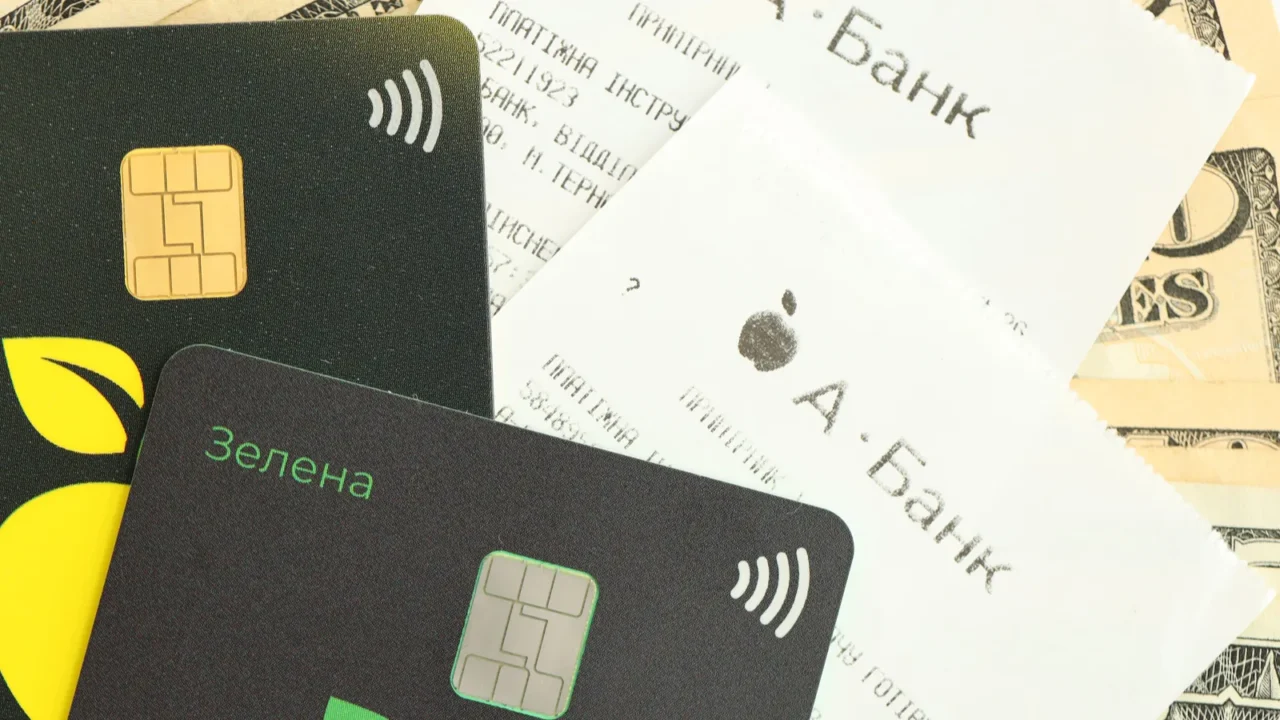
Fraud reports show a steady shift toward instant payment methods. Gift cards, wire transfers, and peer-to-peer apps appear often in complaints filed with regulators. Once funds move, recovery becomes difficult and sometimes impossible.
Banks say chargebacks work best when cards are used through recognized checkout pages. Scammers know this and try to push victims toward methods with fewer protections. The pattern repeats across fake rentals and ticket resales. Clear payment rules help platforms spot trouble earlier.

Warning signs stay consistent
Despite new tools, many red flags remain familiar to consumer advocates. Prices that sit far below market averages still deserve a second look. Requests to move chats off official platforms continue to appear in many cases.
Poor grammar is no longer a reliable clue, since automated writing now sounds natural. Instead, urgency and pressure tactics stand out more often. Limited-time offers and sudden policy claims show up in many reports. Taking a pause can break that momentum before money moves.

How regulators respond
Federal and state agencies have expanded cooperation with banks and major travel firms. Task forces now share data on emerging patterns and fast-moving domains. That cooperation helps speed up takedowns, though new sites often replace old ones quickly.
Lawmakers have also held hearings on the role of artificial intelligence in consumer fraud. Companies are encouraged to add clearer labels and reporting tools. Enforcement still relies on victims filing timely complaints. Better reporting improves the odds of stopping repeat offenders.

What companies advise
Most travel brands publish simple safety rules on their help pages. They stress using official apps, verified websites, and in-app messaging for every step. Customer support teams also repeat that no legitimate agent asks for gift cards or private transfers.
Hotels and airlines add that confirmation emails should match the details shown in user accounts. Any mismatch deserves a careful review before payment. These reminders may sound basic, yet complaint data shows they still matter. Consistent habits reduce exposure across busy travel seasons.
Travel insurance still matters
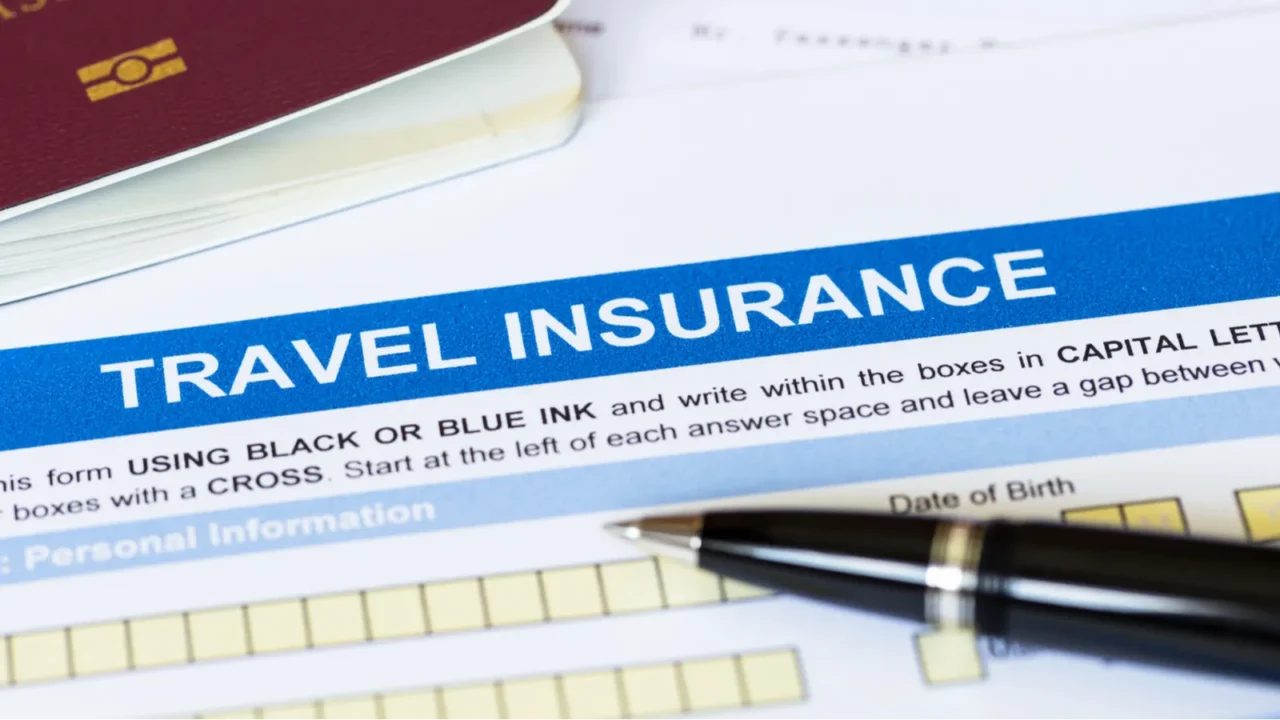
Insurance providers say fraud-related claims now appear more often in trip disruption cases. Coverage varies, but some policies help with recovery costs and replacement bookings. Reading terms remains important since not every loss qualifies for reimbursement.
Industry analysts also note that insurers watch scam trends closely. That information feeds back into advice shared with customers and agents. While insurance cannot prevent fraud, it can soften the financial impact. Combined with safer booking habits, it adds another layer of defense.

Tech tools help detect
Banks and platforms now use pattern detection to flag unusual transactions. Sudden changes in location, device, or spending behavior often trigger reviews. Those systems stop many losses before they clear.
Travel companies also deploy image and text checks to find copied listings. The work never really ends because criminals adapt quickly. Still, the overall detection rate continues to improve each year. Shared data across industries remains a key reason for that progress.

Smart habits reduce risk
Consumer advocates keep returning to a few simple practices. Book through official sites, keep payments inside platforms, and save every confirmation. Those steps make disputes easier and speed up investigations when problems appear, especially as destinations introduce digital tourist IDs and smart travel systems.
Comparing prices across several reputable sources also helps spot outliers. If a deal looks far below the market, caution usually pays off. Fraud thrives on rushed choices and missing records. A calm approach often proves more effective than any single tool.

Staying informed pays off
Travel fraud will likely remain part of the digital landscape as tools and tactics keep changing. The Federal Trade Commission and major brands continue to publish alerts and practical guidance. That steady flow of information helps travelers adjust plans without losing confidence in online booking.
Strong platforms, careful payments, and clear records form a reliable baseline. The goal is not fear, but smarter routines that fit modern travel.
Which safety steps feel most useful when planning trips this year? Share thoughts and experiences in the comments.
This slideshow was made with AI assistance and human editing.
Don’t forget to follow us for more exclusive content right here on MSN.
Read More From This Brand:
