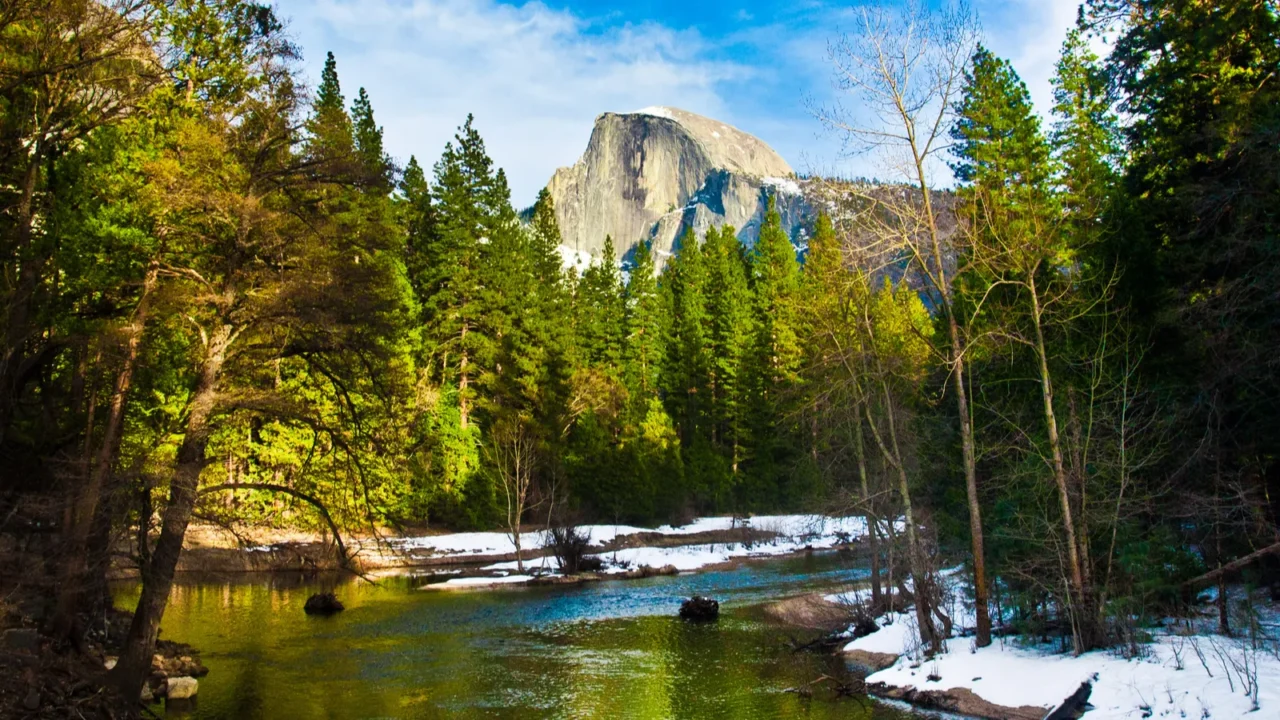
National parks adopting reservations
The National Park Service (NPS) has continued expanding and refining timed-entry and reservation systems at many high-traffic parks for 2025 and into 2026, though specific requirements vary by park and can change year to year. Parks such as Arches, Glacier, Rocky Mountain, and Acadia require reservations for vehicles or timed access to key areas during peak seasons. These developments reflect a shift in how major U.S. attractions balance high demand.
The trend is not about cities closing off access, but about high-demand natural attractions managing crowds with reservations. Entry limits vary by park and time of year, and systems are updated annually. Travelers planning visits should check specific reservation windows well before travel dates. Let’s dive in.
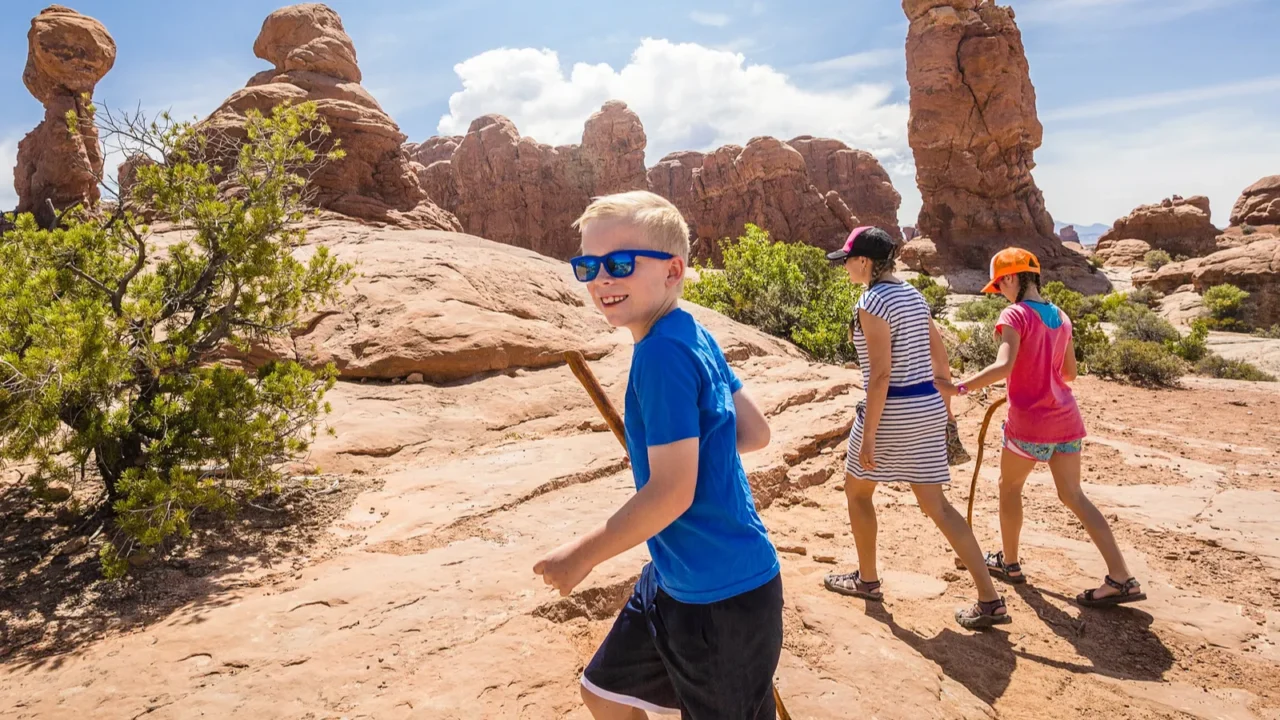
National parks reservation expansion
Many iconic national parks now require reservations for peak access to reduce traffic jams and protect resources. Arches National Park in Utah uses timed entry permits between spring and fall to prevent long lineups and parking bottlenecks. Travelers can enter outside permit hours, but peak-day access usually requires a booking.
Similarly, Glacier National Park has used timed-entry vehicle reservations in recent summers for parts of the park, but rules can change year to year, so travelers should confirm the latest entry requirements on the park’s official website before booking. The goal is to balance visitor volume with safety and preserve scenic road experiences. Other parks like Shenandoah and Carlsbad Caverns also manage specific hikes or cave access with reservations.
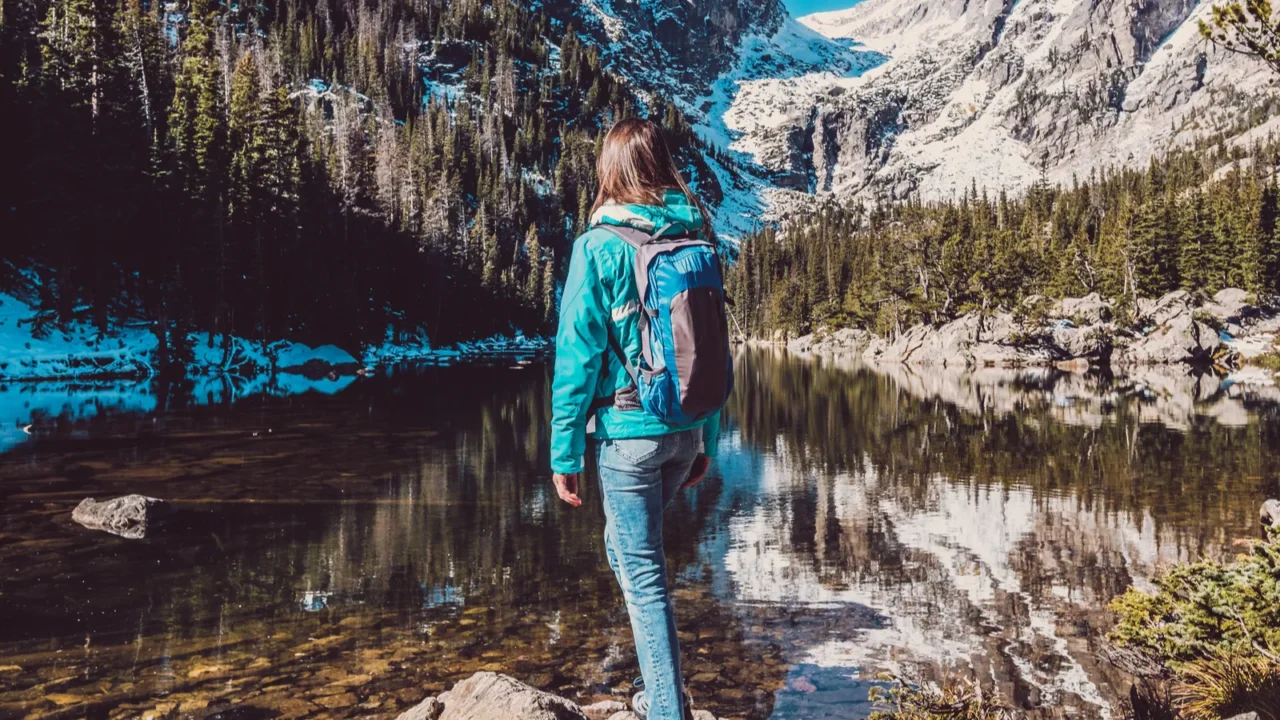
Rocky Mountain timed entry system
Rocky Mountain National Park in Colorado uses a timed entry permit system from late spring through autumn. Two types of passes are offered, one for full park access and another excluding certain corridors like Bear Lake Road. These systems aim to reduce traffic congestion along narrow roads and sensitive trailheads.
Travelers planning trips to the Rocky Mountains often book well in advance to secure peak-season entry slots. Without a timed entry pass during peak hours, entry can be limited or delayed. The park remains open, but requires slot booking to manage heavy visitor flows.
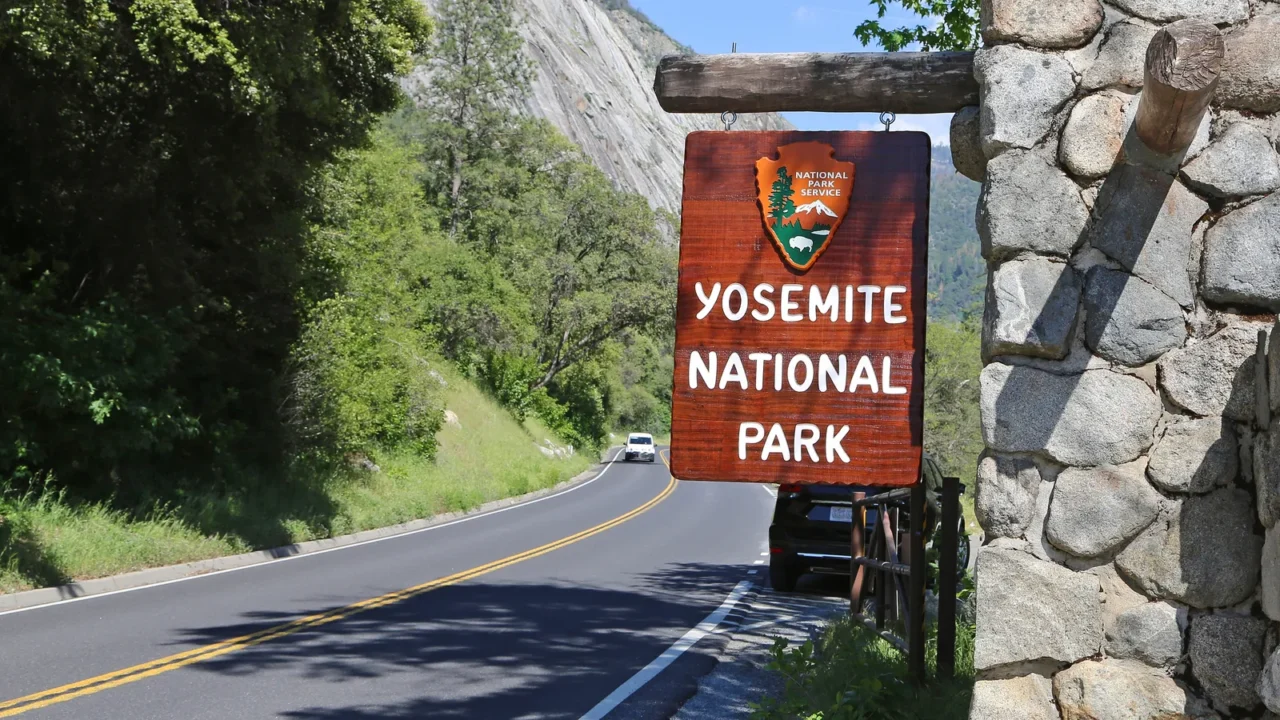
Yosemite 2026 entry rules
In California, Yosemite National Park has adjusted its traffic management policies in recent years to address congestion during peak periods. However, according to the National Park Service, a reservation is not required to visit Yosemite or the Horsetail Fall area in February 2026. Instead of broad timed-entry requirements, the park relies on targeted traffic controls, parking management, and visitor advisories during especially busy weekends and seasonal events.
Yosemite may implement temporary capacity measures during peak visitation periods, but there is no full-time timed-entry system currently in place for 2026. Visitors are encouraged to monitor official park updates before traveling, particularly during spring and summer weekends when congestion in Yosemite Valley and other popular areas can still lead to delays or limited parking.
Urban attractions remain open access
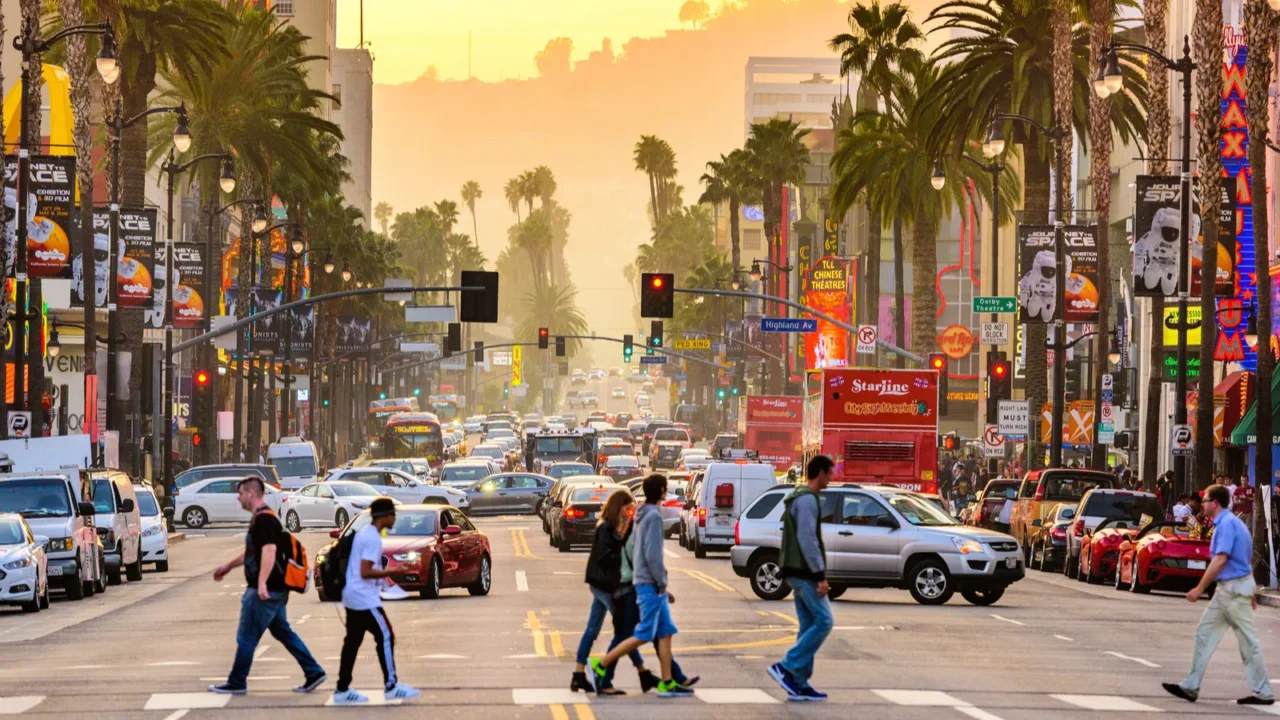
In contrast with parks, most major U.S. cities like New York City, Los Angeles, and Chicago have not adopted reservation-only entry for general attractions. Cities keep their downtowns, cultural districts, parks, and public spaces open without city-wide access limits. Urban museums, historic districts, and city tours typically use timed tickets for exhibits or experiences rather than entry reservations.
This means visitors can stroll city streets, waterfronts, and famous neighborhoods without prior booking. However, reservations may apply for specific attractions like shows, exhibitions, or limited-capacity tours within cities. That model is about crowd management inside venues and not city closure.
Museum timed tickets vs entry blocks
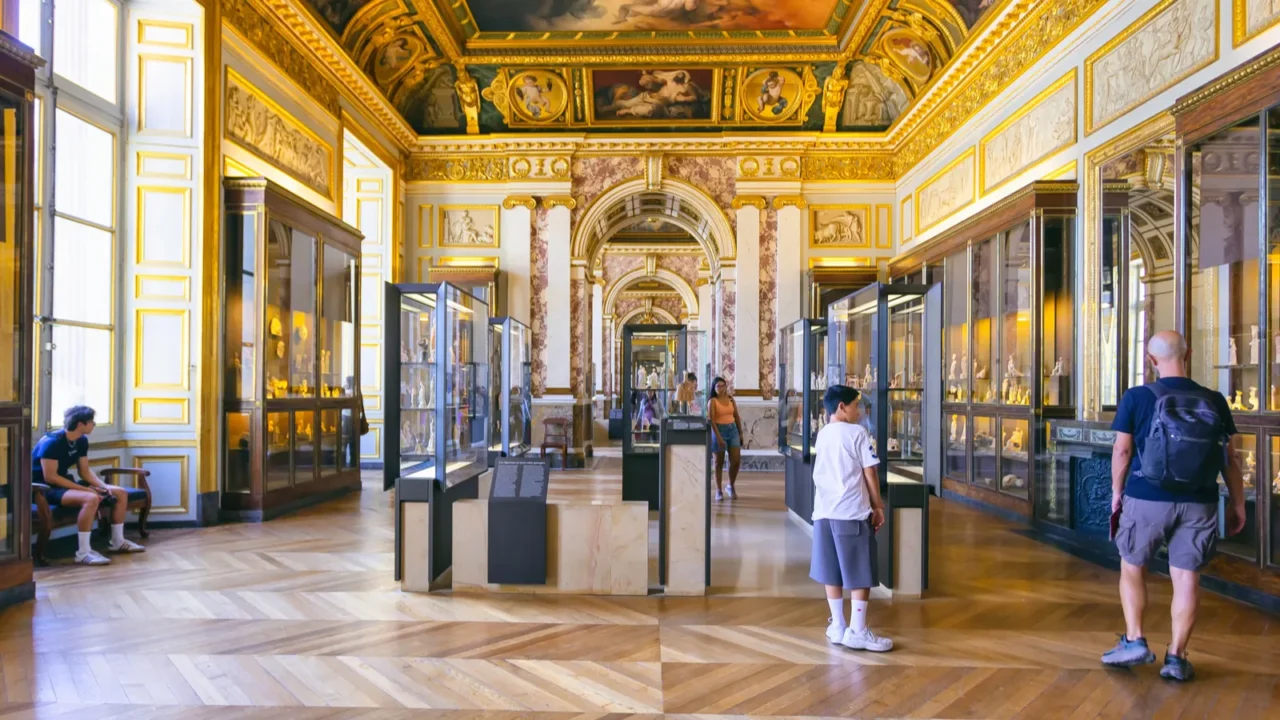
Major museums in cities often use timed ticketing to space out visitors, especially for blockbuster exhibitions. For instance, institutions in New York City and Chicago offer free entry on select days but still ask for time-specific tickets. These systems reduce lobby crowds and give visitors predictable entry times.
Timed ticketing applies to ticketed exhibits, not city-wide closures. Cities like Philadelphia promote more than 40 free attractions that do not require reservations or entry tickets. Freedoms to explore public art, parks, and historic sites remain intact in urban centers.
Theme parks and queue systems
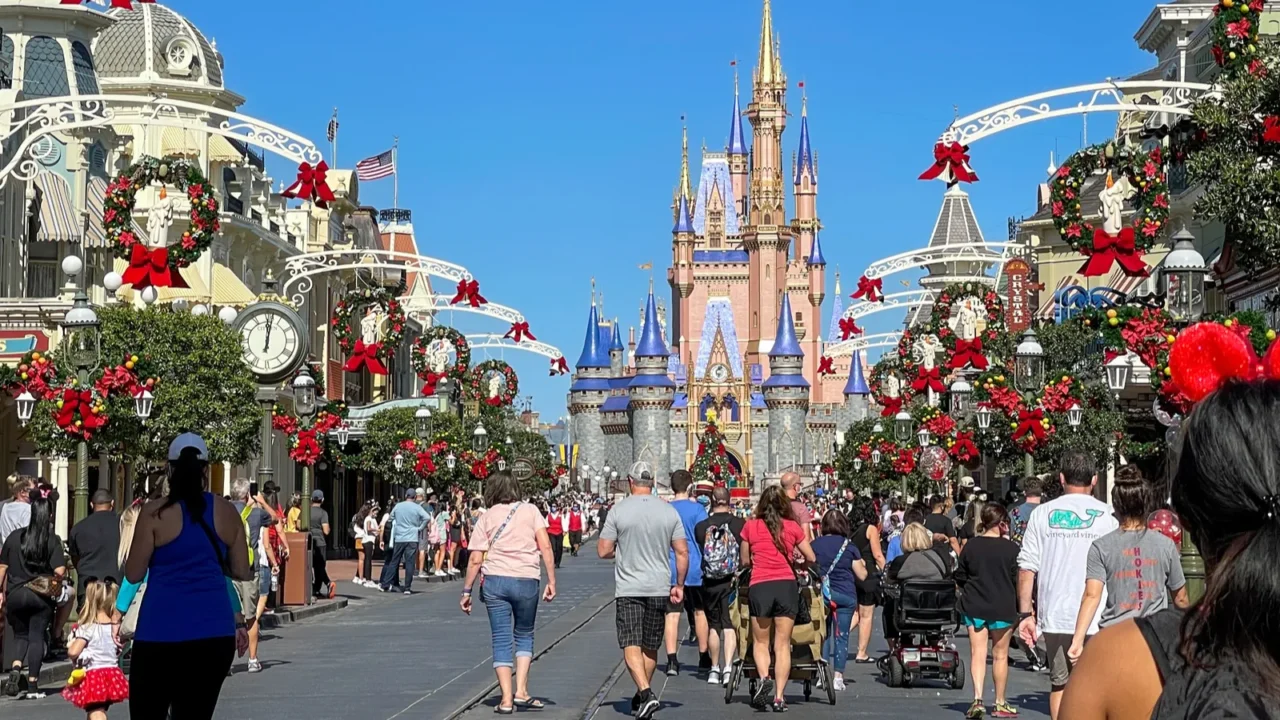
Theme parks such as Walt Disney World and Universal Orlando Resort use reservation and queue systems to manage crowd flow in high-demand experiences. At Universal’s The Wizarding World of Harry Potter, virtual queue systems and timed reservations help visitors plan their day. These systems allocate windows for popular rides so that congestion doesn’t overwhelm walk-up guests.
Disney parks and other major attractions do not close access to the parks themselves, but rather to specific experiences inside. Booking windows often open months ahead and fill quickly in peak seasons. This system is about scheduling experiences, not locking cities or parks behind an overall entry requirement.

Seasonal reservation needs explained
Many reservation systems are seasonal and apply during specific peak months. Many parks release some reservations months in advance, while also holding back a portion for short-notice booking—but the exact release schedule varies by park. Outside those peak months, many parks allow free entry without required reservations.
Similarly, urban attractions tend to require reservations only for special exhibitions or events and not for general access. Cities keep public spaces like waterfronts, parks, and streets open year-round. Travelers can plan around busy periods without worrying about city closures.
How reservations improve visits
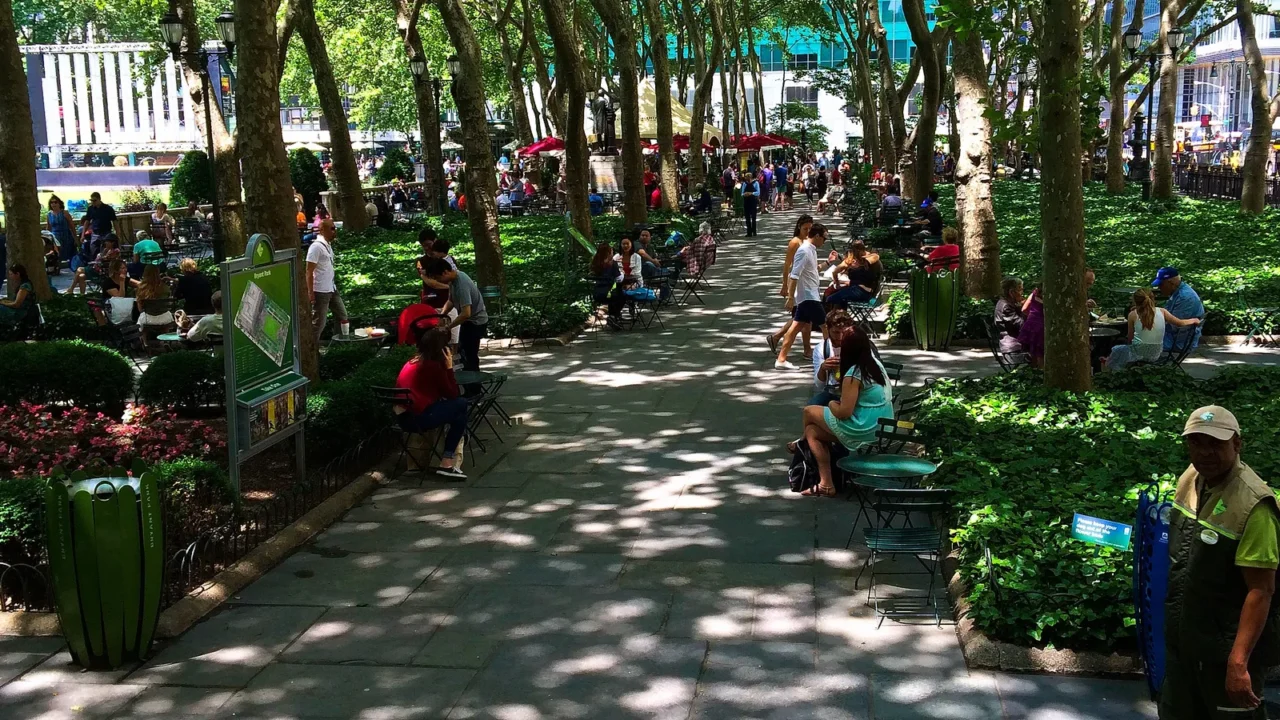
Park officials state that timed entry and reservation systems help reduce traffic congestion, preserve nature, and improve safety during peak visitation. When visitors know exactly when they can enter, parking and trail congestion often falls. This leads to a calmer and more predictable experience for travelers.
Critics sometimes say these systems reduce spontaneity, but parks emphasize better access for everyone. Some parks still allow entry before or after reservation time frames, which gives flexibility. Many travelers find these systems valuable when planning trips.
International influence on U.S.
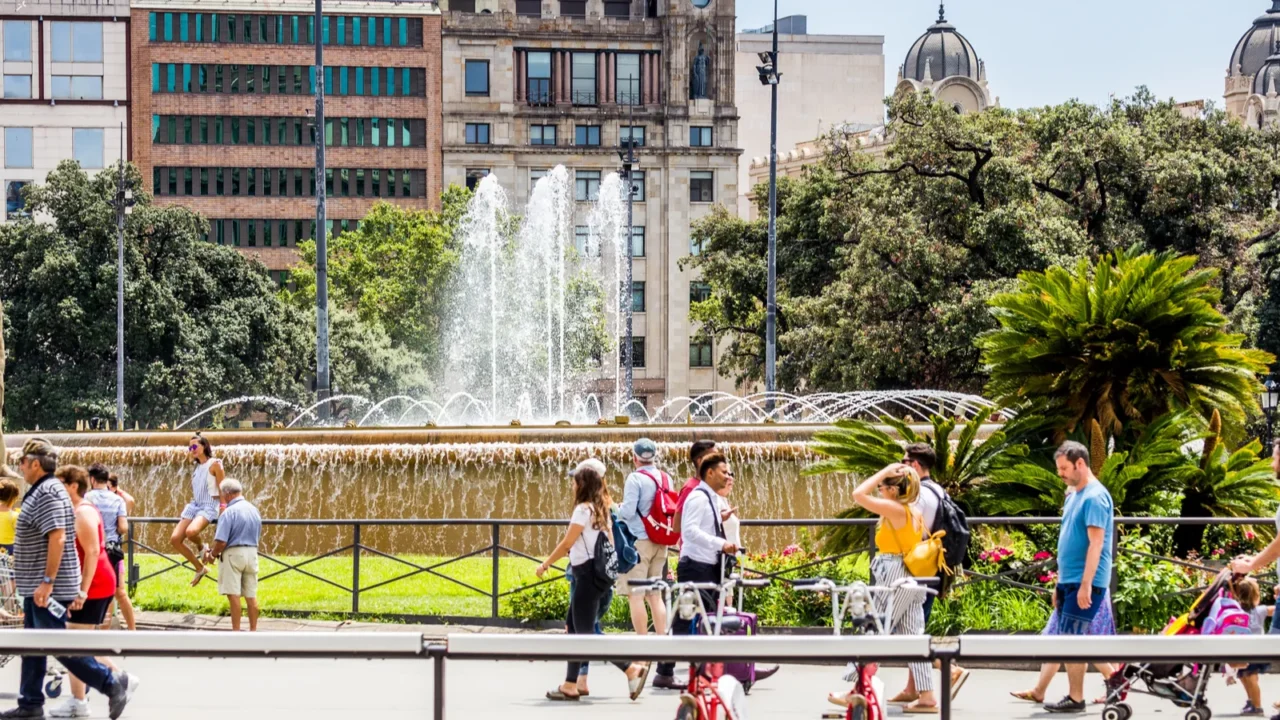
Some global destinations are testing stricter visitor-management policies. Venice, for example, has used a day-tripper access fee with advance registration on designated days, while Barcelona has pursued a mix of tourism controls such as taxes and capacity-related policies. U.S. parks and attractions are observing these trends to adopt targeted entry management. The goal is to maintain high-quality experiences without restricting general city access.
Timed reservations in U.S. parks do not replicate full city closures seen abroad. These systems focus on high-demand areas, special exhibits, or scenic routes. Travelers benefit from reduced congestion and more predictable experiences.
Reservation apps and tools
Recreation.gov and individual park websites are the primary platforms for booking entry and trail permits. These portals show available time slots, release new bookings periodically, and provide alerts for cancellations. Mobile access allows travelers to plan trips while monitoring openings for popular attractions.
Many national parks now require electronic confirmation to enter busy zones. Apps can also display trail conditions, parking availability, and visitor guidelines. This technology streamlines planning and reduces confusion at park entrances.
Balancing access and preservation
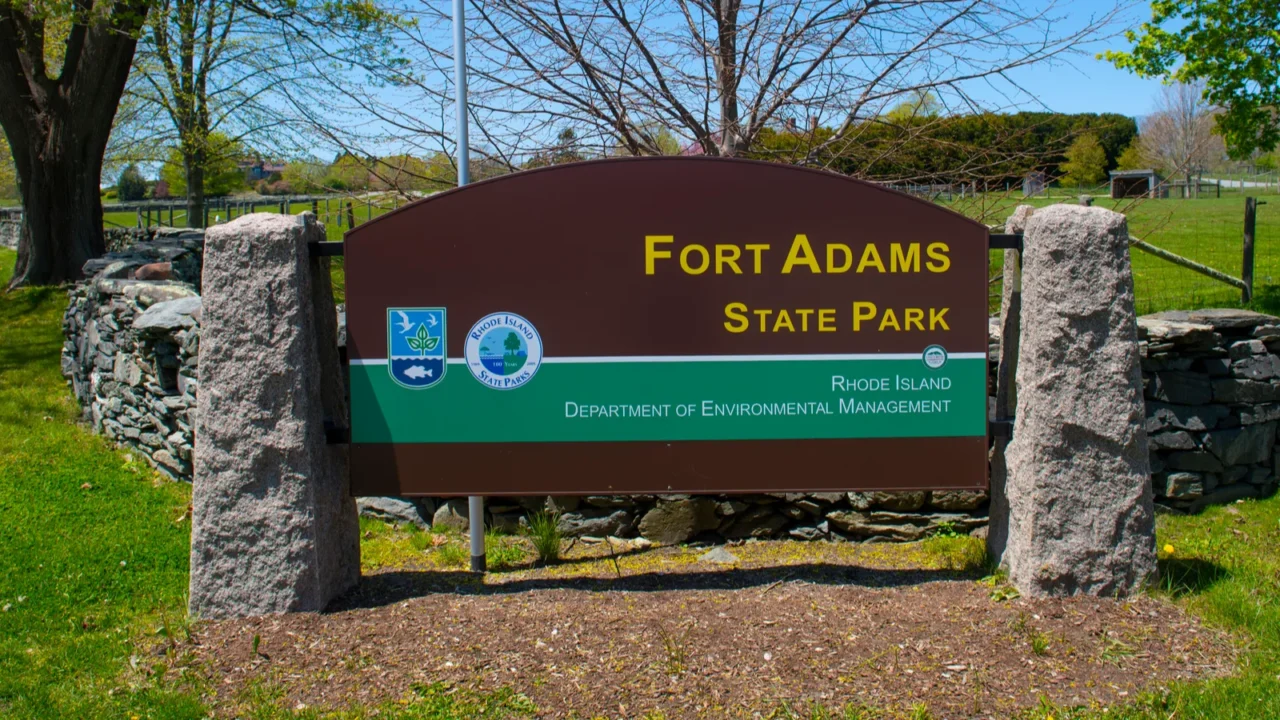
Park management emphasizes that reservations protect fragile ecosystems while maintaining visitor access. U.S. national parks are preparing for record visitors this year, and limiting vehicle access and controlling peak-time crowds reduces trail erosion and parking stress. These measures contribute to the long-term sustainability of iconic landscapes.
Parks continue to allow entry outside reserved periods when capacity permits. This flexibility ensures that visitors can still enjoy less-crowded experiences. Reservation systems are, therefore, a tool for both conservation and convenience.

Planning for 2026 travel
Travelers planning trips for 2026 should research which parks and attractions require reservations. Peak seasons, special events, and weekends often have limited slots that sell out months in advance. Early planning allows visitors to select the preferred dates and routes.
Urban attractions largely remain open, but timed tickets for exhibitions or tours are common. Booking popular experiences in advance ensures smoother visits without last-minute disappointments. This approach gives travelers both structure and flexibility in high-demand locations.
If you found this interesting, give us a like and share your thoughts in the comments.
This slideshow was made with AI assistance and human editing.
Don’t forget to follow us for more exclusive content right here on MSN.
Read More From This Brand:
