
VinFast to build U.S. plant
Vietnamese electric-vehicle maker VinFast Automotive, Inc. announced plans to build a new manufacturing facility in Chatham County, North Carolina, to serve the North American market. The investment will initially be up to $2 billion in Phase 1 of the project. The factory is expected to produce EVs and battery systems, creating thousands of local jobs.
The site will be VinFast’s first North American manufacturing facility and the first automotive assembly and battery plant located in North Carolina. Officials said this project will position North Carolina as an emerging center for EV production and clean energy technology. Construction and production milestones reflect both industrial strategy and economic competition.
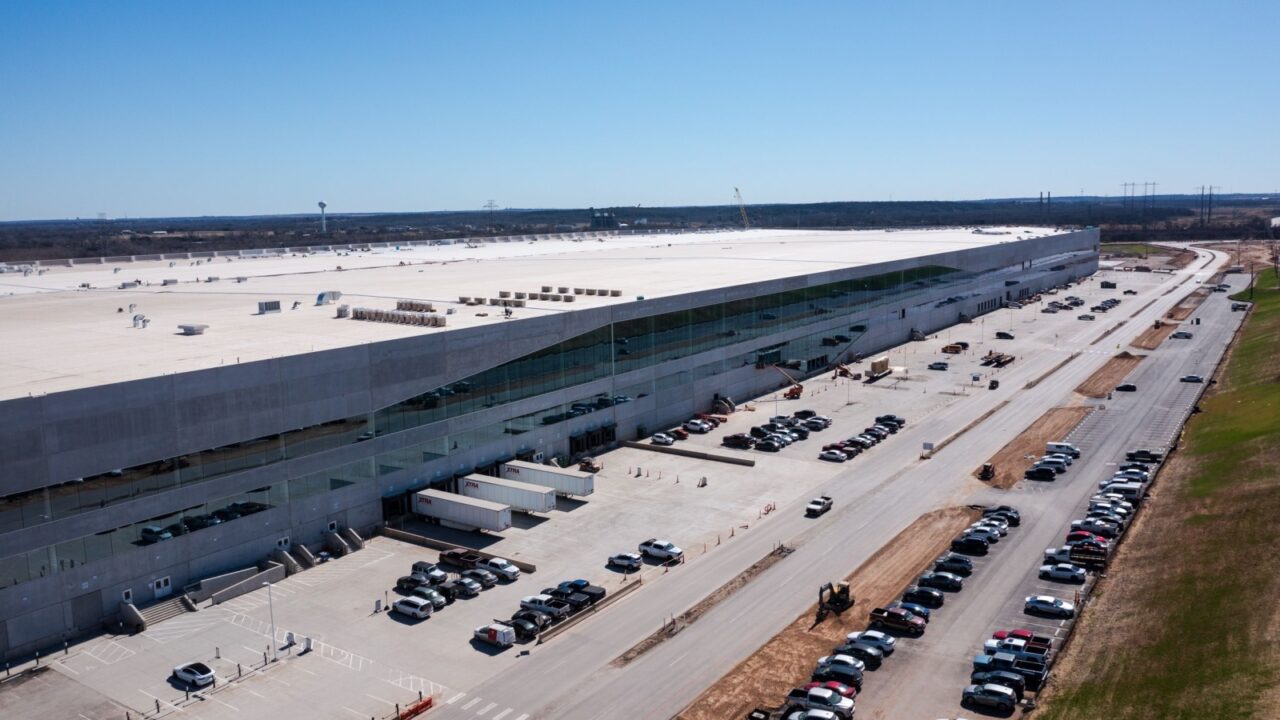
VinFast’s North Carolina boost
VinFast’s investment is expected to benefit many cities and towns near the new EV factory site. Local officials from Raleigh and Chapel Hill have talked about increased labor demand and supplier interest. The complex will be built at the Triangle Innovation Point in Chatham County on roughly 1,800 acres (about 730 hectares).
State leaders highlighted the project as one of the largest economic development initiatives in North Carolina’s history. Thousands of jobs are expected in assembly, battery production, and support services. Regional economic planners are preparing for broader supply chain growth.
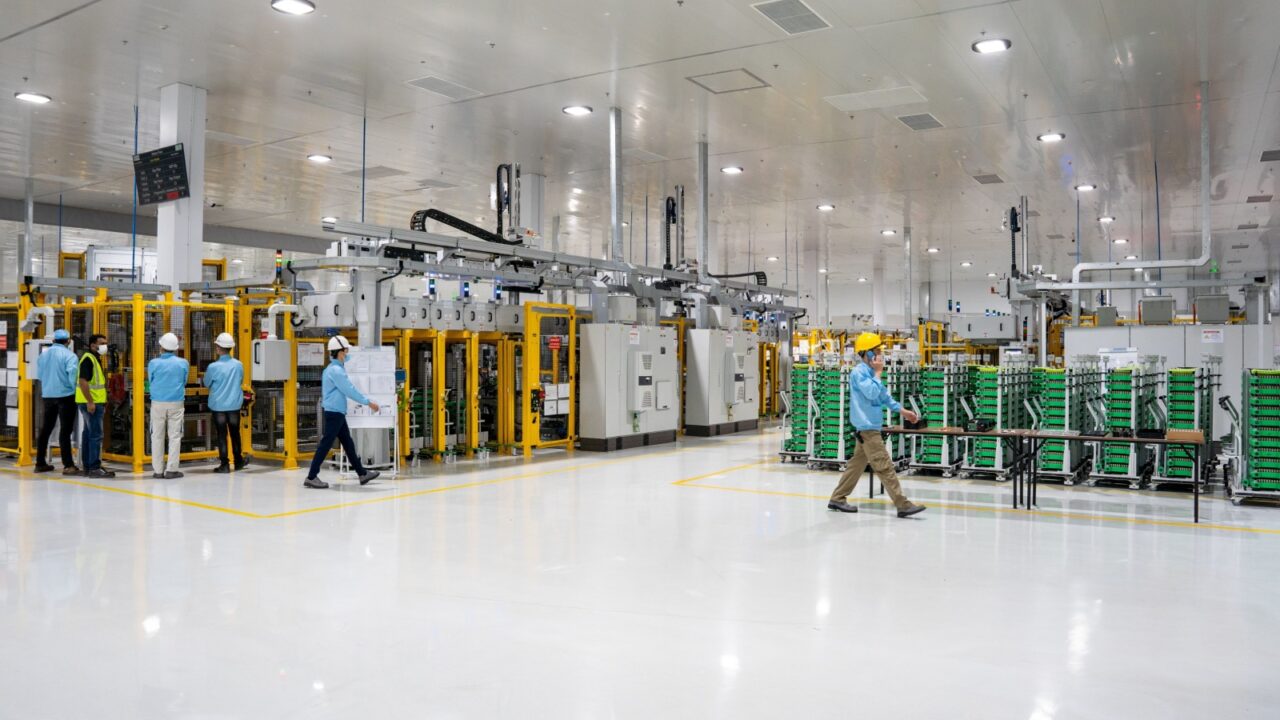
Jobs and workforce effects
VinFast’s EV factory is slated to create a significant number of direct jobs once operational. The announcement mentioned plans for thousands of positions in assembly, engineering, and plant management. These roles may attract workers from cities like Durham and Greensboro.
Economic developers from central North Carolina said the plant will also boost jobs at local suppliers. Universities and vocational programs are gearing up to train technicians and engineers. Employment benefits could ripple into retail, construction, and housing markets.
Automaker global context
VinFast isn’t the only player investing in U.S. electric vehicle manufacturing. Rivian Automotive, Ford Motor Company, and General Motors are also expanding or adapting facilities. The EV trend is reshaping the auto industry across North America and globally.
These investments reflect broader strategies to make electric vehicles more accessible. U.S. demand for EVs still lags behind expectations in some regions, but manufacturers remain committed to growth. Government incentives and infrastructure policy often influence where factories locate.

Midwest and Southeast competition
States across the Midwest and Southeast are competing for EV factory investments. Incentives, workforce availability, and logistics infrastructure are often deciding factors. North Carolina’s success with the VinFast deal may prompt similar bids from other regions.
Nearby states such as Georgia and Tennessee have also pursued EV and battery manufacturing projects. Local economic development offices commonly pitch tax breaks and workforce training support. Job creation becomes a key message in regional recruitment campaigns.

Local infrastructure upgrades
Local officials in Chatham County are preparing for infrastructure upgrades ahead of the plant opening. Road improvements, utilities expansion, and rail access projects are under review. These efforts help support heavy manufacturing activity as well as suppliers.
Fact: When large factories open, counties often invest in new transportation links and broadband upgrades to support industrial growth. Researchers at the Brookings Institution note that manufacturing hubs often trigger regional connectivity improvements. This has been observed in places like Austin and Nashville.
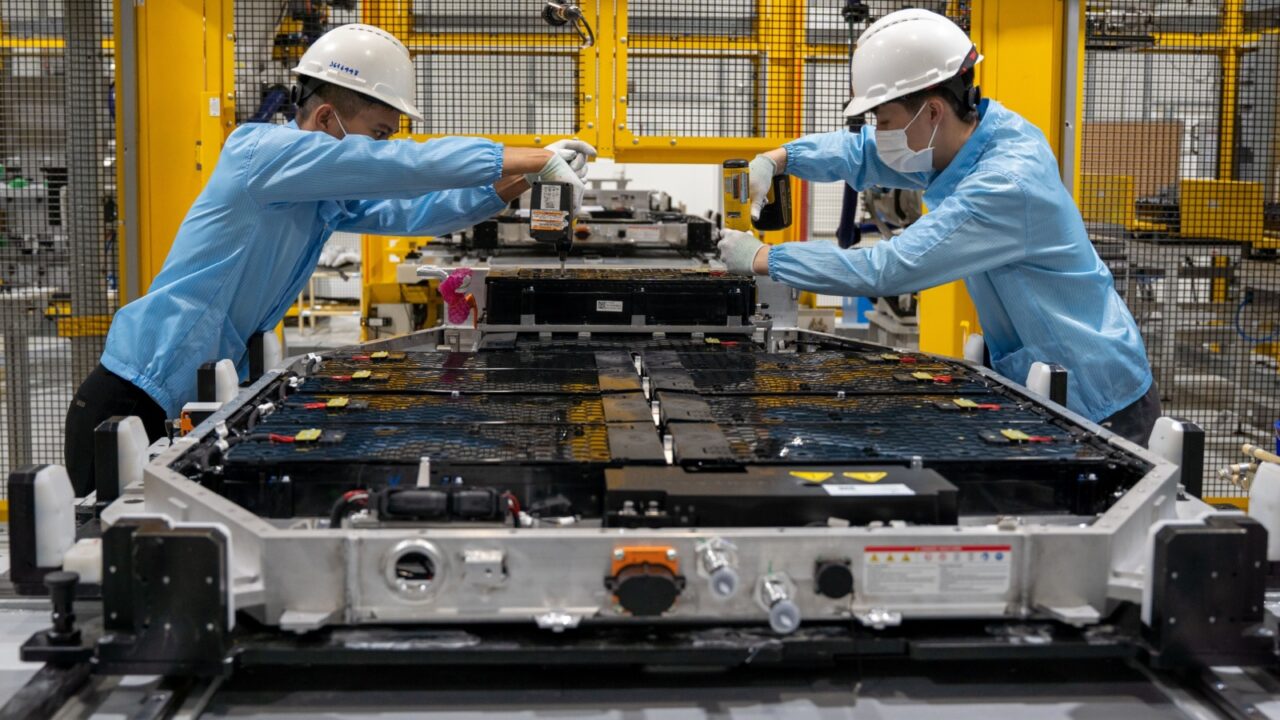
Supplier ecosystem forming
Manufacturers and parts suppliers are watching VinFast’s project closely. Suppliers planning battery, wiring, and body components are scouting locations near the new plant. States such as South Carolina and Tennessee already host major auto supply networks. A dense supplier base helps reduce production costs and delivery times.
Fact: A 2023 industry analysis found that EV factory investment announcements in the U.S. have led to roughly 15 percent growth in local auto supply chain contracts within two years of groundbreaking. That trend is usually strong in regional manufacturing hubs.

Economic ripple effects
VinFast’s factory is expected to drive broader economic stimulus beyond assembly operations. Retailers, hotels, and service firms in Raleigh, Durham, and nearby cities may see increased traffic from new workers. Housing markets often tighten as new residents seek homes closer to jobs.
Regional planners say job growth can attract more investments from other sectors. Restaurants and entertainment venues also benefit from larger local populations. The shift toward EV production may further diversify local economies traditionally rooted in other industries.
Training and education partnerships
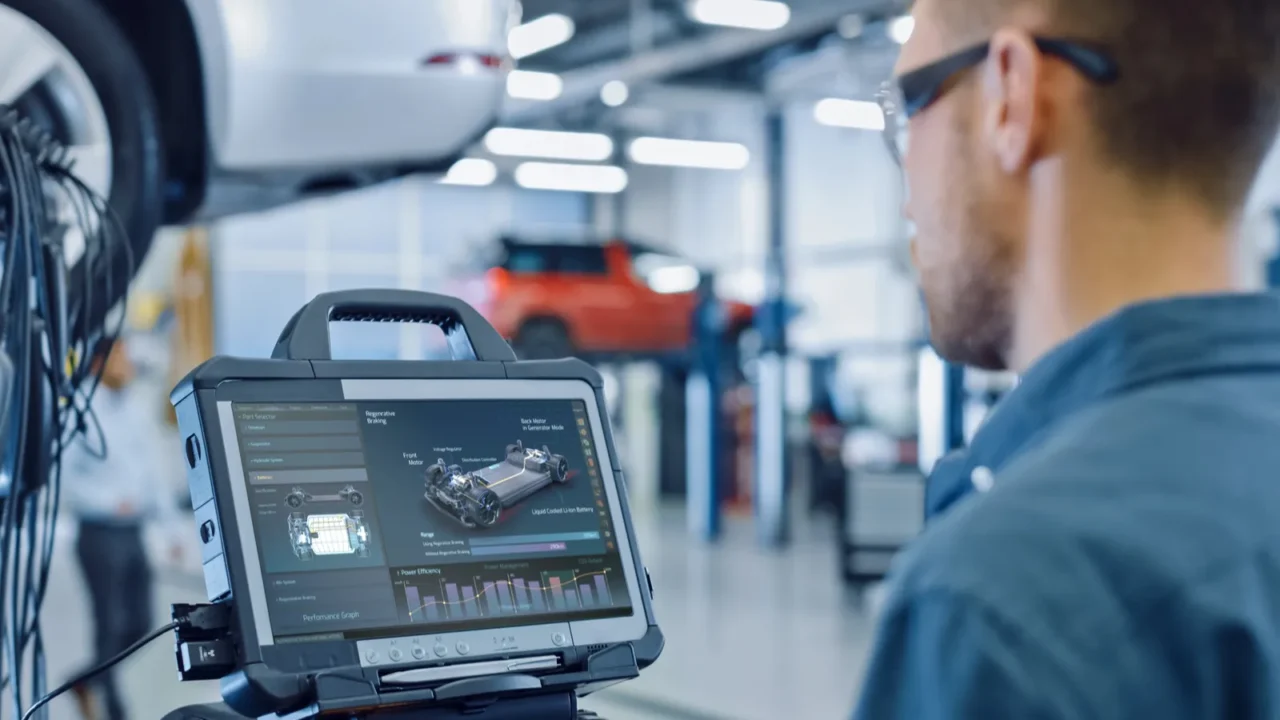
Educational institutions are partnering with industry to build relevant skills for the EV workforce. Community colleges near the plant are adding EV and battery assembly courses. Universities such as North Carolina State in Raleigh emphasize engineering programs to support advanced manufacturing.
Training initiatives aim to prepare graduates for high‑tech production roles. Local workforce boards also offer apprenticeships and certification programs. These partnerships help align labor supply with factory demand.

Broader EV market trends
The EV market in the U.S. has faced ups and downs in recent years. National EV sales represent a growing share of total vehicle sales, though adoption rates vary by region. Wholesale and retail trends influence how companies invest in manufacturing capacity.
Growth incentives such as the Inflation Reduction Act continue to support electric vehicle investments. Federal and state tax policies often make new factories more financially viable. Industry groups say long‑term demand will likely increase.

Manufacturing innovation focus
Companies building electric vehicles are increasingly integrating battery research and robotics into their plants. Automation and advanced manufacturing techniques reduce production costs over time. This technological shift supports higher productivity in U.S. factories, while 2026 tax changes could alter tax bills for many middle-income U.S. families, indirectly affecting household spending and labor availability.
Investments in EV production often tie into research partnerships with universities and tech firms. Smart manufacturing centers across the Midwest and Southeast participate in talent and innovation exchanges. These collaborations help American factories compete globally.

EV future in America
Automotive manufacturing remains a core part of U.S. industrial strategy as electric vehicles shift market dynamics. VinFast’s $2 billion in Phase 1 investment into North Carolina signals continued confidence in EV production outside traditional Detroit‑area plants. Regional economic benefits extend far beyond the factory walls.
City networks from Raleigh to Greensboro are now on the EV manufacturing map. The blending of global automakers and local labor markets reshapes regional economies.
Which U.S. city seems most likely to benefit from the EV factory boom? Share thoughts below.
This slideshow was made with AI assistance and human editing.
Don’t forget to follow us for more exclusive content right here on MSN.
Read More From This Brand:
