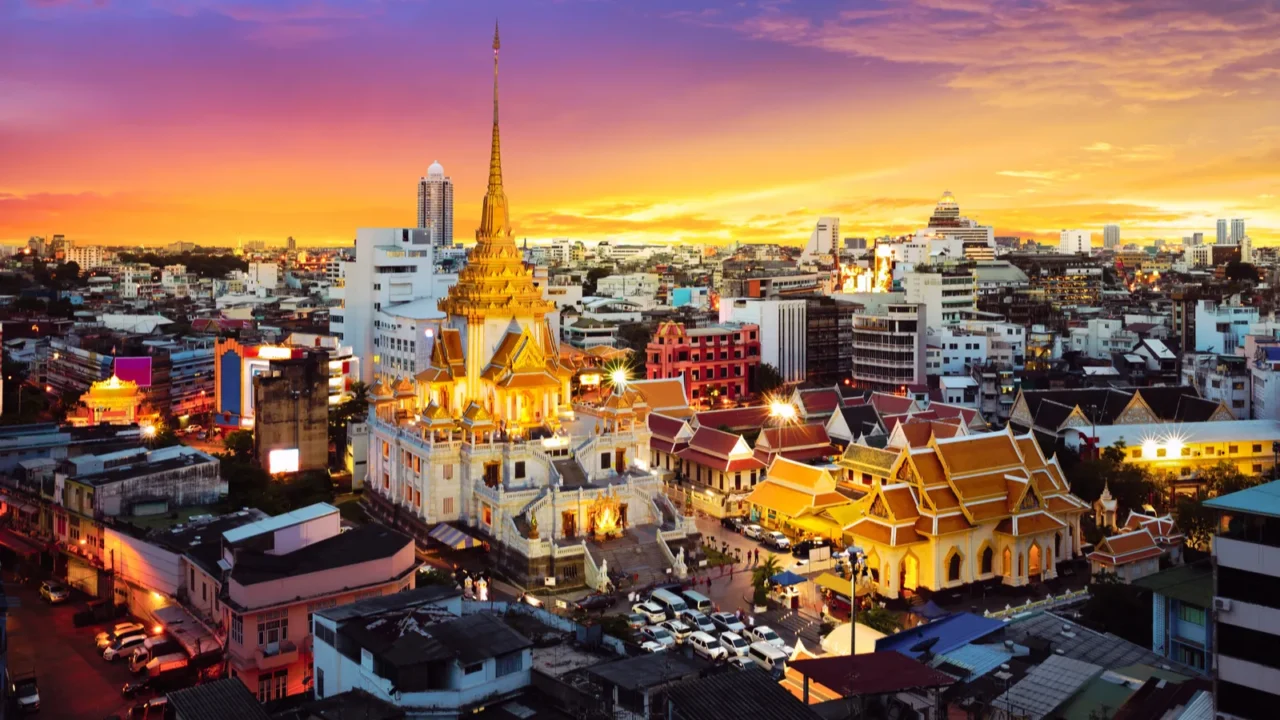
Bangkok still leads the 2026 city break conversation
Bangkok keeps showing up on “where to go” lists because it offers big-city energy without feeling one-note. You can do temples in the morning, street food at night, and still squeeze in art, shopping, and river views. The mix matters in 2026, when travelers want one trip to cover culture, food, and nightlife.
The numbers back up the hype, even as travel patterns keep shifting. Thailand’s tourism agency is already projecting a strong 2026 year, with Bangkok as the country’s main hub for first-time and repeat visitors. That forward-looking push is why Bangkok remains a safe “default pick” for a short break.
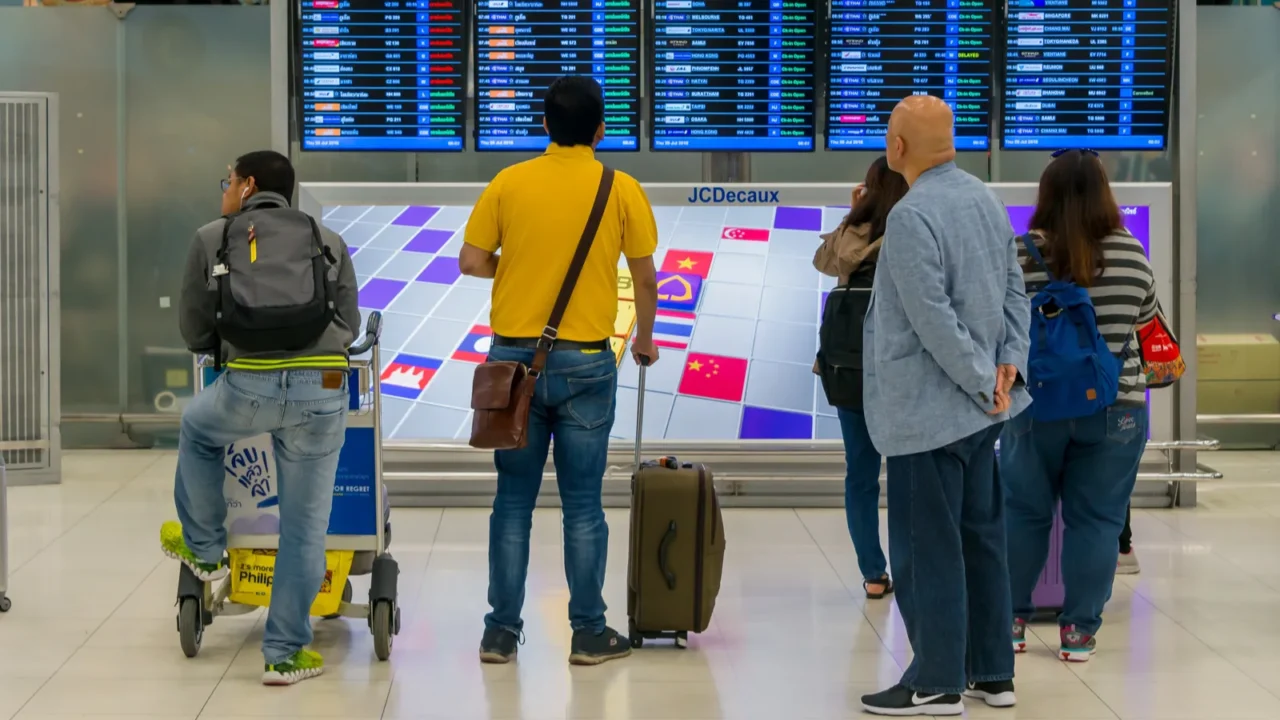
Early 2026 arrivals show demand is still real
Thailand logged more than 1.12 million foreign arrivals in the first 11 days of 2026, with official figures tied to both arrivals and tourism revenue. That kind of early-year volume signals that regional travel demand is holding, even after a choppy few years for Asia tourism. Bangkok benefits because many visitors start and end their trips there.
It also explains why airlines, hotels, and tour operators keep building around the capital. When the country posts strong early totals, Bangkok usually sees the biggest spillover in bookings for weekend stays and short stopovers. For 2026 travelers, that means more flight options, more package deals, and more competition-driven discounts.
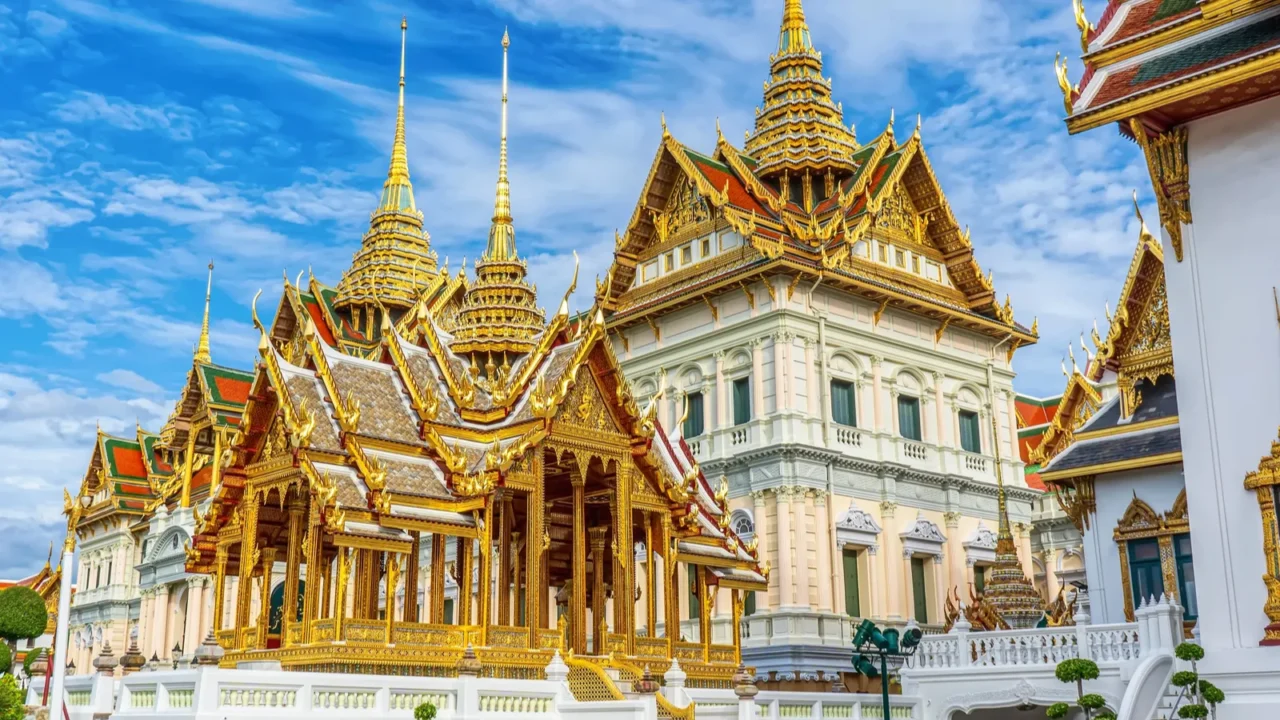
The Grand Palace remains the culture anchor
If you only do one historic site, the Grand Palace complex is still the most iconic starting point. It has anchored Bangkok’s royal and religious identity since the late 1700s, and it stays central for visitors trying to understand the city fast. In 2026, it’s still the “first stop” people plan around.
It also sets the tone for a respectful, temple-smart visit. Dress rules and entry logistics can shape your whole day, so many travelers now schedule it early, then build the rest of the itinerary nearby. That planning style is part of why Bangkok works well for tight city breaks.
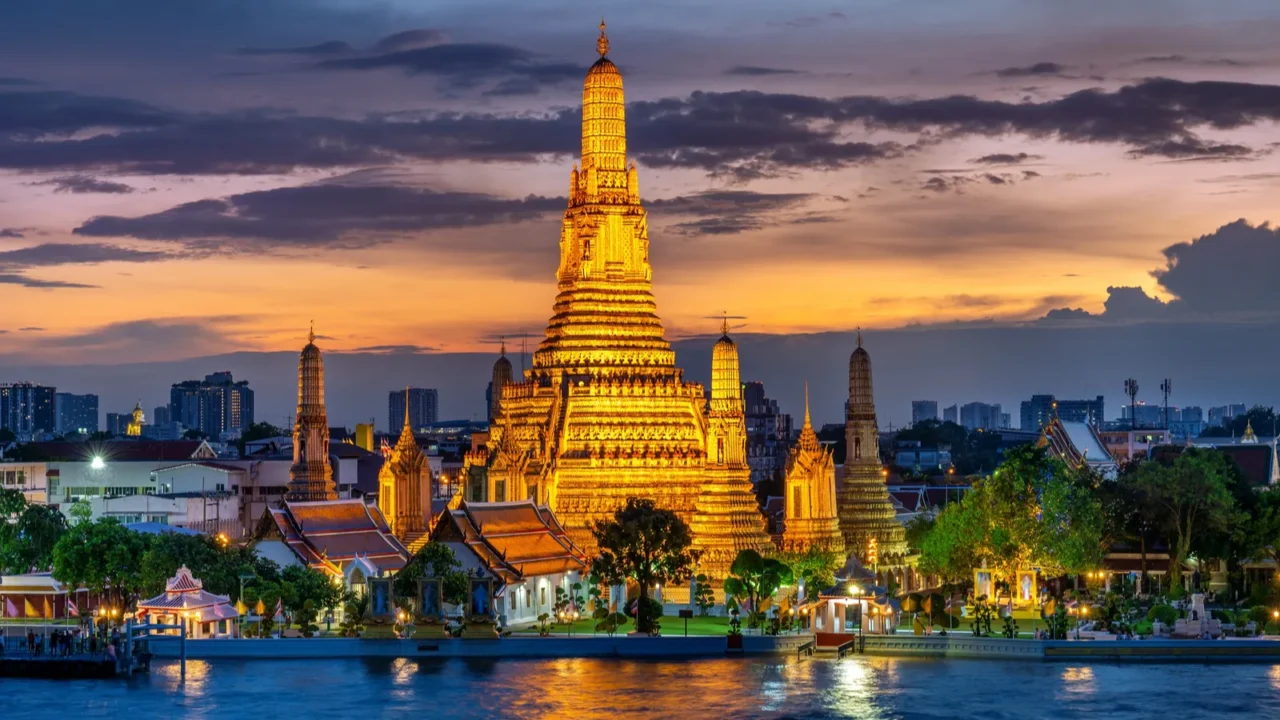
Wat Arun delivers the classic river-side view
Wat Arun sits on the Thonburi side of the Chao Phraya River and is one of Bangkok’s most recognizable silhouettes. The location matters because it turns sightseeing into a river experience, not just another temple visit. For a short trip, it gives you the “Bangkok postcard” feeling quickly.
The bigger point is pacing. Bangkok can feel intense on foot, so mixing river stops into the day keeps the trip from becoming a heat-and-traffic marathon. In 2026, travelers are increasingly building itineraries around the river for exactly that reason.
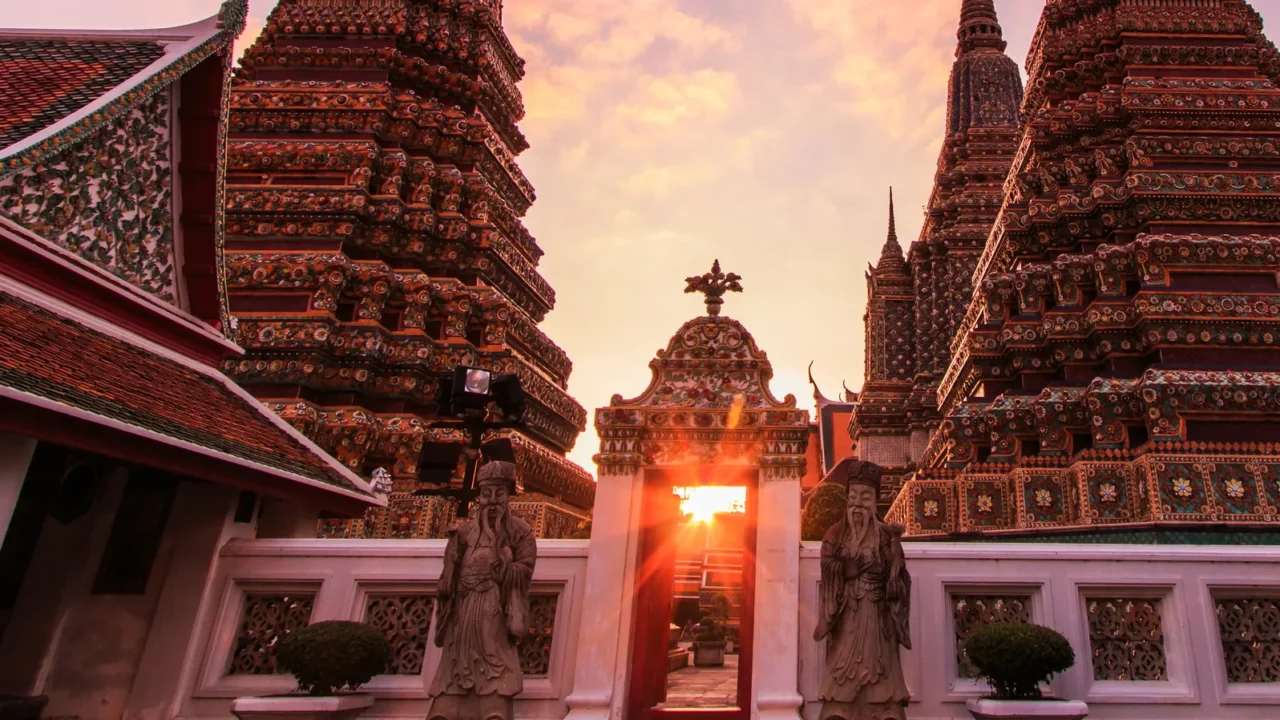
Wat Pho is still the best “slow down” stop
Wat Pho is famous for its reclining Buddha and for being close enough to pair with other old-city sights. That proximity is practical, but the real value is the shift in mood, since it feels calmer than the city’s busiest tourist corridors. It’s a strong choice when you want culture without rushing.
It also helps city-break travelers build a balanced day. Bangkok is at its best when you alternate high-energy areas with quieter stops, instead of trying to do everything at once. Wat Pho is one of the easiest places to build that rhythm.
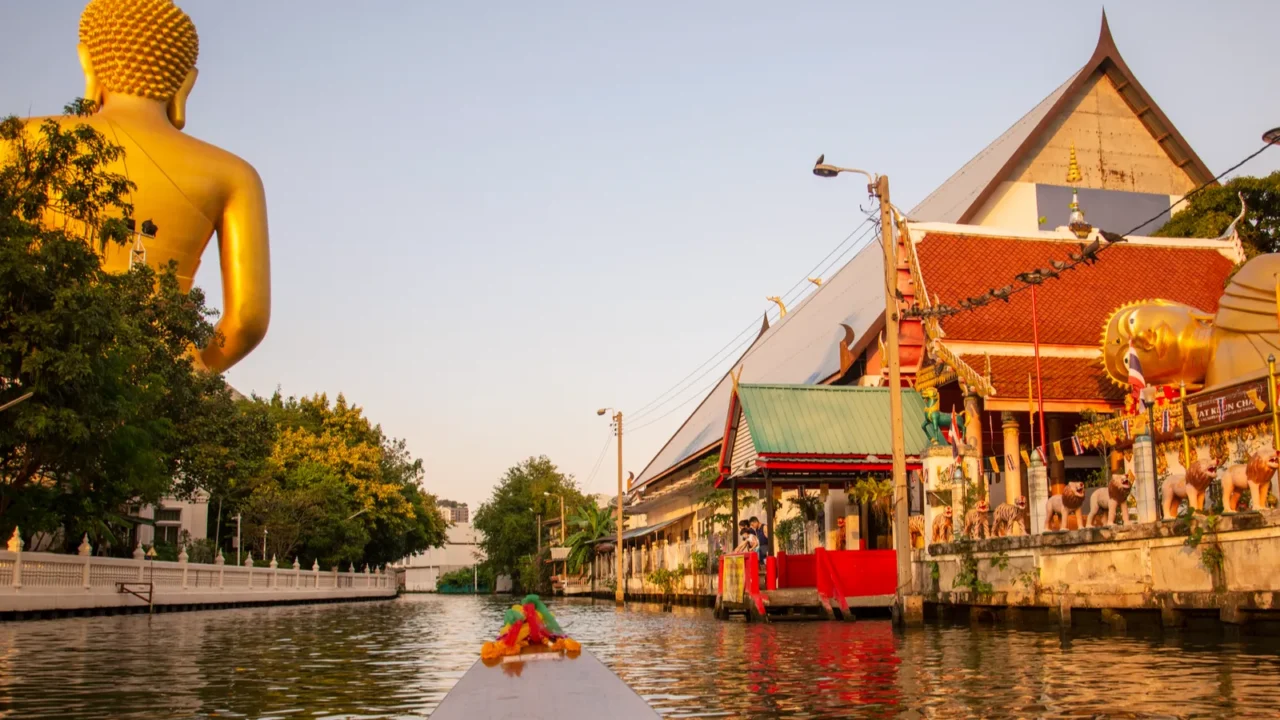
Canal tours show a different side of Bangkok
A longtail boat ride through Thonburi’s canals is the quickest way to see “everyday Bangkok” without leaving the city. You pass stilt houses, small docks, and neighborhood life that feels far removed from the skyscraper skyline. For 2026 travelers, this is a big reason Bangkok still feels like an actual place, not just a tourist set.
City breaks are short. When you only have two or three days, experiences that deliver contrast fast become the most valuable. A canal ride does that in a way malls and rooftop bars cannot.
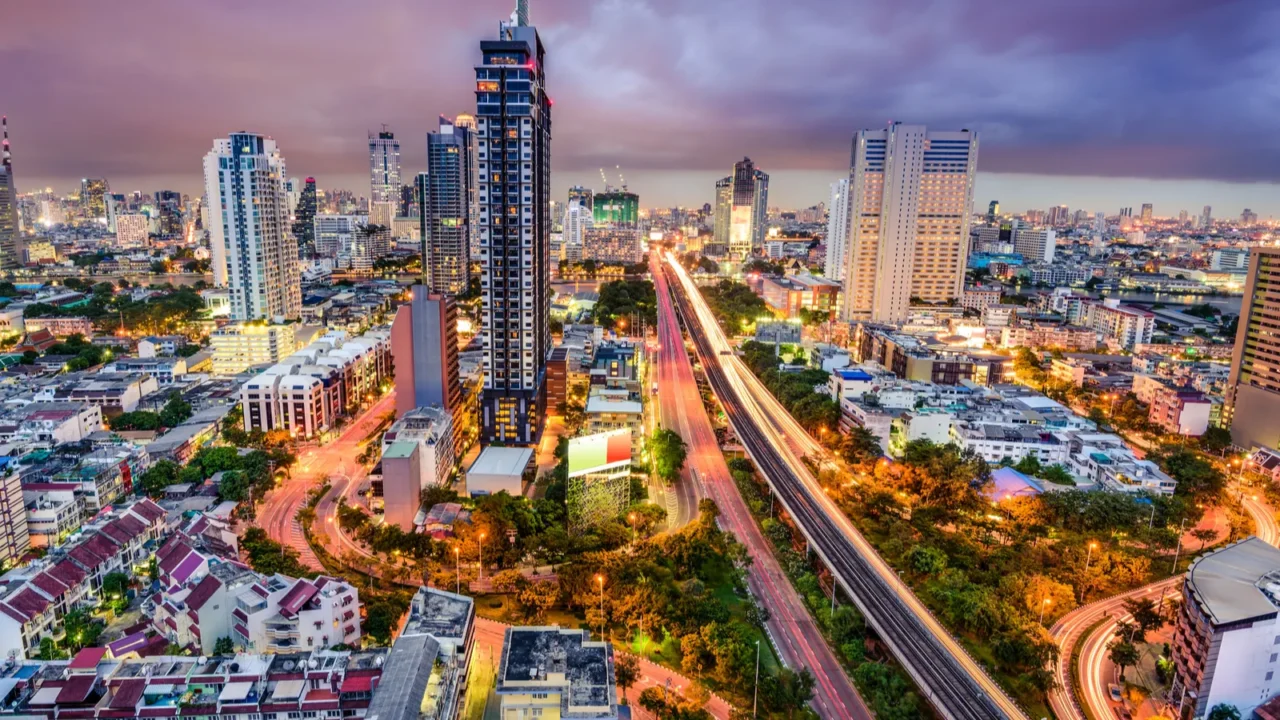
Modern Bangkok culture is easy to plug in
Bangkok is not only temples, and that balance is part of its 2026 staying power. The Bangkok Art and Culture Centre offers a modern, local-facing stop that fits neatly between shopping, transit, and cafes. It’s a practical “culture break” that does not require a full-day museum plan.
The point is flexibility. When travelers want a trip that can pivot based on weather, crowds, or energy level, Bangkok supports that style. You can move from sacred sites to contemporary art without feeling like you changed cities.
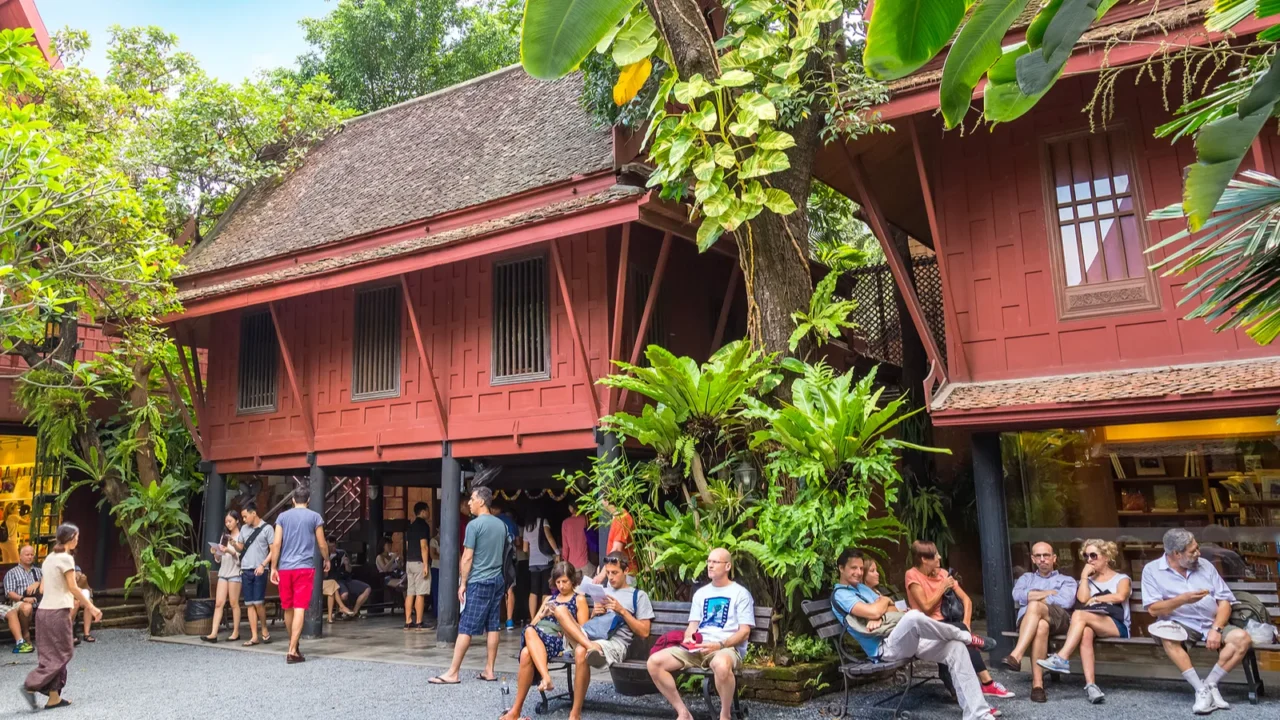
The Jim Thompson House adds texture to the story
The Jim Thompson House Museum works because it feels personal, not monumental. It ties together Bangkok’s design history, Thai silk storytelling, and a very specific corner of the city that tourists often skip. That mix makes it a useful “one-hour stop” that still feels meaningful.
It also fits a trend that is stronger in 2026 travel: visitors want attractions that feel distinctive, not interchangeable. When every major city offers malls and rooftops, places with a specific narrative stand out. The Thompson Museum is built for that kind of trip.
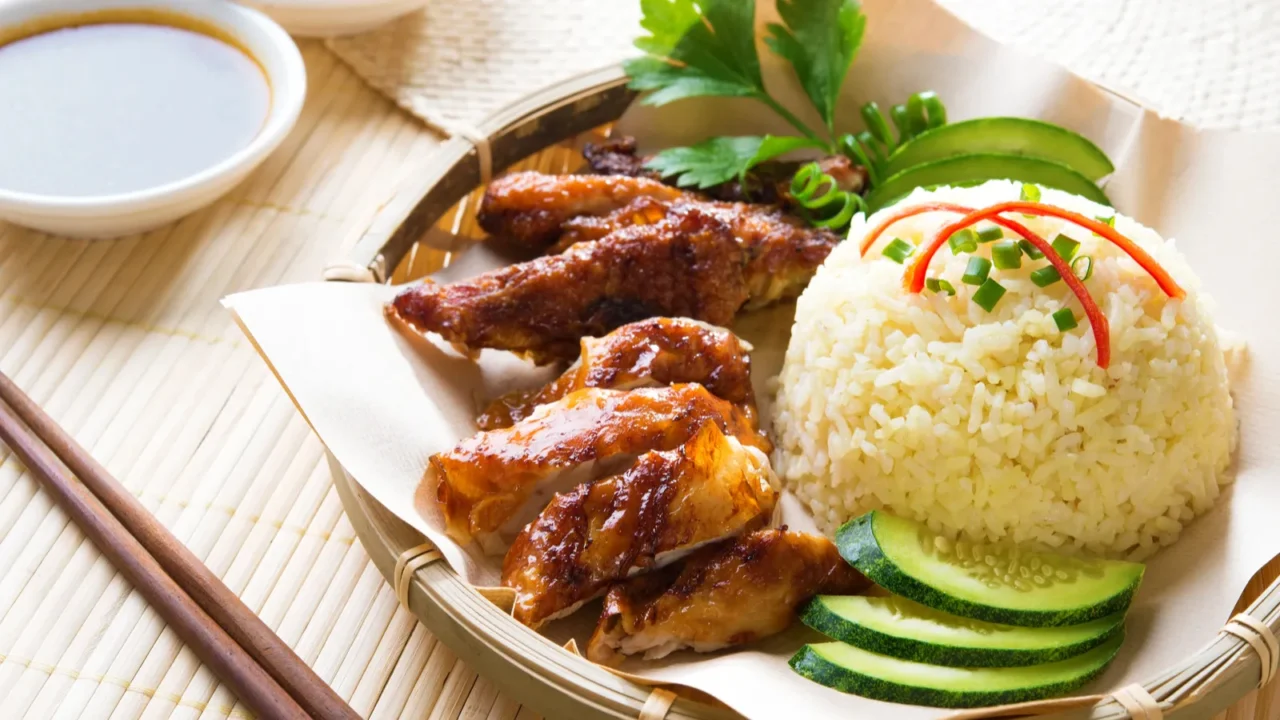
A few famous dishes are still worth planning around
Some Bangkok “signature stops” have stayed popular because they deliver consistency. Go-Ang Kaomunkai Pratunam is widely known for Hainanese chicken rice and has long been tied to Michelin’s Bib Gourmand coverage. It’s the type of meal that feels simple, then ends up being the one you remember.
Jeh O is another example of how Bangkok does late-night food culture well. The Michelin Guide has highlighted it as a Bib Gourmand spot, and it’s closely associated with its tom yum instant noodle pot. For 2026 city-break travelers, these “one dish” stops help structure nights without overplanning.
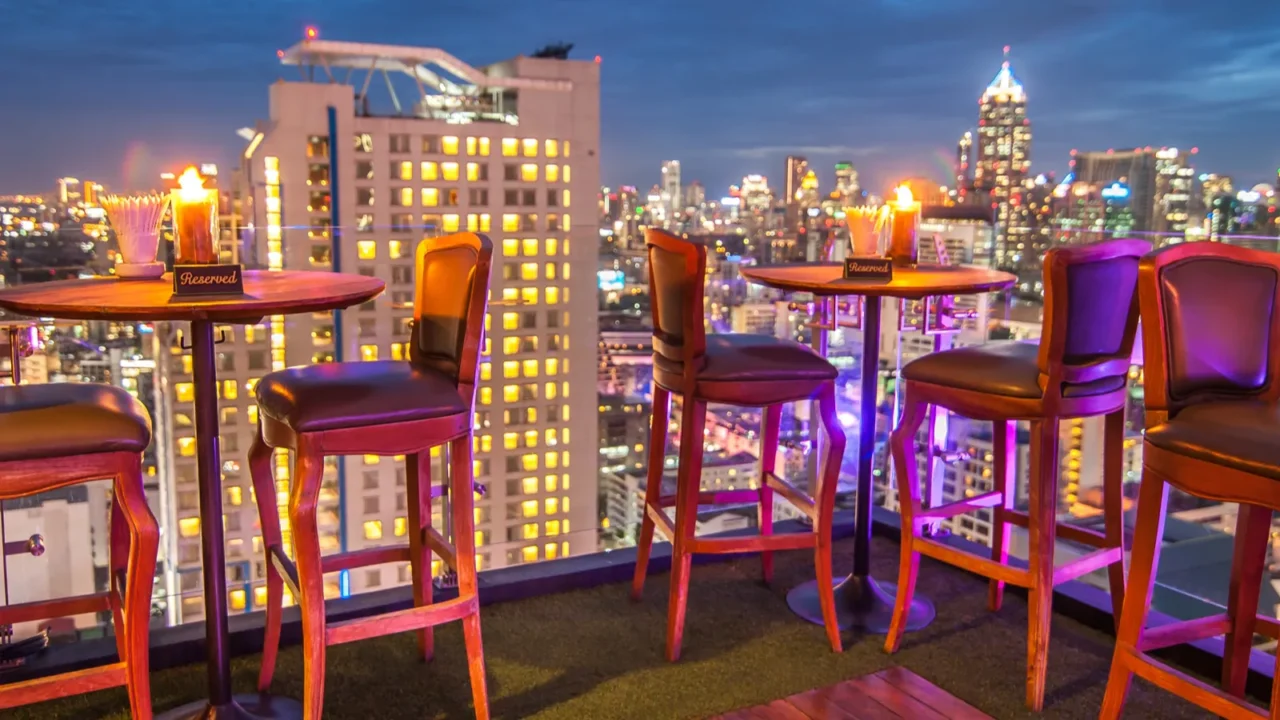
Rooftop bars still define the nightlife image
Bangkok’s rooftop scene remains a major draw because it makes the skyline feel accessible. Places like Tichuca lean into a high-energy, “urban jungle” style that visitors actively seek out. In a short trip, one rooftop night can feel like the whole nightlife chapter.
The bigger reason this matters in 2026 is competition. Many cities have great bars, but Bangkok still pairs skyline nightlife with late-night food, night markets, and easy transit in the same evening. That combination keeps the city near the top of quick-break planning.
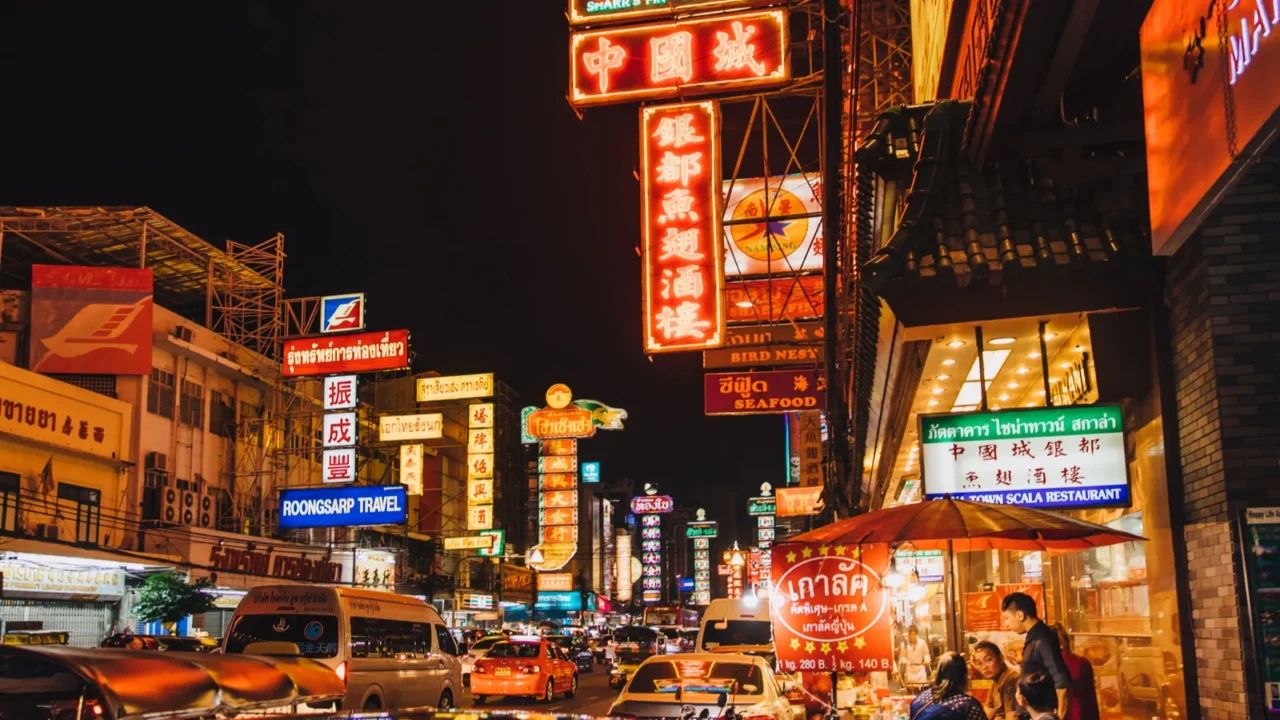
Live music and neighborhood nights make it feel less touristy
Bangkok nightlife is broader than rooftops and club streets, and that’s part of why repeat visitors keep coming back. Reuters reporting has pointed to live-music spots like Adhere The 13th Blues Bar and Smalls Bar as part of the city’s after-dark identity. These venues matter because they feel local, even when you’re visiting.
This is also where Bangkok works for different travel styles. You can do a loud night, a quiet night, and a “wander and eat” night without changing neighborhoods drastically. For 2026 city breaks, that range makes planning easier, and the trip feels fuller.
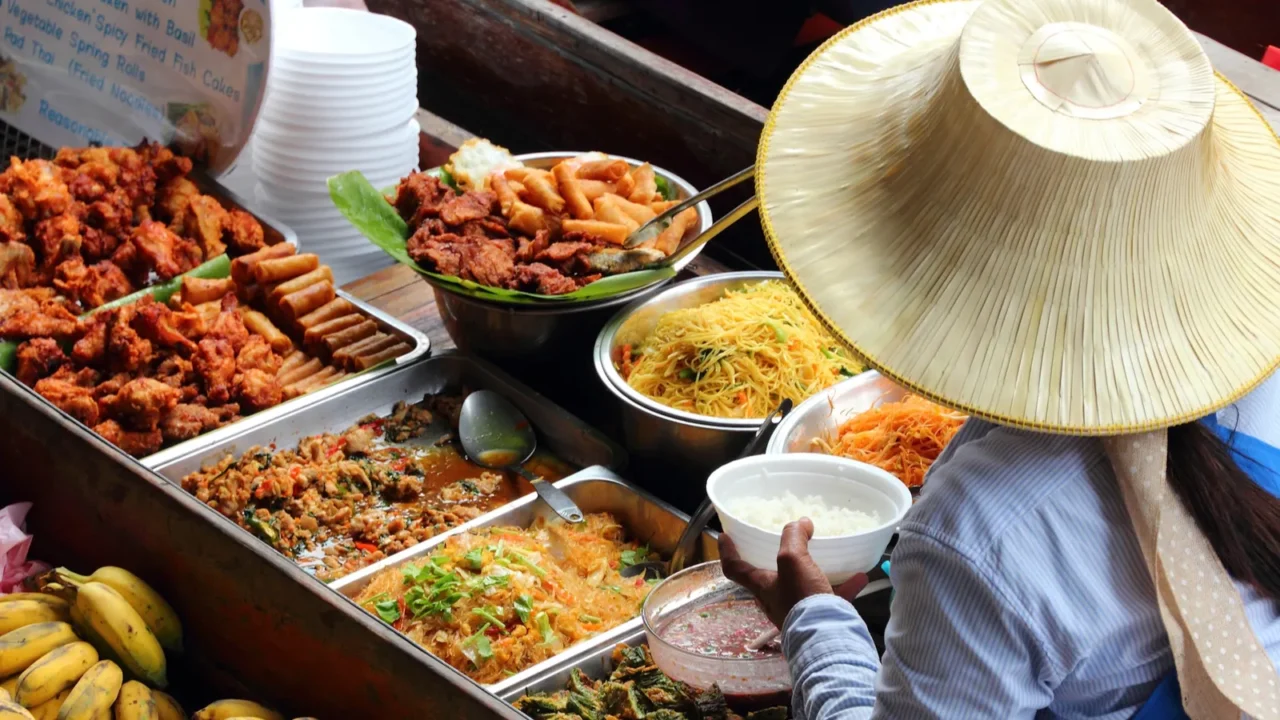
Bangkok’s street food stays globally competitive
Bangkok’s food scene is still one of the most reliable “why this city” arguments. You can eat extremely well at street level, then pivot to polished dining in the same night. For short trips, that density is a major advantage.
The Michelin Guide keeps reinforcing that reputation in a way international travelers recognize. Jay Fai remains a one-star street-food name, and Bib Gourmand picks continue to spotlight Bangkok’s value-focused places. In 2026, outside validation still shapes where visitors choose to spend their limited meals.
Wondering where to find the most unique shopping experiences in Thailand? Explore floating markets that flow like river cities—blending culture, cuisine, and charm in every boat.
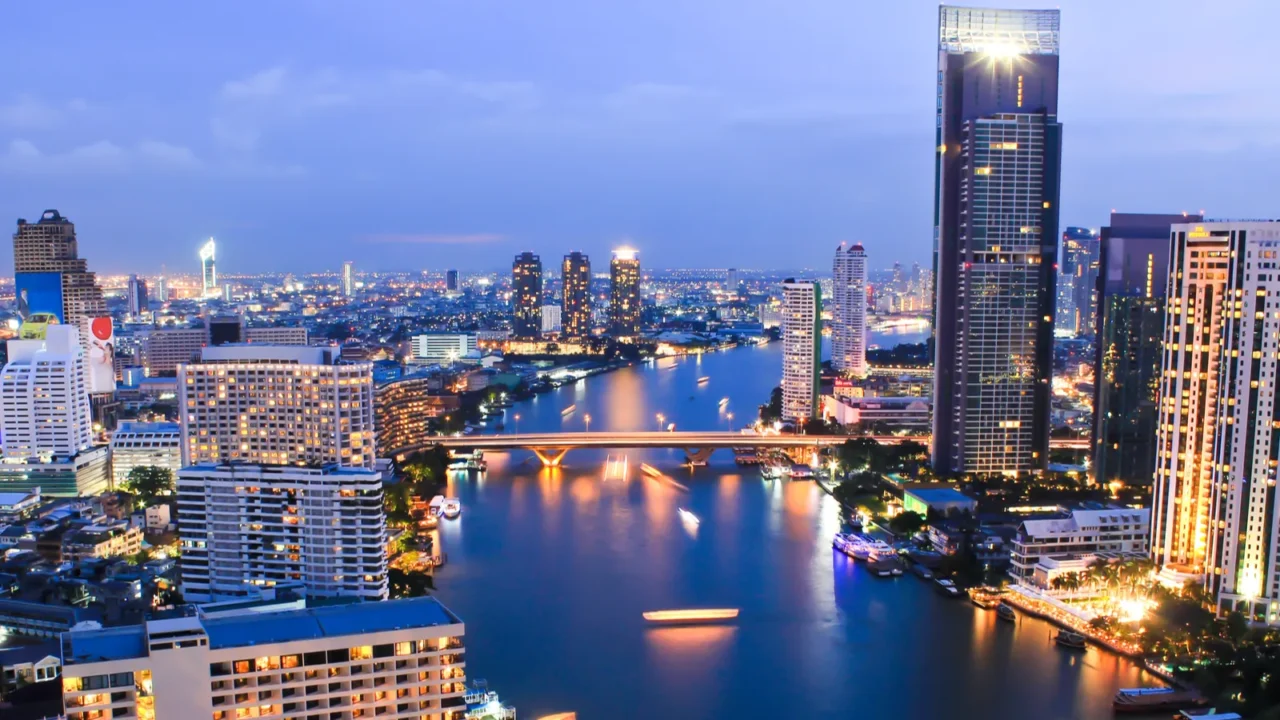
Bangkok’s 2026 edge is still value plus variety
Thailand’s tourism authority is projecting 36.7 million international visitors in 2026, with tourism revenue targets that underline how much the country is leaning into travel again. Bangkok sits at the center of that strategy, so travelers can expect continued investment in visitor experience, from infrastructure to events. This is why Bangkok stays “safe to book” even when travel trends change.
What makes it work for a city break is simple: you get culture, food, and nightlife in a compact, flexible plan. You can keep it affordable with street eats and transit, or upgrade with rooftops and splurge meals, and the city still feels coherent.
Next, see how places around the world are investing in multilingual tourism because travel demand is shifting, visitor expectations are rising, and destinations are competing harder for global spending.
If you had to pick one Southeast Asia city for 2026, would Bangkok be your choice, and why? Share your thoughts and your view in the comments.
This slideshow was made with AI assistance and human editing.
Don’t forget to follow us for more exclusive content right here on MSN.
Read More From This Brand:
