
Weekend on the farm
City life crowds the senses with constant noise, screens, and packed schedules. A weekend on a working farm offers dawn light, fresh air, and simple rhythms that feel like a reset. Travelers often notice calm arriving in small moments, like a cup of coffee outdoors.
Mornings bring birdsong, soft chores, and time that moves at a natural pace. Visitors often trade notifications for steady work in the fields and quiet conversation with hosts. Curious holidaymakers ready to swap concrete for clover, let us dive in!
Why farms welcome visitors
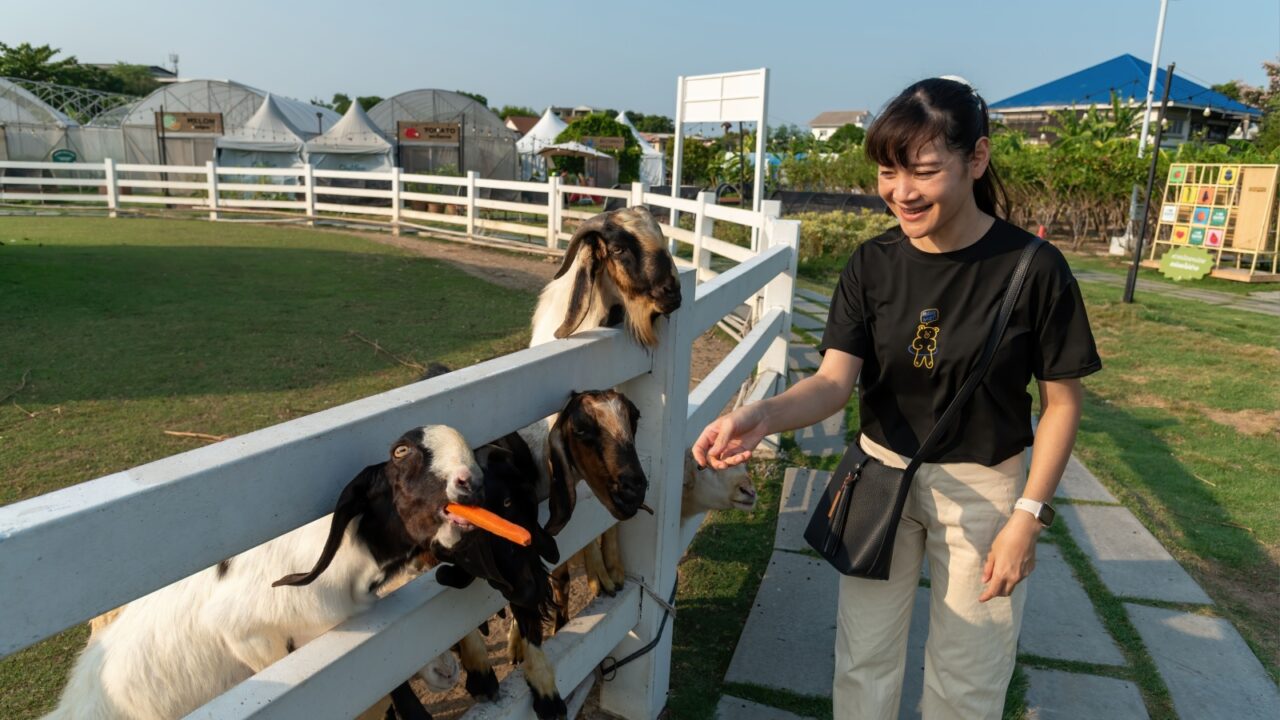
Many small farms like those in Otago, New Zealand, face uncertain markets, weather shocks, and thin margins that make family farming fragile. Inviting visitors to stay provides a reliable income stream that complements crop sales. That added revenue helps farms survive slow seasons and invest in care for the land.
Farm stays also share local knowledge and traditions in a living way that tourism alone cannot. Visitors get to see daily farm life instead of a staged tour, which builds real understanding. This connection supports both farm families and neighboring communities.
Calm that feels genuine
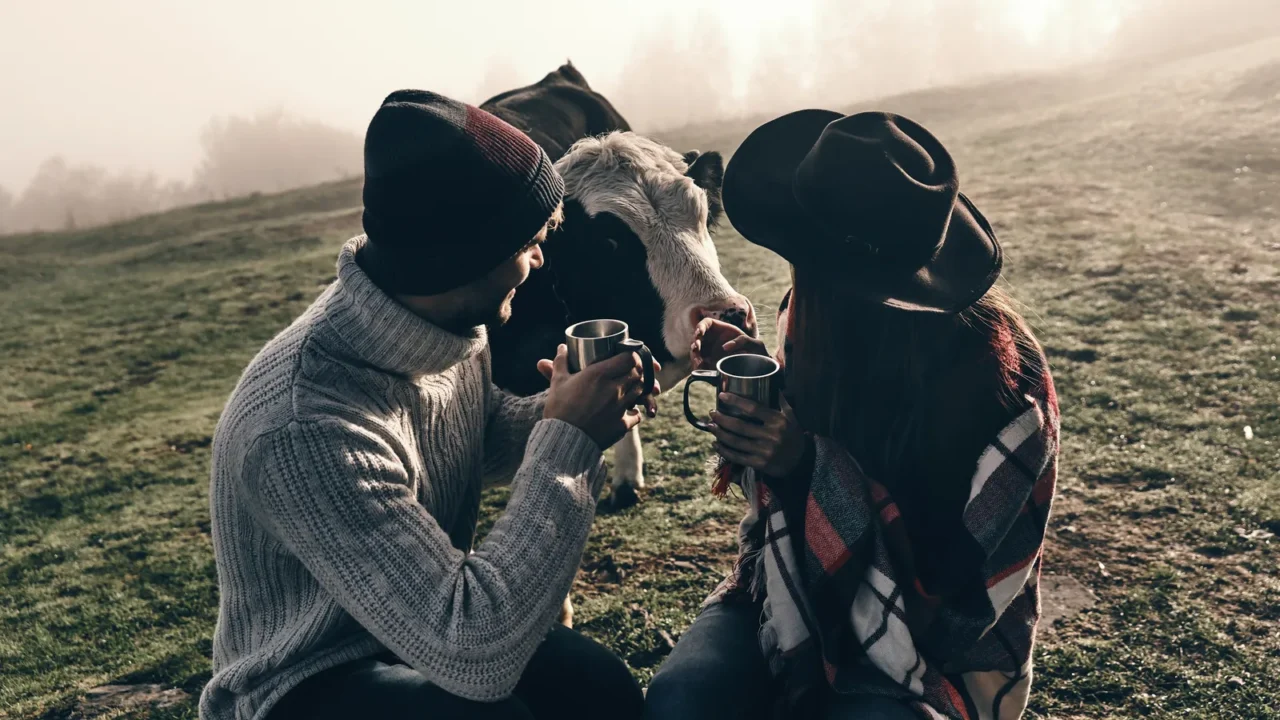
Open fields, slow mornings, and the sound of animals create a kind of quiet that hotels rarely offer. Travelers report that walking among crops and listening to birds lowers tension and clears the mind. That steady calm can make a weekend feel longer and more restorative.
The simplicity of farm routines encourages presence rather than distraction. Small tasks like gathering eggs or watering beds give gentle focus without pressures or deadlines. For many holidaymakers, that form of rest becomes unexpectedly precious.
Hands on with the land
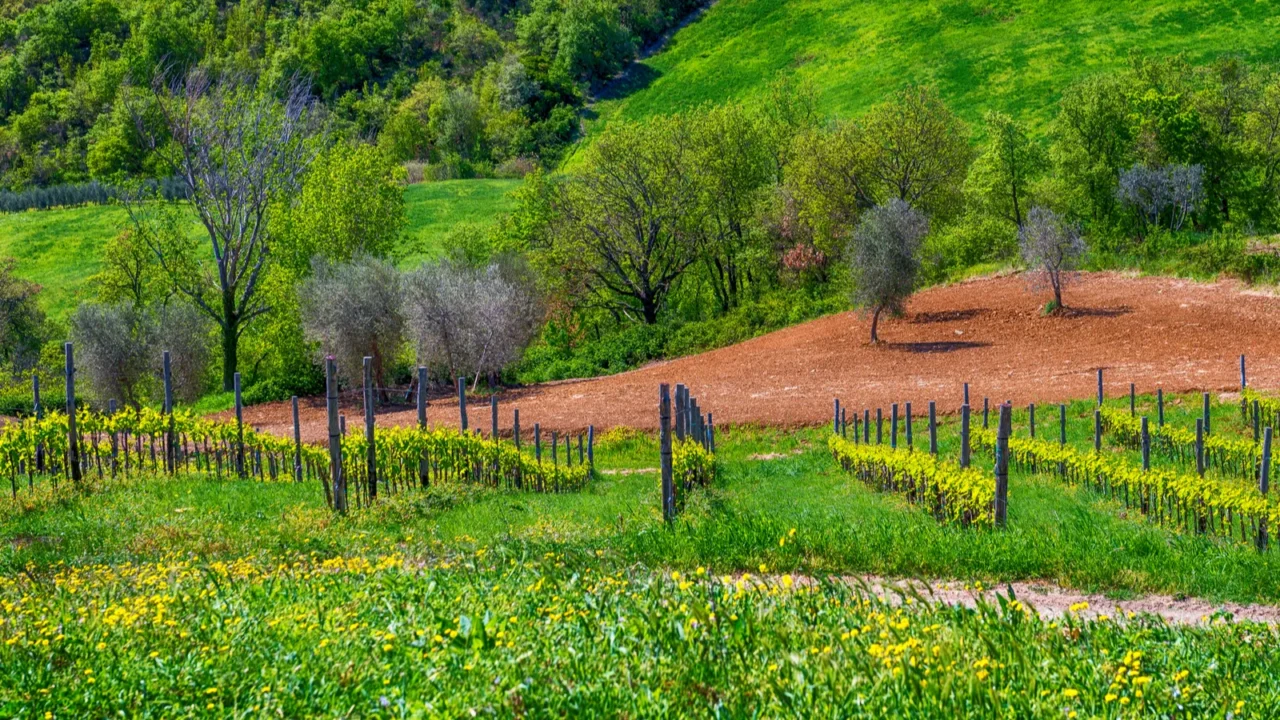
Many farm stays encourage visitors to participate in activities such as planting, harvesting, or tending to animals with the support of experienced hosts. In places like Tuscany, Italy, surrounded by rolling vineyards and grapevines, these hands-on moments highlight the care, patience, and effort behind food production. Such experiences foster a deeper appreciation for both the land and the people who cultivate it.
Learning through direct involvement makes agriculture feel tangible and closely tied to everyday life. Guests often leave with renewed respect for seasonal rhythms, agricultural labor, and nature’s cycles, an understanding that stays with them long after the weekend ends.
Living the Farm Rhythm
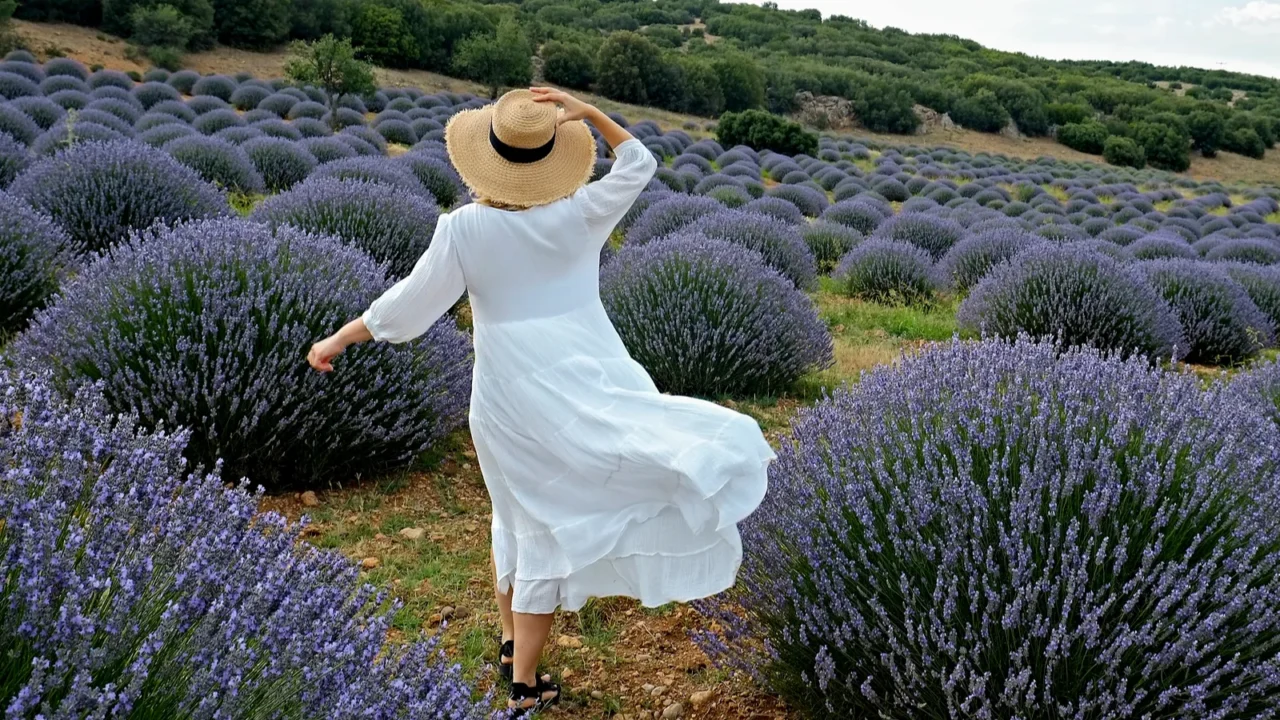
Farm stays offer visitors a chance to experience daily rural life through simple, grounded routines shaped by nature. In places like Provence, France, surrounded by lavender fields and organic farms, guests witness how seasonal cycles influence everyday living. These moments often become the most memorable part of the stay.
Hosts share traditional practices and sustainable habits passed down through generations. Visitors learn how soil, climate, and timing affect outcomes in ways modern life rarely reveals. Such experiences often inspire lasting lifestyle changes long after returning home.
Learning without pressure
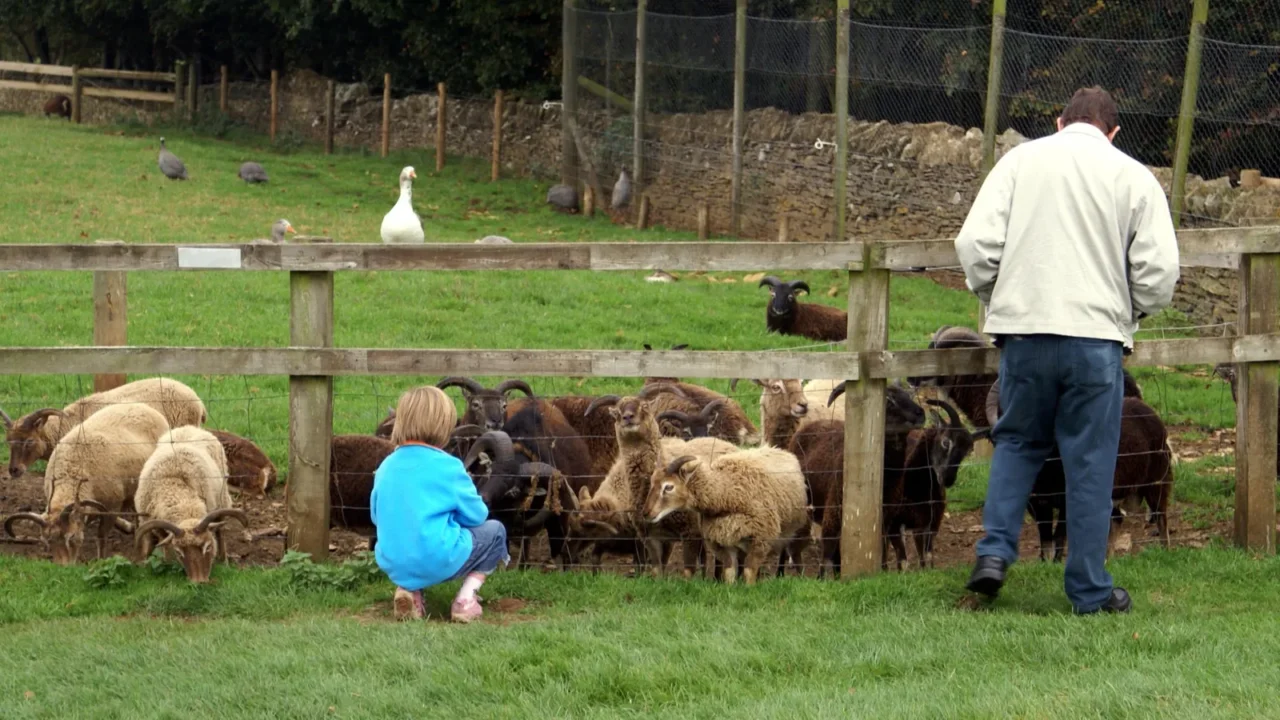
Farm workshops are typically informal, welcoming, and centered on practical activities such as seed saving, food preservation, or traditional crafts. In places like the Cotswolds, England, visitors may take part in sheep farming, feeding livestock, collecting wool, and learning time-honored farm routines while listening to local stories and methods. This gentle, hands-on learning adds richness to the experience without feeling structured or academic.
These sessions demonstrate sustainable practices in action rather than as abstract ideas. Observing composting, crop rotation, and water-saving techniques firsthand makes them easier to understand and remember. For many travelers, this direct exposure reshapes how they view food production and land stewardship.
Direct support for locals
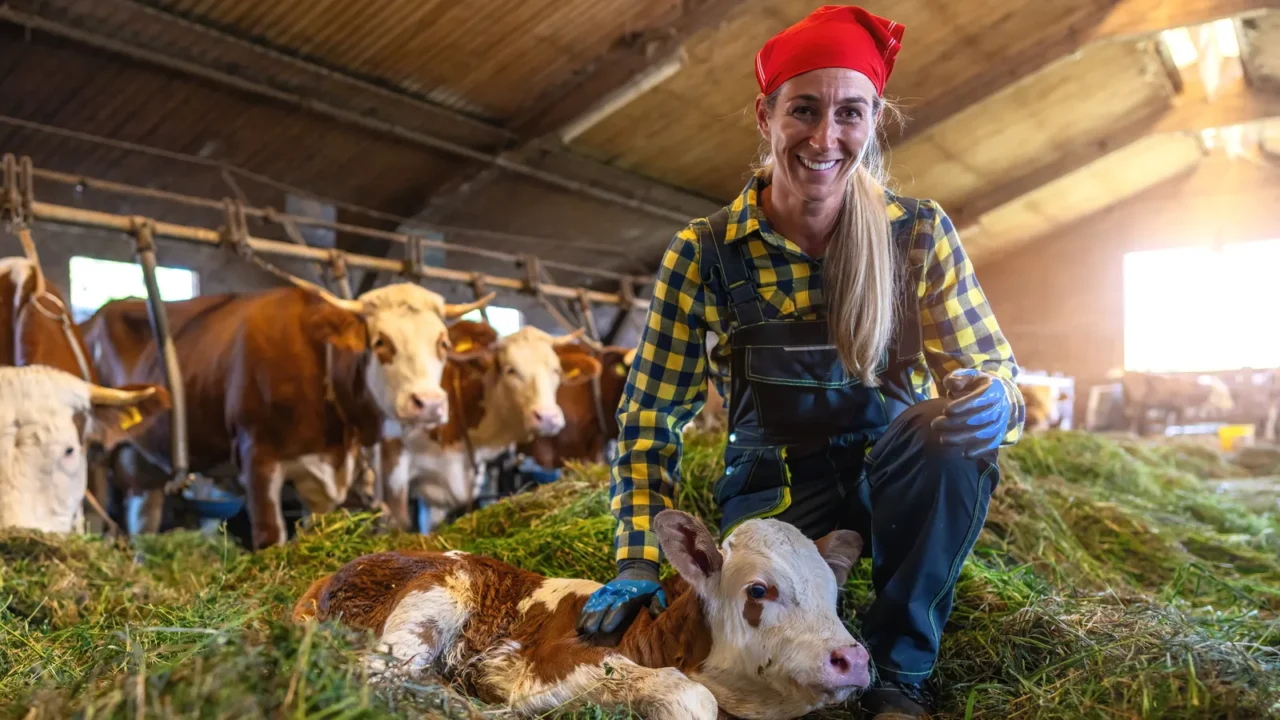
Spending at farm stays directly benefits local communities by circulating income through lodging, guiding, and small-scale production. In places like Transylvania, Romania, where guests take part in milking cows, haymaking, and tending chickens in traditional villages, tourism helps sustain everyday rural life and creates meaningful employment opportunities.
Visitors often purchase homemade preserves, dairy products, and handcrafted goods from hosts and neighboring families. This support strengthens local entrepreneurship, keeps traditional skills economically viable, and contributes to preserving cultural heritage and rural diversity.
Farm stays that protect nature
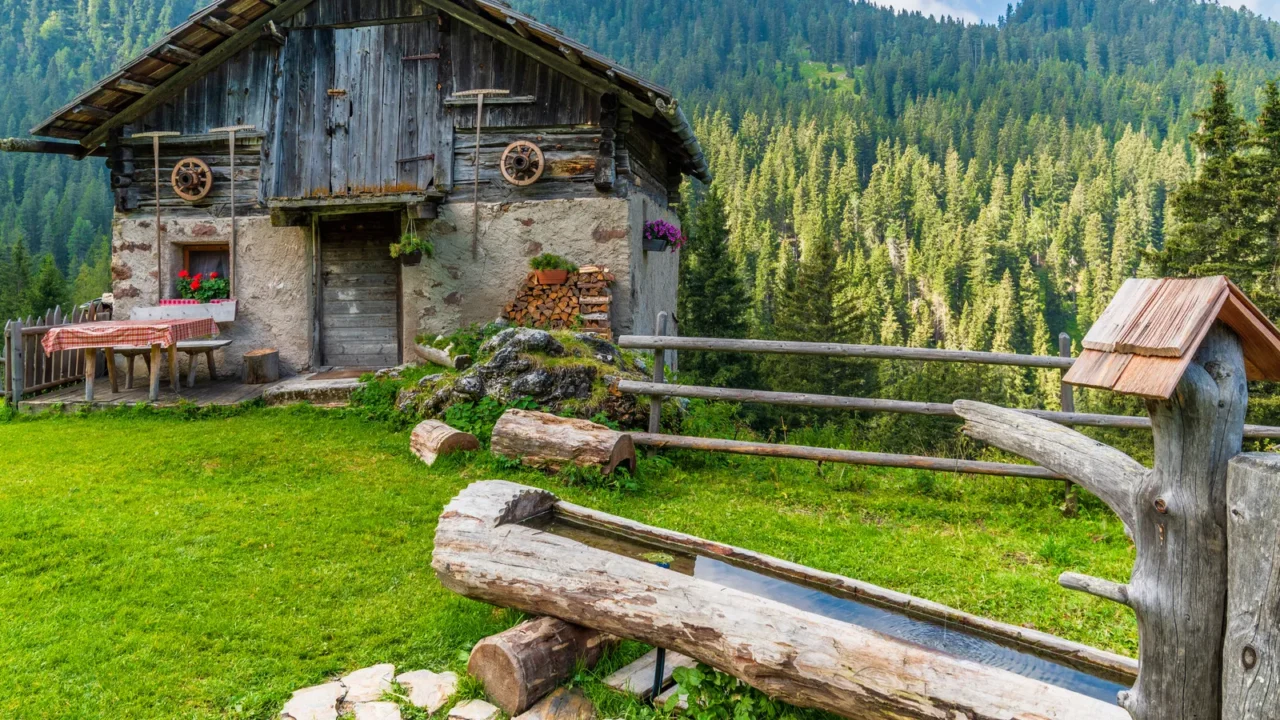
Many hosts adopt organic approaches, composting, and careful water management to keep soil and streams healthy. Those practices demonstrate ways to care for the land that visitors can understand through direct observation. The stay becomes both restful and responsibly minded.
Conservation and low-impact operations also support wildlife and long-term soil fertility on working farms. Seeing those choices in action helps travelers appreciate how tourism can be part of conservation. That combination of rest and responsibility appeals to mindful holidaymakers.
Wellness from simple living
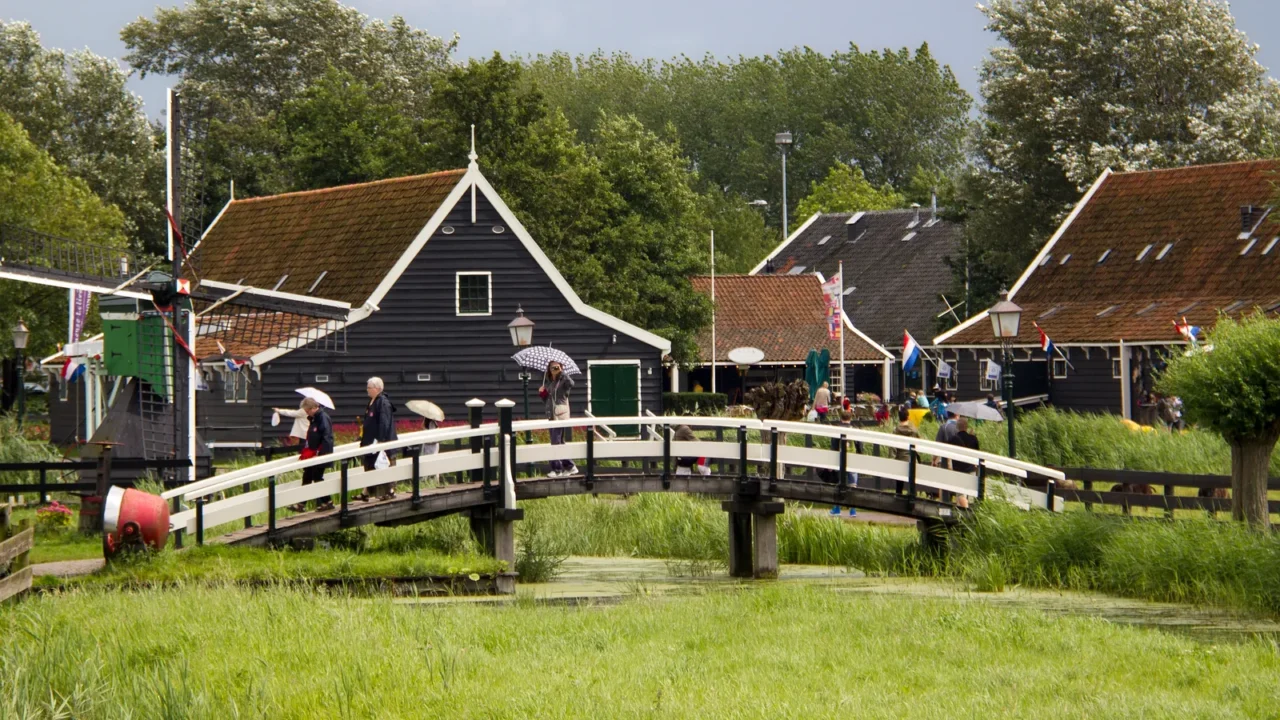
Fresh air, physical tasks, and a wide sky create a reset that is often deeper than a list of amenities. Visitors frequently report better sleep, clearer thoughts, and a lighter mood after a short farm stay. The natural setting offers a low-tech remedy for stressed minds.
Gentle work can be meditative and provide a sense of accomplishment without pressure. That balance of movement and quiet supports mental and physical well-being in subtle ways. For many holidaymakers, this kind of weekend alters daily habits in a lasting way.
Days that slow down
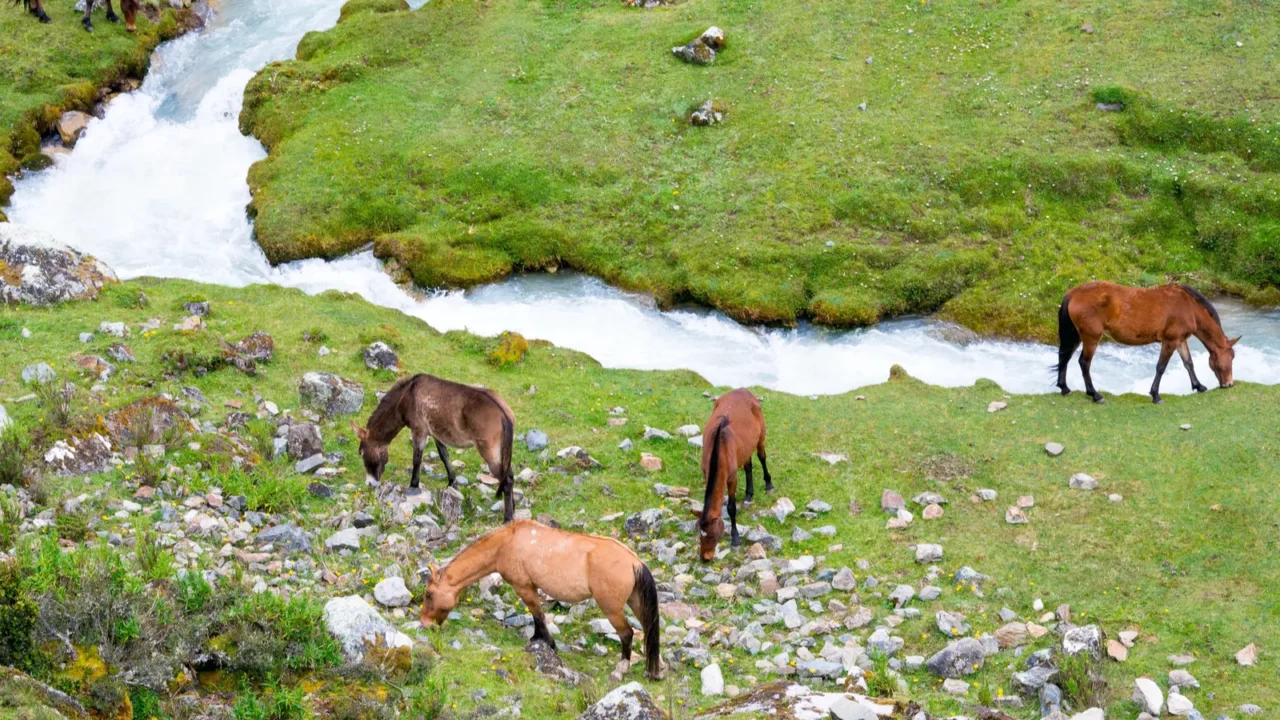
Life on a farm replaces rigid schedules with a natural rhythm shaped by daily tasks and open time. In Patagonia, Argentina, where visitors take part in hands-on sheep herding, horseback riding, and ranch responsibilities, days unfold from early chores to expansive afternoons and calm evenings. Without rushing, travelers become more aware of subtle details like changing light, natural sounds, and the pace of the land.
Evenings often center on shared gatherings and unhurried conversations that reflect the work of the day. Freed from constant screens and deadlines, patience deepens, and connections feel more genuine. The experience offers a quiet but powerful reset grounded in simplicity and presence.
Options for many travelers
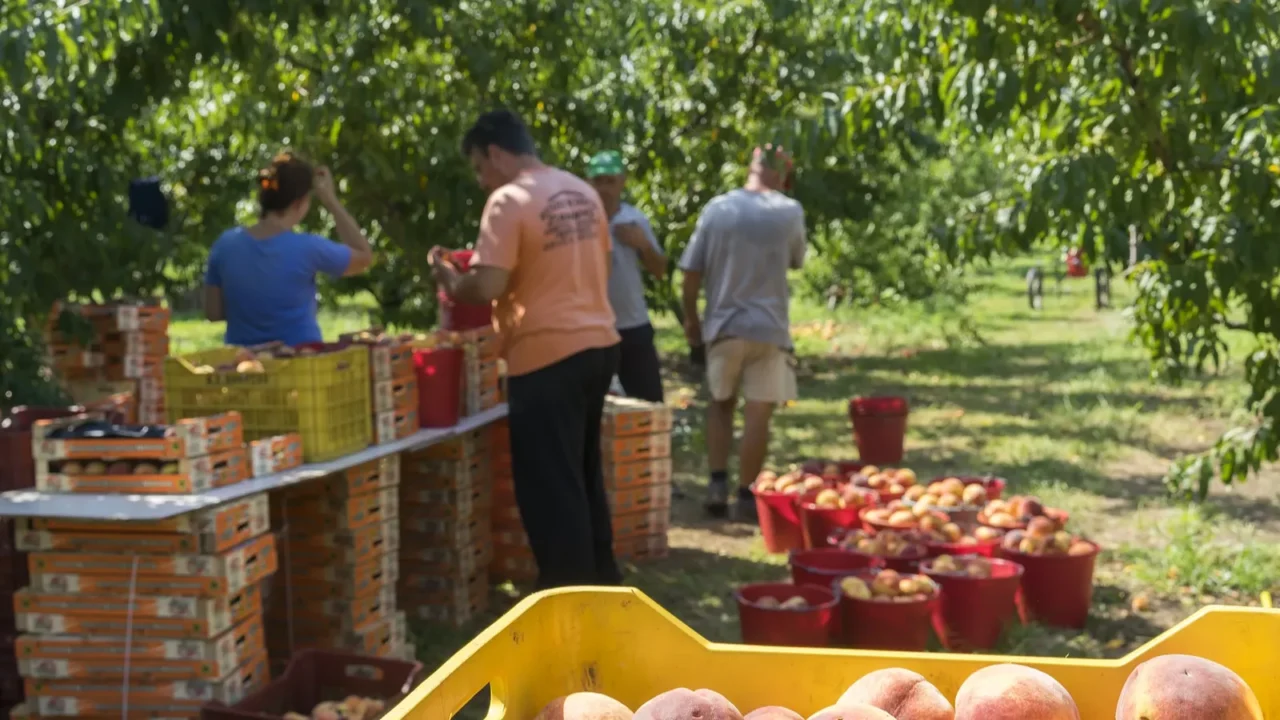
Some visitors arrive eager to join harvests and other hands-on tasks, while others simply want slow meals and restful views. Farm stays usually offer a flexible mix so visitors can choose activity or stillness. That variety makes agritourism suitable for solo travelers, families, and groups.
Hosts commonly tailor experiences to the mood of each stay with shorter tasks, guided walks, or cooking together. This approach lets holidaymakers find the balance they want without pressure to perform. The welcome tends to feel personal rather than packaged.

A sample weekend plan
Morning might begin with gathering eggs, brewing coffee over a simple stove, and walking along a dew-rimmed field. Midday could include a guided stroll, a short workshop on preserving, and a relaxed time under an orchard tree. Evening often closes with a family-style dinner, stories, and stars over an open sky.
This rhythm blends small chores with long pauses and friendly conversation to create moments that linger. Could a farm stay be the most luxurious vacation in 2025? The weekend is structured enough to feel purposeful yet open enough for rest and surprise.

Which farm stay calls most
A farm weekend like in Hokkaido, Japan, blends food, land, community, and calm into a single honest experience that stays with travelers. Some will prefer hands-on harvest work and daily chores, while others will crave slow food, rest, and gentle cultural exchange.
Which kind of farm stay calls most strongly to holidaymakers right now: hands-on harvest, slow food and rest, or cultural immersion? Share thoughts below.
This slideshow was made with AI assistance and human editing.
Don’t forget to follow us for more exclusive content right here on MSN.
Read More From This Brand:
