
Thailand bets on star power
Thailand is trying a very 2026 strategy to boost tourism: put a global superstar front and center. The country has officially tapped a familiar name to help sell the “Amazing Thailand” brand worldwide. The bigger goal is a rebound in visitors from China, once its biggest market.
Why now? Tourism is a huge economic engine, and even small swings matter for jobs and small businesses. Thailand’s tourism agency has publicly set big goals for 2026, including a massive revenue target. So yes, this is marketing, but it is also economic policy in a poster.

Lisa is the new tourism face
The Thai-born K-pop superstar is now an “Amazing Thailand Ambassador,” tied to a major 2026 push. The rollout is designed to reach travelers who follow pop culture as closely as flight deals. Thailand’s tourism leaders are banking on her global influence to spark bookings and buzz.
She’s also part of BLACKPINK, which matters because fandom travel is real, especially in Asia. The government messaging is basically “come see the Thailand you feel, not just the Thailand you photograph.” For younger travelers, that pitch can land better than another beach brochure.
Tourism Authority of Thailand sets huge targets
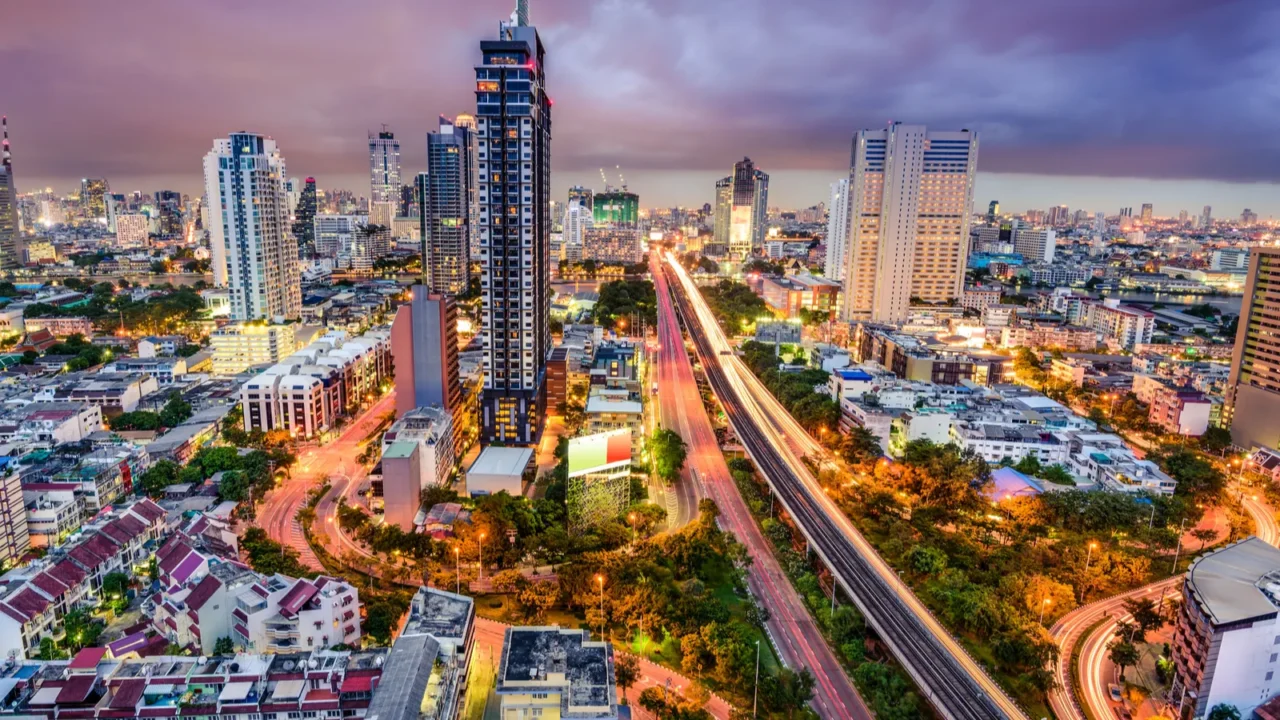
Thailand’s tourism agency has been clear about the numbers it wants to hit. A national goal for 2026 planning is 3 trillion baht in tourism revenue, with 36.7 million international visitors targeted. That’s a “big swing” plan, not a small bounce.
The strategy is shifting from sheer volume to higher-value trips and better spending per visitor. In plain English, it wants fewer “crowd only” itineraries and more “stay longer and spend smarter” travel. That’s also why celebrity marketing fits, because it sells lifestyle, not logistics.
Wat Arun was the launch backdrop
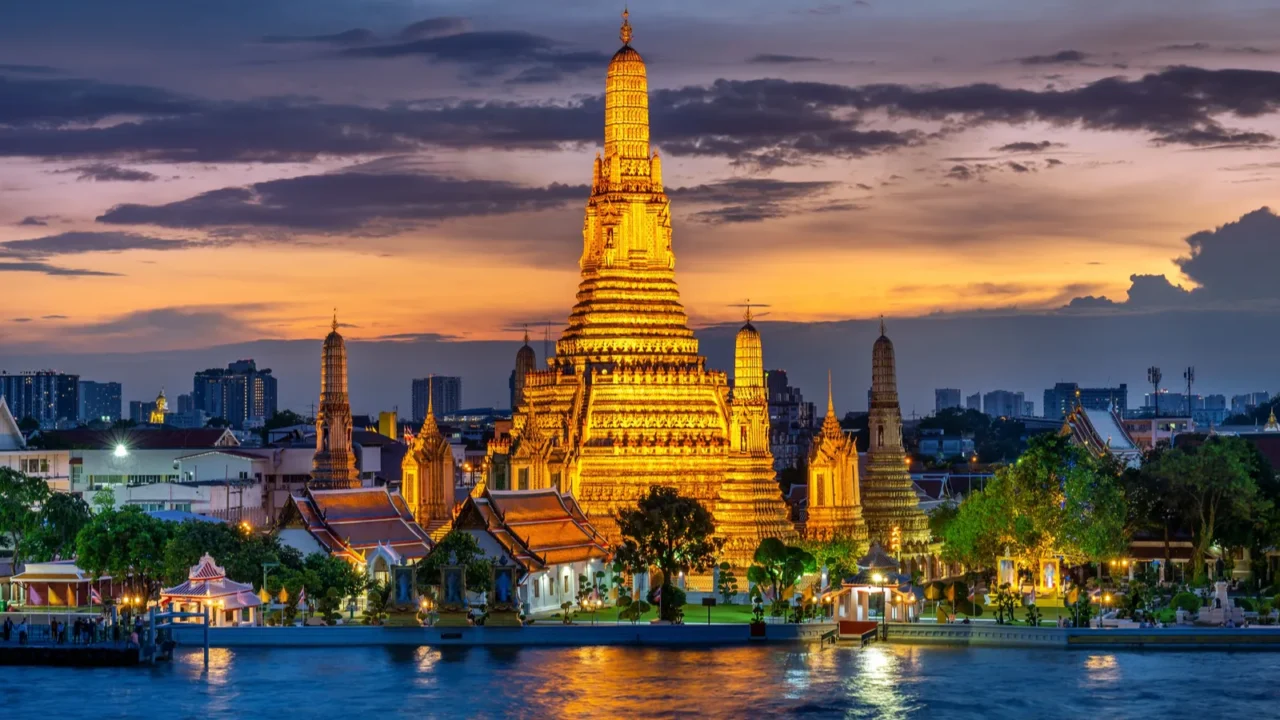
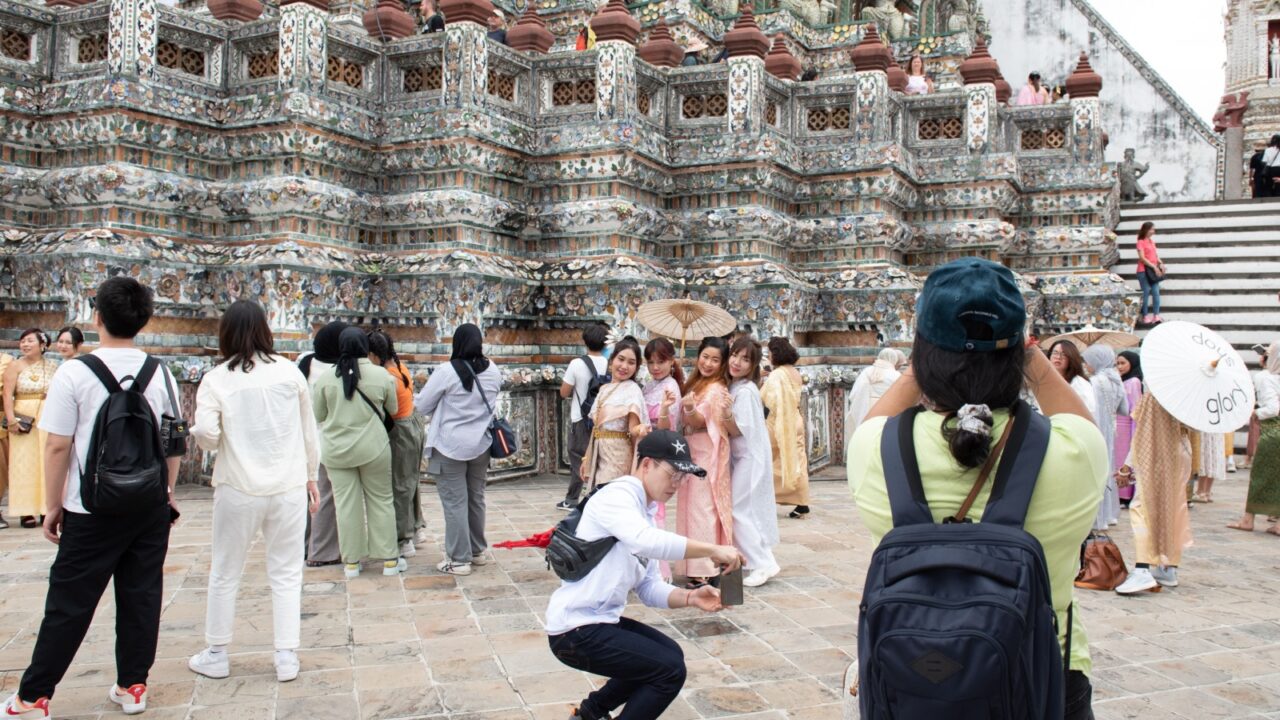
The big moment happened in late January 2026 with a flashy event at Wat Arun in Bangkok. Reports described fireworks and a drone display, which tells you this was meant for cameras and social feeds. Thailand wasn’t whispering, it was going full stadium lights.
The campaign name, “Feel All the Feelings,” is basically emotional storytelling as a tourism strategy. Instead of “here’s a list of temples,” it’s “here’s what Thailand feels like when you’re actually there.” It’s a modern approach that plays well on TikTok and Instagram.
The China rebound is the main mission
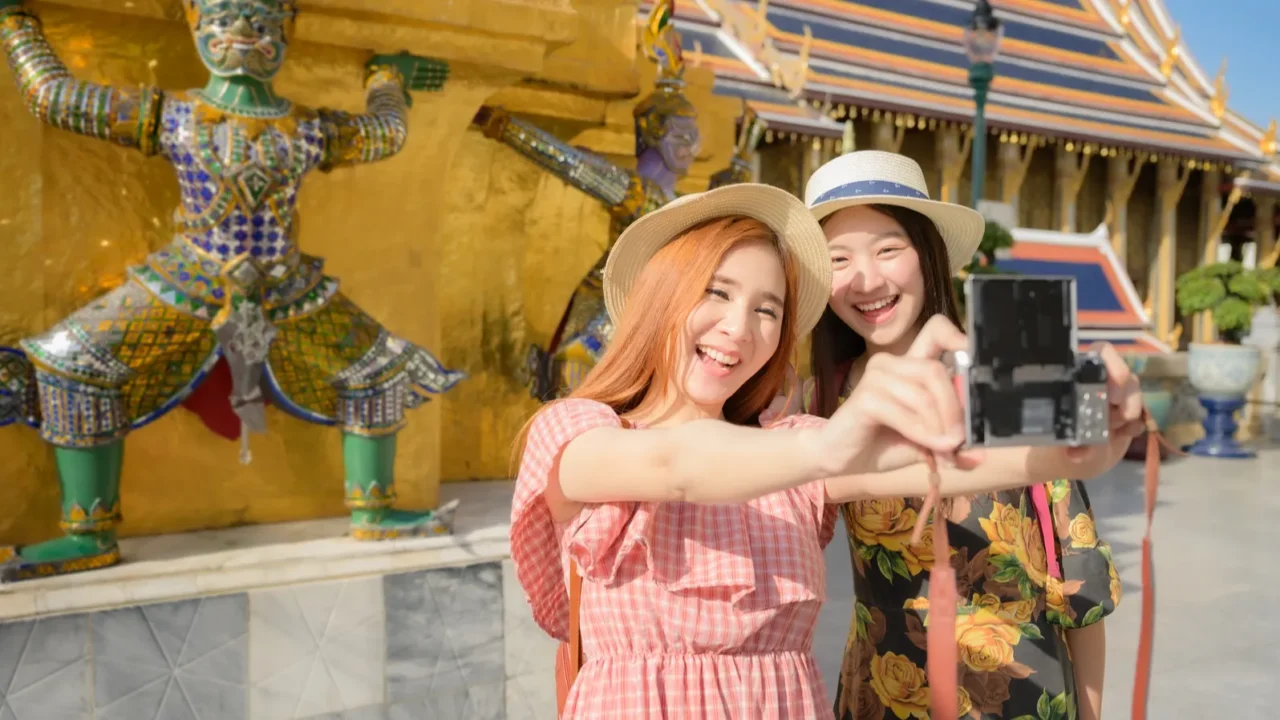
Thailand is openly chasing a recovery in Chinese visitors after a rough slide. One widely cited figure for 2025 is around 4.4 million arrivals from China, and Thailand’s own targets for 2026 have been reported as high as 6.7 million. That’s a big jump to ask for in one year.
Why the slump? Safety headlines around regional scam centers have scared travelers, and currency strength can make trips feel pricier. Some reporting also points to broader regional competition and shifting travel habits. In other words, this is not just “bad PR,” it’s a tougher market.
Safety concerns are not abstract anymore
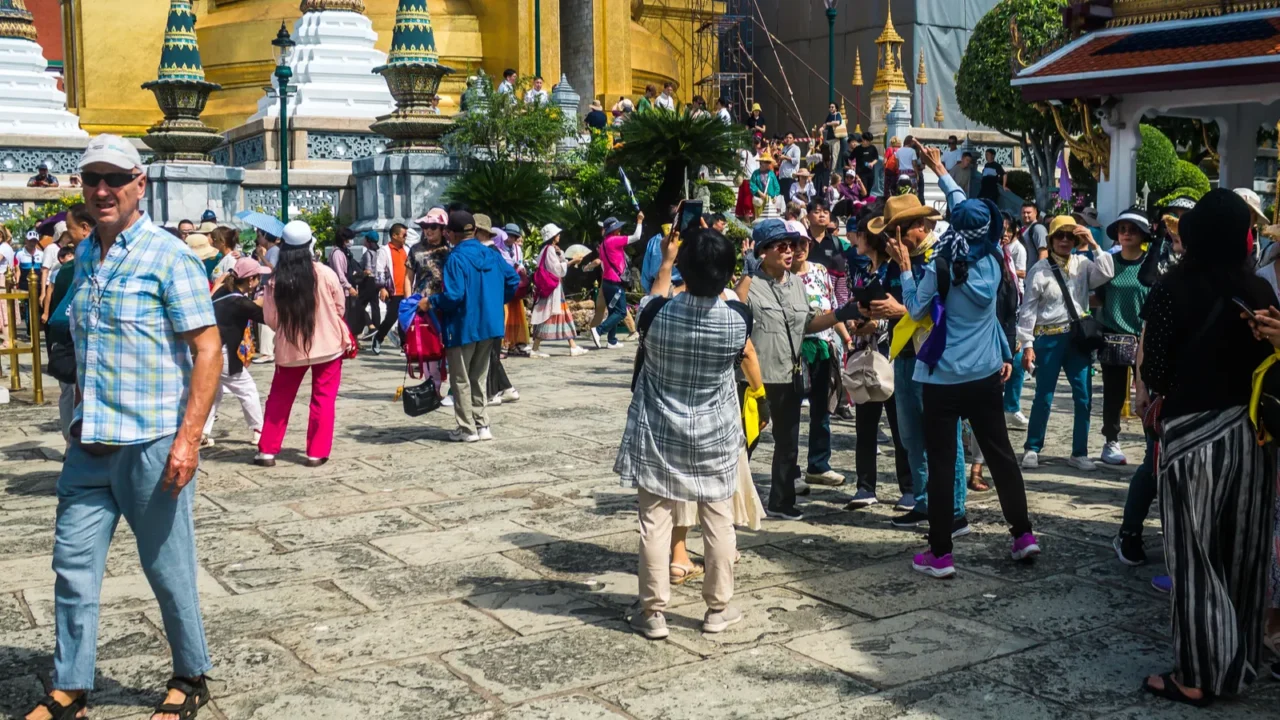
The scam center story is not just an internet rumor; it has real news weight. Reuters has reported on crackdowns and rescues linked to scam operations near the region, including cases that drew major attention. When a safety narrative catches fire, group tours can vanish overnight.
Thailand’s message now leans hard on “Trusted Thailand” and confidence-building. That is why the ambassador announcement keeps circling back to safety and reassurance, not just beaches and food. It’s tourism marketing with a defensive layer, and travelers notice that.

Thailand is not the only option for China
Even if Thailand fixes its image, it still has to compete. Travel industry coverage has pointed out that other destinations in the region are also fighting for Chinese travelers and could benefit when Thailand gets negative headlines. Competition is the quiet pressure behind every “Amazing Thailand” billboard.
That’s why Thailand is going specific, not generic, with influencer marketing. It’s aiming at different travel types, from families to luxury shoppers to pop-culture fans. The pitch is basically “we’re safer, smoother, and more worth it” than the alternatives.
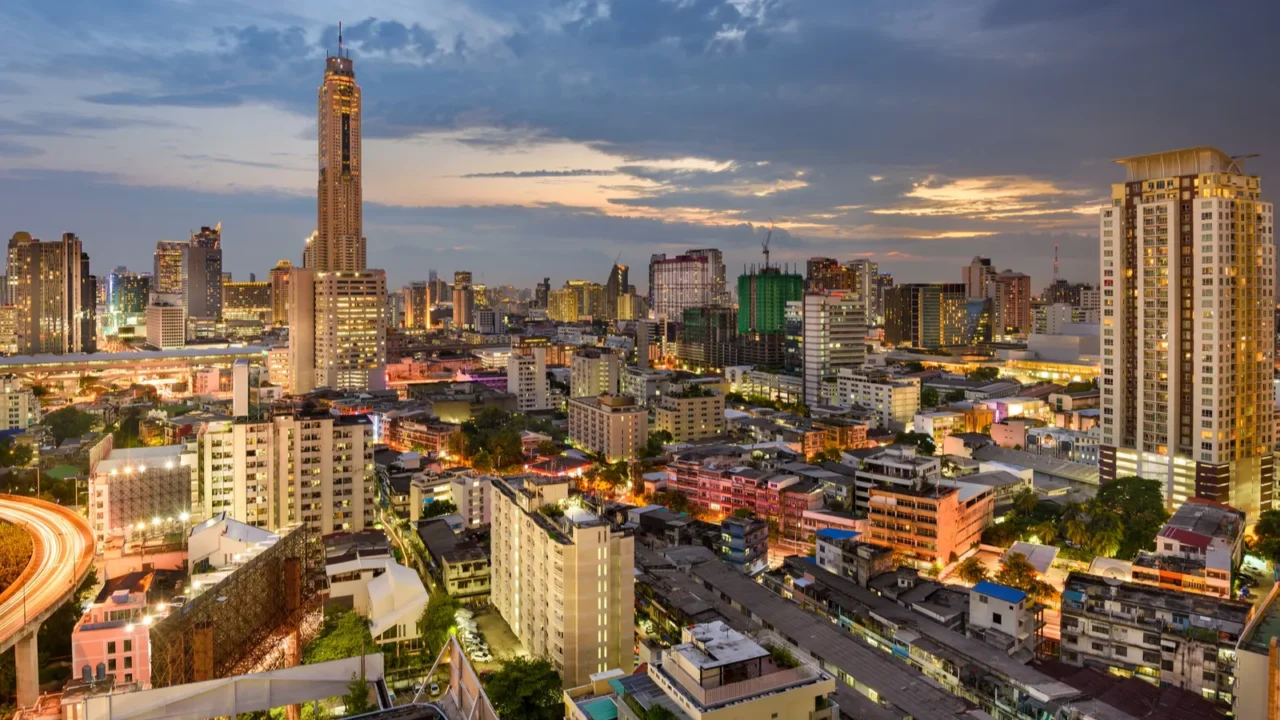
This is value over volume, on purpose
Thailand’s tourism messaging is trying to move people away from overcrowded “same photo, same line” stops. The campaign talk is about hidden gem destinations and higher-quality experiences that feel more personal. That is a direct response to overtourism complaints and traveler fatigue.
For Americans reading this, it’s the same trend you see in the U.S. too: less “checklist travel,” more “story travel.” If Thailand can spread visitors out, it helps local economies beyond the usual hot spots. It also helps travelers feel like they found something, not followed a crowd.
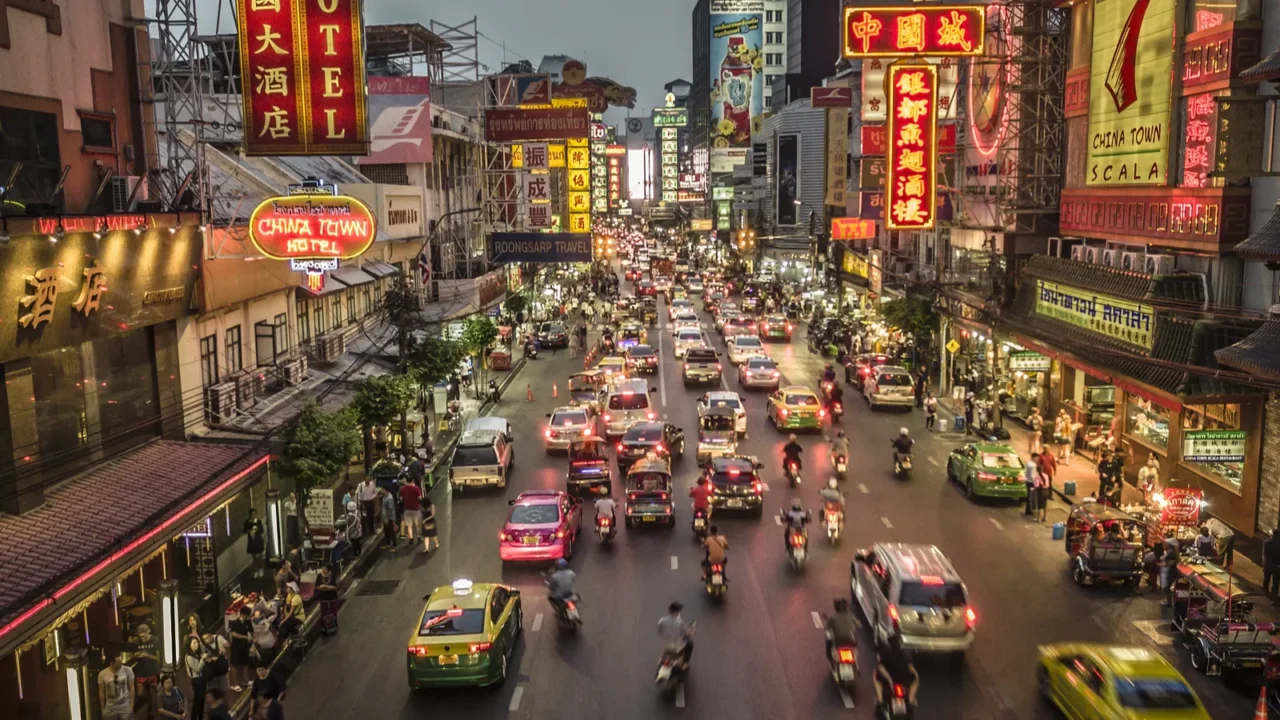
Yaowarat already got a tourism bump
Here’s the clearest proof of the “Lisa effect” people keep talking about. Her “Rockstar” music video spotlighted Bangkok’s Chinatown area, and local reporting said it boosted interest in Yaowarat as a must-visit zone. That’s soft power turning into foot traffic.
This matters because it’s a real-world example Thailand can point to. You don’t have to guess whether pop culture can drive travel, you can watch it happen in a neighborhood’s night-market economy. Tourism boards love that kind of measurable buzz. And now they want to scale it nationally.
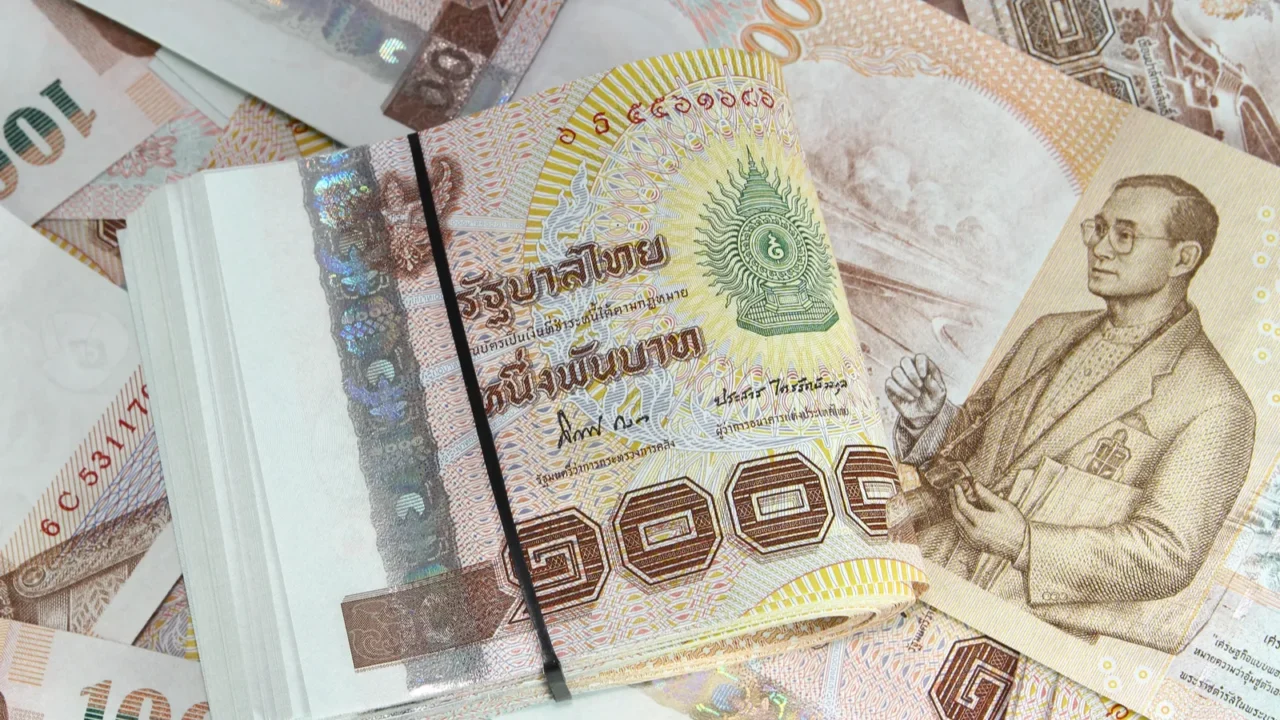
The money target is massive
Thailand’s tourism leadership is aiming for 3 trillion baht in tourism revenue in 2026. That number gets repeated across Thai and regional coverage because it signals how serious the stakes are. It also frames why the campaign is global, not just aimed at one country.
To hit targets like that, Thailand needs both volume and spending power. That’s why the campaign language pushes “Quality Leisure Destination” instead of cheap-and-cheerful mass tourism. It’s a repositioning move, and it’s happening in public. Influencers are just the loudest tool in the box.
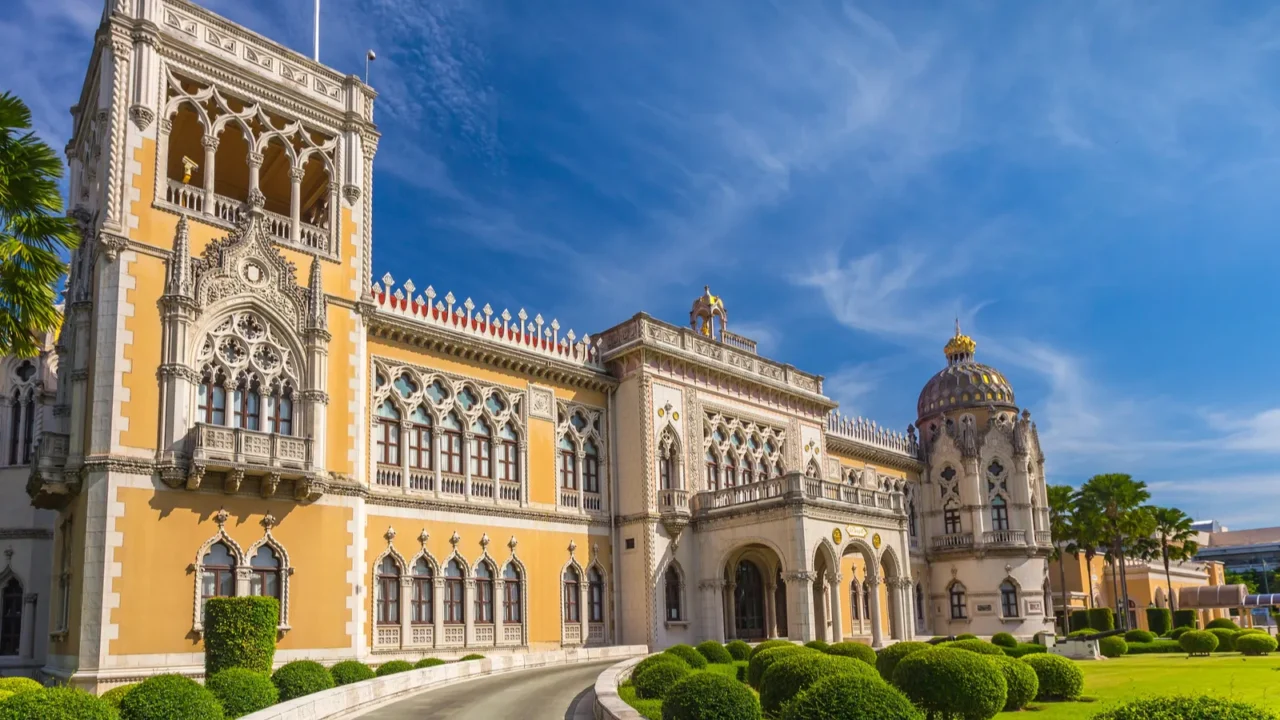
“Trusted Thailand” is the quiet headline
A big part of the new messaging is restoring confidence, especially for travelers who are nervous after safety headlines. Official releases describe a push to reinforce trust and encourage hosts and businesses to create reassuring experiences. In tourism, trust is the real currency.
For U.S. travelers, official advisories still shape perceptions, even if people do not read them line by line. The U.S. Department of State currently lists Thailand at Level 2, meaning “exercise increased caution.” That does not mean “don’t go,” but it does mean travelers weigh risks.
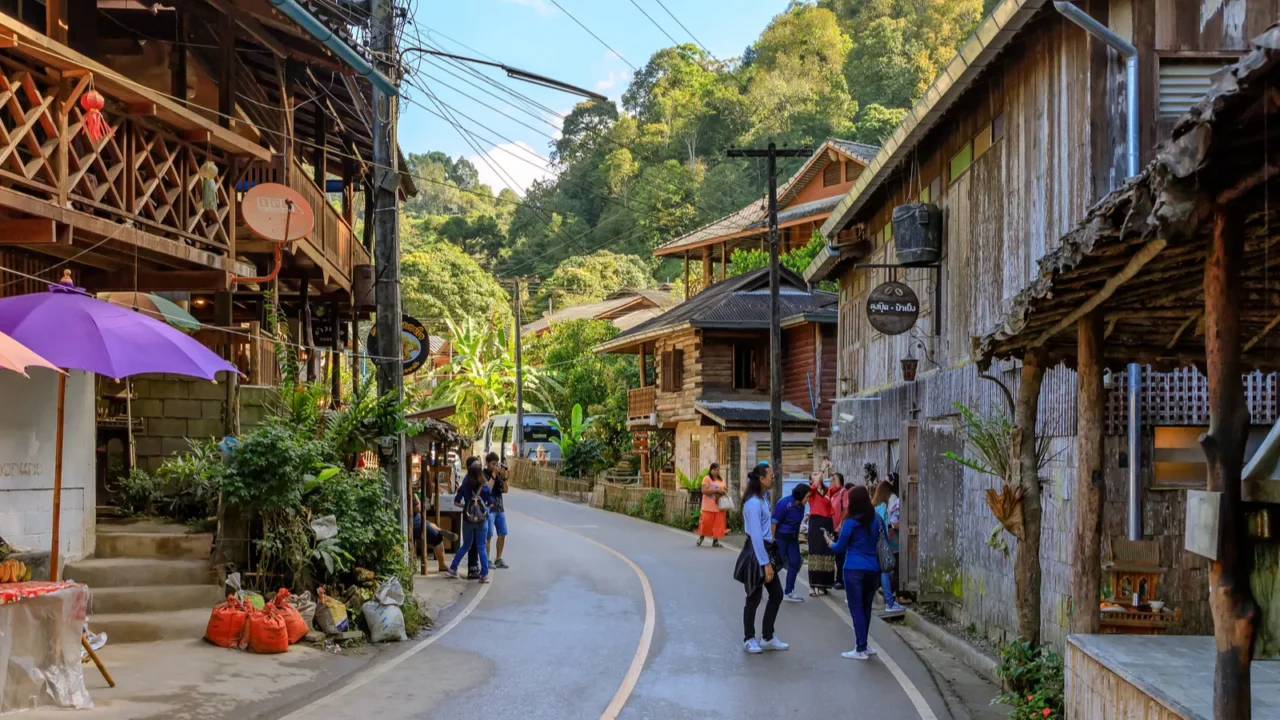
Tourism is driving the 2026 economy talk
Thailand’s broader economic outlook keeps circling back to tourism as a key growth engine. Reuters has reported forecasts that lean on strong tourism to offset other pressures. When a sector carries that much weight, a celebrity ambassador becomes more than a photo op.
There’s also a practical reason governments love tourism rebounds: it spreads money quickly across hotels, restaurants, transport, and small vendors. That is especially true in places like beach regions and major cities. So when you hear “3 trillion baht,” think payrolls, not just promotions. This is why the campaign is being treated like a national priority.
Want to meet your idol in real life? Explore the private luxury hideaways K-pop idols choose for paparazzi-free escapes.
What travelers may notice next
If the campaign works, travelers could see more curated “experience-first” packages and more promotion of lesser-known regions. That can mean better crowd control, more local storytelling, and less pressure on the usual hotspots. In theory, it’s a nicer trip for visitors and locals.
But expect the marketing to be loud for a while. Thailand is competing for attention in a world where travelers scroll faster than they research. Lisa’s role helps cut through the noise, especially with younger audiences and Asian markets. The bet is that one familiar face can rebuild confidence faster than a hundred generic ads.
Check out how Bangkok leads 2026 tourism by delivering the city break travelers want.
Do you think star power can change travel habits, or will travelers stay cautious? Share your thoughts and your view in the comments.
This slideshow was made with AI assistance and human editing.
Don’t forget to follow us for more exclusive content right here on MSN.
Read More From This Brand:
